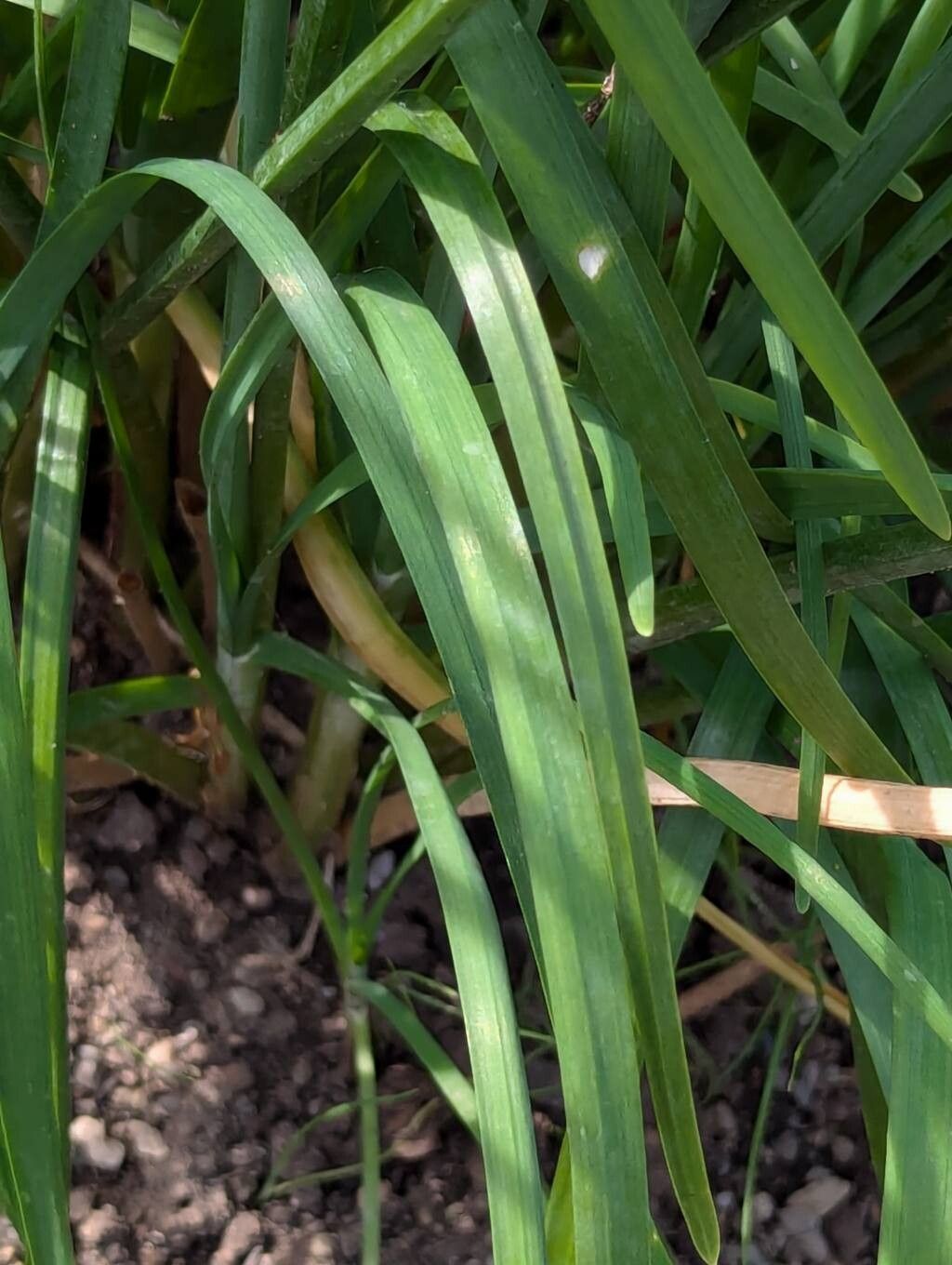
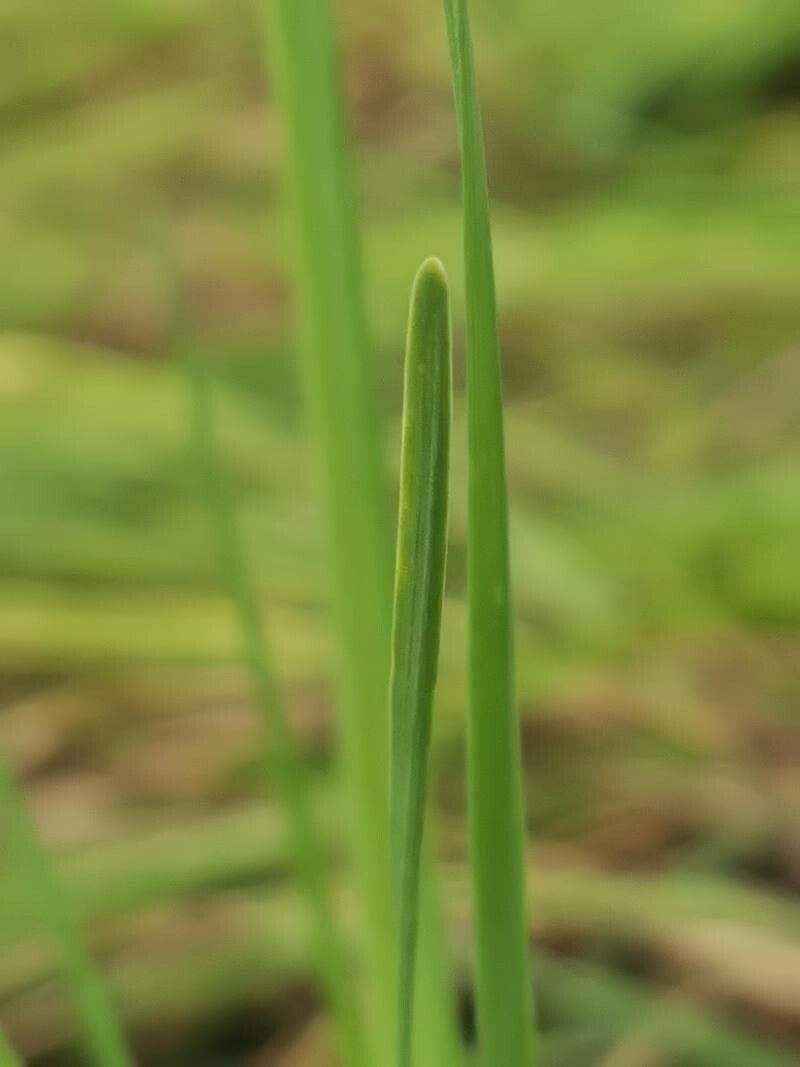
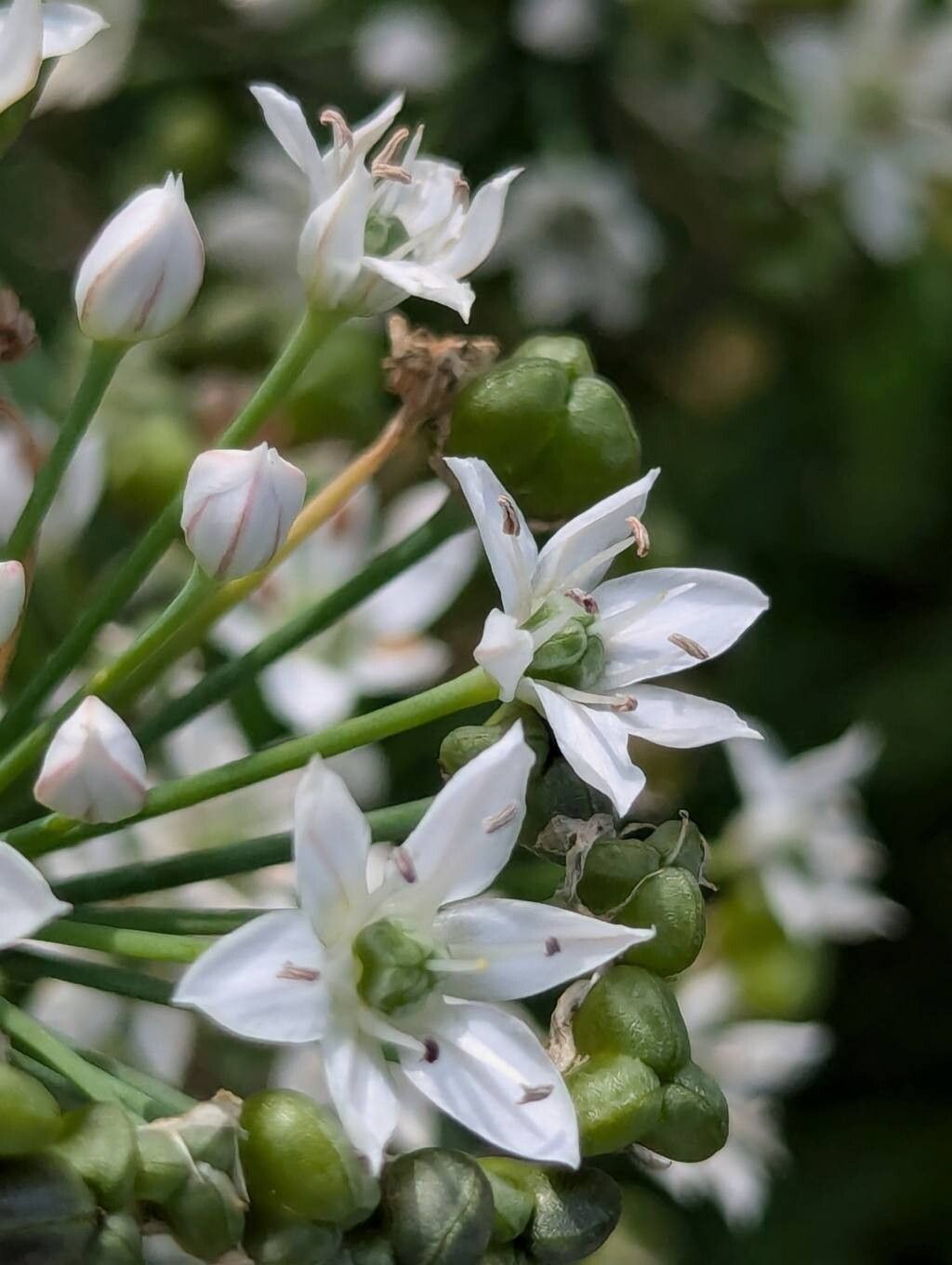
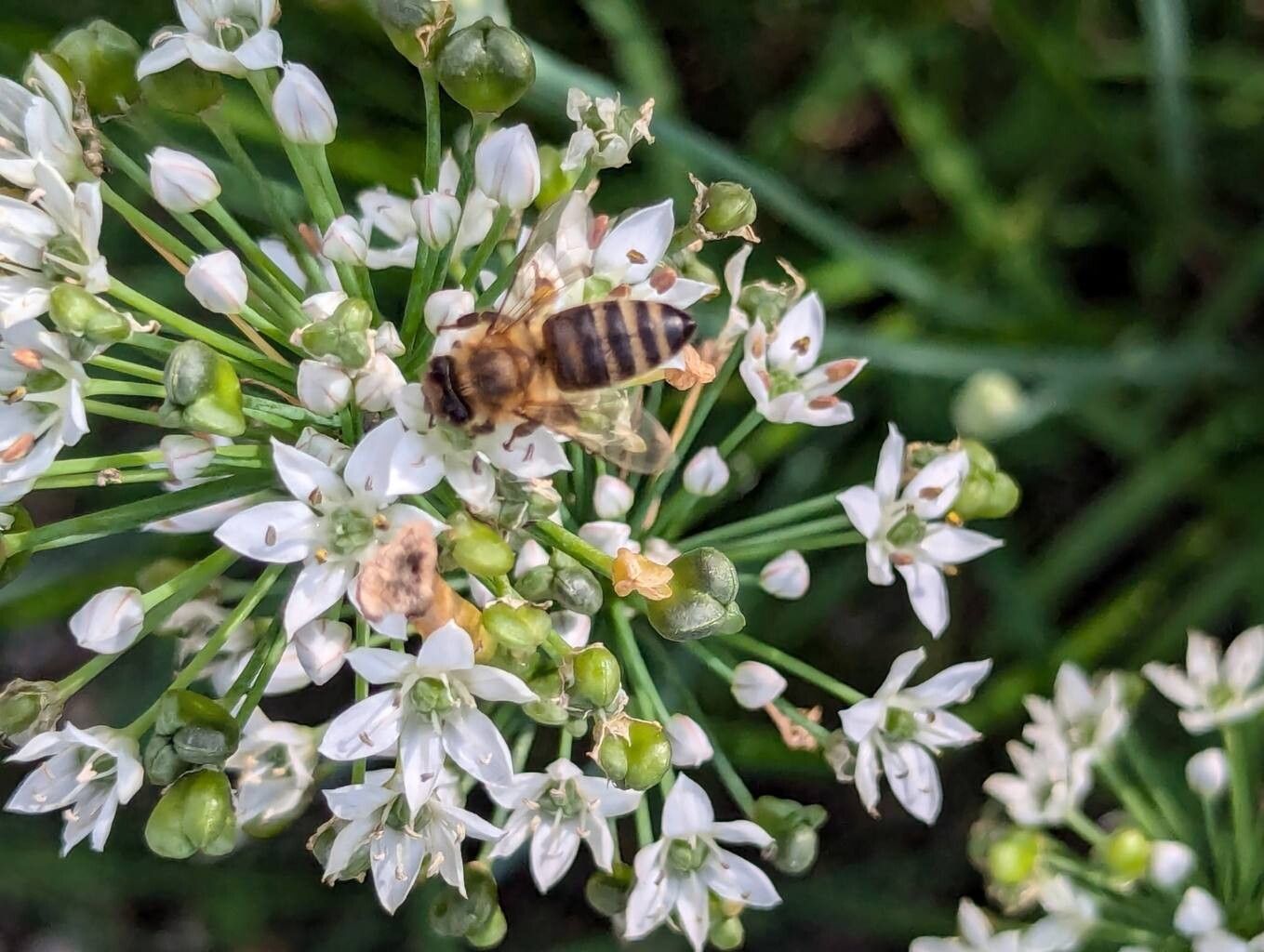
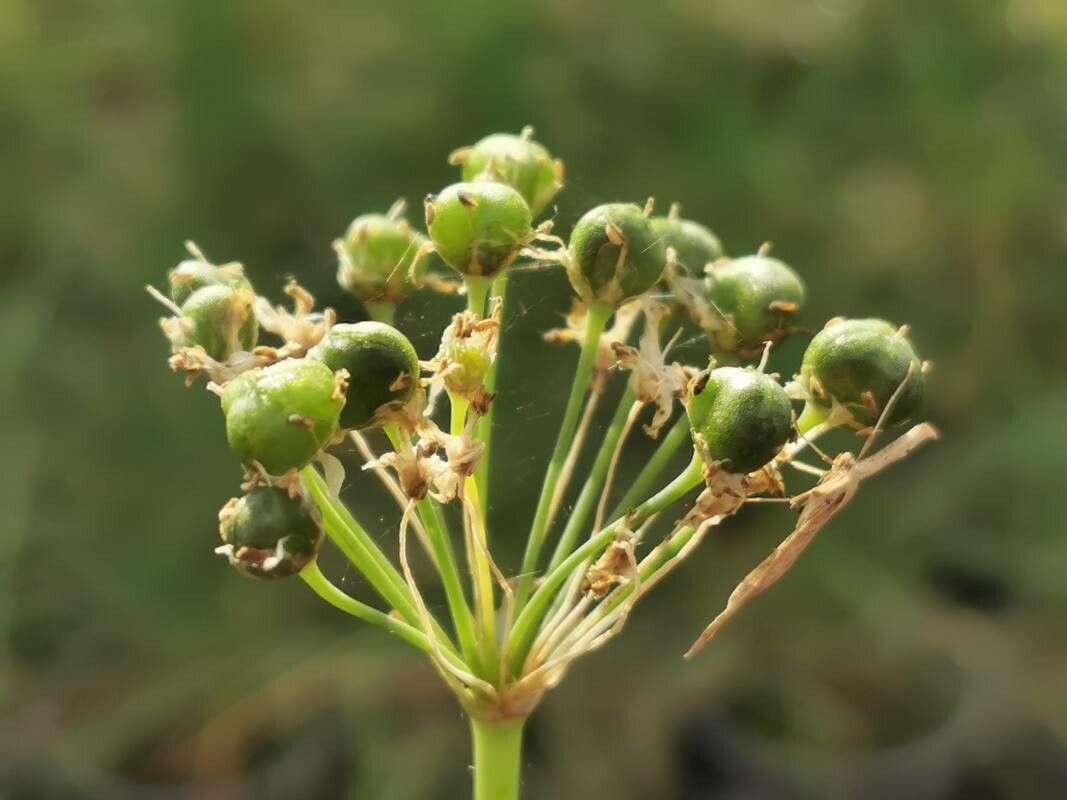
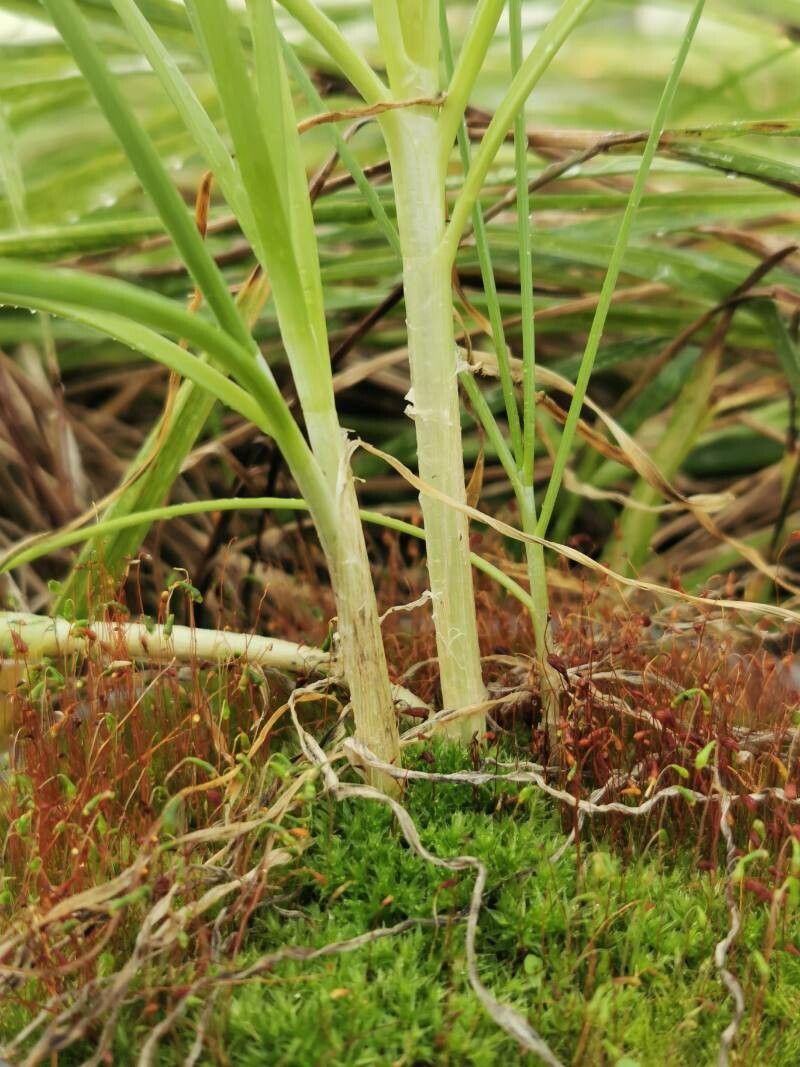
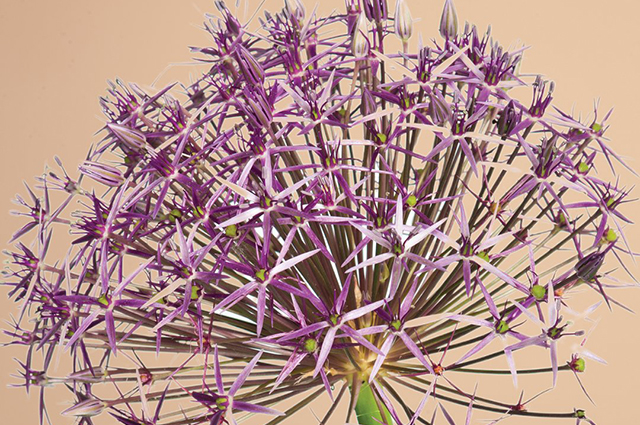
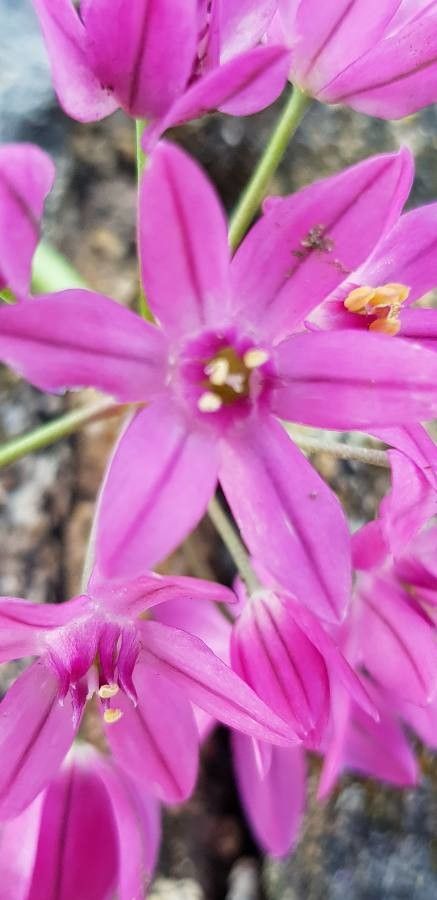
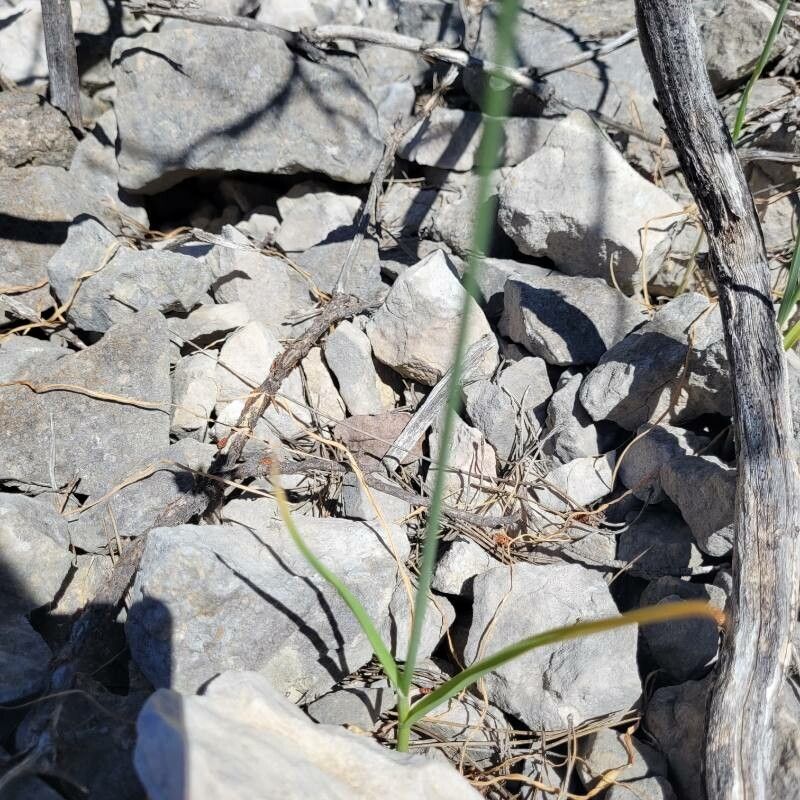
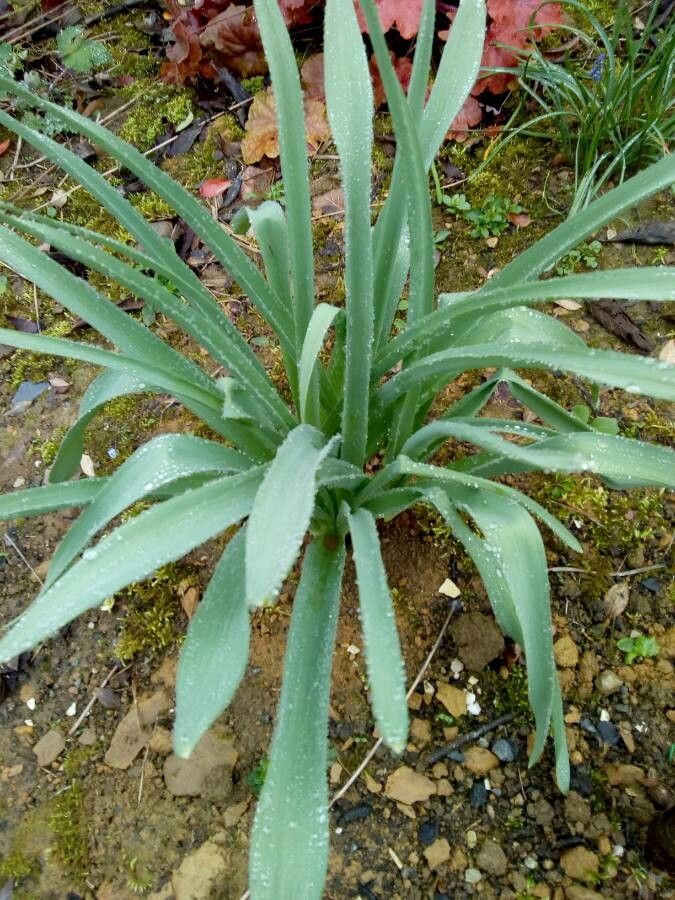
Allium ramosum, called fragrant-flowered garlic or Chinese chives is a northern Asian species of wild onion native to Kazakhstan, Mongolia, Siberia, the Russian Far East, and northern China. The species is also naturalized in a few places in eastern Europe. In its native range, it grows at elevations of 500–2100 m.
Chinese chives have moderate disease resistance but can still be vulnerable to problems like leaf spot. Their susceptibility to insect pests differs by variety, though most varieties are not very pest-resistant. For care, Chinese chives require regular watering and fertilizing, along with frequent removal of yellow leaves. Pests and diseases should be dealt with as they arise, and the plants should be harvested in a timely way. Chinese chives are appropriate for people who can commit some time and energy to regular upkeep.
How to keep Allium Ramosum.
Light
Chinese chives originate from environments with abundant sunlight, such as open fields and sunny meadows. They prefer full sun but can also tolerate partial sun.
Water
Chinese chives, which are native to Asia, thrive in moist soil and require consistent hydration, with weekly watering to support their growth. While they are moderately drought-tolerant, they prefer full sun and well-moisture-retaining soil, particularly during the active growing season.
Temperature
Chinese chives prefer moderate temperatures, similar to what people generally find comfortable. They do best in conditions that are not too hot or too cold. The primary problem with high heat is the risk of sunburn, so providing some shade in summer is recommended to avoid excessive warmth. When temperatures fall, Chinese chives become dormant. If continuous growth is wanted, higher temperatures must be maintained during winter. Frost can damage the plant and should be avoided.
Fertilizer
To maximize the yield and flavor of Chinese chives, provide sufficient nitrogen throughout the entire growth period, including before planting and at harvest. Adequately watered and fertilized plants produce plentiful, healthy leaves and reduce bitterness. Before planting, improve the soil with organic matter such as compost or manure, preferably 2 to 8 weeks ahead.
Pruning
Chinese chives benefit from regular pruning, which is best done from early to late spring. To promote growth and improve air circulation, trim the leaves to 2-3 inches above the soil. Removing spent flowers can help prevent self-seeding and improve yield. Always use clean, sharp shears to minimize the risk of disease.
Pot & Repot
To ensure Chinese chives thrive and avoid root rot, it's crucial to provide excellent drainage in their pots. Selecting the right container and soil mix is key to maintaining proper drainage, which supports healthy plant growth.
Botanical profile.
- Plant Type
- Herb
- Life Cycle
- Perennial
- Genus
- Allium
- Family
- Amaryllidaceae
- Hardiness Zone
- 5-9
- Mature Height
- 30 cm to 61 cm
- Mature Spread
- 20 cm to 30 cm
- Leaf Color
- Green
- Leaf Type
- Deciduous
- Flower Color
- White
- Flower Size
- 1.02 cm to 2.03 cm
- Bloom Time
- Mid summer, Late summer, Early fall
- Planting Time
- Spring, Summer
- Harvest Time
- Early fall, Mid fall
- Native Area
- Russia, Kazakhstan, Mongolia, Pakistan, China
Other names.
Reader questions.
What are the sunlight requirements for Chinese chives?
Chinese chives, botanically known as Allium ramosum, thrive best in full sun conditions, receiving more than 6 hours of direct sunlight daily. They can also tolerate partial sun, with about 3-6 hours of sunlight. It's crucial to observe how sunlight moves through your garden to ensure these plants receive the ideal balance of light and shade for optimal growth, keeping in mind the advice to gradually adjust their exposure to sunlight.
How can I use artificial lighting for my indoor Chinese chives?
For indoor Chinese chives, adequate artificial lighting is essential, especially when natural sunlight is insufficient. LED lights are recommended due to their capacity to be customized to provide specific wavelengths needed for plant growth. Full sun plants require 30-50W/sq ft, partial sun plants need 20-30W/sq ft, and shade-loving plants require 10-20W/sq ft of artificial light. The light source should be placed 12-36 inches above the plant to resemble natural sunlight conditions, ensuring the light duration mimics the natural daylight hours, usually between 8-12 hours per day.
What symptoms indicate inadequate lighting for Chinese chives?
Symptoms of inadequate lighting in Chinese chives include smaller new leaves, leggy or sparse growth, faster leaf drop, slower or no new growth, lighter-colored or chlorotic new leaves, sunscald, leaf curling, wilting, and leaf scorching. These symptoms can result from either too little or too much sunlight exposure. Adjusting the plant's exposure to sunlight gradually and monitoring for signs of stress can help in mitigating these issues.
How do I resolve lighting issues for my Chinese chives?
To resolve lighting issues for Chinese chives, for indoor plants, gradually increase exposure to direct sunlight or use artificial light, aiming for at least 6 hours of light daily. A south-facing window is ideal for natural light, supplemented by artificial lights if necessary. For outdoor plants, move them slowly to sunnier spots weekly, avoiding sudden changes that could cause sunburn. If your plant is in a location where sunlight is blocked, consider pruning obstructions or transplanting smaller plants during their dormant period to a location with better sunlight and drainage. Remember, although parts of the plant affected by sunlight issues might not recover, new growth should be healthy with improved lighting conditions.