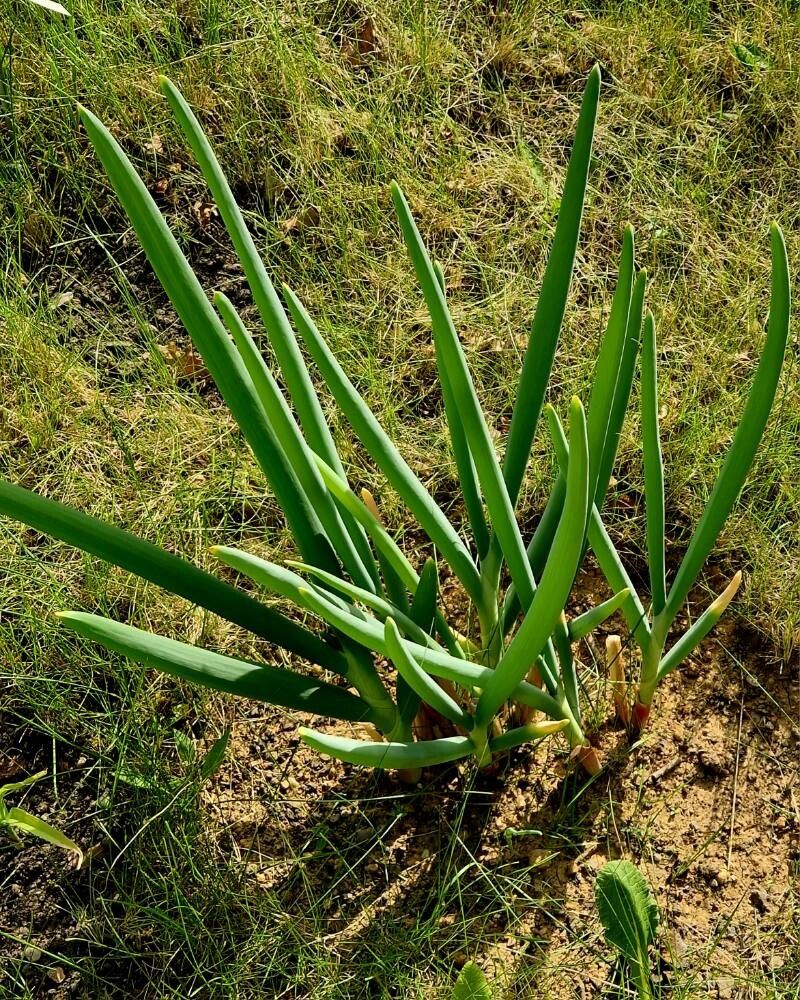
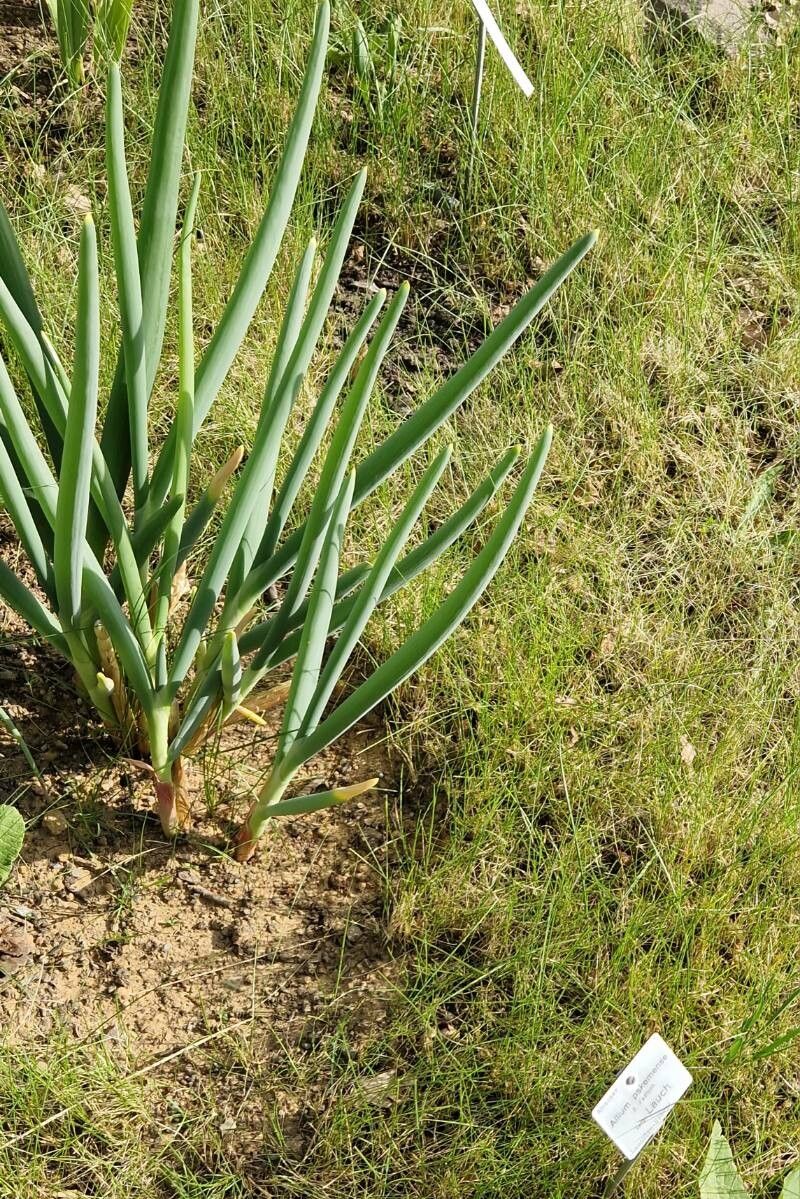
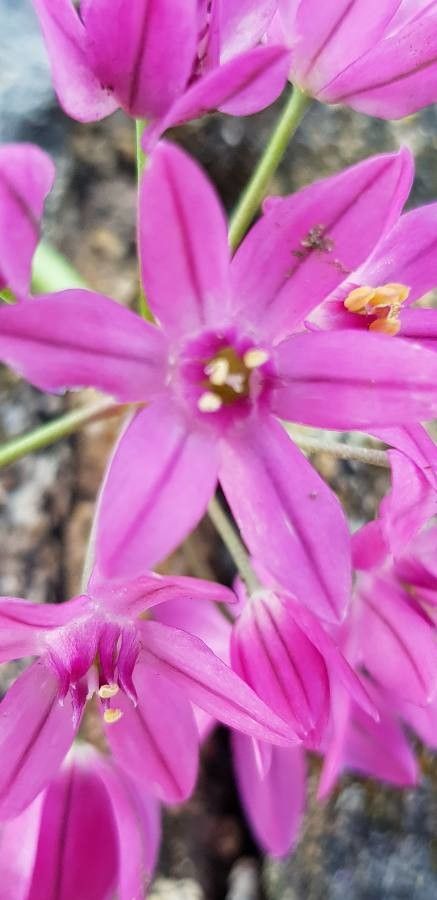
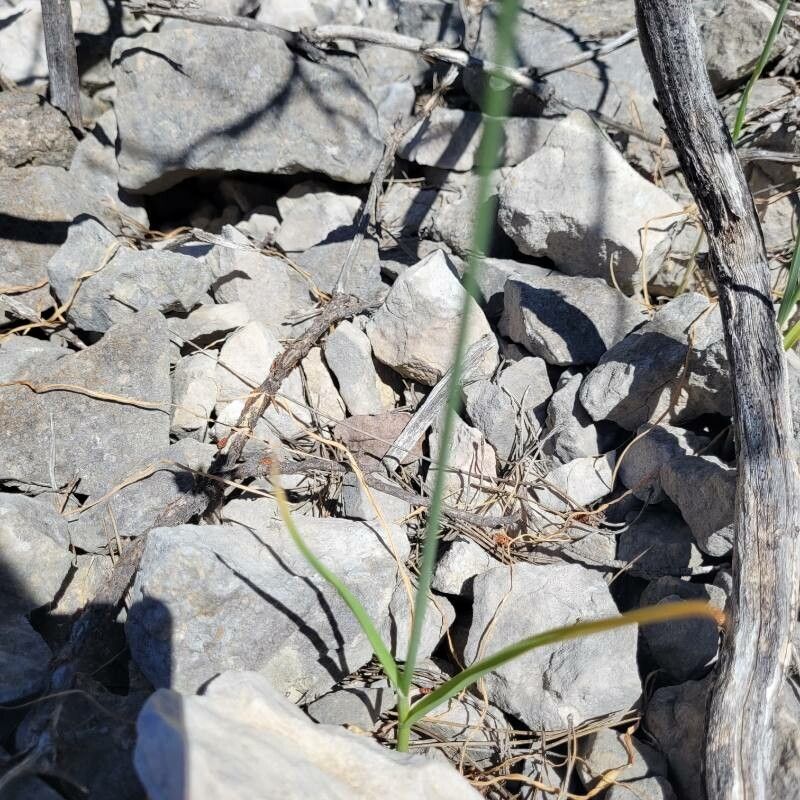
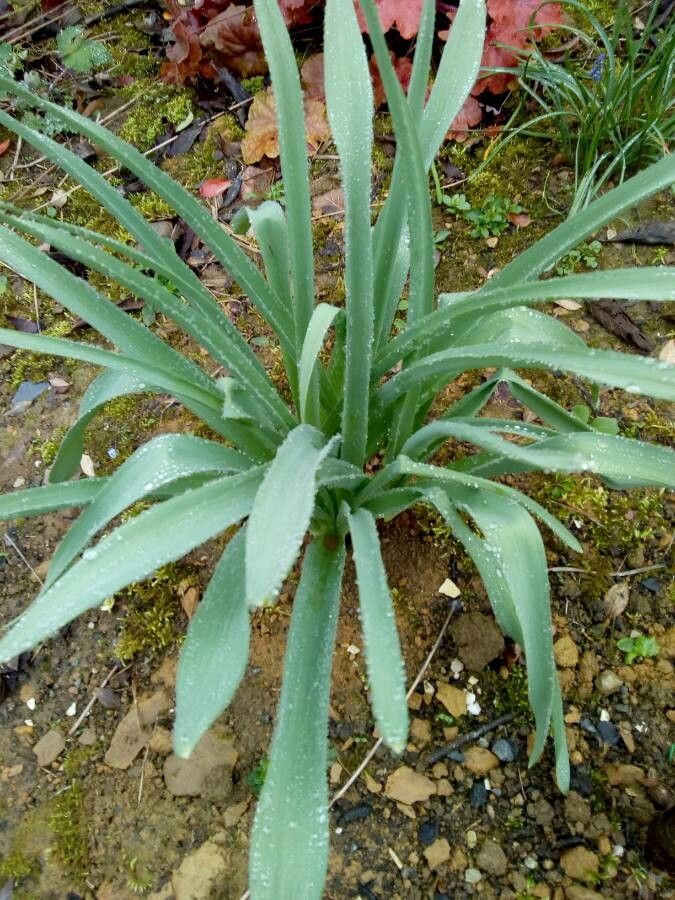
Allium pskemense is a rare Asian species of wild onion native to Uzbekistan, Kyrgyzstan, and southern Kazakhstan.
Ornamental onion is fairly disease-resistant and typically does not suffer from many illnesses. However, it can be vulnerable to pests and diseases present in its surroundings. Such infections are generally mild. This plant needs moderate care. Regular pruning is necessary to maintain an attractive appearance and support healthy growth. Applying fertilizer can also encourage flowering. Ornamental onion is suitable for anyone with outdoor space, such as a garden or patio, and does not require extensive gardening experience. It may need more attention when grown indoors.
How to keep Allium Pskemense.
Light
Ornamental onion is a sun-loving, perennial herbaceous plant native to open habitats, frequently thriving in meadows and grasslands. It prefers full sun but can also tolerate partial sun.
Water
Ornamental onions flourish on rocky slopes and are drought-tolerant, requiring weekly watering to replicate their natural environment. They are often cultivated outdoors for their round, striking blooms. To prevent water-logging, especially during the active growing season, it's important to plant them in well-draining soil.
Temperature
Ornamental onion can tolerate a broad range of temperatures, but its spread may still be constrained by particular combinations of moisture and heat. It performs best in warm summer conditions with sufficient rainfall or watering. Long stretches of cloudy, rainy weather or sustained high temperatures raise the chance of Ornamental onion dying. In winter, protecting it from cold can increase its survival rate.
Fertilizer
The best time to fertilize an ornamental onion is in early spring, when it is coming out of dormancy and beginning active growth. Fertilization supplies key nutrients for healthy development. Although ornamental onions have relatively low fertilization needs, annual fertilization can enhance their survival and promote better, longer-lasting flowers.
Pruning
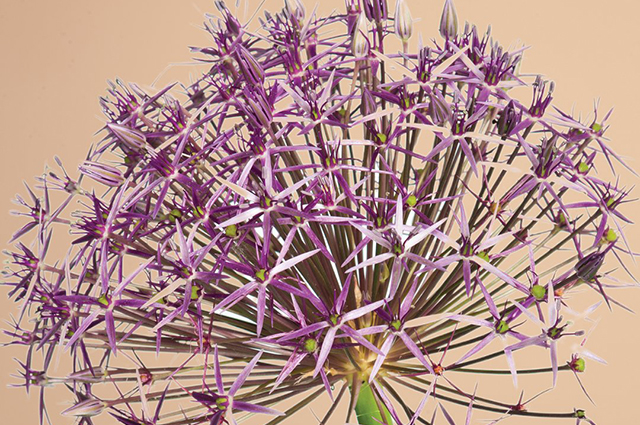
Ornamental onion produces eye-catching spherical flower clusters. To keep the plant healthy and looking its best, it's important to prune it strategically. This involves removing spent blooms and cutting back yellow foliage from early to late spring. This practice not only maintains the plant's appearance but also encourages healthier growth and better blooms in the future.
Pot & Repot
To ensure ornamental onions thrive in pots, it is crucial to provide excellent drainage. This helps maintain proper moisture levels and prevents root rot, which is essential for healthy growth and overall plant vigor.
Botanical profile.
- Plant Type
- Herb
- Life Cycle
- Perennial
- Genus
- Allium
- Family
- Amaryllidaceae
- Hardiness Zone
- 5-8
- Mature Height
- 61 cm to 91 cm
- Mature Spread
- 30 cm to 49 cm
- Leaf Color
- Green
- Leaf Type
- Deciduous
- Flower Color
- White
- Flower Size
- 5.08 cm to 6.35 cm
- Bloom Time
- Early summer, Mid summer
- Planting Time
- Spring, Summer
- Harvest Time
- Late summer, Early fall
- Native Area
- Uzbekistan, Kazakhstan, Kyrgyzstan