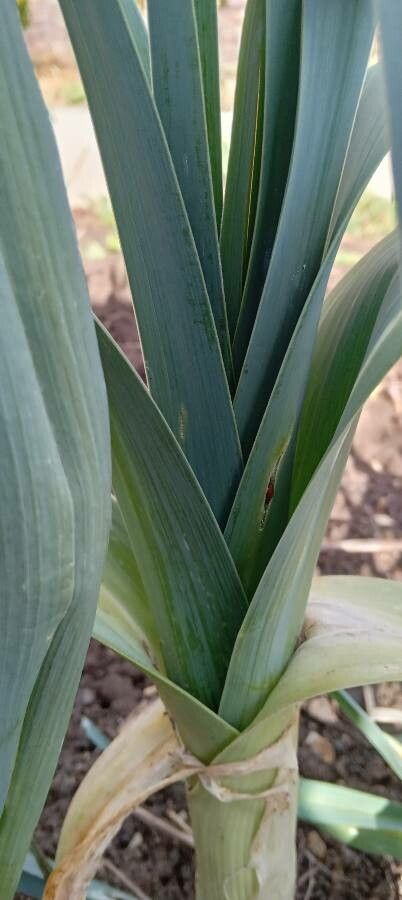
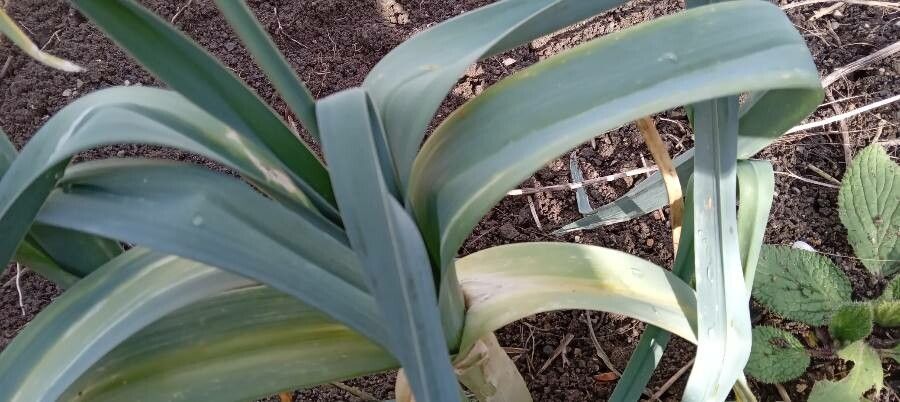
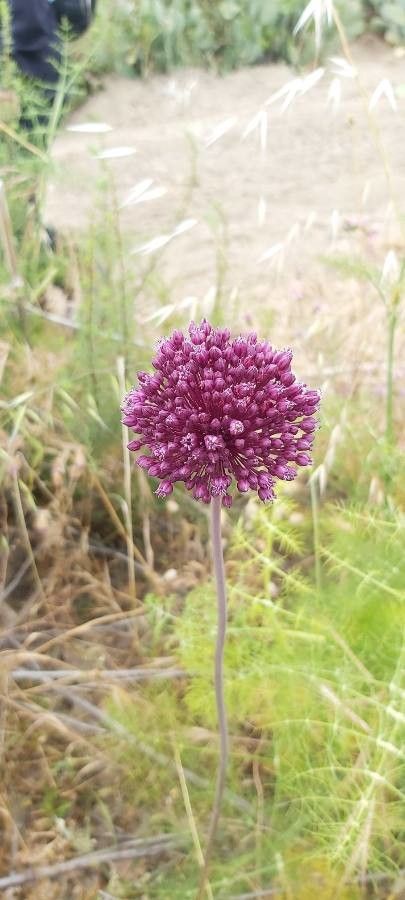
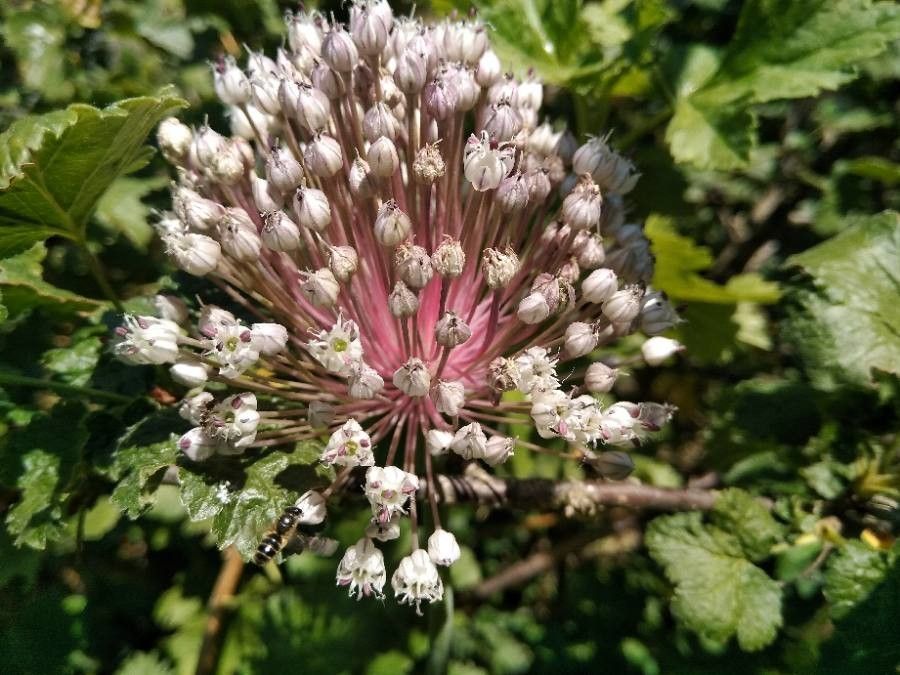
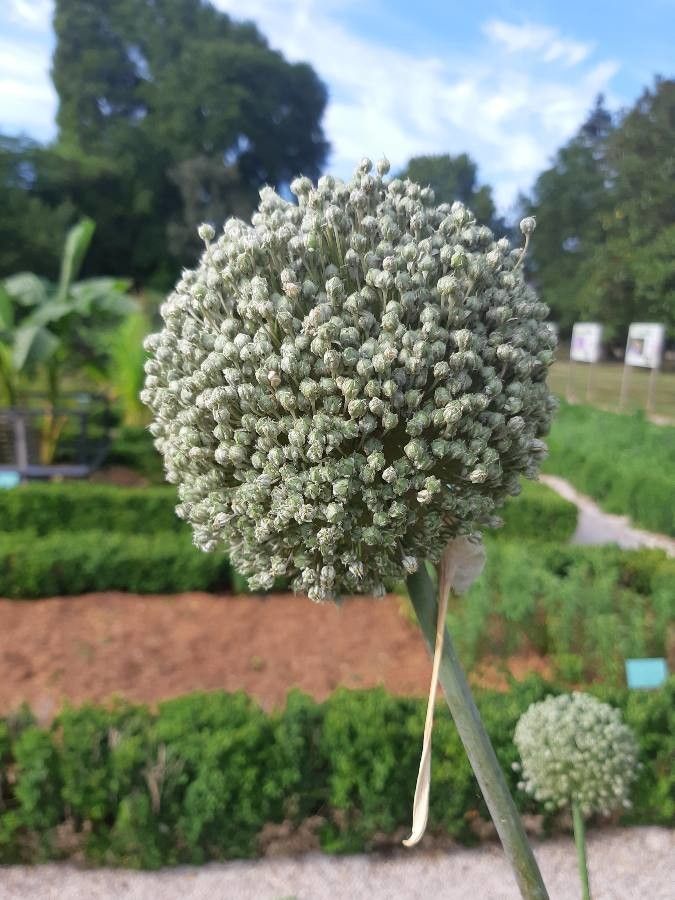
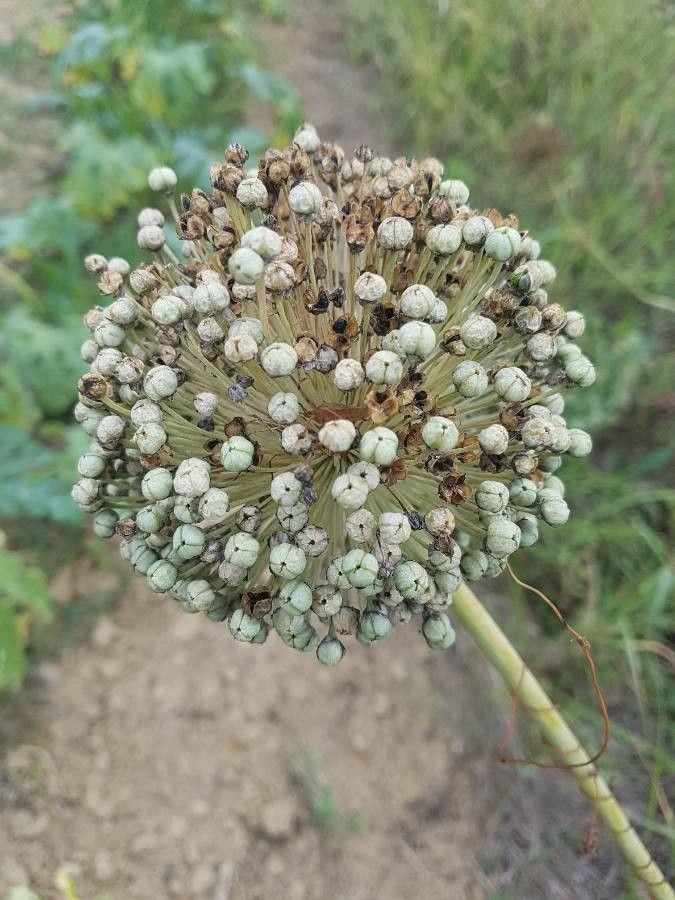
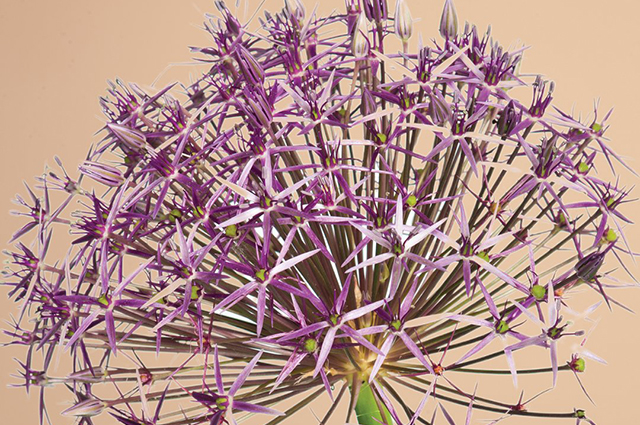
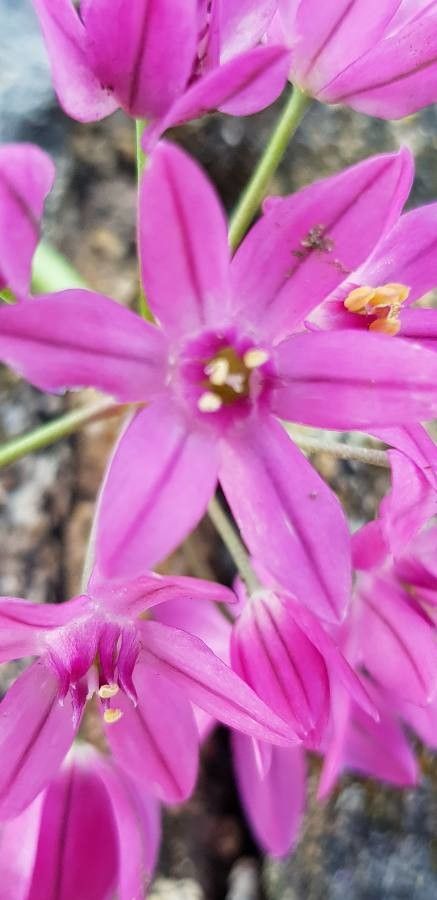
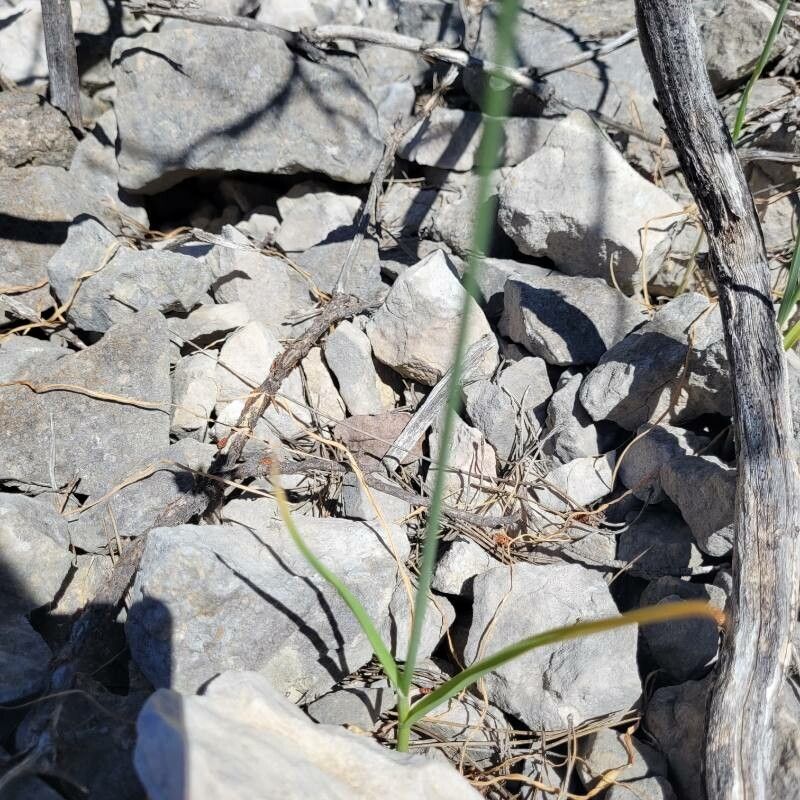
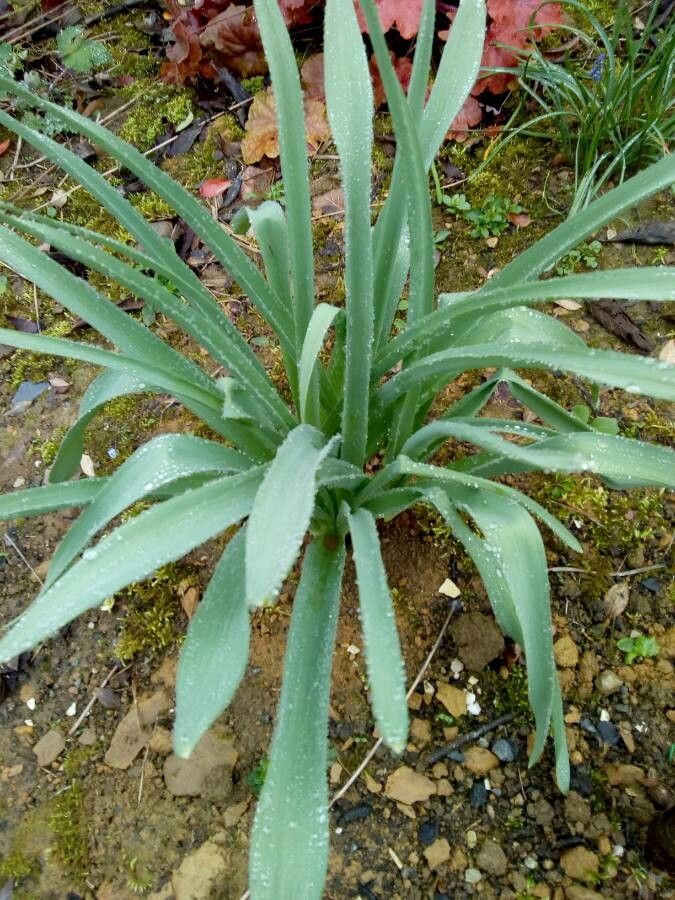
The leek is a vegetable, a cultivar of Allium ampeloprasum, the broadleaf wild leek (syn. Allium porrum). The edible part of the plant is a bundle of leaf sheaths that is sometimes erroneously called a stem or stalk. The genus Allium also contains the onion, garlic, shallot, scallion, chive, and Chinese onion. Three closely related vegetables, elephant garlic, kurrat and Persian leek or tareh, are also cultivars of A. ampeloprasum, although different in their uses as food.
Wild leek has moderate resistance to disease and can be vulnerable to ailments such as leaf spot. Its vulnerability to insect pests depends on the variety, but most varieties have relatively low pest resistance. For care, wild leek requires regular watering and fertilization, and yellow leaves should be pruned frequently. It is important to address pests and diseases promptly when they appear and to harvest the plant at the appropriate time. Wild leek is suitable for people who can spare some time and effort for regular maintenance.
How to keep Allium Porrum.
Light
Wild leek develops vigorously when exposed to sunlight for most of the day. It can still thrive in locations with somewhat reduced light. In its native habitats it is often found in open fields that have abundant sun. Conditions with either too little or too much light are detrimental and can weaken its growth and vitality.
Humidity
This plant will thrive in moderate humidity, which is probably the level in your home. However, misting it a few times a week can be very beneficial. Make sure the room has good ventilation.
Temperature
Wild leek is adapted to native growth environments in regions with average annual temperatures of 68 to 95 °F (20 to 35 ℃). For healthy growth, the ambient temperature around this plant must remain within that range.
Fertilizer
To maximize the yield and flavor of Wild leek, provide ample nitrogen throughout the growth cycle, including the pre-planting phase and up to harvest. Plants that are well-watered and properly fertilized develop abundant, healthy leaves and exhibit less bitterness. Before planting, amend the soil with organic matter such as compost or manure, ideally 2 to 8 weeks in advance.
Pot & Repot
Repot Wild leek in early spring. Choose a pot that is wider than it is deep and provides good drainage. Use a loamy, well-draining potting mix enriched with compost. Carefully remove old soil from the bulb and plant it so the depth matches the bulb’s height. Water thoroughly after repotting and place the pot in a sunny spot. Avoid overwatering to prevent the bulb from rotting.
Botanical profile.
- Plant Type
- Herb
- Life Cycle
- Perennial, Annual
- Genus
- Allium
- Family
- Amaryllidaceae
- Hardiness Zone
- 7-10
- Mature Height
- 1.83 m
- Mature Spread
- 30 cm
- Leaf Color
- Green
- Leaf Type
- Deciduous
- Flower Color
- Lavender, White
- Flower Size
- 4.06 cm to 11.43 cm
- Bloom Time
- Late spring, Early summer
- Planting Time
- Spring, Winter, Summer, Autumn
- Harvest Time
- Mid summer
- Native Area
- Libya, Egypt, Turkey, Tunisia, Cyprus, Bulgaria, Greece, Morocco, Uzbekistan, Iraq, Portugal, Italy, Spain, Israel, Iran, Ethiopia, Albania, Algeria, Romania, Turkmenistan, France
Other names.