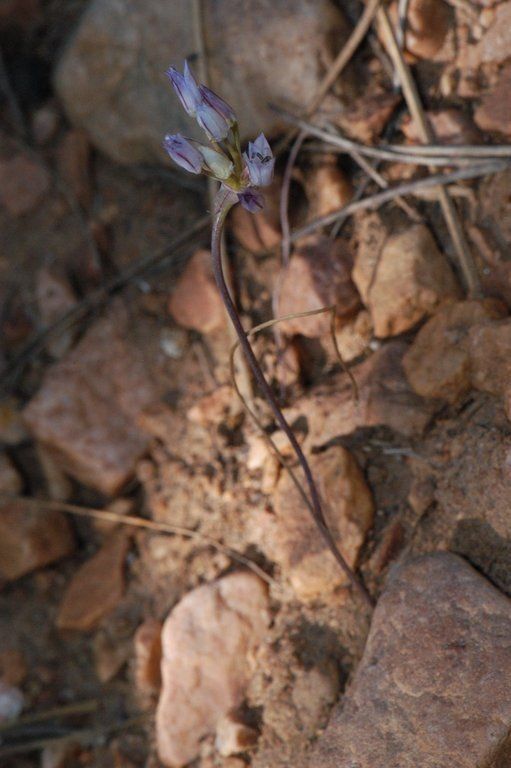
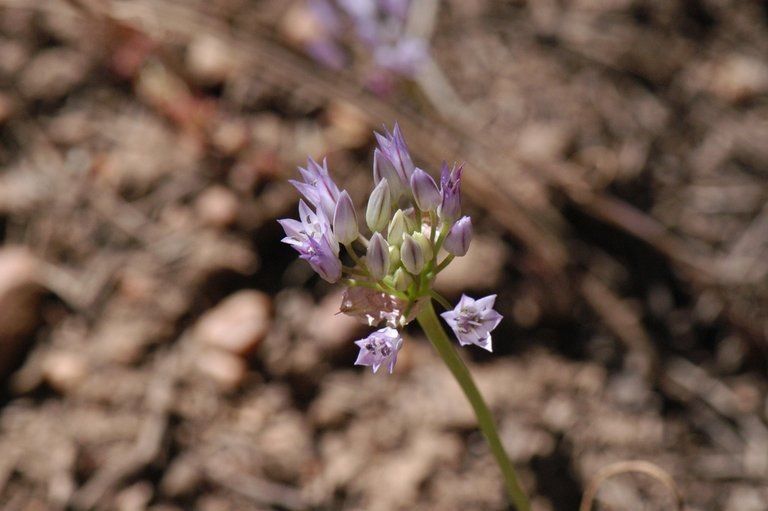
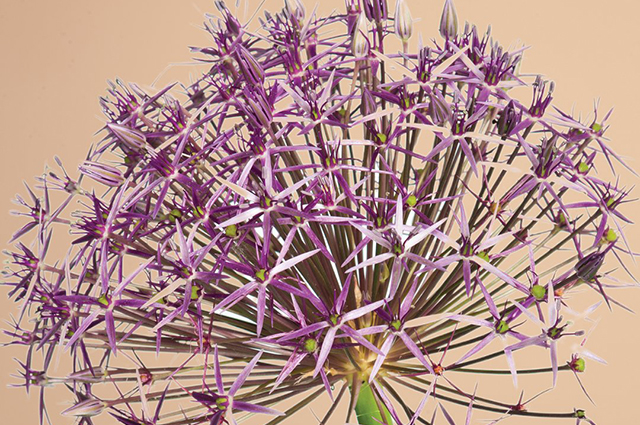
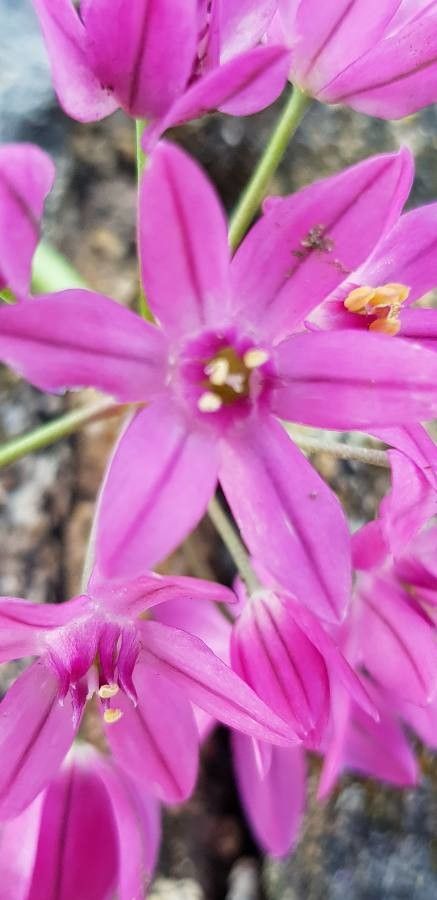
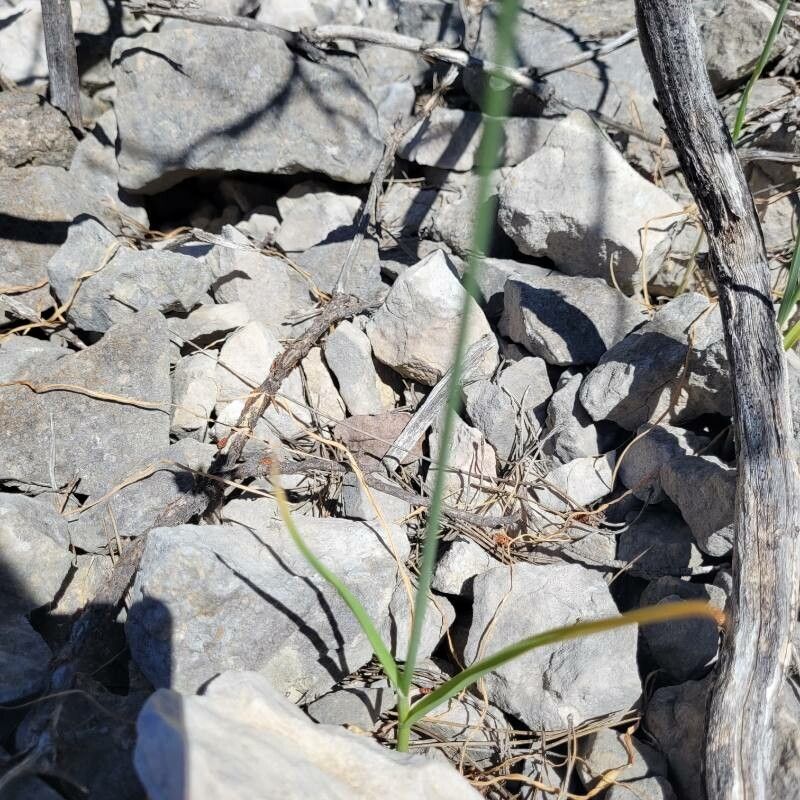
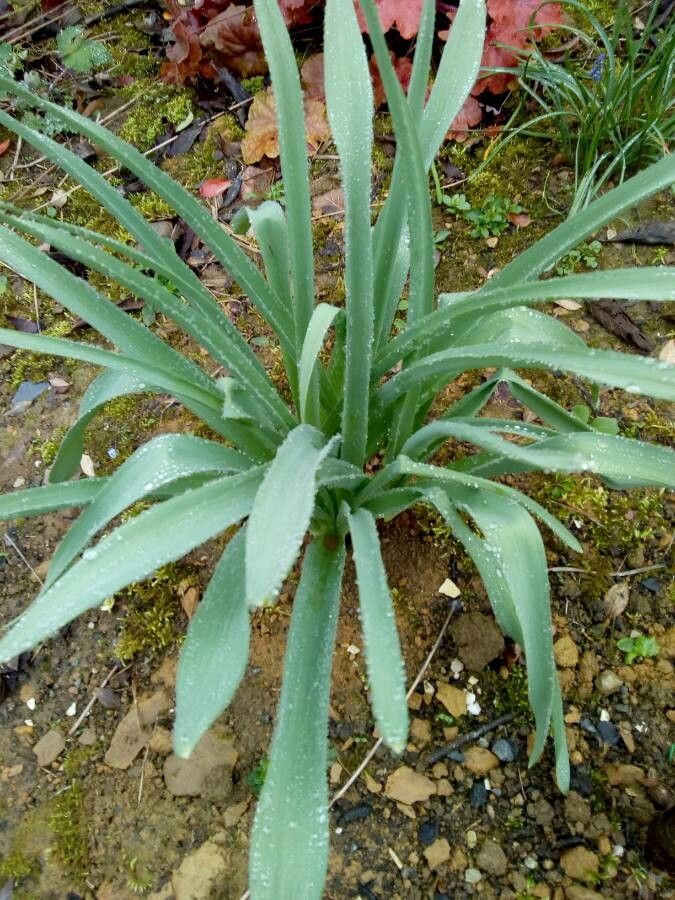
Allium parryi is a North American species of wild onion known by the common names Parry's onion and Parry's fringed onion. It is common in the Coast Ranges of southern California and northern Baja California. It is also known from the southernmost reaches of the Sierra Nevada.Allium parryi produceds a reddish-brown bulb roughly a centimeter long. It produces a short stem up to a maximum height of about 20 centimeters and a single cylindrical leaf which is generally a bit longer. The inflorescence contains up to 50 pink-veined white flowers which turn darker pink as they age. Each flower has narrow tepals less than a centimeter long.
How to keep Allium Parryi.
Pruning
Parry's fringed onion benefits from early spring pruning, which includes removing dead leaves and trimming faded stems. This practice promotes healthy growth, prevents self-seeding, and helps maintain both vigor and aesthetics while controlling its spread. By following these steps, you can ensure vibrant displays each season.
Pot & Repot
To thrive successfully when grown in pots, Parry's fringed onion needs excellent drainage.
Botanical profile.
- Plant Type
- Herb
- Genus
- Allium
- Family
- Amaryllidaceae
Other names.
Reader questions.
What are the sunlight requirements for Parry's fringed onion?
Parry's fringed onion (Allium parryi) thrives in specific light conditions to grow healthily. It requires full sun, meaning it needs above 6 hours of sunlight daily, or partial sun, which refers to about 3 to 6 hours of sunlight. It's important to observe the way sunlight moves through your garden throughout the day. This observation will help you choose the ideal spots that offer a perfect balance of light and shade, ensuring the plants are happy and healthy. Adequate sunlight is crucial for the growth and wellbeing of Parry's fringed onion.
What is Parry's fringed onion?
Parry's fringed onion, known botanically as Allium parryi, is a plant species recognized for its distinct characteristics and classification within the Allium genus. While specific details on its essentials and symptoms were not provided, its unique botanical name highlights its distinctive place within the natural world. This species, like others in the Allium genus, might exhibit unique flowering traits and ecological preferences, contributing to its interest among botanists and garden enthusiasts alike.