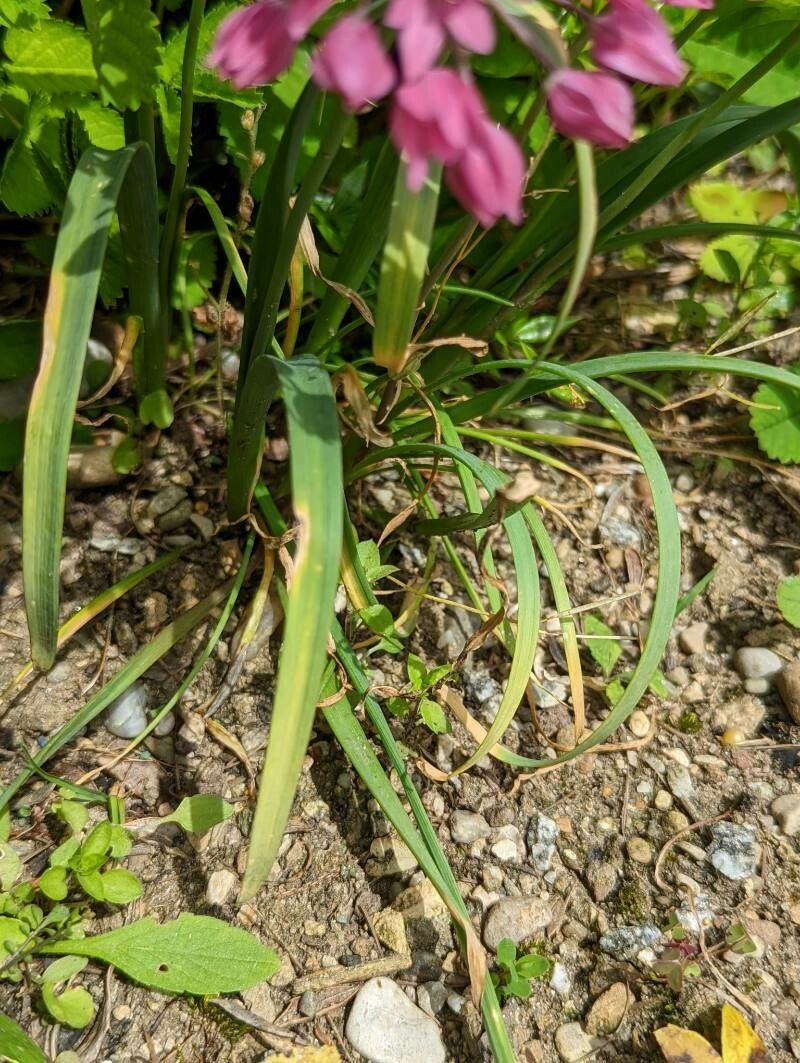
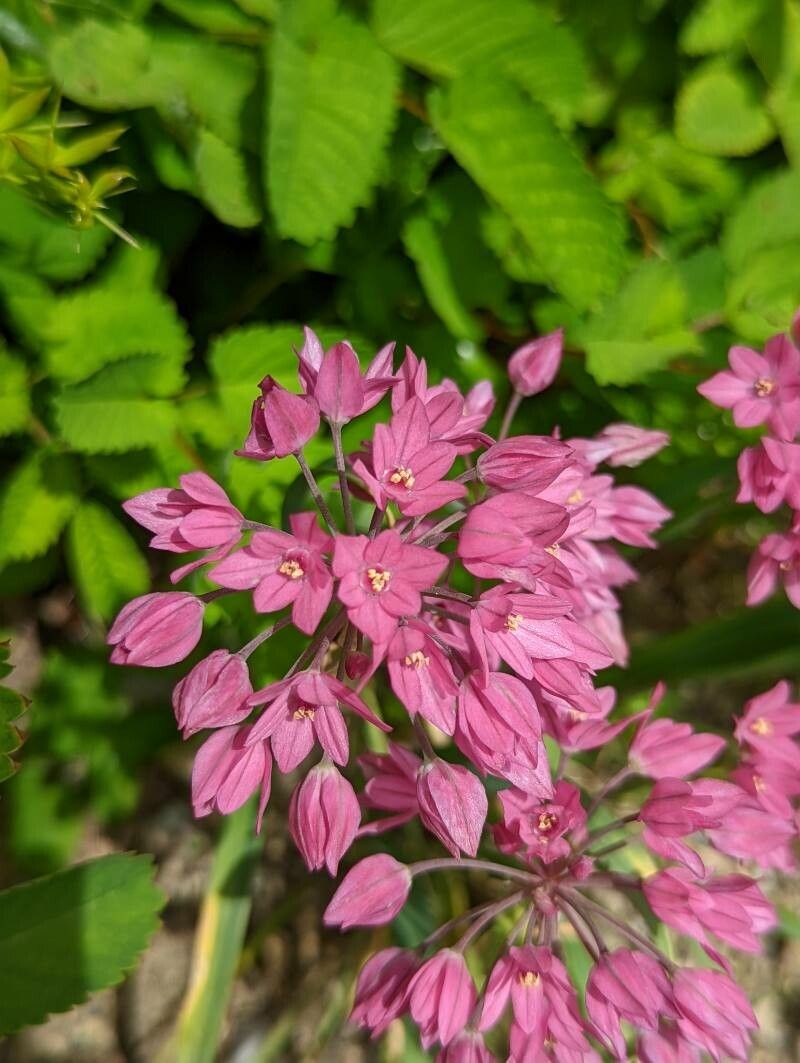
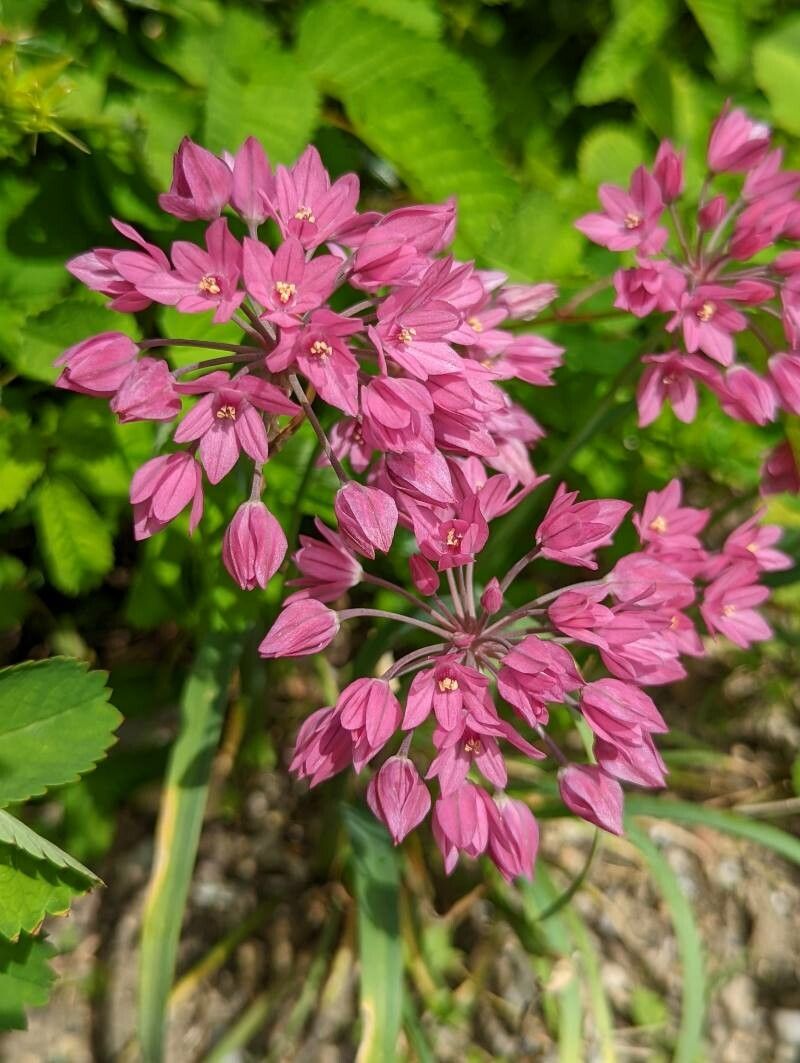
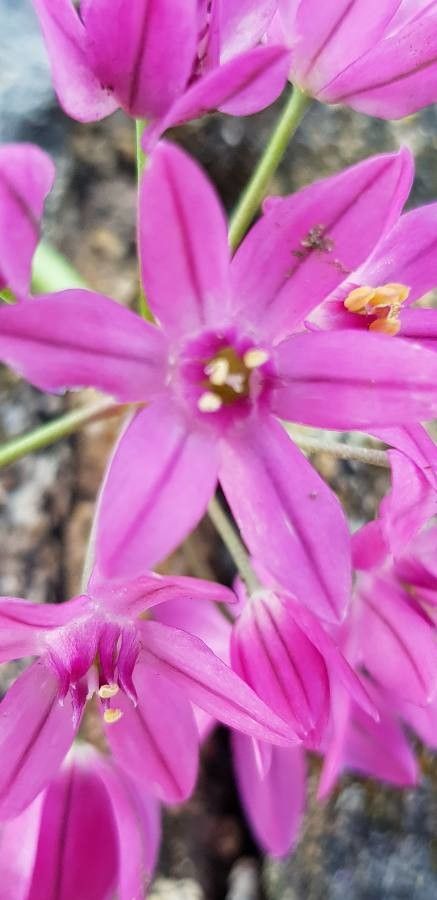
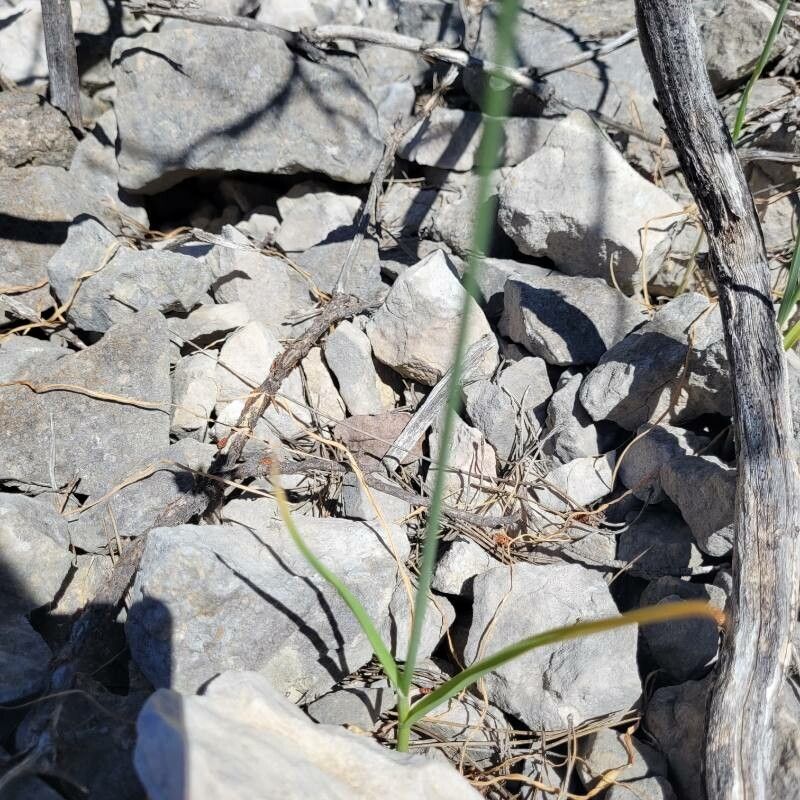
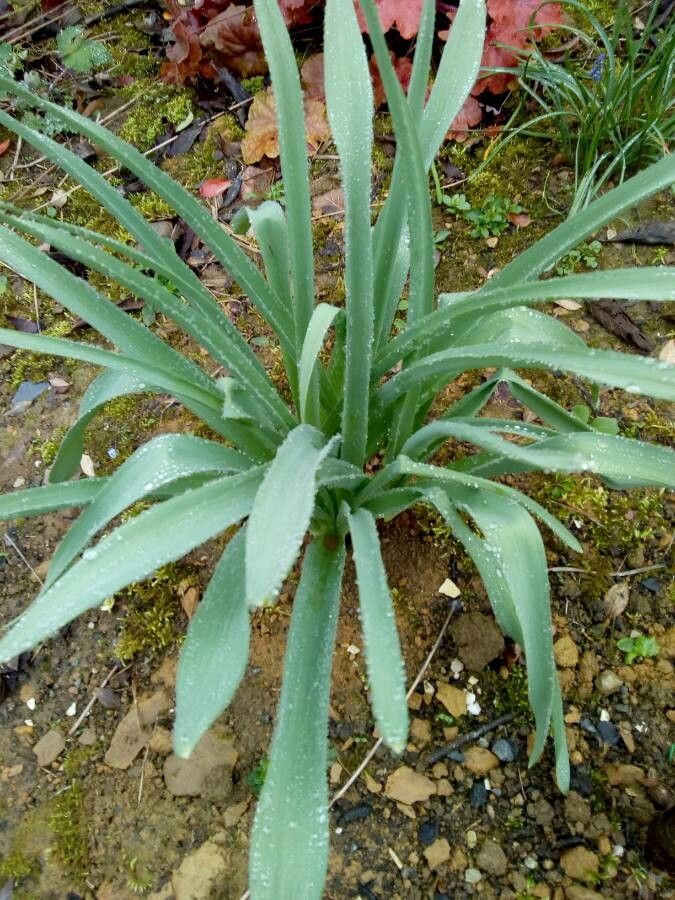
Allium oreophilum, the pink lily leek, is a plant species native to Xinjiang, Afghanistan, Kazakhstan, Kyrgyzstan, Pakistan, Tajikistan, Uzbekistan, Iran, Iraq, Turkmenistan, European Russia, Turkey, Azerbaijan, Armenia and Georgia.Allium oreophilum produces one spherical bulb up to 2 cm (2⁄3 in) in diameter. The scape is short for the genus, rarely more than 20 cm (8 in) tall. The leaves are flat, narrow, longer than the scape. The umbel has 10–15 red flowers.
Ornamental onion is fairly disease-resistant and typically does not suffer from many illnesses. However, it can be vulnerable to pests and diseases present in its surroundings. Such infections are generally mild. This plant needs moderate care. Regular pruning is necessary to maintain an attractive appearance and support healthy growth. Applying fertilizer can also encourage flowering. Ornamental onion is suitable for anyone with outdoor space, such as a garden or patio, and does not require extensive gardening experience. It may need more attention when grown indoors.
How to keep Allium Oreophilum.
Light
Ornamental onion is a sun-loving, perennial herbaceous plant native to open habitats, frequently thriving in meadows and grasslands. It prefers full sun but can also tolerate partial sun.
Water
Ornamental onion, native to rocky and well-drained slopes, thrives in dry conditions. It is drought-tolerant and only needs watering once a week. When planted outdoors, it benefits from natural rainfall. Its growth cycle is synchronized with seasonal water availability, ensuring optimal health.
Temperature
Ornamental onion can tolerate a broad range of temperatures, but its spread may still be constrained by particular combinations of moisture and heat. It performs best in warm summer conditions with sufficient rainfall or watering. Long stretches of cloudy, rainy weather or sustained high temperatures raise the chance of Ornamental onion dying. In winter, protecting it from cold can increase its survival rate.
Fertilizer
For ornamental onion, the best time to apply fertilizer is in early spring when the flowers are beginning to form. Using the proper fertilizer promotes stronger blooms and helps the ornamental onion produce attractive flowers. Fertilizing in early spring supports excellent flowering throughout the season and supplies energy for dormant growth stages.
Pruning
Ornamental onion is a hardy, bulbous plant known for its vibrant pink flowers and low maintenance needs. To keep the plant healthy, it's important to prune it after flowering in late spring. Focus on removing spent blooms and yellowing leaves while keeping the green foliage intact. This helps the plant continue to produce energy and improve future flowering.
Pot & Repot
For ornamental onions to thrive in pots, excellent drainage is essential. Proper drainage not only prevents root rot but also encourages healthy growth.
Botanical profile.
- Plant Type
- Herb
- Life Cycle
- Perennial, Annual, Biennial
- Genus
- Allium
- Family
- Amaryllidaceae
- Hardiness Zone
- 4-8
- Mature Height
- 15 cm
- Mature Spread
- 10 cm
- Leaf Color
- Green, Gray, Silver
- Leaf Type
- Deciduous
- Flower Color
- Pink, Purple
- Flower Size
- 2.03 cm to 3.05 cm
- Bloom Time
- Mid spring, Late spring
- Planting Time
- Spring, Autumn
- Harvest Time
- Early summer, Mid summer
- Native Area
- Uzbekistan, Afghanistan, Tajikistan, Turkey, Kyrgyzstan, Kazakhstan, Pakistan, Turkmenistan, China
Other names.