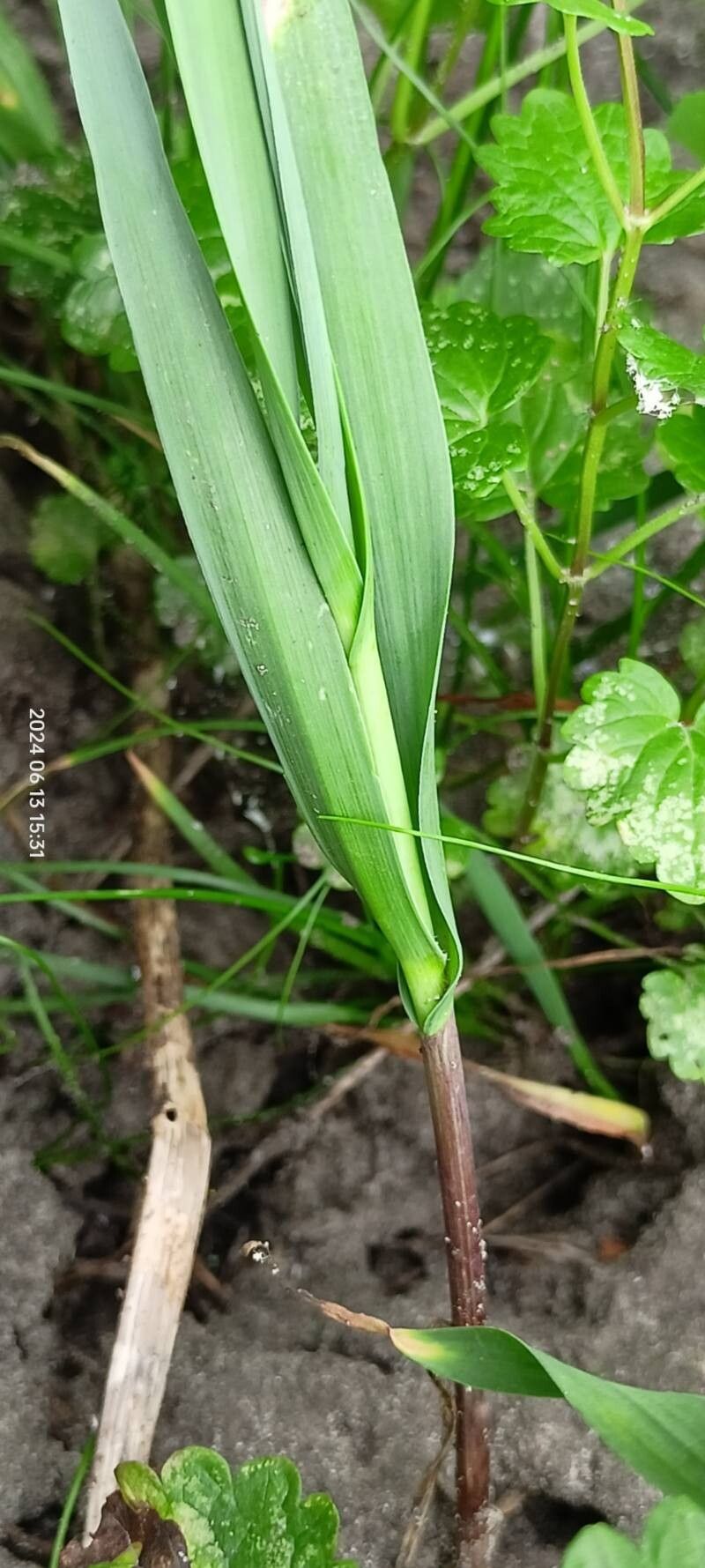
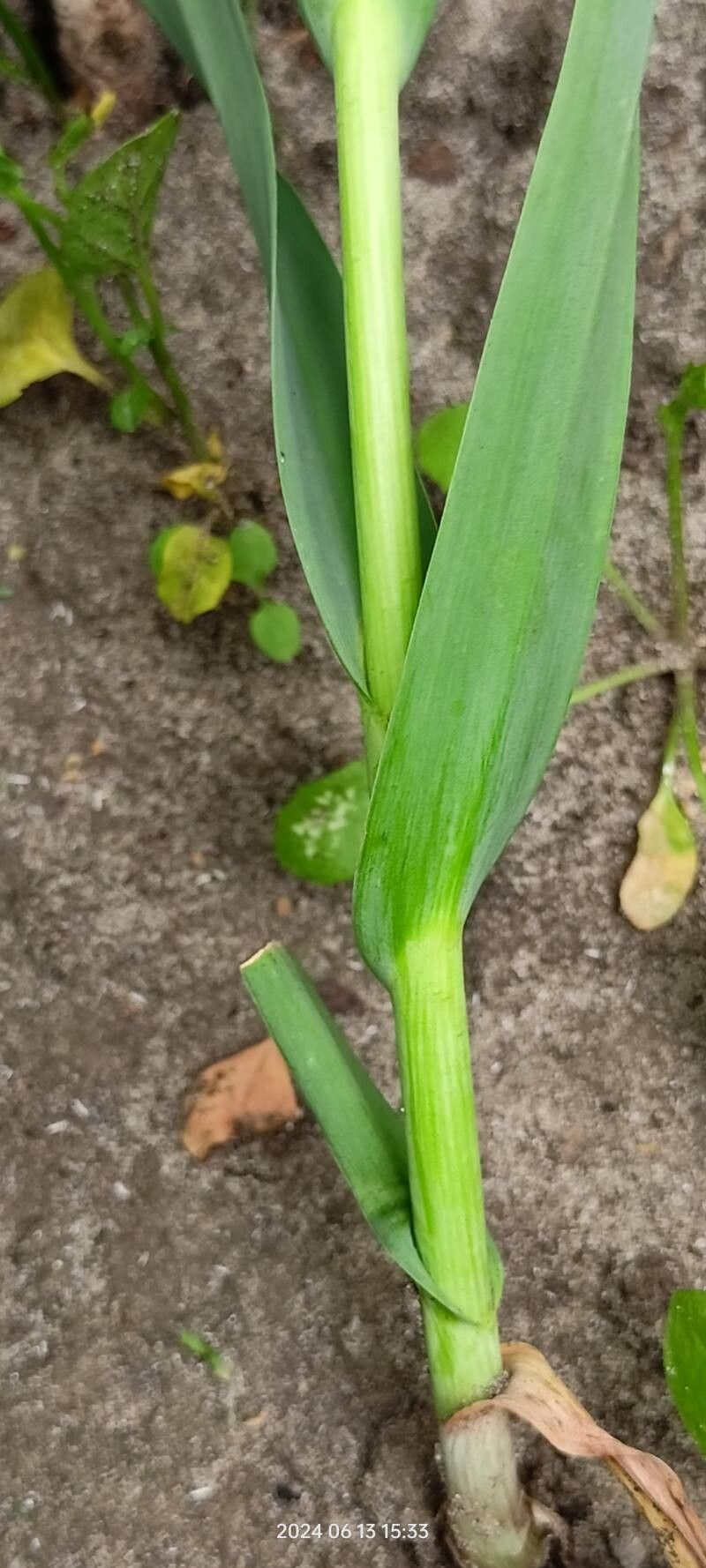
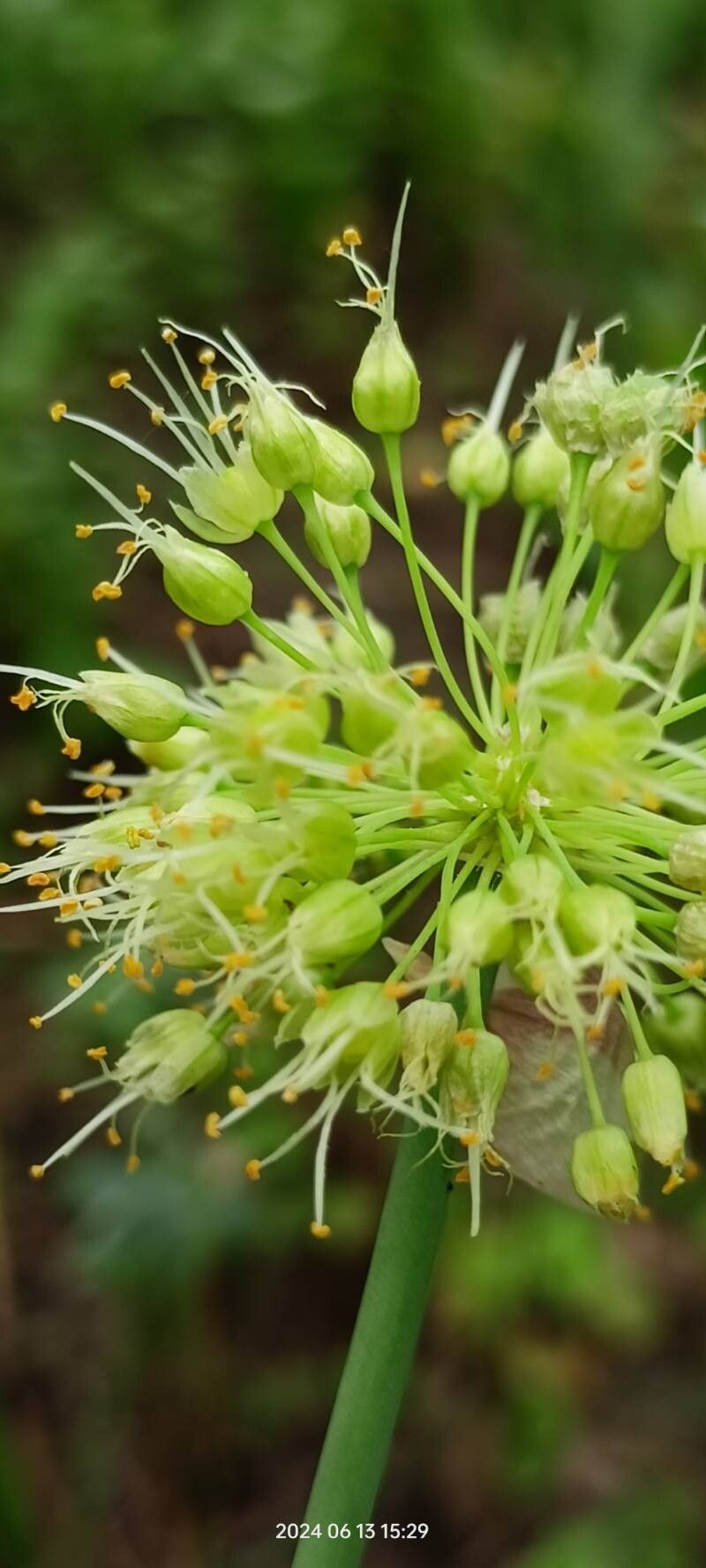
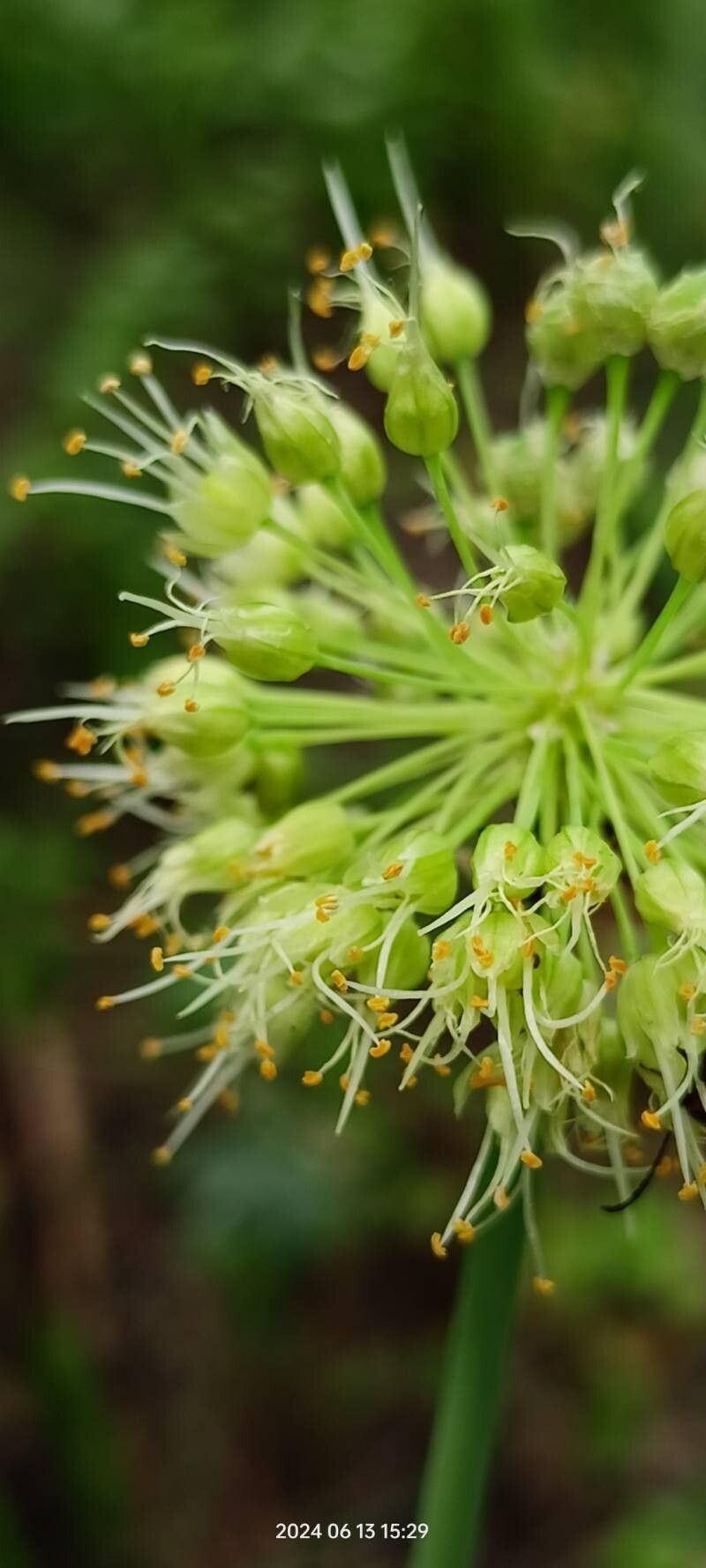
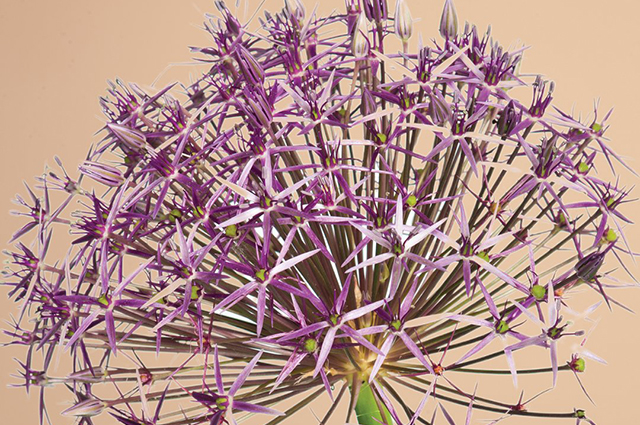
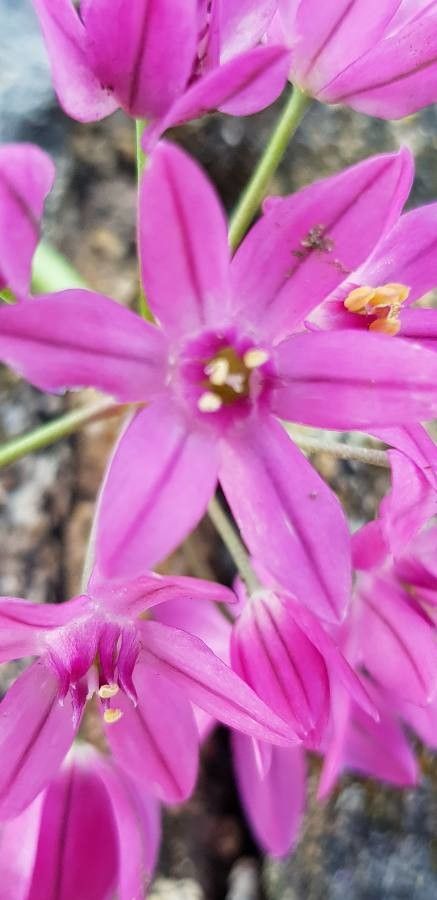
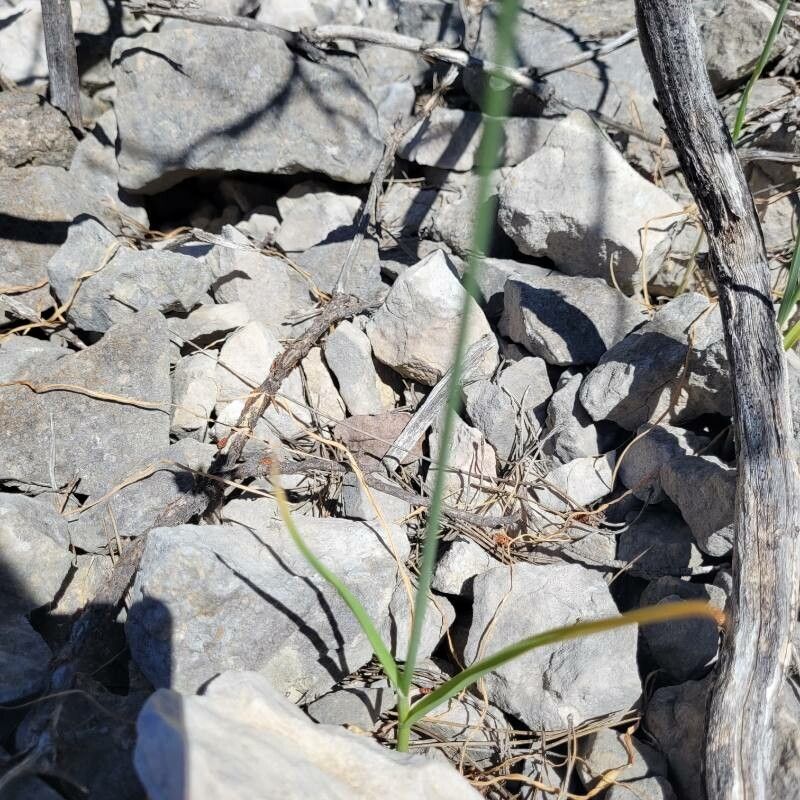
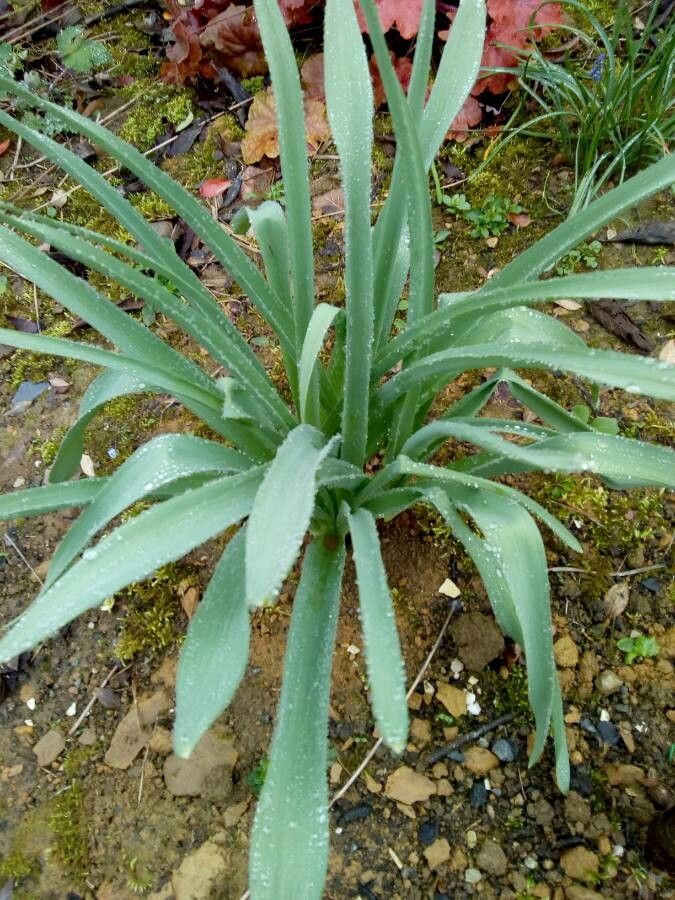
Allium obliquum, common name lop-sided onion or twisted-leaf onion, is a Eurasian species of wild onion with a range extending from Romania to Mongolia. It is also widely cultivated elsewhere as an ornamental.
Allium obliquum has moderate resistance to diseases but can be prone to problems such as leaf spot. Its susceptibility to insect pests varies by variety, though most varieties are relatively more susceptible. For care, Allium obliquum requires regular watering and fertilizing, along with frequent removal of yellow leaves. It is important to address pests and diseases when they occur and to harvest the plant in a timely way. Allium obliquum is suitable for people who can spare some time and energy for regular upkeep.
How to keep Allium Obliquum.
Light
Allium obliquum is native to habitats that receive plenty of sunlight, such as open fields and sunny meadows. It favors full sun but can also tolerate partial sun.
Temperature
For Allium obliquum, moderate temperatures are most suitable, similar to those most people find comfortable. It performs well in conditions that are neither excessively hot nor cold. The main problem with high temperatures is the risk of sunburn, so providing some shade in summer is recommended to prevent excessive heat. When temperatures fall, Allium obliquum goes dormant. If continuous growth is wanted, higher temperatures must be maintained over winter. Frost can damage the plant and should be avoided.
Fertilizer
To maximize the yield and flavor of Allium obliquum, provide adequate nitrogen throughout the growth cycle, from before planting through harvest. Well-watered, fertilized plants develop plentiful, healthy leaves and show less bitterness. Before planting, enrich the soil with organic matter such as compost or manure, ideally 2 to 8 weeks beforehand.
Pruning
Allium obliquum grows with strong, upright stems and distinctive leaves. To encourage blooming, prune the plant between early and late spring. Remove any damaged leaves and spent flowers to improve airflow and prevent disease. Always use clean tools to minimize stress on the plant, and properly dispose of pruned materials to promote healthy growth.
Pot & Repot
Allium obliquum needs excellent drainage when potted to prevent root rot and promote healthy growth. Good drainage keeps the moisture levels just right, contributing to the plant's overall well-being.
Botanical profile.
- Plant Type
- Herb
- Life Cycle
- Perennial
- Genus
- Allium
- Family
- Amaryllidaceae
- Hardiness Zone
- 3-8
- Mature Height
- 61 cm
- Mature Spread
- 40 cm
- Leaf Color
- Green
- Leaf Type
- Deciduous
- Flower Color
- Yellow
- Flower Size
- 1.02 cm to 1.52 cm
- Bloom Time
- Early summer, Mid summer
- Planting Time
- Autumn, Winter
- Harvest Time
- Late summer, Early fall
- Native Area
- Russia, Kyrgyzstan, Kazakhstan, Mongolia, Romania, China
Other names.