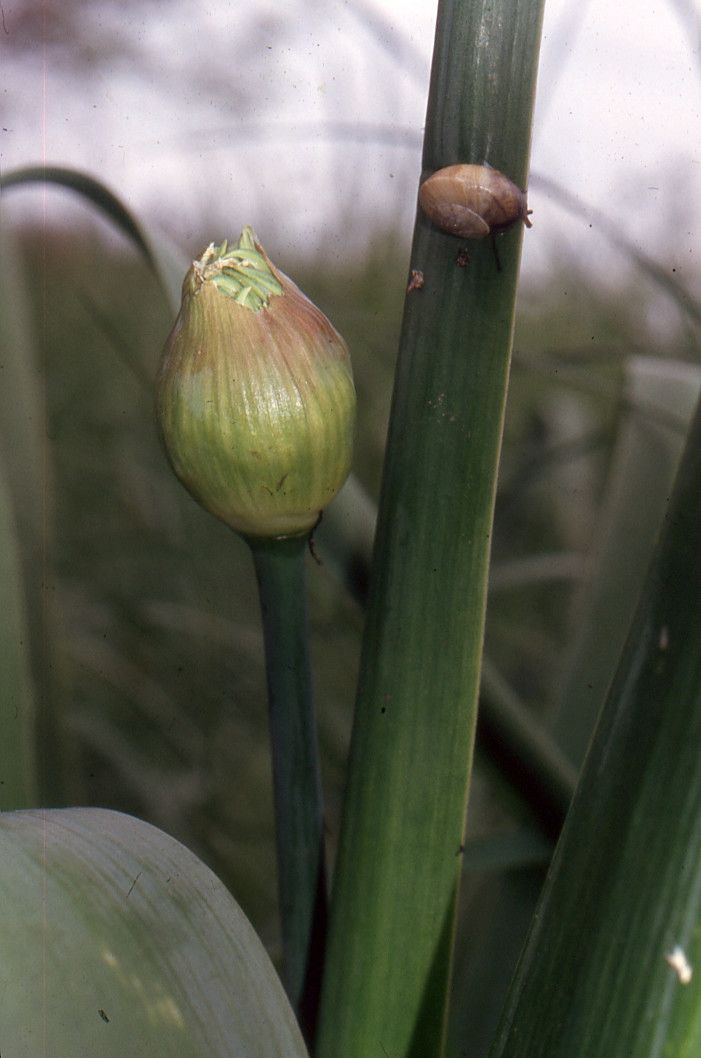
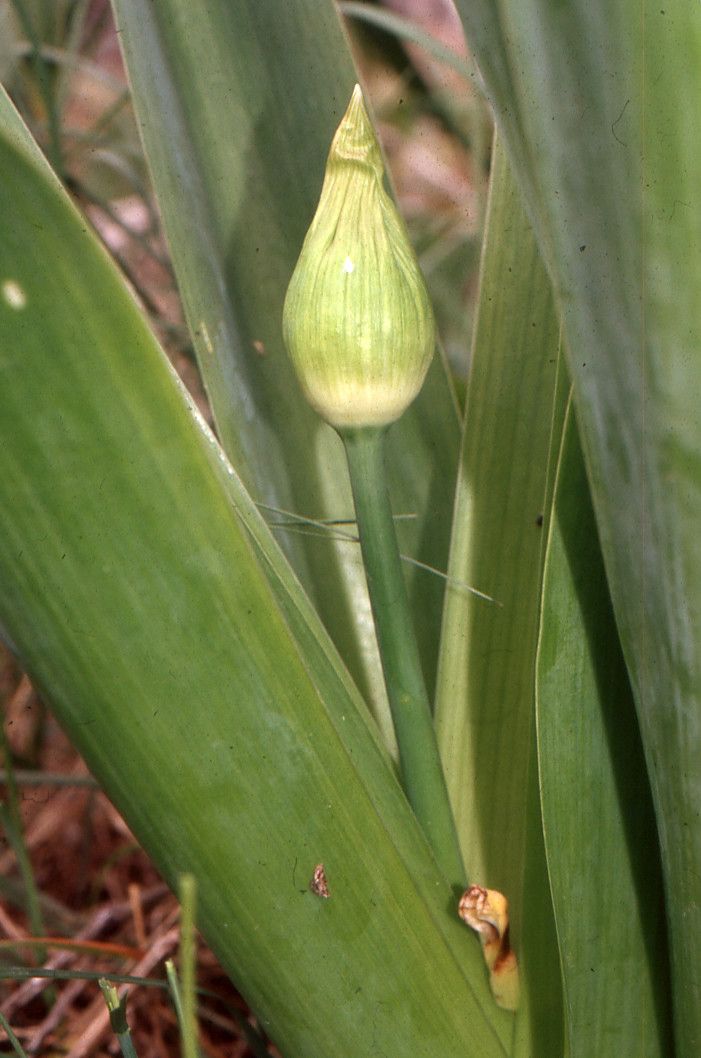
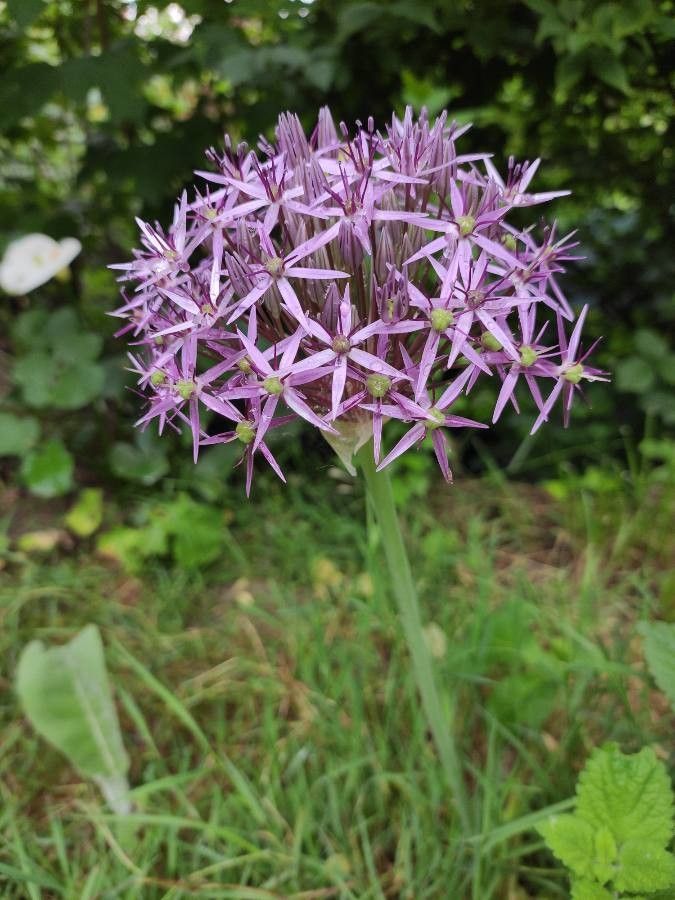
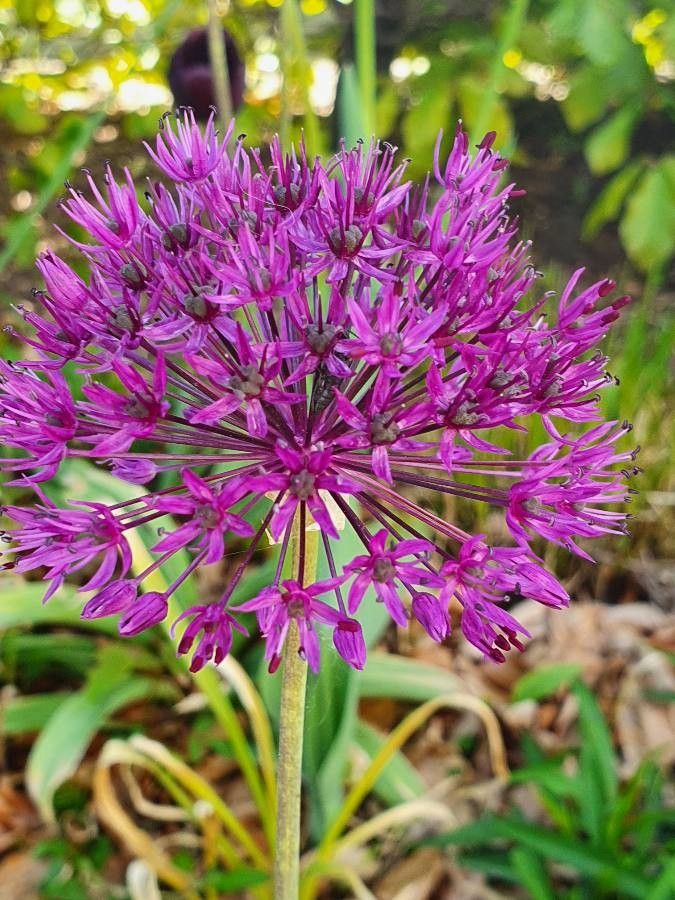
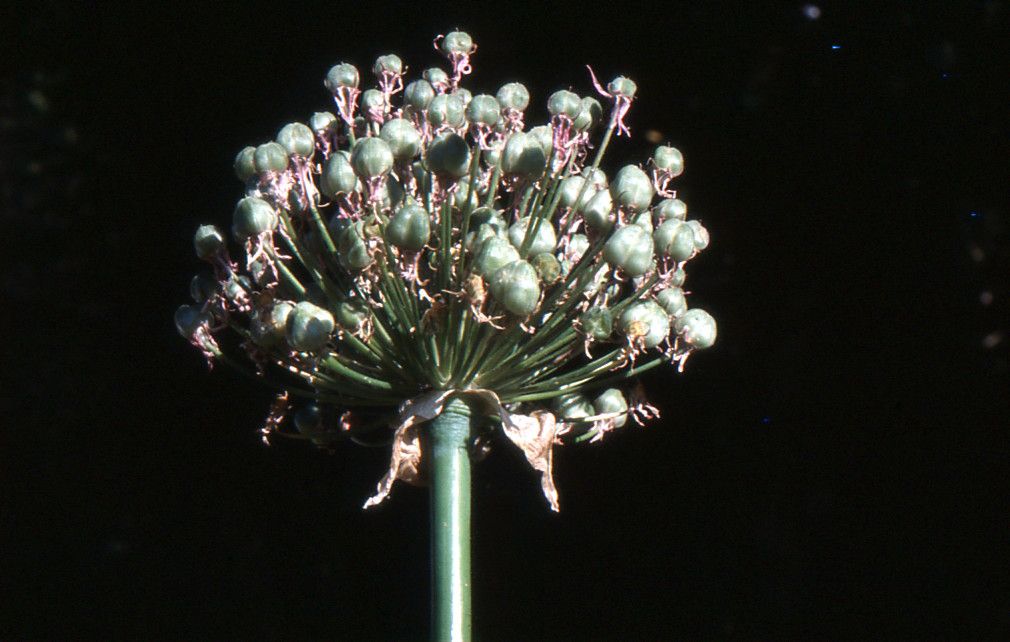
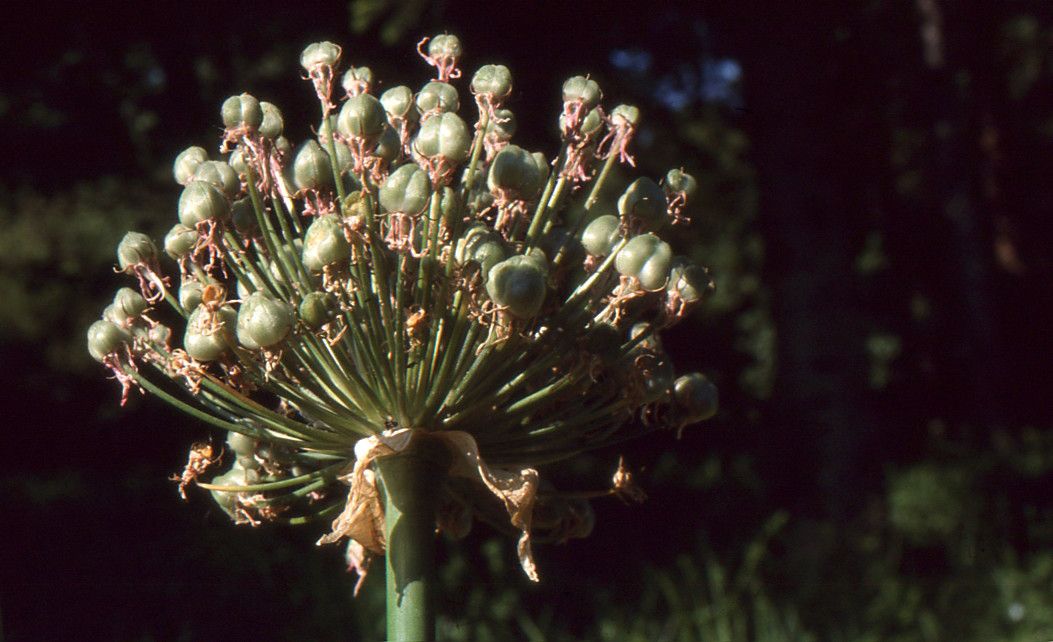
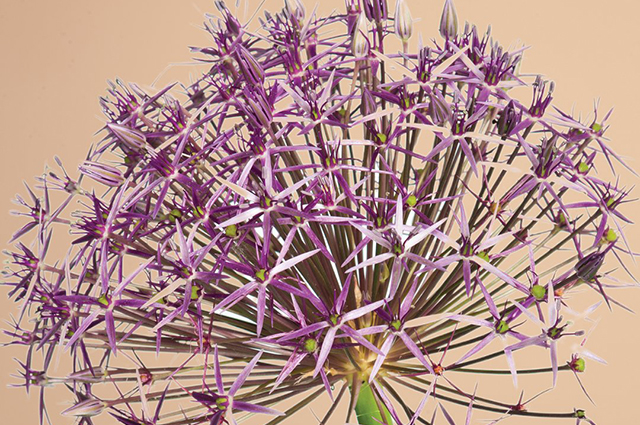
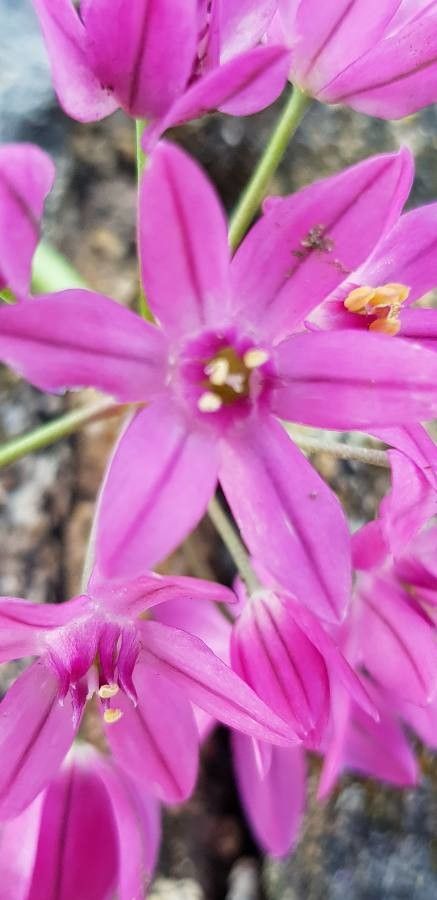
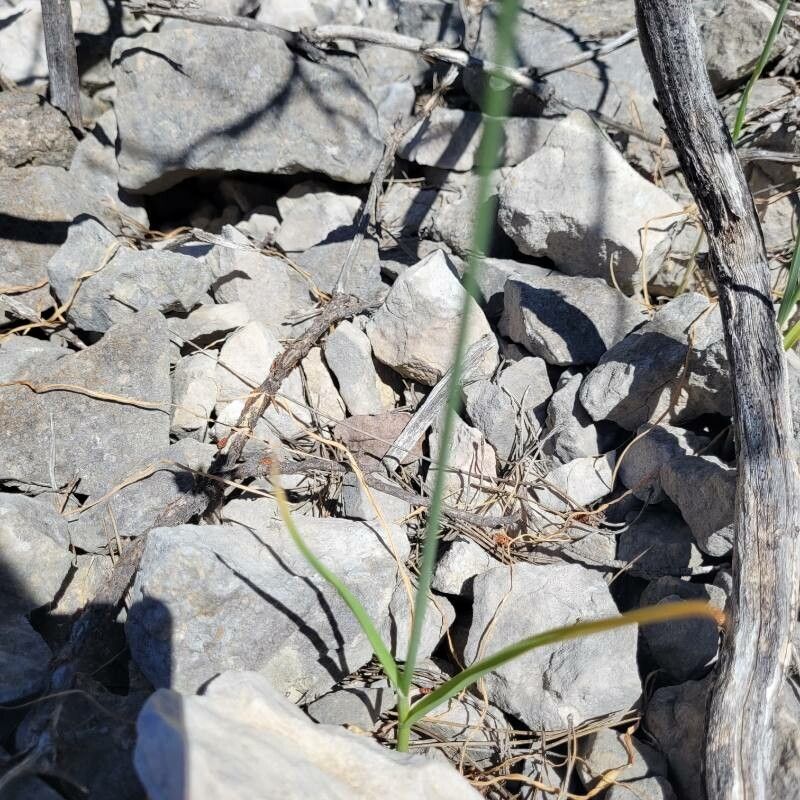
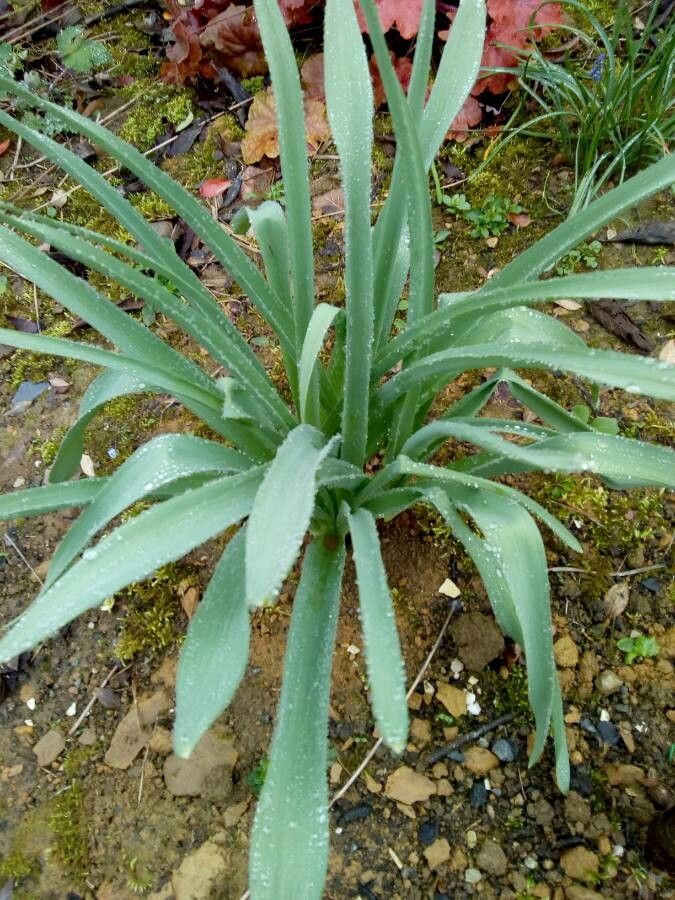
Allium nigrum, common name black garlic, broad-leaved leek, or broadleaf garlic, is a Middle Eastern species of wild onion. It lacks the onion or garlic scent shared by most of the other species in the group. The species is native to Turkey, Cyprus, Syria, Lebanon, and Israel but cultivated as an ornamental in many other places. It has become naturalized in some regions, including parts of the United States (especially Washington and Oregon).
Black garlic has strong resistance to disease and is generally not easily affected by illnesses. Still, it can be vulnerable to pests and diseases present in its surroundings. Such infections are typically mild. Regarding care, this plant needs a moderate amount of attention. It should be pruned regularly to keep a good appearance and support healthy growth. Applying fertilizer can also aid in encouraging flowering. Black garlic is appropriate for anyone who has outdoor space, like a garden or patio, and does not demand extensive care experience. When grown indoors, it may require more attention.
How to keep Allium Nigrum.
Light
Black garlic does best with direct, unfiltered sunlight for a substantial part of the day. This improves its growth and overall health. It can also tolerate sunlight that is filtered or scattered across its foliage for portions of the day. Take care, because too little light can stunt growth and too much exposure can scorch the foliage.
Water
Black garlic, native to temperate regions, thrives with moderate moisture levels and consistent soil hydration without becoming waterlogged. Ideally, it should be watered weekly, but rainfall during the growing season can also help maintain the right balance between drought tolerance and hydration.
Temperature
Black garlic originates from regions with moderate warmth. It prefers temperatures between 59 and 95 °F (15 to 35 ℃). Across seasons, adjustments should be made to keep temperatures within this range.
Fertilizer
For Black garlic, the primary time to fertilize is in early spring when the flowers are forming. The appropriate fertilizer promotes stronger blooms and helps Black garlic produce attractive flowers. Fertilizing in early spring ensures excellent flowers throughout the season and supplies energy for dormant growth phases.
Pruning
Black garlic plants have tall stems and clustered flowers. To promote bulb growth, prune them from early to late spring. Remove dead foliage and trim any spent flower stalks. Regular pruning not only enhances the plant's shape and health but also improves air circulation around it. Be sure to use sterilized tools to prevent the spread of disease, and consult horticultural guidelines for proper techniques.
Pot & Repot
When planting black garlic in pots, it's crucial to ensure excellent drainage. This helps promote healthy growth and prevents waterlogging, which can cause root rot.
Toxicity
Mildly toxic to humans, toxic to dogs and cats.
Further reading →
The toxicity and danger assessments provided are for reference only. We do not assure their accuracy, so it's crucial not to depend on them. Seek professional advice when necessary for accurate guidance.
Botanical profile.
- Plant Type
- Herb
- Life Cycle
- Perennial
- Genus
- Allium
- Family
- Amaryllidaceae
- Hardiness Zone
- 7-10
- Mature Height
- 46 cm to 61 cm
- Mature Spread
- 10 cm
- Leaf Color
- Green, Gray, Silver
- Leaf Type
- Deciduous
- Flower Color
- White
- Flower Size
- 7.62 cm to 10.16 cm
- Bloom Time
- Late spring, Early summer
- Planting Time
- Spring
- Harvest Time
- Mid summer
- Native Area
- Libya, Turkey, Tunisia, Montenegro, Cyprus, Bulgaria, Greece, Croatia, Morocco, Serbia, Lebanon, Germany, Portugal, Syria, Italy, Spain, Israel, Algeria, France
Other names.
Reader questions.
How should I water my Black garlic?
To properly care for Black garlic, use filtered water at room temperature. Tap water may contain harmful particles, so filtered water is recommended. Black garlic comes from a warm environment, so it's best to avoid using cold water as it may shock the plant. Additionally, overhead watering should be avoided to prevent foliage issues. Instead, water the plant by pouring filtered room temperature water onto the soil until it is completely soaked. This helps moisten the roots and supports their growth and nutrient absorption.
Why should I put fertilizer on my Black garlic?
Fertilization is important for Black garlic for multiple reasons. It provides essential nutrients for the plant's overall growth, both above and below ground. Although Black garlic has relatively low fertilization needs, it can still benefit from yearly fertilization. This practice can help keep the plant alive and possibly improve the longevity of its flowers. Therefore, for those wanting their Black garlic to thrive, consistent annual fertilization is recommended.
What are the sunlight requirements for Black Garlic?
Black Garlic (Allium nigrum) needs full sun exposure, defined as more than 6 hours of direct sunlight daily, to thrive optimally. It can also survive in partial sun, receiving about 3-6 hours of direct sunlight. It's important to observe the movement of sunlight through your garden to find the perfect spot that offers a balance of light and shade, ensuring your plants grow happy and healthily.
What is the preferred temperature range for black garlic and how should it be cared for in different seasons?
Black garlic thrives in environments with moderate warmth, preferring a temperature range between 59 to 95 °F (15 to 35 °C). To accommodate the changing seasons, it's important to adjust care practices to maintain these optimal temperatures. Despite its strong cold resistance, in regions where winter temperatures may plummet below -15°C, taking steps to provide cold protection is crucial. This can be done by covering the plant with insulating materials like soil or straw. Additionally, before the onset of the first freeze in autumn, it is advised to water the plant thoroughly. This ensures the soil remains moist, entering a frozen state preparedly, which helps in preventing drought and water scarcity for the plant during the winter and early spring periods.
What should I do if I give my Black garlic too much water or not enough water?
Overwatering is a more common issue than underwatering for Black garlic. When Black garlic gets too much water, its stems and leaves wilt and turn yellow. Over time, overwatering can cause diseases like root rot, mold, and mildew that can kill the plant. On the other hand, underwatering is less common because Black garlic is drought tolerant. However, if underwatering occurs, the leaves become brittle and brown. It's important to recognize signs of overwatering early to prevent irreversible damage. If you notice signs, reduce watering immediately and check the soil's drainage. Replace poorly draining soil with a loose, well-draining potting mix. If you see signs of underwatering, simply water more regularly until the signs disappear.
When should I fertilize my Black garlic for the best results?
The best time to fertilize a Black garlic is in late winter to early spring when it is exiting its dormant phase and entering a phase of active growth. Fertilizing at this time encourages healthy growth and helps the plant get off to a great start for the season. While it is generally most advantageous to fertilize during the early spring, fall is also an acceptable time for fertilization. However, it is not recommended to fertilize during summer or winter.
What are some essential care tips for Black Garlic regarding sunlight?
Black Garlic thrives under unfiltered sunlight for significant portions of the day which enhances its growth and overall health. While it can manage with sunlight scattering across its foliage for part of the day, care should be taken to avoid both insufficient light, which can stunt its growth, and excessive exposure, which may lead to foliage burn. If natural sunlight is not enough, especially in winter or less sunny locations, artificial lighting can be a vital solution. Indoor Black Garlic plants may require 30-50W/sq ft of artificial light for full sun plants, 20-30W/sq ft for partial sun plants, and 10-20W/sq ft for full shade plants. LED lights are recommended for their ability to be customized to specific wavelengths needed by the plant. The light source should be placed 12-36 inches above the plant to mimic natural sunlight as closely as possible and turned on for 8-12 hours per day.
What should be done if black garlic is exposed to temperatures below its cold tolerance level?
Black garlic has a notable cold tolerance and generally thrives when the temperature remains above 15°C. However, during winter, ensuring the temperature stays above -10°C is essential. If temperatures fall below -15°C, the plant might not show immediate distress, but there could be a noticeable decrease in sprouting or even a total absence of sprouting come springtime. In such cases, the best course of action in spring is to remove any parts of the plant that have failed to sprout, promoting healthier growth for the remainder of the plant.
How frequently should I water my Black garlic?
If your Black garlic plant is in a pot, the most accurate way to determine if it needs water is by sticking your finger in the soil. If the top two to three inches of soil feel dry, it's time to water it. For Black garlic grown outdoors in the ground, you can use a similar method to test the soil. Again, if the first few inches of soil are dry, it's time to water. Typically, during spring and early fall, you should water this plant about once a week using this method. In extremely hot weather, you may need to water it twice or more per week. However, mature and well-established Black garlic plants can handle drought quite well.
When is the best time to not put fertilizer on my Black garlic?
To properly care for your Black garlic plant, it is recommended to only fertilize during late winter and early spring. This plant has low fertilization needs, so a single annual feeding is sufficient. Fertilizing during spring, summer, and fall can lead to overfertilization and complications. However, if you missed fertilizing in spring, it is acceptable to provide a fall feeding. Additionally, there is no need to fertilize during winter as the plant is dormant and not actively growing.
What are the signs of insufficient or excessive sunlight in Black Garlic?
Signs of insufficient sunlight include smaller new leaves, leggy or sparse growth, accelerated leaf drop, halted growth, and paler new leaves. Excessive sunlight might lead to chlorosis (leaves turning yellow), sunscald (damaged leaves or stems from too much sun), leaf curling (to minimize water loss), wilting from too much transpiration, and leaf scorching, characterized by brown, dry edges on leaves. These symptoms indicate the plant isn't receiving optimal light levels for its growth.
How should black garlic be cared for during high temperature conditions?
During the summer, it's crucial to ensure the temperature around black garlic does not exceed 35°C. Exposure to temperatures above 41°C can lead to the leaves becoming lighter in color, curling, and becoming susceptible to sunburn. In severe cases, the plant may wilt and dry out entirely. To mitigate these effects, it's advisable to trim away any sunburned or dried-up parts of the plant. Moving the plant to a shaded area during the midday and afternoon hours or utilizing a shade cloth will help protect it from direct sunlight. Additionally, watering the plant in the morning and evening will keep the soil from drying out, thus helping to maintain the plant's health during periods of high heat.