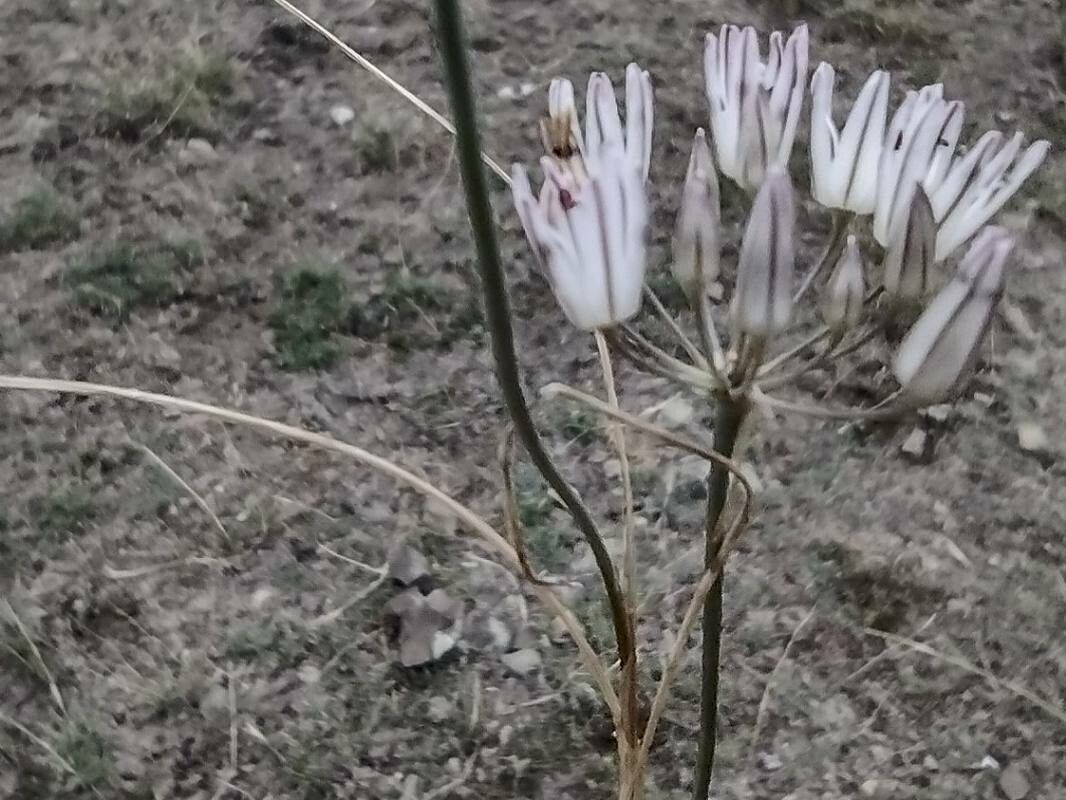
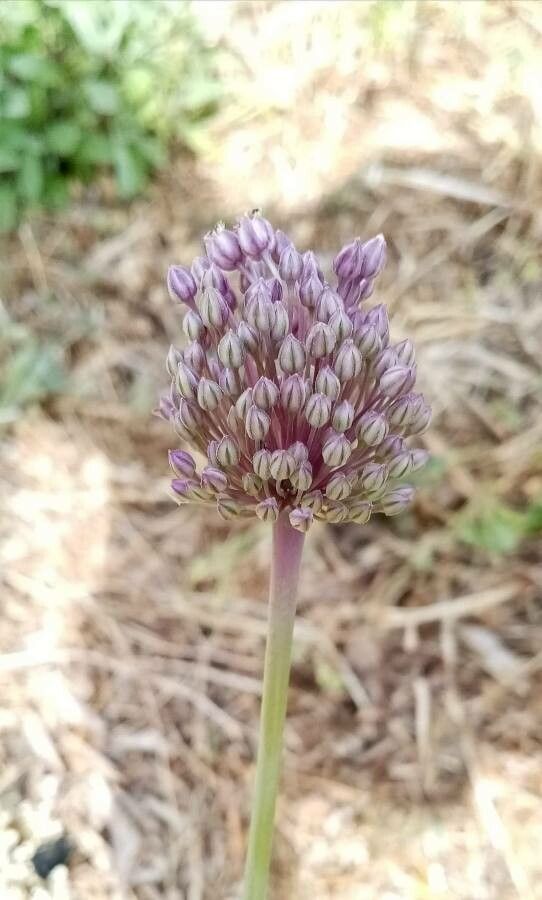
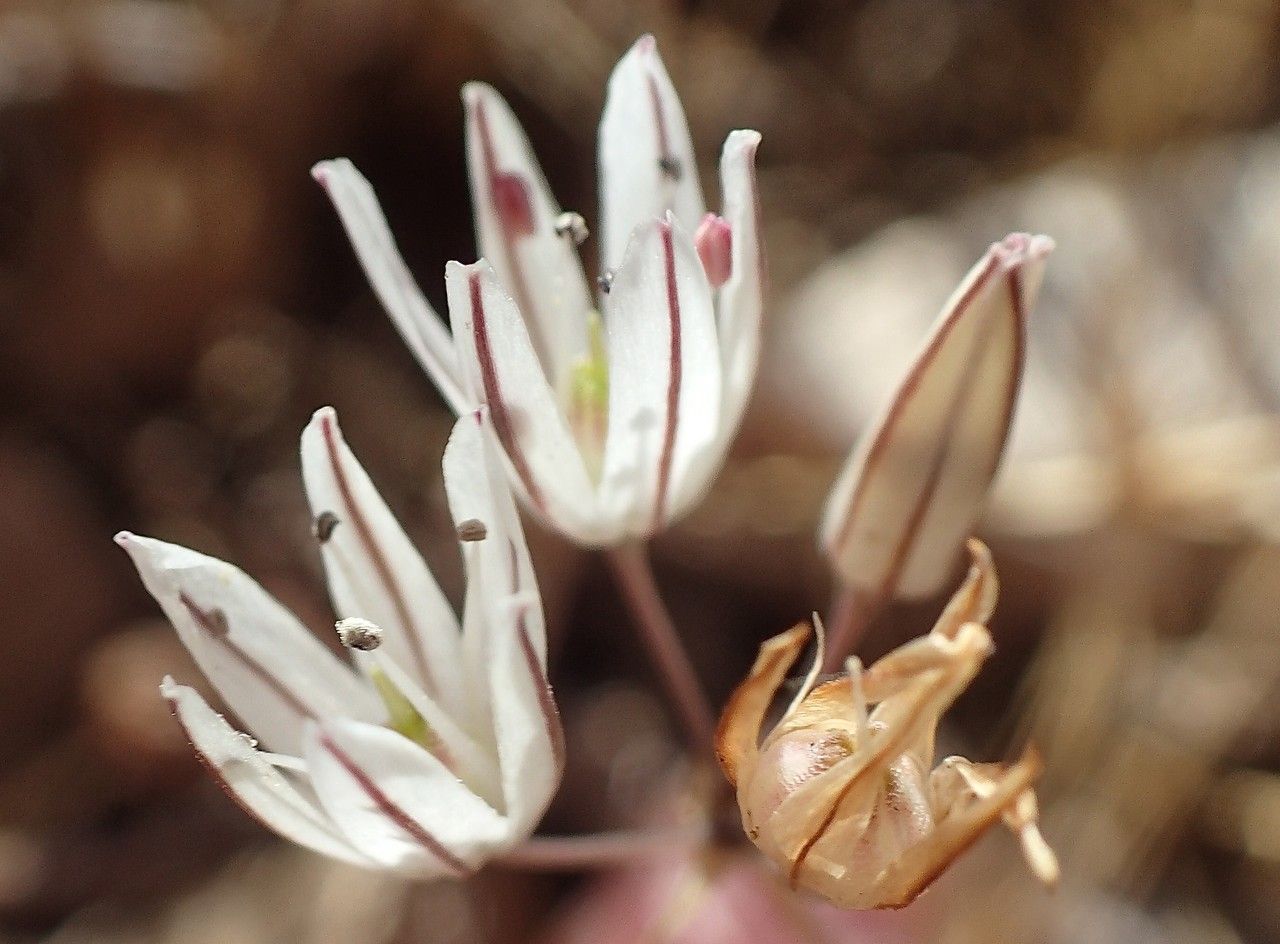
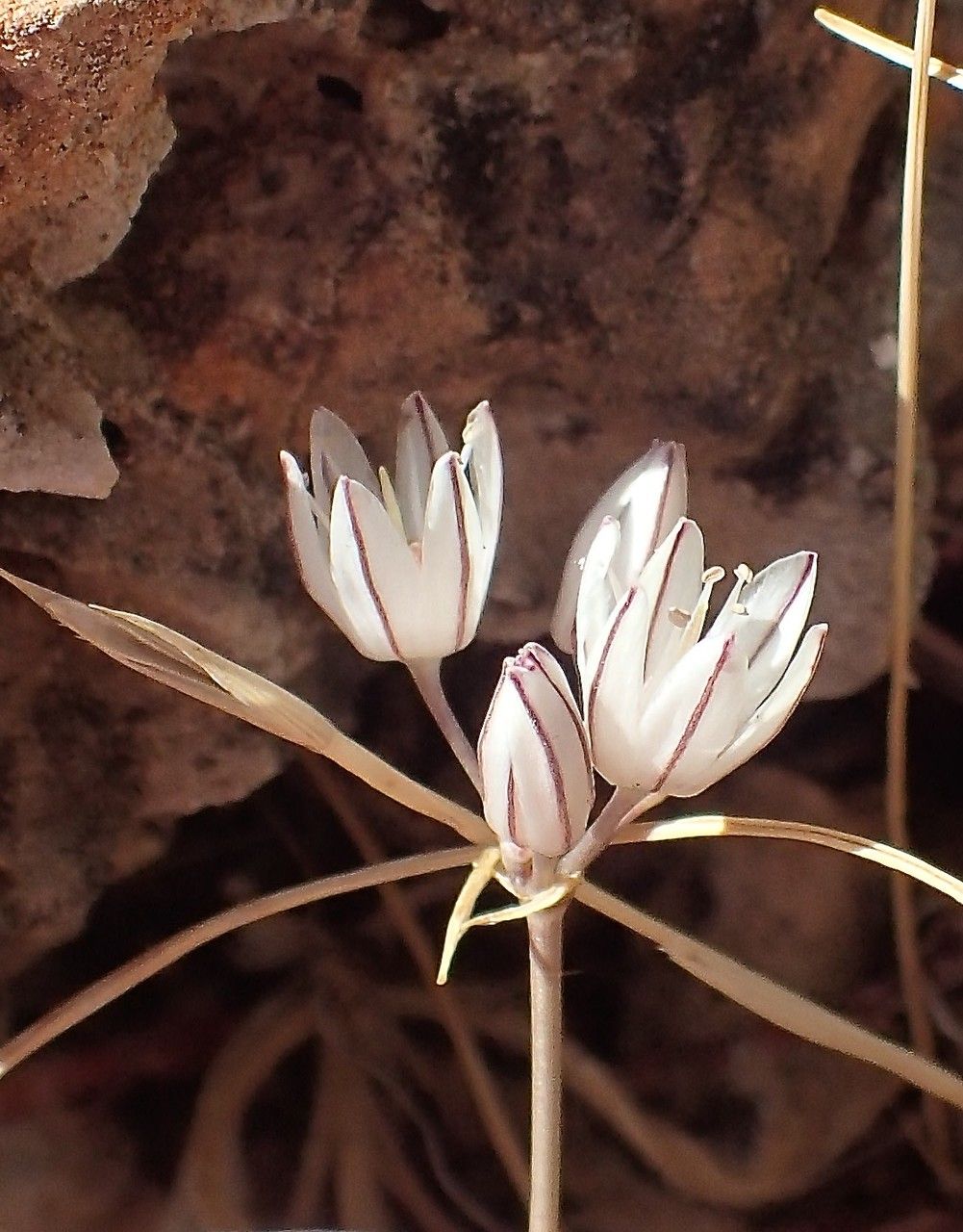
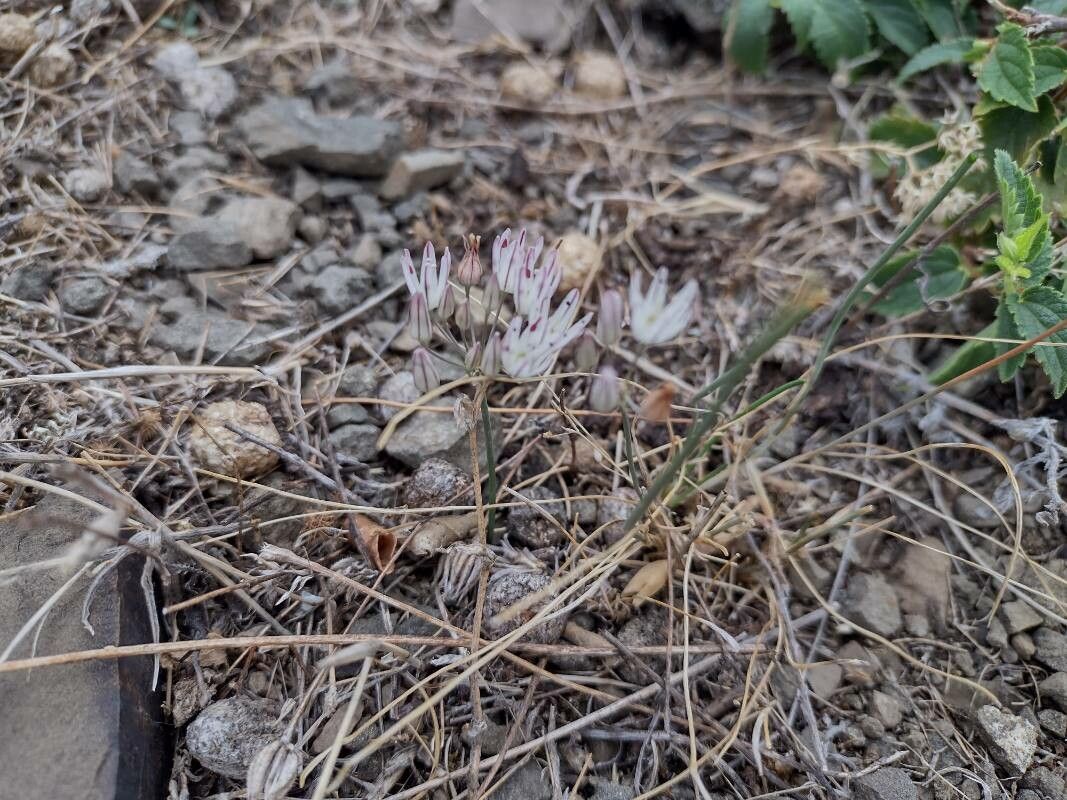
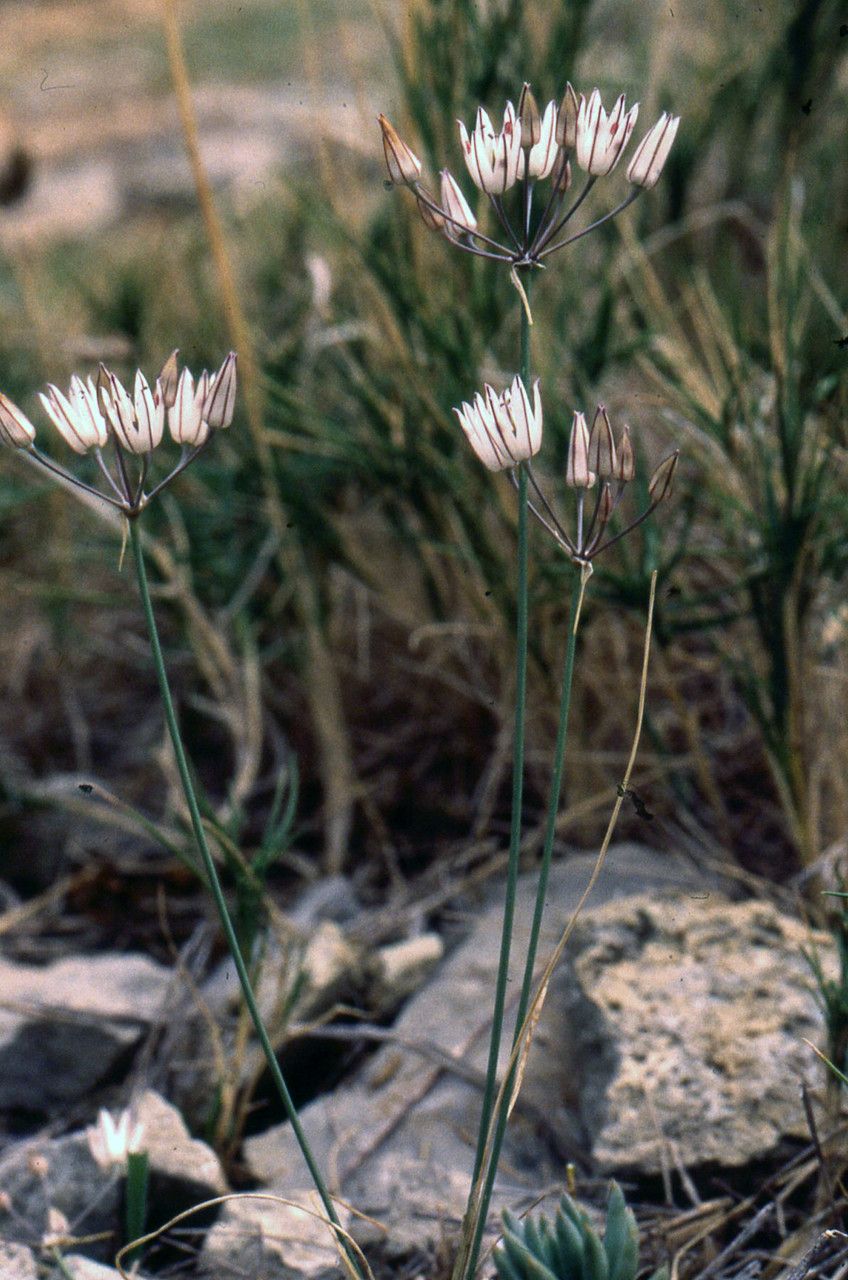
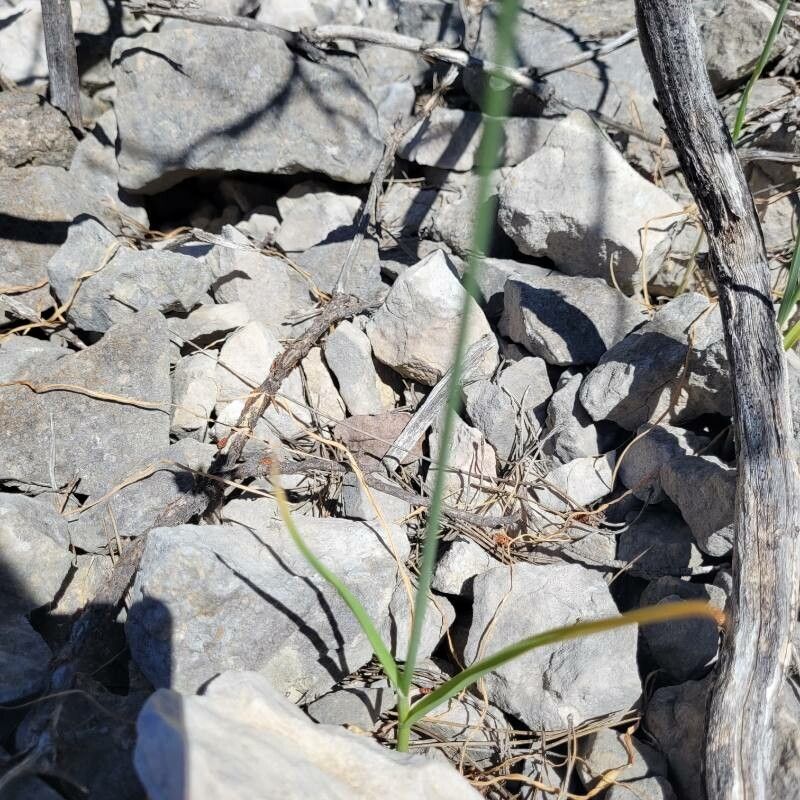
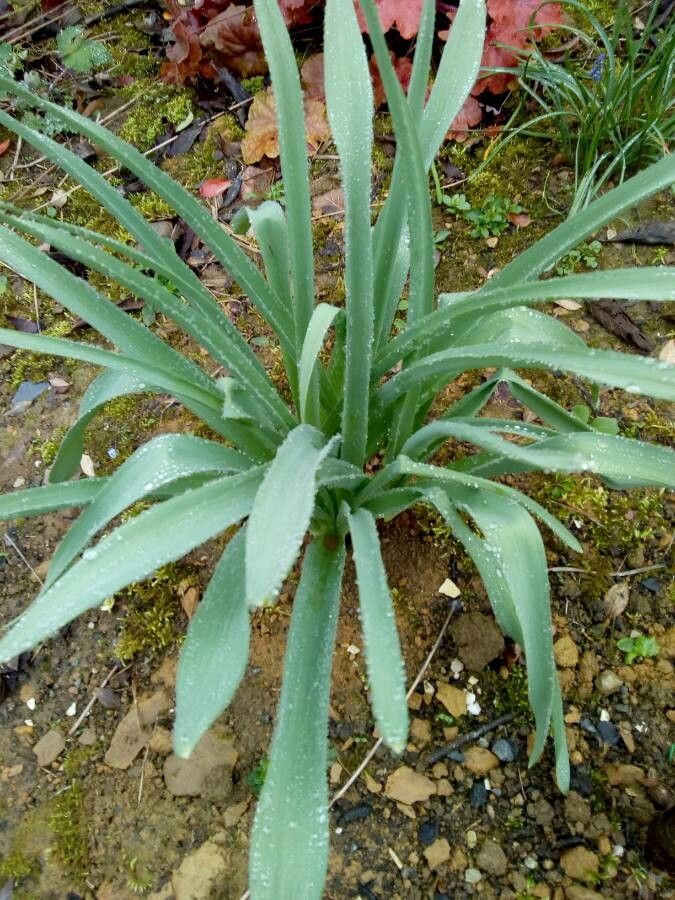
Allium moschatum is a Eurasian species of wild onion with a range extending from Spain to Iran.Allium moschatum is a bulb-forming perennial. Flowers are born in umbels on top of thin, wiry scapes rarely more than 15 cm tall; tepals white with a thin but prominent purple midvein.It usually grows in clearings of bushes, dry pastures and stony environments. Formerly includedAllium moschatum var. brevipedunculatum, now called Allium korolkowii Allium moschatum var. dubium, now called Allium korolkowii
Onions have good disease resistance and are generally not prone to illnesses. However, they can be vulnerable to pests and diseases present in their environment. These infections are usually mild. Regarding care, this plant requires moderate maintenance. It should be pruned regularly to keep a neat appearance and support healthy growth. Fertilizing can also help encourage flowering. Onions are suitable for anyone with outdoor space, such as a garden or patio, and do not demand extensive care experience. They may require more attention when grown indoors.
How to keep Allium Moschatum.
Light
Onions are sun-loving, perennial herbaceous plants that come from open habitats and commonly grow in meadows and grasslands. They prefer full sun but can tolerate partial sun.
Water
Onions thrive in well-drained soil with a moderate amount of water. To maintain soil moisture, they require consistent weekly watering. As herbaceous perennials, onions benefit from regular moisture throughout the growing season to support the development of both bulbs and foliage. It's important to adjust watering based on rainfall patterns.
Temperature
Onions can tolerate a wide range of temperature conditions, but their distribution may still be constrained by different combinations of water and heat. They do best in warm summer climates with adequate rainfall or irrigation. Extended periods of cloudy, rainy weather or sustained high temperatures can raise the likelihood of onions dying. In winter, proper protection from cold can increase the plant's survival.
Fertilizer
For Onions, the primary time to fertilize is in early spring as the flowers begin to form. The right fertilizer promotes better blooms and helps Onions produce attractive flowers. Fertilizing in early spring ensures strong flowers during the season and supplies energy for dormant growth phases.
Pruning
Onions are known for their bulbous growth and strong aroma. To maintain their health, prune any yellowing leaves and flower stalks from early to late spring, while keeping the healthy green leaves intact. Ensure you clean your tools between cuts to prevent the spread of disease, which will help promote healthier plants and encourage stronger bulb formation.
Pot & Repot
To thrive, onions need excellent drainage in pots. This helps maintain the right moisture levels and prevents root rot.
Botanical profile.
- Plant Type
- Herb
- Life Cycle
- Perennial
- Genus
- Allium
- Family
- Amaryllidaceae
- Hardiness Zone
- 4-9
- Mature Height
- 20 cm to 40 cm
- Mature Spread
- 10 cm to 15 cm
- Leaf Color
- Dark Green
- Leaf Type
- Deciduous
- Flower Color
- White
- Flower Size
- 0.25 cm to 0.51 cm
- Bloom Time
- Mid summer, Late summer
- Planting Time
- Spring, Autumn
- Harvest Time
- Late summer, Early fall, Mid fall
- Native Area
- Russia, Turkey, Italy, Spain, Greece, Serbia, Romania, Iran, Bulgaria, Azerbaijan, Armenia, Hungary, Albania, France