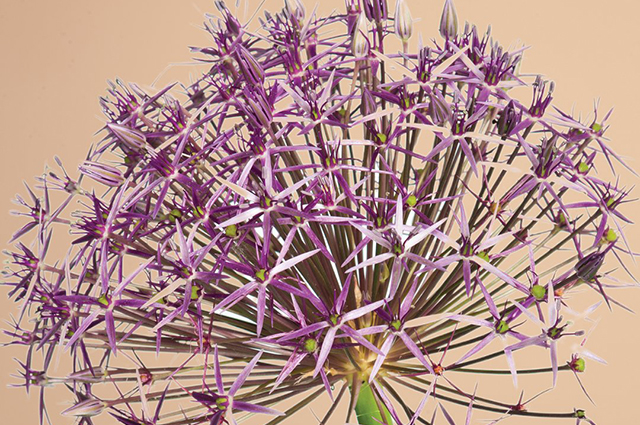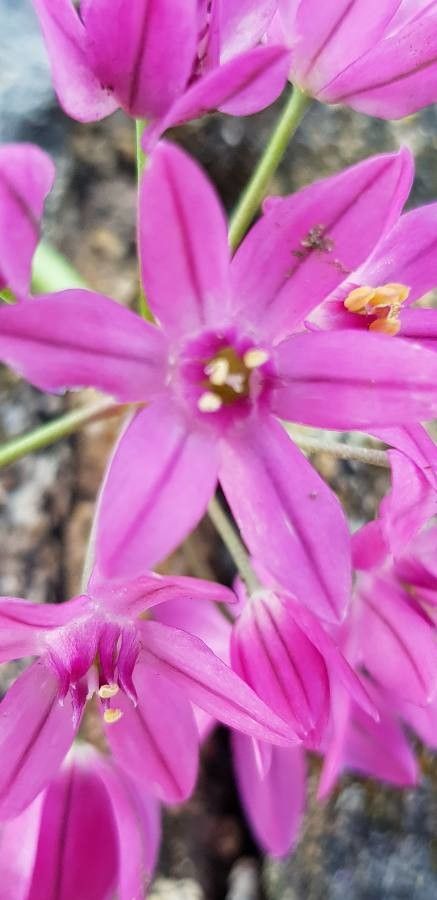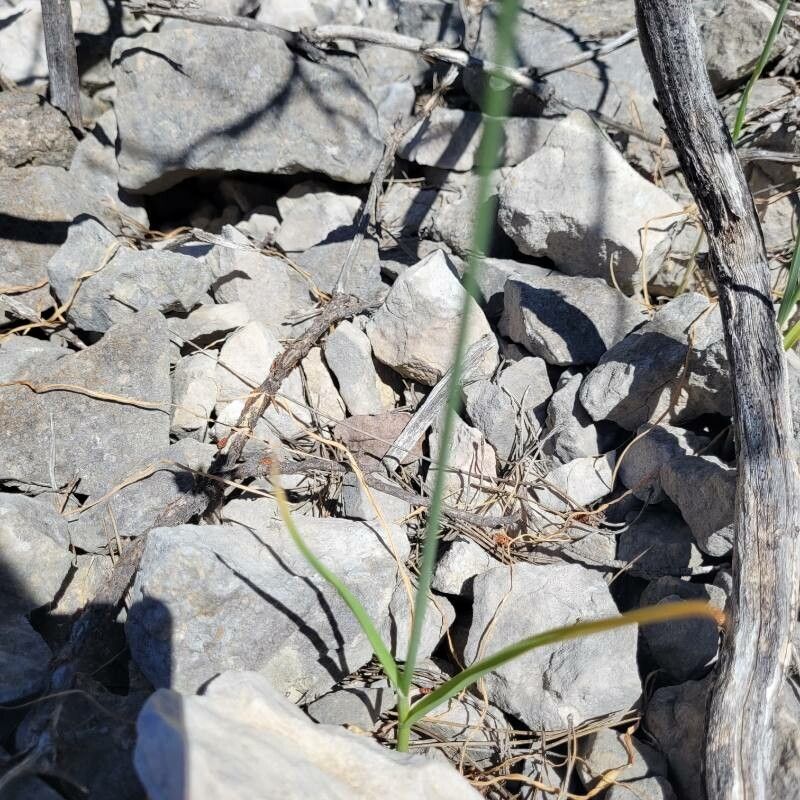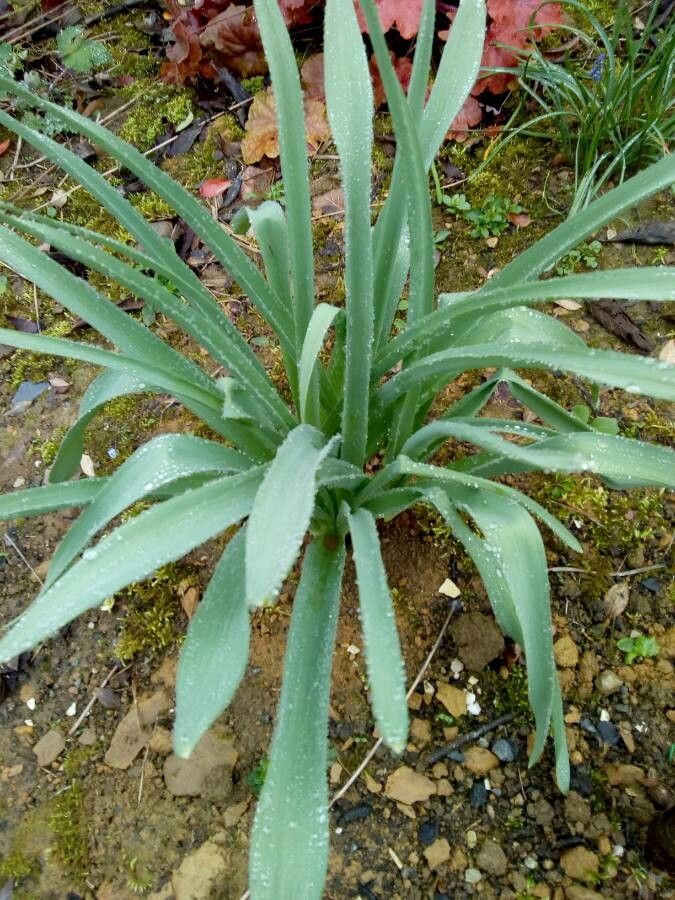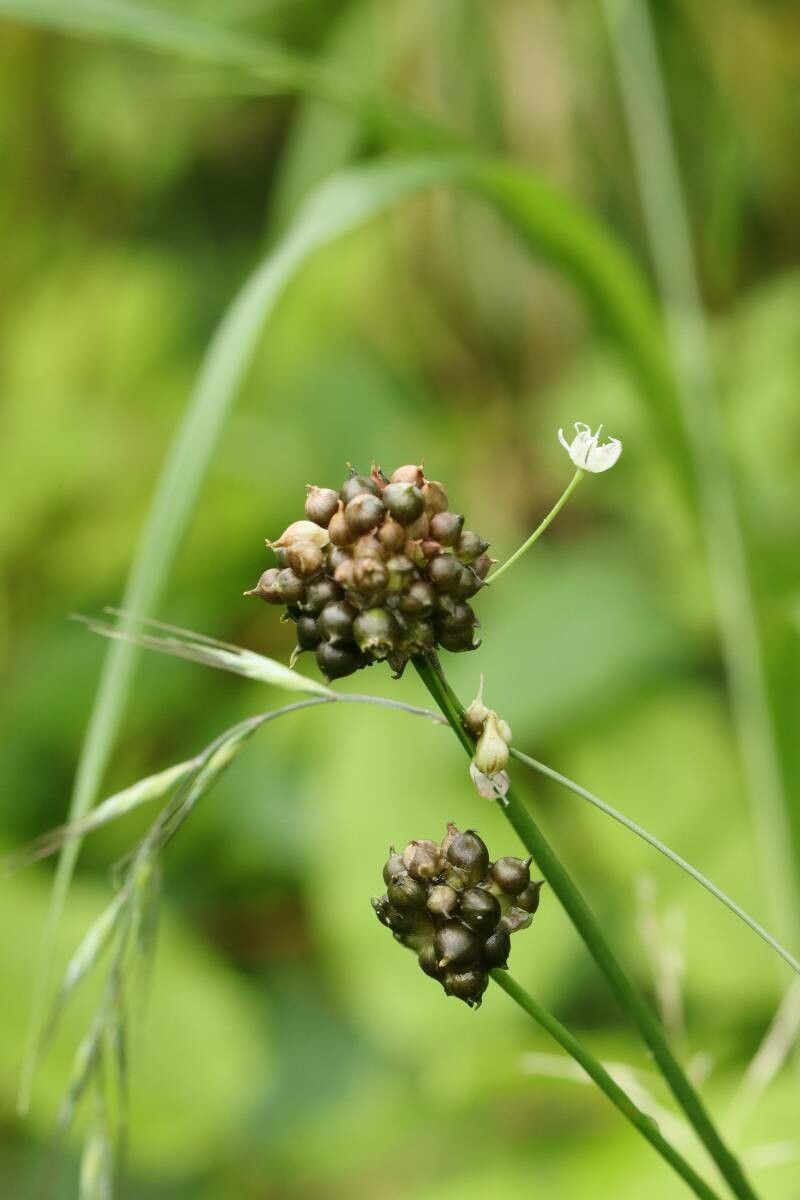
Allium macrostemon, Japanese wild onion, Spring onion, Green onion, Chinese garlic, Japanese garlic or long-stamen onion, is a species of wild onion widespread across much of East Asia. It is known from many parts of China, as well as Japan, Korea, Mongolia, Tibet and Primorye. It has been collected from elevations ranging from sea level to 3000 m.
Long-stamen chive has moderate resistance to disease and can be prone to problems like leaf spot. Its vulnerability to insect pests varies with the variety, but most types have low resistance to pests. For care, Long-stamen chive requires regular watering and fertilizing, along with frequent removal of yellow leaves. It is important to address pests and diseases as they appear and to harvest the plant promptly. Long-stamen chive is appropriate for people who can spend some time and effort on regular maintenance.
How to keep Allium Macrostemon.
Light
The long-stamen chive grows best with plentiful sunlight and is not tolerant of shade or low-light conditions. Native to areas with abundant sun, it depends on strong light to thrive and remain productive. Both excessively long and too little sunlight exposure can damage its health and reduce its growth vigor.
Water
The long-stamen chive flourishes in areas with consistent rainfall and humidity. Although it has moderate drought tolerance, it thrives with weekly watering. Commonly grown outdoors, its peak growing season coincides with the rainy season, highlighting its need for regular moisture.
Temperature
For Long-stamen chive, mild temperatures are preferable, about the same range most people find comfortable. It performs best in conditions that are neither excessively warm nor chilly. The main problem with high heat is the potential for sunburn, so providing some shade in summer is recommended to prevent too much heat. When temperatures fall, Long-stamen chive goes into dormancy. To keep it growing continuously, warmer conditions must be maintained during winter. Frost can injure the plant and should be avoided.
Fertilizer
To optimize the taste and output of Long-stamen chive, it's necessary to provide sufficient nitrogen throughout the growing period, from before planting to harvesting. Plants that are properly hydrated and fertilized will yield plenty of robust leaves and will have less bitterness. Before you plant, improve the soil by adding organic substances like compost or manure; doing this between 2 to 8 weeks before planting is most ideal.
Pruning
To promote new growth, prune long-stamen chives in early to late spring by removing dead leaves and trimming flowering stems. Timely pruning improves air circulation, reduces the risk of disease, and encourages a bushier structure, enhancing the plant's health and productivity.
Pot & Repot
To thrive, long-stamen chives need pots with excellent drainage.
Botanical profile.
- Plant Type
- Herb
- Life Cycle
- Perennial
- Genus
- Allium
- Family
- Amaryllidaceae
- Hardiness Zone
- 4-9
- Mature Height
- 61 cm
- Mature Spread
- 20 cm to 30 cm
- Leaf Color
- Green
- Leaf Type
- Deciduous
- Flower Color
- Lavender
- Flower Size
- 1.02 cm
- Bloom Time
- Late spring, Early summer
- Planting Time
- Spring, Autumn
- Harvest Time
- Mid summer, Late summer
- Native Area
- Russia, Japan, Mongolia, Koppen, South Korea, China