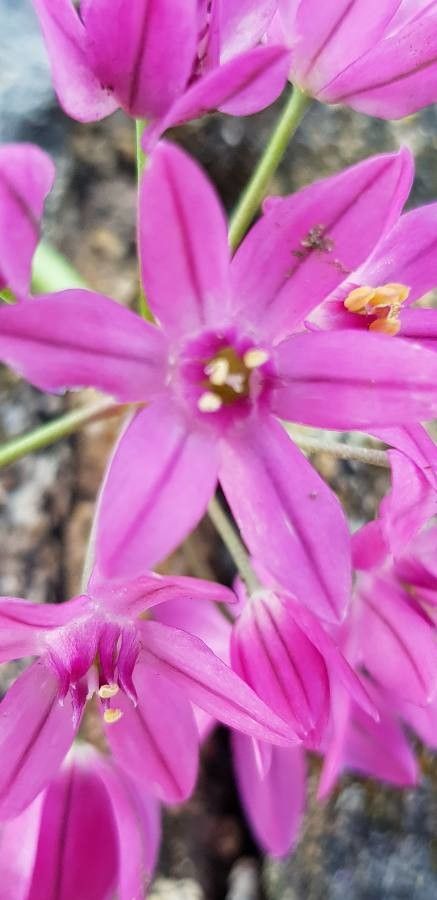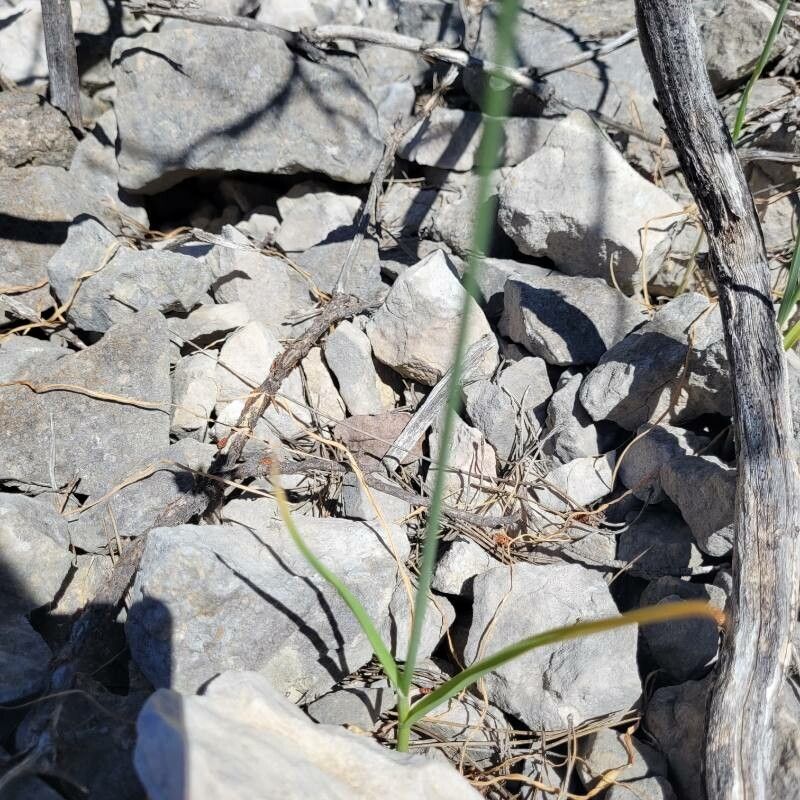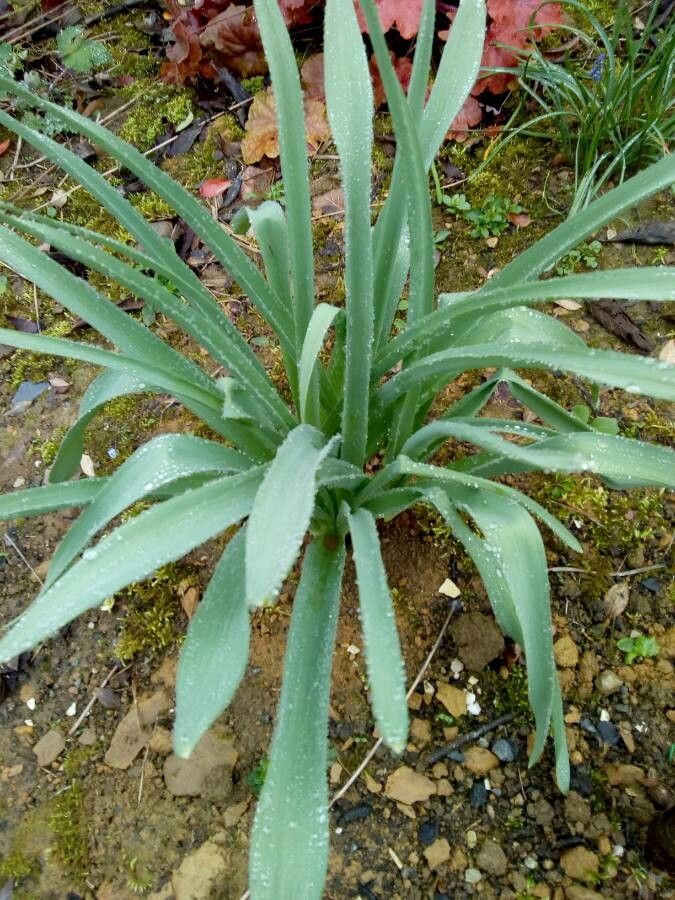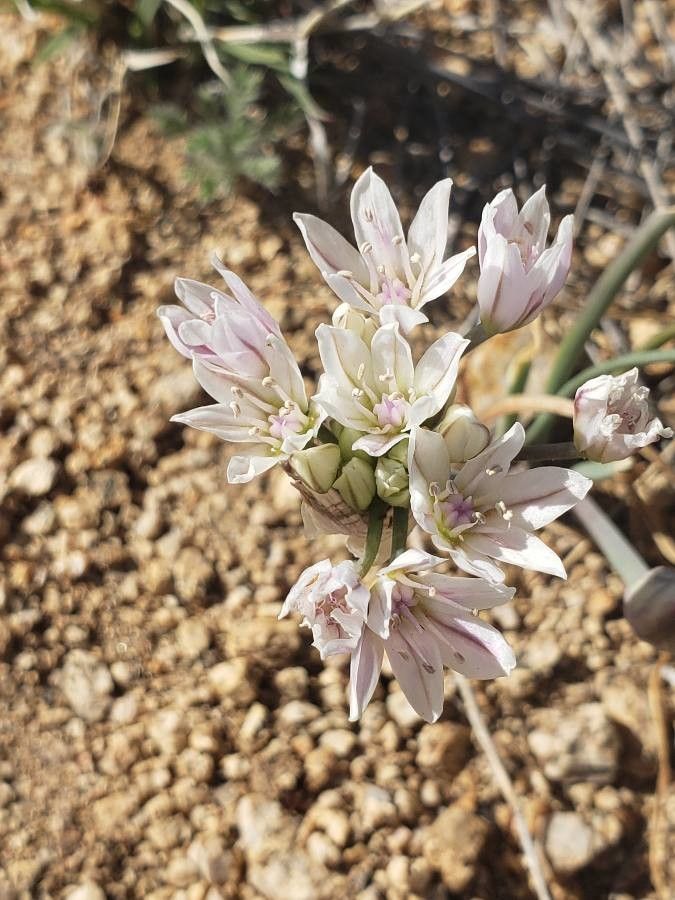
Allium macropetalum, the desert onion, is a species of wild onion native to the desert regions of southwestern United States and northwestern Mexico. It is known from desert plains and hills in Sonora, Arizona, Utah, Colorado, New Mexico, and Texas, at elevations up to 2500 m.Allium macropetalum forms egg-shaped bulbs up to 2.5 cm long. Flowers are bell-shaped, pink to purple, up to 12 mm across, with yellow or purple anthers.
The largeflower onion shows strong resistance to disease and is generally not prone to illness. Still, it can be affected by pests and diseases present in its surroundings. These outbreaks are typically minor. In terms of care, the plant requires a moderate level of maintenance. It should be pruned regularly to preserve a neat appearance and support healthy growth. Fertilizing can also encourage better flowering. The largeflower onion is well suited for anyone with outdoor space, such as a garden or patio, and does not need extensive gardening experience. It may demand more attention if grown indoors.
How to keep Allium Macropetalum.
Light
Largeflower onion is a perennial herbaceous plant that prefers sunny sites and naturally occurs in open habitats, frequently growing in meadows and grasslands. It prefers full sun but can also tolerate partial sun.
Water
The largeflower onion originates from arid regions and thrives with minimal moisture, needing only weekly watering. Its drought tolerance and ability to store water make it an ideal choice for xeriscaping. It prefers well-draining soil and flourishes outdoors with low maintenance, perfectly adapting to conditions similar to its native desert environment.
Fertilizer
One fertilizer application in spring is generally adequate for Largeflower onion, though repeated feedings can boost growth. Feed every month to a month and a half. Fertilizing improves the leaves' appearance and function, helping maintain uniform color and a healthy texture. It also encourages root development and nutrient uptake, supporting long-term plant health.
Pruning
The Largeflower Onion features large blossoms and thrives in well-drained, sunny locations. To encourage growth and minimize disease, prune it from early to late spring by removing wilted flowers and yellowing leaves. This practice improves air circulation, leading to stronger blooming and better overall plant health.
Pot & Repot
To thrive and ensure optimal growth and health, Largeflower onions need pots with excellent drainage.
Botanical profile.
- Plant Type
- Herb
- Life Cycle
- Perennial
- Genus
- Allium
- Family
- Amaryllidaceae
- Hardiness Zone
- 5-10
- Mature Height
- 0 cm to 30 cm
- Leaf Type
- Deciduous
- Native Area
- Mexico
Other names.
Reader questions.
What are the sunlight requirements for Allium macropetalum (Largeflower onion)?
Allium macropetalum, also known as Largeflower onion, flourishes under specific sunlight conditions to ensure their optimal growth and happiness. It requires full sun, which is defined as receiving more than 6 hours of sunlight daily. Additionally, it can grow in partial sun, which means it should get about 3 to 6 hours of sunlight each day. It's important to observe the movement of sunlight through your garden to identify spots that provide the ideal balance of light and shade crucial for the health of your plants.