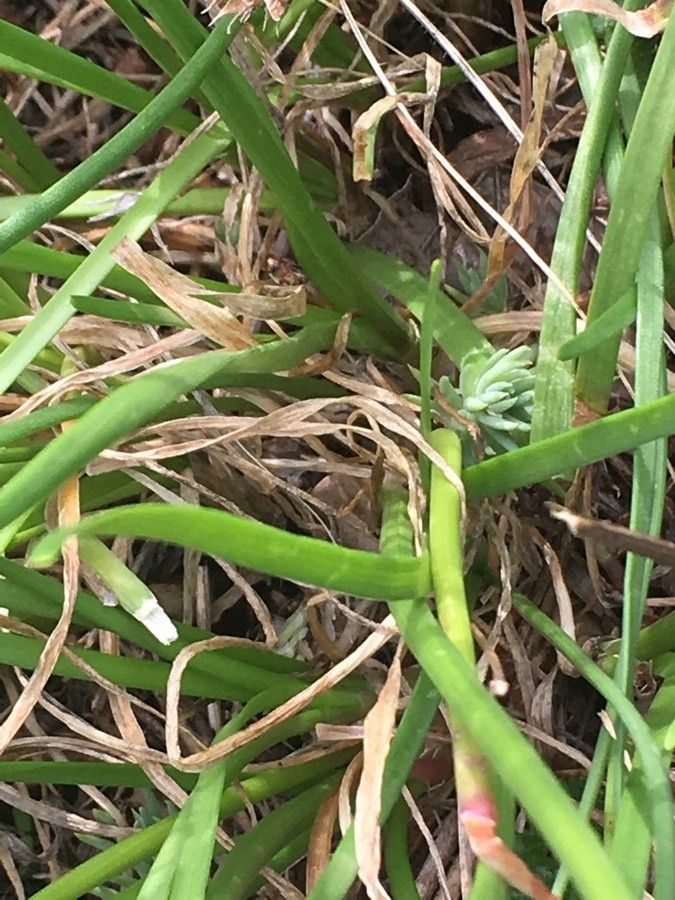
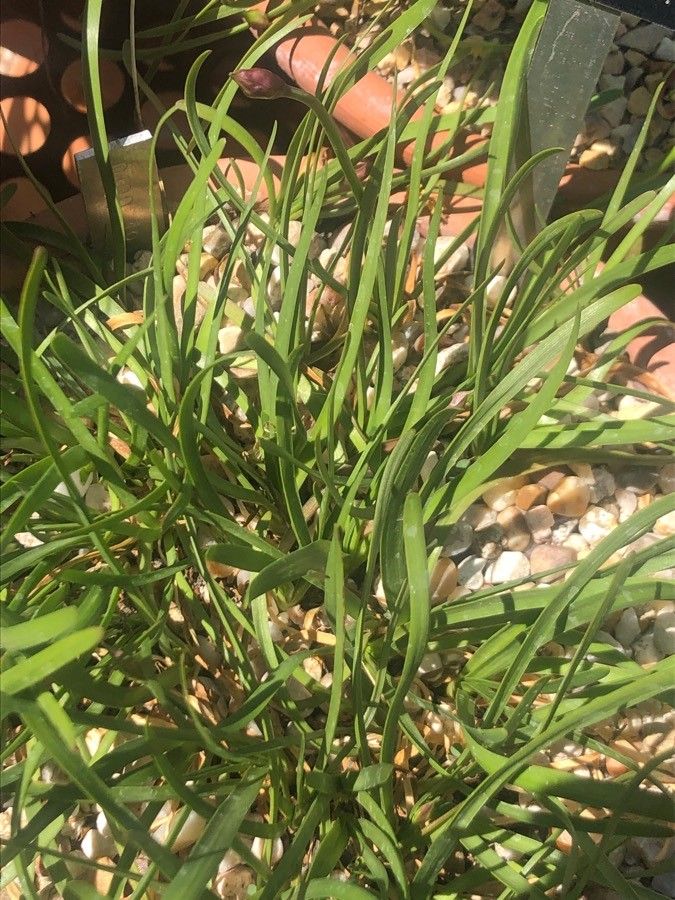
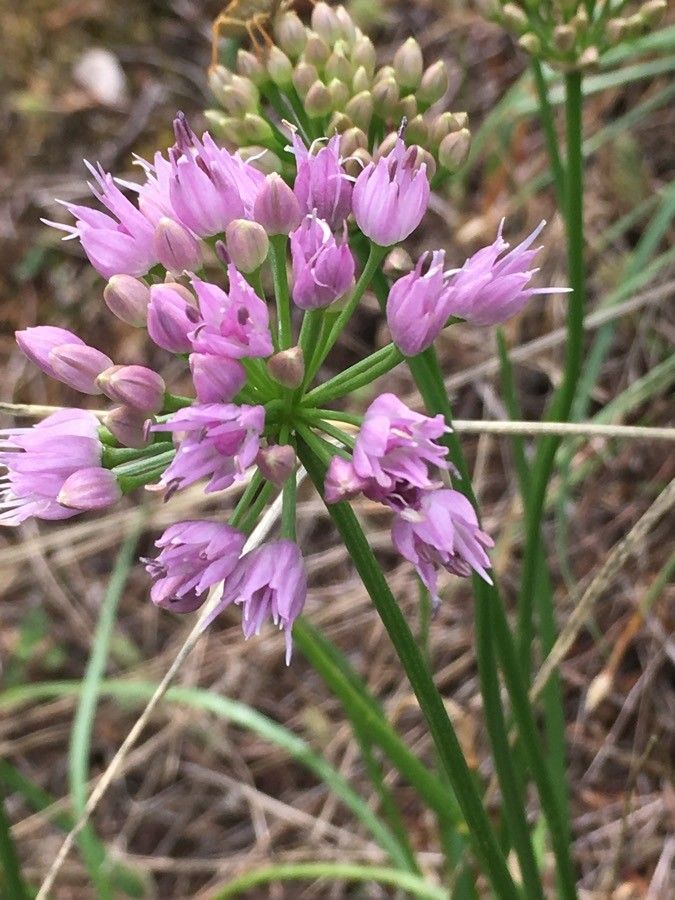
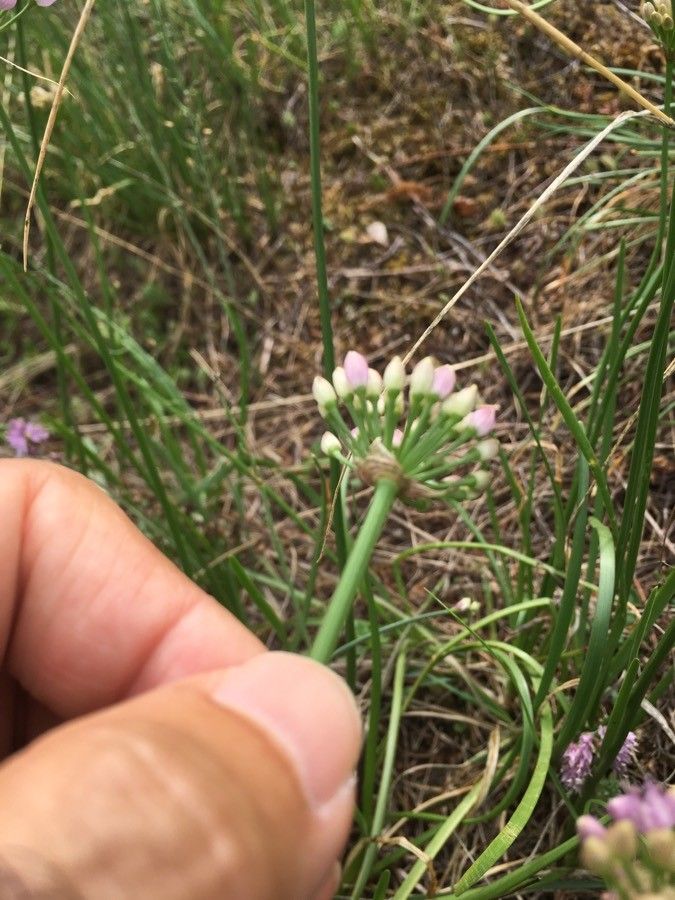
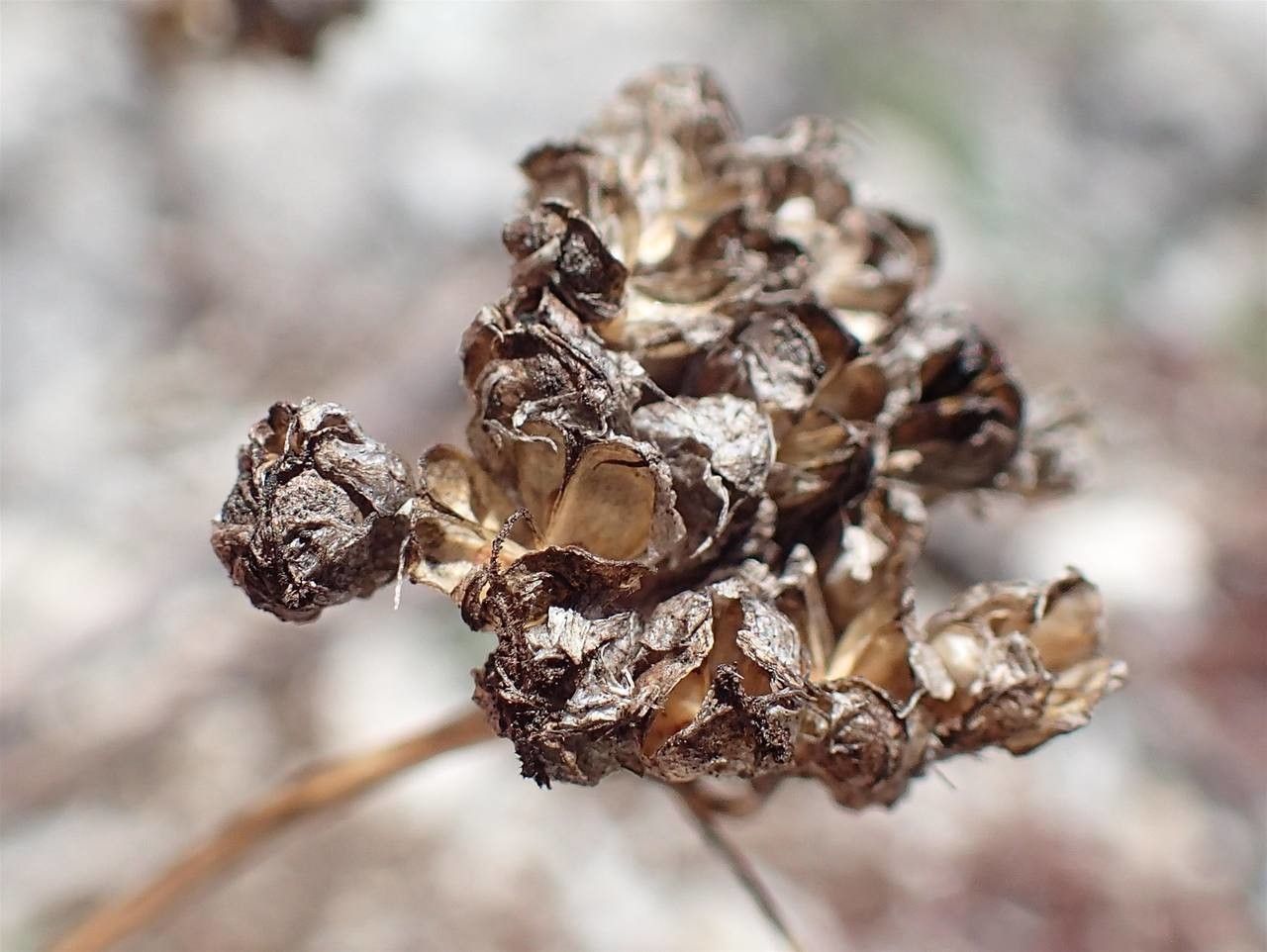
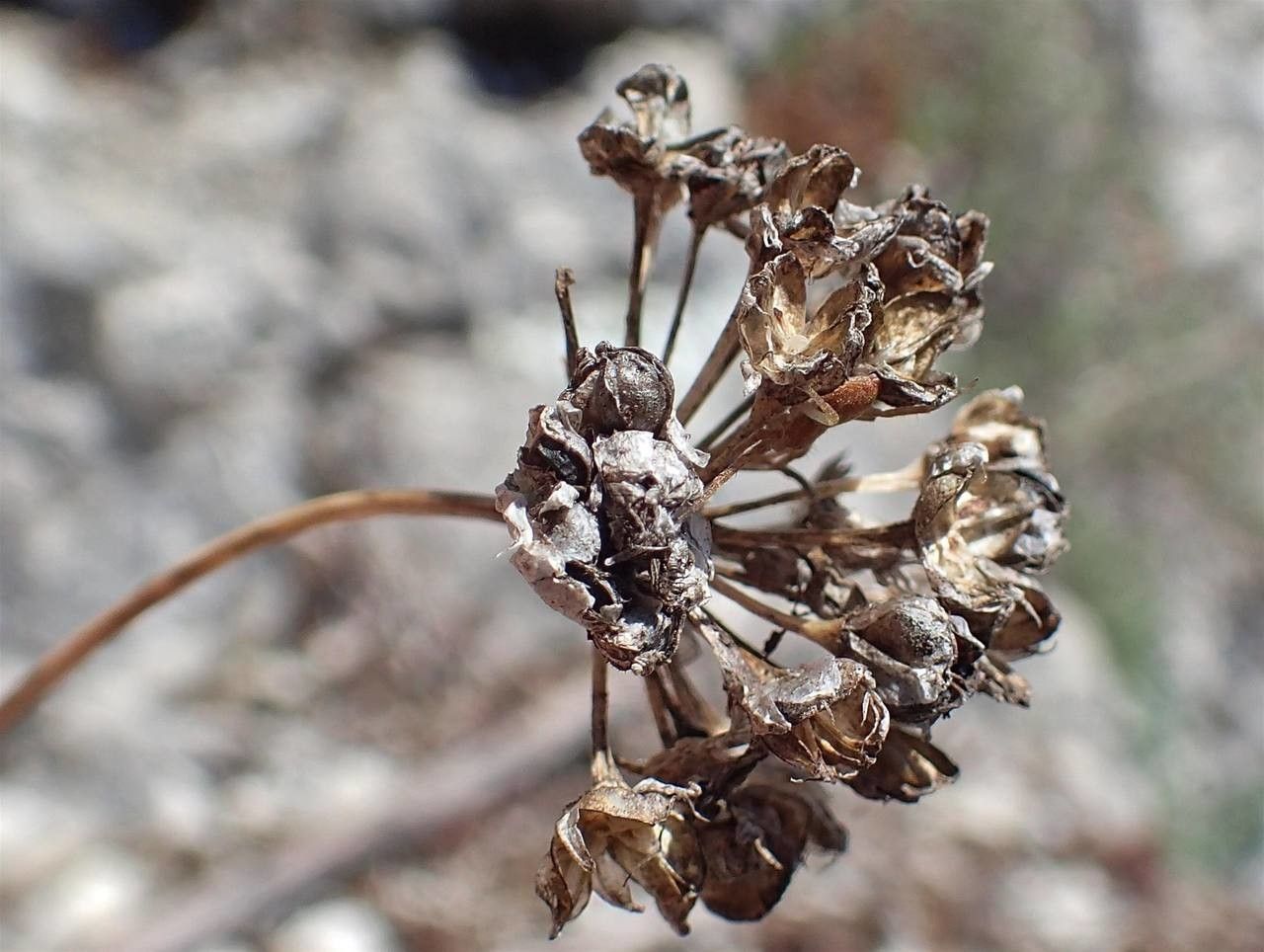
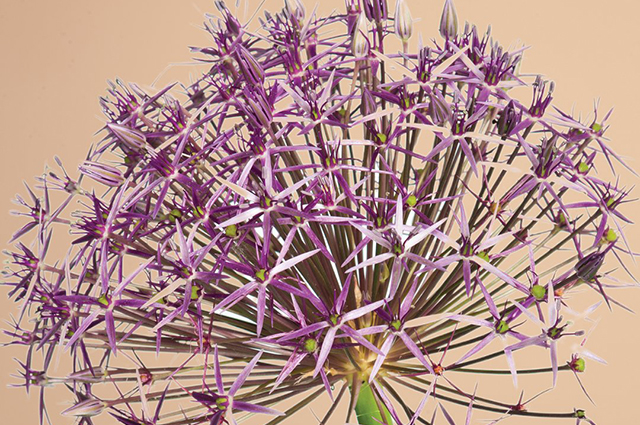
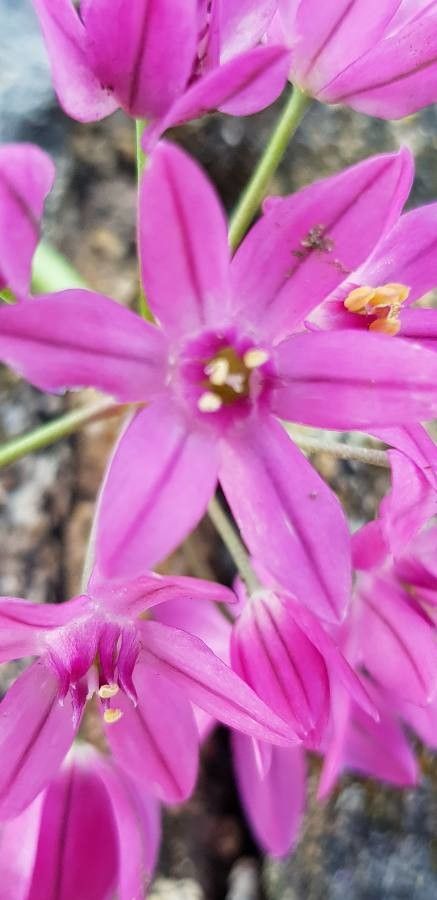
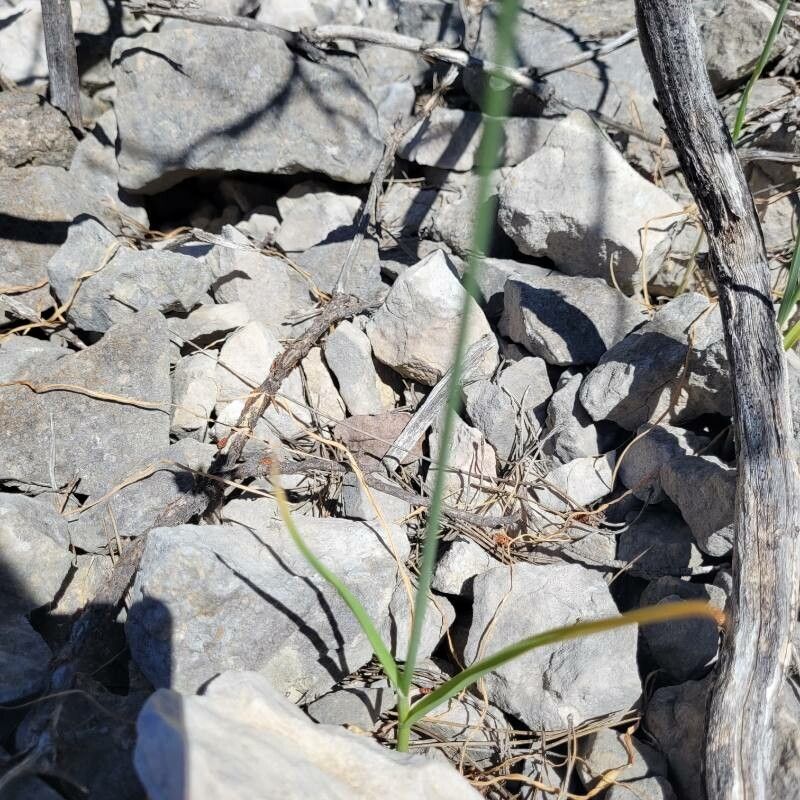
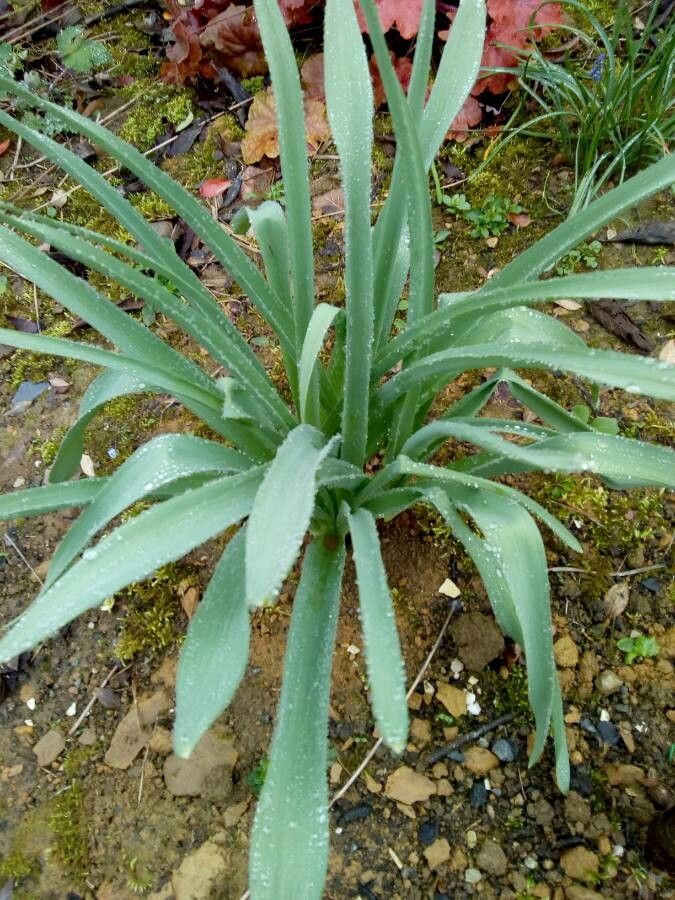
Allium lusitanicum, commonly known as Portuguese garlic, is a perennial herbaceous plant in the family Amaryllidaceae. Native to Portugal and Spain, it thrives in rocky areas, meadows, and forests. The plant can reach a height of up to 60 cm and features narrow leaves that can grow up to 30 cm long.
The flowers of Allium lusitanicum are small, white, and tinged with pink, forming clusters atop long stems that rise above the foliage. These flowers bloom from June through August.
The bulbs of Allium lusitanicum are edible, boasting a strong garlic-like flavor. They have been used in culinary dishes in Portugal and Spain for centuries.
In addition to its culinary uses, Allium lusitanicum is known for its medicinal properties. It contains compounds such as allicin, which possess antibacterial properties that can help combat infections.
Overall, Allium lusitanicum is a fascinating plant with both culinary and medicinal applications, making it a significant part of traditional Portuguese cuisine and medicine.
Chives have moderate resistance to disease and can be prone to problems such as leaf spot. Their susceptibility to insect pests varies by variety, but most varieties are less resistant to pests. For care, chives require regular watering and fertilizing, and frequent removal of yellow leaves. It is important to treat pests and diseases when they appear and to harvest the plant promptly. Chives are appropriate for people who can invest some time and energy in routine care.
How to keep Allium Lusitanicum.
Light
Chives grow best with plenty of sunlight but can tolerate moderate shade. Coming from open habitats, they adapt well to a range of light conditions. However, too much or too little light can stunt their growth and harm their health. Their sunlight needs remain consistent through all stages of growth.
Water
Mountain garlic thrives in well-drained soils and moderate climates. It requires consistent weekly watering, but be careful not to over-saturate the soil. This herbaceous perennial grows best outdoors, with its growth closely linked to water availability. Therefore, it's important to manage irrigation carefully during its active growth periods.
Temperature
Chives do well in temperate climates and favor temperatures from 41 to 95 ℉ (5 to 35 ℃). They grow best when temperatures stay between 50 to 75 ℉ (10 to 24 ℃), and can tolerate light frosts. In summer, they benefit from partial shade or cooler conditions. In winter, adjusting the temperature to about 40 to 50 ℉ (4 to 10 ℃) is recommended to prevent dormancy.
Fertilizer
To maximize the yield and flavor of Chives, maintain sufficient nitrogen throughout the entire growth cycle, from pre-planting through harvest. Adequately watered and fertilized plants produce plentiful, healthy leaves and reduce bitterness. Before planting, enrich the soil with organic matter such as compost or manure, ideally 2 to 8 weeks beforehand.
Pruning
Mountain garlic, known for its aromatic leaves and flower clusters, needs careful pruning. In early spring, remove any dead or damaged growth. After the flowers have bloomed in late spring, trim the spent blooms to encourage healthy bulb development. Regular pruning helps maintain plant vigor, prevents overcrowding, and keeps your garden looking healthy and attractive.
Pot & Repot
Repot Chives in early spring. Choose a pot that is wider than it is deep and has good drainage. Use a loamy, well-draining potting mix enriched with compost. Gently remove old soil from the bulb and plant it at a depth equal to the bulb’s height. Water thoroughly after repotting and place the pot in a sunny spot. Avoid overwatering to prevent bulb rot.
Botanical profile.
- Plant Type
- Herb
- Life Cycle
- Perennial
- Genus
- Allium
- Family
- Amaryllidaceae
- Hardiness Zone
- 5-9
- Mature Height
- 30 cm to 49 cm
- Mature Spread
- 30 cm to 61 cm
- Leaf Color
- Green
- Leaf Type
- Deciduous
- Flower Color
- Lavender, Pink
- Flower Size
- 1.02 cm to 2.03 cm
- Bloom Time
- Late spring, Early summer
- Planting Time
- Spring, Winter, Summer, Autumn
- Harvest Time
- Early summer, Mid summer
- Native Area
- Turkey, Sweden, India, Austria, Slovakia, Montenegro, Pakistan, Slovenia, Croatia, Belarus, Russia, Iraq, Germany, Cambodia, Estonia, Romania, Latvia, Portugal, Netherlands, France, Tajikistan, Czech Republic, Bulgaria, Armenia, Poland, Greece, Ukraine, Serbia, China, Lithuania, Norway, Kyrgyzstan, Kazakhstan, Italy, Spain, Switzerland, Denmark, Japan, Mongolia, Finland, Iran, Albania, Ireland, United Kingdom, Hungary, Azerbaijan
Other names.
Reader questions.
How should I water my Mountain garlic?
When watering Mountain garlic, it is important to use filtered water at room temperature. Tap water may contain particles harmful to the plant's health. The water should be at room temperature or slightly warmer to mimic the plant's warm environment and avoid shocking its system. Overhead watering should be avoided as it can cause problems with the foliage. Instead, apply filtered room temperature water directly to the soil until it is completely soaked. This helps moisten the roots and supports their spread through the soil to collect necessary nutrients.
Why should I put fertilizer on my Mountain garlic?
Fertilization is important for the growth of Mountain garlic and other plants as it provides key nutrients. While the overall fertilization needs for Mountain garlic are low and it may survive without fertilization at times, annual fertilization can greatly benefit the plant. It helps keep the Mountain garlic alive and promotes the production of better and longer-lasting flowers. Therefore, those who want their Mountain garlic to look its best should regularly fertilize it.
What are the sunlight requirements for Mountain garlic?
Mountain garlic requires full sun, which is defined as above 6 hours of sunlight, and can also thrive in partial sun, receiving about 3 to 6 hours of sunlight. It's essential to observe how sunlight moves through your garden to choose the best spots that offer a balance of light and shade, ensuring the plants' optimal growth. In its original growing environment, Mountain garlic prefers ample exposure to light. Insufficient sunlight might inhibit its growth, while too much exposure can cause leaves to scorch.
What is Mountain Garlic and where is it native to?
Mountain garlic, known botanically as Allium lusitanicum, is native to temperate zones. It exhibits strong adaptability in climates with temperatures ranging from 41 to 89.6 °F (5 to 32 °C). This robust plant is particularly suited for winter planting, showcasing its resilience by thriving in cold conditions without the need for special frost protection measures in most cases.
What should I do if I give my Mountain garlic too much or too little water?
Overwatering is a common issue that can harm your Mountain garlic. When the plant receives too much water, its stems and leaves may wilt and turn yellow. Over time, overwatering can lead to diseases like root rot, mold, and mildew, which can be fatal for the plant. While underwatering is less common, it can still happen. If your Mountain garlic is underwatered, the leaves may become brittle and brown. It's important to notice the signs of overwatering early on, as certain diseases like root rot may be irreversible if not addressed promptly. If you see early signs of overwatering, reduce your watering schedule and check the quality of the soil. If the soil doesn't drain well, replace it with a loose, well-draining potting mix. Conversely, if your Mountain garlic is not getting enough water, increase your watering frequency until the signs of drought stress subside.
When should I fertilize my Mountain garlic?
The best time to fertilize Mountain garlic is in late winter to early spring when it is transitioning from dormancy to active growth. Fertilizing during this time promotes healthy growth and a strong start to the season. Although it is generally ideal to fertilize in early spring, fall can also be an acceptable time. However, it is not recommended to fertilize Mountain garlic during the summer and winter seasons.
How can artificial lighting be used for Indoor Mountain garlic plants?
Indoor Mountain garlic plants require adequate lighting to achieve optimal growth, especially when natural sunlight is insufficient, such as during winter or in less sunny spaces. Artificial lighting serves as an excellent alternative, promoting faster, healthier growth. LED lights are recommended because they can be customized to provide specific light wavelengths needed by the plants. The suggested artificial light intensity is 30-50W/sq ft for full sun plants, 20-30W/sq ft for partial sun plants, and 10-20W/sq ft for full shade plants. The artificial light source should be placed 12-36 inches above the plant, mimicking natural sunlight as closely as possible, and provided for 8-12 hours per day depending on the specific needs of the plant species.
How do you protect Mountain Garlic during very cold winters?
Although Mountain garlic has strong cold resistance, in winters where temperatures are expected to drop below -25°C, it is important to protect the plant from frost. This can be done by covering the plant with insulating materials such as soil or straw. Additionally, it is advisable to water the plant abundantly before the first freeze in autumn to keep the soil moist. This practice helps prevent drought and water scarcity for the plant during the winter and early spring by ensuring the soil remains in a frozen state, which retains moisture.
How often should I give water to my Mountain garlic?
If your Mountain garlic is in a pot, you can determine if it needs water by checking the moisture level of the soil. Stick your finger into the soil and see if the top two to three inches are dry. If they are, then it's time to water your plant. If you have your Mountain garlic growing outdoors in the ground, you can use the same method to test the soil. If you find that the first few inches of soil are dry, it's time to water your plant. In the spring and early fall, you'll typically need to water about once a week using this method. However, during extremely hot weather, you may need to increase your watering frequency to twice a week or more. It's worth noting that mature, well-established Mountain garlic plants have a good ability to withstand drought.
When should I not add fertilizer to my Mountain garlic?
To properly fertilize Mountain garlic, it is best to avoid fertilizing it during spring, summer, and fall to prevent overfertilization. However, should you skip fertilizing in spring, it is acceptable to fertilize in the fall. Winter is not an ideal time for fertilizing as the plant is in a dormant phase and does not require new growth.
What are the signs of insufficient or excessive sunlight in Mountain garlic?
Symptoms of insufficient sunlight in Mountain garlic include smaller new leaves, leggy or sparse growth, faster leaf drop, slower or halted new growth, and lighter-colored new leaves. Excessive sunlight can lead to chlorosis (leaves turning yellow), sunscald (damaged leaves/stems due to intense exposure), leaf curling (a defense mechanism against too much sunlight), wilting (due to increased water loss), and leaf scorching (brown, dry, and crispy edges on leaves). These symptoms showcase the plant's struggle with inappropriate light levels and the need for adjustment.
What are the symptoms of Mountain Garlic when exposed to low temperatures?
Mountain garlic is cold-tolerant and thrives in conditions above 5°C. When winter temperatures dip below -20°C, the plant generally remains hardy, but exposure to temperatures below -25°C may result in decreased sprouting or even a failure to sprout in spring. In such cases, the recommended solution is to remove any parts of the plant that have failed to sprout once spring arrives, to promote healthy growth.