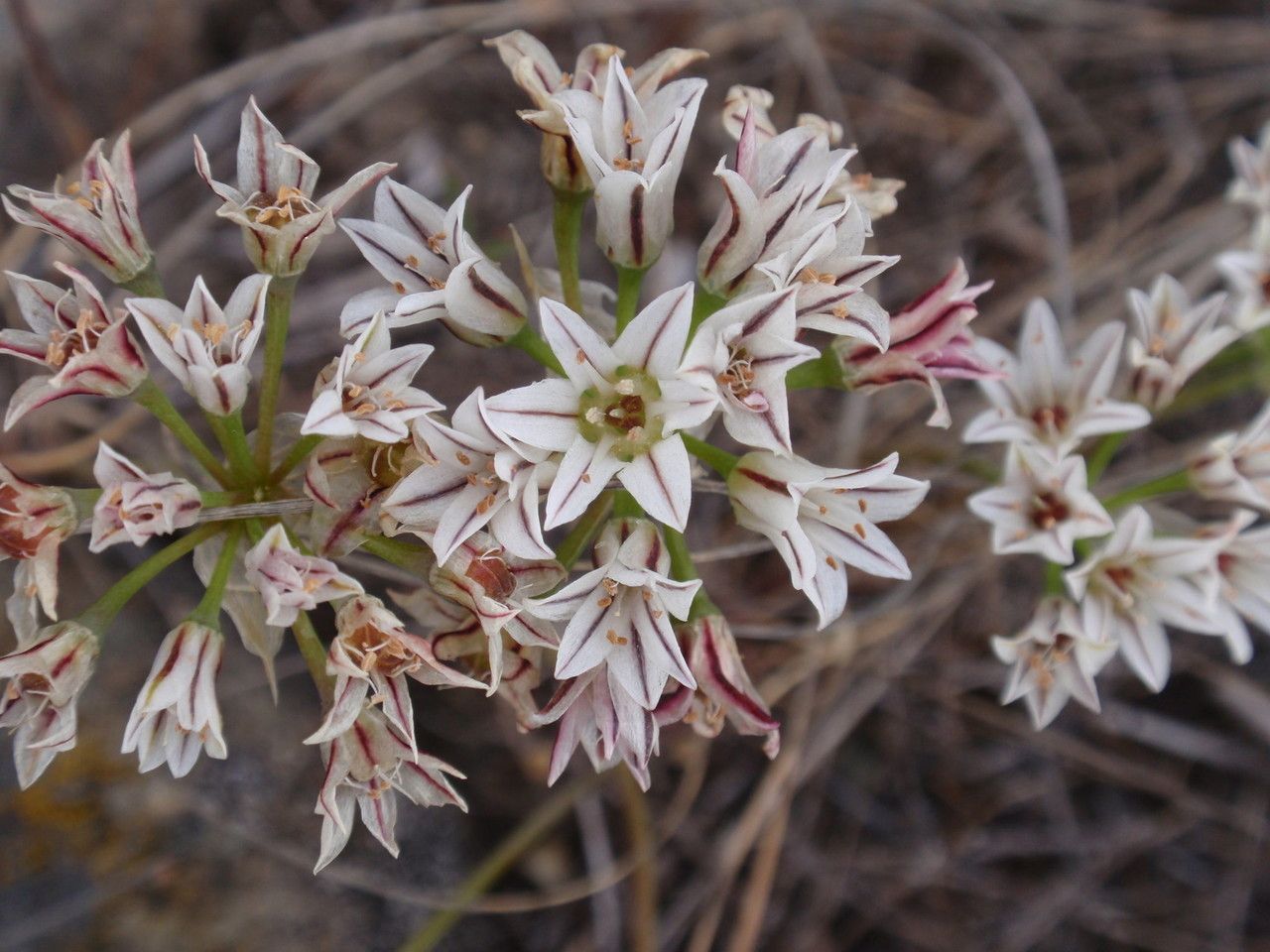
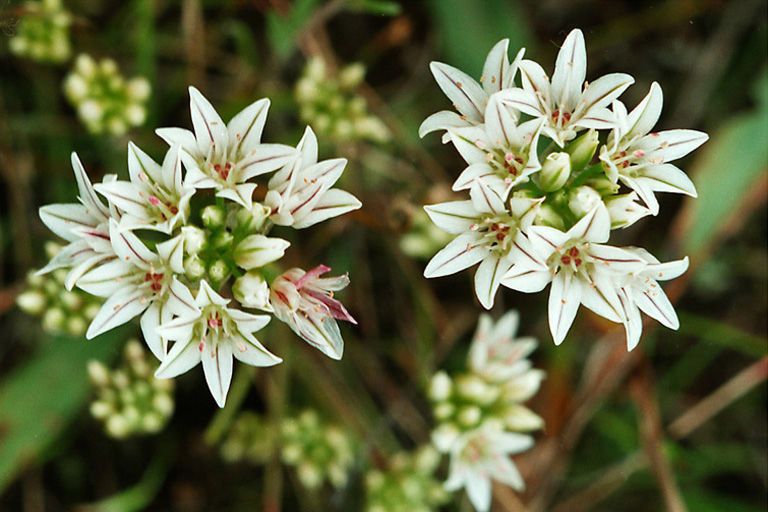
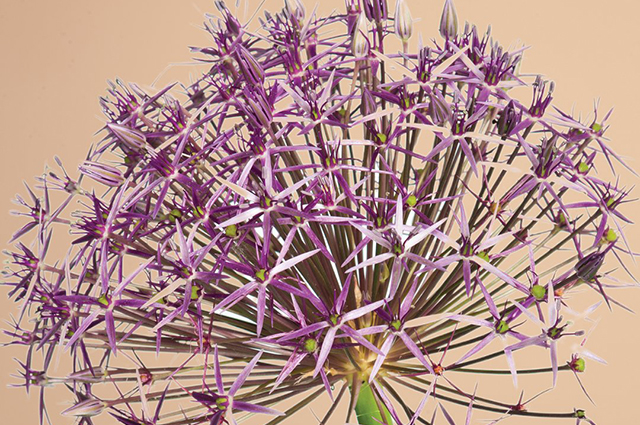
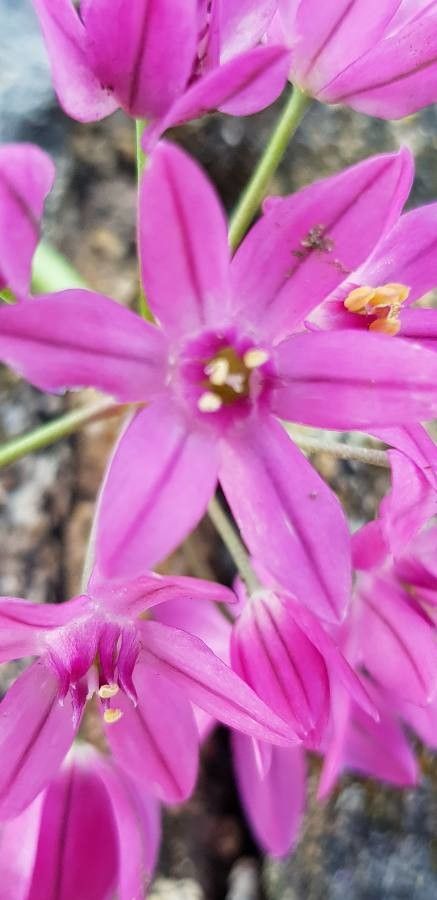
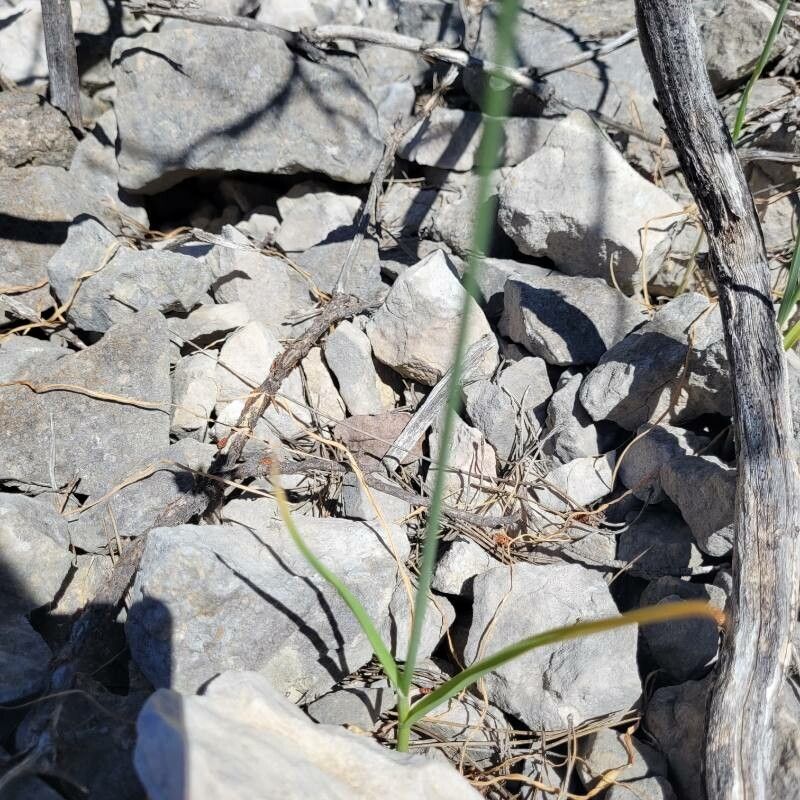
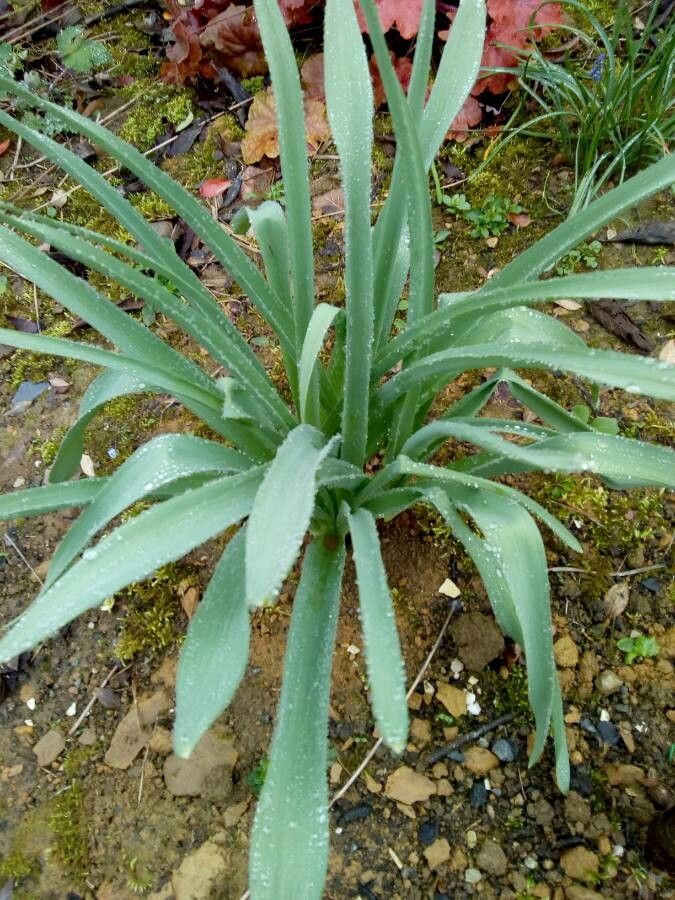
Allium lacunosum is a species of wild onion known by the common name pitted onion. It is endemic to California, where it is a common member of the flora in many types of habitat, from bayside to mountain to desert.
Pitted onion is fairly resistant to disease and generally not prone to illnesses. Nonetheless, it can be affected by pests and diseases present in its surroundings. These problems are typically not serious. Regarding care, this plant needs moderate maintenance. It should be pruned regularly to preserve a neat appearance and healthy growth. Fertilizing can also help encourage flowering. Pitted onion is suitable for anyone with outdoor space, like a garden or patio, and does not demand extensive care experience. It may need more attention when grown indoors.
How to keep Allium Lacunosum.
Fertilizer
One application of fertilizer in spring is generally enough for Pitted onion, though multiple feedings can optimize growth. Apply fertilizer about every month to month and a half. Fertilization improves leaf appearance and function, helping maintain even color and a healthy texture. It also promotes root development and nutrient uptake for long-term plant health.
Pruning
To promote growth and maintain the health of pitted onions, it's best to prune them in early spring. Use clean tools to remove any dead or damaged leaves, which helps prevent the spread of disease. Keep pruning to a minimum to preserve foliage, as this improves air circulation, reduces pests, and boosts the plant's overall vigor.
Pot & Repot
For pitted onions to thrive, they need pots with excellent drainage. This ensures proper aeration and moisture control, which are essential for optimal growth.
Botanical profile.
- Plant Type
- Herb
- Life Cycle
- Perennial
- Genus
- Allium
- Family
- Amaryllidaceae
- Hardiness Zone
- 5-10
Other names.
Reader questions.
What are the sunlight requirements for growing Pitted Onion (Allium lacunosum)?
Pitted Onion (Allium lacunosum) requires specific sunlight conditions to thrive. For full sun exposure, ensure the plant receives above 6 hours of sunlight daily. If the location offers partial sun, it should get about 3-6 hours of sunlight. It's important to observe how sunlight moves across your garden throughout the day. Choosing the right spots that offer a harmonious balance of light and shade is crucial for the plant's health and happiness.