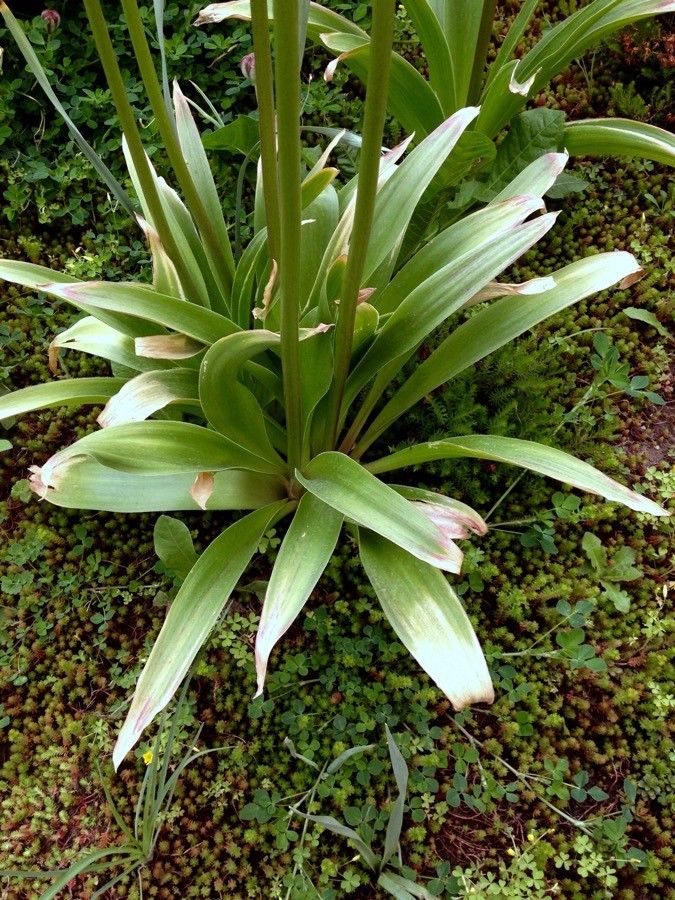
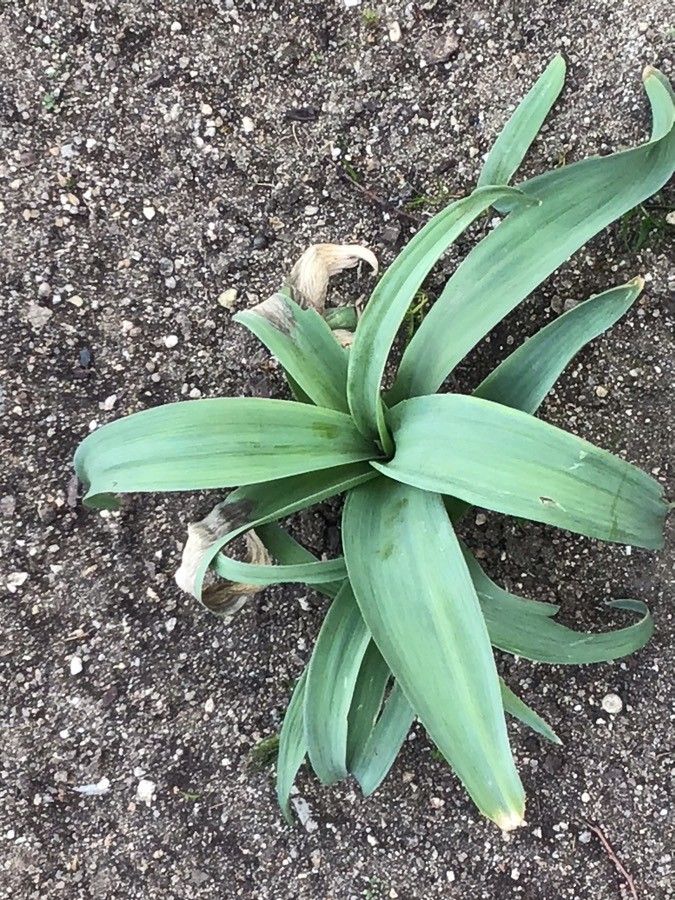
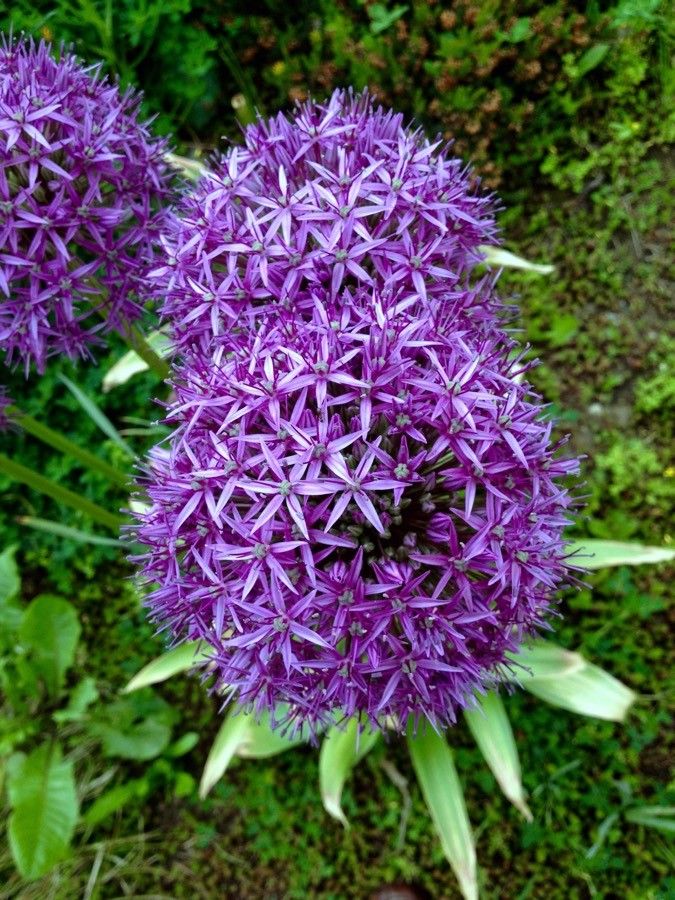
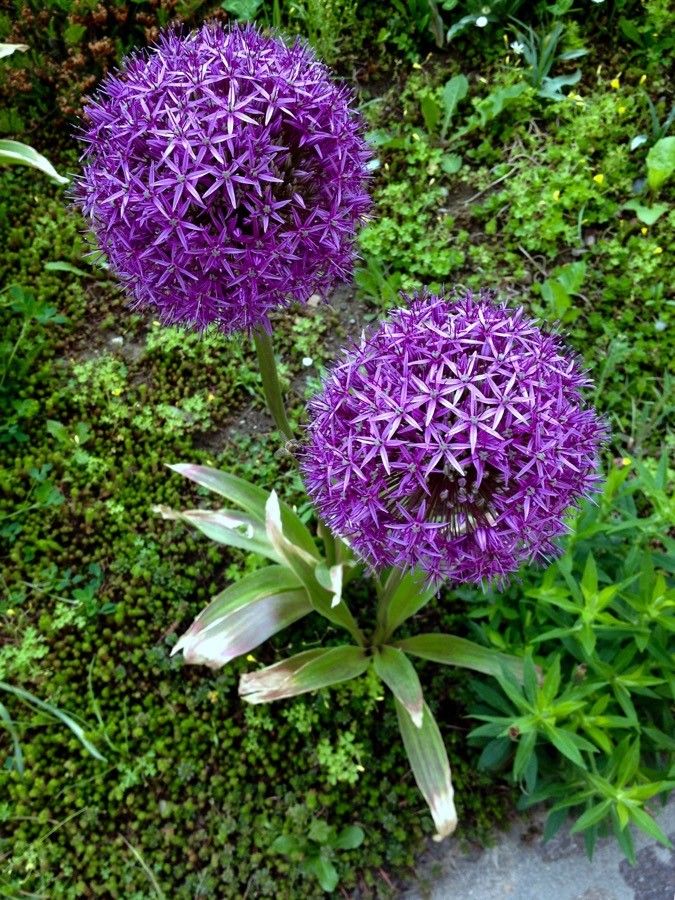
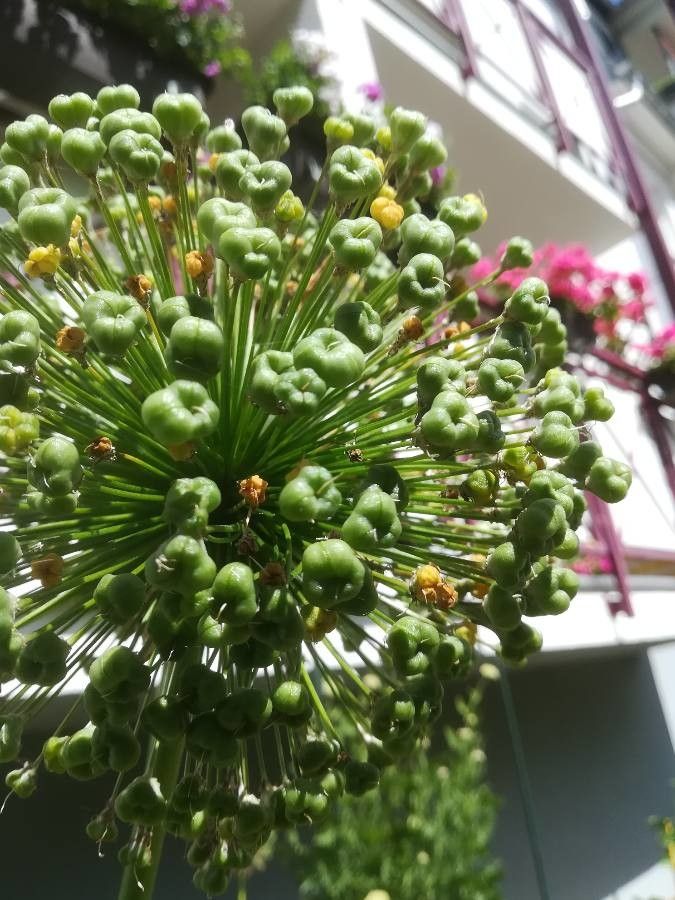
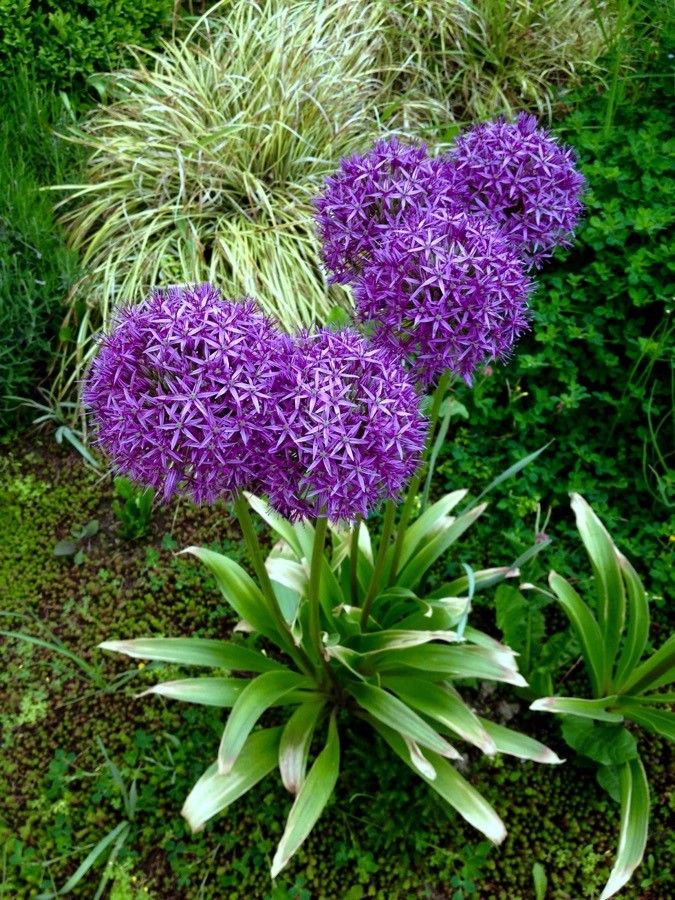
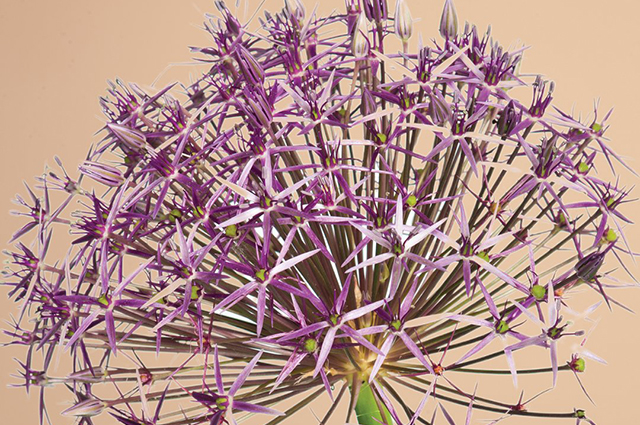
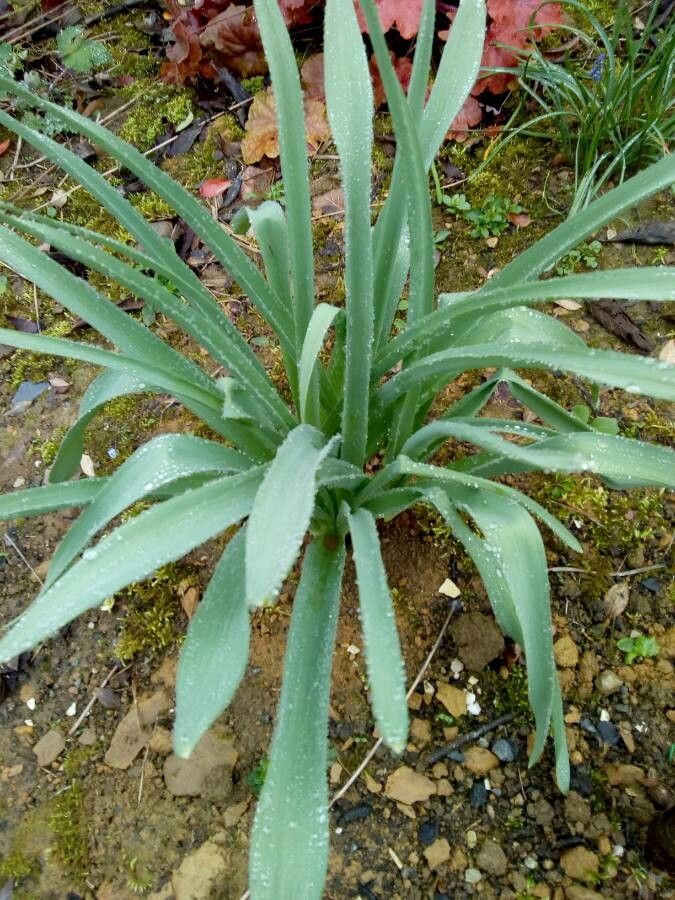
Allium giganteum, common name giant onion, is an Asian species of onion, native to central and southwestern Asia but cultivated in many countries as a flowering garden plant. It is the tallest species of Allium in common cultivation, growing to 1.5 metres (4.9 ft).In early to midsummer, small globes of intense purple umbels appear, followed by attractive fruiting umbels. A popular cultivar, 'Globemaster', is shorter (80 centimetres (31 in)) but produces much larger, deep violet, umbels (15–20 centimetres (5.9–7.9 in)). Both varieties have been granted the Royal Horticultural Society's Award of Garden Merit.In nature, the species is found in Iran, Afghanistan, Turkey, Turkmenistan, Tajikistan, and Uzbekistan. In cultivation in the US, it performs well in USDA hardiness zones 6–10.Eating flowers, seeds, leaves, and stems can cause nausea, vomiting, and diarrhea due to the sulfides they contain.
The Giant Onion, scientifically known as Allium giganteum, gets its name from Latin: "Allium" means garlic and "giganteum" means great. Combined, these words describe why this plant is commonly called the Giant Onion. It truly lives up to its name, with tall spikes and large, spherical clusters of purple flowers that resemble an oversized onion.
Botanical profile.
- Plant Type
- Herb
- Life Cycle
- Perennial, Annual
- Genus
- Allium
- Family
- Amaryllidaceae
- Hardiness Zone
- 6-11
- Mature Height
- 49 cm to 61 cm
- Mature Spread
- 20 cm
- Leaf Color
- Green, Gray, Blue
- Leaf Type
- Deciduous
- Flower Color
- Purple, Pink, Violet
- Flower Size
- 15.24 cm to 20.32 cm
- Bloom Time
- Late spring, Early summer
- Planting Time
- Spring, Winter, Summer, Autumn
- Harvest Time
- Mid summer
- Native Area
- Uzbekistan, Afghanistan, Tajikistan, India, Iran, Pakistan, Turkmenistan
Other names.