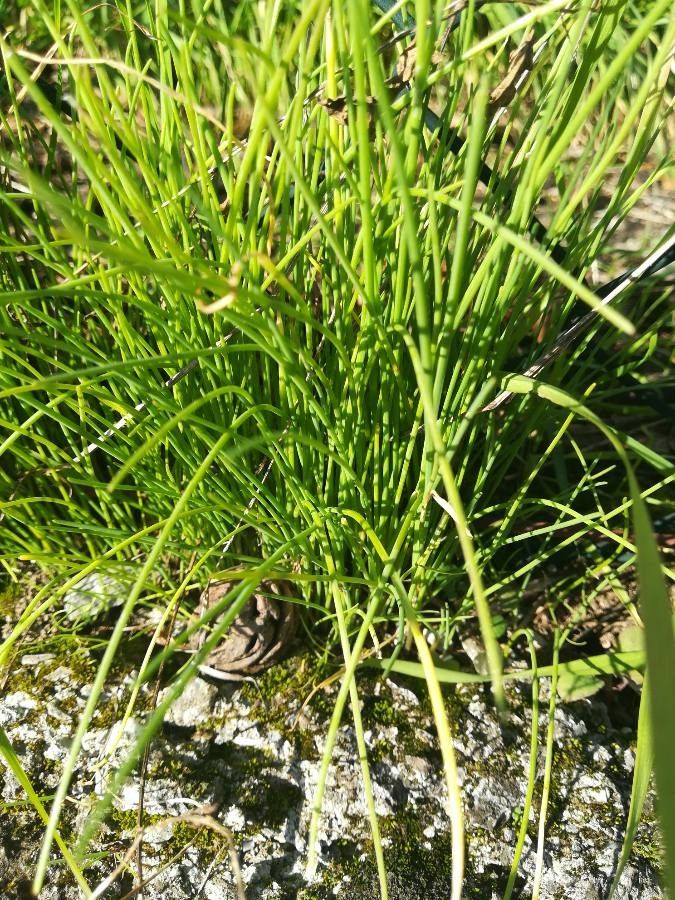
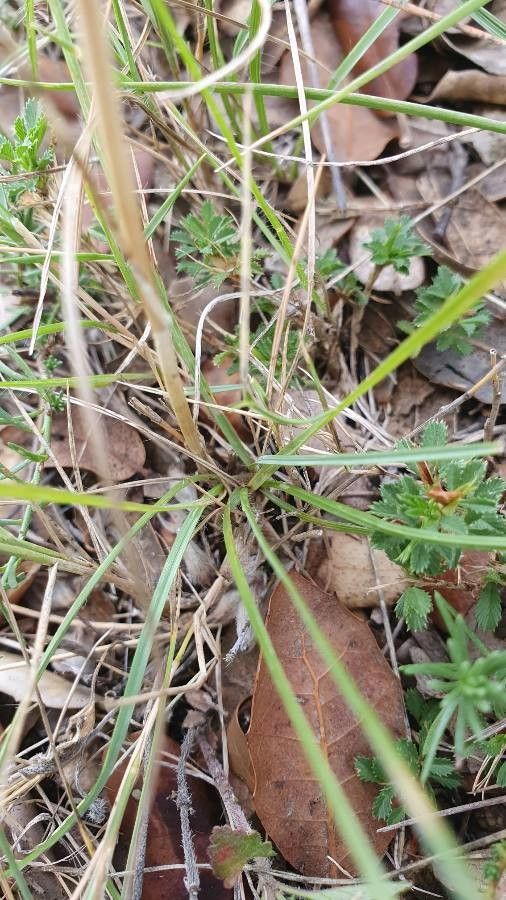
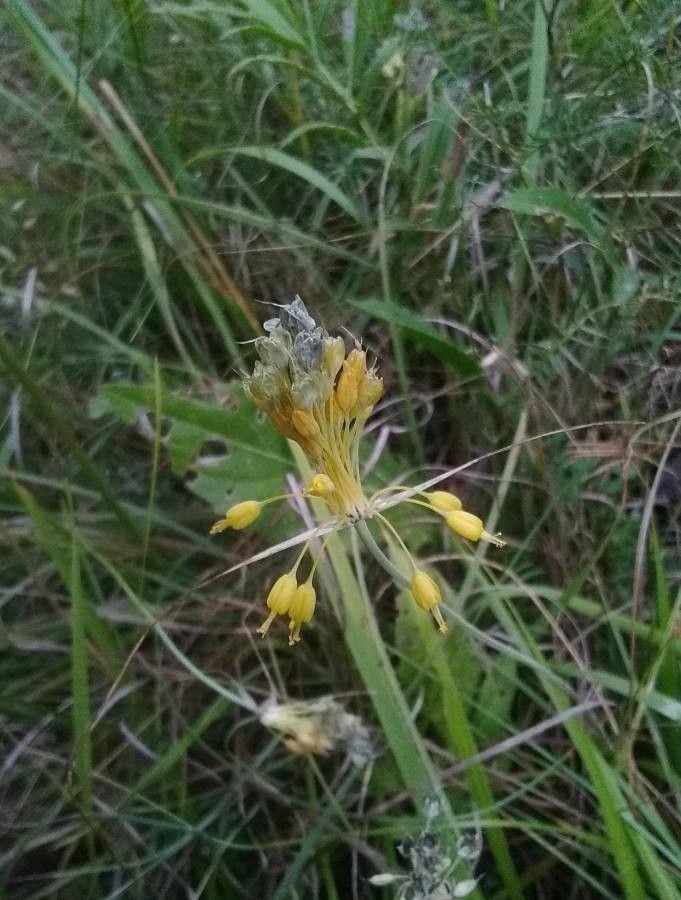
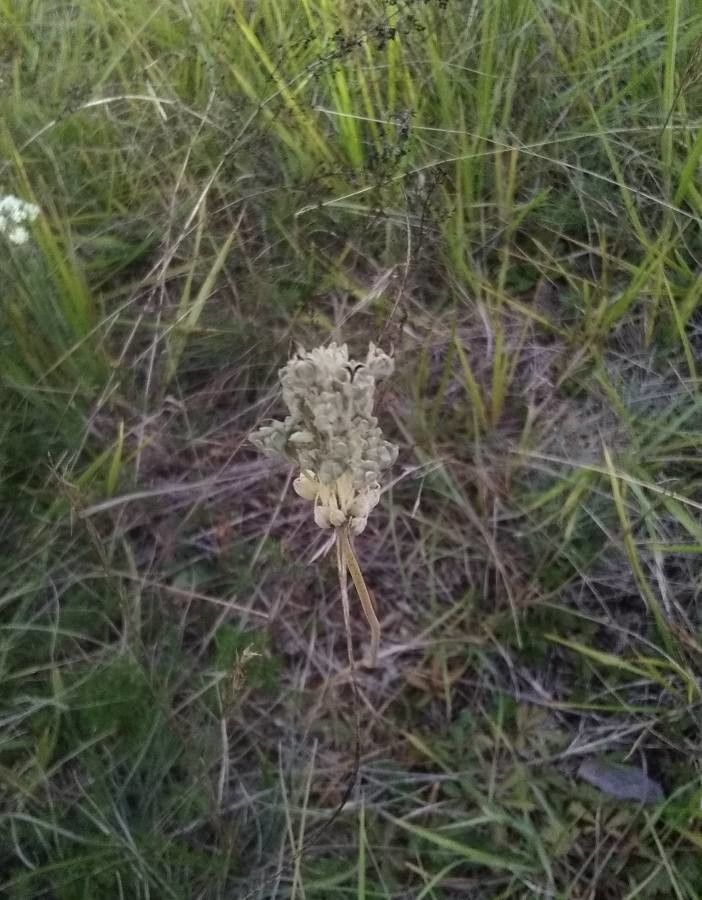
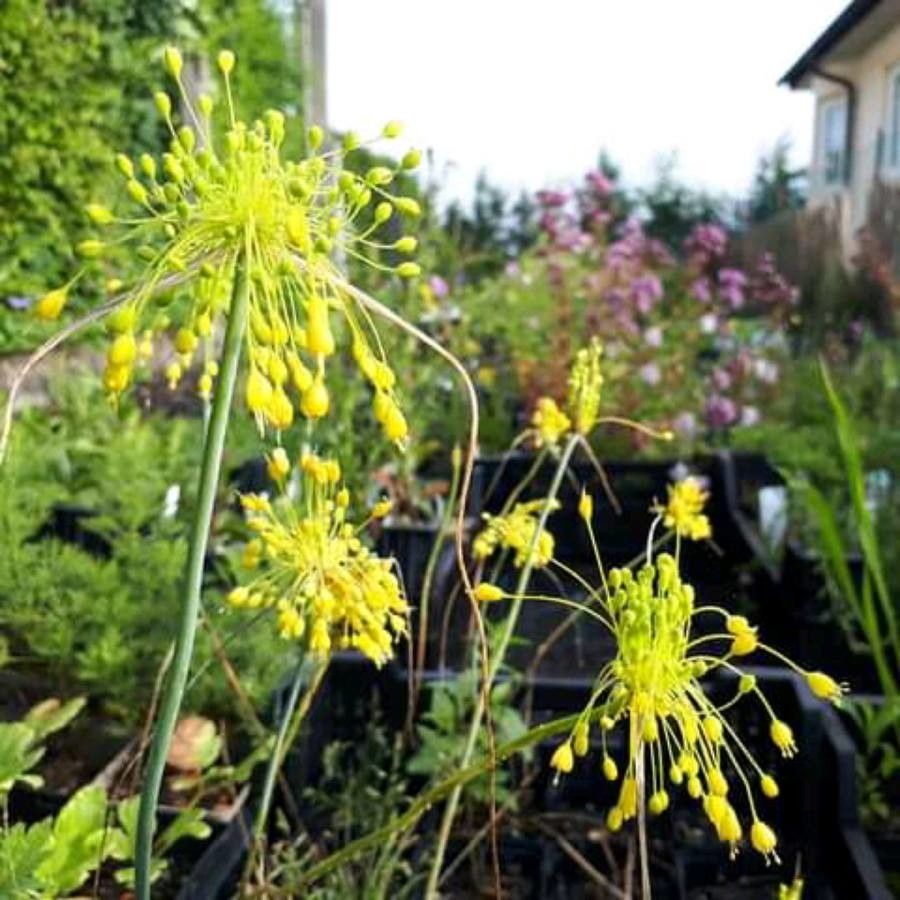
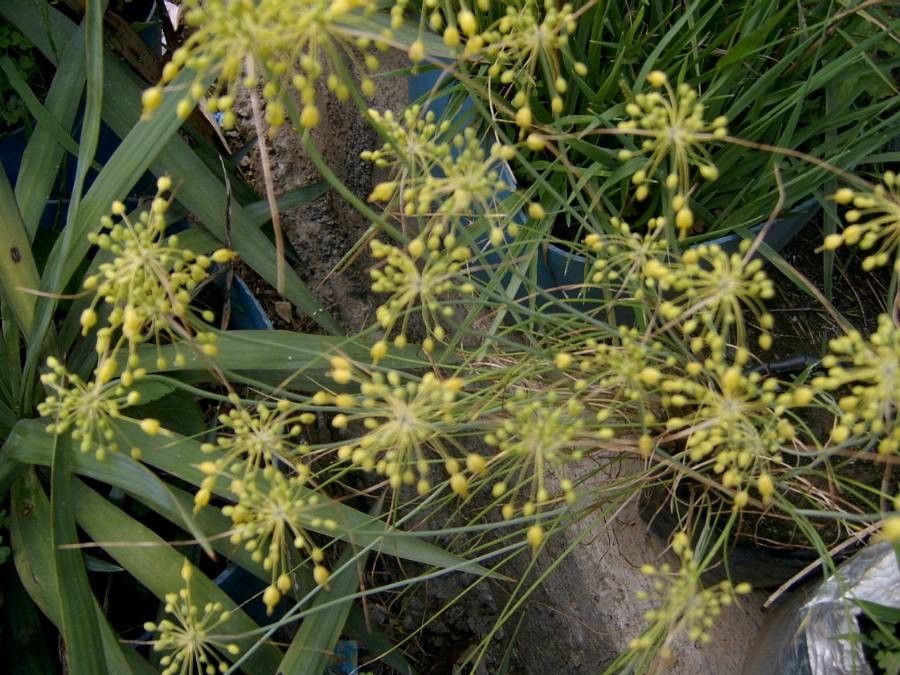
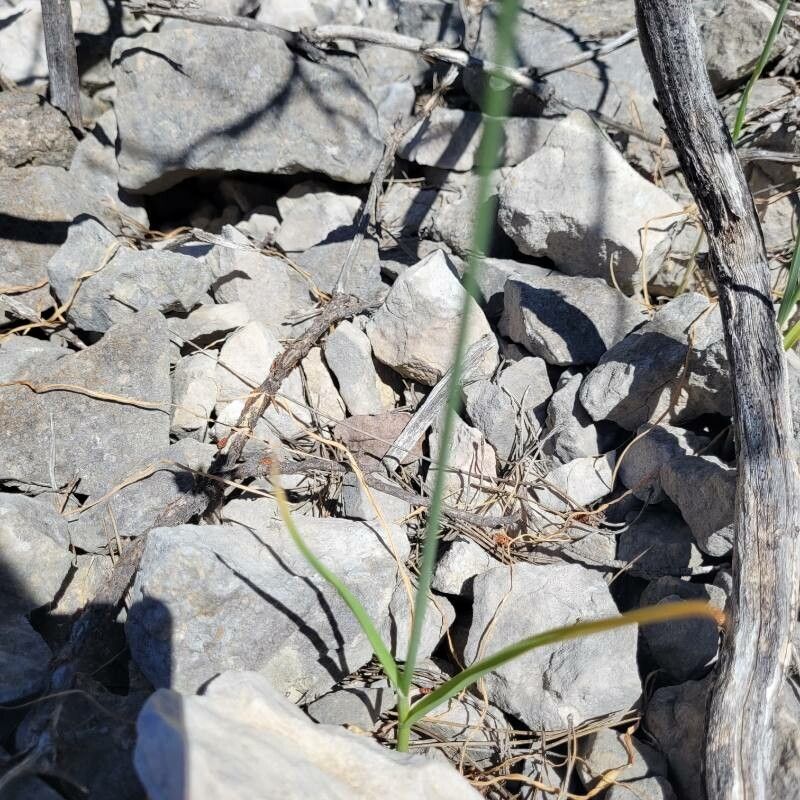
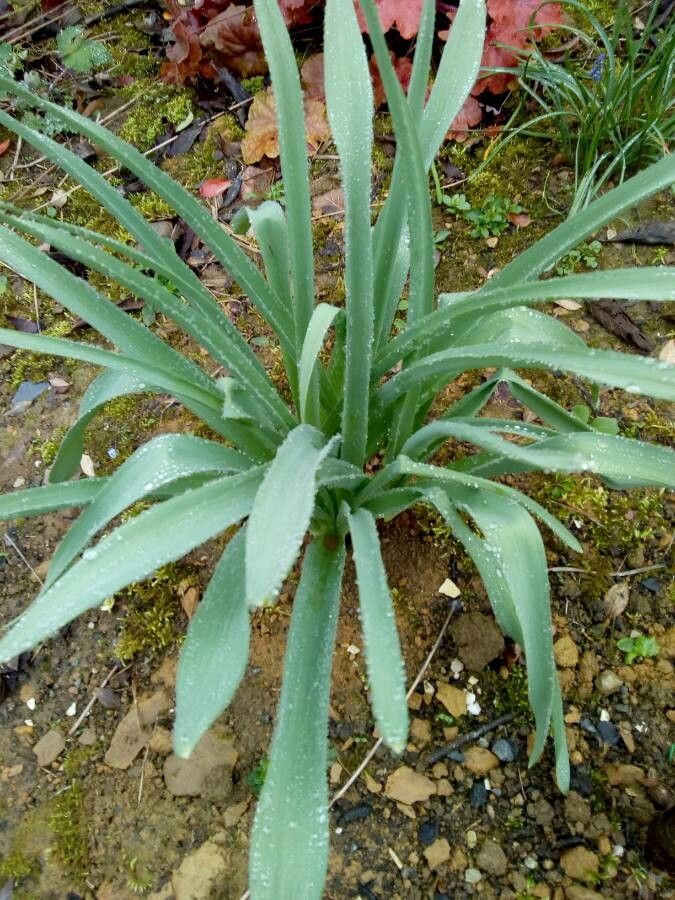
Allium flavum, the small yellow onion or yellow-flowered garlic, is a species of flowering plant in the genus Allium. A bulbous herbaceous perennial, it is native to the lands surrounding the Mediterranean, Black, and Caspian Seas, from France + Morocco to Iran + Kazakhstan.
The small yellow onion has moderate resistance to disease but can be prone to problems like leaf spot. Its vulnerability to insect pests varies by variety, though most varieties offer relatively low resistance to pests. For care, the small yellow onion requires regular watering and fertilization, along with frequent removal of yellow leaves. It is important to manage pests and diseases as they appear and to harvest the plant promptly. The small yellow onion is best for those who can dedicate some time and effort to routine care.
How to keep Allium Flavum.
Light
The small yellow onion grows best when it receives a large amount of sunlight during the day. It can survive with moderate light, but a substantial share is important for ideal development. It originates from areas with high daily light exposure. Too little light leads to weak growth and poor health, while excessive exposure can damage the plant.
Water
The small yellow onion, which originates from rocky slopes, thrives in dry conditions with occasional moisture. It should be watered moderately, roughly once every 1-2 weeks, allowing the soil to dry out between waterings. As an outdoor plant in temperate zones, it benefits from rainwater during its active growth cycle.
Temperature
The small yellow onion originates from temperate regions and grows best at temperatures between 68 and 95 °F (20 to 35 ℃). Increasing temperatures may require changing watering schedules to prevent negative effects on its growth.
Fertilizer
Small yellow onion varieties benefit from one or two applications of organic fertilizers containing potassium and phosphorus. Apply the fertilizer before planting, work it into the soil and water thoroughly. Usually a single application is enough, but a second can be applied once seedlings are established. Avoid overusing fertilizer to prevent damage to the plants.
Pruning
Pruning small yellow onions from early to late spring helps maintain their health and encourages blooming. By removing dead or yellowing leaves, you improve air circulation and prevent disease. This practice not only promotes vigorous flowering but also enhances the onions' overall vitality. Additionally, it keeps your garden beds visually appealing and prevents overcrowding.
Pot & Repot
To thrive effectively, small yellow onions need pots with excellent drainage.
Botanical profile.
- Plant Type
- Herb
- Life Cycle
- Perennial, Annual, Biennial
- Genus
- Allium
- Family
- Amaryllidaceae
- Hardiness Zone
- 4-8
- Mature Height
- 34 cm
- Mature Spread
- 5 cm
- Leaf Color
- Green, Gray
- Leaf Type
- Deciduous
- Flower Color
- Yellow
- Flower Size
- 5.08 cm
- Bloom Time
- Early summer, Mid summer
- Planting Time
- Spring, Summer, Autumn
- Harvest Time
- Late summer, Early fall
- Native Area
- Russia, Turkey, Austria, Italy, Kazakhstan, Greece, Romania, Iran, Bulgaria, Albania, Algeria, Hungary, Morocco, Ukraine, France
Other names.
Reader questions.
How should I water my small yellow onion plant in the best way?
The Small yellow onion has specific preferences for its water and is particular about how it is watered. Not using the proper watering technique can harm your tomatoes. To water the Small yellow onion effectively, it's best to apply water directly to the soil in a slow and gentle manner. Do not pour all the water into the soil at once or use overhead watering. While watering slowly, make sure to water deeply to ensure the soil around the Small yellow onion is moist throughout.
Why is it important to put fertilizer on my Small yellow onion?
Small yellow onions are fast-growing vegetables that require a lot of energy to produce root vegetables. They need sunlight, oxygen, water, and nutrients to grow and develop roots. Usually, the nutrients needed for growth are found in garden soil due to the decomposition of organic matter. However, in some situations, there may not be enough nutrients in the soil to support healthy growth. This is when fertilizer comes in handy, as it provides the necessary boost for small yellow onions.
What are the sunlight requirements for Small yellow onion?
Small yellow onion, or Allium flavum, thrives in conditions where it is exposed to a substantial amount of sunlight throughout the day. It can survive with moderate sunlight, but for optimal growth, a larger portion of sunlight is crucial. These plants originate from habitats with a high daily light exposure, and insufficient light exposure can result in poor growth and health, while too much sunlight might damage the plant. It's important to ensure it receives more than 6 hours of sunlight for full sun conditions and about 3-6 hours for partial sun to maintain its happiness. Being mindful of how sunlight moves through your garden can help in selecting the right spots that provide a perfect balance of light and shade.
What is the optimal temperature range for the growth of Small yellow onion?
Small yellow onion thrives best in temperate environments with a temperature range of 68 to 95 °F (20 to 35 °C). Maintaining temperatures above 20°C during winter cultivation is beneficial for plant growth. It is crucial to keep the temperature above the freezing point to prevent freezing damage to the plant. If the outdoor temperature approaches -5°C (25°F) during winter, it is advisable to bring the plant indoors or provide protection with a temporary greenhouse or wrapping materials.
What should I do if I give my small yellow onion too much or too little water?
If you notice that you have given too much water to your Small yellow onion and you're worried about the risk of disease, take action right away. The best thing to do for an overwatered Small yellow onion is to remove it from its current spot. Once the plant is out of the ground, let its roots dry out a bit before planting it in a new spot. Make sure the new spot has well-draining soil. If you grow your onions in pots, you may also want to transfer the plant to one with more or bigger holes for drainage. On the other hand, if you haven't given enough water to your plant, simply increase the frequency of watering.
When should I fertilize my Small yellow onion?
To prepare your soil for planting, apply natural fertilizer. There is no set timeframe to follow, but make sure you allow enough time to mix the fertilizer into the soil and water it thoroughly before planting seeds or seedlings. Generally, one round of fertilizer application is sufficient to ensure healthy growth of small yellow onions throughout the season. However, if you wish to increase their yield further, you can apply another round of fertilizer once the seedlings have established themselves. Just remember to avoid using excessive fertilizer as it may harm the plants.
How can artificial lighting support the growth of indoor Small yellow onions?
When natural sunlight is insufficient, particularly in winter or in less sunny spaces, artificial lighting becomes essential for the growth of indoor plants like Small yellow onion. For healthy and faster growth under artificial light, consider the following: LED lights are popular due to their customizable wavelengths suitable for plant needs. Full sun plants require 30-50W/sq ft of light, partial sun plants need 20-30W/sq ft, and full shade plants require 10-20W/sq ft. Position the light source 12-36 inches above the plant to mimic natural sunlight effects and ensure it's on for 8-12 hours per day to simulate natural daylight hours.
How does low temperature affect Small yellow onion, and what are the solutions?
Small yellow onion has a moderate tolerance to low temperatures, thriving best between 20°C and 35°C. Keeping it above 0°C during winter is essential. When the temperature falls below -30°C, leaves may darken, and in severe cases, water-soaked necrosis, wilting, and drooping occur, with the leaves gradually turning brown. To combat this, trim away the frost-damaged parts and move the plant to a warm environment indoors or set up a makeshift greenhouse. Ensuring the plant is near a south-facing window for sunlight or using supplemental lighting if natural light is insufficient is also advisable.
How often do I need to water my small yellow onion?
To ensure healthy growth, Small yellow onions require a significant amount of water. In the spring and summer, it's important to water them early and often. Start by watering once or twice a week during the early growing season. As the season advances, gradually increase the watering frequency. In the summer, depending on the weather, you may need to water the onions twice a day or even more. Once the onions have reached their main growth stages, you can reduce watering to about once a week until the end of the growing season.
When is it not a good idea to add fertilizer to my small yellow onion?
To ensure effective fertilization, remember to avoid applying fertilizer when the soil is dry. After fertilizing, make sure to water your plants thoroughly as this helps deliver the nutrients properly. If you prioritize the growth of foliage over the root crops, then high-nitrogen fertilizers might be suitable for you. However, take care not to let fertilizer come into contact with the base of the plant, leaves, or stems as it can potentially damage them.
What are the symptoms of insufficient light in Small yellow onions?
When grown indoors with limited light, Small yellow onions may show symptoms of light deficiency, such as smaller new leaves than the previous ones, leggy or sparse growth, faster leaf drop, slower or no new growth, and lighter-colored new leaves. These symptoms can indicate a lack of chlorophyll and essential nutrients, usually due to insufficient sunlight.
What should be done if Small yellow onion is exposed to high temperatures?
During summer, it's important to keep Small yellow onion below 35°C. Temperatures above 38°C can slow the plant's growth, lighten the color of its leaves, and increase susceptibility to sunburn. Solutions include trimming away sunburned and dried-up parts and moving the plant to a shaded location, especially from the afternoon sun. Watering the plant in the morning and evening is also recommended to keep the soil moist and help the plant stay hydrated.