Allium dichlamydeum is a species of wild onion known by the common name coastal onion. It is endemic to California where it grows on sea cliffs and hills overlooking the ocean, from Santa Barbara County to Mendocino County.
Coastal onion has strong disease resistance and is typically not prone to illnesses. However, it can be affected by pests and diseases present in its surroundings. These infections are usually mild. In terms of care, this plant requires a moderate level of maintenance. It should be pruned regularly to keep a good appearance and support healthy growth. Fertilizing can also help encourage flowering. Coastal onion is suitable for anyone with an outdoor space, such as a garden or patio, and does not demand extensive care experience. It may need more attention when kept indoors.
How to keep Allium Dichlamydeum.
Light
Coastal onion is a sun-loving, perennial herbaceous plant that comes from open habitats and often thrives in meadows and grasslands. It prefers full sun but can also tolerate partial sun.
Water
Coastal onion, which originates from coastal regions, thrives in moderate moisture and benefits from being watered once a week. It is drought-resistant and requires well-draining soil to accommodate different weather conditions and prevent waterlogging.
Temperature
Coastal onion can tolerate a wide span of temperatures, but its range may still be restricted by particular combinations of moisture and heat. It performs best in warm summer climates with sufficient rainfall or irrigation. Extended periods of cloudy, rainy weather or prolonged high heat can raise the risk of Coastal onion dying. In winter, adequate protection from cold improves the plant’s survival rate.
Fertilizer
For Coastal onion, the primary time to apply fertilizer is in early spring when the flowers are forming. The appropriate fertilizer promotes better blooms and helps Coastal onion produce attractive flowers. Fertilizing in early spring ensures excellent blooms through the season and supplies energy for dormant growth phases.
Pruning
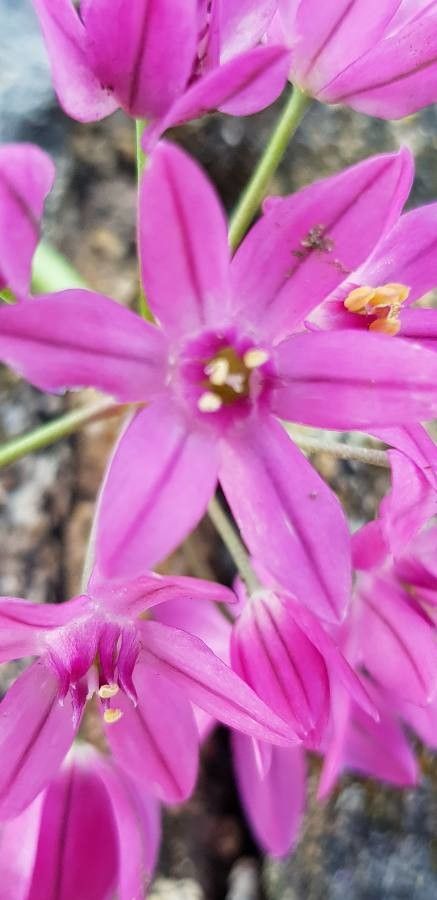
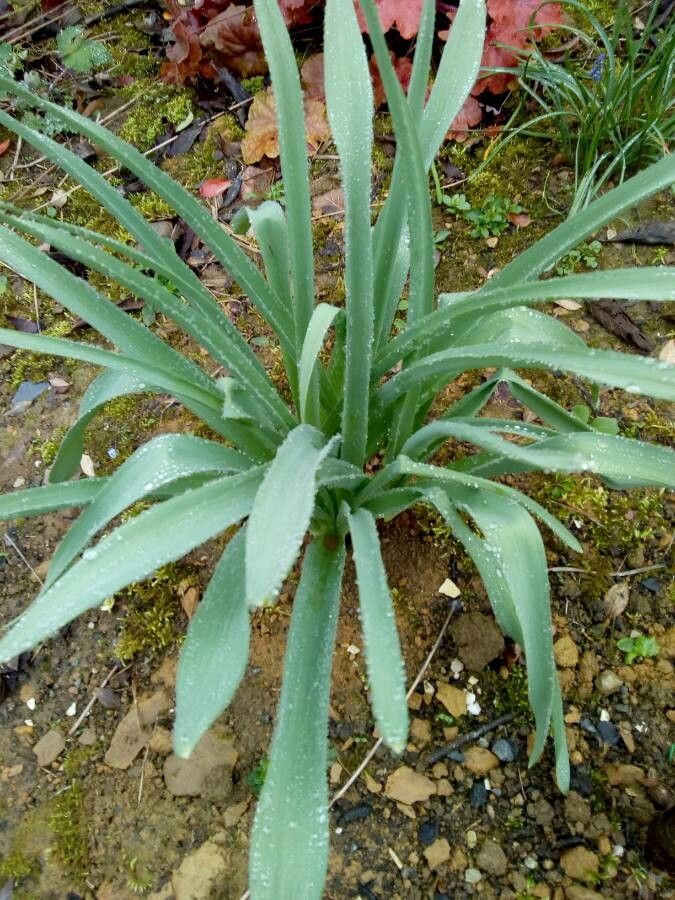
Coastal onion plants are known for their vibrant blooms and chive-like leaves. To keep them healthy and vigorous, it's important to prune them from early to late spring. Start by removing any dead foliage, and after the flowers have bloomed, trim back the flower stalks. Always use clean, sharp tools to prevent the spread of disease, and make sure the plants have enough space by avoiding overcrowding.
Pot & Repot
Coastal onions need pots with excellent drainage to thrive. Proper drainage prevents excess water from accumulating, which can cause root rot and other moisture-related problems.
Botanical profile.
- Plant Type
- Herb
- Life Cycle
- Perennial
- Genus
- Allium
- Family
- Amaryllidaceae
- Hardiness Zone
- 5-10
- Mature Height
- 20 cm to 40 cm
- Mature Spread
- 15 cm to 25 cm
- Leaf Color
- Green
- Leaf Type
- Deciduous
- Flower Color
- Pink, Purple
- Flower Size
- 1.02 cm to 2.03 cm
- Bloom Time
- Mid spring, Late spring
- Planting Time
- Spring, Summer
- Harvest Time
- Early summer, Mid summer
Other names.
Reader questions.
What are the sunlight requirements for Coastal Onion?
Coastal Onion (Allium dichlamydeum) thrives in both full sun and partial sun conditions. Full sun means the plant should receive above 6 hours of sunlight daily, while partial sun refers to about 3-6 hours of sunlight. It's essential to observe how sunlight moves through your garden to ensure you place your plants in spots that offer the right balance of light and shade, guaranteeing their growth and happiness.
What is the Coastal onion and its botanical name?
The Coastal onion, known botanically as Allium dichlamydeum, is a plant that has the ability to adapt to a wide range of temperature conditions. It thrives best in warm climates with adequate rainfall or watering during the summer. Despite its strong cold resistance, the plant's distribution may still be limited by various combinations of water and heat conditions.
What essentials should be considered for growing Coastal Onion?
Coastal Onion is a sun-loving perennial herbaceous plant that flourishes in open habitats such as meadows and grasslands. It requires full sun but can tolerate partial sun conditions. For indoor plants where natural sunlight is limited, especially during winter or in less sunny spaces, artificial lighting can be a crucial alternative. Optimal growth under artificial light involves choosing the right type of light like LEDs, adjusting the light intensity (30-50W/sq ft for full sun plants, 20-30W/sq ft for partial sun plants), maintaining the correct distance (12-36 inches above the plant), and ensuring appropriate duration (8-12 hours per day).
How does the Coastal onion adapt to different seasons?
During the summer, the Coastal onion thrives in warm climates with adequate rainfall or watering. However, it is vulnerable to prolonged periods of cloudy, rainy weather, and high temperatures, which can increase its mortality rate. In contrast, during winter, its strong cold resistance typically negates the need for special frost protection measures. If winter temperatures are expected to drop below -25°C, protection can be provided by covering the plant with soil or straw. It's also recommended to water the plant abundantly before the first freeze in autumn to ensure the soil stays moist, aiding the plant's survival through winter and early spring.
What are common symptoms of inadequate light for Coastal Onion and how can they be addressed?
Symptoms of light deficiency in Coastal Onion include smaller new leaves, leggy or sparse growth, faster leaf drop, slower or no new growth, and chlorosis or leaf scorching. To address these, you can gradually move plants to sunnier locations to ensure at least 6 hours of direct sunlight daily, use artificial lighting, and reduce obstructions to sunlight. For outdoor plants, it's crucial to avoid sudden changes in light intensity to prevent sunburn. Techniques like pruning obstructive branches and relocating plants to sunnier spots can also help maximize sunlight exposure. Note that parts of the plant affected by insufficient sunlight might not recover, but new growth should be healthy with improved light conditions.
What are the symptoms of temperature stress in Coastal onion?
Low temperature stress in Coastal onion is indicated by its cold tolerance; while it thrives best when temperatures are above 5°C, it should be kept above -20°C during winter. Temperatures falling below -25°C may lead to a lack of noticeable changes during winter but can result in decreased sprouting or even absence of sprouting in spring. High temperature stress manifests when summer temperatures exceed 35°C, leading to leaves becoming lighter in color, prone to curling, susceptibility to sunburn, and in severe cases, wilting and drying of the entire plant.
What measures should be taken to protect Coastal onion from extreme temperatures?
To protect Coastal onion from low temperatures, especially when they drop below -25°C, it is recommended to remove any parts that have failed to sprout in spring. For protection against high temperatures, particularly when they exceed 41°C, trim away sunburned and dried-up parts. Additionally, move the plant to a shaded location or use a shade cloth to avoid direct sunlight during the midday and afternoon hours. Keeping the soil moist by watering the plant in the morning and evening is also beneficial.