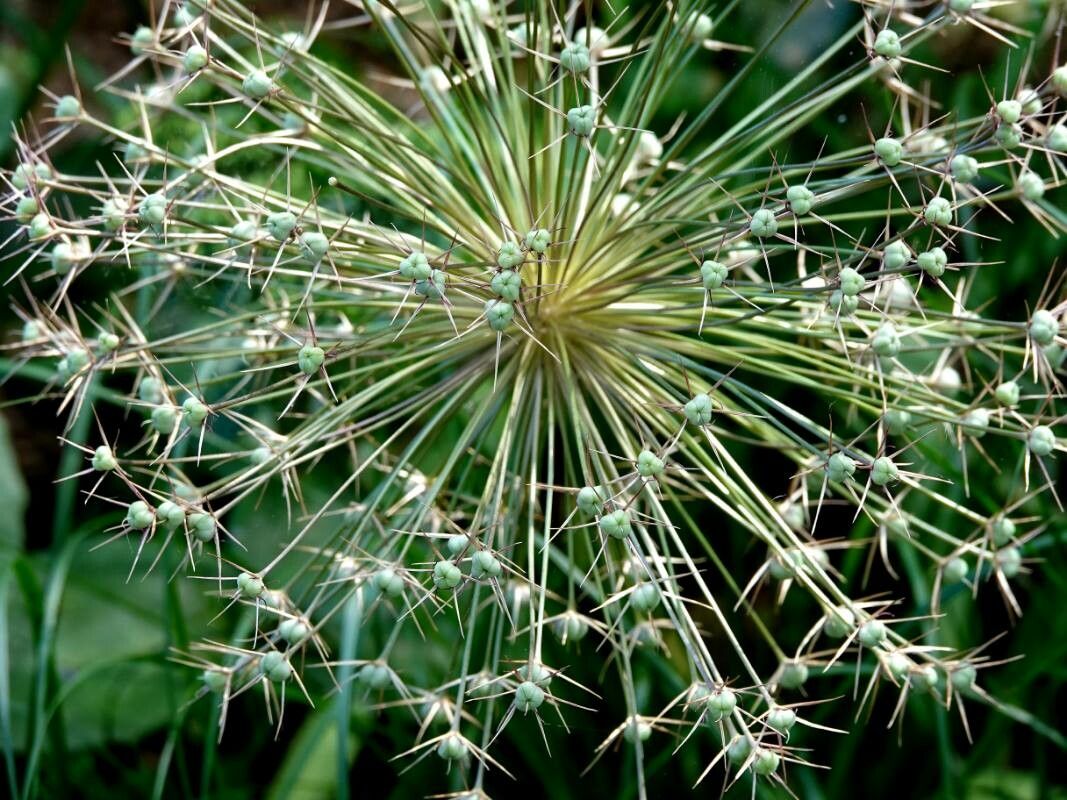
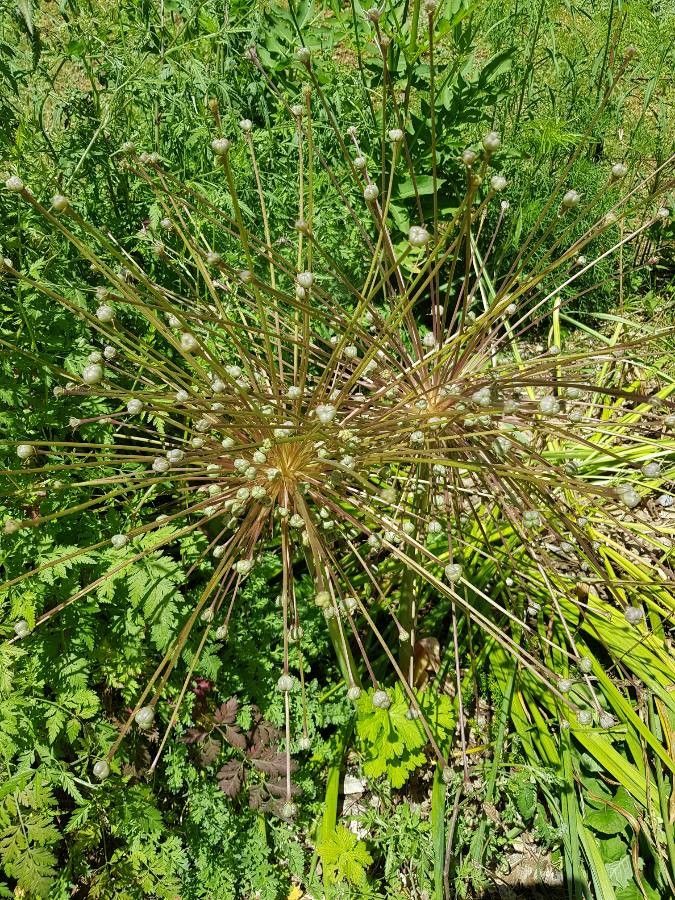
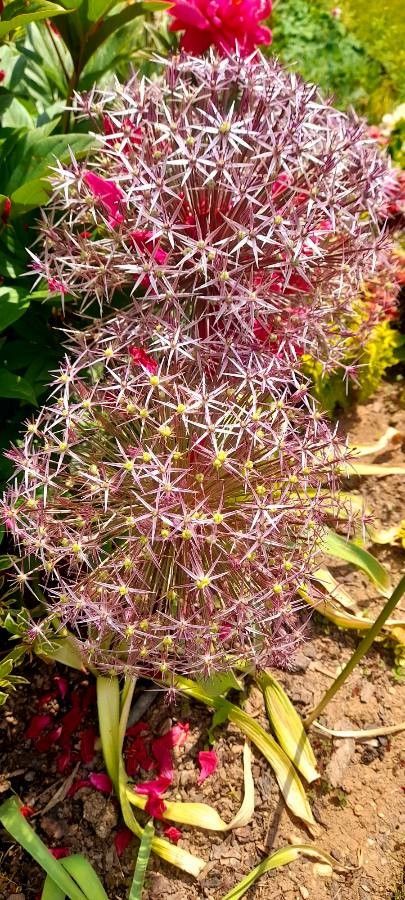
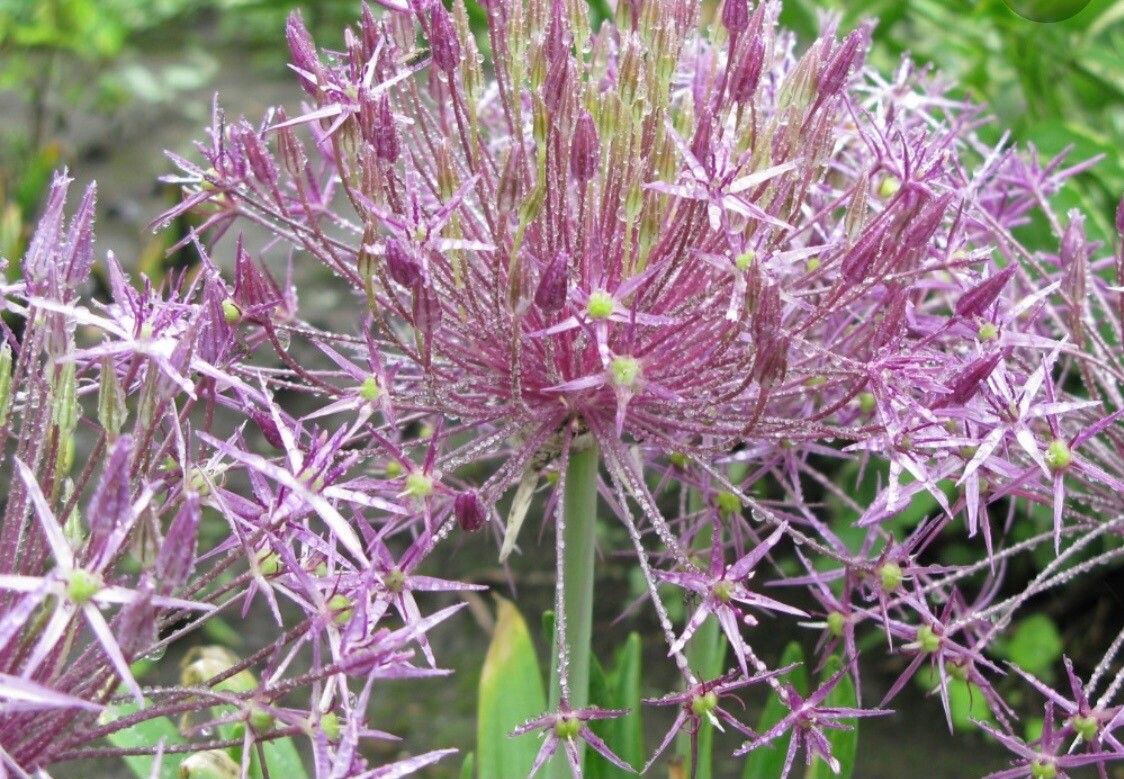
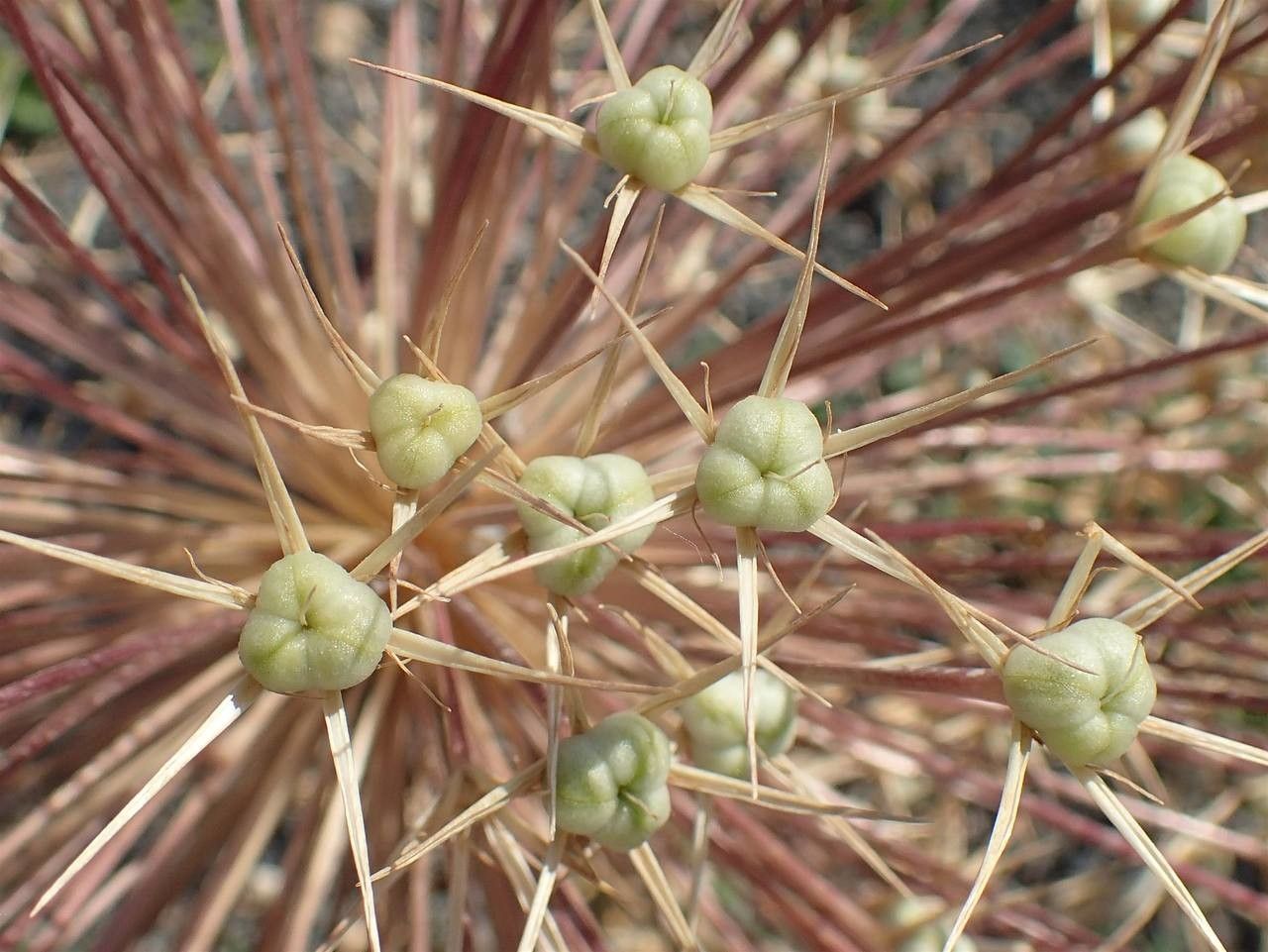
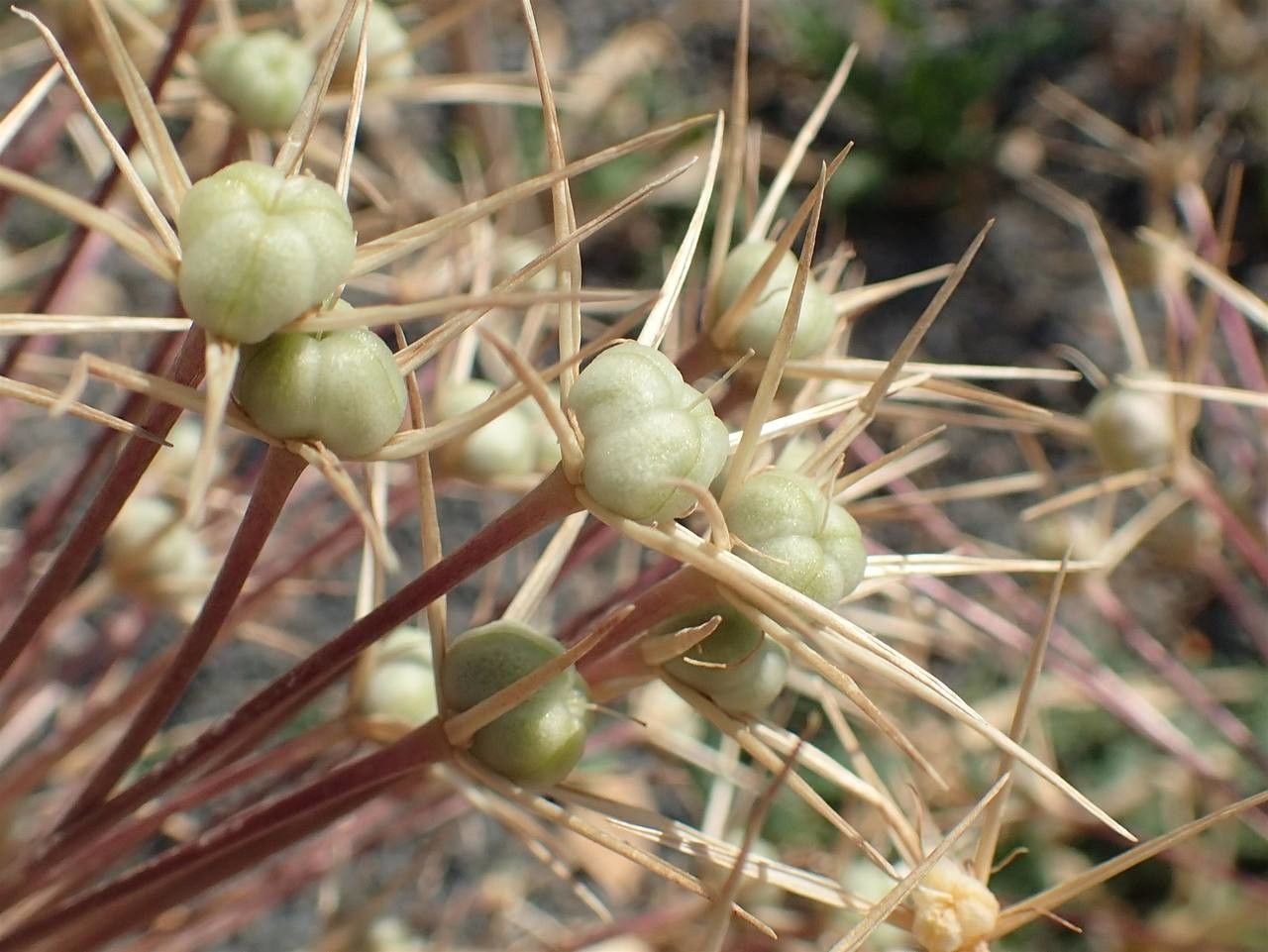
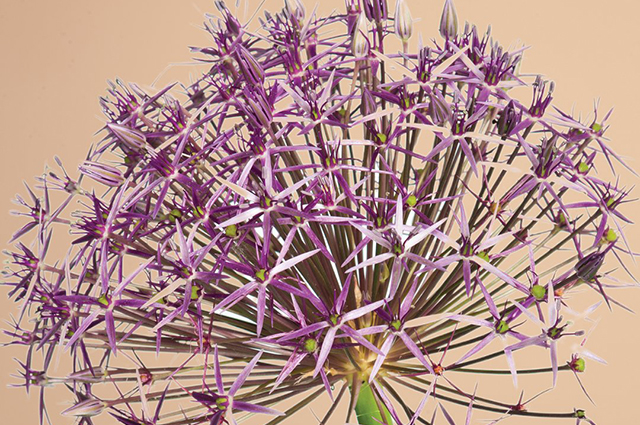
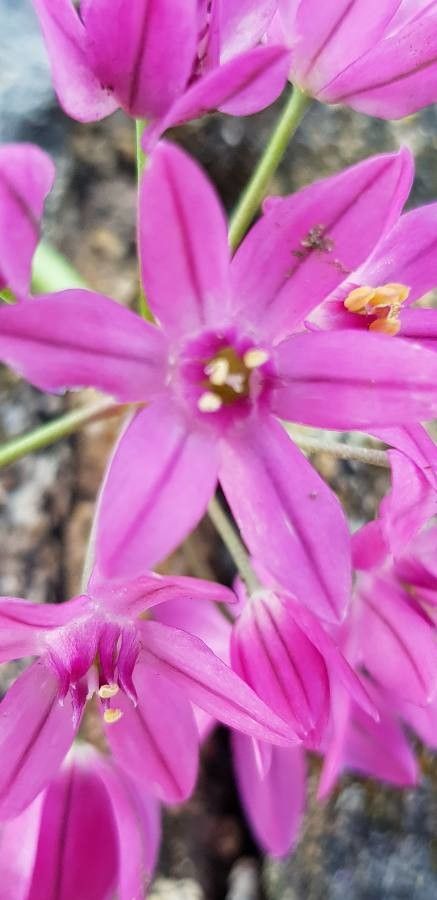
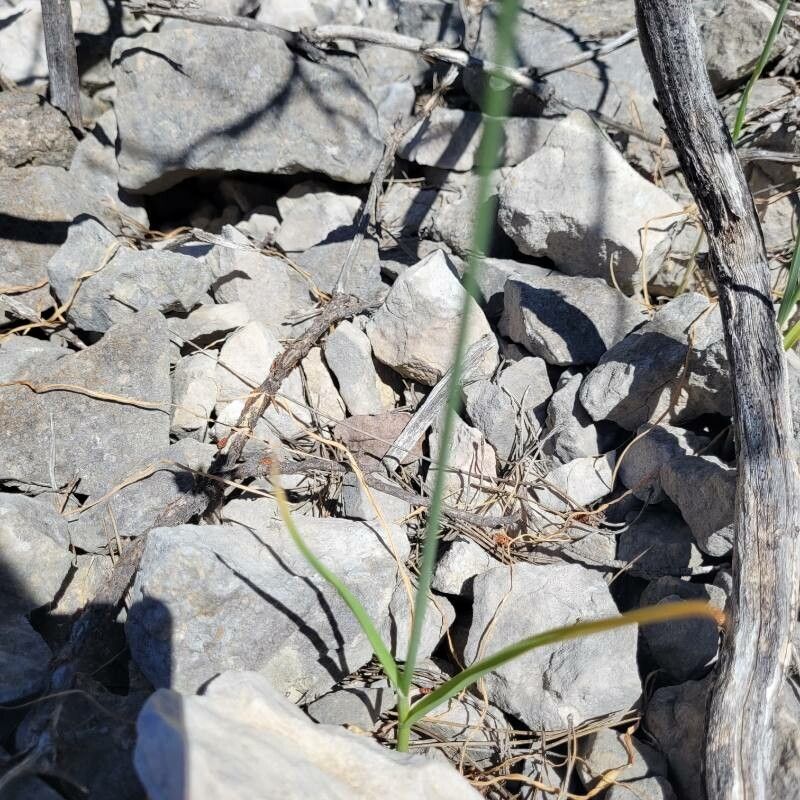
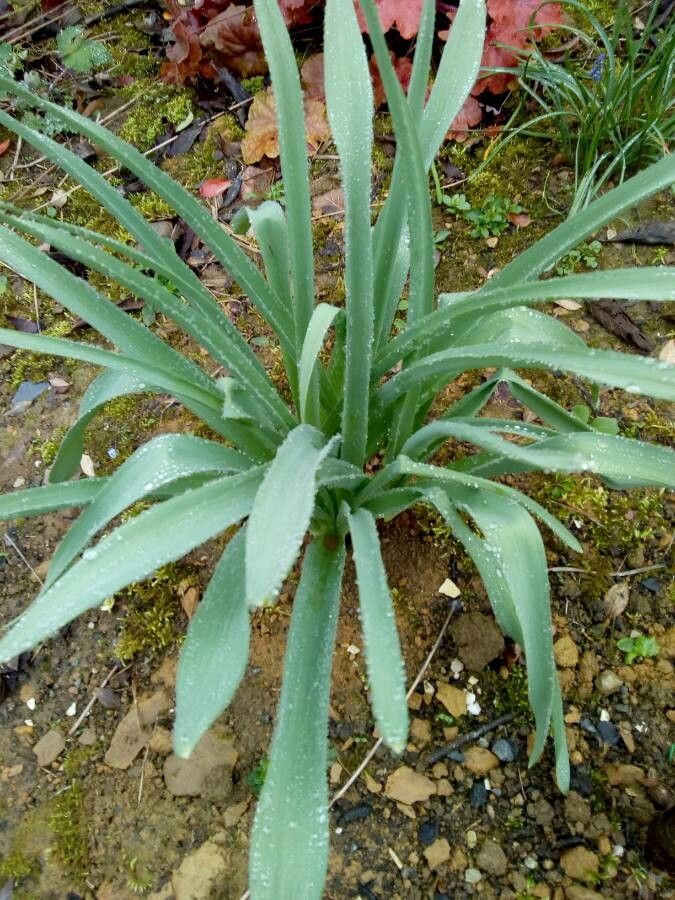
Allium cristophii, the Persian onion or star of Persia, is a species of flowering plant in the family Amaryllidaceae, native to Iran, Turkey, and Turkmenistan, though grown as an ornamental bulbous plant in many parts of the world. It may be sold under the synonym of Allium albopilosum. Star of Persia grows to 50 cm (20 in) and is cultivated in gardens for its large showy umbels of silvery pink star-shaped flowers, 20–25 cm (7.9–9.8 in) in diameter, which appear in early summer. The flowers are followed by attractive fruiting clusters. The plant has received the Royal Horticultural Society's Award of Garden Merit.A. cristophii performs best in sun to part shade. It is toxic to cats, dogs, and horses. It prefers sandy, gritty soil with good drainage, and is best suited to USDA hardiness zones 5–8.
Persian onion is fairly disease-resistant and typically not prone to illnesses. Still, it can be affected by pests and diseases present in its environment. These issues are generally mild. For care, this plant needs moderate maintenance. It should be pruned regularly to preserve a neat appearance and healthy growth. Fertilizing can also encourage flowering. Persian onion is suitable for anyone with outdoor space, such as a garden or patio, and does not demand extensive care experience. It may need more attention when grown indoors.
How to keep Allium Cristophii.
Light
Persian onion is a sun-loving, herbaceous perennial that comes from open habitats and commonly grows in meadows and grasslands. It prefers full sun but is also able to tolerate partial sun.
Water
The Persian onion is well-suited to arid environments due to its excellent drought tolerance. It requires watering only once every 1-2 weeks. This bulbous plant can also handle rainy conditions effectively, as it can regulate its water absorption to ensure optimal growth.
Temperature
Persian onion can tolerate a wide range of temperatures, but its distribution may still be constrained by different combinations of moisture and heat. It grows best in warm summer climates with sufficient rainfall or irrigation. Extended stretches of cloudy, rainy weather or prolonged high temperatures can raise the risk of Persian onion dying. In winter, shielding the plant from cold can increase its chances of survival.
Fertilizer
The best time to fertilize a Persian onion is in early spring, as it comes out of dormancy and begins active growth. Fertilization supplies essential nutrients for healthy development. Although Persian onion has relatively low fertilizer requirements, applying fertilizer annually can improve its survival and encourage better, longer-lasting flowers.
Pruning
The Persian onion has star-shaped flowers and requires minimal pruning after it blooms, from early to late spring. To maintain bulb health, trim the stems once the flowers have faded, and remove any damaged foliage to prevent disease. Regularly checking for pests and removing affected parts will help ensure the plant remains healthy and promotes robust blooming.
Pot & Repot
Repot Persian onions every 2-3 years during late summer, using a well-draining pot. After repotting, place the plant in full sunlight and water it sparingly until you see new growth. Make sure the soil drains well to prevent bulb rot, as Persian onions thrive with minimal care.
Toxicity
Mildly toxic to humans, toxic to dogs and cats.
Further reading →
The toxicity and danger assessments provided are for reference only. We do not assure their accuracy, so it's crucial not to depend on them. Seek professional advice when necessary for accurate guidance.
Botanical profile.
- Plant Type
- Herb
- Life Cycle
- Perennial
- Genus
- Allium
- Family
- Amaryllidaceae
- Hardiness Zone
- 4-8
- Mature Height
- 61 cm
- Mature Spread
- 20 cm
- Leaf Color
- Green
- Leaf Type
- Deciduous
- Flower Color
- Lavender, Purple
- Flower Size
- 15.24 cm to 20.32 cm
- Bloom Time
- Mid spring, Late spring
- Planting Time
- Spring, Summer
- Harvest Time
- Early summer, Mid summer
- Native Area
- Iran, Turkey, Turkmenistan
Other names.
Reader questions.
What are the sunlight requirements for Persian onions (Allium cristophii)?
Persian onions, also known as Allium cristophii, thrive in conditions where they can receive a substantial amount of sunlight throughout the day. Specifically, they require 'full sun,' which means they should be planted in spots that receive more than 6 hours of sunlight daily. However, they can also tolerate 'partial sun,' which translates to about 3-6 hours of sunlight each day. When planning your garden, it's essential to observe how sunlight moves through the space over time. This observation will help you identify areas that provide an ideal balance of light and shade, ensuring your Persian onions, and indeed all your plants, remain healthy and vibrant.
What is the Persian onion?
The Persian onion, known botanically as Allium cristophii, is a species in the genus Allium. Specific details about its essential characteristics, symptoms of concern, or additional noteworthy facts were not provided.