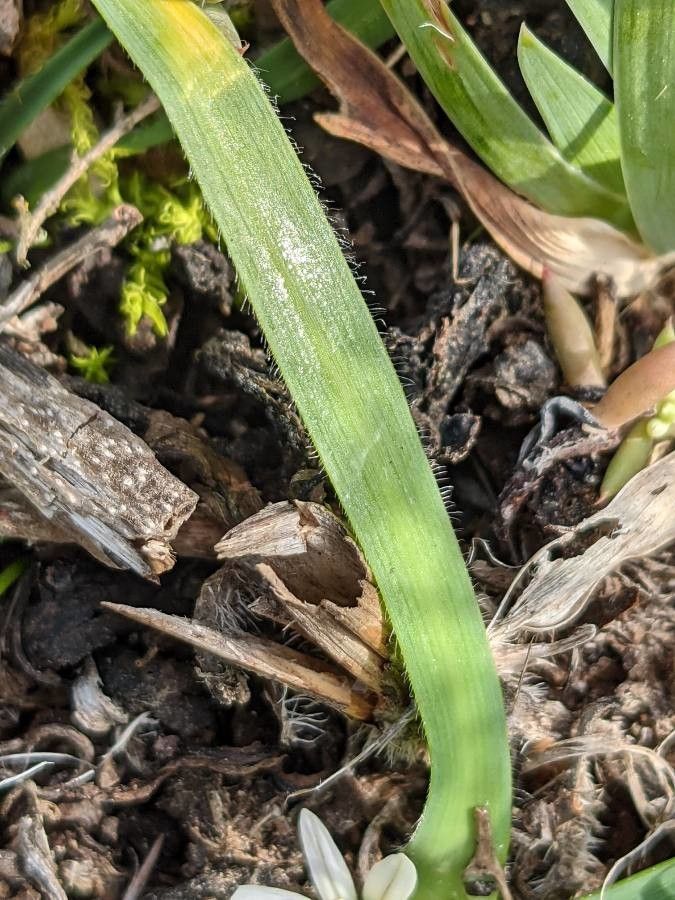
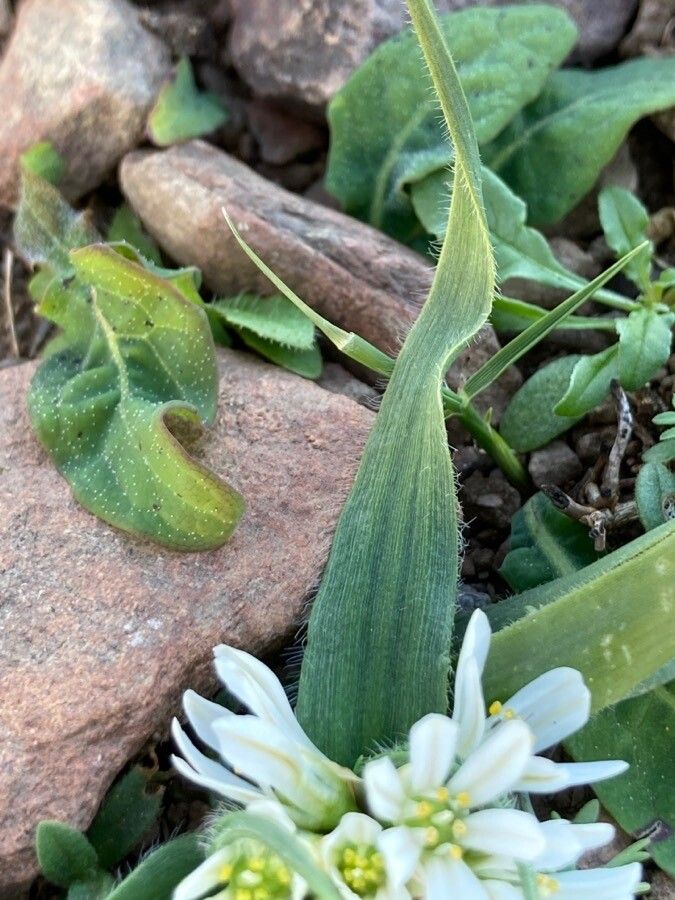
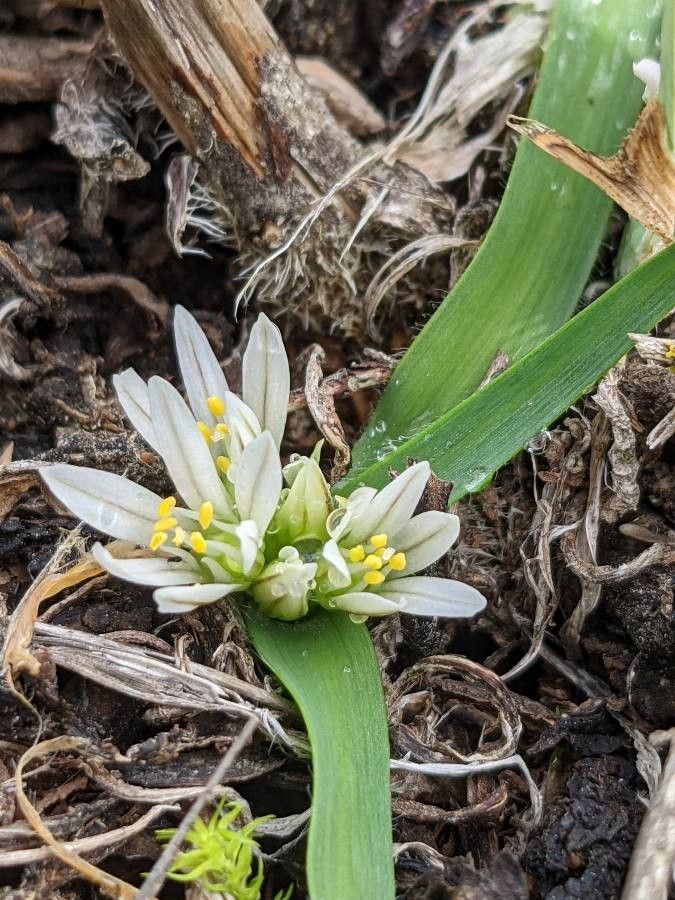
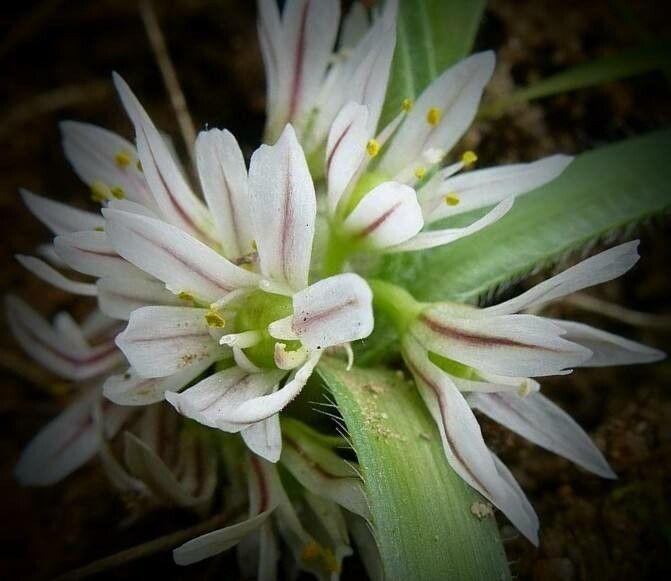
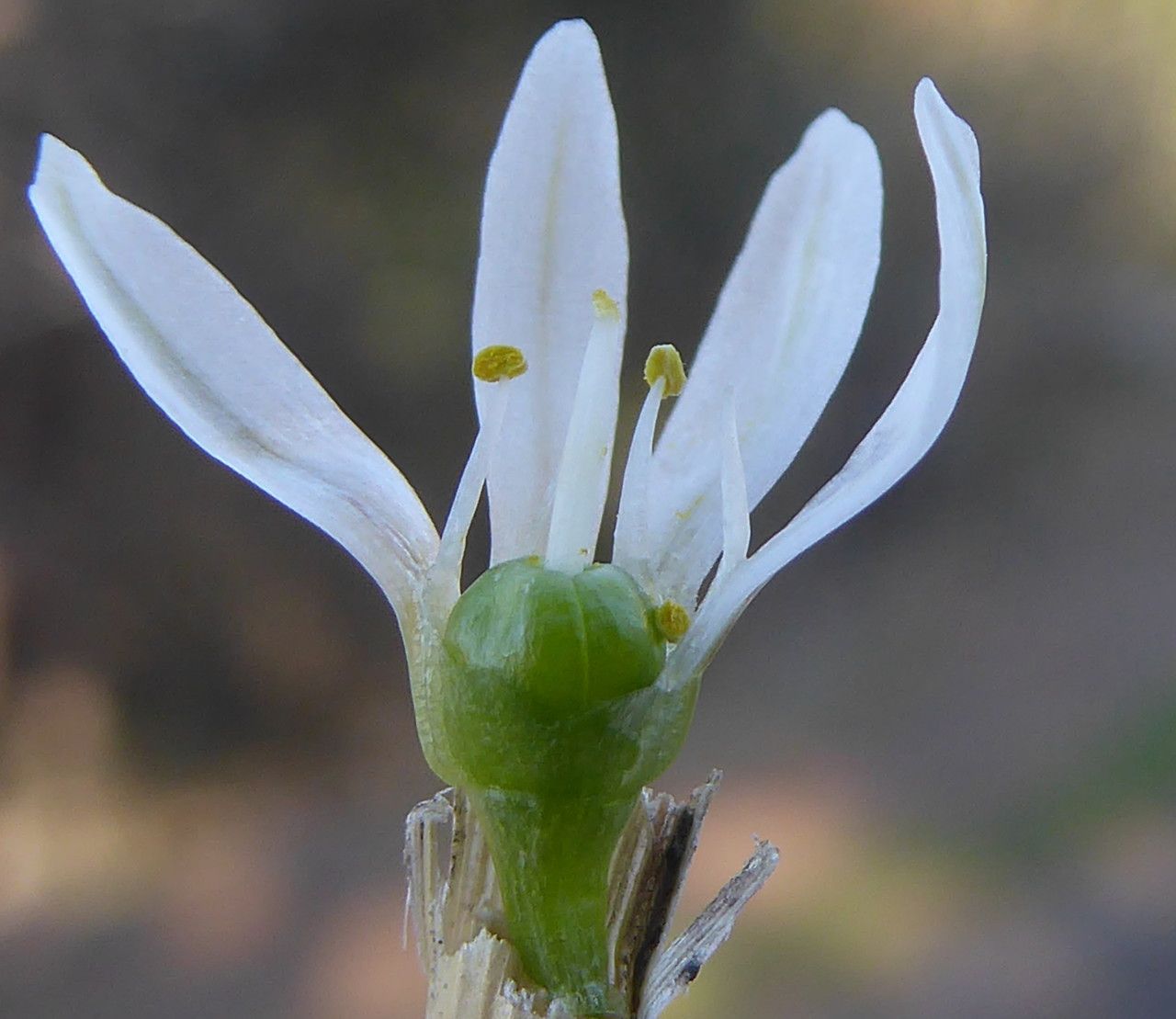
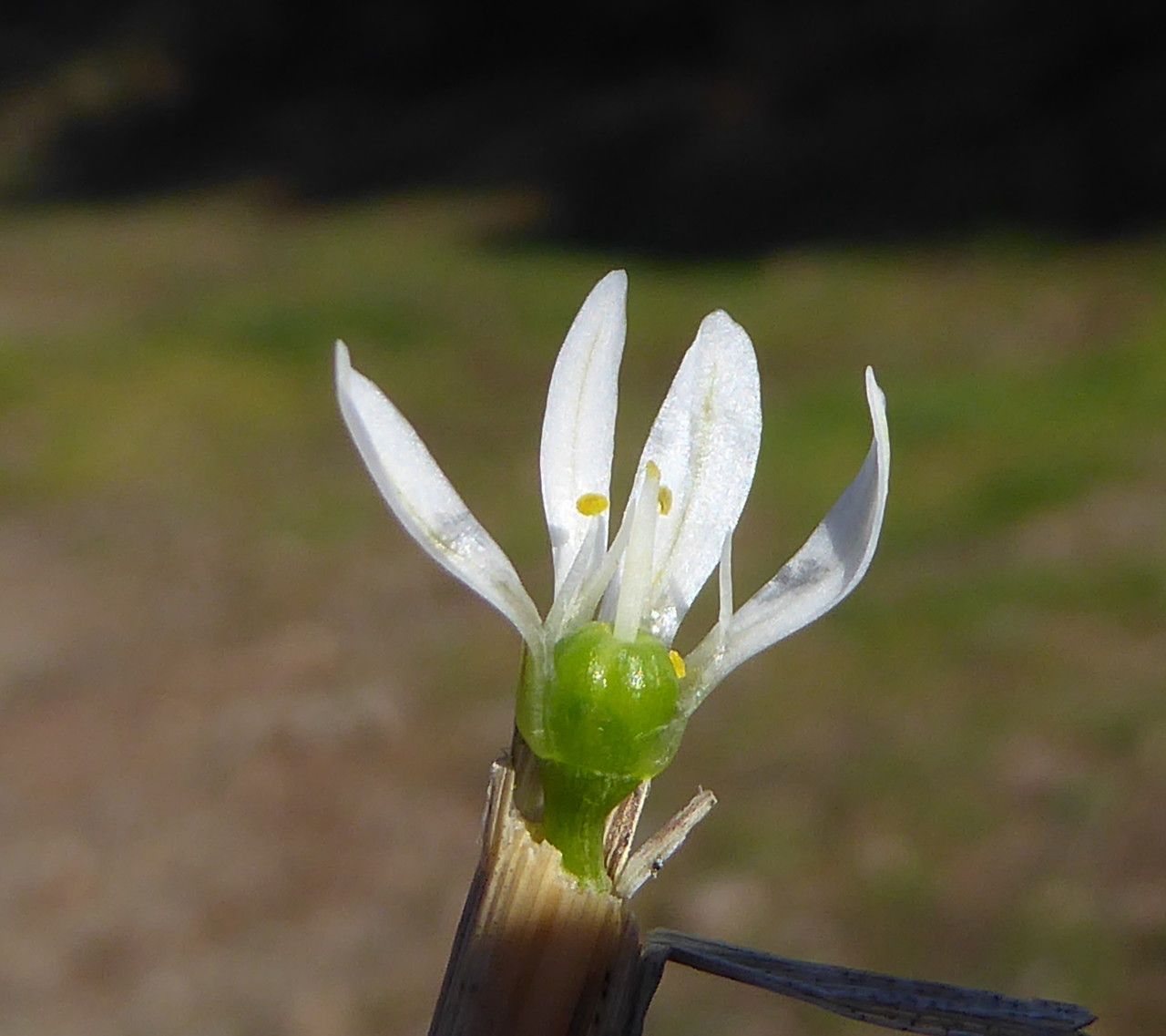
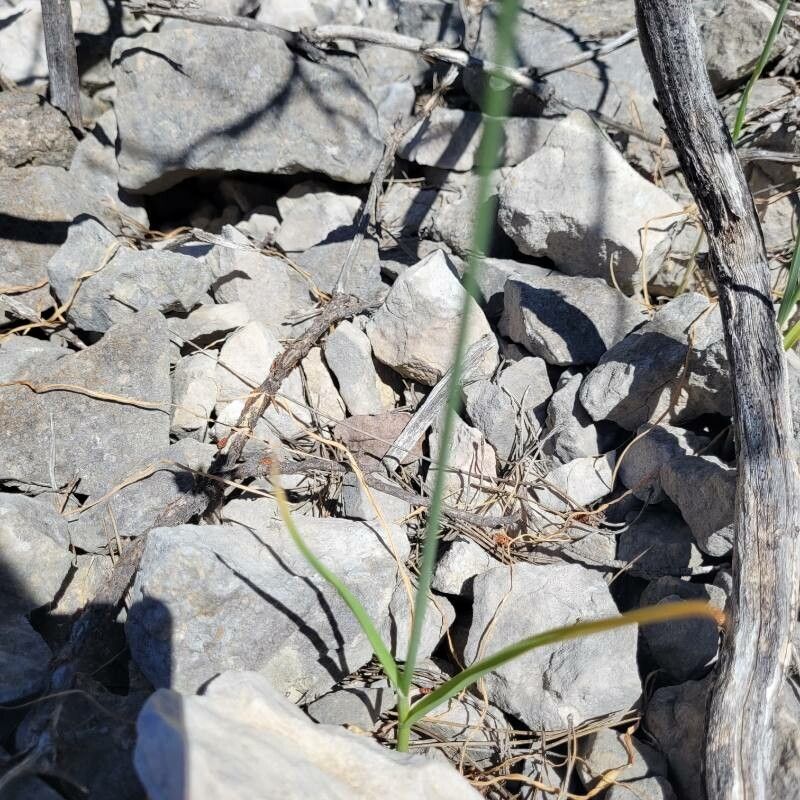
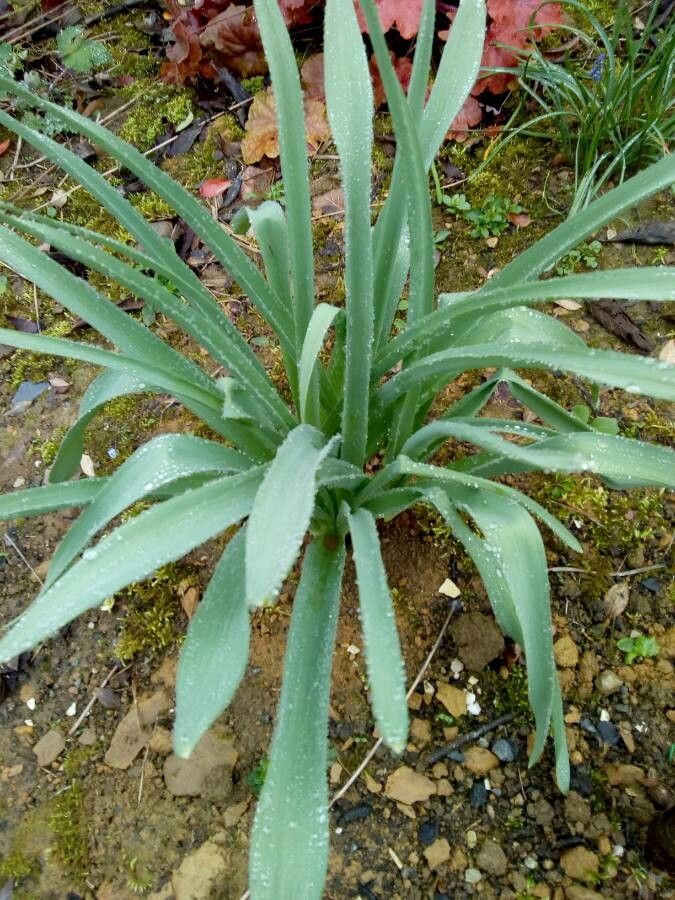
Allium chamaemoly, commonly known as wild garlic or golden garlic, is a perennial herbaceous plant within the Allium genus. Native to Europe and Asia, it can be found in meadows, grasslands, and rocky slopes. This plant typically grows up to 30 cm in height, featuring narrow leaves that are about 10-15 cm long.
The plant's bright yellow flowers emerge from long stems that rise above the foliage. These flowers bloom from late spring to early summer, attracting bees with their sweet nectar.
The bulbs of Allium chamaemoly have been used for culinary purposes for centuries, valued for their mild garlic flavor. They can be utilized fresh or dried as a seasoning for a variety of dishes, including soups, stews, salads, and roasted vegetables.
Beyond culinary uses, Allium chamaemoly is known for its medicinal properties. It has a high sulfur compound content, which can help lower blood pressure levels, and has been traditionally used as an antiseptic agent to combat infections.
Overall, Allium chamaemoly is an appealing herbaceous perennial that offers both culinary and medicinal benefits, making it a valuable addition to any garden or kitchen.
Dwarf garlic is fairly disease-resistant and usually not prone to illnesses. Nevertheless, it can be affected by pests and diseases in its environment. Such infections are typically mild. As for care, this plant needs moderate maintenance. It should be pruned on a regular basis to keep a neat appearance and healthy growth. Fertilizing can also encourage flowering. Dwarf garlic is well suited for anyone with an outdoor area, like a garden or patio, and does not require extensive care experience. It may need more attention when cultivated indoors.
How to keep Allium Chamaemoly.
Light
Dwarf garlic grows best with plenty of sunlight, though it can survive in shadier situations. In its native habitat it gets abundant sun, which supports healthy development. Still, too much or too little light can harm the plant’s health.
Water
Dwarf garlic thrives in moderately moist conditions, much like its native Mediterranean environment. It needs to be watered weekly to ensure consistent moisture levels. This plant is well-suited for container gardening because, as an herbaceous perennial bulb, it efficiently stores water.
Temperature
Dwarf garlic can tolerate a wide range of temperatures, though its distribution can still be restricted by different combinations of moisture and heat. It performs best in warm summers with enough rainfall or watering. Long stretches of cloudy, rainy weather, as well as prolonged high temperatures, increase the risk of Dwarf garlic dying. In winter, suitable protection from the cold can boost the plant’s survival rate.
Fertilizer
The ideal time to fertilize Dwarf garlic is in early spring, as it comes out of dormancy and begins active growth. Fertilizing supplies key nutrients necessary for healthy growth. Although Dwarf garlic has relatively low fertilization needs, applying fertilizer annually can improve its survival and produce better, longer-lasting flowers.
Pruning
Dwarf garlic is a low-growing plant with fragrant leaves and delicate flowers. To maintain its health and appearance, prune it from early to late spring. This involves removing any dead leaves and spent flower stems. Pruning promotes better air circulation, prevents disease, and encourages vigorous growth, all while keeping the plant looking neat and tidy.
Pot & Repot
To thrive and promote healthy root development, dwarf garlic needs pots with excellent drainage. Good drainage prevents waterlogging, which can lead to root rot.
Botanical profile.
- Plant Type
- Herb
- Life Cycle
- Perennial
- Genus
- Allium
- Family
- Amaryllidaceae
- Hardiness Zone
- 7-10
- Mature Height
- 5 cm to 10 cm
- Mature Spread
- 10 cm to 15 cm
- Leaf Color
- Dark Green
- Leaf Type
- Deciduous
- Flower Color
- White
- Flower Size
- 1.02 cm to 1.52 cm
- Bloom Time
- Winter
- Planting Time
- Spring, Summer
- Harvest Time
- Late winter, Early spring, Mid spring
- Native Area
- Tunisia, Italy, Spain, Albania, Algeria, Greece, Croatia, Morocco, France
Other names.
Reader questions.
How should I water my Dwarf garlic plants for best results?
To properly water the Dwarf garlic plant, it is recommended to use filtered water at room temperature or slightly warmer. Tap water may contain harmful particles, so filtered water is preferred. This plant is adapted to a warm environment, so cold water can be stressful for it. Additionally, it is important to avoid overhead watering as it may cause issues with the foliage. Instead, gently apply the filtered room temperature water directly to the soil until it is fully soaked. This helps to moisten the roots and support their spread through the soil to gather necessary nutrients.
Why do I have to add food for my Dwarf garlic?
Fertilization is important for the Dwarf garlic and other plants as it provides essential nutrients for growth both above and below the ground. The overall fertilization needs for the Dwarf garlic are relatively low, and it can sometimes survive without fertilization. However, annual fertilization is highly beneficial as it supports the plant's survival and promotes the production of longer-lasting flowers. Therefore, those who want their Dwarf garlic to thrive should maintain a yearly fertilization routine.
How much sunlight does Dwarf garlic need?
Dwarf garlic thrives best with abundant daylight exposure, closely mirroring its native habitat's conditions which favor healthy growth. It requires more than 6 hours of sunlight for full sun placement and about 3-6 hours for partial sun. Nonetheless, it's important to note that both excessive and insufficient sunlight can adversely affect the plant's health. To ensure your Dwarf garlic prospers, observe how sunlight moves through your garden to find spots offering the ideal mix of light and shade.
What is Dwarf Garlic?
Dwarf Garlic, known botanically as Allium chamaemoly, is a species of garlic. It is distinguished by its unique characteristics and properties, setting it apart from the common garlic varieties familiar to most people.
What should I do if I give my Dwarf garlic too much or too little water?
Both overwatering and underwatering can harm the health of your Dwarf garlic, but overwatering is more common. When it gets too much water, the stems and leaves can wilt and turn yellow. Overwatering for a long time can also cause diseases like root rot, mold, and mildew, which can kill the plant. Underwatering is less likely for Dwarf garlic because it can tolerate drought decently. However, it can still happen, and when it does, the leaves will become dry and brown. It's important to notice signs of overwatering early when taking care of your Dwarf garlic. Some diseases caused by overwatering, like root rot, may not be fixable if you wait too long. If you see early signs of overwatering, reduce watering immediately. Check the soil quality where your Dwarf garlic grows. If it drains poorly, replace it with well-draining potting mix. If you find signs of underwatering, increase watering until the signs go away.
When should I fertilize my Dwarf garlic to get the best results?
The best time to fertilize a Dwarf garlic is in late winter or early spring. This is when the plant is coming out of its dormant phase and starting to grow. Fertilizing at this time will help the plant grow strong and healthy. It is also okay to fertilize in the fall, but it is not recommended during the summer or winter.
Can Dwarf garlic grow with artificial lighting?
Yes, Dwarf garlic can grow under artificial lighting, especially when natural sunlight is not sufficient, such as during winter or in less sunny indoor areas. Using the right kind of artificial light, like LED, which can be tailored to the specific light wavelengths needed by your plants, is crucial. Full sun plants require 30-50W/sq ft, partial sun plants need 20-30W/sq ft, and full shade plants require 10-20W/sq ft of artificial light. The light source should be placed 12-36 inches above the plant to simulate natural sunlight conditions, and plants typically need 8-12 hours of light per day.
How frequently do I need to water my Dwarf garlic?
If your Dwarf garlic plant is in a pot, the most precise way to determine if it needs water is by checking the soil with your finger. If the top two to three inches of soil are dry, it's time to water. If you grow it outdoors in the ground, you can use the same method. Once the top few inches of soil are dry, it's time to water. In the spring and early fall, watering about once a week is usually enough. However, during extremely hot weather, you may need to water twice or more per week. It's worth noting that mature, well-established Dwarf garlic plants have a good tolerance for drought.
When is it a bad idea to add fertilizer to my Dwarf garlic?
To properly care for your Dwarf garlic, it is important to know when and when not to fertilize. Generally, it is best to avoid fertilizing this plant during the majority of the year, except for late winter and early spring. This is because Dwarf garlic has low fertilization needs and only requires one feeding per year. Overfertilization is a risk if you continue to fertilize throughout spring, summer, and fall. However, if you happened to skip fertilizing in spring, it is acceptable to feed the plant in the fall. Additionally, there is no need to fertilize during winter when the Dwarf garlic is in a dormant phase and not actively growing.
What are the symptoms of inadequate lighting for Dwarf garlic?
When Dwarf garlic is exposed to inadequate lighting, several symptoms may manifest, including smaller new leaves, leggy or sparse growth, accelerated leaf drop, and halted or nonexistent new growth. Additional symptoms include lighter-colored new leaves, indicating a chlorophyll and nutrient deficiency; chlorosis, where leaves lose their green hue; sunscald from intense sunlight exposure; leaf curling as a protective measure against too much light; wilting from excessive water loss; and leaf scorching, characterized by brown, dry edges or patches on leaves due to overexposure to sunlight.
How much water does my small garlic need?
To properly water your Dwarf garlic plant, don't hold back on the amount of water you give. Make sure the top two to three inches of soil are dry, and then give the plant a thorough watering. The goal is to completely saturate the soil without causing standing water. If you see excess water draining from the pot, this is a good sign. However, if you don't see any drainage, you may have not watered enough. But be careful not to let water accumulate in the soil, as this can harm the plant. If you're growing the plant outdoors, around 1 inch of rain per week should be enough.
What kind of fertilizer does my Dwarf garlic need?
A general-purpose fertilizer with a balanced amount of the three main plant nutrients will work well for Dwarf garlic. However, there are specific nutrient blends that may be even more beneficial. Many gardeners believe that higher phosphorus levels result in stronger roots and better flowers. Since Dwarf garlic is a flowering plant, using a phosphorus-rich fertilizer may be the best choice. Granular or liquid fertilizers can be used as long as they contain plenty of nutrients. In addition to manufactured fertilizers, organic options such as compost and manure can greatly improve the soil for Dwarf garlic. These materials play a major role in creating a healthy growing environment.