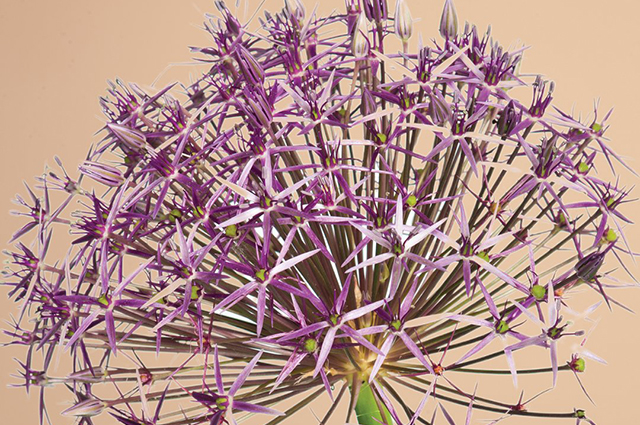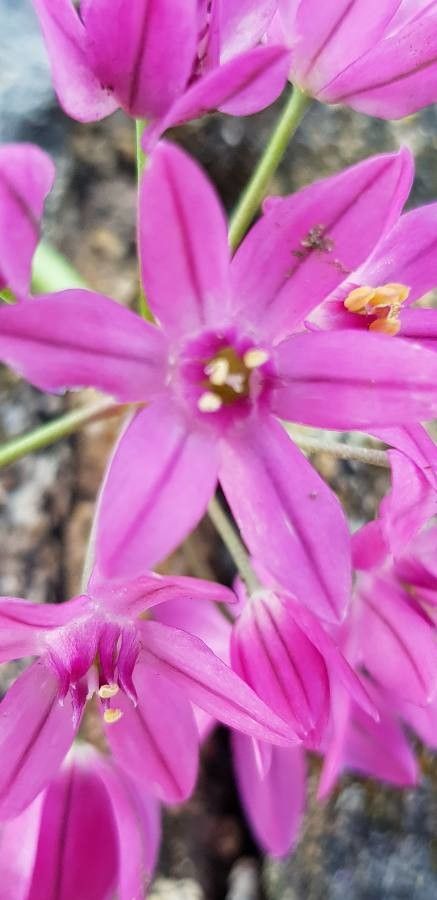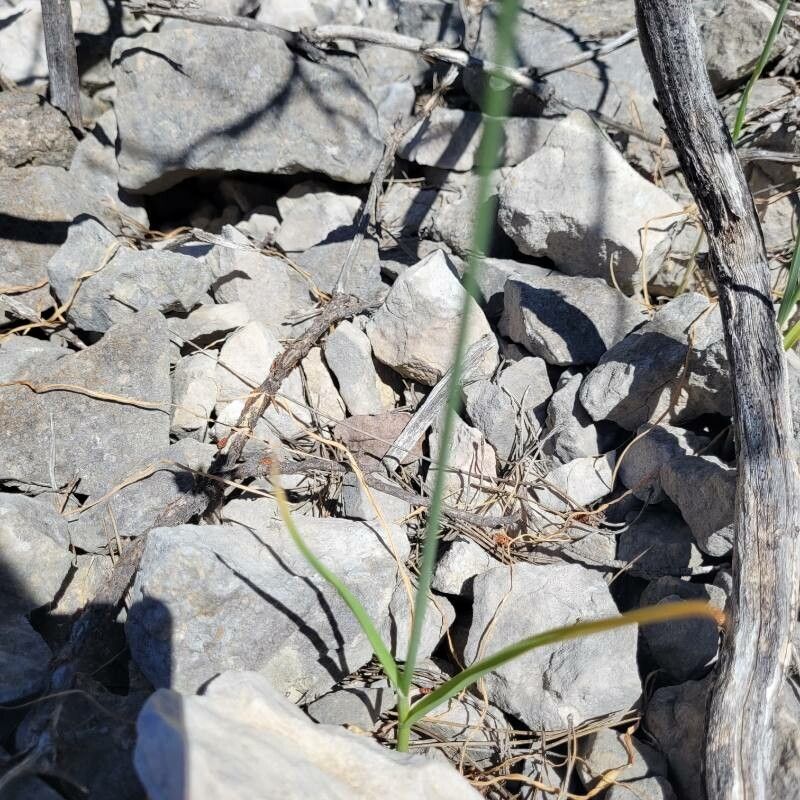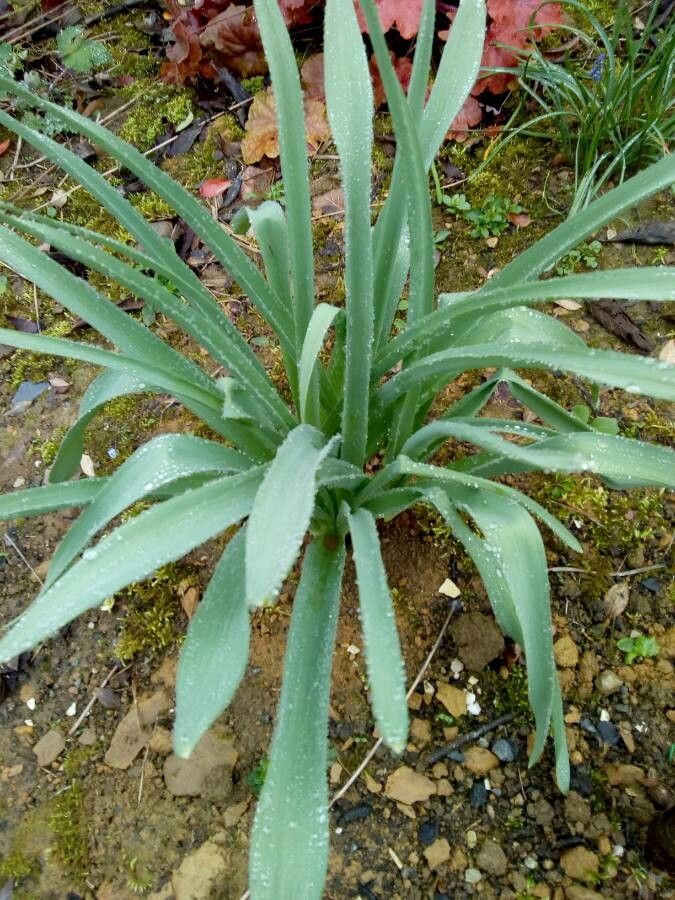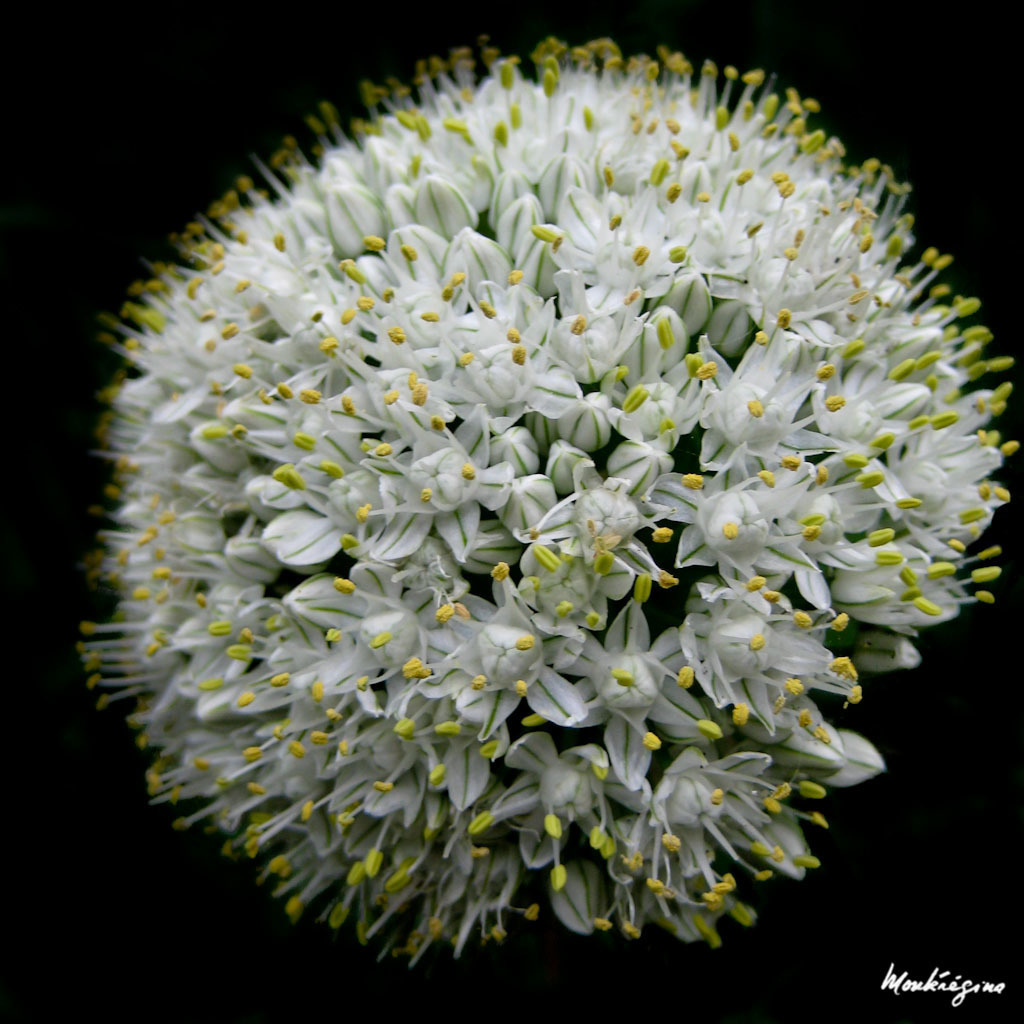
The onion (Allium cepa L., from Latin cepa meaning "onion"), also known as the bulb onion or common onion, is a vegetable that is the most widely cultivated species of the genus Allium. The shallot is a botanical variety of the onion which was classified as a separate species until 2010.: 21 Its close relatives include garlic, scallion, leek, and chive.This genus also contains several other species variously referred to as onions and cultivated for food, such as the Japanese bunching onion (Allium fistulosum), the tree onion (A. × proliferum), and the Canada onion (Allium canadense). The name wild onion is applied to a number of Allium species, but A. cepa is exclusively known from cultivation. Its ancestral wild original form is not known, although escapes from cultivation have become established in some regions. The onion is most frequently a biennial or a perennial plant, but is usually treated as an annual and harvested in its first growing season. The onion plant has a fan of hollow, bluish-green leaves and its bulb at the base of the plant begins to swell when a certain day-length is reached. The bulbs are composed of shortened, compressed, underground stems surrounded by fleshy modified scale (leaves) that envelop a central bud at the tip of the stem. In the autumn (or in spring, in the case of overwintering onions), the foliage dies down and the outer layers of the bulb become more dry and brittle. The crop is harvested and dried and the onions are ready for use or storage. The crop is prone to attack by a number of pests and diseases, particularly the onion fly, the onion eelworm, and various fungi which can cause rotting. Some varieties of A. cepa, such as shallots and potato onions, produce multiple bulbs. Onions are cultivated and used around the world. As a food item, they are usually served cooked, as a vegetable or part of a prepared savoury dish, but can also be eaten raw or used to make pickles or chutneys. They are pungent when chopped and contain certain chemical substances which may irritate the eyes.
Onion has medium resistance to disease and can be prone to problems like leaf spot. Its susceptibility to insect pests can vary by variety, but most varieties are relatively less resistant to pests. For care, onion requires regular watering and fertilizing, along with frequent removal of yellow leaves. It is important to manage pests and diseases when they appear and to harvest the plant promptly. Onion is suitable for those who can devote some time and energy to regular care.
How to keep Allium Cepa.
Light
Onions do best with ample sunlight; they can withstand somewhat diffused light but perform optimally in direct, unshaded sun. This preference stems from their origin as plants adapted to open, non-shaded environments. Excessive light can stress the plants, while insufficient light may restrict their growth.
Water
Onions thrive in environments with balanced moisture levels, requiring moderate watering every 1 to 2 weeks. Providing sufficient water during the growing season is crucial for the development of the bulbs and the overall health of the plant, especially when cultivated outdoors.
Humidity
This plant will thrive in moderate humidity, which is probably the level in your home. However, misting it a few times a week can be very beneficial. Make sure the room has good ventilation.
Temperature
Onions originate in regions with moderate temperatures. Their sensitivity to cold leads them to do best in areas with average temperatures of 68 to 100 °F (20 to 38 ℃). For optimal health, keep temperatures within this range throughout the year, adjusting as the seasons require.
Fertilizer
Onion varieties gain from one or two applications of organic fertilizers containing potassium and phosphorus. Put the fertilizer into the soil before planting, mix it in and water thoroughly. Usually a single application is enough, but a second can be applied once seedlings are established. Avoid using too much fertilizer, because it can damage the plants.
Pruning
The onion plant, with its bulbous shape, requires minimal pruning. Ideally, this should be done in early spring by removing any dead leaves. Pruning during the plant's active growth period can help reduce the risk of disease. It's important to avoid cutting the main stalk to ensure proper bulb development. Regular pruning contributes to healthier and more resilient plants.
Pot & Repot
Repot the bulbous onion every 2 to 3 years, ideally after harvesting. Choose a pot that is slightly larger than the previous one, and use well-draining soil to prevent rot. After repotting, keep the soil moist and ensure the plant receives plenty of sunlight to support optimal recovery and growth.
Botanical profile.
- Plant Type
- Herb
- Life Cycle
- Perennial, Annual, Biennial
- Genus
- Allium
- Family
- Amaryllidaceae
- Hardiness Zone
- 4-11
- Mature Height
- 15 cm to 46 cm
- Mature Spread
- 15 cm to 30 cm
- Leaf Color
- Green
- Leaf Type
- Deciduous
- Flower Color
- White
- Flower Size
- 2.54 cm
- Bloom Time
- Late spring, Early summer
- Planting Time
- Spring, Winter, Summer, Autumn
- Harvest Time
- Mid summer
- Native Area
- Uzbekistan, Saudi Arabia, Tajikistan, Syria, Egypt, Kyrgyzstan, Turkmenistan
Other names.
Reader questions.
When Should I Water My Onion?
Proper timing for watering onions is critical for their health, growth, and bulb development. You should water your onion when the top 1 to 2 inches of soil feels dry to the touch. Observing the plant's leaves can also provide cues; wilting, lackluster leaves, or a change from vibrant to pale green suggest the onion needs water. Additionally, a soft or shriveled bulb indicates under-watering. Onions have succulent leaves that store water, so if these leaves become thin and papery, it's a sign the plant needs hydration. The water requirement for onions increases during warm temperatures and high sunlight exposure due to higher rates of evaporation. Be mindful, though, as watering too early can lead to root diseases associated with over-watering, while watering too late might stunt growth or cause bolting. Assessing the soil moisture, plant appearance, and environmental conditions are key to effectively managing your onion's watering schedule.
Why do I have to add fertilizer to my Onion?
Onions are known for their fast growth and their high energy requirement in producing the root vegetables we love. In addition to sunlight, oxygen, and water, onions also rely on nutrients to flourish and develop their roots. Usually, garden soil contains these nutrients due to the decomposition of organic matter within and on top of the soil. However, there are instances where the soil may not have sufficient nutrients to support healthy onion growth. In such cases, fertilizer can provide the necessary boost for onions to thrive.
What are the sunlight requirements for onions?
Onions require plenty of sunlight to thrive, showcasing resilience in somewhat filtered light but demonstrating optimal growth when exposed to unobstructed sunlight due to their heritage adapted to open, non-shaded habitats. Full sun exposure is defined as over 6 hours of sunlight per day, whereas partial sun exposure amounts to about 3-6 hours of sunlight daily. It's essential to watch how sunlight moves through your garden, picking spots that offer the perfect balance of light and shade to ensure the happiness and health of your onions.
What are the essential conditions for growing onions?
Onions are native to environments that maintain moderate temperatures and display an intolerance for cold habitats, thriving best in regions with temperatures ranging from 68 to 100 °F (20 to 38 °C). It's crucial to maintain these temperature ranges throughout the year, adjusting as necessary with each season to ensure optimal health. During winter, particularly, it's beneficial for the growth of onions to maintain temperatures above the minimum suitable growth temperature, which should always be above freezing to avoid plant damage. In situations where outdoor temperatures drop close to -5°C (25°F), it's advisable to bring the onions indoors or provide protection with a temporary greenhouse or coverings like plastic film or fabric.
How Should I Water My Onion?
Watering onions correctly involves several important considerations to ensure the production of healthy bulbs without risking disease. While onions are hardy and can withstand various moisture levels, consistent and adequate watering is crucial, especially during their initial growth phase. Using soaker hoses or irrigation systems is the most efficient technique, as it delivers water directly to the roots and minimizes evaporation loss. To avoid diseases, it's important to keep the foliage dry and ensure the soil has excellent drainage by adding organic matter or compost. Tools like a moisture meter can be helpful in determining when to water. However, avoid watering the leaves directly and cease watering close to the time of harvesting to prevent spoilage. Monitoring soil conditions regularly to ensure it remains moist without becoming soggy is vital for the onion's health.
When should I put fertilizer on my Onion?
To prepare your soil for planting, apply natural fertilizer. There is no specific timeframe, but make sure you have enough time to incorporate the fertilizer into the soil and water it thoroughly before planting seeds or seedlings. Generally, one application of fertilizer is sufficient to support onion growth throughout the season. However, if you want to enhance their yield even further, you can apply additional fertilizer once the seedlings have established themselves. Take care not to use excessive fertilizer, as it could harm the plants.
How can I provide artificial lighting for my indoor onion plants?
Indoor onion plants require adequate lighting for optimal growth, especially when natural sunlight is insufficient, such as in winter or in less sunny spaces. Artificial lights serve as a vital solution, promoting faster, healthier growth. LED lights are popular for indoor plant lighting as they offer customizable wavelengths needed by plants. Full sun plants need 30-50W/sq ft of artificial light, partial sun plants require 20-30W/sq ft, and full shade plants need 10-20W/sq ft. The light source should be placed 12-36 inches above the plant to mimic natural sunlight, ensuring it receives 8-12 hours of light per day.
How does low temperature affect onion plants, and what are the solutions?
Onions have a moderate tolerance to low temperatures, performing best within their suitable temperature range. During winter, temperatures should be kept above the tolerable minimum to avoid damage. Exposure to temperatures below the growth limit can lead to leaves darkening, potentially leading to water-soaked necrosis, wilting, and drooping, with the leaves gradually turning brown in severe cases. To counteract frost damage, it's recommended to trim away the damaged parts immediately, move the plants indoors to a warmer environment, or set up a makeshift greenhouse. Placing the plant near a south-facing window can ensure ample sunlight, and supplemental lighting may be used if natural light is insufficient.
How Much Water Does Onion Really Need?
The amount of water an onion plant requires depends on several factors such as pot size, root depth, and plant's growth stage. Onions in small pots may need about 250-500 milliliters per session, while those in larger pots might require 500-1000 milliliters or more. Younger, smaller plants generally need less water compared to mature, larger ones. An adequately hydrated onion will have turgid, upright leaves, and firm stems. It's crucial to maintain consistent moisture but avoid overwatering, which can cause root rot and other disease issues. Adjust the watering volume based on natural rainfall and the specific needs of your plant at its particular stage of development. Regularly monitoring the soil to ensure it remains consistently moist but not waterlogged is key to providing optimal hydration.
When is it best to not add fertilizer to my Onion?
To ensure effective fertilization, remember to avoid applying fertilizer when the soil is dry. After fertilizing, make sure to water your plants thoroughly as this helps deliver the nutrients properly. If you prioritize the growth of foliage over the root crops, then high-nitrogen fertilizers might be suitable for you. However, take care not to let fertilizer come into contact with the base of the plant, leaves, or stems as it can potentially damage them.
What symptoms indicate my indoor onion plant is not receiving enough light?
When an onion plant is grown indoors with insufficient light, it may show subtle symptoms of light deficiency that can easily go unnoticed. These include smaller new leaves, leggy or sparse growth, faster leaf drop, slower or halted new growth, lighter-colored new leaves indicating a lack of chlorophyll and essential nutrients, chlorosis where leaves lose their green color and turn yellow, sunscald with pale, bleached areas on the plant tissue, leaf curling as a defense against excessive sunlight, wilting from increased water loss, and leaf scorching with brown, dry, and crispy leaf edges.
What measures should be taken when onions are exposed to high temperatures?
During summer, it's essential to keep Onion plants below their maximum suitable growth temperature to prevent growth slowdown, color lightening of the leaves, and an increased risk of sunburn. If the temperature exceeds the tolerable maximum, it's advisable to trim away any sunburned or dried-up parts of the plant, relocate the plant to a shaded area to avoid the afternoon sun, and ensure the soil is kept moist by watering the plant in the morning and evening.