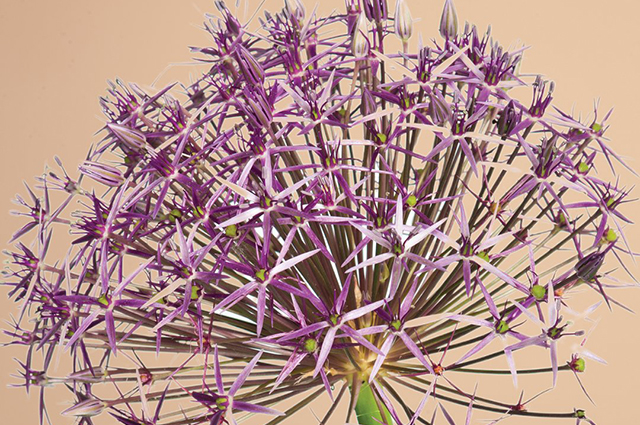
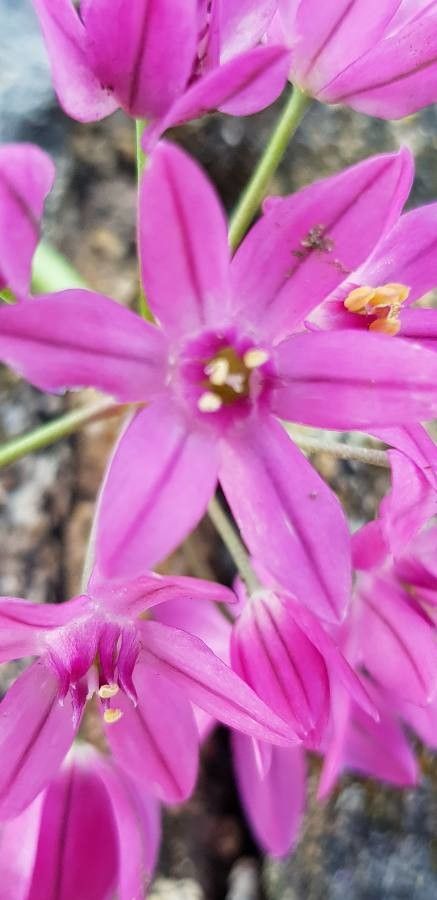
Allium caeruleum, also known as blue globe onion or blue ornamental onion, is a perennial herbaceous plant in the Amaryllidaceae family. Native to Central Asia, it has been widely cultivated as an ornamental plant in gardens and landscapes around the world.
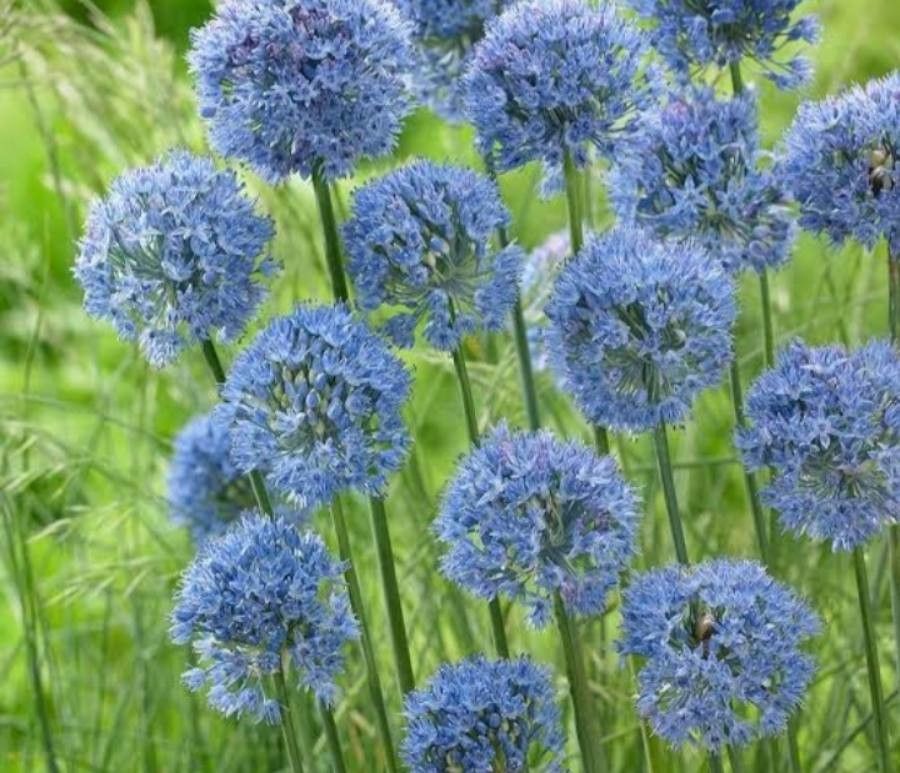
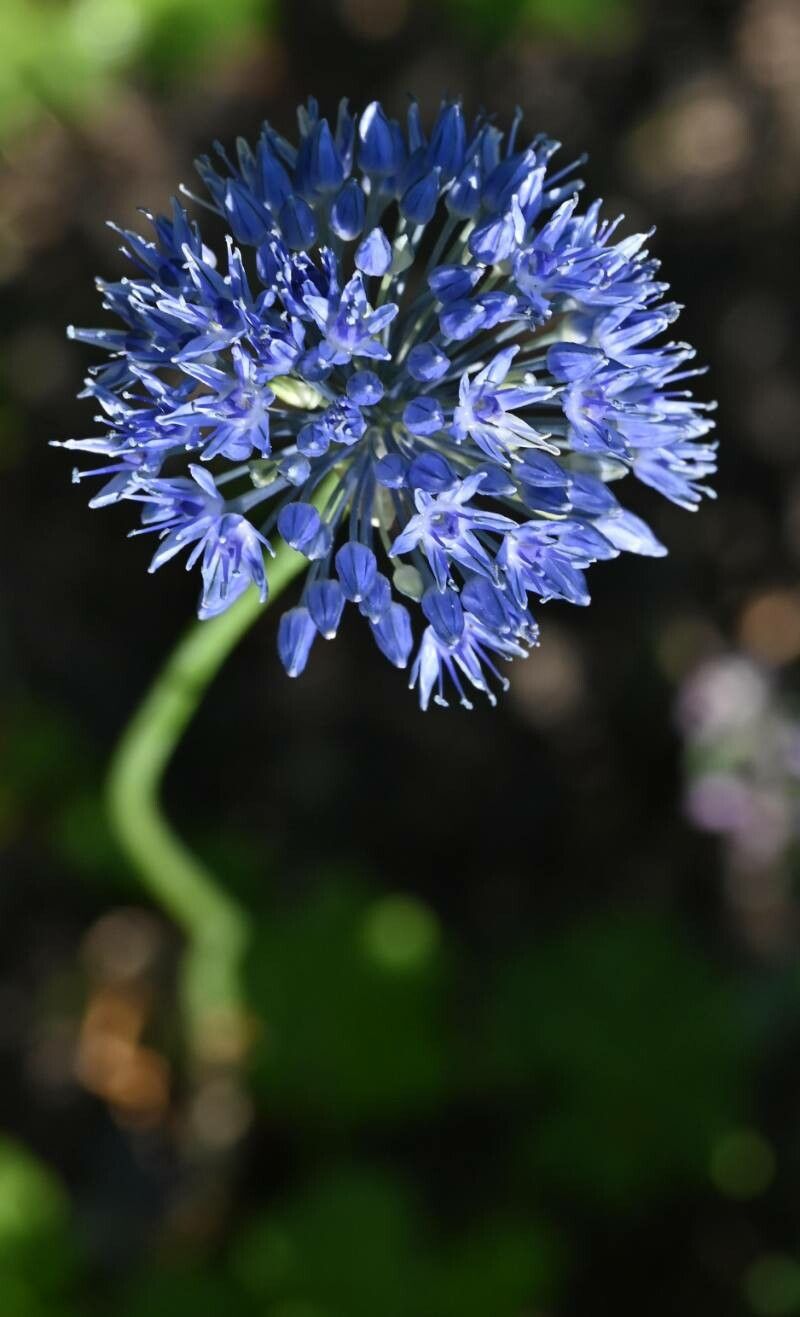
The plant can grow up to 60 cm tall and produces globular clusters of small, star-shaped flowers that are bright blue in color. These flowers bloom in early summer, held aloft on sturdy stems above the foliage.
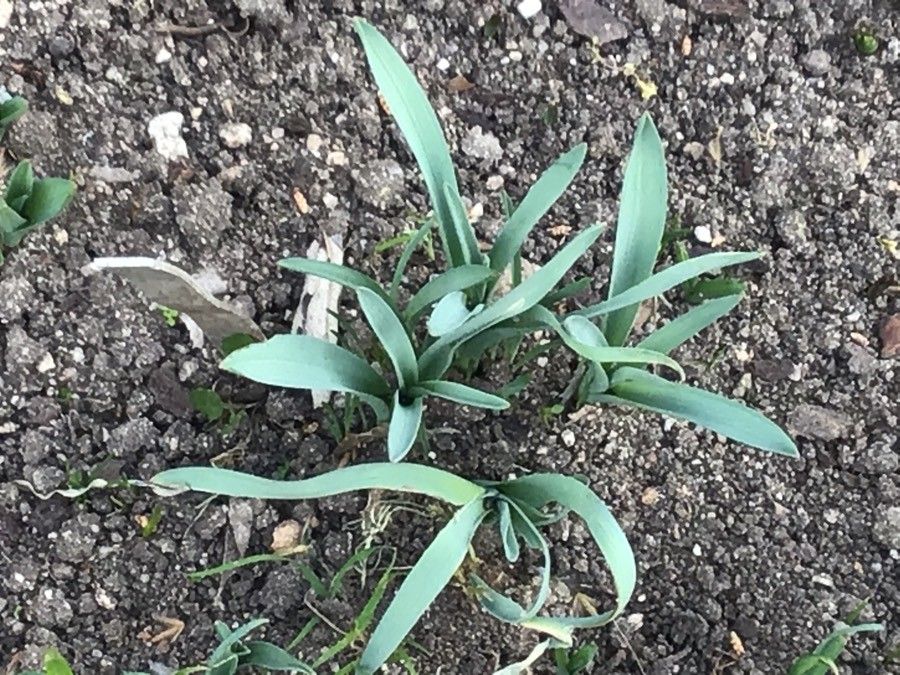
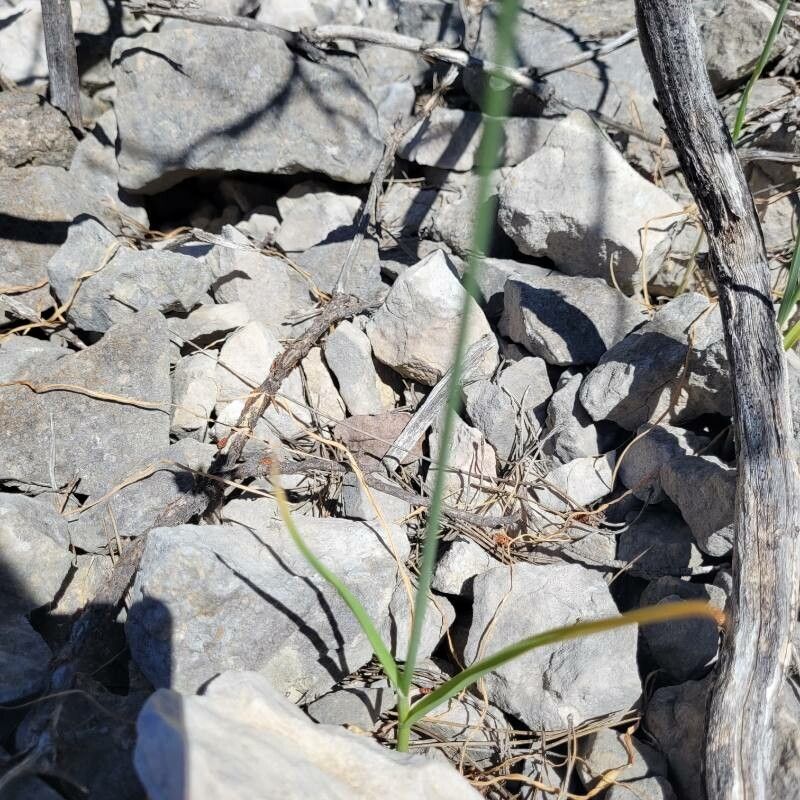
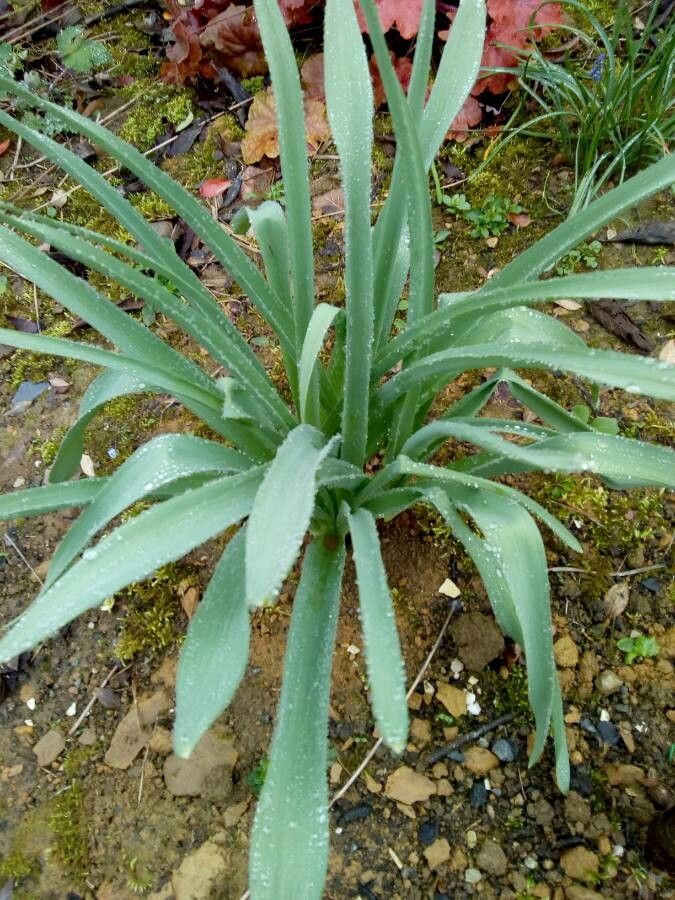
The leaves of Allium caeruleum are narrow and strap-like, growing up to 30 cm long. They emerge from a bulbous base that can reach up to 5 cm in diameter.
Allium caeruleum prefers well-drained soil with full sun exposure but can tolerate partial shade. While drought-tolerant once established, it benefits from regular watering during dry spells.
In addition to its ornamental value, Allium caeruleum has been used for medicinal purposes by various cultures throughout history. The bulbs were believed by some ancient cultures to have healing properties for ailments such as coughs and colds.
Overall, Allium caeruleum is a beautiful and easy-to-grow addition to any garden or landscape, featuring striking blue flowers and minimal maintenance requirements.
Blue-flowered garlic has strong disease resistance and is generally unlikely to develop illnesses. Still, it can be affected by pests and diseases present in its environment. Such infections are generally mild. Regarding care, this plant needs moderate maintenance. It should be pruned regularly to preserve a neat appearance and support healthy growth. Applying fertilizer can also encourage flowering. Blue-flowered garlic is well suited for anyone with outdoor space, like a garden or patio, and does not demand extensive experience in plant care. It may, however, need more attention if grown indoors.
How to keep Allium Caeruleum.
Light
Blue-flowered garlic is a plant species that does best in places with abundant sunlight. Its growth and overall health are improved by ample sun exposure. When light levels are suboptimal, flowering can be limited and growth may be underdeveloped. Its native habitats largely provide these sunny conditions, showing its strong preference for light.
Water
Blue-flowered garlic thrives with moderate moisture and benefits from weekly watering to maintain moist, well-drained soil. While it can withstand short periods of drought, providing proper hydration enhances its vibrant blue blooms during the growing season, making it a valuable addition to outdoor ornamental gardens.
Temperature
Blue-flowered garlic is native to temperate regions with temperature ranges of 59 to 95 °F (15 to 35 ℃). It does well in warm conditions, which match its preferred climate. Adjusting temperatures with the seasons will help ensure robust growth.
Fertilizer
For Blue-flowered garlic, the main time to apply fertilizer is early spring, when flowers are forming. The appropriate fertilizer promotes stronger blooms and helps Blue-flowered garlic develop attractive flowers. Fertilizing in early spring ensures excellent flowering throughout the season and supplies energy for dormant growth phases.
Pruning
Blue-flowered garlic thrives with minimal pruning, which is best done from early to late spring. To encourage healthy growth and improve its appearance, remove any dead foliage and spent flower stems. This also helps redirect energy to the bulbs, ensuring robust flowering in the following season.
Pot & Repot
Blue-flowered garlic thrives best in pots with excellent drainage. Good drainage is crucial to prevent root rot and promote healthy growth.
Botanical profile.
- Plant Type
- Herb
- Life Cycle
- Perennial
- Genus
- Allium
- Family
- Amaryllidaceae
- Hardiness Zone
- 7-10
- Mature Height
- 76 cm
- Mature Spread
- 20 cm to 30 cm
- Leaf Color
- Green
- Leaf Type
- Deciduous
- Flower Color
- Blue
- Flower Size
- 2.54 cm
- Bloom Time
- Early summer, Mid summer
- Planting Time
- Autumn
- Harvest Time
- Late summer, Early fall
- Native Area
- Uzbekistan, Russia, Tajikistan, Kyrgyzstan, Kazakhstan, China
Other names.
Reader questions.
What are the sunlight requirements for plants?
Plants have varying sunlight requirements to thrive, broadly categorized into full sun and partial sun. Full sun plants require above 6 hours of sunlight a day, whereas partial sun plants need about 3-6 hours of sunlight. Understanding the movement of sunlight through your garden is essential in choosing the right spots for your plants, ensuring they receive the ideal balance of light and shade for optimal health.
What is the ideal climate for blue-flowered garlic?
Blue-flowered garlic, botanically known as Allium caeruleum, thrives in temperate zones with temperatures ranging from 59 to 95°F (15 to 35°C). It is native to warm environments and exhibits strong cold resistance. The plant is well adapted to varying temperature conditions across seasons, ensuring its robust growth. Special frost protection measures are not typically necessary, but in extreme cold conditions where temperatures are expected to drop below -15°C, it is important to provide cold protection, such as covering the plant with soil or straw. Additionally, before the onset of the first freeze in autumn, abundant watering is recommended to keep the soil moist and help prevent drought and water scarcity during winter and early spring.
How does sunlight affect the growth of Blue-flowered garlic?
Blue-flowered garlic thrives in environments that provide abundant sun exposure, directly influencing its growth and health. These plants flourish in their native habitats, which are characterized by sunny conditions, signifying their strong preference for light. Insufficient light exposure can lead to limited flowering or underdeveloped growth in Blue-flowered garlic, emphasizing the importance of adequate sunlight for its well-being.
How does blue-flowered garlic respond to low temperatures, and what are the solutions if it struggles?
Blue-flowered garlic has a notable cold tolerance, thriving best when temperatures stay above 15°C and should preferably be kept above -10°C during winter. In instances where temperatures fall below -15°C, there might not be visible changes during the winter; however, a decrease in sprouting or a complete lack of sprouting may occur in spring. To address this issue, any parts of the plant that have failed to sprout by spring should be removed to encourage new growth.
What artificial lighting requirements do indoor plants have?
Indoor plants, including Blue-flowered garlic, require adequate lighting to compensate for the lack of natural sunlight, especially in winter or less sunny spaces. Artificial lights, such as LED lights, are beneficial as they can be customized to provide the specific wavelengths needed by the plant. Full sun plants need 30-50W per square foot of artificial light, partial sun plants require 20-30W per square foot, and full shade plants need 10-20W per square foot. The light source should be placed 12-36 inches above the plant, mimicking natural sunlight, and most plants need 8-12 hours of light per day.
What should be done if blue-flowered garlic is exposed to high temperatures?
During the summer months, it is important to ensure that temperatures around blue-flowered garlic do not exceed 35°C. Exposure to temperatures above 41°C may cause the plant's leaves to lighten in color, curl, become prone to sunburn, and in severe cases, wilting and drying of the entire plant may occur. To mitigate these issues, it is advisable to trim away any sunburned or dried-up parts of the plant. Relocating the plant to a shaded area during the midday and afternoon sun or using a shade cloth can also be beneficial. Additionally, watering the plant in the morning and evening can help maintain soil moisture and alleviate stress from high temperatures.
What are the symptoms of light deficiency in Blue-flowered garlic?
When Blue-flowered garlic is placed in rooms with inadequate lighting, various symptoms of light deficiency may appear, including smaller new leaves compared to mature ones, leggy or sparse growth, faster leaf drop, slower or halted new growth, lighter-colored new leaves, symptoms of chlorosis, sunscald, leaf curling, wilting, and leaf scorching. These symptoms indicate the plant's struggle with insufficient light, leading to reduced health and vitality.
How can I address sunlight deficiency for my plants?
To address sunlight deficiency for both indoor and outdoor plants, gradually acclimate them to sunnier locations to avoid sunburn. For indoor plants, moving them to a south-facing window or using artificial lights for at least 8 hours daily can help. For outdoor or ground-planted specimens, reducing obstructions like pruning trees or transplanting to sunnier locations with good drainage can be effective. It's crucial to observe and modify the environment to ensure plants receive ample sunlight, though parts of the plant damaged by insufficient sunlight may not recover, new growth should be healthy once light conditions improve.