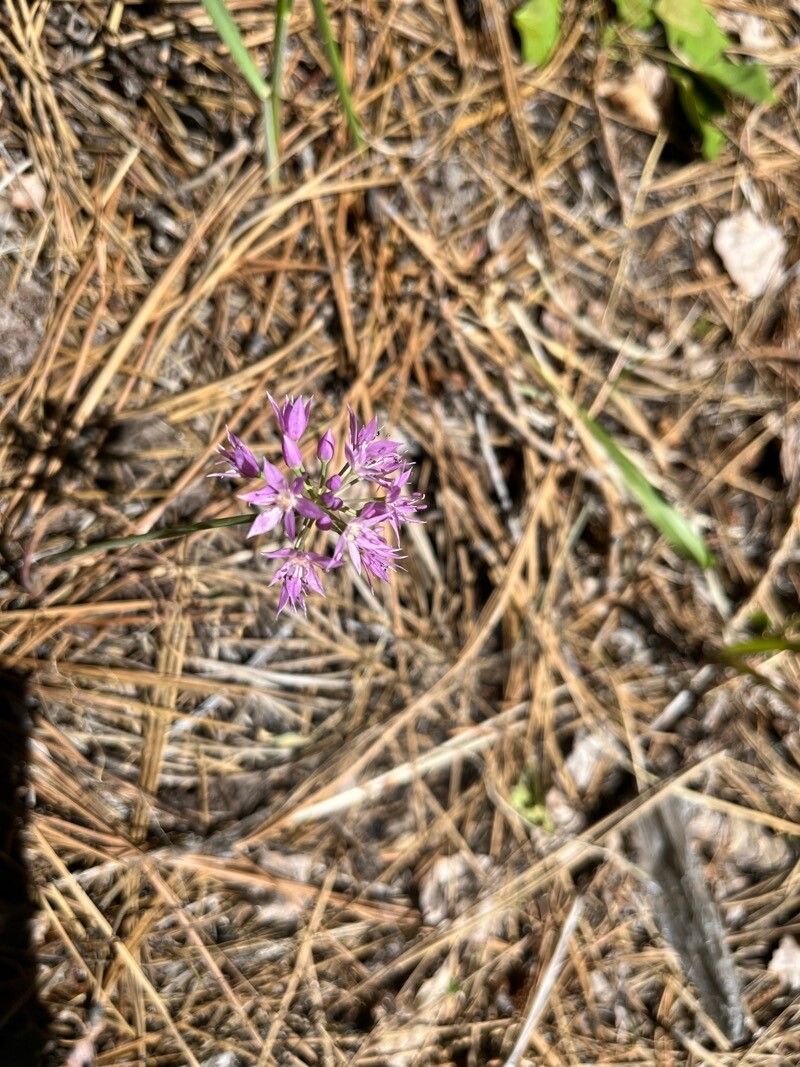
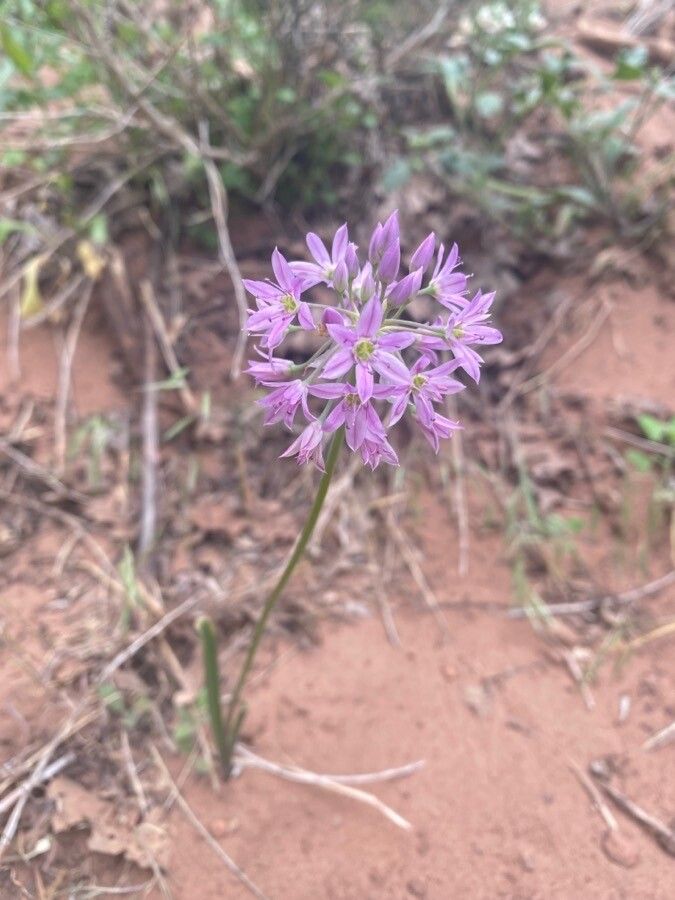
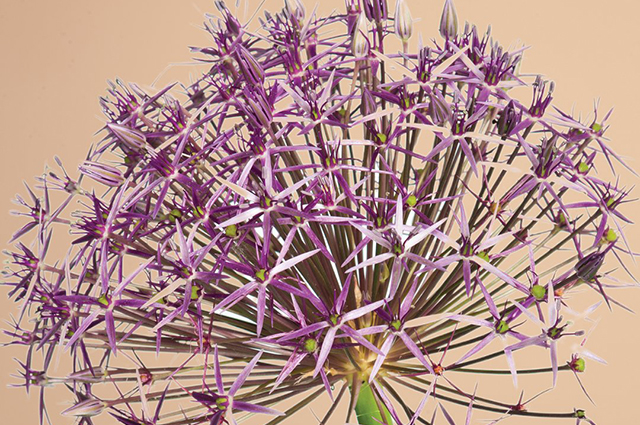
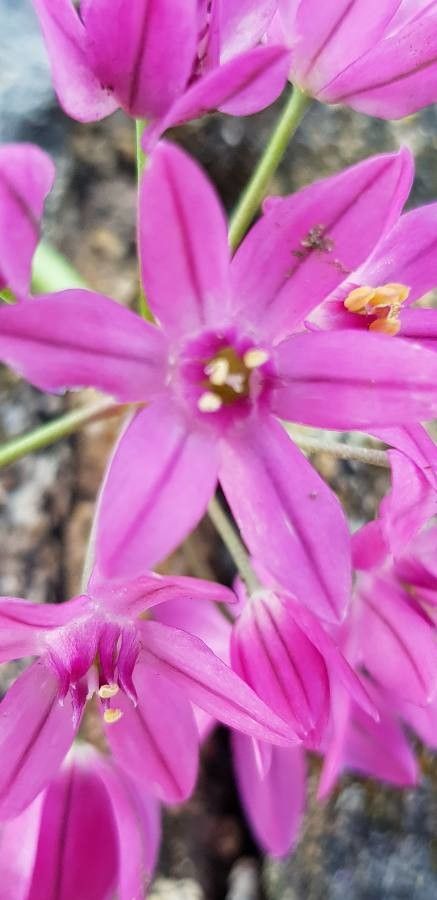
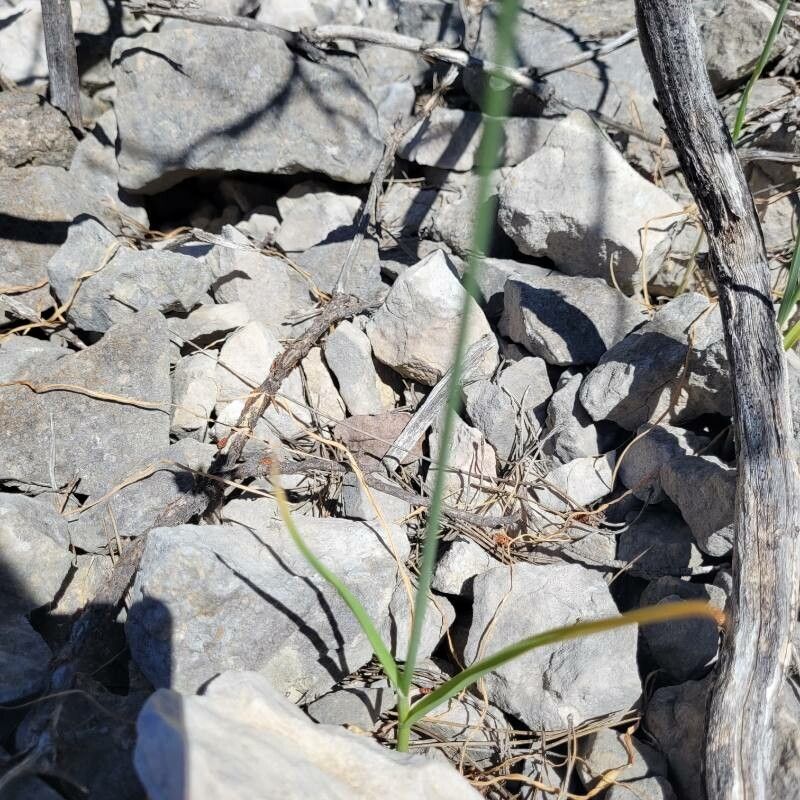
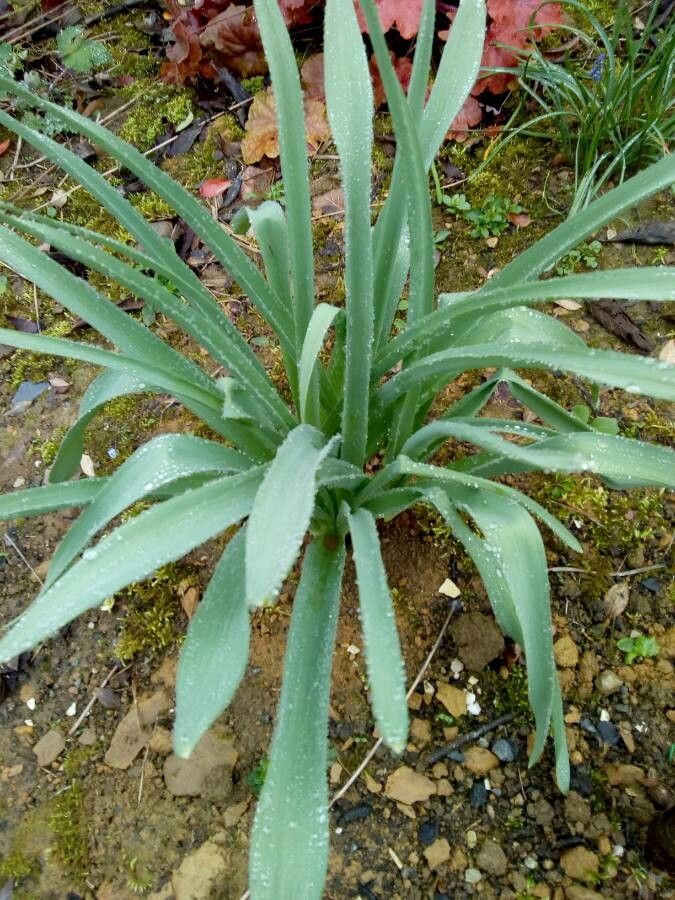
Allium bisceptrum, also known as the twincrest onion or aspen onion, is a high elevation plant native to western United States. It is a perennial that thrives under damp and shady conditions or open meadows in California, Arizona, New Mexico, Nevada, Oregon, Washington, Idaho, and Utah.
The Twincrest onion is disease-resistant and is generally not prone to illness. Nonetheless, it can be vulnerable to pests and diseases present in its environment, though these infections are typically mild. For care, the plant needs moderate maintenance. It should be pruned regularly to maintain a neat appearance and support healthy growth. Fertilizing can also help encourage flowering. The Twincrest onion is appropriate for anyone with outdoor space, such as a garden or patio, and does not require extensive care experience. It may need more attention if grown indoors.
How to keep Allium Bisceptrum.
Light
Twincrest onion is a sun-loving, perennial herbaceous plant native to open habitats, where it commonly grows in meadows and grasslands. It prefers full sun but can tolerate partial sun.
Water
The Twincrest onion thrives on rocky slopes and in meadows, where it prefers well-drained soil and has moderate drought tolerance. To keep it adequately hydrated, water it weekly, but be careful not to over-saturate the soil. In outdoor settings, Twincrest onions benefit from natural rainfall. However, when grown in gardens or containers, it's crucial to ensure proper drainage to prevent root rot during wet seasons.
Fertilizer
The primary time to fertilize Twincrest onion is in early spring when the flowers are forming. Using the proper fertilizer promotes stronger blooms and helps Twincrest onion produce attractive flowers. Fertilizing in early spring guarantees good flowers through the season and supplies energy for dormant growth phases.
Pruning
The Twincrest onion is a perennial plant known for its unique bulbs and attractive flowers. To achieve the best results, prune it between early and late spring by removing dead leaves and spent stalks. Trimming the foliage after it has flowered helps redirect energy to the bulbs, which boosts their vigor and enhances the garden’s aesthetic appeal.
Pot & Repot
For Twincrest onions to thrive in pots, excellent drainage is essential. Proper drainage prevents overwatering and root rot, which are critical for maintaining healthy growth.
Botanical profile.
- Plant Type
- Herb
- Life Cycle
- Perennial
- Genus
- Allium
- Family
- Amaryllidaceae
- Hardiness Zone
- 4-8
- Mature Height
- 20 cm to 40 cm
- Mature Spread
- 15 cm to 25 cm
- Leaf Color
- Green
- Leaf Type
- Deciduous
- Flower Color
- Pink
- Flower Size
- 1.02 cm to 1.52 cm
- Bloom Time
- Mid spring, Late spring
- Planting Time
- Spring, Summer
- Harvest Time
- Early summer, Mid summer
- Native Area
- Mexico
Other names.
Reader questions.
What is Twincrest onion?
Twincrest onion, known botanically as Allium bisceptrum, does not have detailed essentials, symptoms, or additional information provided. The data primarily identifies the plant by its common name, Twincrest onion, and its botanical name, Allium bisceptrum.