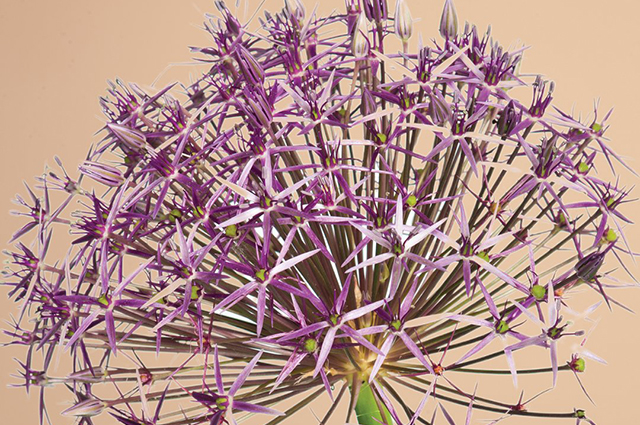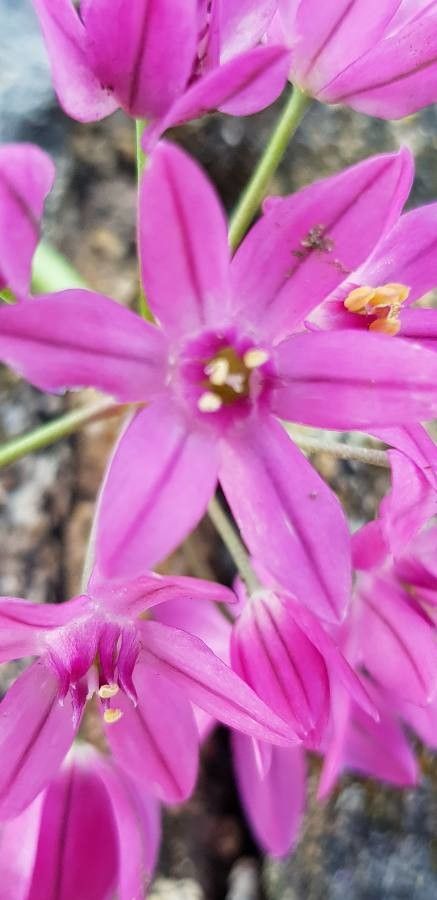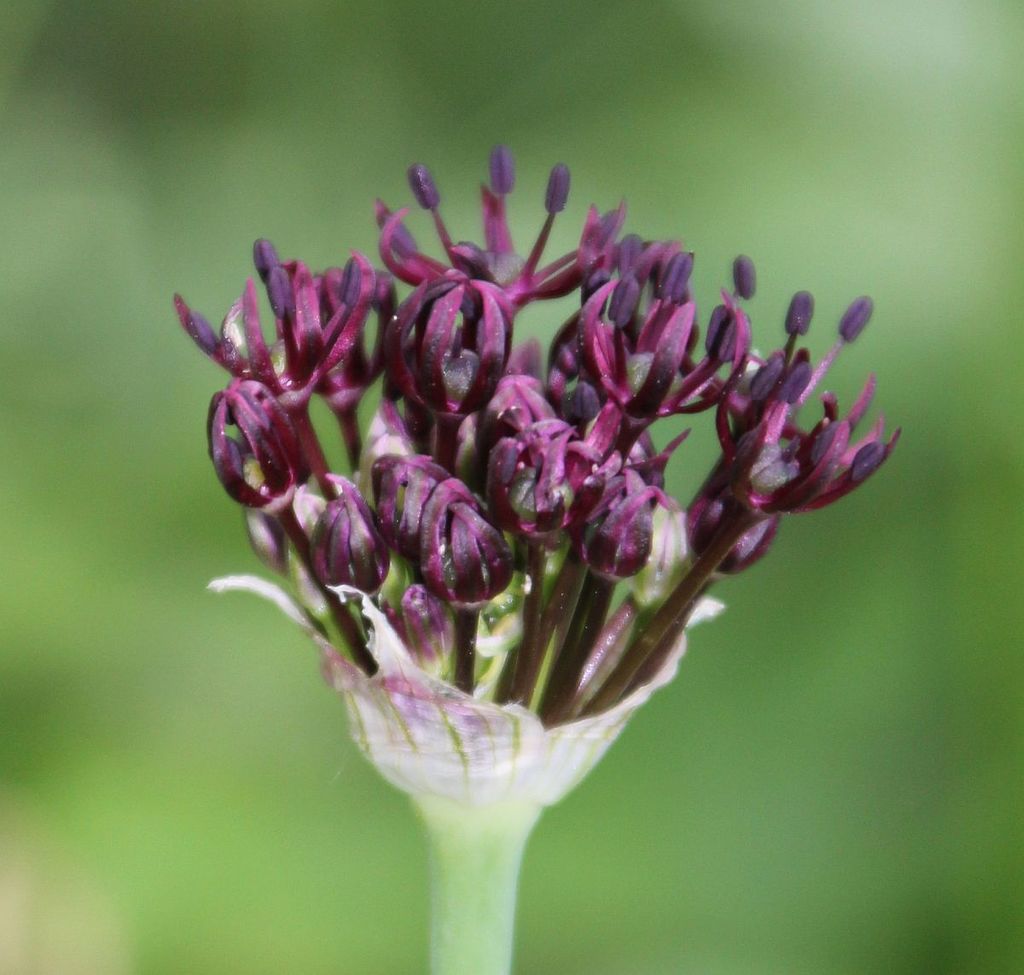
Allium atropurpureum is a plant species native to Hungary, the Balkans, and Turkey. It is widely grown as an ornamental for its rich, deep purple flowers.
Allium atropurpureum shows strong resistance to disease and typically does not suffer from illnesses. Nevertheless, it can be vulnerable to pests and diseases that exist in its environment. Such infections are commonly mild. Regarding care, this species demands a moderate level of maintenance. Regular pruning is necessary to preserve an attractive appearance and promote healthy growth. Applying fertilizer can also encourage blooming. Allium atropurpureum is appropriate for anyone with outdoor areas like a garden or patio and does not need extensive gardening experience. If kept indoors, it may need more attentive care.
How to keep Allium Atropurpureum.
Light
Allium atropurpureum is a perennial herbaceous plant that originates in open habitats and commonly grows in meadows and grasslands. It prefers full sun but can also tolerate partial sun.
Water
Allium atropurpureum flourishes in dry, sunny environments and is tolerant of drought. To mimic its natural conditions, it should be watered weekly, allowing the soil to dry slightly between waterings. As an outdoor plant, it adapts to seasonal rainfall and requires less attention during wetter months.
Temperature
Allium atropurpureum can tolerate a wide range of temperatures, though its distribution can still be restricted by different combinations of moisture and heat. It grows best in warm summer conditions with sufficient rainfall or irrigation. Extended stretches of cloudy, rainy weather, as well as prolonged high temperatures, raise the chance that Allium atropurpureum will die. In winter, adequate protection from cold can enhance the plant’s survival rate.
Fertilizer
The best time to fertilize an Allium atropurpureum is in early spring, when it is coming out of dormancy and beginning active growth. Fertilization supplies essential nutrients for healthy development. Although Allium atropurpureum has fairly low fertilizer requirements, giving it fertilizer once a year can improve its survival and encourage better, longer-lasting blooms.
Pruning
Allium atropurpureum showcases deep purple, spherical blooms and requires minimal pruning. In early spring, trim any dead foliage to encourage new growth. After the flowers have bloomed, remove the spent blooms to help the bulb conserve energy. Pruning damaged leaves can enhance the plant's health and improve future blooming. Consult an expert for specialized care if needed.
Pot & Repot
For optimal growth, Allium atropurpureum should be repotted every 2-3 years, ideally in late summer or fall after blooming. Choose a wider pot to allow space for the bulbs to spread and ensure it has good drainage. After repotting, water the plant gently and place it in full sunlight. Be careful not to overwater.
Botanical profile.
- Plant Type
- Herb
- Life Cycle
- Perennial
- Genus
- Allium
- Family
- Amaryllidaceae
- Hardiness Zone
- 4-9
- Mature Height
- 91 cm
- Mature Spread
- 20 cm
- Leaf Color
- Green
- Leaf Type
- Deciduous
- Flower Color
- Purple
- Flower Size
- 5.08 cm to 6.35 cm
- Bloom Time
- Late spring, Early summer
- Planting Time
- Spring
- Harvest Time
- Mid summer, Late summer
- Native Area
- Turkey, Romania, Bulgaria, Hungary, Croatia, Serbia