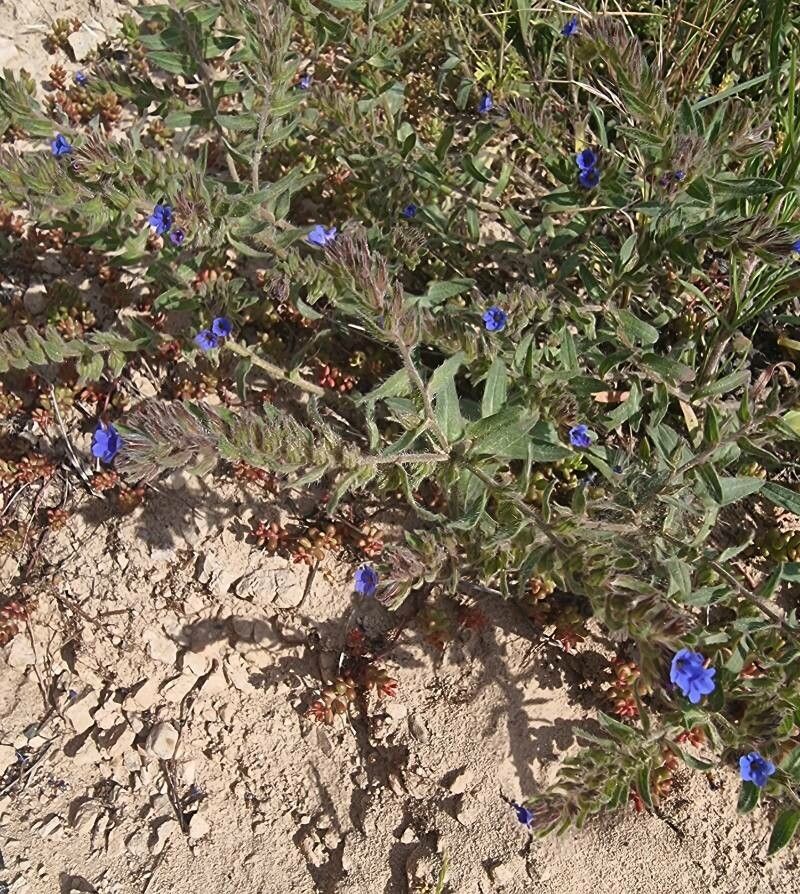
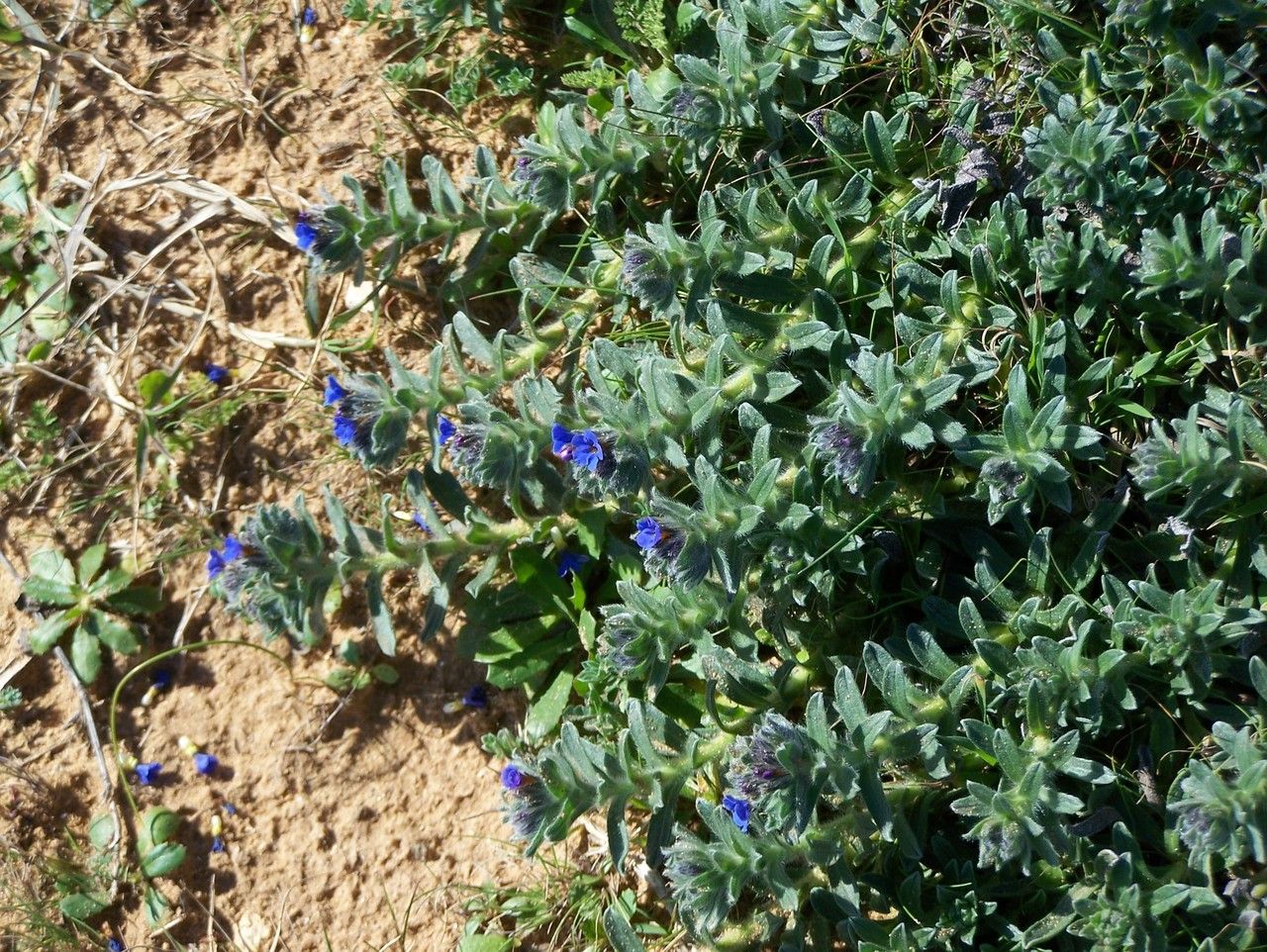
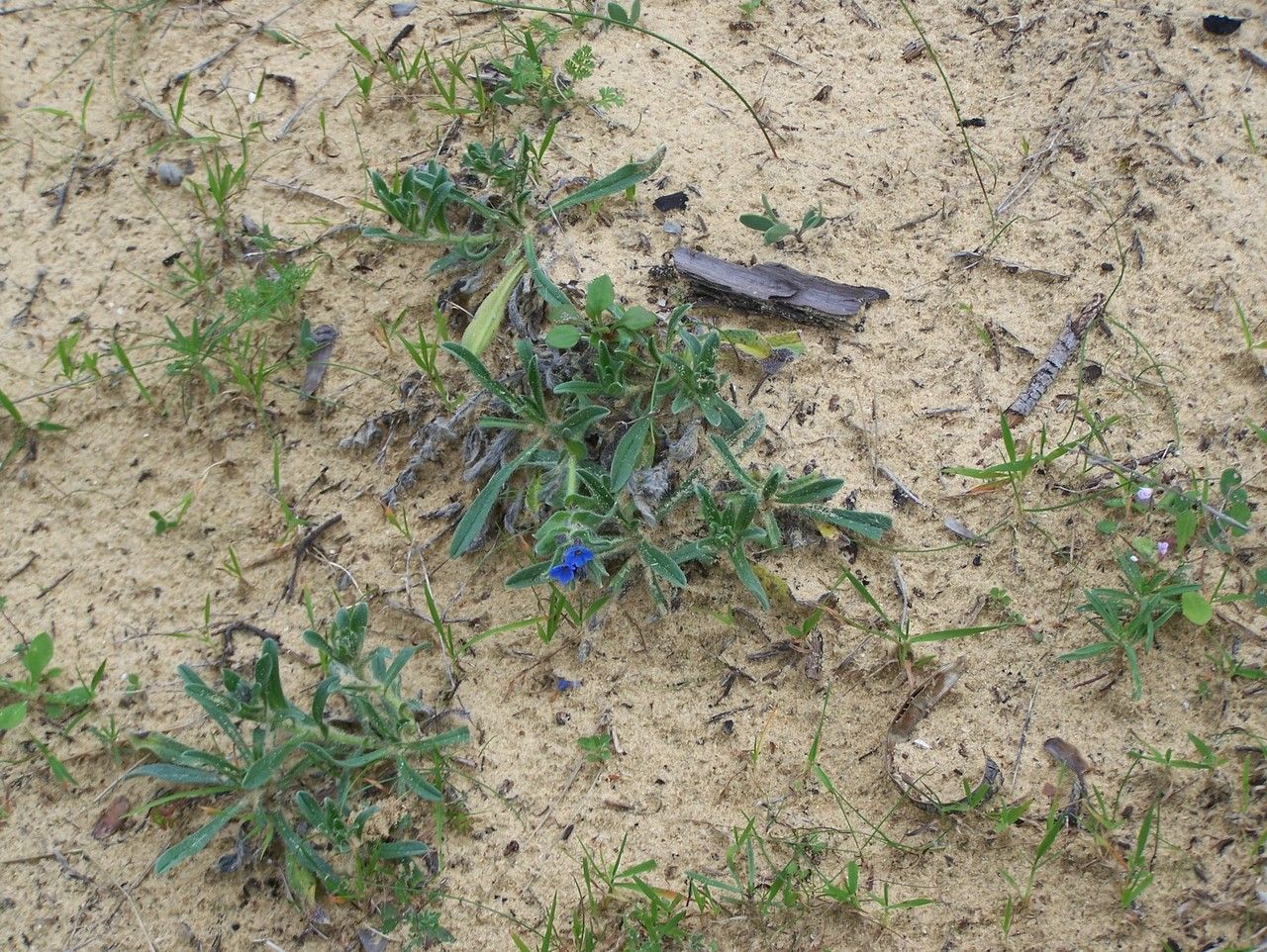
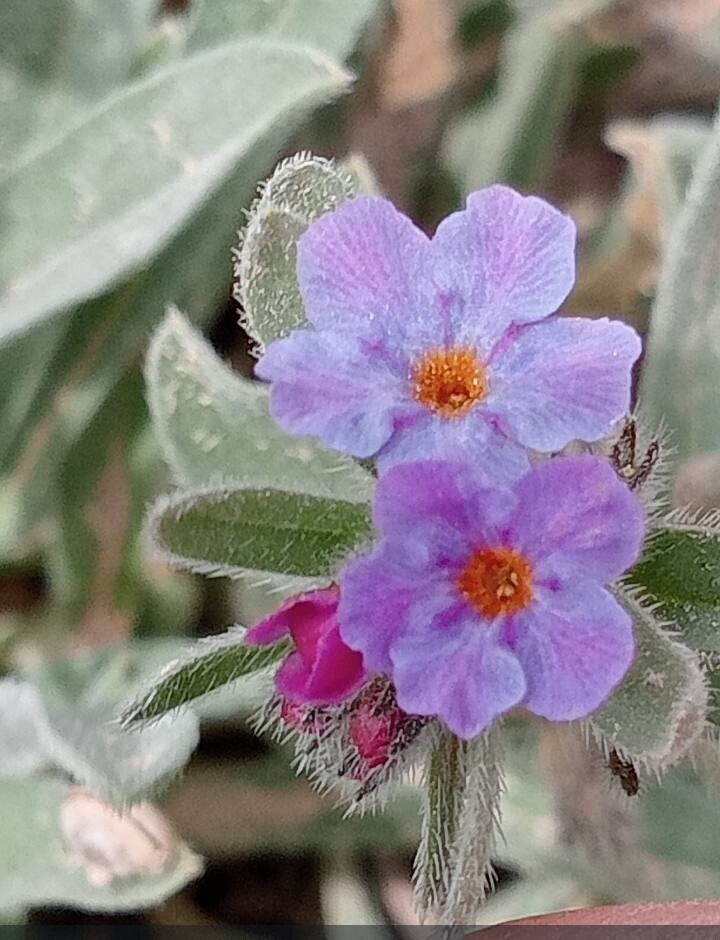
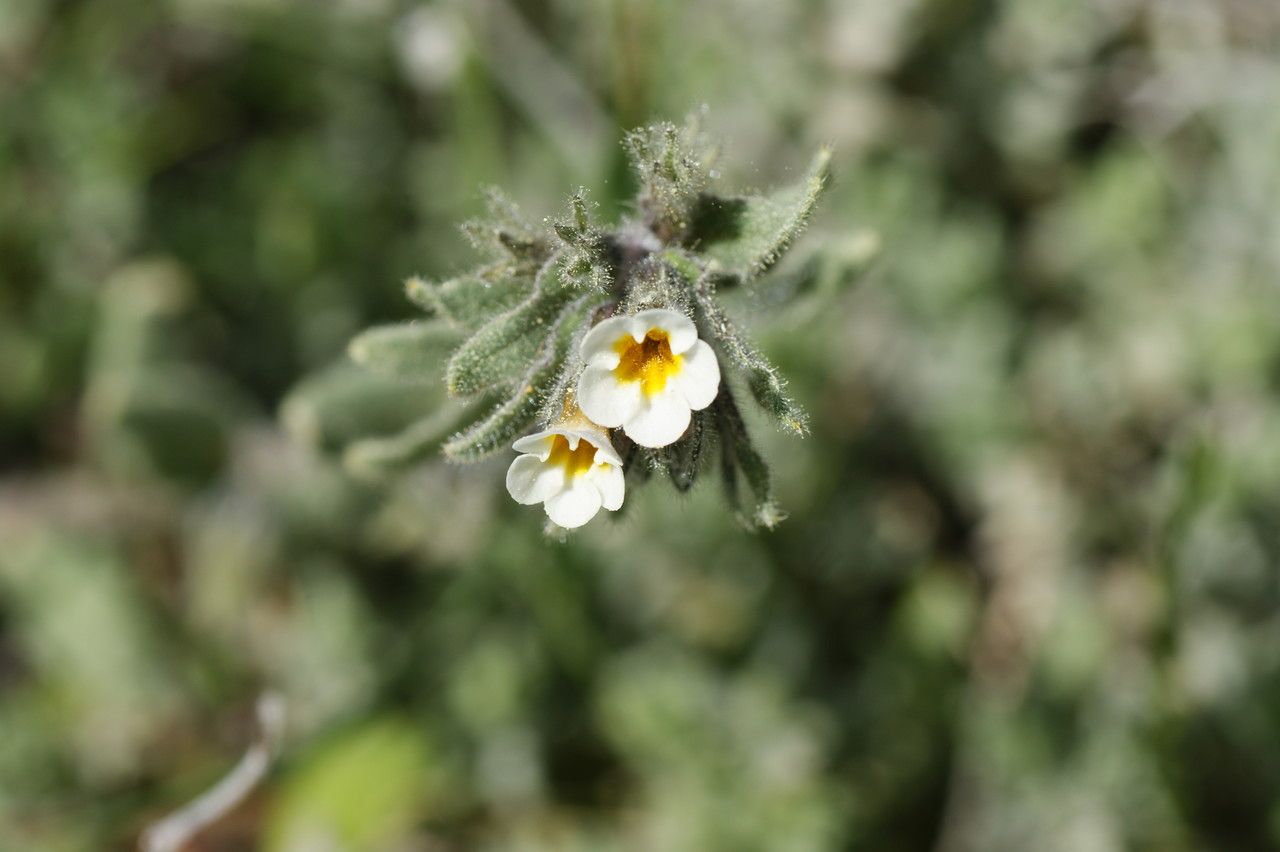
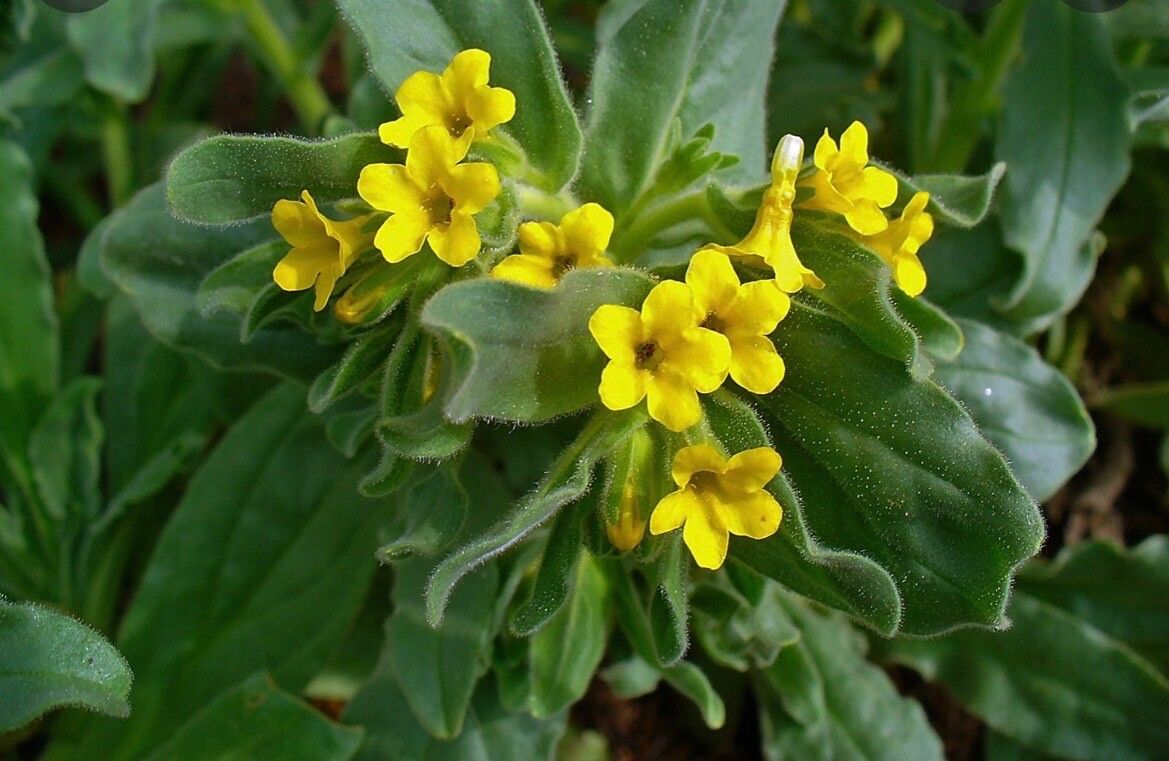
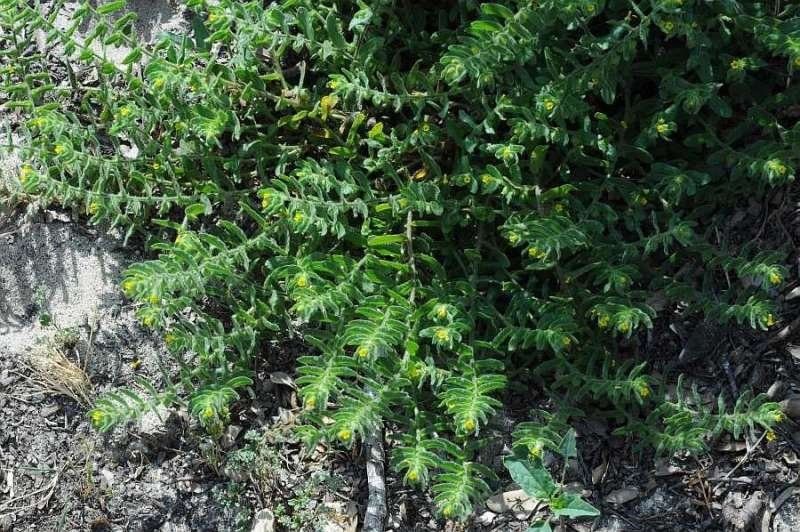
Alkanna tinctoria, commonly known as dyer's alkanet or simply alkanet, is a perennial herbaceous plant belonging to the Boraginaceae family. Native to the Mediterranean region, it is found in various parts of Europe, Asia, and North Africa.
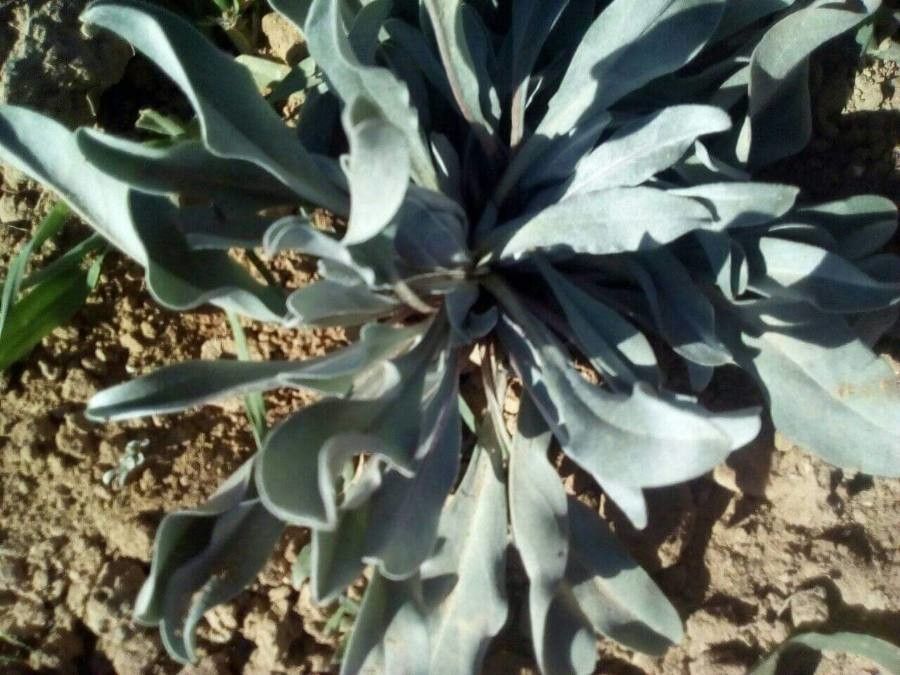
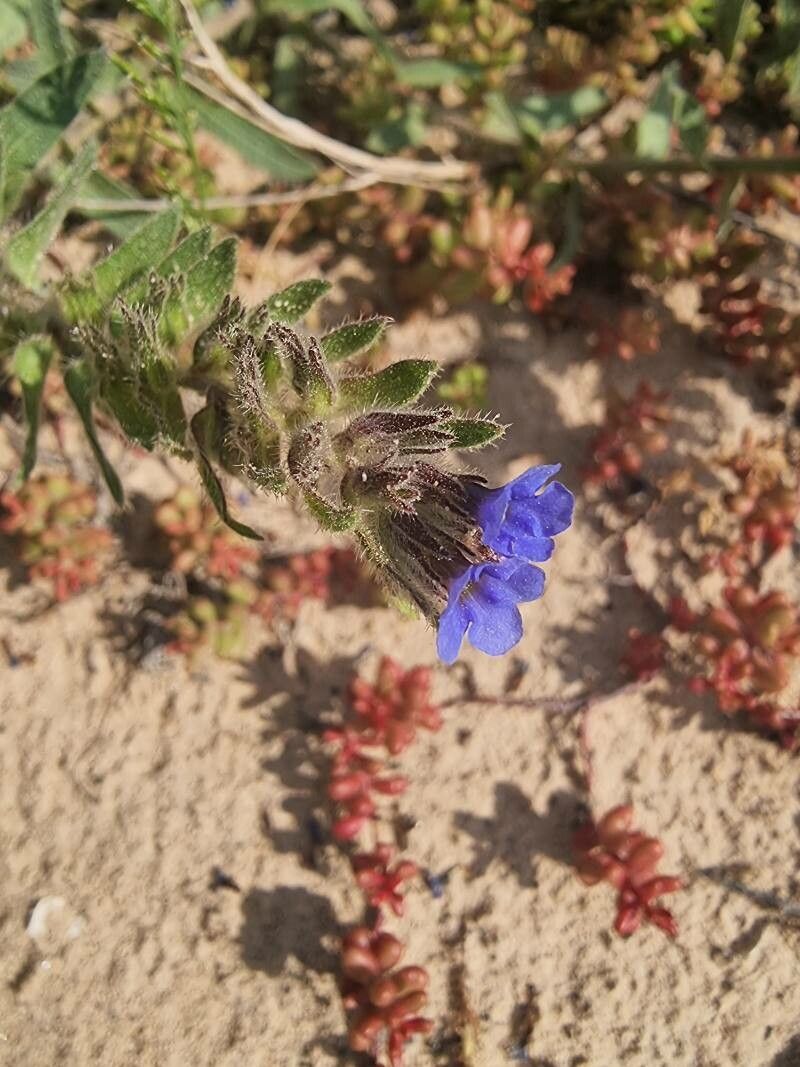
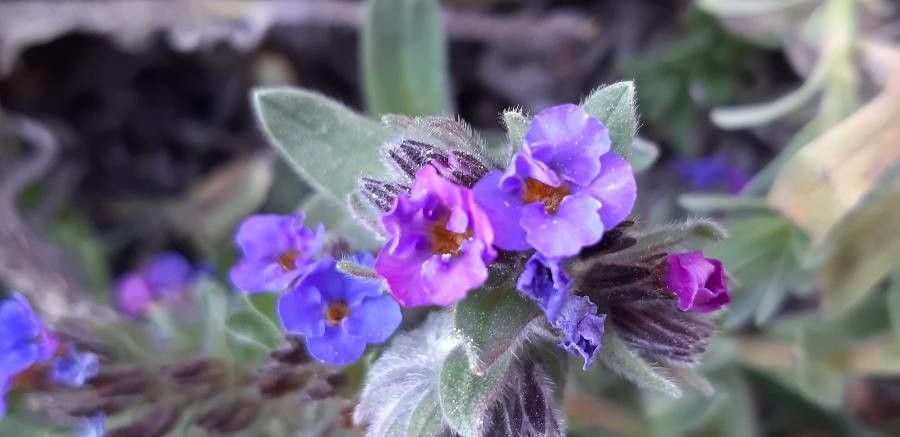
The plant can grow up to 60 cm in height and features hairy, lance-shaped leaves with pointed tips. Its flowers are small, bright blue-purple, and have five petals arranged in a funnel shape. The roots contain a red dye that has been used for centuries as a natural coloring agent in textiles, cosmetics, food products, and even wine.
In addition to its role as a dye, Alkanna tinctoria possesses medicinal properties attributed to its high content of alkannin compounds, which have anti-inflammatory effects. Traditionally, it has been used to treat skin conditions such as eczema and psoriasis.
Overall, Alkanna tinctoria is a fascinating plant with practical uses as a natural dye and potential health benefits. Its medicinal properties make it a valuable component of traditional medicine practices around the world today.
Dyer's alkanet has strong resistance to disease and is generally not prone to illnesses. However, it can be vulnerable to pests and diseases present in its environment, and such infections are typically not severe. Regarding care, the plant requires a moderate amount of maintenance. It should be pruned regularly to maintain a neat appearance and healthy growth. Fertilizing can also encourage flowering. Dyer's alkanet is suitable for anyone with outdoor space, such as a garden or patio, and does not demand extensive gardening experience. It may need more attention when grown indoors.
How to keep Alkanna Tinctoria.
Light
Dyer's alkanet is a sun-loving herbaceous perennial that comes from open habitats and is frequently found in meadows and grasslands. It prefers full sun but can also tolerate partial sun.
Water
Dyer's alkanet flourishes in arid areas due to its excellent drought tolerance and ability to adapt to low water availability. For optimal health, it needs to be watered once a week. Additionally, it can absorb moisture from the air at night, which makes it an excellent choice for dry climates.
Temperature
Dyer's alkanet can tolerate a wide range of temperatures, but its distribution may still be restricted by different combinations of moisture and heat. It does best in warm summer conditions with sufficient rainfall or watering. Extended periods of cloudy, rainy weather, and lengthy spells of high temperatures can increase the chance of Dyer's alkanet dying. In winter, proper protection from cold can boost the plant's survival rate.
Fertilizer
The best time to fertilize a Dyer's alkanet is in early spring, as it emerges from dormancy and starts active growth. Fertilization supplies essential nutrients for healthy development. Although Dyer's alkanet has relatively low fertilizer requirements, applying fertilizer annually can improve its survival and encourage better, longer-lasting flowers.
Pruning
To promote healthy growth and vibrant blue flowers, prune Dyer's alkanet from early to late spring. Carefully trim away any dead wood to avoid stressing the plant. Regular pruning not only prevents disease but also enhances the plant's bushiness, ensuring robust growth throughout the growing season.
Botanical profile.
- Plant Type
- Herb
- Life Cycle
- Perennial
- Genus
- Alkanna
- Family
- Boraginaceae
- Hardiness Zone
- 6
- Mature Height
- 20 cm
- Mature Spread
- 30 cm
- Leaf Color
- Green, Dark Green
- Leaf Type
- Semi-evergreen
- Flower Color
- Blue
- Flower Size
- 0.51 cm to 0.76 cm
- Bloom Time
- Mid spring, Late spring, Early summer
- Planting Time
- Spring, Summer, Autumn
- Harvest Time
- Summer
Other names.
Reader questions.
What are the sunlight requirements for Dyer's alkanet?
Dyer's alkanet thrives in conditions where it can receive full sun, defined as more than 6 hours of sunlight daily, but it also tolerates partial sun, which means about 3-6 hours of sunlight each day. Observing how sunlight moves through your garden will help in choosing spots that provide the right balance of light and shade, ensuring the plants' wellbeing. This perennial herbaceous plant is well-suited to open habitats, such as meadows and grasslands, where it can enjoy the full benefits of sunlight.
What is Dyer's alkanet?
Dyer's alkanet, scientifically known as Alkanna tinctoria, is a plant recognized for its specific uses and characteristics. However, the provided information does not include details on its essentials, symptoms of its absence, or additional notes that might elaborate on its importance or applications.
How to provide adequate lighting for Dyer's alkanet indoors?
When natural sunlight is limited, especially during winter or in less sunny spaces, artificial lighting can be a vital alternative for the growth of indoor Dyer's alkanet plants. Adequate lighting ensures healthier, faster growth. LED lights are a popular choice due to their ability to provide specific wavelengths required by plants. Full sun plants need 30-50W/sq ft, partial sun plants need 20-30W/sq ft, and full shade plants require 10-20W/sq ft of artificial light. The light source should be placed 12-36 inches above the plant, mimicking natural sunlight as closely as possible, and most plants benefit from 8-12 hours of light per day.
What are the symptoms of light deficiency in Dyer's alkanet and how can they be addressed?
Symptoms of light deficiency in Dyer's alkanet include smaller leaves, leggy or sparse growth, faster leaf drop, slower or no new growth, lighter-colored new leaves, chlorosis, sunscald, leaf curling, wilting, and leaf scorching. Solutions for indoor plants involve moving them to sunnier spots to ensure at least 6 hours of direct sunlight daily or using artificial lighting if relocation isn't feasible. For outdoor care, it's key to make gradual adjustments to light exposure to prevent sunburn. Minimizing obstructions can enhance sunlight access; pruning or transplanting may be necessary. It's important to remember that while new growth will be healthy following increased light exposure, parts of the plant already damaged by insufficient light may not recover.
What are the ideal conditions and care strategies for Dyer's alkanet?
Dyer's alkanet ideally requires full sunshine but can manage with partial sun. For those growing the plant indoors, ensuring it gets adequate light is crucial. This might involve using artificial light sources, such as LED lights, to compensate for the lack of natural sunlight. Regarding outdoor planting, gradual adaptation to full sunlight is recommended, as well as ensuring the plant is not suddenly exposed to intense light. Pruning surrounding foliage might also be necessary to provide the plant with enough sunlight. For plants struggling with light deficiency, a combination of relocating to sunnier areas and utilizing artificial lights can help in promoting healthier growth.