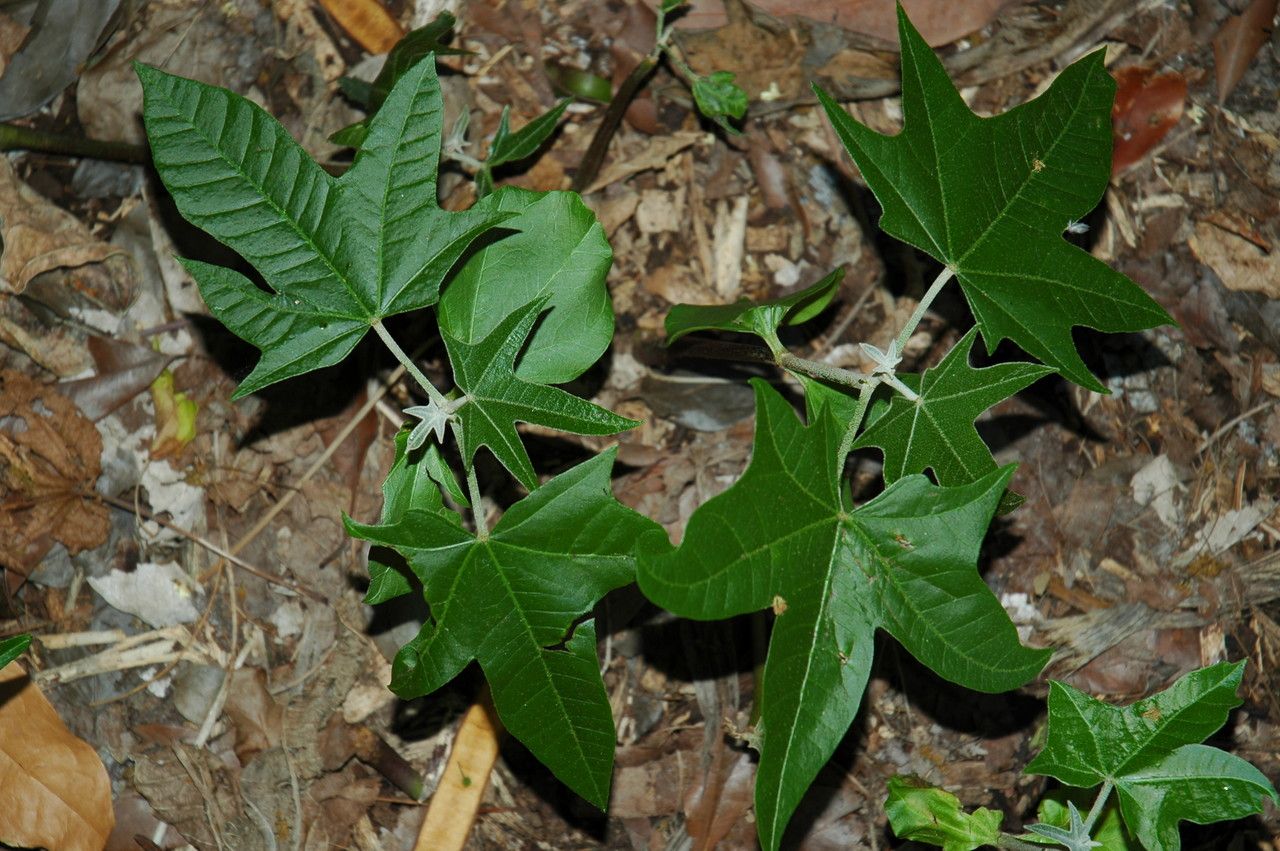
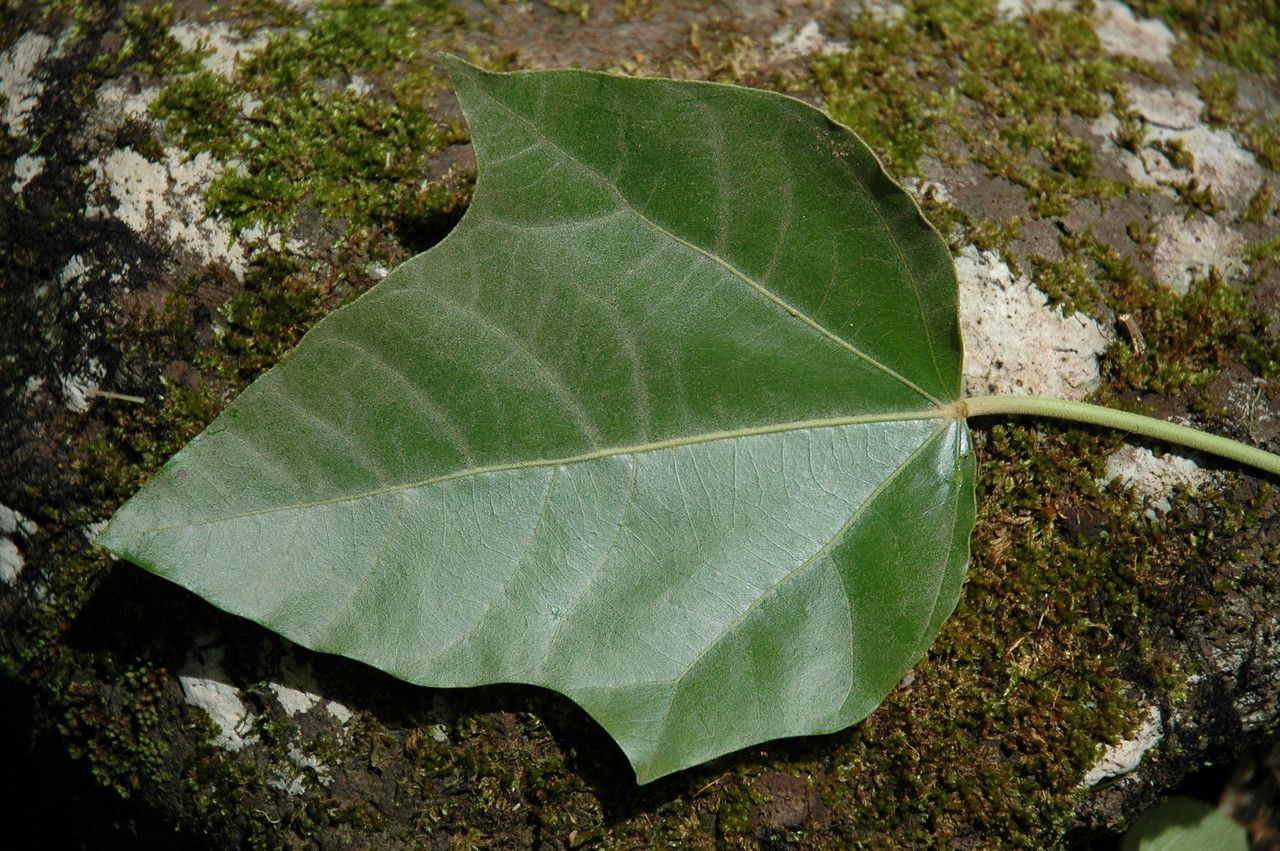
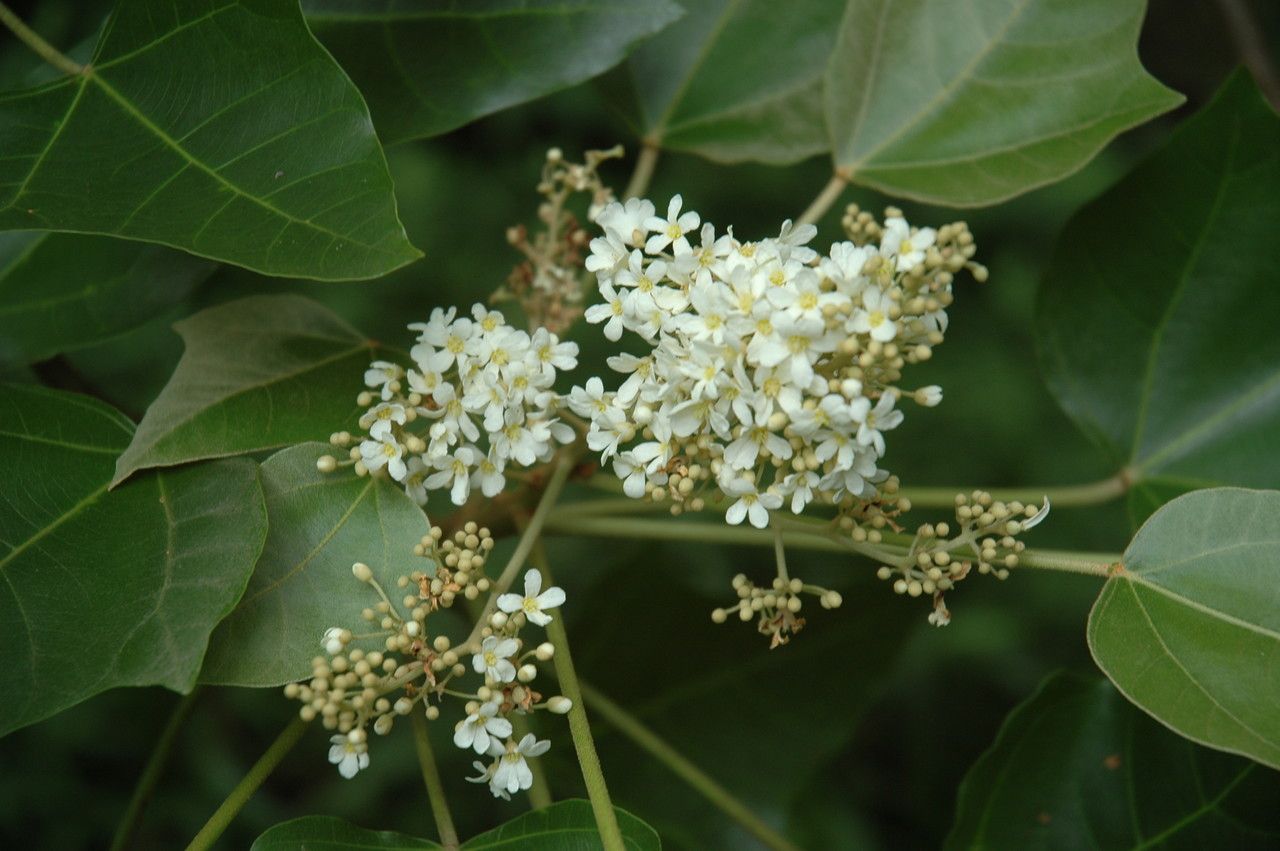
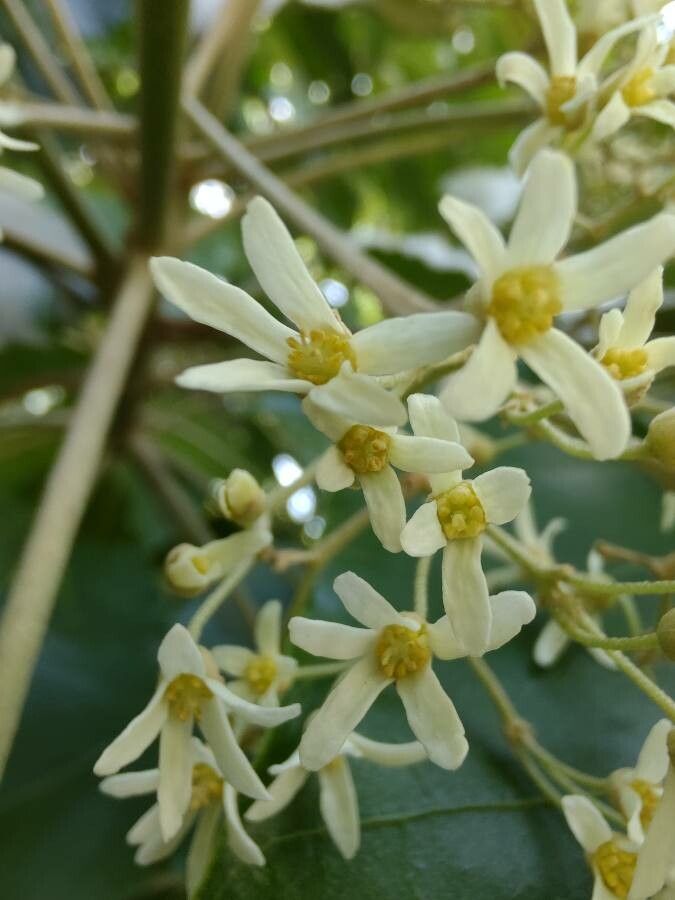
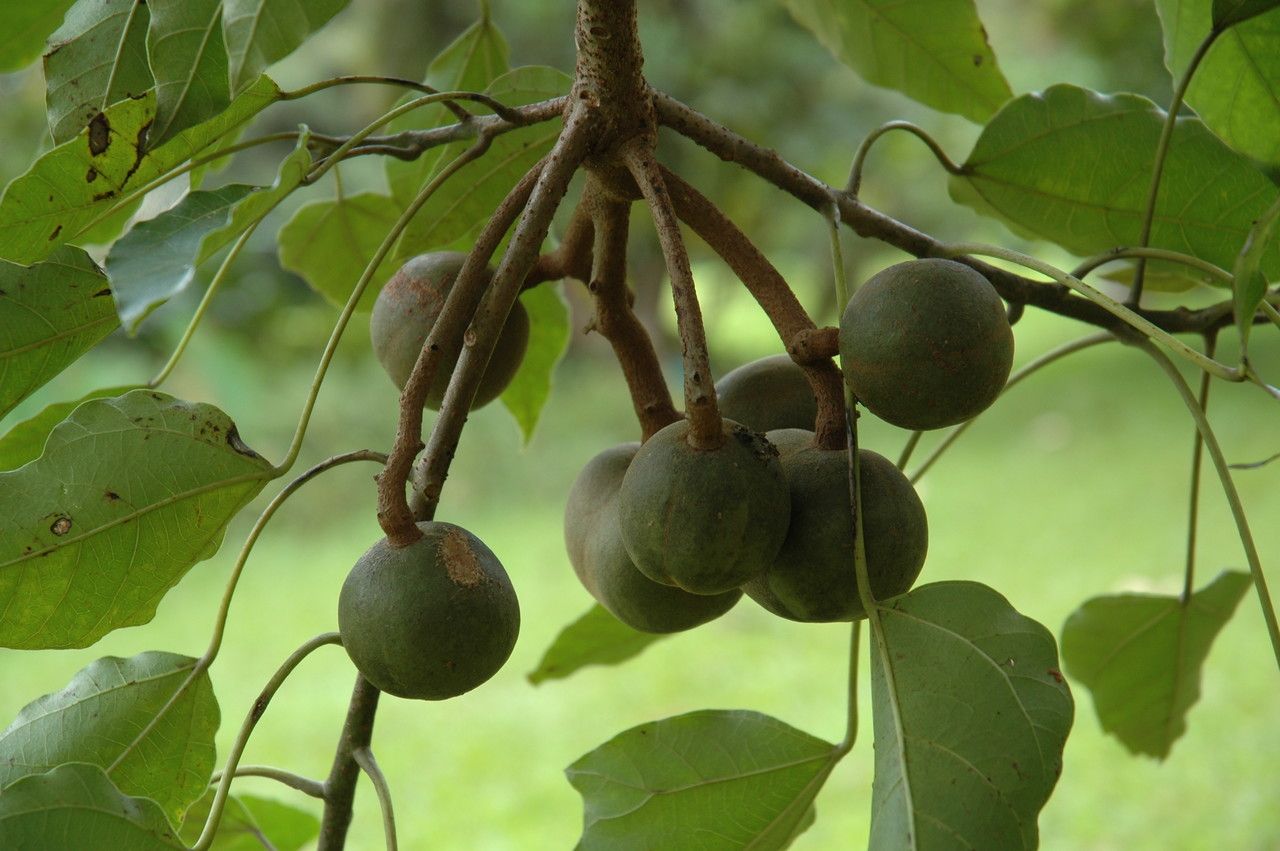
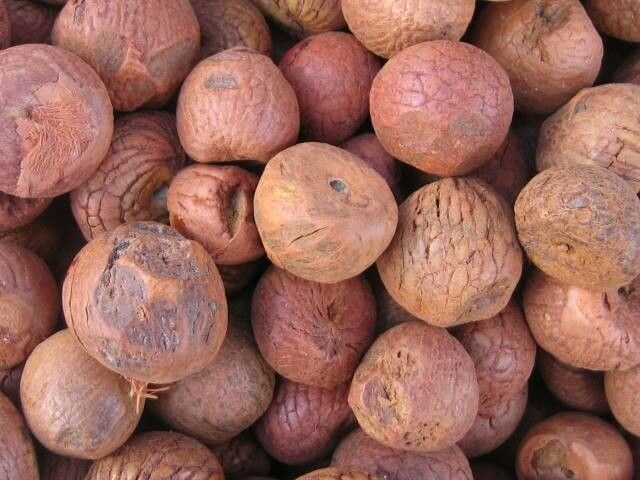
Aleurites moluccanus, the candlenut, is a flowering tree in the spurge family, Euphorbiaceae, also known as candleberry, Indian walnut, kemiri, varnish tree, nuez de la India, buah keras, godou, kukui nut tree, and rata kekuna.
Candlenut has moderate resistance to disease but can be prone to problems like leaf spot. Its vulnerability to insect pests varies by variety, though most are relatively susceptible to pests. For care, Candlenut requires consistent watering and fertilizing, along with regular removal of yellowing leaves. It's important to manage pests and diseases as they appear and to harvest the plant promptly. Candlenut is appropriate for people who can dedicate some time and effort to regular maintenance.
How to keep Aleurites Moluccanus.
Light
Candlenut thrives primarily with a large amount of sunlight. Its native habitat reflects regions exposed to abundant sun. At every stage of growth, ample sunlight is essential for healthy development. Both too little and too much sun can hinder growth and cause adverse effects.
Water
Candlenut thrives in tropical rainforests, where high humidity and balanced watering are essential. To keep it healthy, it should be watered every two weeks. As an evergreen, candlenut retains its leaves throughout the year, so it needs consistent moisture even during the non-growing seasons.
Temperature
Candlenut is native to regions with temperatures from 68 to 100 °F (20 to 38 ℃), showing a preference for warm conditions. To imitate this natural habitat, adjustments to temperature—commonly prompted by seasonal shifts—may be needed.
Fertilizer
For Candlenut, opt for natural organic materials like compost, grass clippings, or manure. A slow-release granular fertilizer or a commercial fertilizer may be applied, but only sparingly. Incorporate the organic fertilizer into the soil before planting. Generally, one to two fertilizer applications each growing season are enough to ensure a bountiful harvest.
Pruning
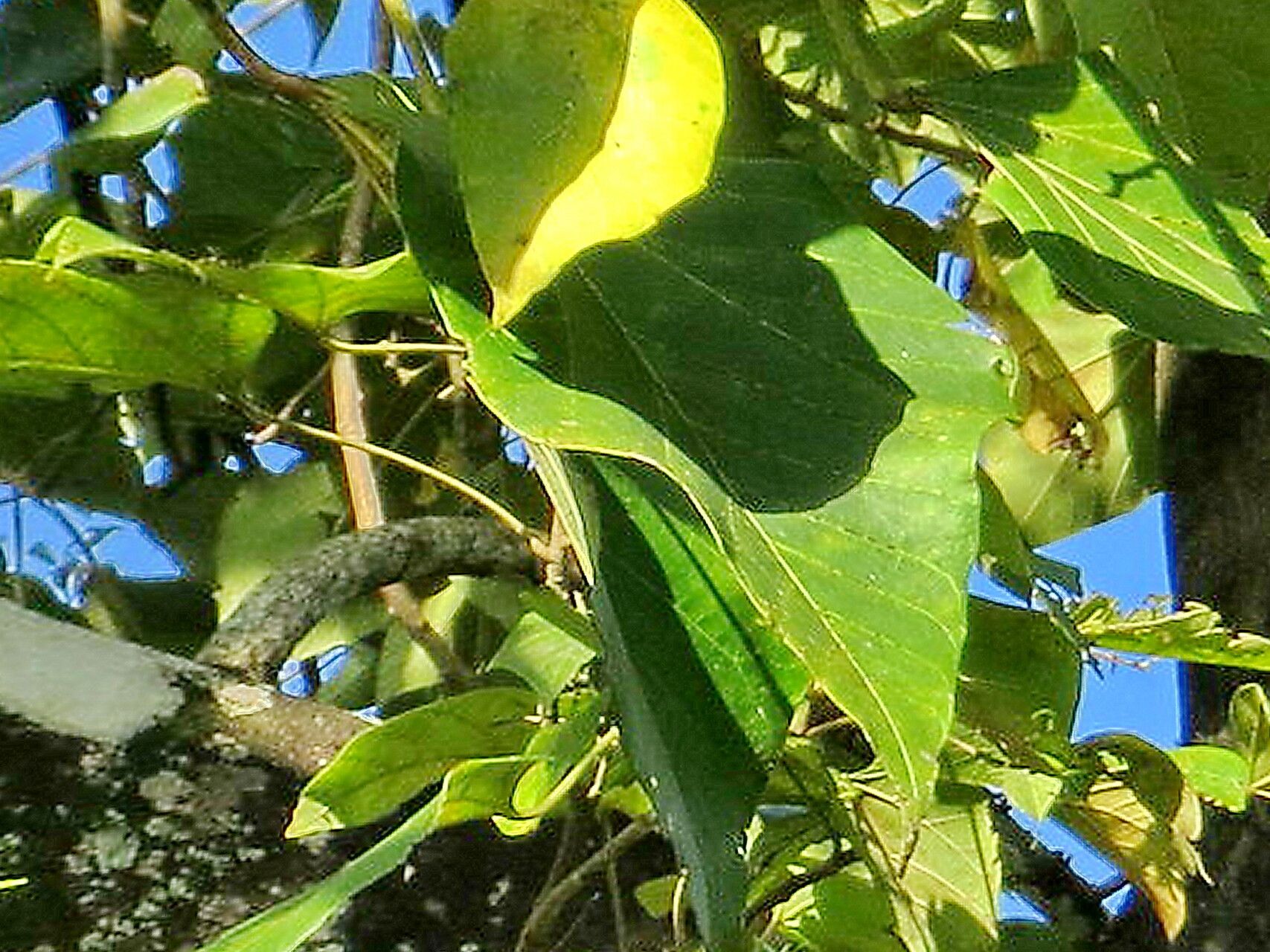
Candlenut trees have large, glossy leaves and distinctive seed pods. It's best to prune them in early to late winter while they are dormant. Remove any dead or crossing branches to improve air circulation and light penetration. Thinning the branches helps reduce the risk of disease, encourages strong growth, and promotes flowering and fruiting. Always use clean tools when pruning to prevent the spread of disease.
Botanical profile.
- Plant Type
- Tree
- Life Cycle
- Perennial
- Genus
- Aleurites
- Family
- Euphorbiaceae
- Hardiness Zone
- 10-12
- Mature Height
- 14.94 m to 24.99 m
- Mature Spread
- 20.12 m
- Leaf Color
- Green
- Leaf Type
- Evergreen
- Flower Color
- White
- Flower Size
- 2.54 cm
- Bloom Time
- Mid spring, Late spring, Early summer
- Planting Time
- Spring, Summer, Autumn, Winter
- Harvest Time
- Late summer, Early fall, Mid fall
- Native Area
- Sri Lanka, India, Malaysia, Vanuatu, Philippines, Bangladesh, Laos, Brunei, New Zealand, China, Solomon Islands, Indonesia, Cambodia, Vietnam, Myanmar, Papua New Guinea, Thailand
Other names.
Reader questions.
How should I water my Candlenut plant?
Your Candlenut plant is not very particular about how you water it. You can use a variety of watering tools, such as watering cans, hoses, or even cups. It's important to water the soil directly and ensure that all areas of the soil are evenly moistened to provide sufficient water to the entire root system. Using filtered water is recommended to avoid harmful particles found in tap water. Also, it's best to use water that is at or slightly above room temperature, as extremely cold or hot water may shock the Candlenut. However, the plant generally responds well to any type of water you use.
Why do I have to give my Candlenut plant fertilizer?
To decide whether or not to fertilize your Candlenut, consider the soil conditions in your garden. If your Candlenut crop yields a good harvest, it's likely that you don't need fertilizer. However, the most accurate way to determine this is by testing the soil. You can either use a kit to test it yourself or send a sample to a lab for analysis. By understanding the nutrient levels in your soil, you can better determine if additional fertilizer is needed.
What are the sunlight requirements for Candlenut plants?
Candlenut plants require above 6 hours of sunlight to thrive optimally and are fundamentally suited to regions that offer substantial sun exposure throughout their growth stages. Sunlight plays a crucial role in their development, and both lack and excess of it can cause adverse effects. It's important to observe the movement of sunlight in your garden closely and select areas that provide a good mix of light and shade, ensuring the plants' well-being.
What is the native climate for Candlenut?
Candlenut is native to climates with temperatures ranging from 68 to 100 °F (20 to 38 °C), which indicates a preference for warm environments. To mimic its natural habitat, adjustments in temperature conditions, typically due to seasonal changes, may be necessary. This preference means that Candlenut thrives best in warm temperatures, and during winter cultivation, it's beneficial for the plant's growth to maintain temperatures above 20°C. The minimum temperature should always be kept above the freezing point to prevent the plant from suffering freezing damage. In cases where the outdoor temperature approaches -5°C (25°F) during winter, it is advisable to bring the Candlenut indoors or provide protection by setting up a temporary greenhouse or using materials such as plastic film or fabric to wrap the plant.
What should I do if I give my Candlenut plant too much or too little water?
Outdoor plants, especially newly planted ones or seedlings, can be prone to lack of watering. It's important to remember to water them enough for the first few months, especially while the tree is small or recently planted. Once the roots are established, Candlenut can rely on rain for most of its water needs. When Candlenut is planted in pots, overwatering is more likely. If you accidentally overwater your Candlenut, you should take immediate action to fix the situation. Stop watering the plant right away to minimize the effects of overwatering. Then, carefully inspect the roots by removing the Candlenut from its pot. If there is no sign of root rot, you can return the plant to its container. However, if root rot is present, trim away the affected roots and consider applying a fungicide to prevent further damage. Repot the Candlenut in well-draining soil. In the case of underwatering, simply water the Candlenut more frequently. It's relatively easy to fix underwatering. If the leaves of the plant droop, dry out, or fall off due to lack of water, they will quickly return to their fullness after sufficient watering. It's important to correct your watering frequency as soon as you notice signs of underwatering.
When should I fertilize my Candlenut tree for the best results?
To ensure a plentiful harvest of Candlenut, follow these steps: First, mix organic fertilizer into the soil at least one week before planting. Then, apply dressing on top of the soil during spring to give young plants an extra boost. Generally, one to two applications of fertilizer during the growing season should be enough.
How important is artificial lighting for indoor Candlenut plants?
Artificial lighting becomes essential when Candlenut plants are grown indoors, especially in scenarios where natural sunlight is insufficient, like during winter or in less sunny spaces. For optimal growth, indoor plants may require adequate lighting; this is where artificial lights, such as LED lights, offer a vital solution. These artificial lights should be customized to deliver the specific wavelengths needed by the plants, with full sun plants requiring 30-50W/sq ft, partial sun plants needing 20-30W/sq ft, and full shade plants necessitating 10-20W/sq ft of artificial light. The light source should ideally be placed 12-36 inches above the plant, mimicking natural sunlight as closely as possible for 8-12 hours per day to promote healthier, faster growth.
How does Candlenut react to low temperatures?
Candlenut has a moderate tolerance to low temperatures, thriving best when the temperature is kept between 20°C and 38°C. It's important to keep it above 5°C during the winter. When the temperature falls below 1°C, the leaves may darken in color, and in severe cases, symptoms such as water-soaked necrosis, wilting, drooping, and the leaves gradually turning brown can occur. To combat these issues, you should trim away the frost-damaged parts and immediately move the plant to a warmer environment indoors or set up a makeshift greenhouse for cold protection. Ideal indoor placement is near a south-facing window to ensure the plant receives ample sunlight. If sunlight is insufficient, supplemental lighting can be used.
How often do I need to water my Candlenut?
Most outdoor plants can grow naturally with rainfall. However, if your area doesn't get much rain, you'll need to water your plants every 2 weeks in the spring and fall. In the summer, you'll need to water them more often. In the winter, when plants grow slower and need less water, water them sparingly. You may not need to water at all during the winter. If your Candlenut plant is young or newly planted, you should water it more frequently to help it establish and grow. For potted plants, there are two ways to determine how often to water your Candlenut. The first is to follow a set watering schedule, such as once a week or every other week. However, this may not always work as it doesn't consider the specific growing conditions for your plant. Another option is to check the soil moisture before watering. Wait until the top two to four inches of soil, about ⅓ to ½ of the pot's depth, have completely dried out before giving more water. This method allows you to adjust the watering frequency based on the season and the plant's water needs.
When should I not put fertilizer on my Candlenut tree?
To avoid wasting fertilizer and energy, refrain from fertilizing Candlenut once most of the vegetables have been harvested, as this crop needs to be replanted annually. If your gardening location already has nutrient-rich soil, it is also unnecessary to fertilize Candlenut. This crop does not require excessive fertilization to grow successfully and produce flavorful vegetables of sufficient size. Only consider fertilizing Candlenut if a soil test reveals a deficiency in one or more nutrients in your garden soil.
What are the symptoms of improper sunlight exposure in Candlenut plants?
Candlenut plants show several symptoms when they face improper sunlight exposure, including the growth of small leaves, leggy or sparse growth, faster leaf drop, slower or halted new growth, and the development of lighter-colored new leaves. Problems like chlorosis, sunscald, leaf curling, wilting, and leaf scorching indicate either excessive sunlight or a deficiency in light. These symptoms suggest that the plants are not in the ideal conditions for accumulating necessary nutrients through photosynthesis, affecting their overall health and growth.
What should be done if a Candlenut experiences high temperatures?
During summer, it's critical to ensure that Candlenut is kept below 38°C. Exposure to temperatures exceeding 43°C will slow down its growth, cause the color of its leaves to become lighter, and make it more susceptible to sunburn. If this happens, you should trim away the sunburned and dried-up parts of the plant. Relocate the plant to an area that provides shade from the harsh afternoon sun. It's also advisable to water the plant in the morning and evening to keep the soil sufficiently moist, ensuring healthier growth despite high temperatures.