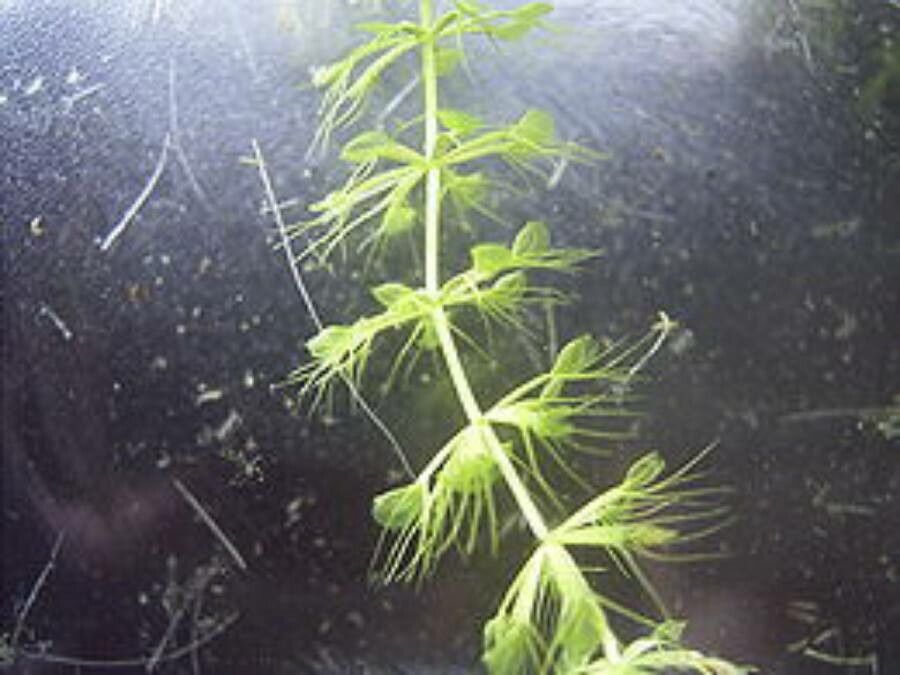
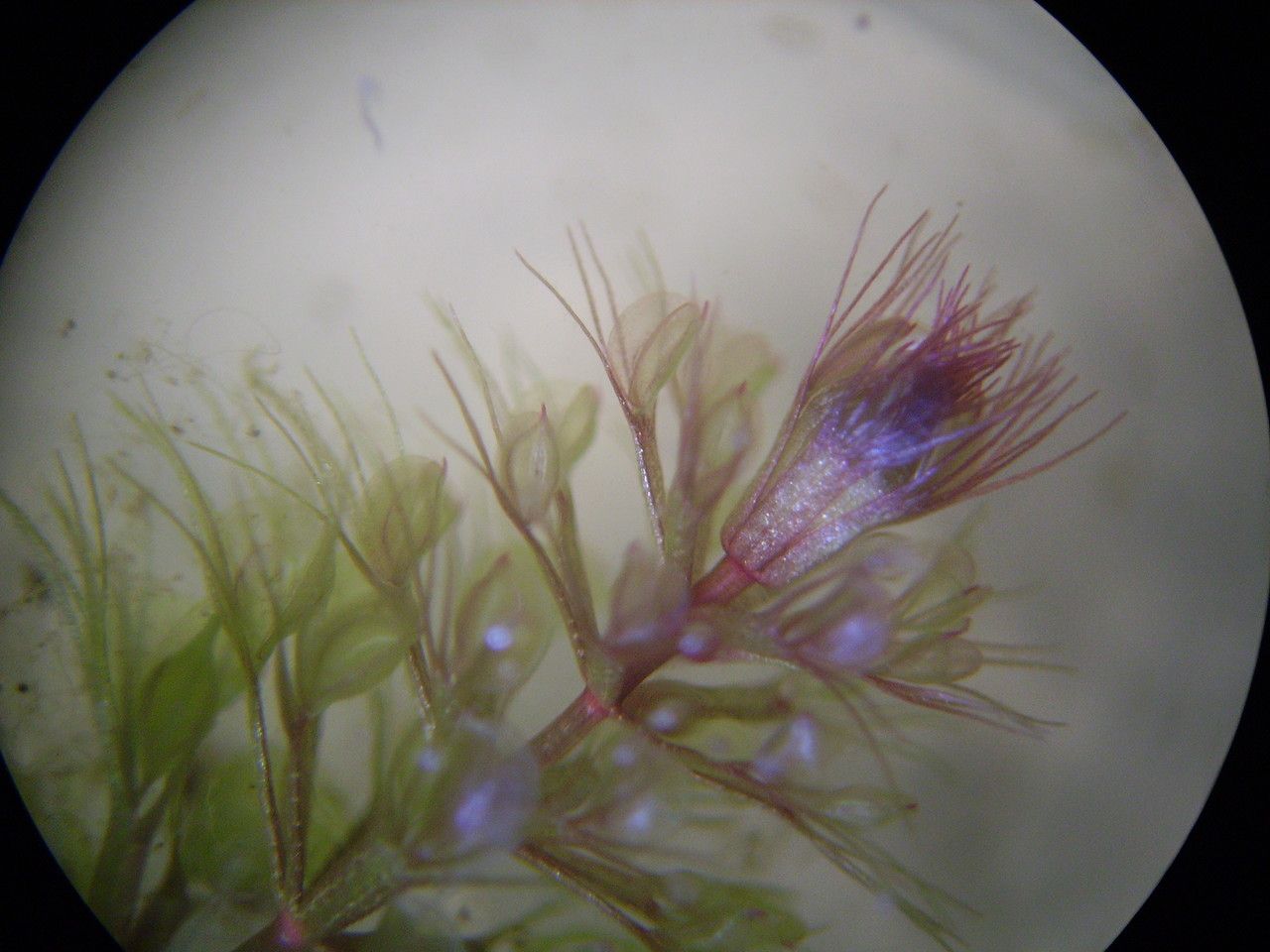
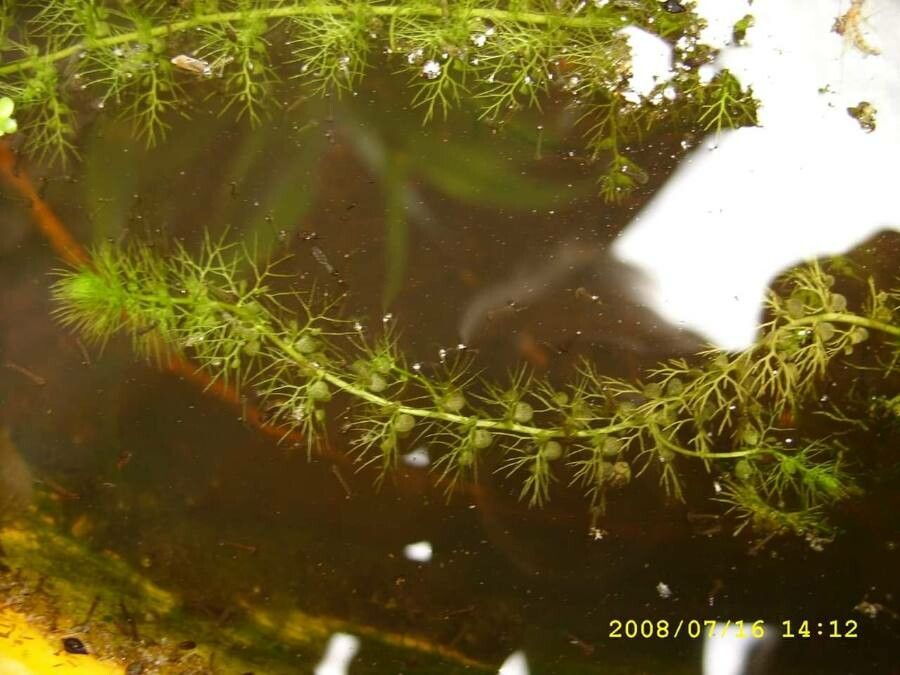
Aldrovanda vesiculosa, commonly known as the waterwheel plant, is the sole extant species in the flowering plant genus Aldrovanda of the family Droseraceae. The plant captures small aquatic invertebrates using traps similar to those of the Venus flytrap. The traps are arranged in whorls around a central, free-floating stem, giving rise to the common name. This is one of the few plant species capable of rapid movement. While the genus Aldrovanda is now monotypic, up to 19 extinct species are known in the fossil record. While the species displays a degree of morphological plasticity between populations, A. vesiculosa possesses a very low genetic diversity across its entire range.A. vesiculosa has declined over the last century to only 50 confirmed extant populations worldwide. These are spread across Europe, Africa, Asia, and Australia. However, potentially invasive populations exist in the eastern United States. It is kept by hobbyists.
The waterwheel plant has moderate resistance to disease and needs a very humid environment. However, poor ventilation can leave it vulnerable to rot. Its care is regarded as difficult because it requires continuous humidification to keep humidity high. The waterwheel plant is also highly prone to rotting when the environment is poorly ventilated and too warm. This plant is best suited to growers with more experience who can provide an appropriate growing environment.
How to keep Aldrovanda Vesiculosa.
Light
The waterwheel plant is native to areas with abundant sunlight, like open bogs and sunny wetlands. It prefers full sun but can also tolerate partial sun.
Water
The waterwheel plant thrives in high humidity and consistently moist conditions, and it prefers to be watered twice a week. It grows best outdoors on calm freshwater surfaces. Its growth is influenced by the water temperature, which affects both photosynthesis and its ability to capture prey.
Temperature
For the Waterwheel plant, moderate temperatures are preferred, much like what people normally find comfortable. It does best in conditions that are neither overly hot nor overly cold. The main problem with high heat is the chance of sunburn, so in summer it's wise to provide some shade to avoid excessive temperatures. When temperatures fall, the Waterwheel plant goes dormant. If you want it to keep growing year-round, you need to keep warmer temperatures through the winter. Frost can harm the plant and should be avoided.
Pruning
The waterwheel plant is an aquatic carnivorous plant known for its whorled leaves and snap-trap mechanisms. To encourage growth and maintain plant health, prune it from early to late spring. Pruning helps remove dead traps and prevents overcrowding, ensuring optimal light and nutrient access. Always use sterilized tools to avoid infection, and refer to reputable horticultural guides for detailed instructions.
Pot & Repot
When repotting the Waterwheel plant, select a pot 1-2 inches (2.5-5.1 cm) larger with good drainage. Use a well-draining potting mix. Repot in spring or fall, making sure the root ball sits slightly lower than the rim of the flower pot. Water thoroughly after repotting and place it in a warm spot with indirect sunlight.
Botanical profile.
- Plant Type
- Herb
- Life Cycle
- Perennial
- Genus
- Aldrovanda
- Family
- Droseraceae
- Hardiness Zone
- 7-10
- Mature Height
- 5 cm to 15 cm
- Mature Spread
- 5 cm to 10 cm
- Leaf Color
- Light Green
- Leaf Type
- Deciduous
- Flower Color
- White
- Flower Size
- 0.51 cm to 0.76 cm
- Bloom Time
- Summer
- Planting Time
- Spring
- Harvest Time
- Late summer, Early fall, Mid fall
- Native Area
- India, Austria, Slovakia, Rwanda, Croatia, Belarus, Tanzania, Uzbekistan, Russia, Germany, Cambodia, Cameroon, Burundi, Koppen, Ghana, Ethiopia, Romania, Moldova, Botswana, Netherlands, France, Czech Republic, Zambia, Sudan, Bulgaria, Poland, Bangladesh, Greece, Ukraine, Serbia, Chad, Lithuania, China, Italy, Kazakhstan, Japan, Hungary
Other names.