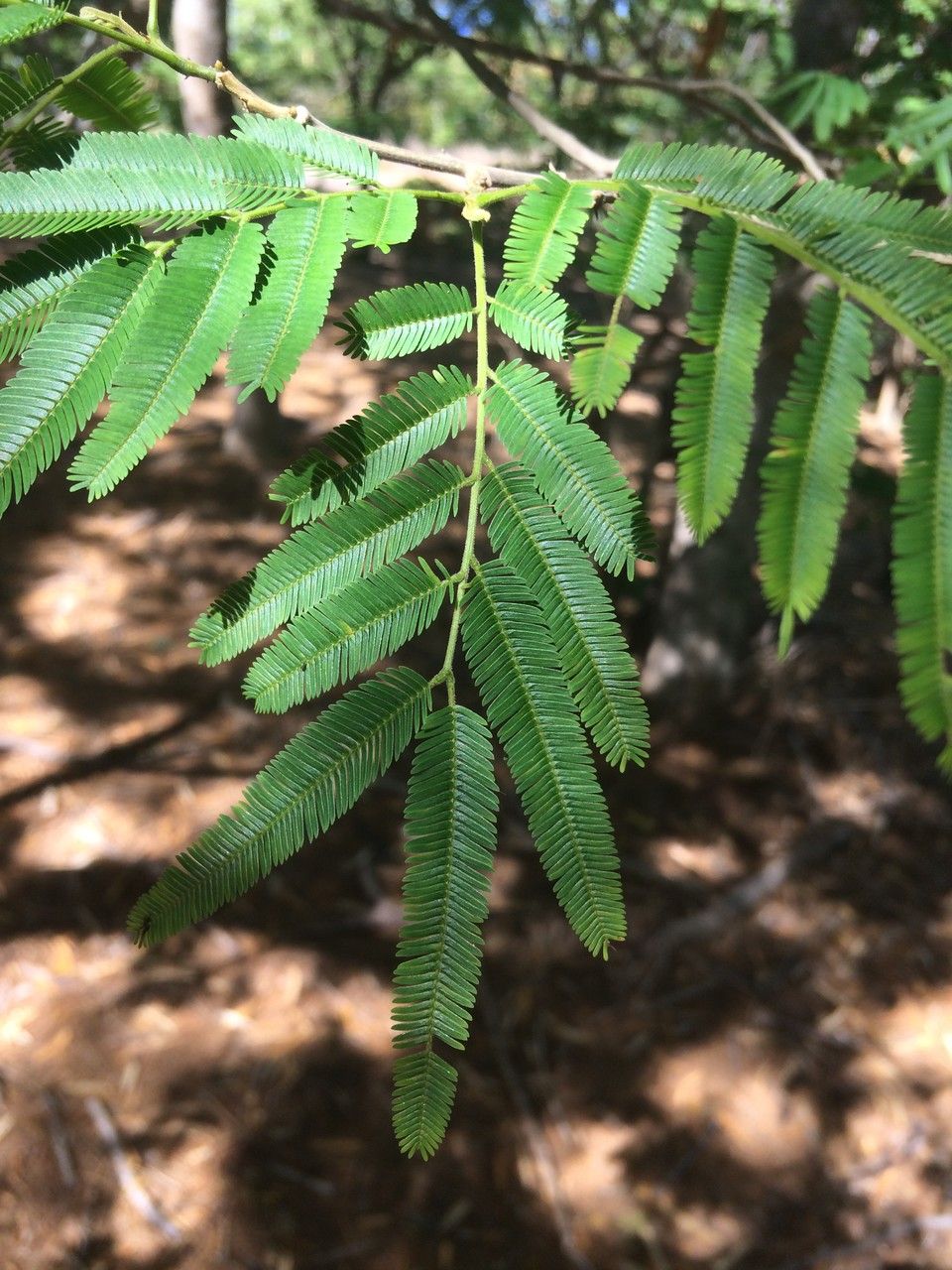
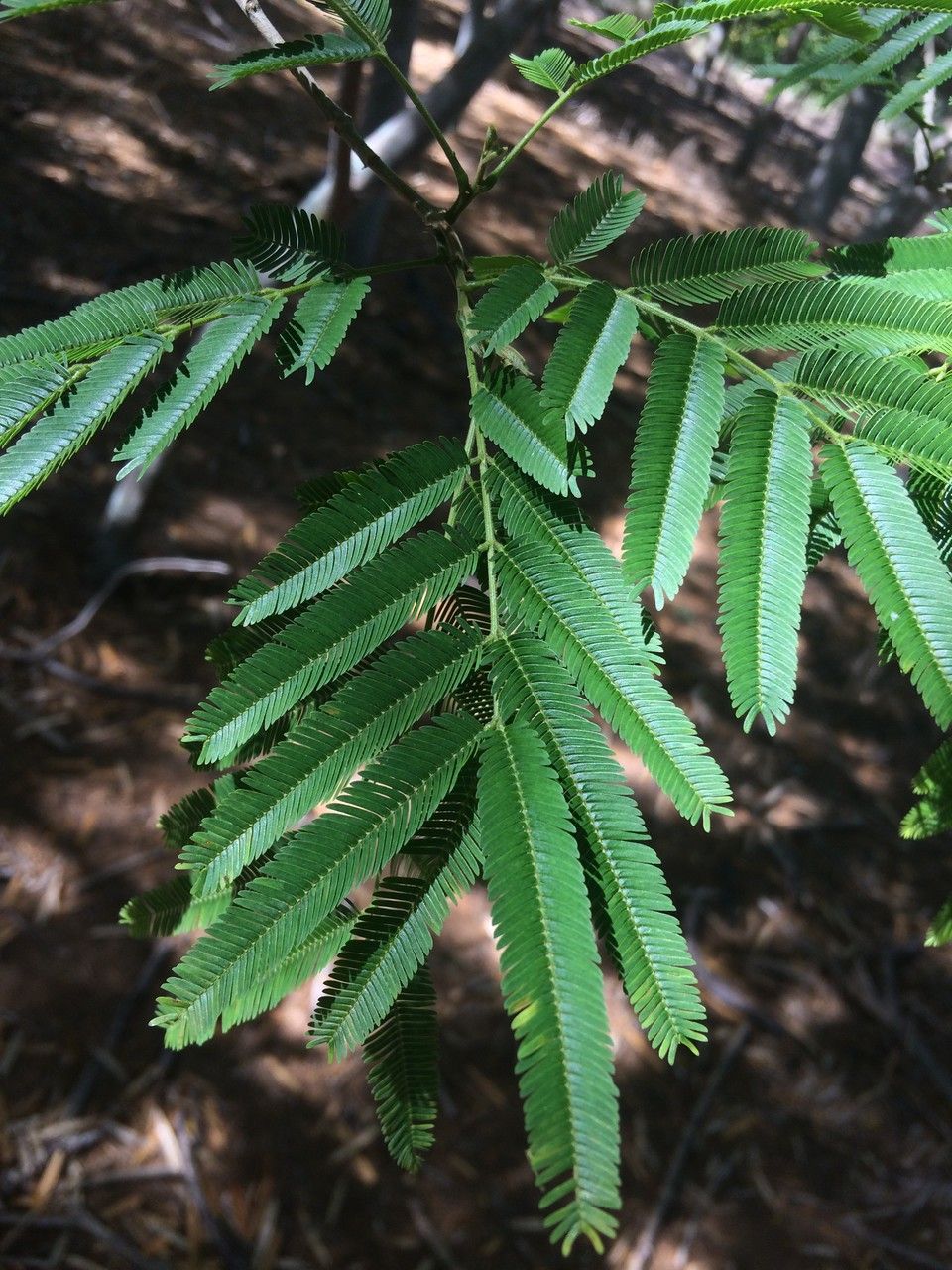
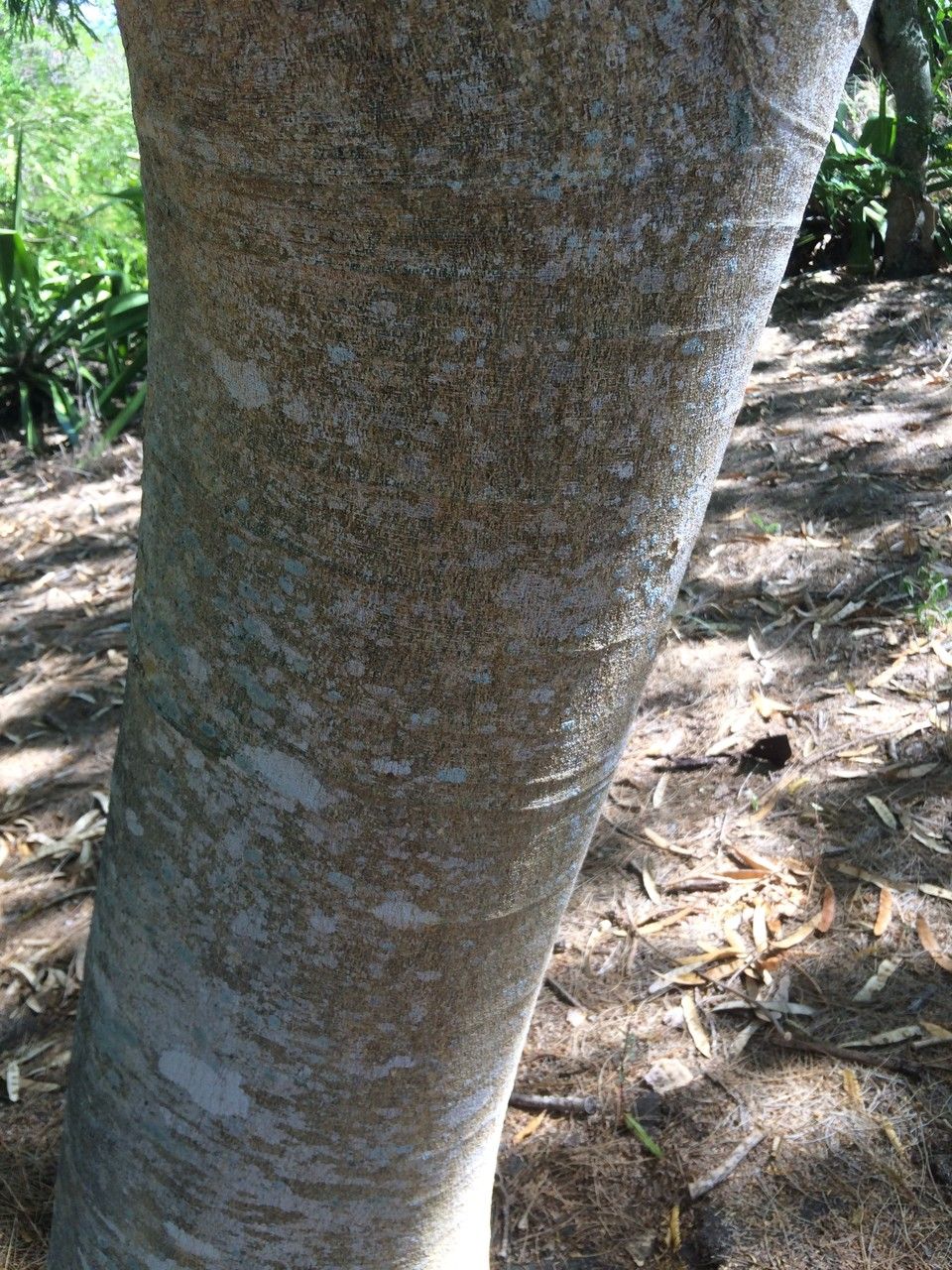
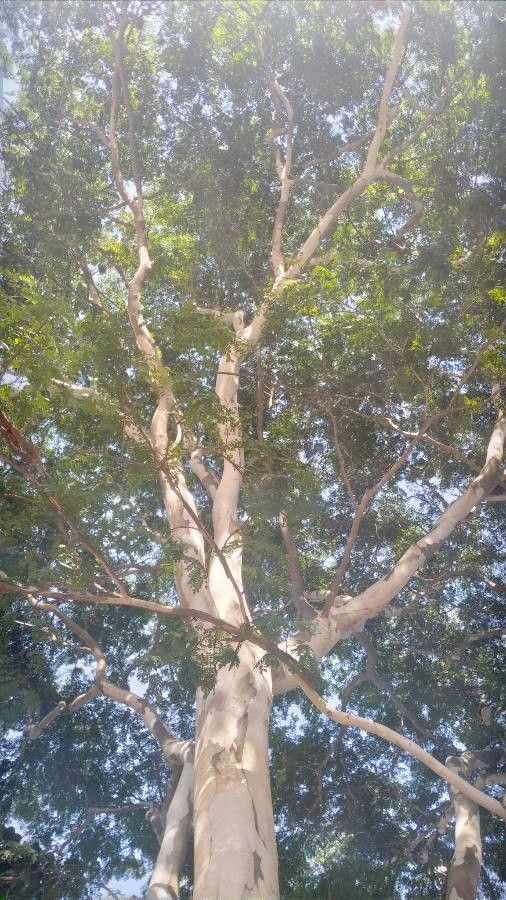
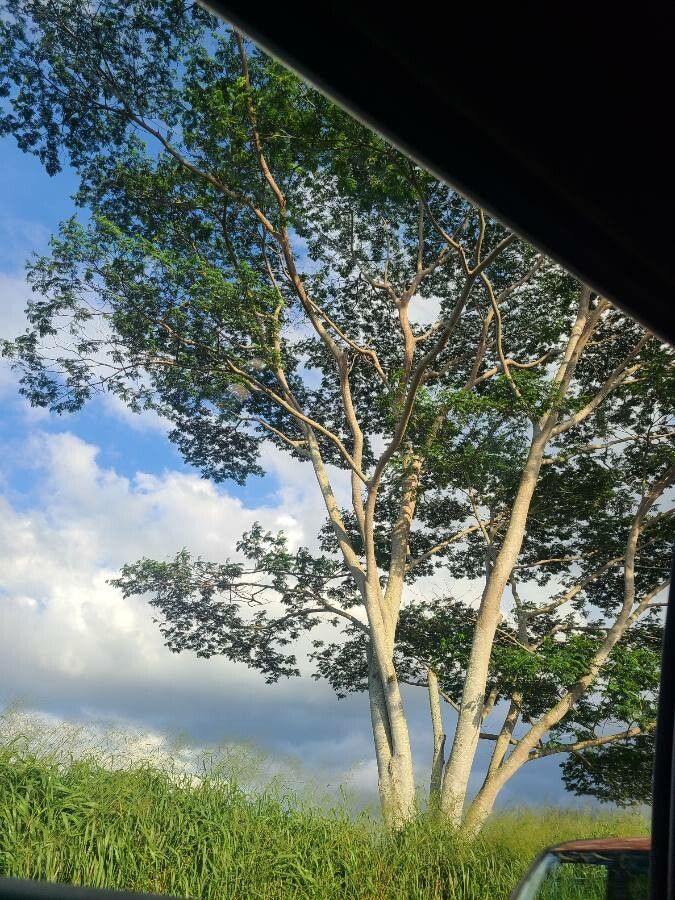
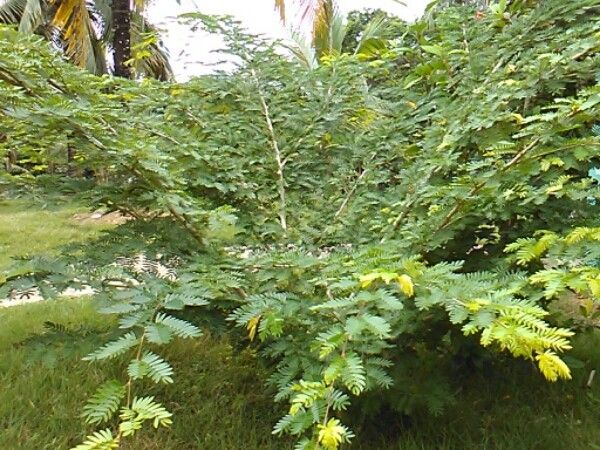
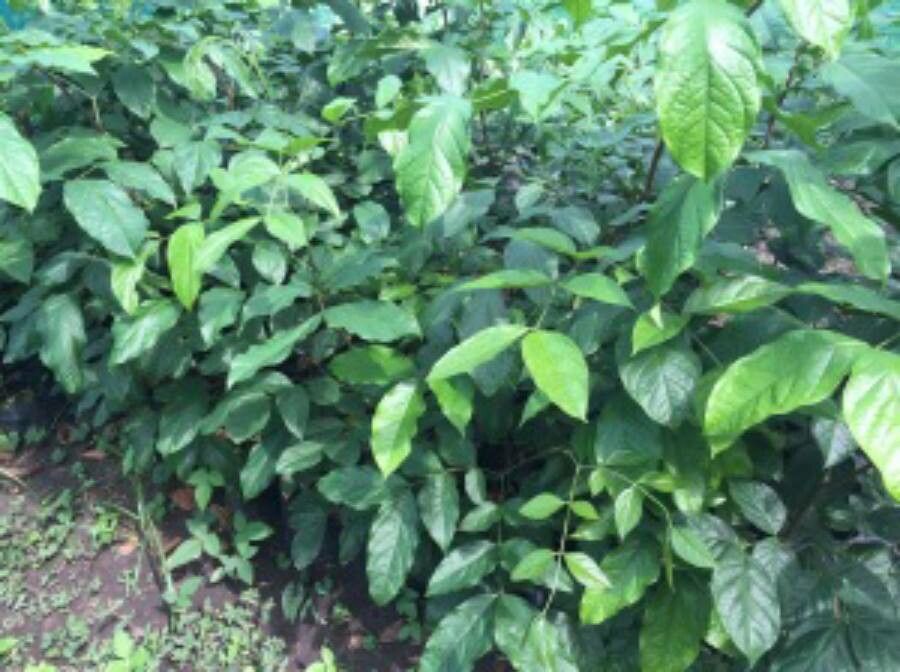
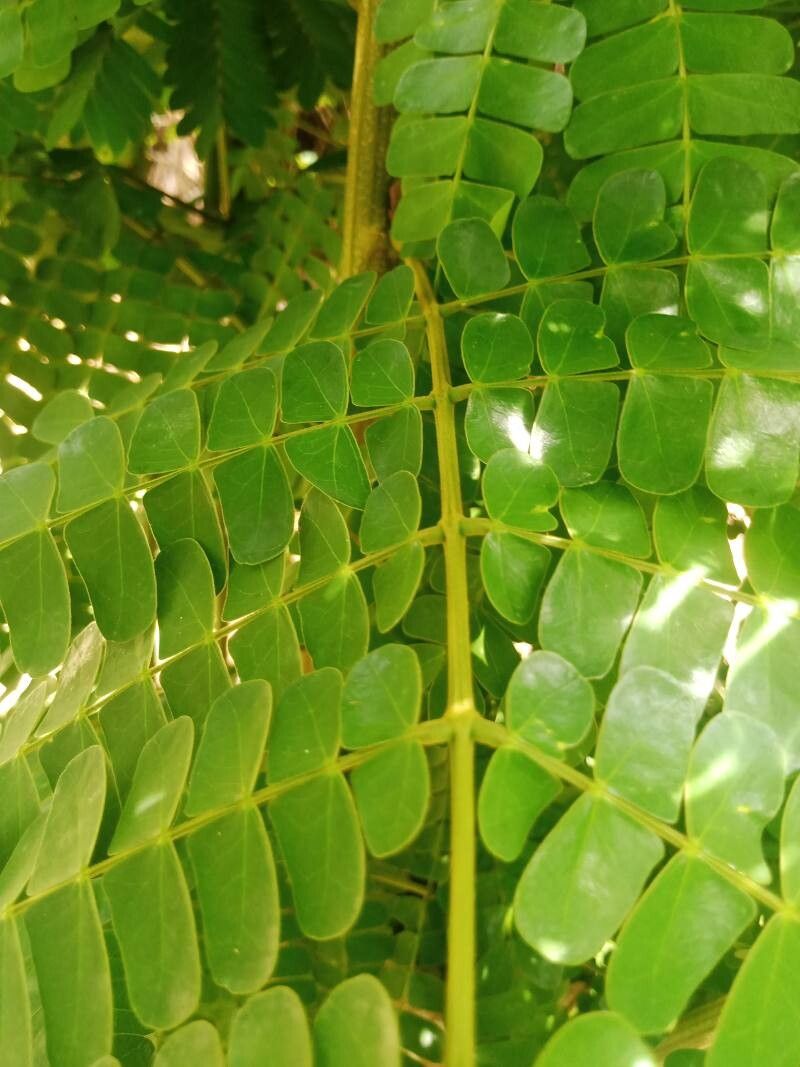
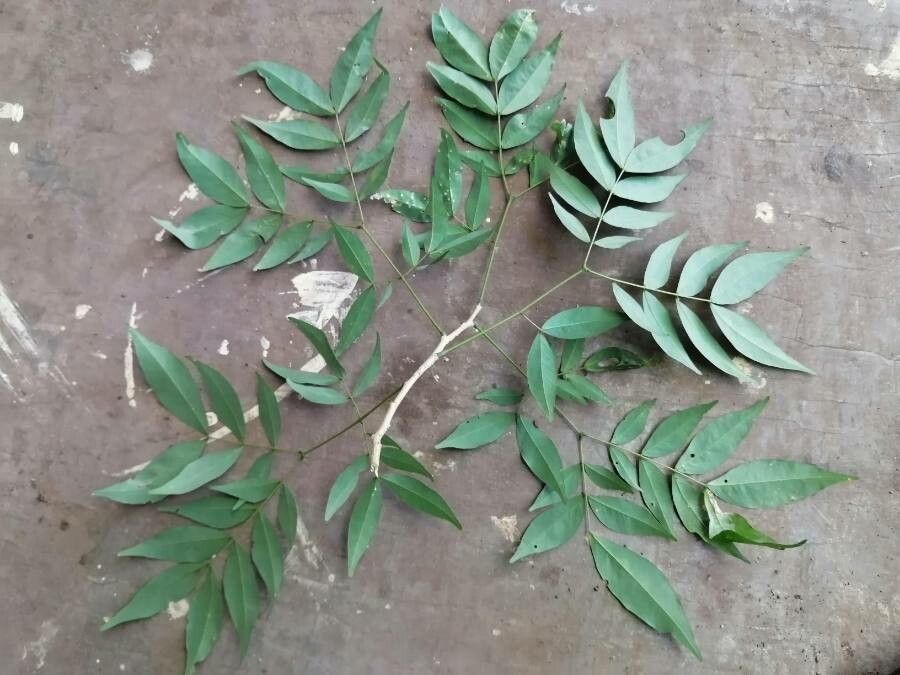
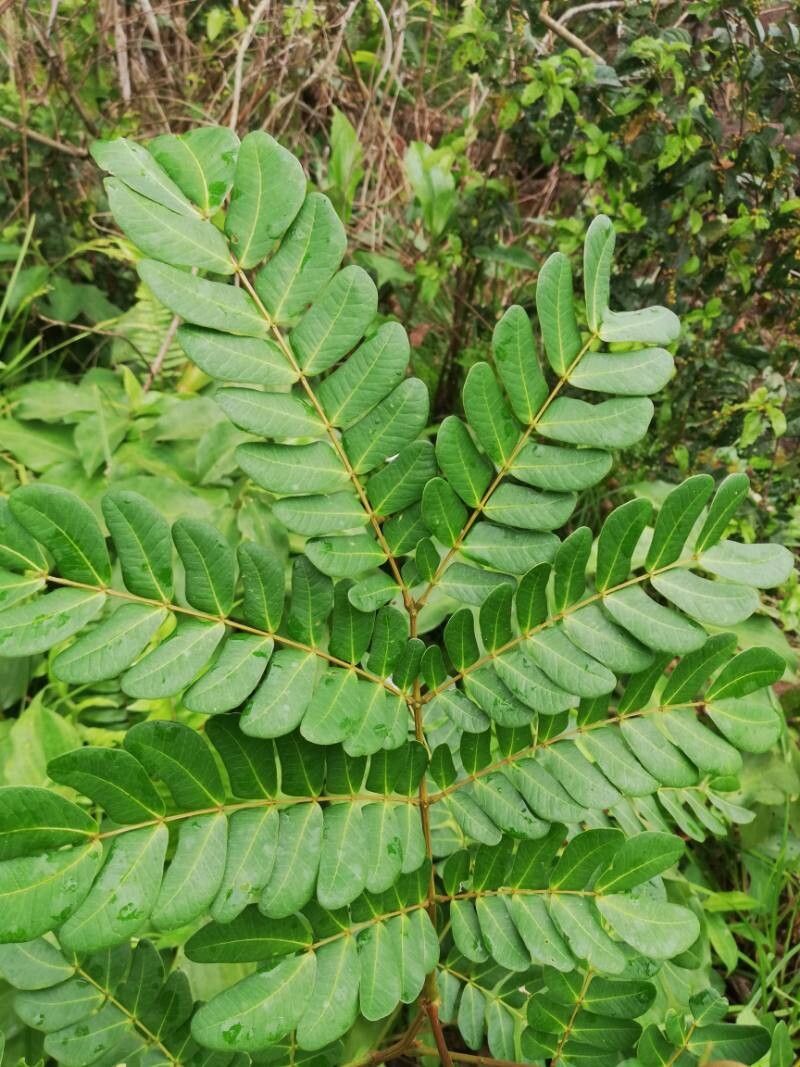
Albizia niopoides, commonly known as the white siris or peacock flower fence, is a species of flowering tree in the Fabaceae family. Native to the tropical regions of South America, this tree can grow up to 20 meters tall. It features smooth, gray bark and feathery leaves that are green on top and silvery underneath. The flowers are white or cream-colored with pink stamens, resembling peacock feathers.
Albizia niopoides is often used for ornamental purposes due to its attractive flowers and foliage. It also holds medicinal value in traditional practices. The bark has been used to treat fever, diarrhea, dysentery, and other ailments, while the leaves are known for their anti-inflammatory properties.
Moreover, the wood of Albizia niopoides is highly valued for its durability, making it useful in construction projects such as furniture making and boat building. The wood is resistant to rotting agents like termites and fungi, which can cause decay over time if untreated. To protect against moisture damage caused by rainwater, wooden structures made from this tree should be regularly maintained with preservatives like varnish coatings. This helps prevent decay from within by stopping moisture from seeping into cracks and weakening the wood over time. Proper care practices, such as sanding down rough edges where moisture may accumulate, are essential to ensure the longevity of Albizia niopoides wood in various environmental conditions across different seasons.
Botanical profile.
Other names.