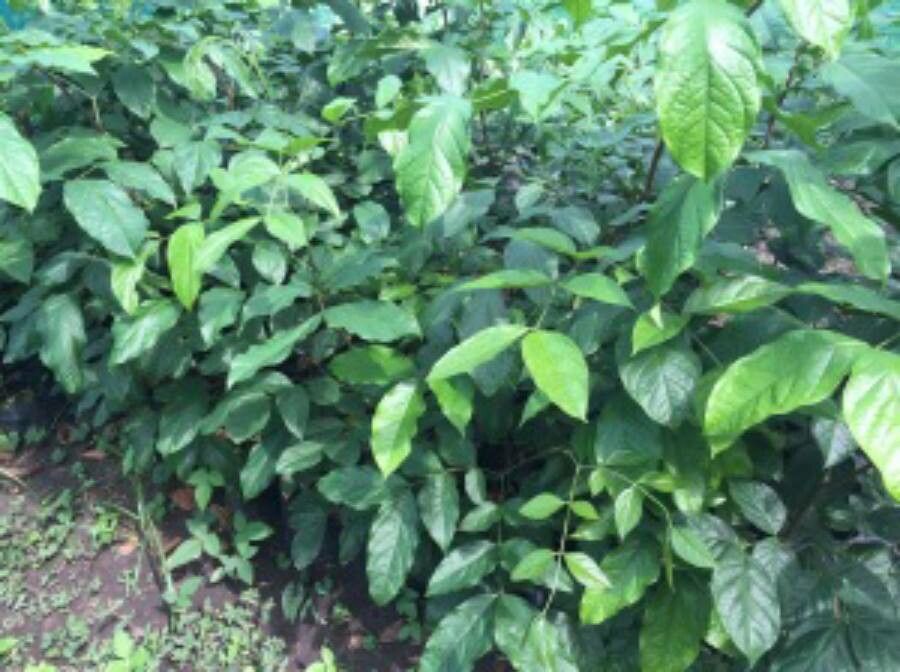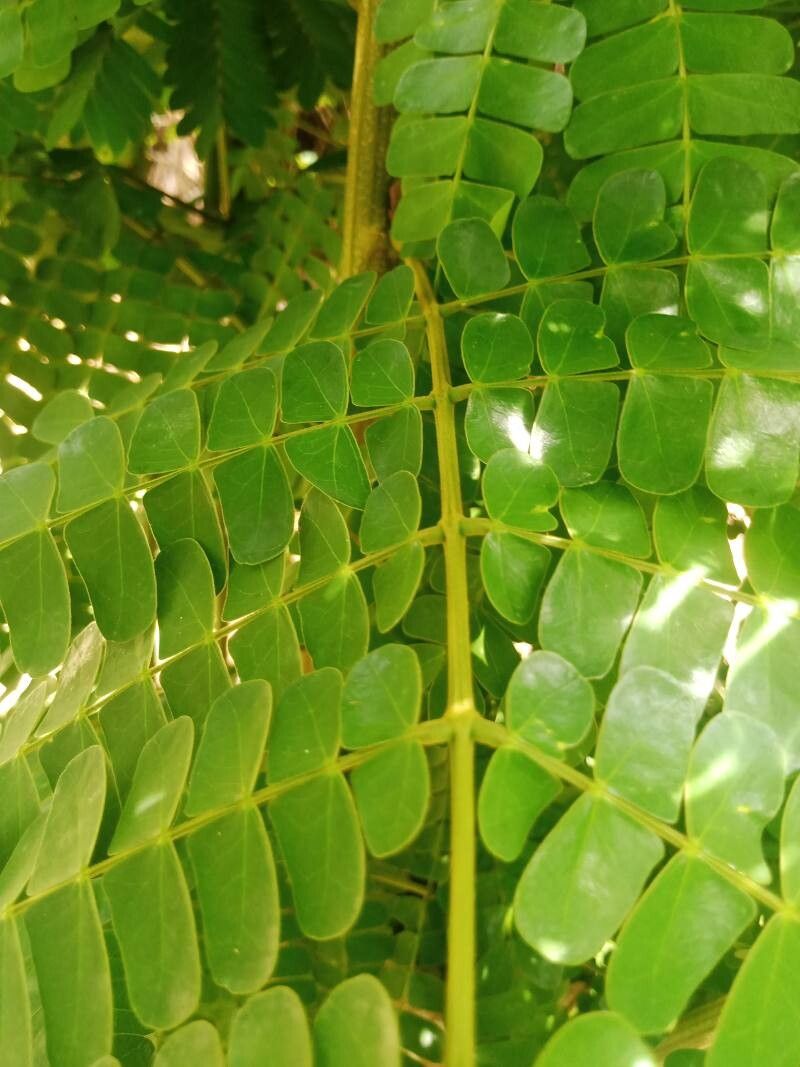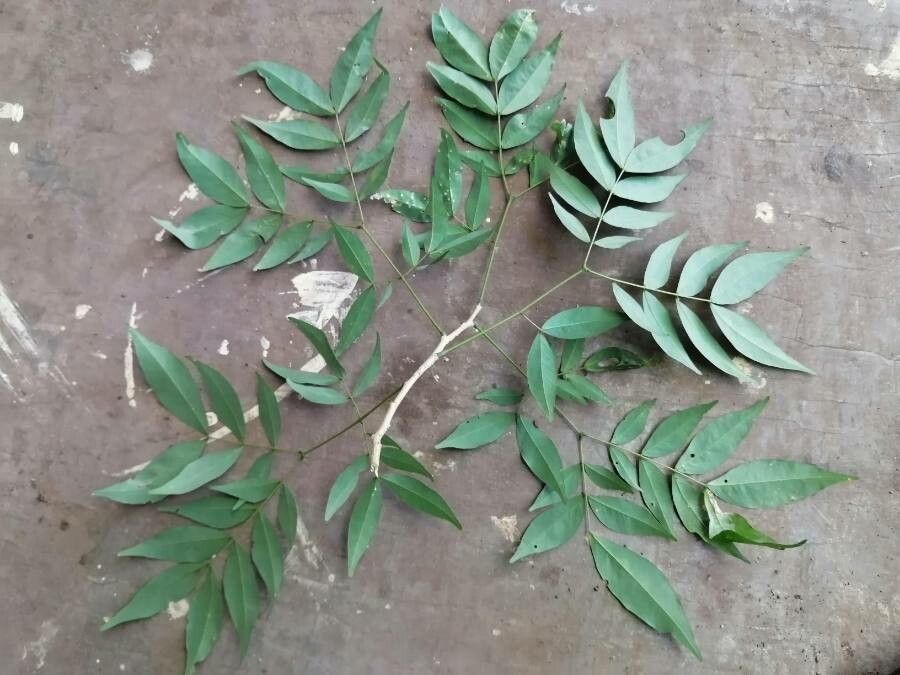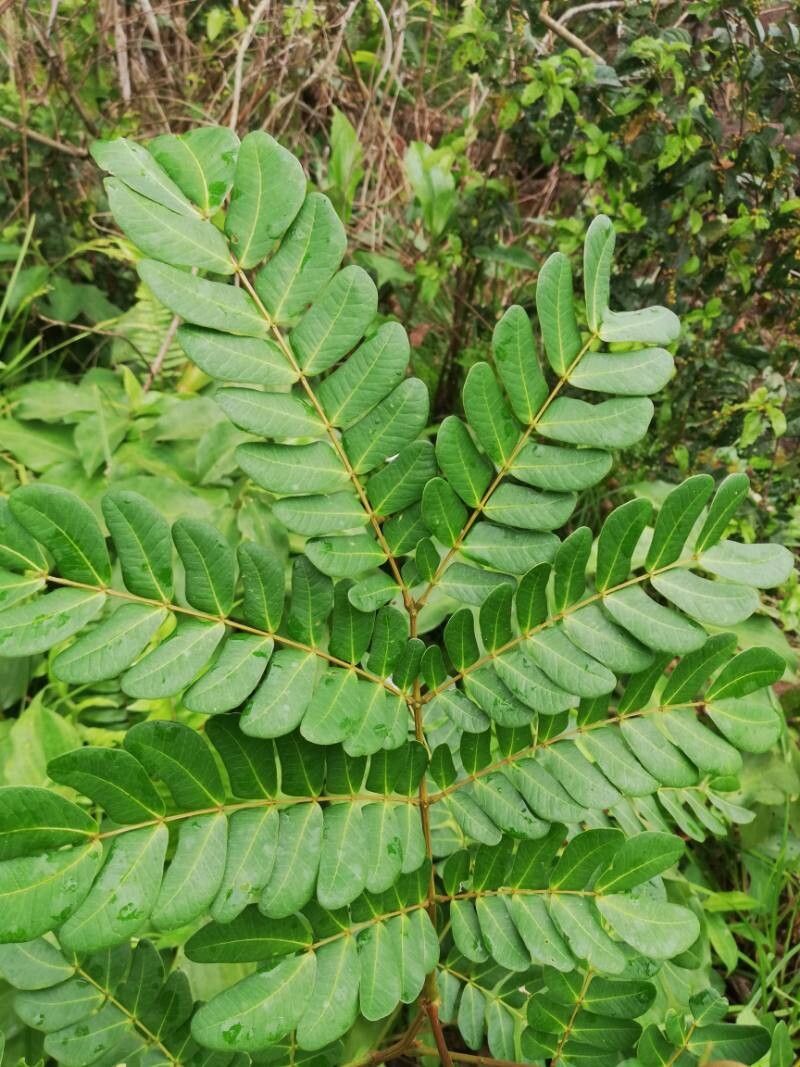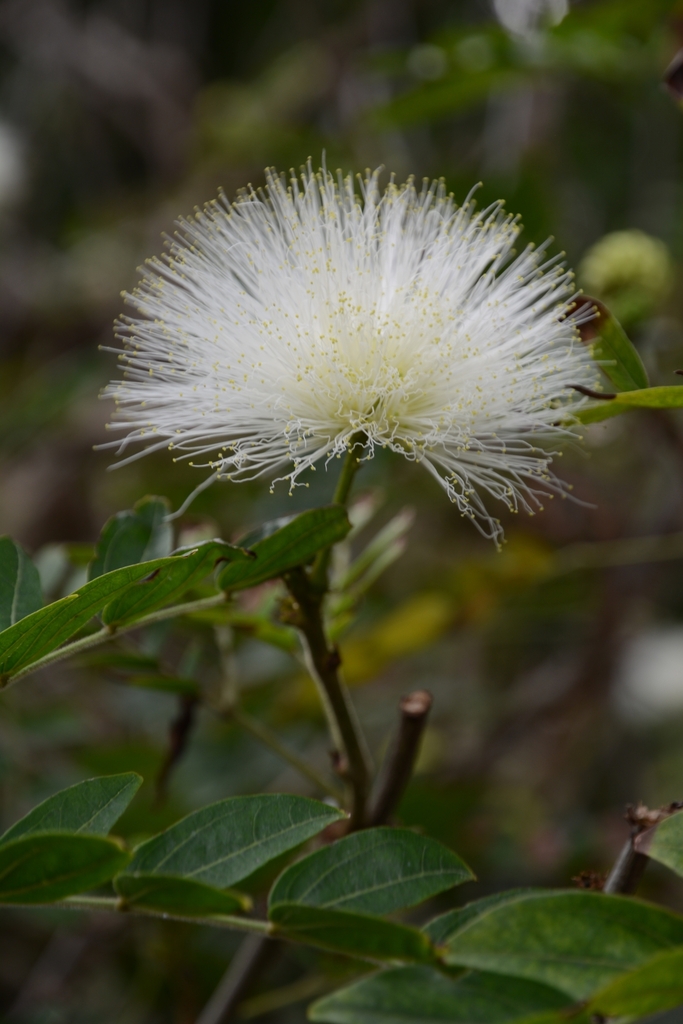
Albizia lebbeck, commonly known as the Indian siris or woman's tongue tree, is a deciduous tree belonging to the Fabaceae family. Native to the tropical regions of Asia and Africa, it has been widely introduced to other parts of the world due to its ornamental value and various medicinal properties.
The tree can grow up to 30 meters tall, with a broad crown that provides ample shade. Its bipinnate leaves, composed of small leaflets, give it a feathery appearance. The flowers are small, fragrant, and creamy-white, arranged in clusters on long stalks.
Albizia lebbeck boasts several medicinal properties, including anti-inflammatory, analgesic, and antipyretic effects, making it useful for treating ailments such as fever, coughs, and colds.
In addition to its medicinal value, Albizia lebbeck has multiple other uses. It is used for timber production because its strong wood is resistant to termites.
Overall, Albizia lebbeck is an important species both ecologically and economically. Its numerous uses make it a plant worth conserving for future generations.
Woman's tongue has strong resistance to disease and is generally not susceptible to illnesses. Regarding care, this plant is fairly low maintenance. Outdoors it needs only light watering, and larger specimens usually do not require pruning. Smaller plants, however, should be trimmed after they finish blooming. Woman's tongue is appropriate for anyone with outdoor space, such as a garden or a deck, and does not demand extensive gardening experience.
How to keep Albizia Lebbeck.
Light
The woman's tongue plant grows best with strong sunlight. Coming from habitats where sunlight is plentiful, it absorbs large amounts of light for optimal growth and health. It tolerates both overexposure and underexposure, handling a range of sun conditions.
Water
The woman's tongue plant thrives in tropical climates, where it adapts well to both heavy rains and drought conditions. To maintain balanced soil moisture, it should be watered every 2-3 weeks. This plant prefers full sunlight and is typically grown outdoors. As such, it's important to consider the local rainfall when planning any supplemental irrigation.
Temperature
Woman's tongue is native to regions where typical temperatures range from 59 to 100 °F (15 to 38 °C). It flourishes in warm conditions and may require proper temperature management during colder seasons to maintain its health.
Fertilizer
The timing of fertilizing Woman's tongue is important. Apply fertilizer in early spring and continue once a month through early summer. Fertilizer encourages attractive blooms and gives the plant energy during both dormant and active growth periods.
Pruning
Pruning a Woman's Tongue plant in early spring encourages new growth and vitality. The main techniques involve removing dead wood, thinning out branches, and shaping the canopy to enhance air circulation. Pruning annually helps maintain the plant's health and beauty. To minimize damage, always use clean, sharp tools.
Botanical profile.
- Plant Type
- Tree
- Life Cycle
- Perennial
- Genus
- Albizia
- Family
- Fabaceae
- Hardiness Zone
- 8-11
- Mature Height
- 17.98 m to 29.87 m
- Mature Spread
- 35.97 m
- Leaf Color
- Dark Green, Forest Green
- Leaf Type
- Deciduous
- Flower Color
- Pink
- Flower Size
- 3.05 cm to 4.06 cm
- Bloom Time
- Late spring, Early summer, Mid summer
- Planting Time
- Spring, Autumn
- Harvest Time
- Mid summer, Late summer, Fall
- Native Area
- Djibouti, Somalia, Egypt, India, Malaysia, Angola, Madagascar, Nigeria, Kenya, Niger, Tanzania, Uganda, Zimbabwe, Guinea-Bissau, Benin, Sierra Leone, Equatorial Guinea, Liberia, Mozambique, Ghana, Ethiopia, Congo, Zambia, Sudan, Guinea, Chad, Togo, Senegal, Côte d'Ivoire, Gambia, Congo (DRC), Thailand
Other names.
Reader questions.
How should I water my Woman's tongue plant?
To ensure excellent root development, place a garden hose at the base of your plants. Avoid spraying the leaves directly and be aware that leaves may need more water if they are outside and exposed to direct sunlight. Additionally, you can use bubblers to moisten the roots of each plant or soaker hoses to cover the entire garden or bed when adding or removing plants. After watering, drain any excess water and wait for the soil to dry before watering again. Water at ground level to prevent diseases. On sunny days, consider spraying the entire bush with water. Whether your plants are in pots or in the ground, remember that Woman's tongue prefers deep watering rather than light sprinkling.
Why should I give my Woman's tongue fertilization?
To achieve beautiful blooms, it is essential to fertilize a Woman's tongue. By fertilizing in early spring, you can guarantee excellent flowers during that season. Fertilizer also provides the necessary energy for the Woman's tongue, which can be stored in the ground during dormant growth phases. Adding extra nutrients during fall planting or late spring will ensure that the Woman's tongue has ample energy for active growth.
What are the sunlight requirements for Woman's tongue?
Woman's tongue is well-suited for conditions with intense solar exposure, thriving best under full sun but also adapting well to various sun conditions without major issues of over-exposure or under-exposure. This plant originates from environments with abundant sunlight, where it has adapted to absorb significant amounts of light for optimal growth and health. It can handle more than 6 hours of sunlight for 'Full sun' and about 3-6 hours for 'Partial sun'. Observing how sunlight moves through your garden is crucial for placing your plants in the ideal spots that strike a balance between light and shade.
What is the native climate for Woman's tongue?
Woman's tongue is native to climates with typical temperature ranges between 59 to 100 °F (15 to 38 °C). It is best suited to warm conditions and may require appropriate heat management during colder seasons to ensure its health. This plant has some level of cold tolerance and generally does not need additional cold protection measures when temperatures are above -5°C. However, protective measures such as wrapping the plant with plastic film, fabric, or other materials should be considered if temperatures are expected to drop below -5°C. Once temperatures rise again, these protections should be removed to avoid any potential harm to the plant.
If I give Woman's tongue plant too much or too little water, what should I do?
An overwatered Woman's tongue can show symptoms such as yellowing, dropping off, and wilting leaves. The plant may also appear dull and unhealthy, with mushy stems. To address these signs, it's important to adjust your watering schedule accordingly. Wilting can also be a sign of under watering, in which case the leaves may become crispy and dry. If the soil is dry and simply watering isn't enough, give it a thorough watering in due time. Sufficient water will help the Woman's tongue recover, but the plant may still exhibit dryness and yellow leaves due to root damage for several days. Once it returns to normal, the yellowing of leaves will cease. For indoor Woman's tongue care, always check the moisture levels in the pot and avoid overwatering. Look out for black spots, and if present, allow the soil to dry by giving it a few days without watering. Overwatering can cause root rot, so if you notice discolored and slimy roots, consider transferring the plant to a different pot. Preventing root rot is crucial, so don't let the soil become excessively soggy. When planting Woman's tongue outdoors, dig a little deeper and feel the soil with your fingers. If it's too dry, it may indicate underwatering, requiring adequate watering to facilitate recovery.
When should I fertilize my Woman's tongue plant?
Fertilizing Woman's tongue requires careful timing. If you apply fertilizer too early while the plant is still dormant, it won't be effective and will be washed away by rainwater, causing waste and pollution. The best time to start fertilizing is in early spring. From there, continue to apply fertilizer once a month until early summer.
How can I use artificial lighting for my indoor Woman's tongue plant?
When natural sunlight is insufficient, particularly during winter or in less sunny spaces, artificial lighting becomes an essential solution. For indoor plants like Woman's tongue, LED lights are recommended as they can replicate the specific wavelengths needed for the plant's growth. The amount of artificial light needed varies based on the plant's sunlight requirements: 30-50W/sq ft for full sun plants, 20-30W/sq ft for partial sun plants, and 10-20W/sq ft for full shade plants. The optimal distance for placing these lights is 12-36 inches above the plant, and the duration should mimic natural daylight hours, typically 8-12 hours per day.
How does Woman's tongue react to low temperatures?
Woman's tongue has a moderate tolerance to low temperatures, thriving best when the temperature remains above 15°C. In the winter, it is crucial to keep the plant above -5°C. When temperatures fall below -10°C, the leaves may start to droop; they can recover in mild cases, but in severe scenarios, the leaves will wilt and eventually fall off. For recovery and protection, trim off the frost-damaged parts. Before facing low temperatures again, wrap the plant with non-woven fabric or cloth and build a wind barrier to shield it from cold winds.
How often should I give water to my Woman's tongue plant?
The Woman's tongue plant prefers deep and infrequent watering. When planted in pots, they require a gallon of water each time to compensate for the limited water storage and faster drying of soil. In cold regions, watering is needed every 3 to 5 days. It is best to water the plant in the morning when the soil is dry, both indoors and outdoors. Checking the soil's moisture level is important, and if the top 2-3 inches of soil are dry, it's time for a full watering. During hot days, monitor the soil moisture daily to prevent it from drying out too quickly. If you have a garden, irrigation of the soil is necessary, especially in hot climates where watering once a week may be required. Only water when you see that about 2 to 3 inches of soil have become too dry. Take into consideration the amount of rainfall and avoid overwatering to prevent root rot. Woman's tongue plants typically grow during spring and fall, and when they are outdoors, adding a 3 to 4-inch layer of mulch can help conserve water. Sandy soil requires more frequent watering, while clay soil can go without water for 2-3 days to avoid root rot. To keep track of watering, mark the dates on a calendar and pay attention to drooping leaves, which can indicate that watering is overdue.
When should I not put fertilizer on my Woman's tongue plant?
To ensure optimal growth of Woman's tongue, it is important to use a fertilizer with a lower nitrogen content compared to other nutrients. Excessive nitrogen can result in abundant leaf growth but limited blooming. It is also advisable to avoid fertilizing in late autumn to prevent excessive growth just before winter. Additionally, refrain from fertilizing during hot and dry periods, as the dry soil may not effectively deliver the nutrients, and the resulting growth would require more water than may be available. The best time to apply fertilizer is earlier in the season when temperatures are cooler. Finally, be careful not to unintentionally over-fertilize nearby plants or lawns, which could result in a double-dose of fertilizer for the Woman's tongue.
What symptoms indicate insufficient or excessive light exposure in Woman's tongue?
Symptoms of inadequate light exposure in Woman's tongue include smaller new leaves, leggy or sparse growth, faster leaf drop, slower or halted new growth, and lighter-colored or irregularly patterned new leaves. Chlorosis and sunscald are also symptoms, with chlorosis being the loss of green leaf color, turning yellow due to chlorophyll breakdown, and sunscald indicating damage from intense sun exposure. Other symptoms of excessive sun include leaf curling, wilting, leaf scorching, and overall reduced plant health.
How does Woman's tongue react to high temperatures?
During summer, it's essential to keep Woman's tongue below 38°C to prevent stress. When temperatures exceed 43°C, the plant can show signs of distress such as lighter leaf coloration, dry and withered leaf tips, curling leaves, and increased susceptibility to sunburn. To alleviate these issues, trim away sunburned and dried parts of the plant. Relocating the plant to a shaded area during the midday and afternoon sun, or using a shade cloth, can offer protection. Additionally, watering the plant in the morning and evening helps keep the soil adequately moist under high-temperature conditions.