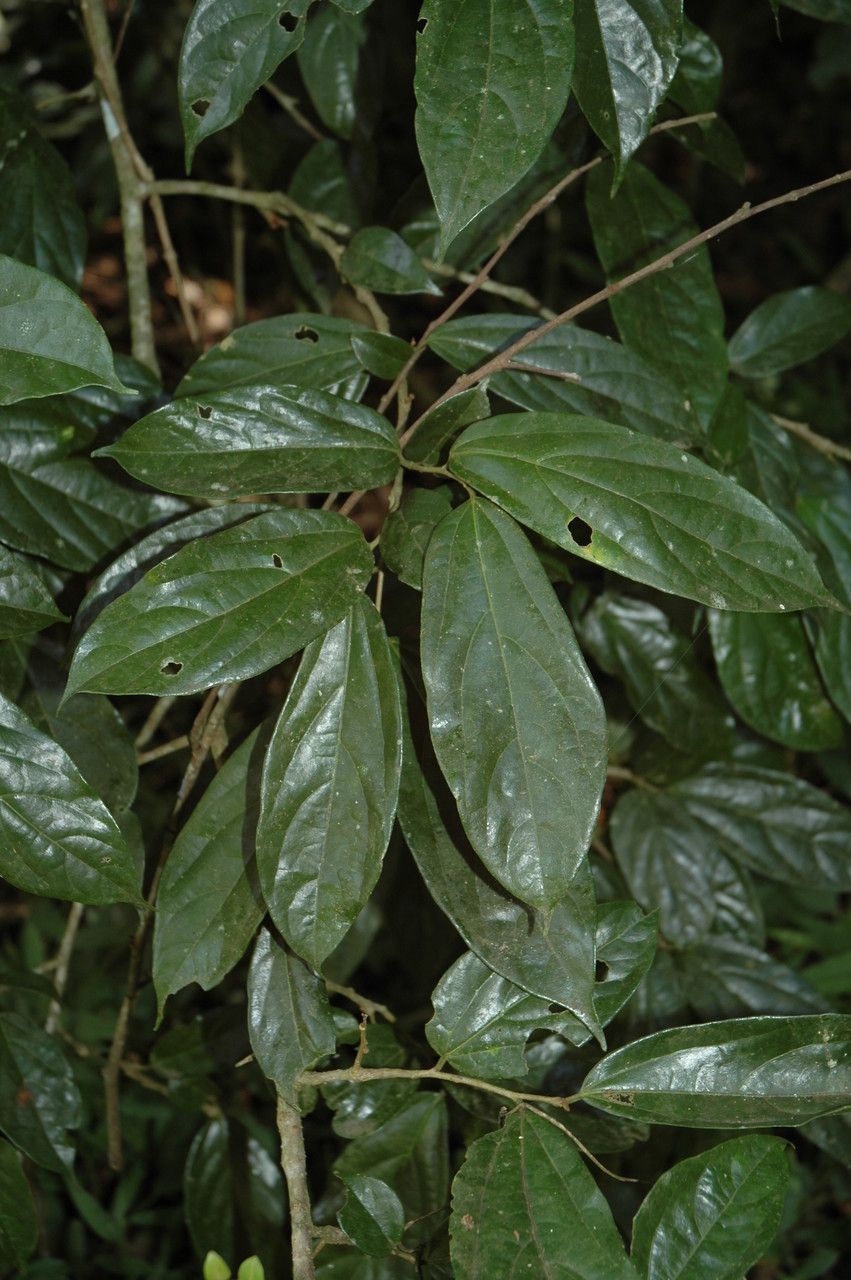
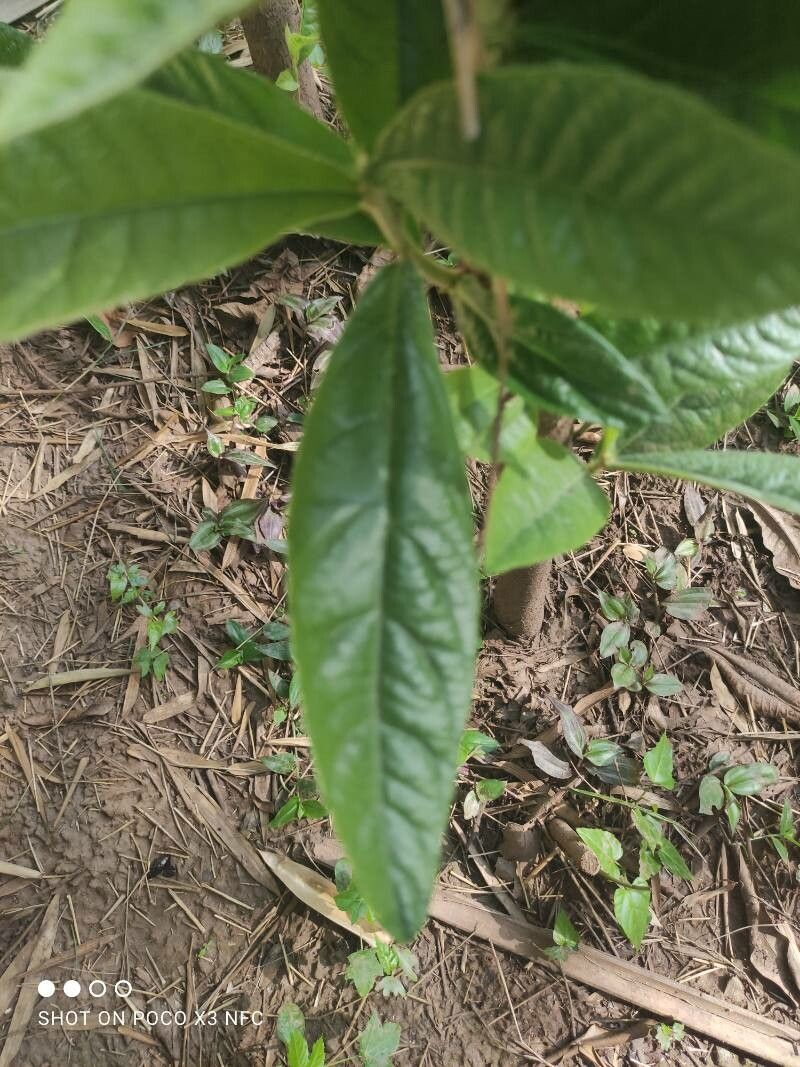
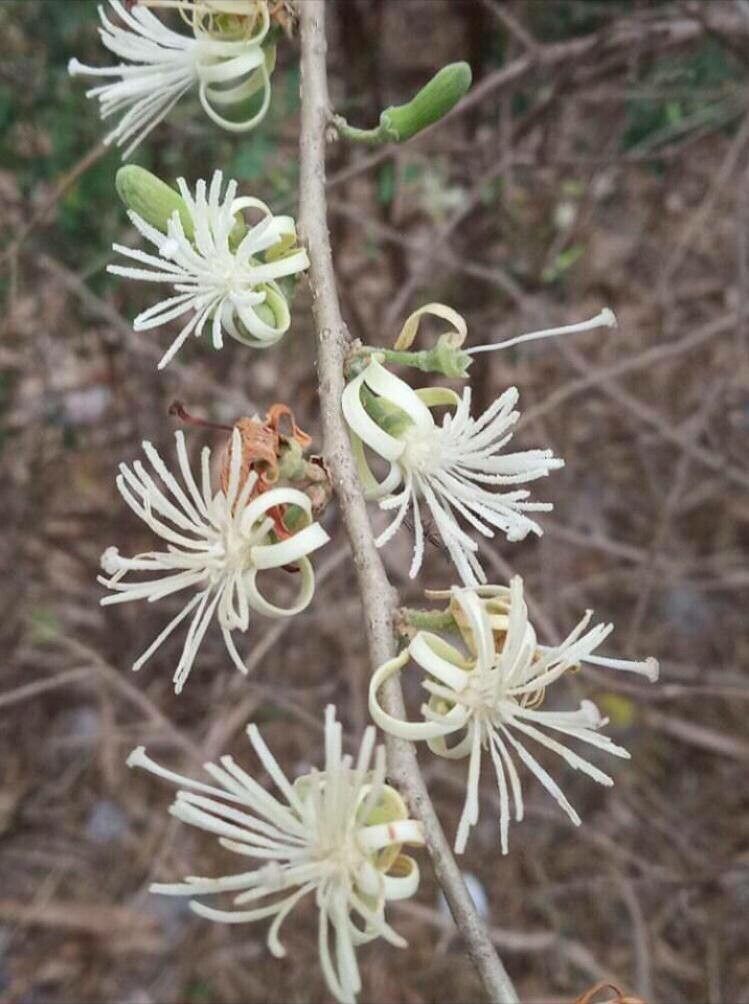
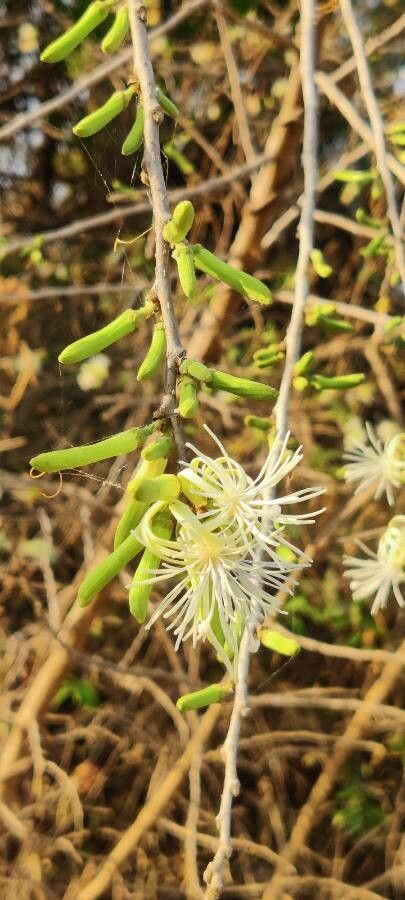
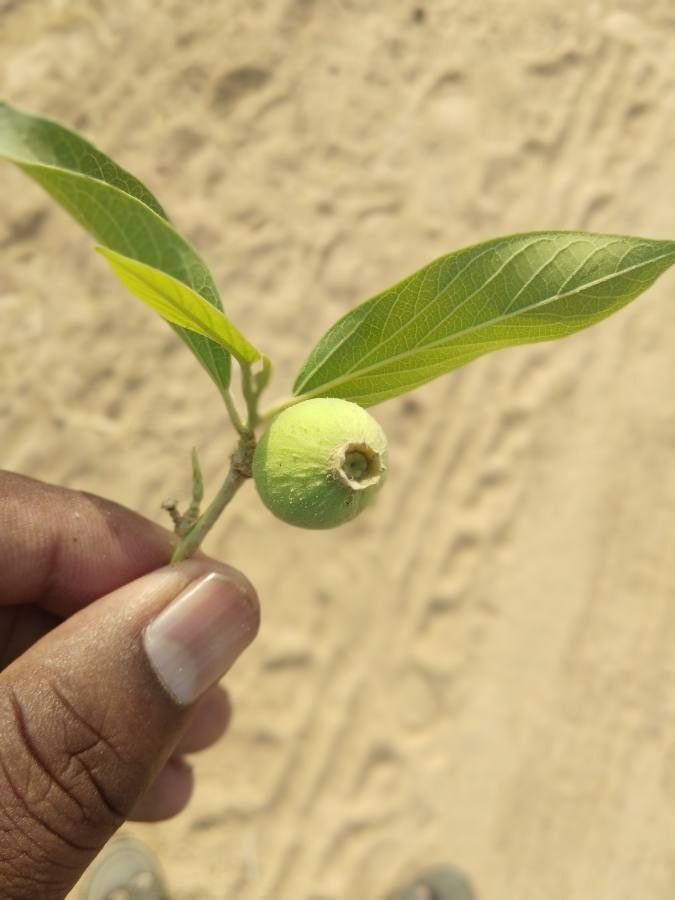
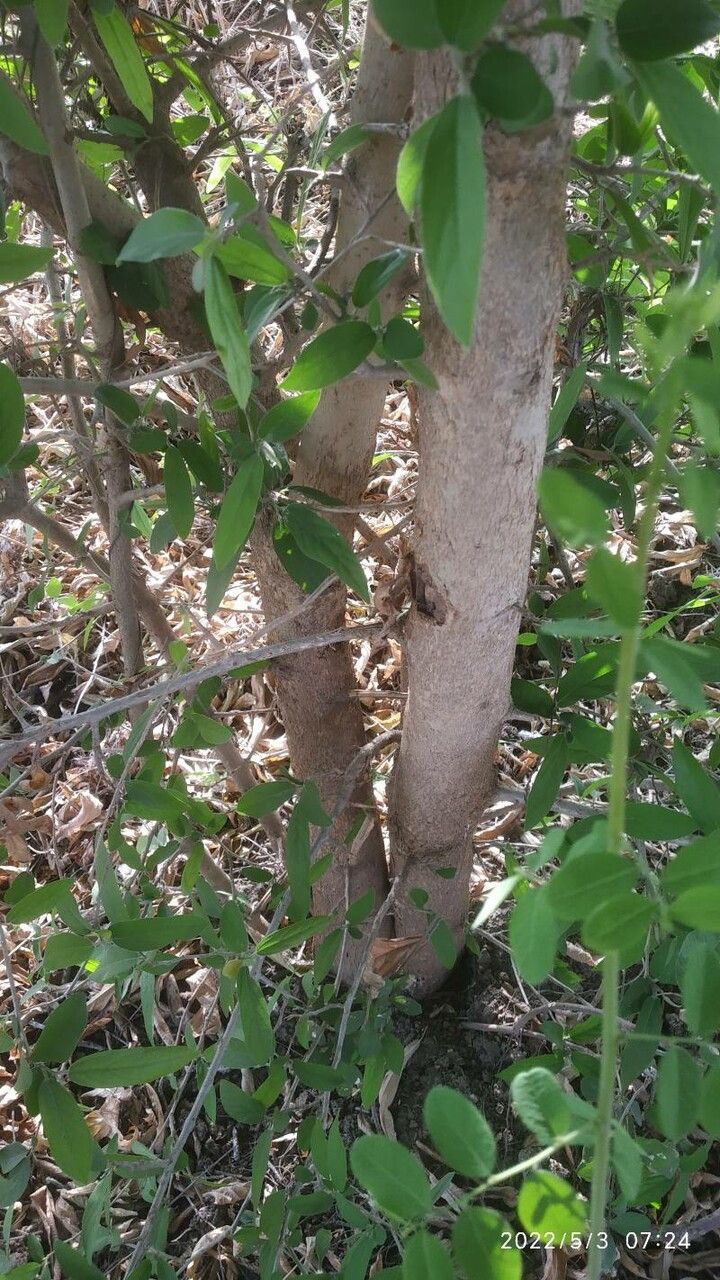
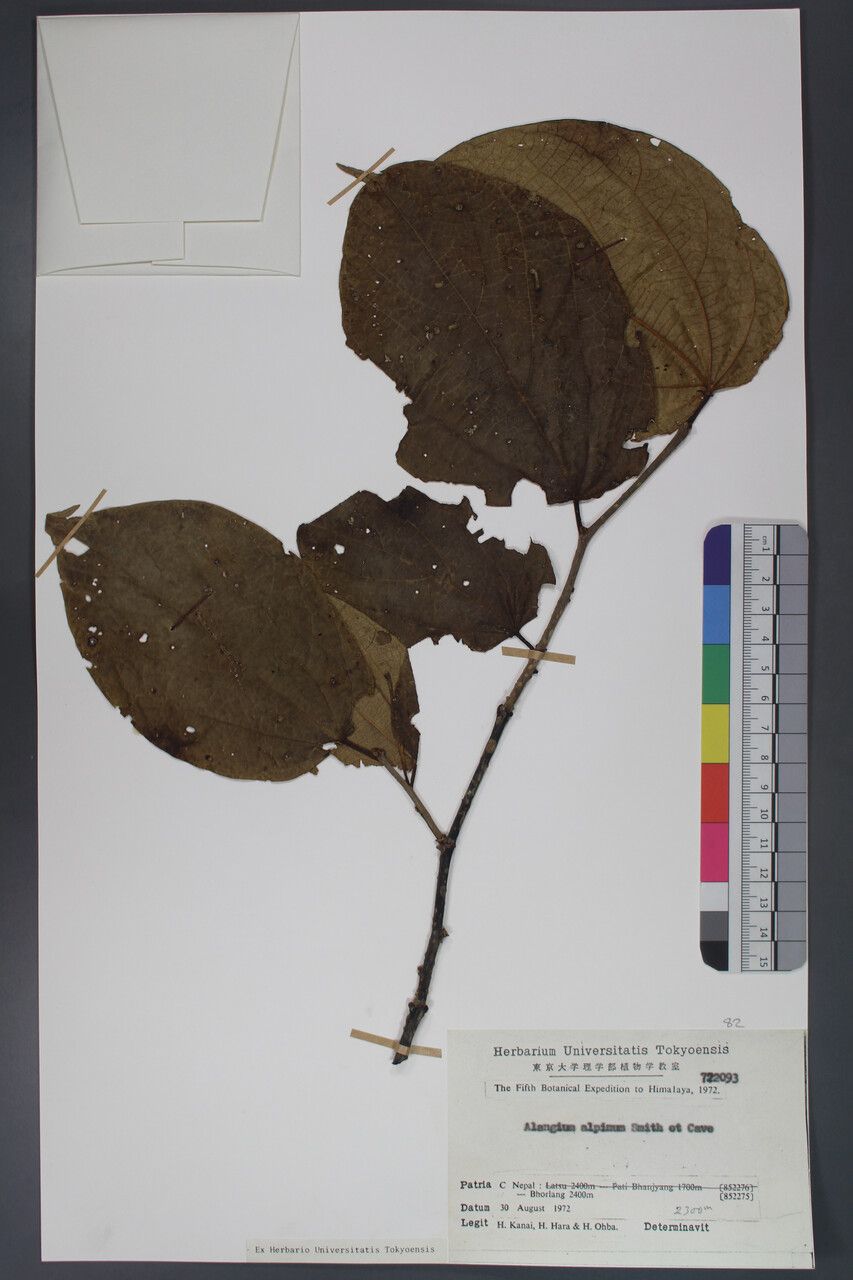
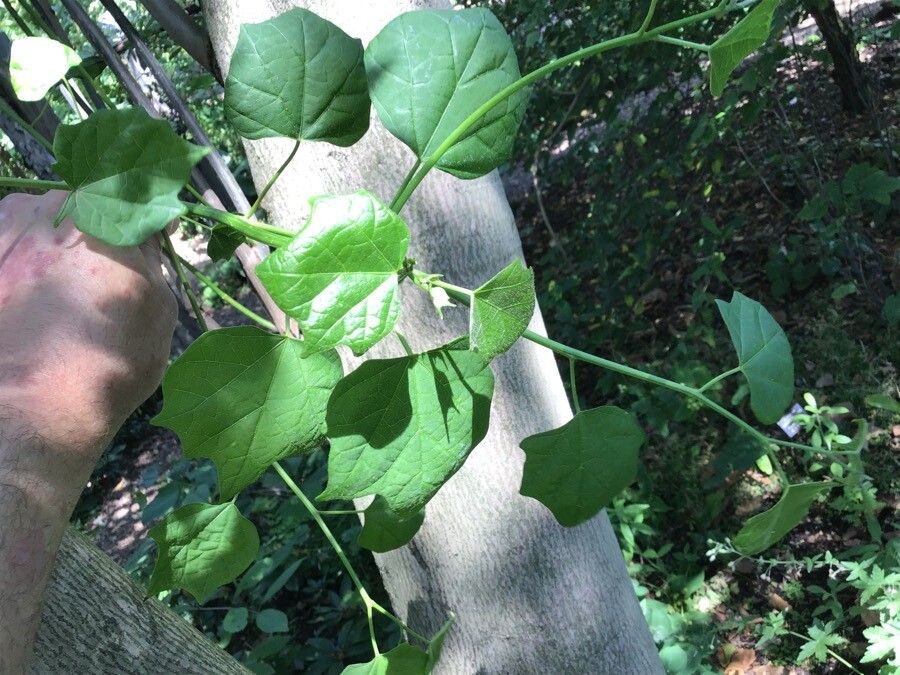
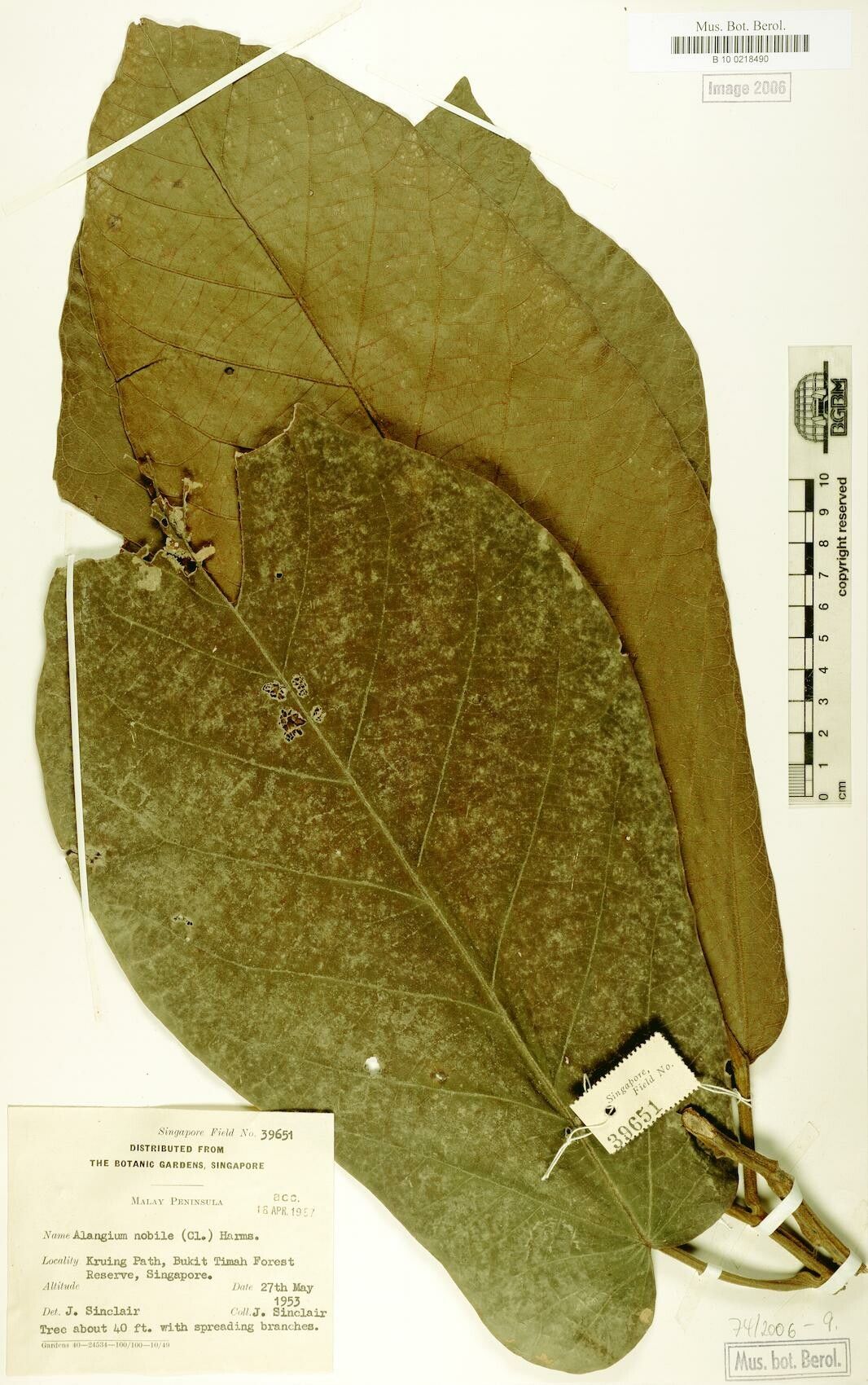
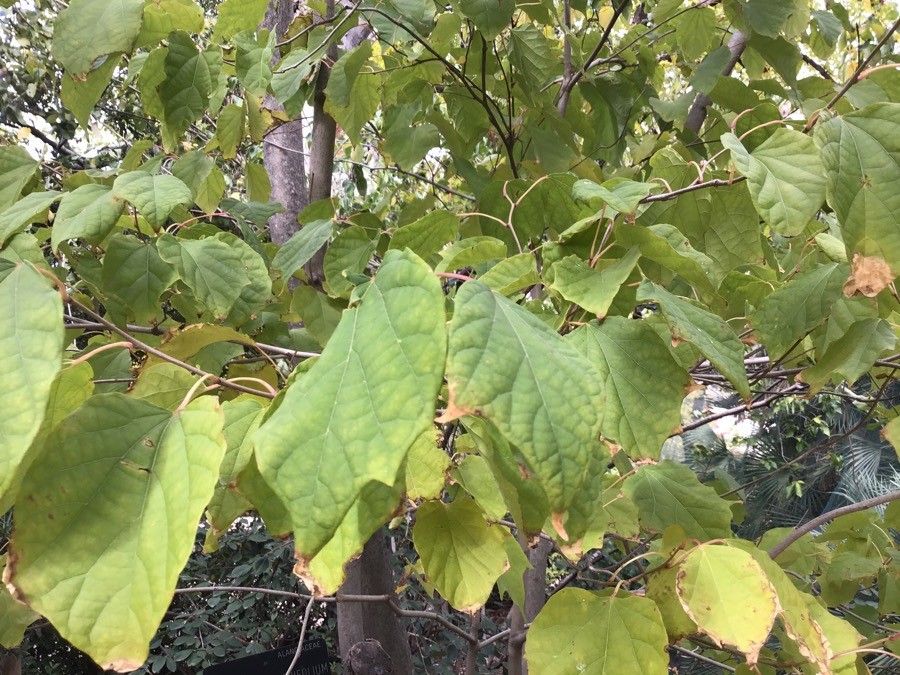
Alangium salviifolium, commonly known as sage-leaved alangium, is a flowering plant in the Cornaceae family. It is also commonly known as Ankolam in Malayalam, Ankola in Kannada, Akola or Ankol in Hindi and Alanji in Tamil. In India, Its mostly found in dry regions in plains and low hills and also found on roadsides.
Sage-leaved alangium is fairly disease-resistant and is usually not susceptible to illnesses. In terms of care, this plant is fairly low-maintenance. Planted outdoors it needs little watering, and larger specimens typically do not require pruning. Smaller plants, however, should be trimmed after they finish blooming. Sage-leaved alangium is well suited to anyone with an outdoor area, such as a garden or deck, and does not require substantial gardening experience.
How to keep Alangium Salviifolium.
Light
Sage-leaved alangium comes from habitats such as forest understories and rocky areas, where it grows in natural shade. It prefers partial sun but can tolerate full sun or full shade, showing its versatile and hardy nature.
Water
Sage-leaved alangium thrives in humid subtropical climates, where it prefers consistently moist soil. To prevent waterlogging, it should be watered twice a week. Although it can tolerate moderate drought, higher humidity levels promote its growth. Therefore, it's beneficial to place it in humid areas or use pebble trays to increase humidity.
Temperature
Sage-leaved alangium adapts well to temperature, tolerating higher heat and larger temperature fluctuations. In hot weather, care should be taken with watering and providing some shade to avoid sunburn. Conversely, it is fairly sensitive to cold: while it can endure mild chill, very low temperatures may cause frost damage.
Fertilizer
Timing matters when fertilizing Sage-leaved alangium. Apply fertilizer in early spring and continue monthly until early summer. Fertilizer promotes lovely blooms and supplies energy during both dormant periods and active growth.
Pruning
For healthy growth and a well-maintained shape, prune sage-leaved alangium in early spring. Begin by removing dead branches and thinning out congested areas to promote bushiness. This practice enhances air circulation and light penetration, which reduces the risk of pests and diseases while supporting optimal recovery and flowering.
Botanical profile.
- Plant Type
- Tree
- Life Cycle
- Perennial
- Genus
- Alangium
- Family
- Cornaceae
- Hardiness Zone
- 9-11
- Mature Height
- 7.92 m
- Mature Spread
- 3.05 m to 4.88 m
- Leaf Color
- Yellow, Green
- Leaf Type
- Deciduous
- Flower Color
- White
- Flower Size
- 2.54 cm
- Bloom Time
- Late spring, Early summer, Mid summer
- Planting Time
- Spring, Summer, Autumn
- Harvest Time
- Late summer, Early fall, Mid fall
Other names.