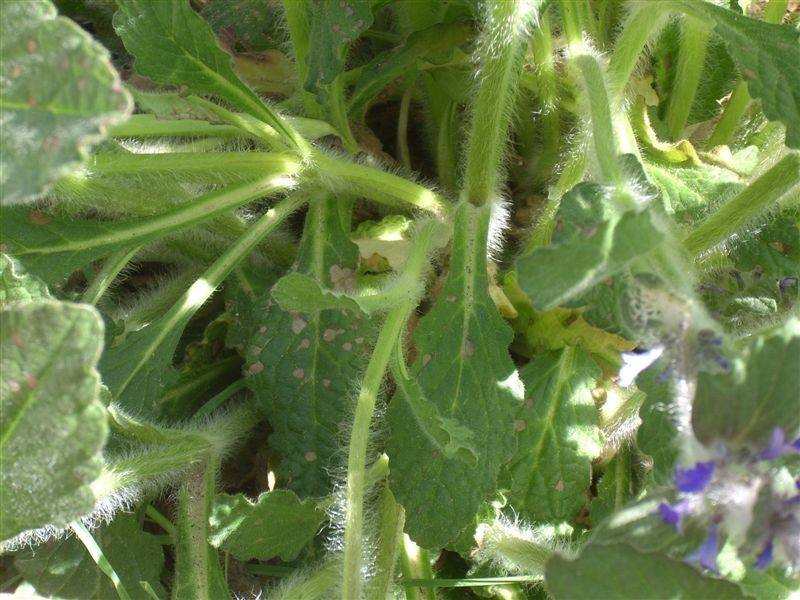
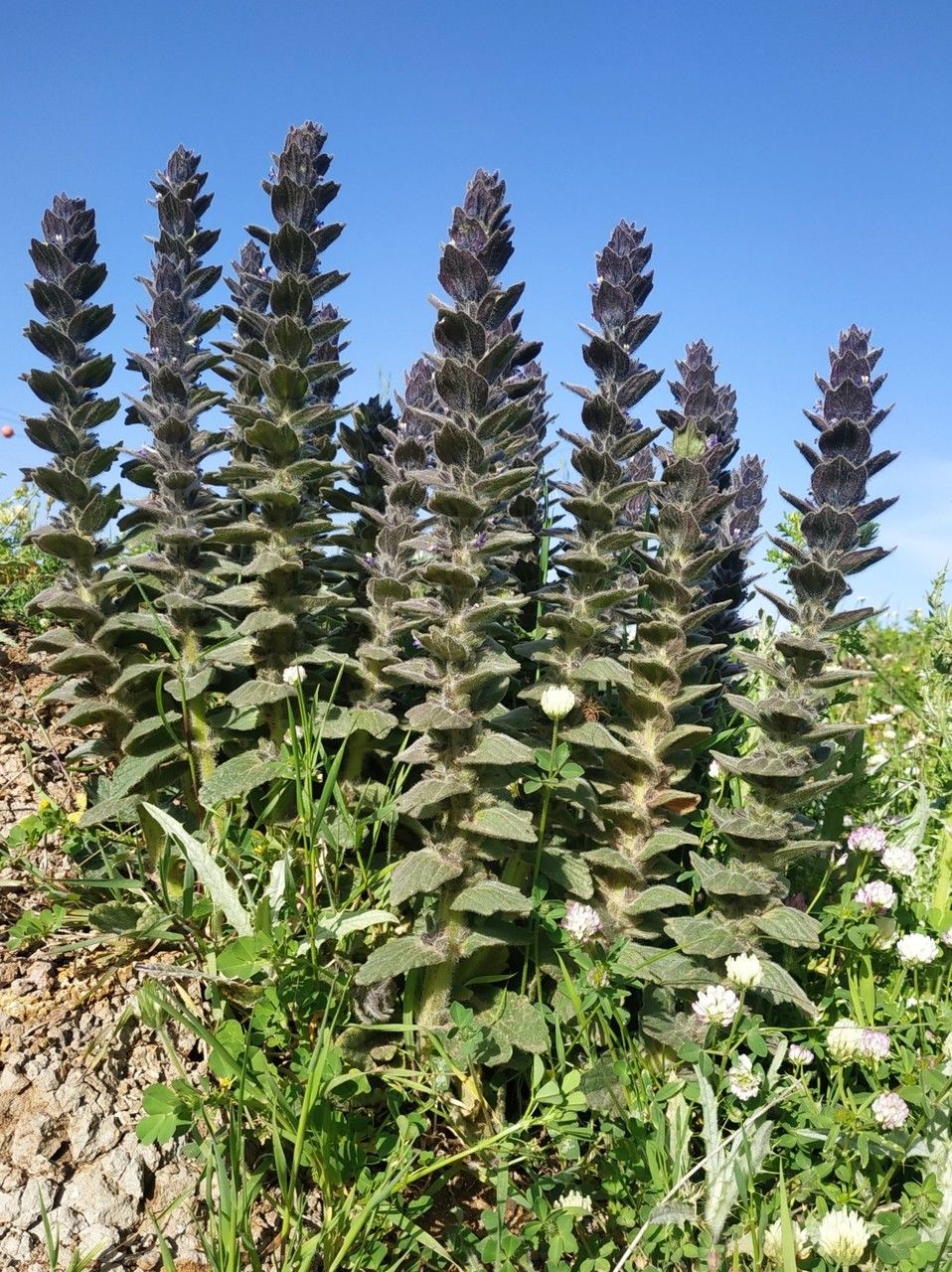
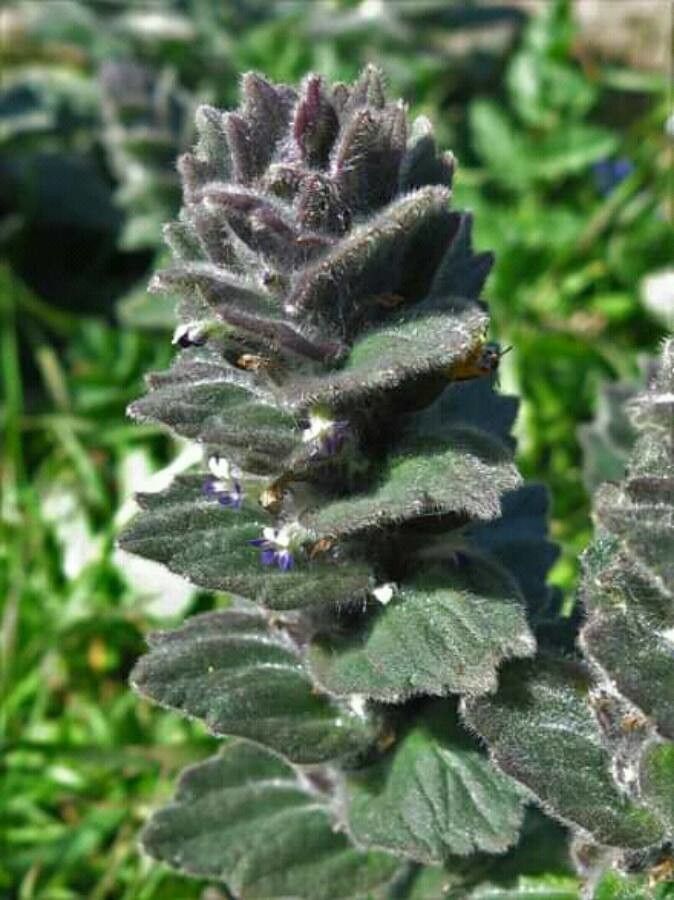
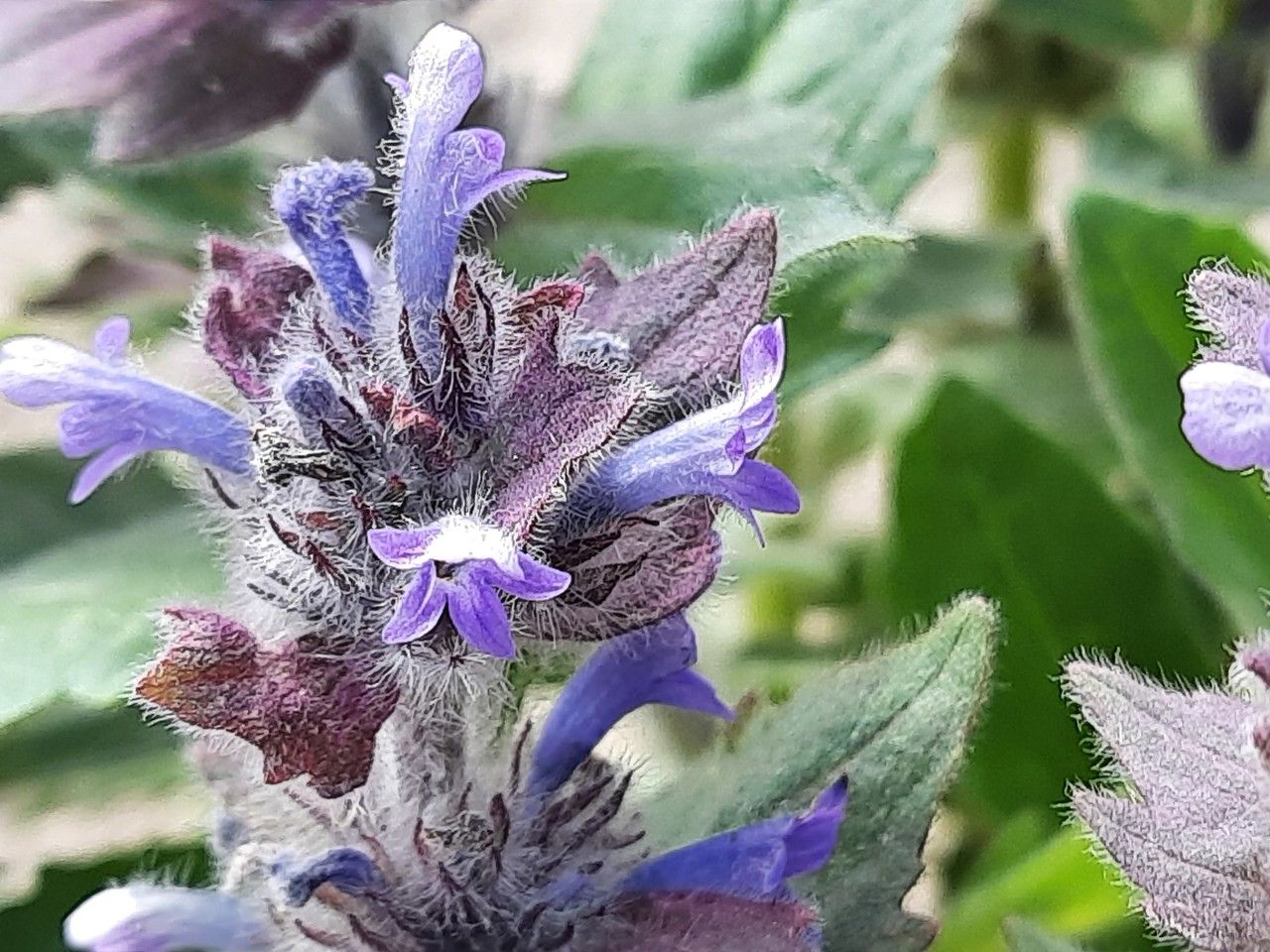
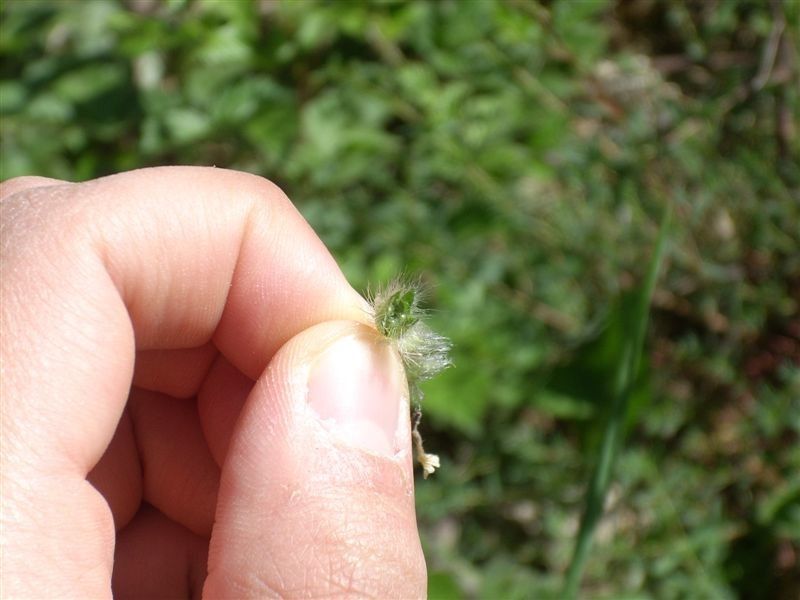
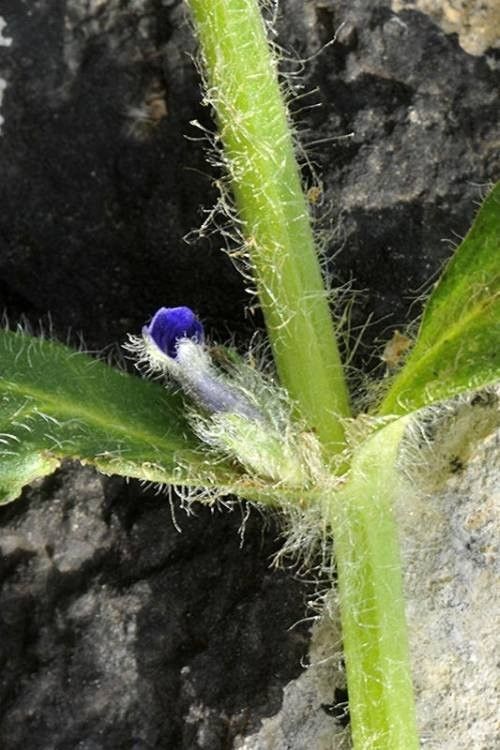
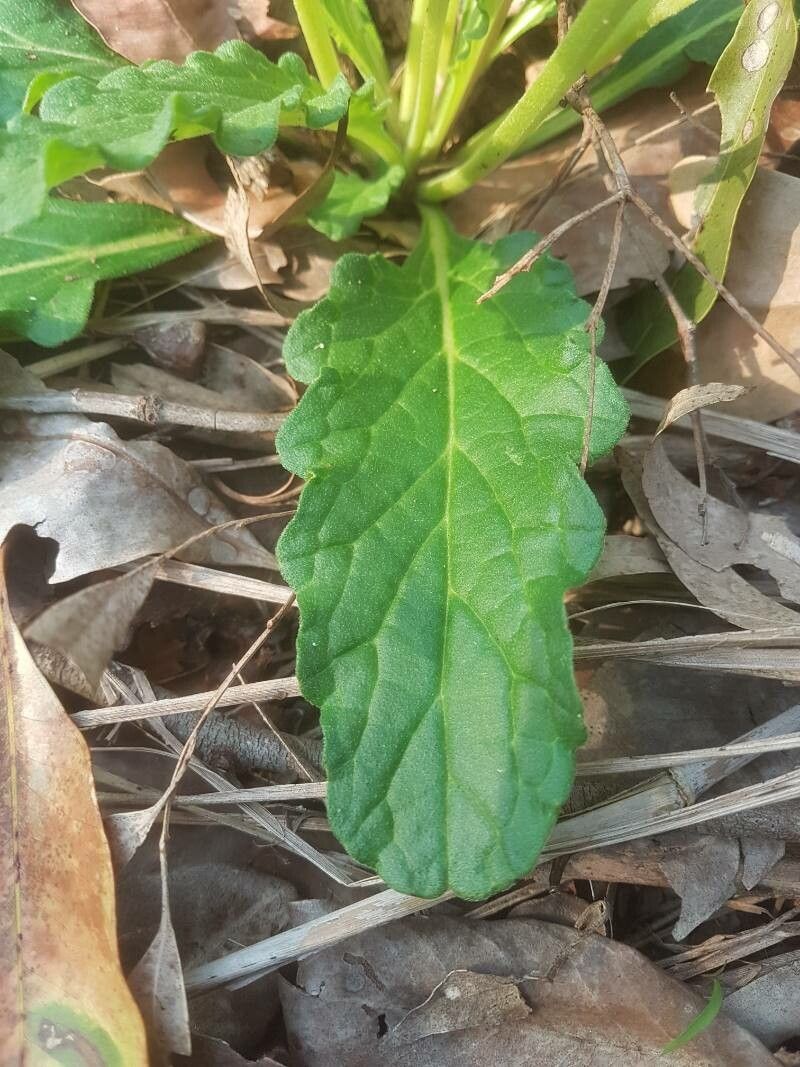
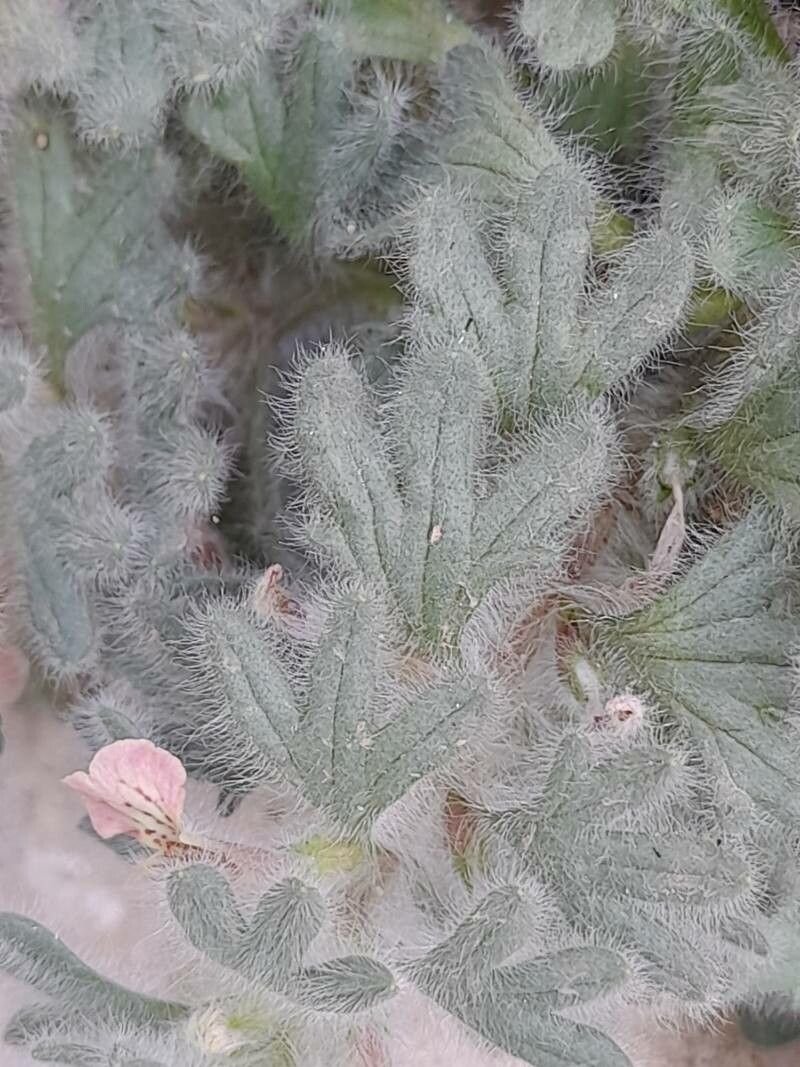
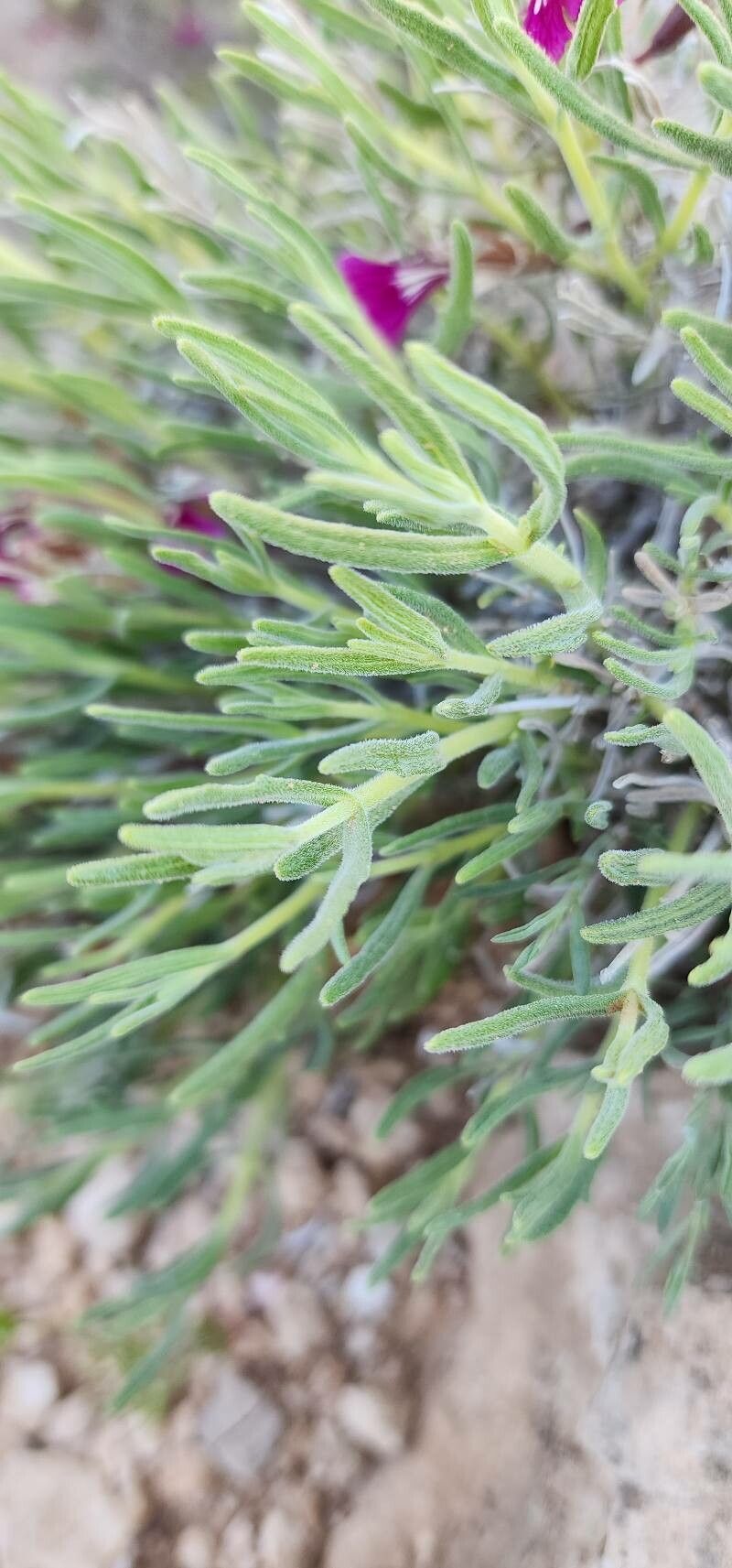
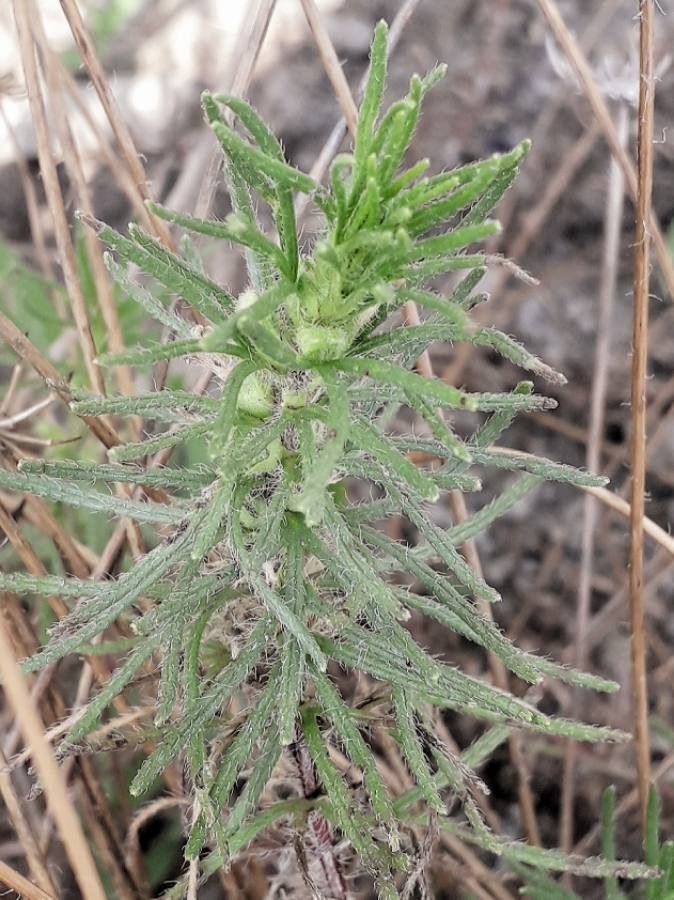
Ajuga orientalis, also known as Oriental bugle and Eastern bugle, is a herbaceous flowering plant native to the Eastern Mediterranean. It is found in the sandy, dry brushwood and lightly forested regions of the coast. It is usually evergreen, although it may be briefly deciduous in cold winters.
Eastern bugle has strong disease resistance and is generally not prone to illnesses. However, it can be vulnerable to pests and diseases present in its environment; these problems are typically minor. Regarding care, this plant requires a moderate level of maintenance. It needs regular pruning to keep a good appearance and support healthy growth. Fertilizing can also help encourage flowering. Eastern bugle is suitable for anyone with an outdoor area, such as a garden or patio, and does not require extensive experience in plant care. It may need more attention when grown indoors.
How to keep Ajuga Orientalis.
Light
Eastern bugle naturally occurs in habitats like forest understories or rocky locations where it grows in shade. It favors partial sun but is able to tolerate full sun or deep shade, illustrating its adaptable, hardy character.
Water
The Eastern bugle thrives in dry conditions. Before watering, ensure that the top 5 cm (2 in) of soil is dry. When watering, do so thoroughly to moisten the soil to a depth of 12.5 cm (5 in). If the area receives 2.5-5 cm (1-2 in) of rainfall each week, additional watering is unnecessary.
Temperature
Eastern bugle can tolerate a wide range of temperatures, but its distribution may still be restricted by different combinations of moisture and heat. It performs best in warm summer climates with sufficient rainfall or watering. Extended periods of cloudy, rainy weather or prolonged high heat can raise the chance of Eastern bugle dying. In winter, proper protection from cold can enhance the plant's survival rate.
Fertilizer
For Eastern bugle, the primary time to fertilize is in early spring when the flowers are forming. The proper fertilizer promotes better blooms and helps Eastern bugle produce attractive flowers. Fertilizing in early spring ensures excellent flowers during the season and supplies energy for dormant growth phases.
Pruning
Eastern bugle is valued for its dense growth and beautiful blue flowers. To maintain its health and vibrant appearance, it requires pruning in early spring. Trim away dead stems and aggressive runners to encourage new growth and prevent overcrowding. With regular care, eastern bugle will thrive and retain its ornamental qualities throughout the growing season.
Botanical profile.
- Plant Type
- Herb
- Life Cycle
- Perennial
- Genus
- Ajuga
- Family
- Lamiaceae
- Hardiness Zone
- 4-9
- Mature Height
- 46 cm
- Mature Spread
- 46 cm
- Leaf Color
- Green, Dark Green
- Leaf Type
- Deciduous
- Flower Size
- 1.02 cm to 1.52 cm
- Bloom Time
- Mid spring, Late spring, Early summer
- Planting Time
- Spring, Summer
- Harvest Time
- Summer
- Native Area
- Russia, Turkey, Syria, Italy, Iran, Cyprus, Armenia, Albania, Greece, Ukraine, Lebanon
Other names.
Reader questions.
What is the Eastern bugle?
The Eastern bugle, known botanically as Ajuga orientalis, is a plant species. Further details about its essentials, content, or symptoms were not provided in the original data.