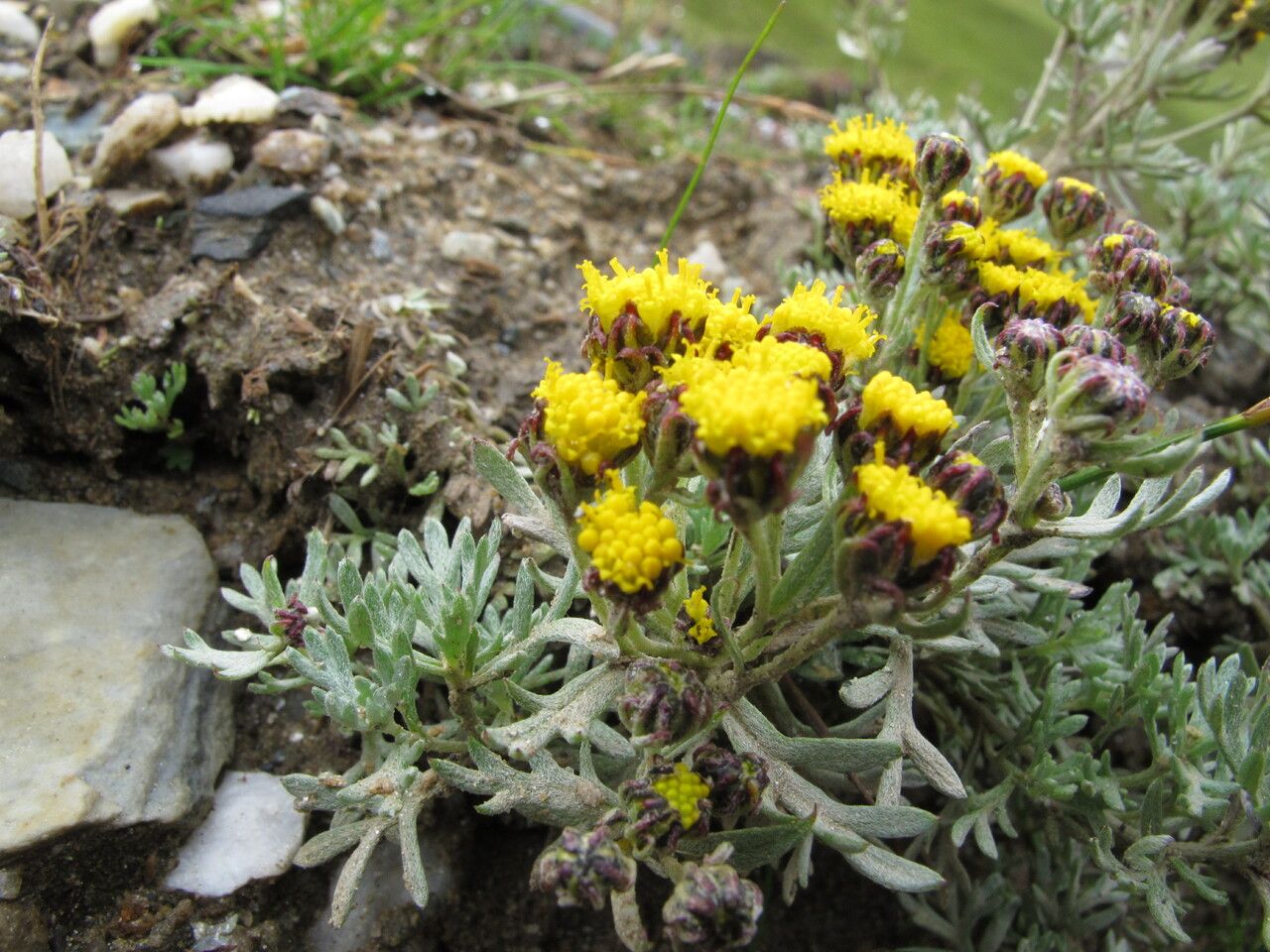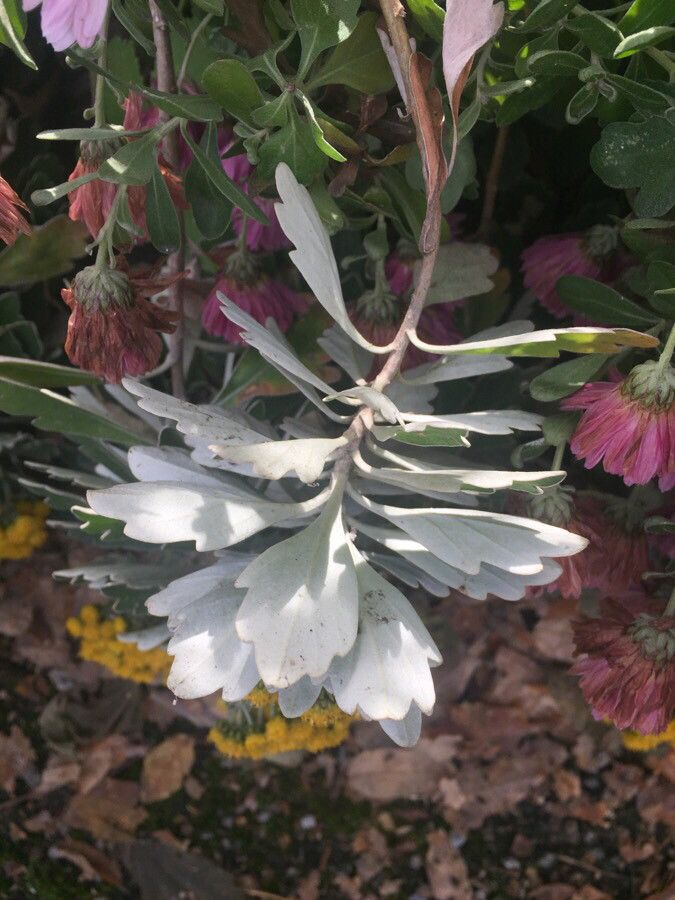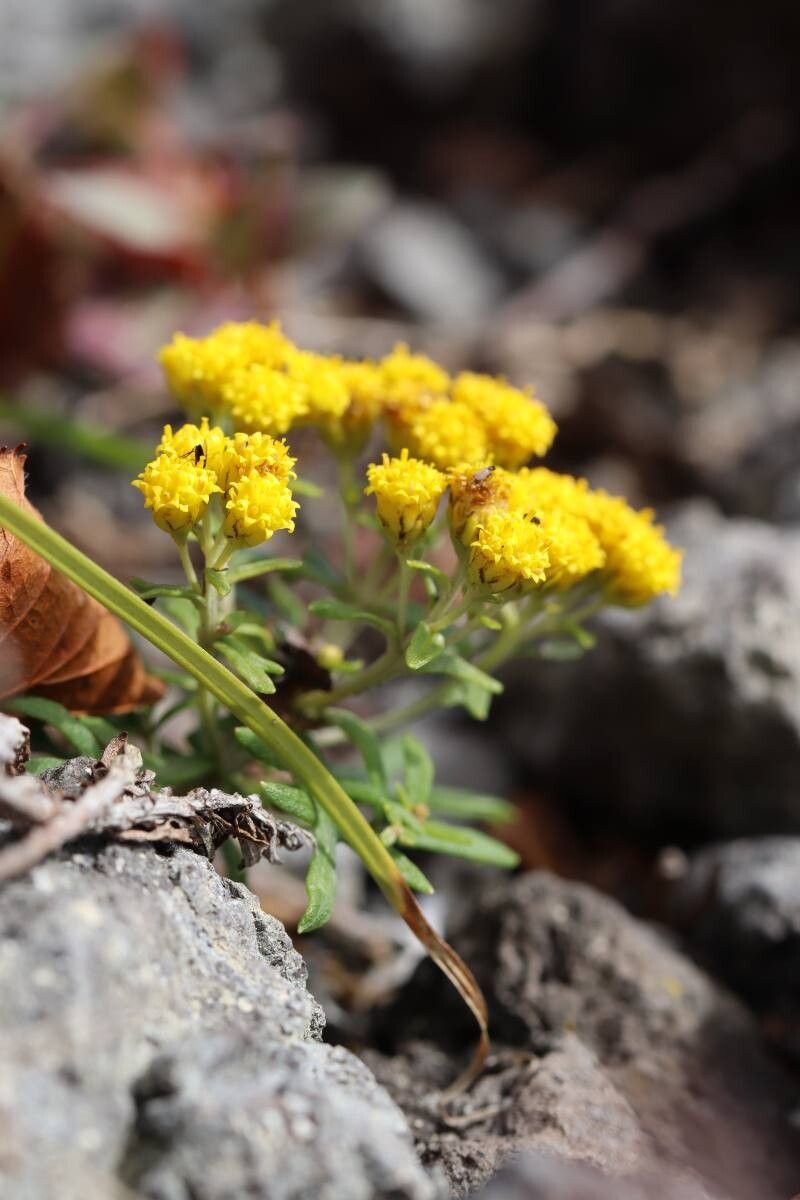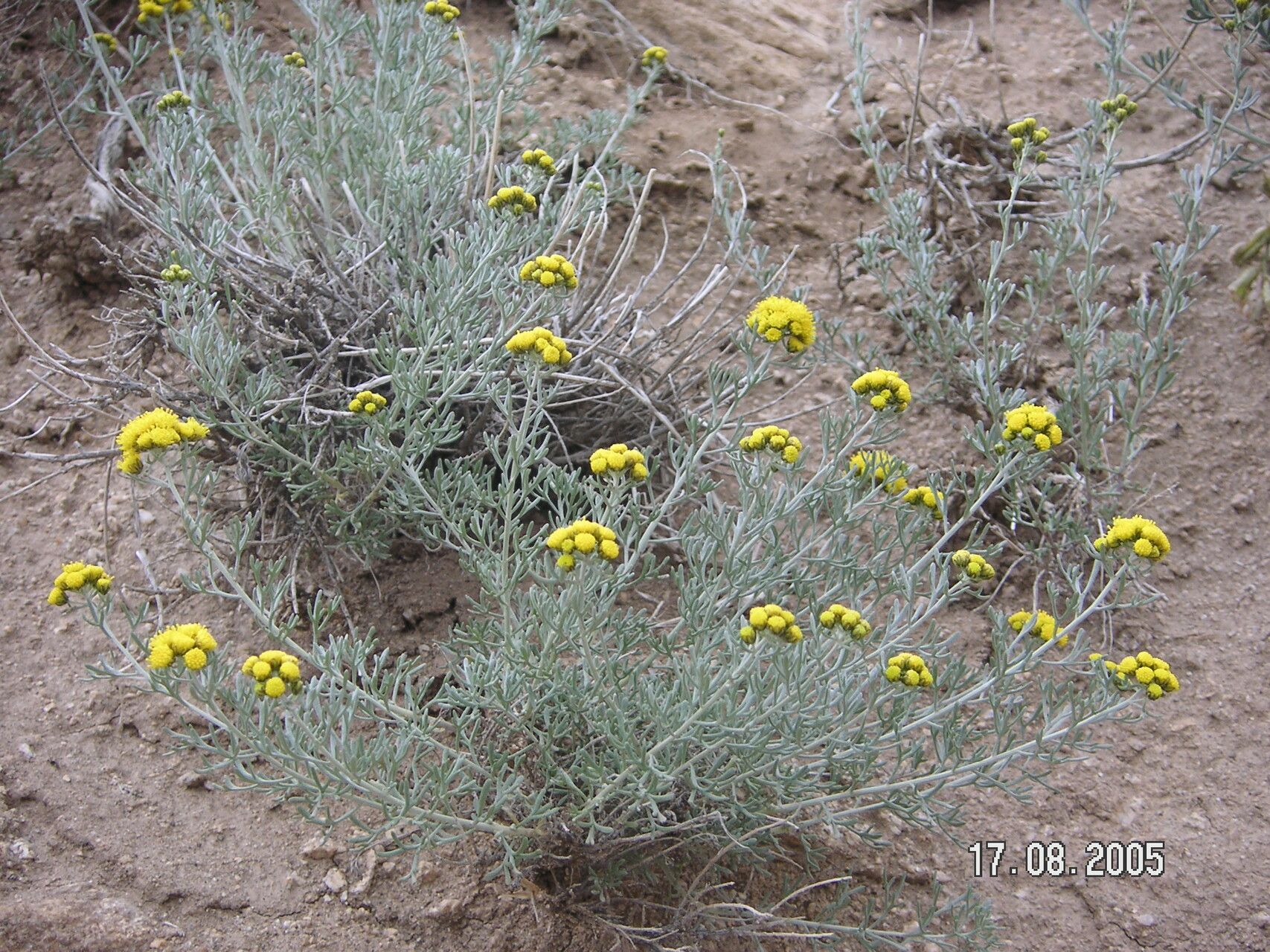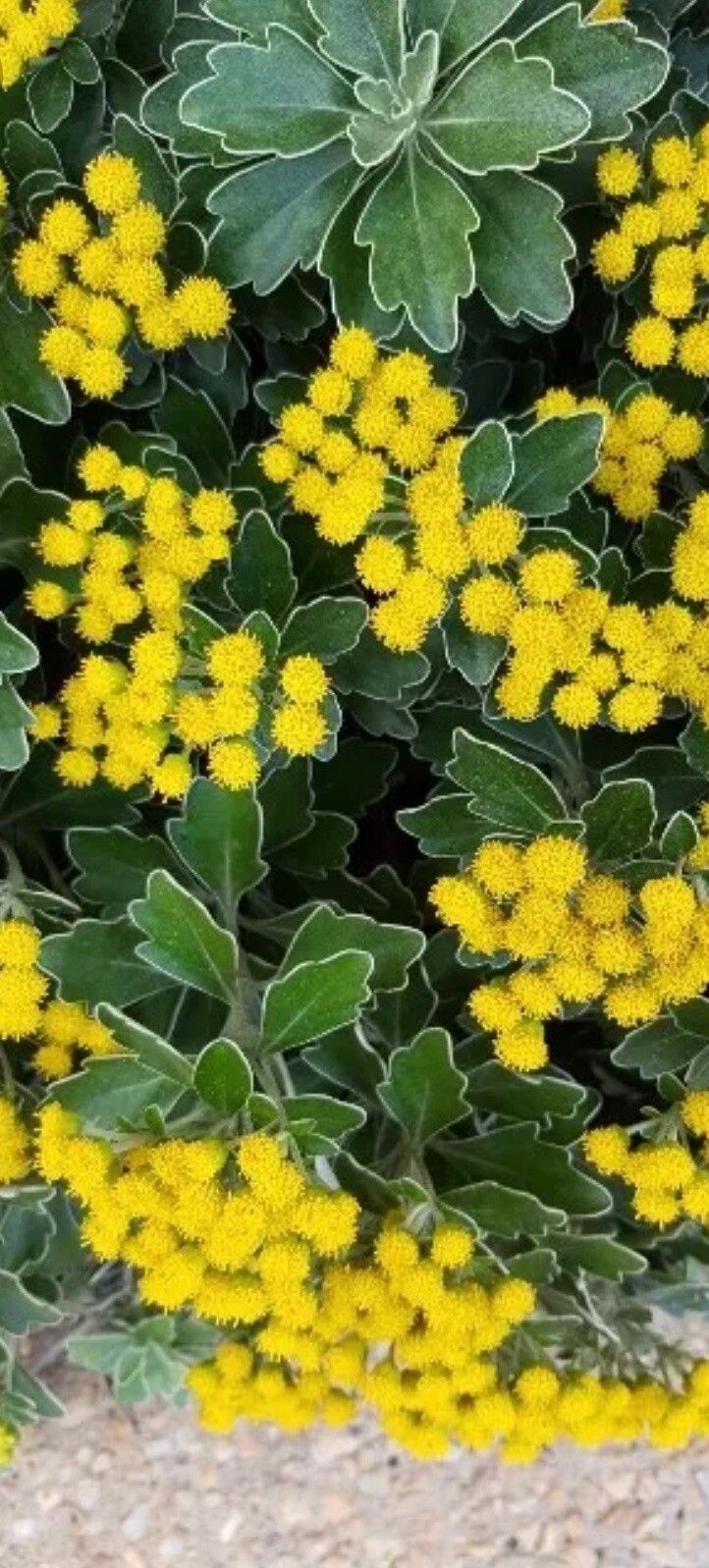
Ajania Pallasiana is fairly disease-resistant and is generally not prone to illnesses. However, it can be affected by pests and diseases present in its environment. Such infections are usually mild. Regarding care, this plant needs moderate maintenance. It should be pruned regularly to preserve a neat appearance and promote healthy growth. Fertilizing can also help encourage flowering. Ajania Pallasiana is suitable for anyone with an outdoor area, like a garden or patio, and does not demand extensive care experience. It may need more attention when grown indoors.
How to keep Ajania Pallasiana.
Light
Ajania Pallasiana is an enduring herbaceous plant that thrives in sunny environments, typically found in open landscapes such as meadows and grasslands. It has a particular liking for full sun, but can also manage well in semi-sunny conditions.
Water
Ajania pallasiana, native to the high altitudes of Central Asia, is well adapted to temperature fluctuations and occasional drought conditions. It thrives when watered weekly, allowing for dry periods between waterings to maintain balance. This plant is ideal for rock gardens or border plantings, as it requires well-draining soil to prevent root rot.
Temperature
The Ajania Pallasiana naturally occurs in areas with temperate climates, needing temperatures from 41 to 95 °F (5 to 35 ℃) to grow. It usually flourishes most in the spring and autumn, and is capable of adjusting to minor temperature changes. During particularly severe seasons, habitual observation and necessary adjustments are advised.
Fertilizer
The perfect period to nourish an Ajania Pallasiana is during the initial phase of spring, when it is moving out of its dormant state and entering a phase of active growth. Fertilization supplies crucial nutrients for optimal growth. Even though Ajania Pallasiana doesn't require much fertilization, doing so yearly can improve its life expectancy and encourage superior, more enduring bloom.
Pruning
Ajania pallasiana is known for its silver-green foliage and yellow flowers. To encourage new growth, shape the plant, and improve air circulation, prune it between late winter and early spring. Be sure to use sharp, sanitized tools to minimize stress and promote blooming. This will also help control the plant's size and reduce the risk of disease.
Botanical profile.
- Plant Type
- Herb
- Life Cycle
- Perennial
- Genus
- Ajania
- Family
- Asteraceae
- Hardiness Zone
- 5-9
- Mature Height
- 30 cm to 61 cm
- Mature Spread
- 30 cm to 40 cm
- Leaf Color
- Gray, Silver
- Leaf Type
- Evergreen
- Flower Color
- Yellow
- Flower Size
- 3.05 cm to 5.08 cm
- Bloom Time
- Early fall, Mid fall
- Planting Time
- Spring, Summer
- Harvest Time
- Mid fall, Late fall
- Native Area
- Russia, Japan, Mongolia, Koppen, China
Other names.
Reader questions.
What are the sunlight requirements for Ajania Pallasiana?
Ajania Pallasiana thrives best under conditions of full sun, which means it requires above 6 hours of sunlight daily. It can also tolerate partial sun, enjoying about 3-6 hours of sunlight. When planning where to position your Ajania Pallasiana, observe how sunlight moves through your garden to find spots that offer a harmonious balance of light and shade, ensuring optimal growth and health of the plant.
What essentials should I know about Ajania Pallasiana?
Ajania Pallasiana is a perennial herbaceous plant that loves the sun. It naturally grows in open habitats such as meadows and grasslands. While it prefers full sun, it can also make do with partial sun conditions. For indoor plants, artificial lighting can be crucial for growth, especially in less sunny locations or during winter. LED lights, which can be adjusted to provide specific wavelengths, are recommended. The amount of artificial light needed varies by plant type: 30-50W/sq ft for full sun plants, 20-30W/sq ft for partial sun plants, and 10-20W/sq ft for full shade plants. Proper positioning and duration of artificial light, resembling natural daylight hours, are essential for promoting healthy growth.
What symptoms indicate Ajania Pallasiana is not getting enough light?
When Ajania Pallasiana is placed in environments with inadequate lighting, several symptoms might appear. These include smaller new leaves, leggy or sparse growth due to longer spaces between leaves or stems, expedited leaf drop as a conservation effort, delayed or halted growth, paler new leaves indicating a lack of chlorophyll, and symptoms of chlorosis where leaves turn yellow. Too much sunlight can cause sunscald, characterized by pale or necrotic spots on leaves, leaf curling as a defense against excessive sunlight, wilting from loss of water through transpiration, and leaf scorching seen as brown, dry edges on leaves.
How can I address lighting issues for Ajania Pallasiana?
Managing lighting for optimal growth of Ajania Pallasiana involves different strategies for indoor and outdoor settings. Indoors, consider gradually moving your plant to sunnier locations until it gets at least 6 hours of sunlight, and employing artificial lighting solutions if necessary, ensuring at least 8 hours of light daily. Outdoors, introduce the plant to sunnier spots gradually to prevent sunburn. Reducing obstructions like pruning trees may help increase sunlight exposure. If possible, transplant smaller plants during their dormant period into areas with more sunlight and better drainage to encourage healthy new growth. However, parts of the plant already damaged by poor lighting may not recover, but adequate light can ensure healthy new development.