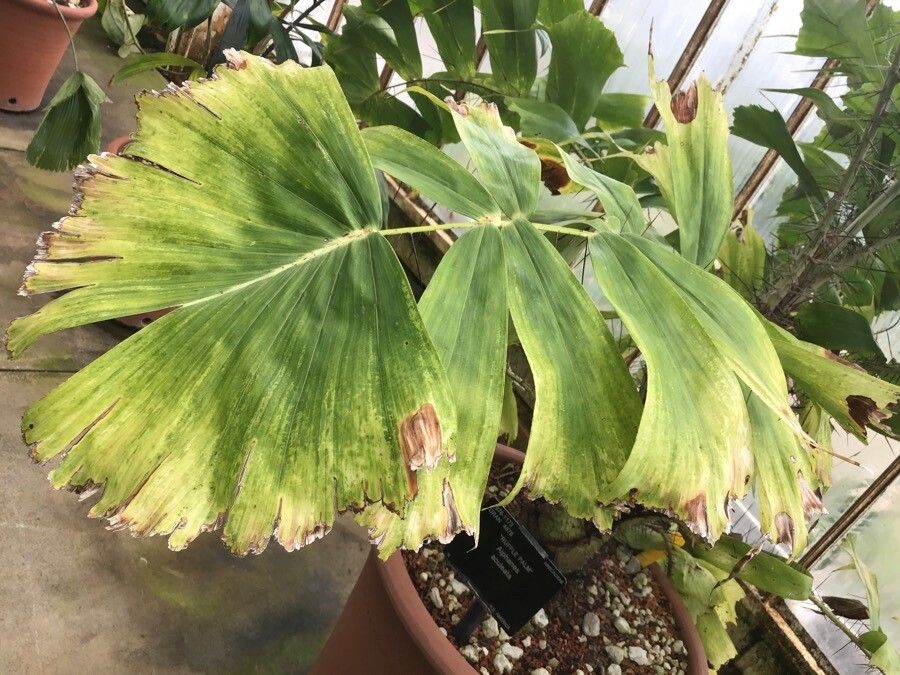
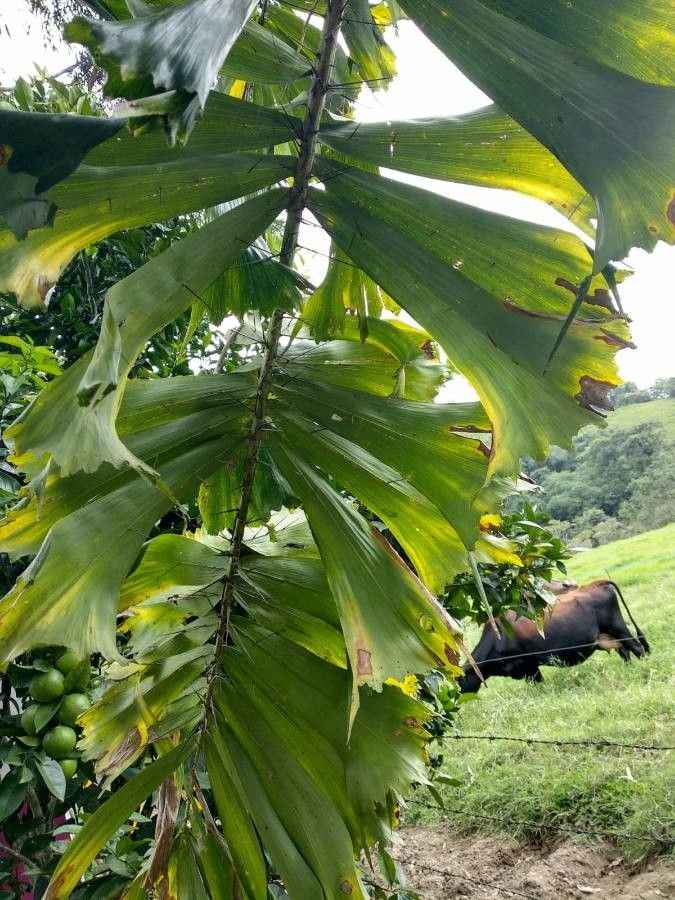
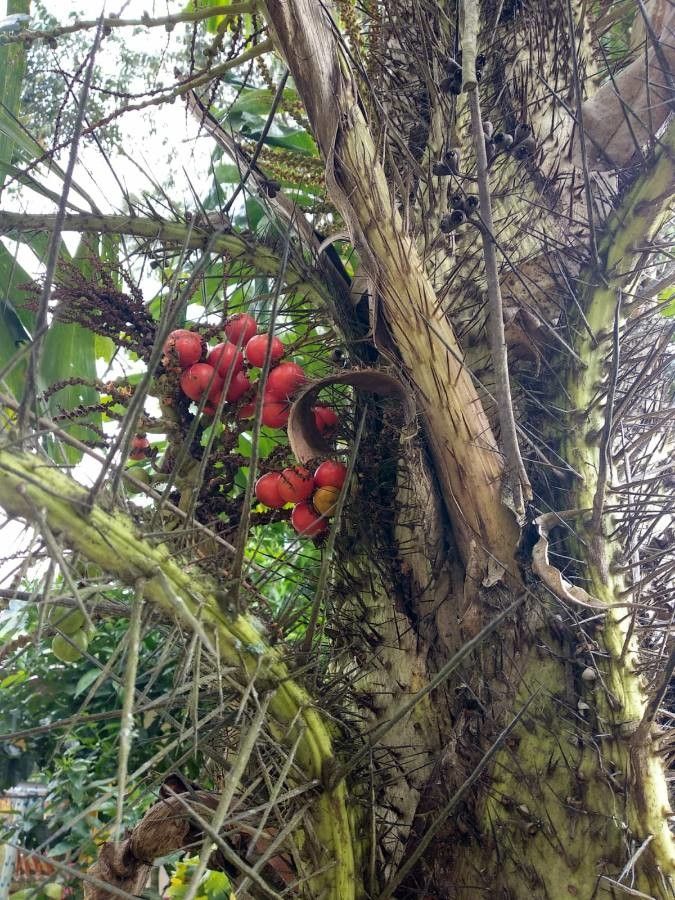
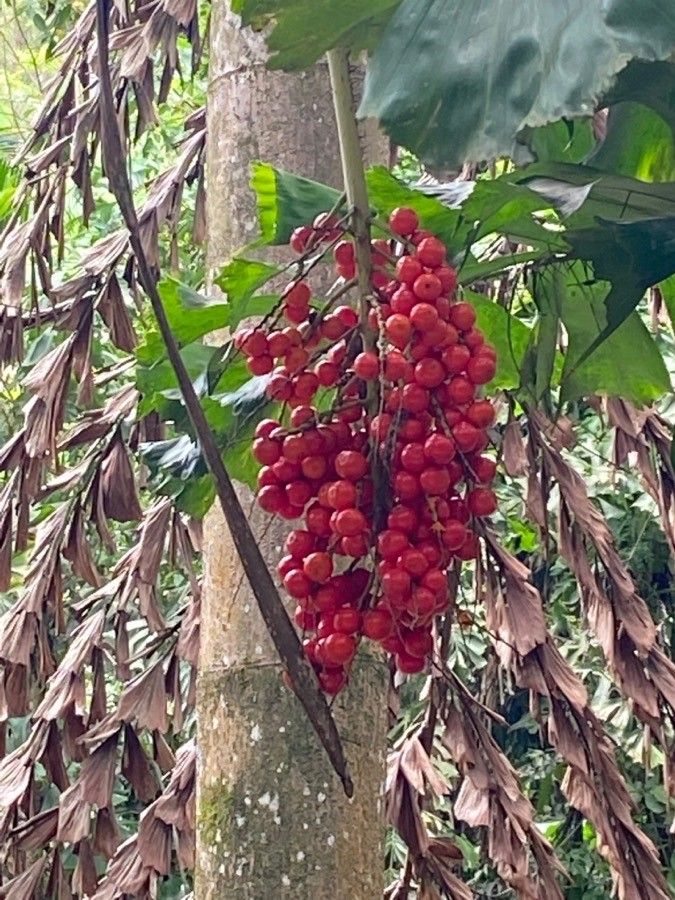
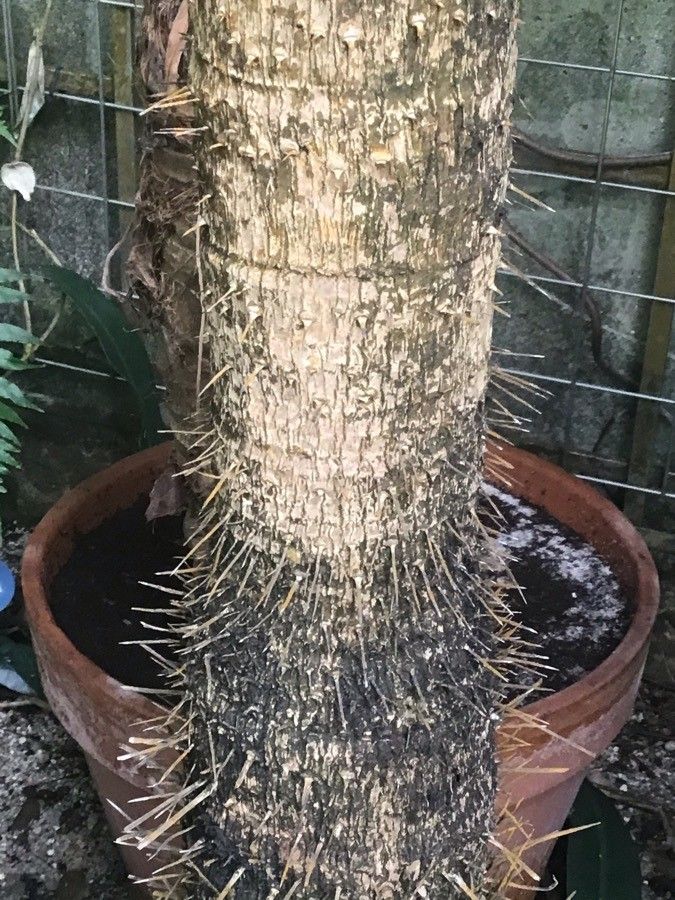
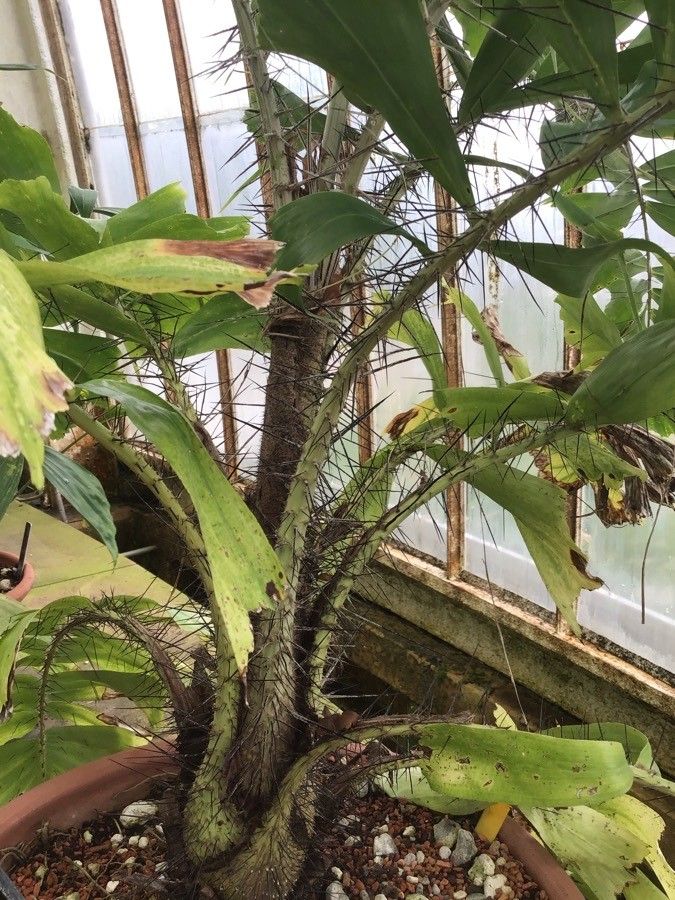
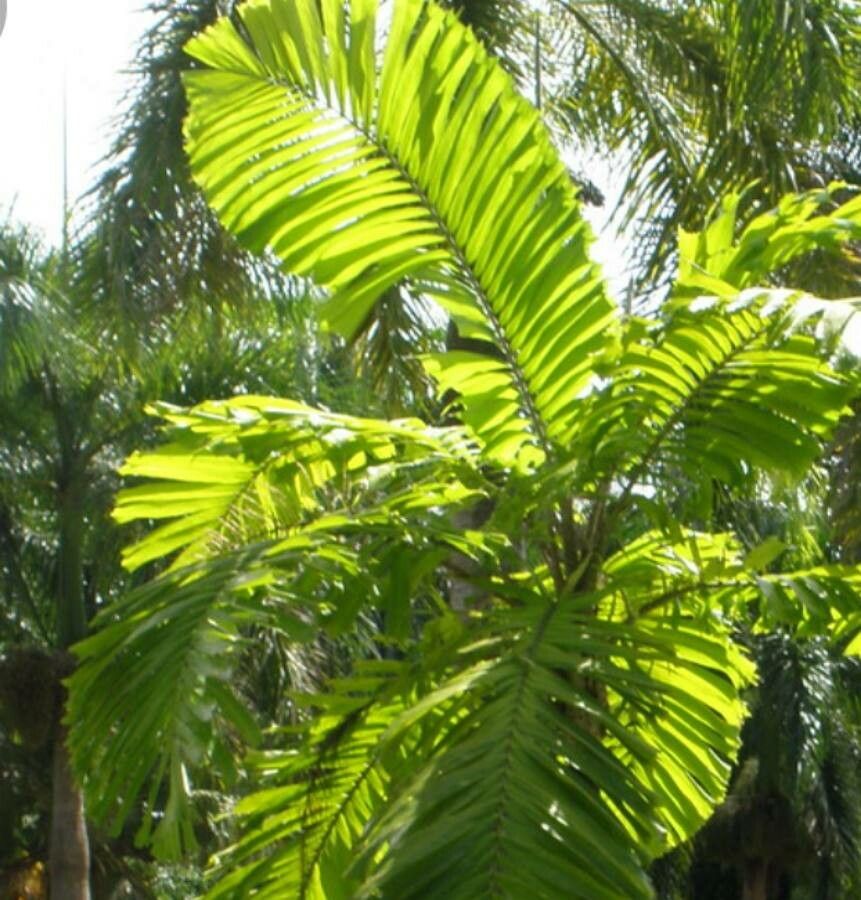
Aiphanes horrida is a palm native to northern South America and Trinidad and Tobago. Aiphanes horrida is a solitary, spiny tree. In the wild it grows 3–10 metres tall (9–30 feet) tall with a stem diameter of 6–10 centimetres (2–4 inches); cultivated trees may be as much as 15 m (49') tall with a 15 cm (6") diameter. The epicarp and mesocarp of the fruit are rich in carotene and are eaten in Colombia, while the seeds are used to make candles. In parts of the Colombian Llanos endocarps are used to play games.The range of the species is found in dry forests between sea level and 1700 m (5600') above sea level in Bolivia, Brazil, Colombia, Peru, Trinidad and Tobago and Venezuela, but is not native to Ecuador. The species is cultivated as an ornamental throughout the tropics.Many authors, including Henderson et al. (1995) and Borchenius and Bernal (1996) use A. aculeata rather than A. horrida, giving Jacquin's description of Caryota horrida a publication date of 1809, three years after Willdenow's 1806 description. On the other hand, Govaerts et al. (2006) gives Jacquin's work a publication date of 1801, giving A. horrida priority over A. aculeata.
Ruffle palm has strong disease resistance and is generally not susceptible to diseases. Regarding care, this plant is fairly low maintenance. When grown outdoors it needs minimal watering, and larger plants typically do not require pruning. However, smaller plants should be pruned after they have finished blooming. Ruffle palm is appropriate for anyone with outdoor space, such as a garden or deck, and does not demand a lot of care experience.
How to keep Aiphanes Horrida.
Light
Ruffle palm comes from habitats such as forest understories or rocky areas, where it grows in natural shade. It prefers partial sun but can tolerate full sun or full shade, showing its versatile and hardy nature.
Water
Ruffle palm thrives in environments with high humidity and frequent rainfall. It prefers moist soil, although it can tolerate some drought. To keep the soil consistently moist without causing over-saturation, water the plant every 1 to 2 weeks. As an evergreen, the ruffle palm needs careful watering during the growing season to ensure its foliage remains lush.
Temperature
Ruffle palm comes from tropical areas, where conditions are generally warm and humid. As a result, it is adapted to high temperatures and moisture. It does not tolerate abrupt temperature changes and prefers a consistent thermal environment, so avoiding temperature fluctuations indoors is important. It typically cannot withstand cold and needs relatively warm conditions to grow; if ambient temperatures drop too low, the plant may stop growing or even die.
Fertilizer
To encourage healthy growth, fertilize your Ruffle palm in early spring. Consistent feeding improves overall health, leading to vigorous growth, increased tolerance of challenging conditions, and enhanced resistance to diseases and pests. Follow a regular fertilization schedule for your Ruffle palm to maintain vibrant, deeply colored foliage and a lush appearance.
Pruning
The ruffle palm is a decorative palm tree with spiny features. To maintain its health and appearance, it is best to prune the tree in early spring. This involves removing dead fronds and spent flower stalks, which helps improve growth and air circulation. Regular pruning also allows you to manage the tree's height and shape. Be sure to wear gloves for safety while pruning. This maintenance routine reduces the risk of disease and pest problems, promoting a healthier plant overall.
Botanical profile.
- Plant Type
- Palm
- Life Cycle
- Perennial
- Genus
- Aiphanes
- Family
- Arecaceae
- Hardiness Zone
- 10-12
- Mature Height
- 4.88 m to 10.06 m
- Mature Spread
- 3.05 m to 4.88 m
- Leaf Color
- Green, Dark Green
- Leaf Type
- Evergreen
- Flower Color
- Yellow, Orange
- Flower Size
- 0.51 cm to 0.76 cm
- Bloom Time
- All year round
- Planting Time
- Spring, Summer, Autumn
- Harvest Time
- All year round
- Native Area
- Colombia, Bolivia, Venezuela, Peru, Brazil, Ecuador
Other names.