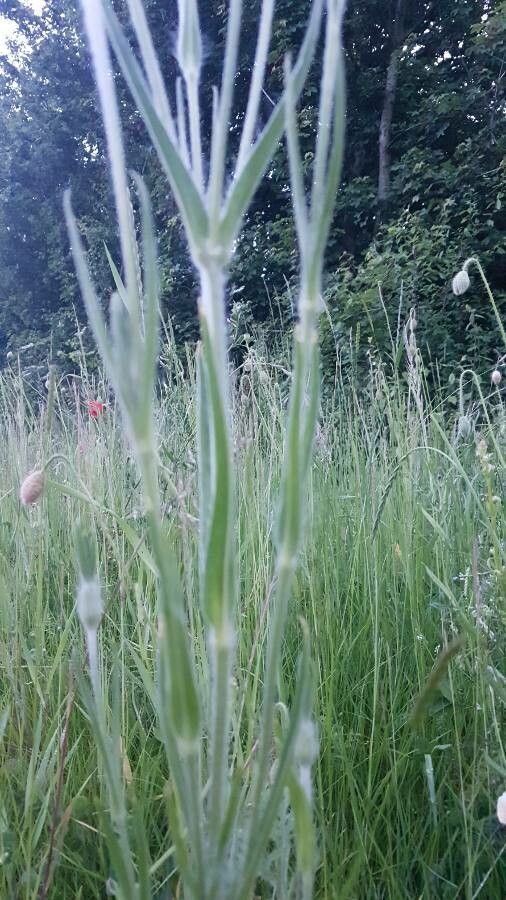
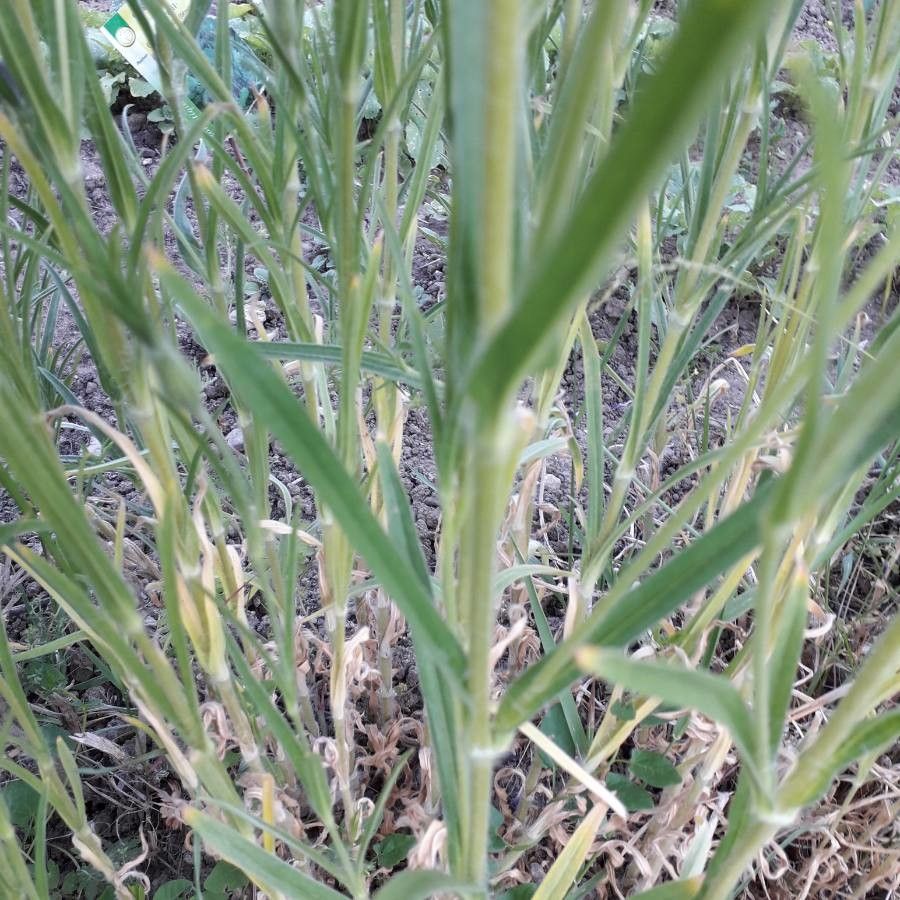
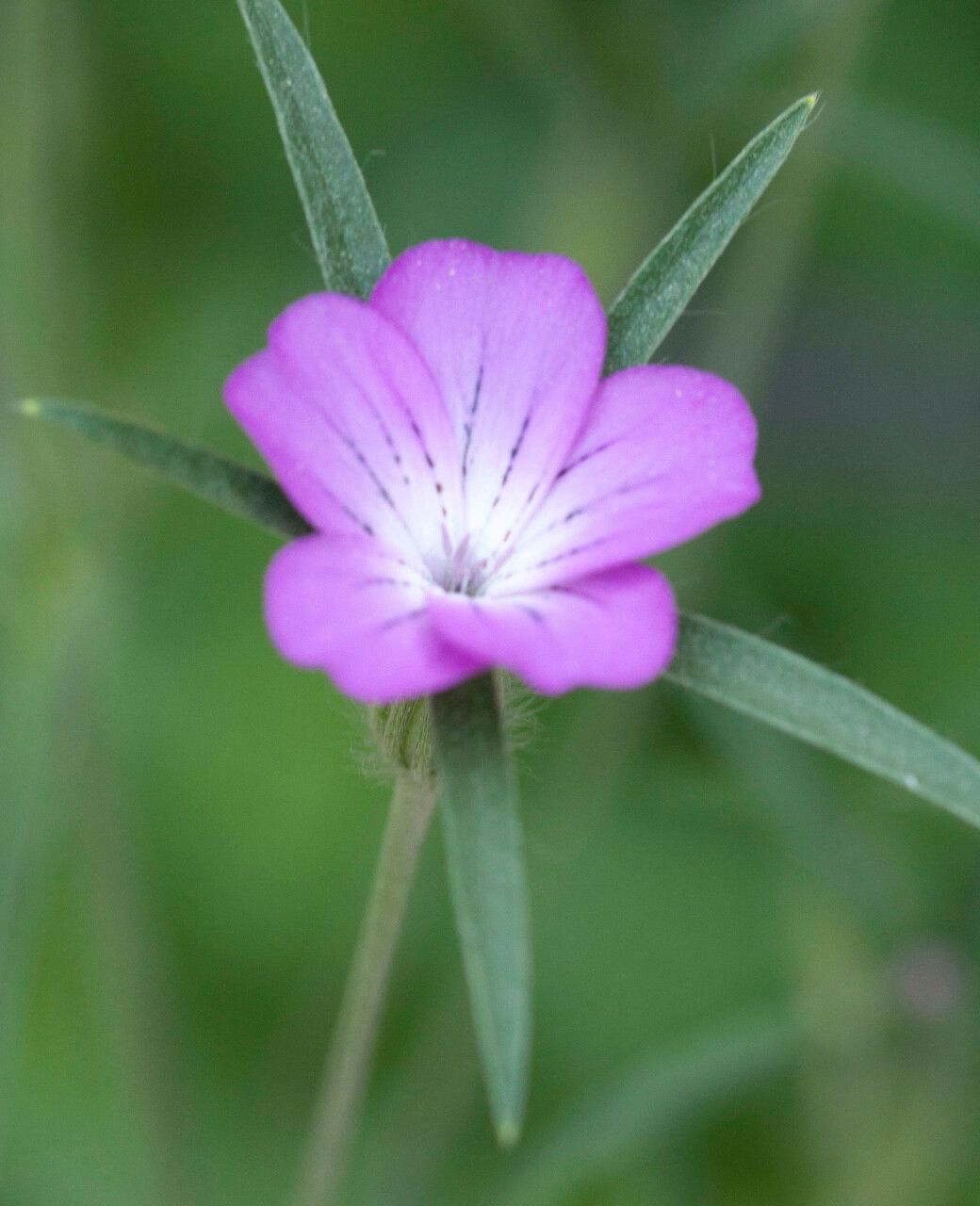
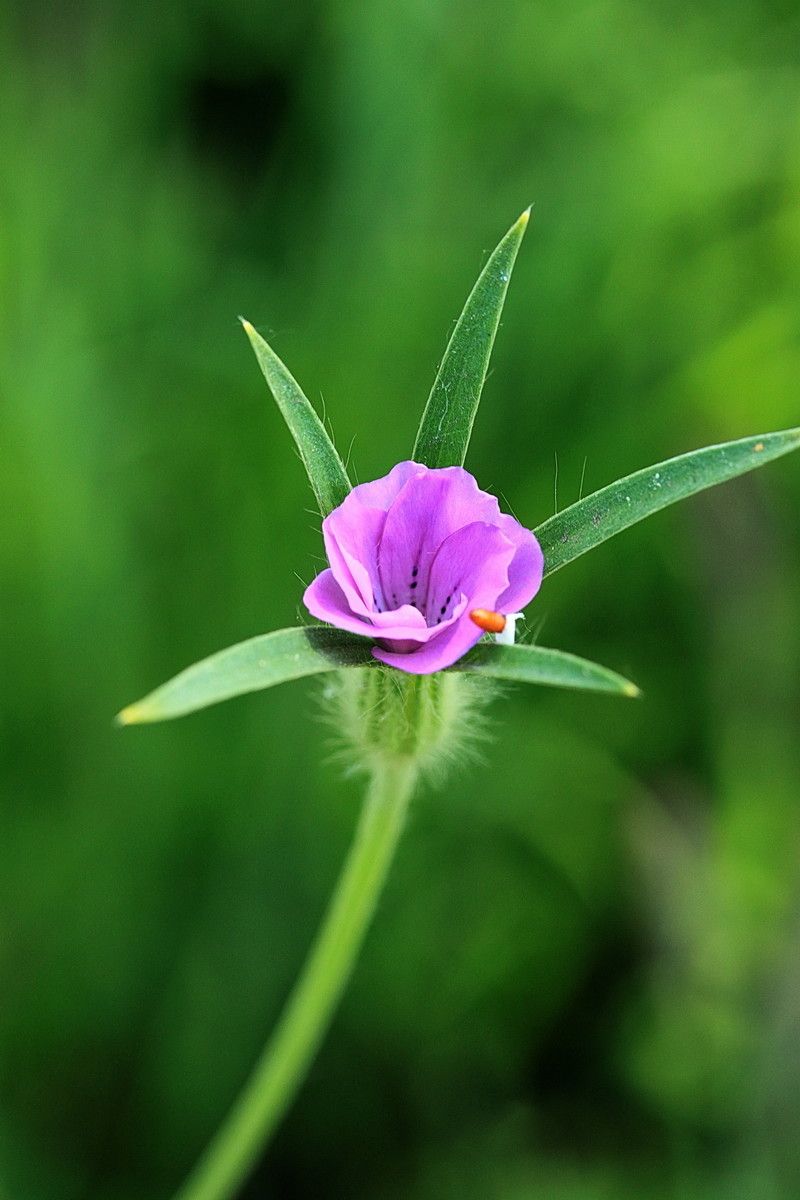
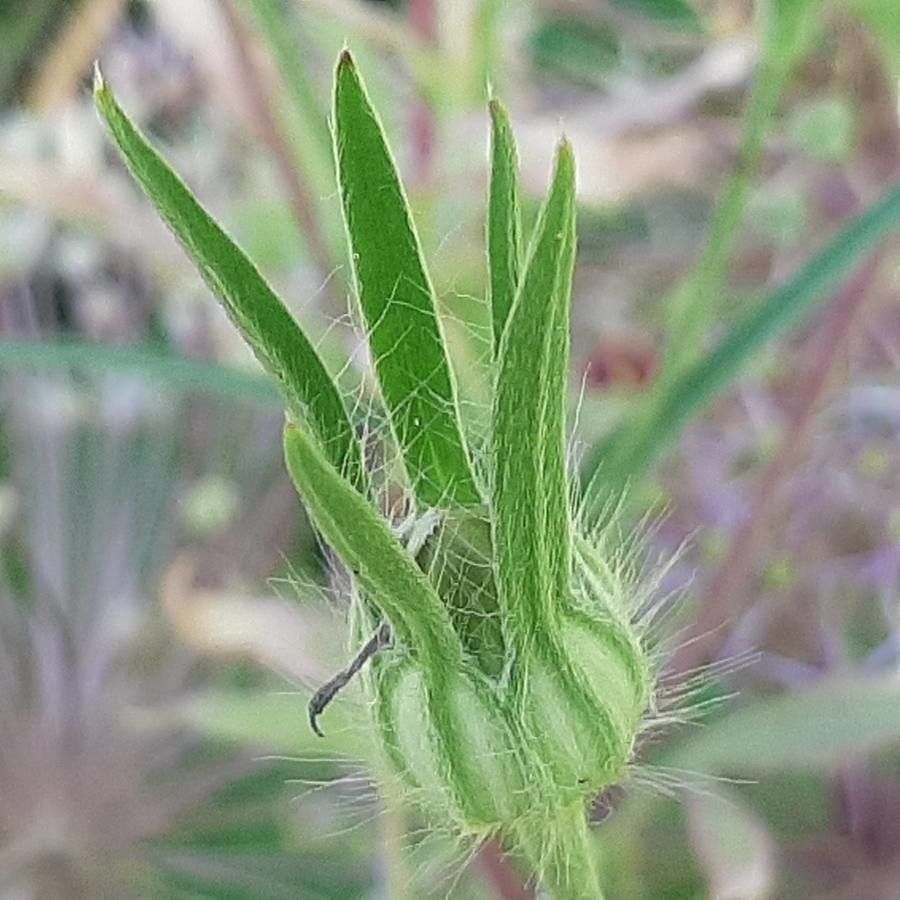
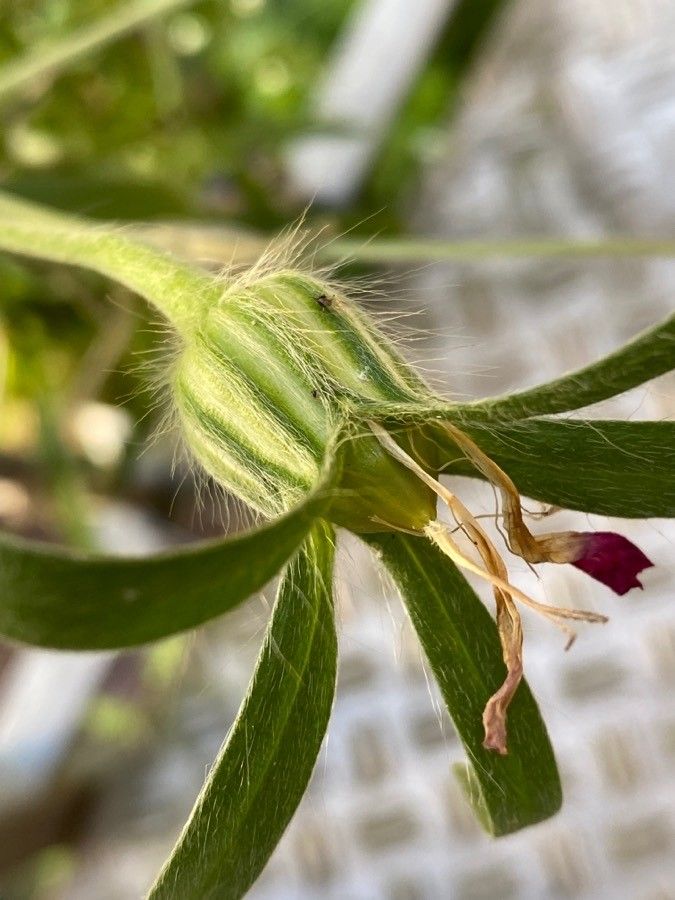
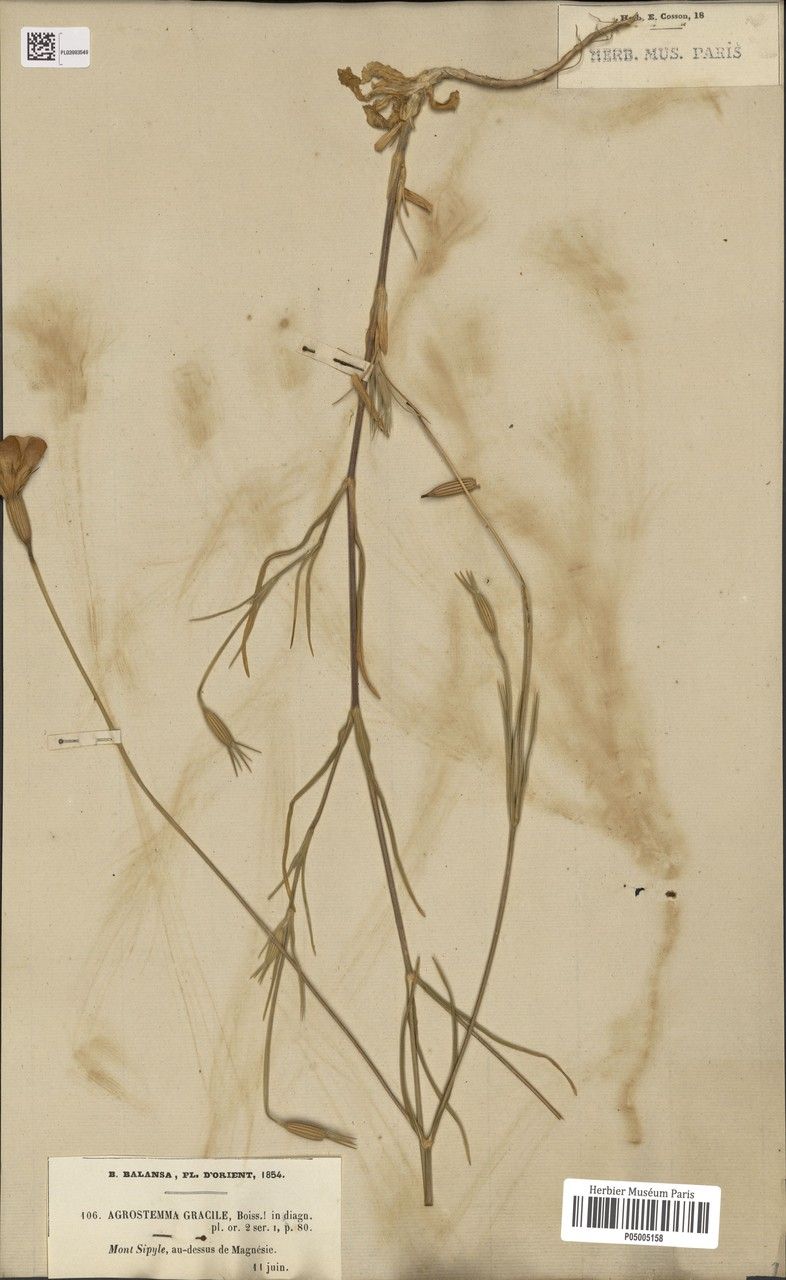
Agrostemma githago, the common corn-cockle (also written "corncockle") is a herbaceous annual flowering plant in the pink and carnation family Caryophyllaceae.
The term "corn" was once a general name for all types of grains in Europe. This is why a weed commonly found in wheat fields is called the common corncockle. The "cockle" part of the name probably refers to the way the plant would spread over grain fields, similar to how bivalves attach themselves to the hull of a ship.
Common corncockle has good resistance to disease and is usually not susceptible to illnesses. However, it can be affected by pests and diseases present in its surroundings. These infections are typically not serious. In terms of care, this plant requires moderate maintenance. It should be pruned regularly to preserve a pleasing appearance and encourage healthy growth. Fertilizing can also help boost flowering. Common corncockle is suitable for anyone with an outdoor area, such as a garden or patio, and does not demand extensive gardening experience. It may need more attention when grown indoors.
How to keep Agrostemma Githago.
Light
The common corncockle prefers locations with plenty of unobstructed sunlight, which promotes its healthy growth. Although it traditionally thrives in well-lit habitats, it has shown a tolerance for areas with reduced light. Insufficient light can impede growth, while too much can cause wilting.
Water
The common corncockle, native to temperate regions, thrives in moderate moisture conditions with weekly watering. Though it can withstand short dry periods, it prefers consistent hydration. Usually grown outdoors, the common corncockle adapts well to temperate climates with adequate rainfall, reducing the need for additional watering.
Temperature
Common corncockle is native to climates where temperatures range from 68 to 95 °F (20 to 35 ℃). This species strongly prefers those conditions. In colder climates, consider growing it indoors or using a greenhouse to maintain optimal temperature.
Fertilizer
When most of the Common corncockle’s blooms have fully opened, resume fertilizing. Around the peak flowering period, apply fertilizer once every three to four weeks, as weather allows. Then, when the plant begins to produce fewer new blooms, stop fertilizing; there is no need to feed it when it can no longer produce more flowers.
Pruning
Common corncockle is an annual plant known for its vibrant pink-purple flowers and slender stems. To promote new growth, improve air circulation, and reduce the risk of disease—thereby enhancing both flowering and overall plant health—it's best to prune the plant in early to late spring. During pruning, make sure to remove any dead or damaged stems.
Pot & Repot
To thrive, common corncockle needs pots with excellent drainage. This allows excess water to escape and prevents root rot. Ensuring proper drainage is essential for the plant's healthy growth and overall vitality.
Botanical profile.
- Plant Type
- Herb
- Life Cycle
- Annual, Biennial, Perennial
- Genus
- Agrostemma
- Family
- Caryophyllaceae
- Hardiness Zone
- 4-10
- Mature Height
- 49 cm to 91 cm
- Mature Spread
- 25 cm
- Leaf Color
- Green, Gray
- Leaf Type
- Deciduous
- Flower Color
- Purple
- Flower Size
- 2.54 cm to 5.08 cm
- Bloom Time
- Late spring, Early summer, Mid summer
- Planting Time
- Spring, Summer
- Harvest Time
- Mid summer
- Native Area
- Libya, Turkey, Sweden, Austria, Slovakia, Montenegro, Pakistan, Slovenia, Morocco, Croatia, Belarus, Russia, Iraq, Germany, Romania, Latvia, Belgium, Portugal, Netherlands, France, Tajikistan, Tunisia, Bulgaria, Armenia, Poland, Greece, Ukraine, Serbia, Lebanon, Lithuania, Norway, Afghanistan, Syria, Italy, Kazakhstan, Spain, Switzerland, Denmark, Finland, Iran, Albania, Ireland, United Kingdom, Hungary, Algeria, Azerbaijan, Turkmenistan
Other names.
Reader questions.
How should I water my Common corncockle plant?
To water Common corncockle, you have various options such as using a garden hose with a spray nozzle, a watering can, or any other common watering tool. This plant is not too particular about the type of water it receives, whether it's rainwater, tap water, or filtered water. However, it's generally best to avoid watering Common corncockle from overhead as this can damage the leaves and flowers and potentially lead to disease. Instead, a drip irrigation system works well for watering this plant since it distributes water evenly and directly to the soil. If you have a container-grown Common corncockle, the same watering approach can be used but with different tools like a cup, watering can, or your tap to directly water the soil.
Why is it necessary to put fertilizer on my Common corncockle?
Plants, including Common corncockle, require nutrients to survive. This is a well-known fact among gardeners regardless of their experience. Without proper nourishment, Common corncockle will die shortly after its first pollination. To ensure the plant thrives and produces large, beautiful flowers throughout the blooming season, it is essential to provide the appropriate nutrients in the correct amounts. Using fertilizer is particularly beneficial for Common corncockle as it aids in the development of a robust root system. This is crucial because the plant's root system is naturally delicate and easily susceptible to damage. By fertilizing during planting, Common corncockle can establish a sturdy root structure. This not only provides stability to the plant but also leads to an impressive display of flowers. When fertilization is timed accurately, the flowering period of Common corncockle can be significantly prolonged.
What are the sunlight requirements for growing Common Corncockle?
Common Corncockle thrives in full sun, requiring more than 6 hours of sunlight daily, but can also grow in partial sun, which is about 3-6 hours of sunlight. It's vital to watch how sunlight moves through your garden to pick spots that offer the right balance of light and shade, ensuring your plants are happy. Originally prospering in environments rich in sunlight, Common Corncockle has shown some tolerance to lesser light conditions. However, insufficient light can hinder its growth, while too much light may lead to wilting.
What are the ideal temperature conditions for growing Common Corncockle?
Common Corncockle thrives in climates with temperatures ranging from 68 to 95 °F (20 to 35 °C), which are its preferred conditions for growth. Although it has strong cold resistance and special frost protection measures are usually not necessary, maintaining optimal temperature in colder climates might require indoor growth or the use of a greenhouse. In the event of expected winter temperatures dropping below the plant's tolerance limit, it's important to protect it from the cold by covering it with soil or straw and watering abundantly before the first freeze to ensure the soil remains moist and enters a frozen state, helping to prevent drought and water scarcity.
What should I do if I give my Common corncockle too much or too little water?
To solve the problem of underwatering your Common corncockle, simply water it more regularly when you notice it lacks moisture. Overwatering, on the other hand, can be a serious issue that may lead to diseases and the plant's death. To prevent overwatering, choose a sunny location for your plant with good drainage to avoid waterlogged soil. If you have overwatered your Common corncockle in a pot, consider changing it to a pot with better drainage and loose soil.
When should I fertilize my Common corncockle plant?
Common corncockle experiences rapid growth early in the growing season after the last frost has passed. It is important to fertilize Common corncockle during this time, specifically during planting. Apply fertilizer when you first plant the corncockle in the ground or in planters. This initial fertilization will be the only one until later in the year when the blooms are abundant. Once the season is in full swing and most of the corncockle's blooms are at full size, it is time to resume fertilization. Start fertilizing again every three to four weeks, depending on the weather, when the blooms are at their peak. However, once the corncockle begins to produce fewer new blooms, stop fertilizing as there will be no further need to do so.
How can artificial lighting support the growth of indoor Common Corncockle plants?
For indoor Common Corncockle plants, artificial lighting is essential, especially when natural sunlight is inadequate, such as in winter or in spaces that receive less sunlight. LED lights are recommended for their ability to provide specific wavelengths needed by plants. Full sun plants, including the Common Corncockle, require 30-50W/sq ft of light, partial sun plants need 20-30W/sq ft, and full shade plants 10-20W/sq ft. The artificial light source should be placed 12-36 inches above the plant, mimicking natural sunlight's distance, and plants typically need 8-12 hours of light daily.
How does Common Corncockle respond to low and high temperature extremes, and what are the solutions?
Common Corncockle exhibits tolerance to cold and prefers temperatures above its minimum suitable growth temperature. If winter temperatures fall below its growth limit, you might not notice immediate changes, but there could be a decrease in or absence of sprouting in spring. To manage this, it's advised to remove any parts that fail to sprout in spring. In contrast, during high temperature conditions above its maximum suitable growth temperature, the plant's leaves may lighten, curl, become sunburned, and, in severe cases, the plant might wilt and dry. Solutions include trimming sunburned and dried parts, relocating the plant to a shaded area or using a shade cloth, and watering the plant in the morning and evening to maintain soil moisture.
How frequently should I water my Common corncockle?
Common corncockle requires regular watering throughout the growing season. In spring, water the plant once per week. As the season progresses and becomes warmer, you may need to increase watering to two or three times per week. However, be careful not to exceed this rate, as it can be harmful to the plant. It is important to keep the soil relatively moist, but not wet, regardless of the frequency of watering. Watering Common corncockle in a pot is slightly different. Due to the faster drying out of soil in containers, increase the watering frequency. In most cases, plan to water a potted Common corncockle a few times per week, compared to once per week for an in-ground plant.
When is it not a good idea to fertilize my Common corncockle?
Regular fertilizing is important for Common corncockle, but it's crucial to apply it at the right time. There are situations where it may be necessary to hold back on fertilizing. These situations are typically tied to climate conditions or controllable factors. When there are issues with the plant, soil, or climate, it's best to wait until things have improved and the plant has recovered. For example, if there are severe or unexpected weather changes like a sudden cold snap in the middle of summer, it's recommended to wait until it warms up again before fertilizing. Similarly, if the soil becomes too dry or compacted, it won't be able to absorb the fertilizer effectively. In this case, the fertilizer will go straight to the roots, which isn't beneficial for Common corncockle. Avoid fertilizing during the hottest parts of the day when temperatures soar into the 90-degree Fahrenheit range. This is because temperatures can affect the breakdown of fertilizer, and it's important not to allow hot temperatures to break it down too quickly. Additionally, it's important to address any pest or disease issues before re-fertilizing.
What are signs of insufficient or excessive light in Common Corncockle?
Symptoms of insufficient light include smaller new leaves, leggy or sparse growth, accelerated leaf drop, slower or halted growth, and lighter-colored new leaves. Excessive light can lead to chlorosis (leaves turning yellow), sunscald (pale or necrotic areas on leaves or stems), leaf curling (to minimize water loss), wilting (due to loss of turgor pressure), and leaf scorching (brown, dry edges on leaves). These symptoms highlight the plant's struggle with inadequate or too much sunlight.
How much water does my Common corncockle require?
There are a few ways to decide how much water your Common corncockle needs. Some gardeners prefer to feel the soil to determine moisture levels. This method suggests watering until the top six inches of soil feel moist. Another approach is to use a specific measurement, like about two gallons per week, taking into account the temperature and speed of soil drying. However, be cautious of overwatering if your plant doesn't require that much. For container-grown corncockle, moisten the dry soil layers by testing with your finger or watering until you see a slight trickle of excess water from the drainage holes.