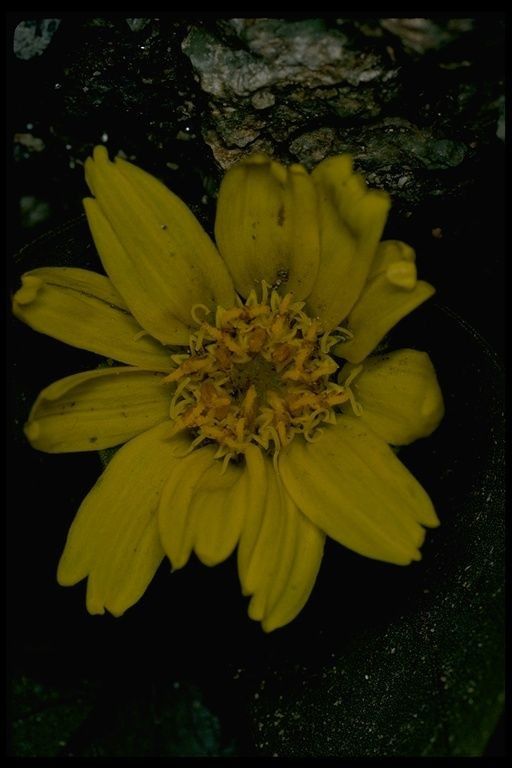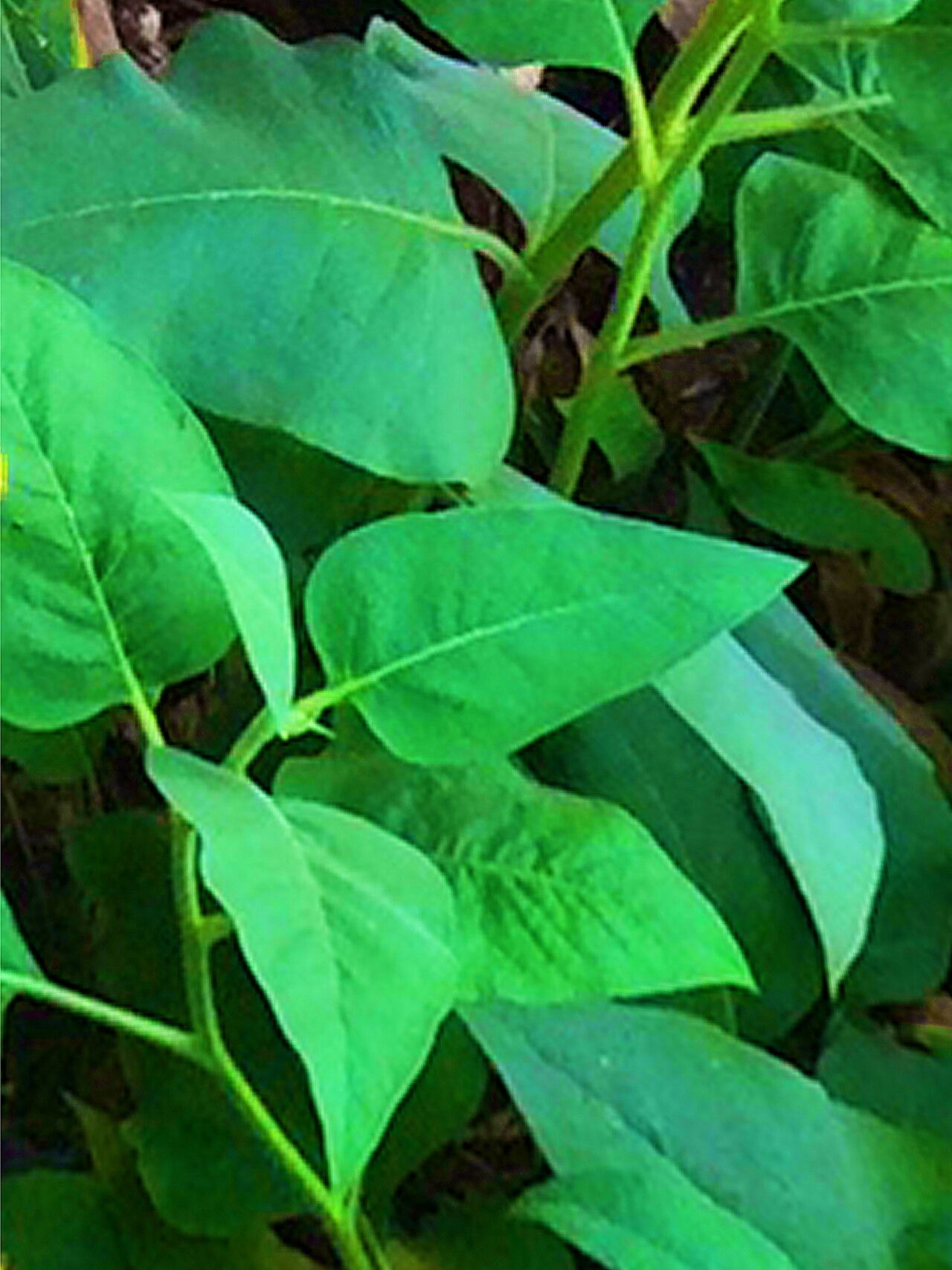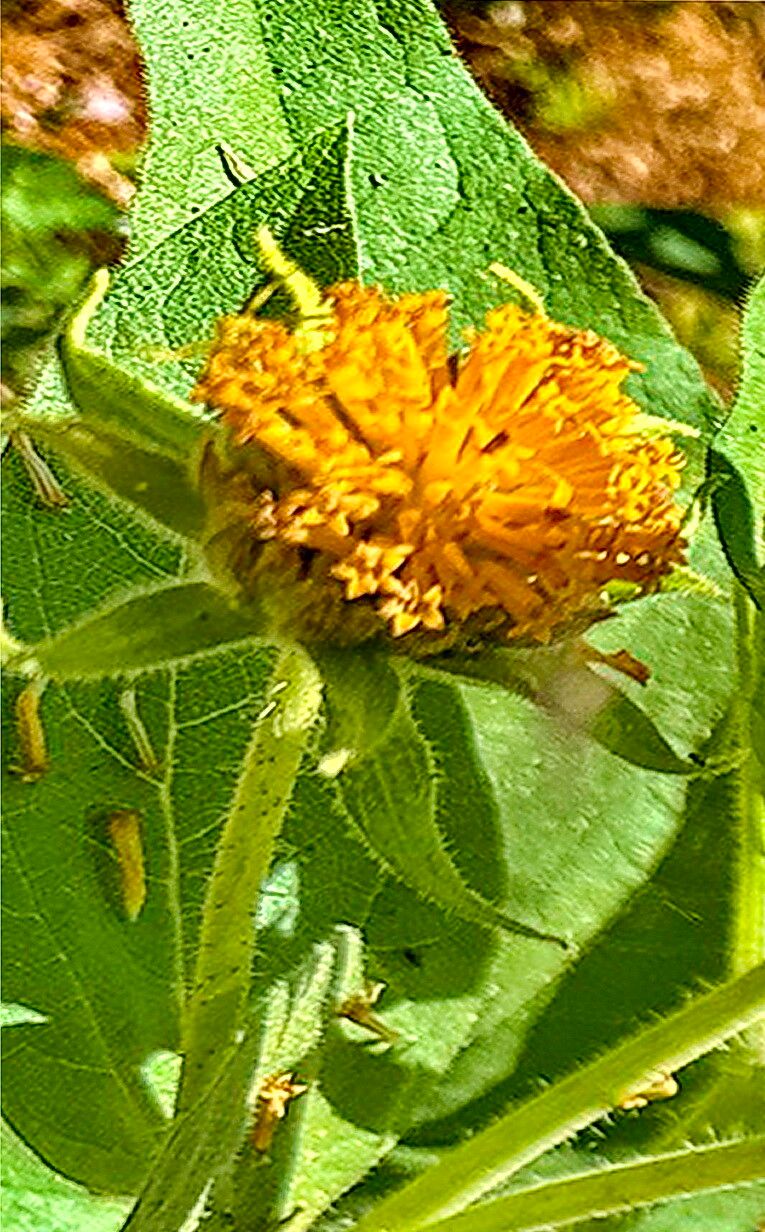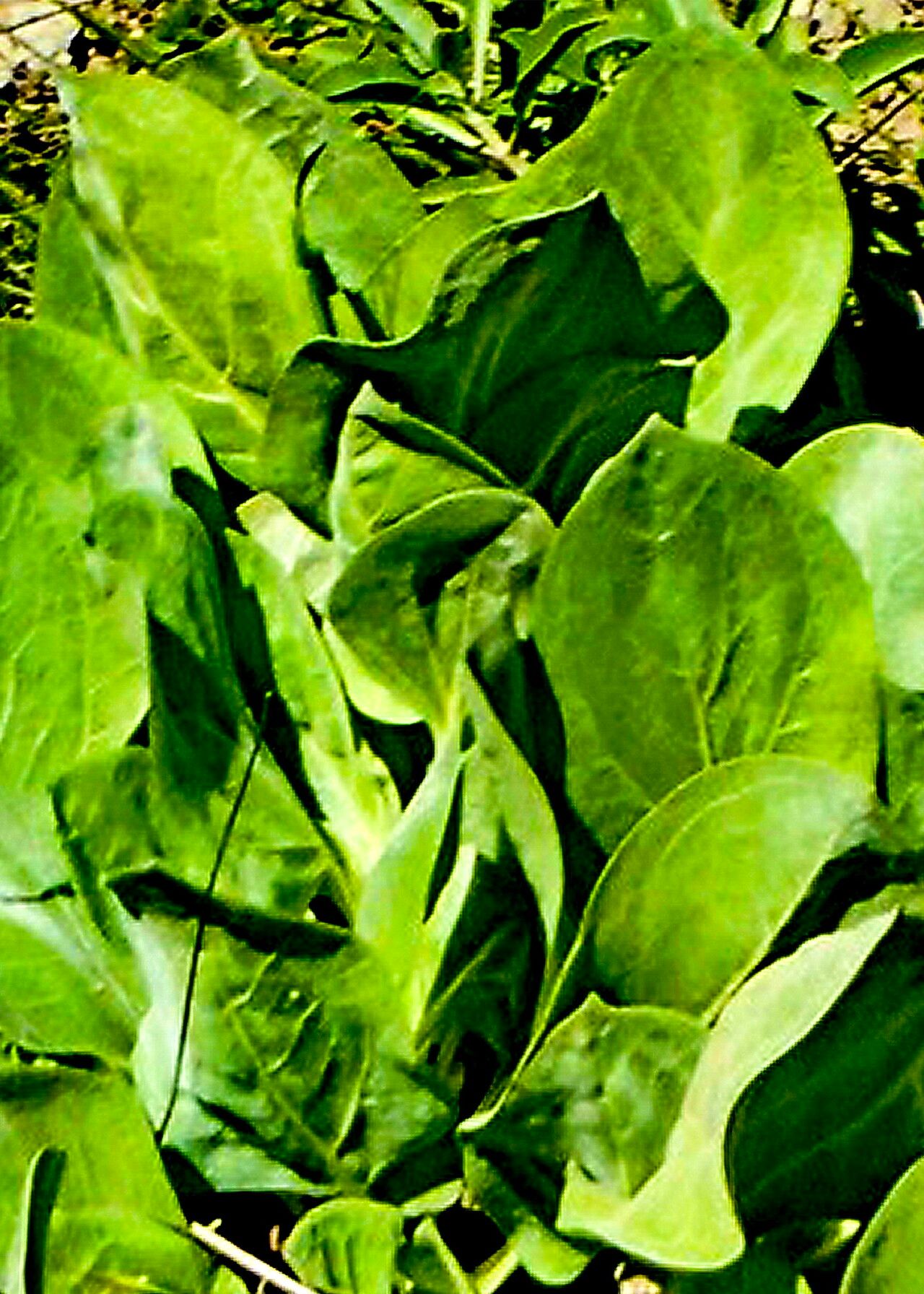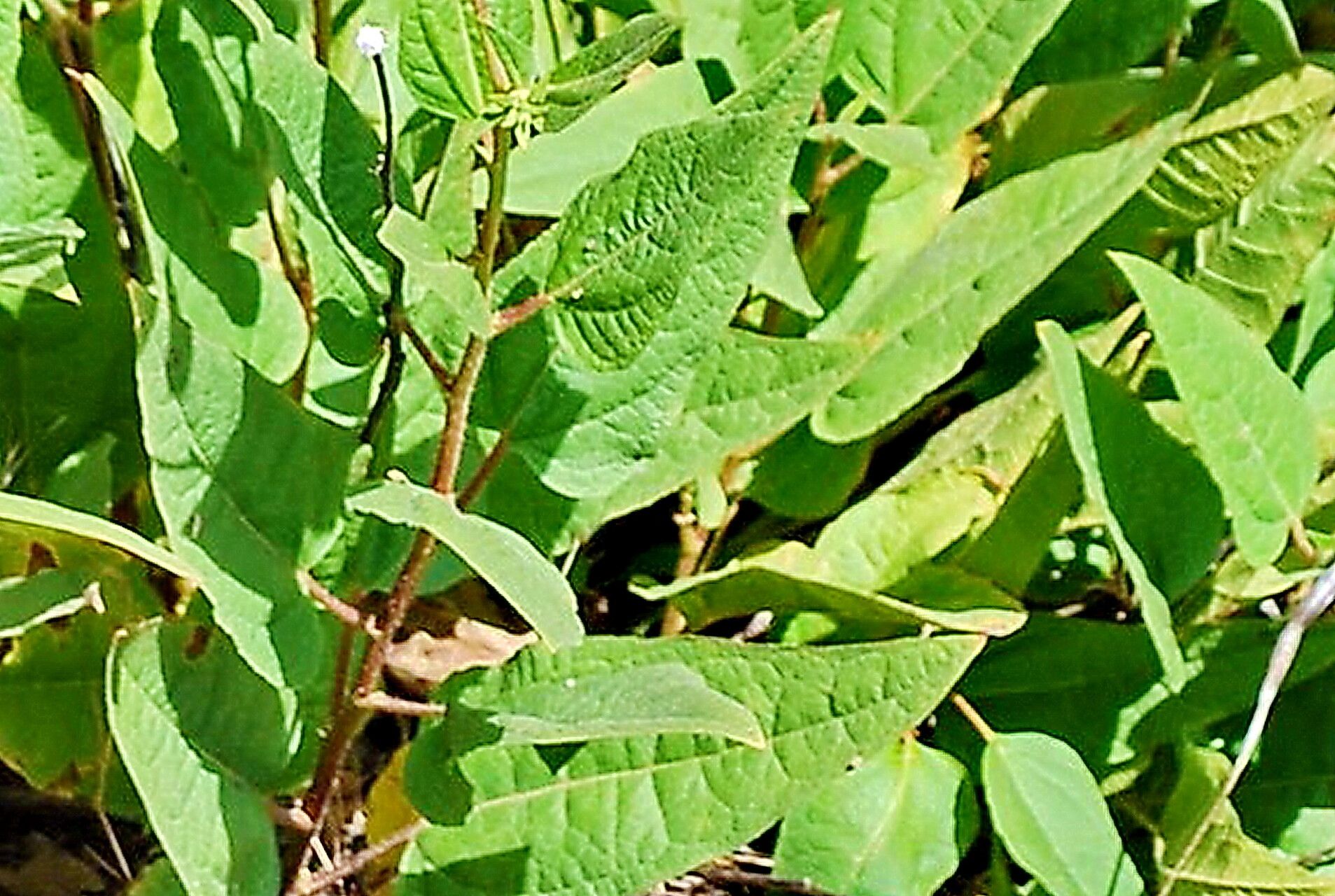
Agnorhiza reticulata, known by the common name El Dorado County mule's ears, is a rare species of flowering plant found only in a small region of north-central California.
El dorado mule-ears has strong disease resistance and is generally not highly susceptible to illnesses. However, it can be affected by pests and diseases present in its surroundings. These problems are typically mild. In terms of upkeep, this plant needs moderate maintenance. It should be pruned regularly to keep a neat appearance and support healthy growth. Fertilizing can also encourage better flowering. El dorado mule-ears is well suited for anyone with outdoor space, like a garden or patio, and does not require extensive gardening experience. It may demand more attention when grown indoors.
How to keep Agnorhiza Reticulata.
Light
El dorado mule-ears is a sun-loving perennial herbaceous plant that comes from open habitats, commonly found growing in meadows and grasslands. It prefers full sun but can also tolerate partial sun.
Temperature
El dorado mule-ears can tolerate a wide range of temperatures, though its range may still be restricted by different combinations of moisture and heat. It does best in warm summer climates with sufficient rainfall or irrigation. Extended spells of overcast, rainy weather, as well as prolonged very high temperatures, can raise the chance of El dorado mule-ears dying. In winter, adequate protection from cold can enhance the plant's survival chances.
Fertilizer
A single fertilizer application in spring is usually enough for El dorado mule-ears, though several feedings can maximize growth. Apply fertilizer about once a month to once every month and a half. Fertilizing improves the leaves' appearance and function, encouraging uniform color and a healthy texture. It also promotes root development and nutrient uptake, supporting long-term plant health.
Botanical profile.
- Plant Type
- Herb
- Life Cycle
- Perennial
- Genus
- Agnorhiza
- Family
- Asteraceae
- Leaf Type
- Semi-evergreen