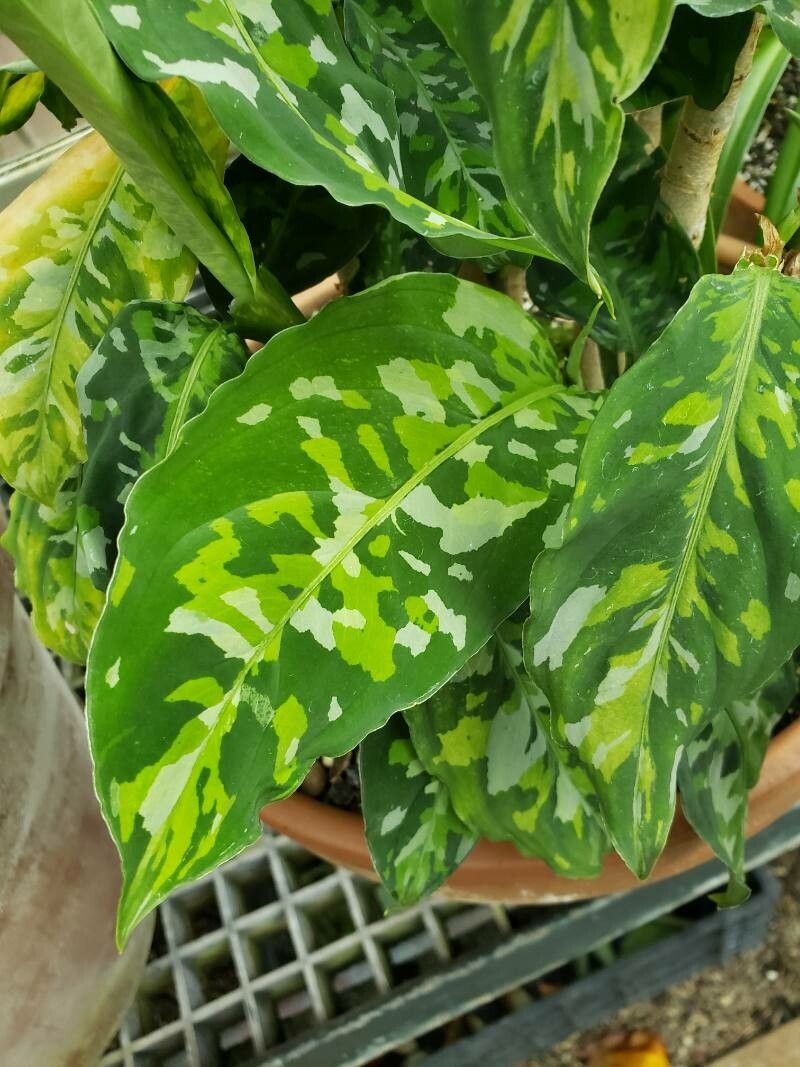
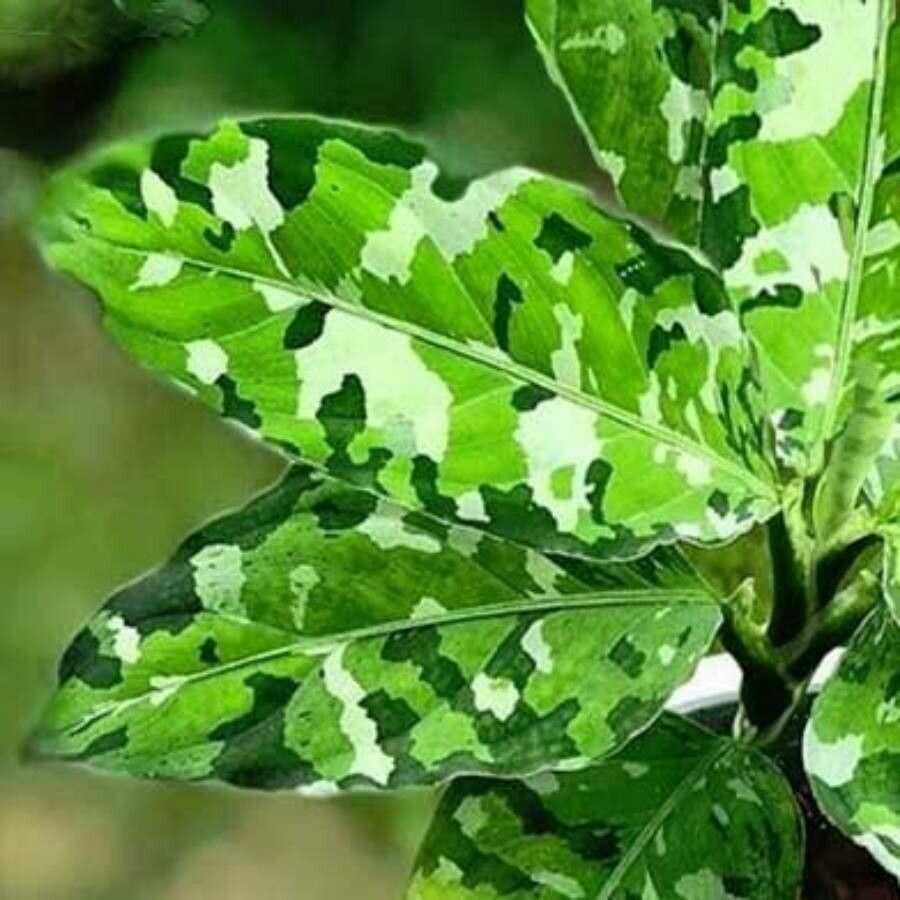
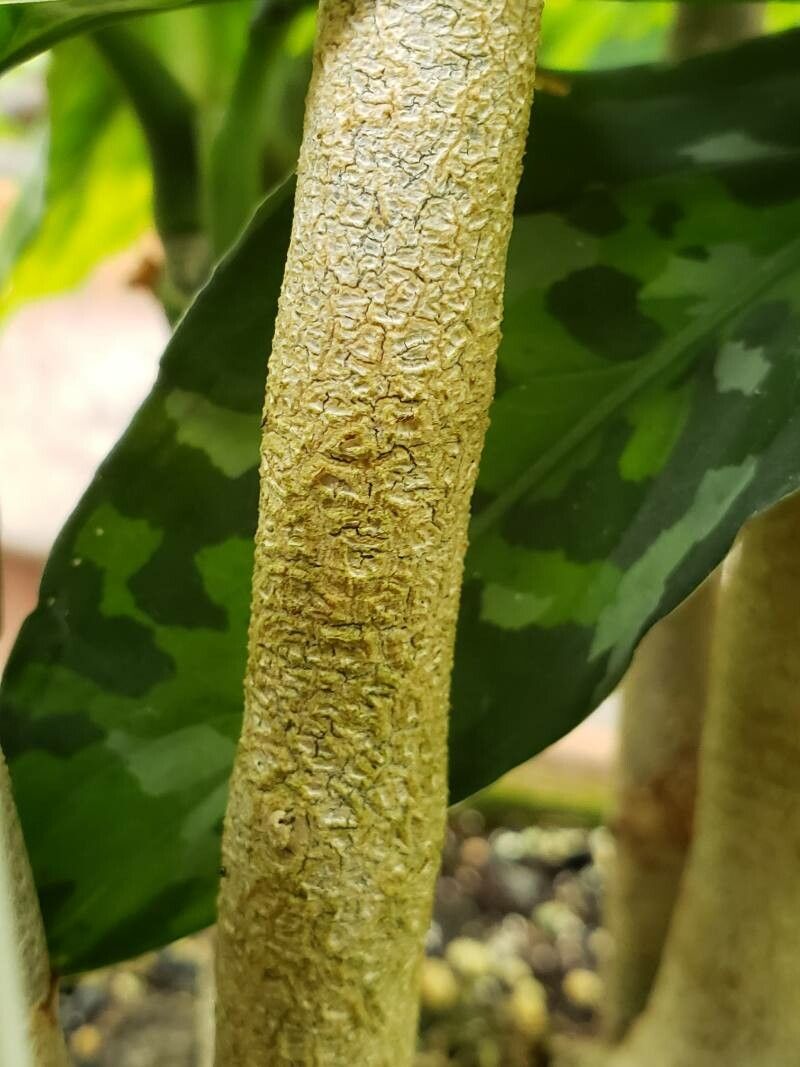
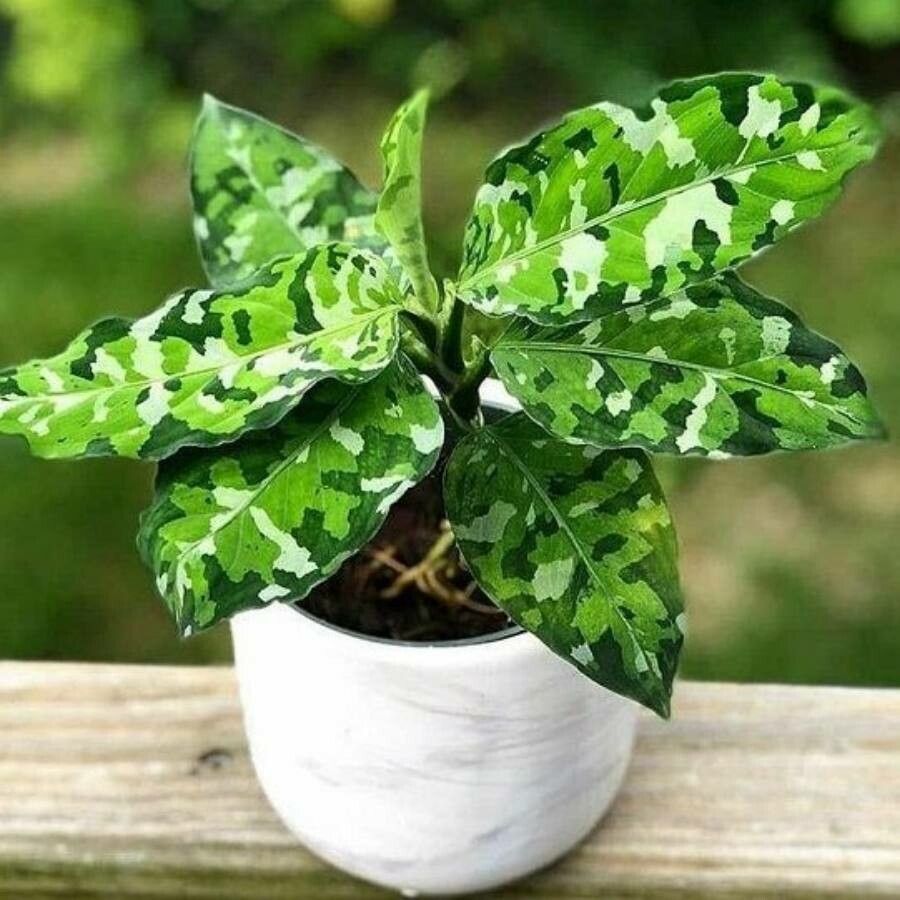
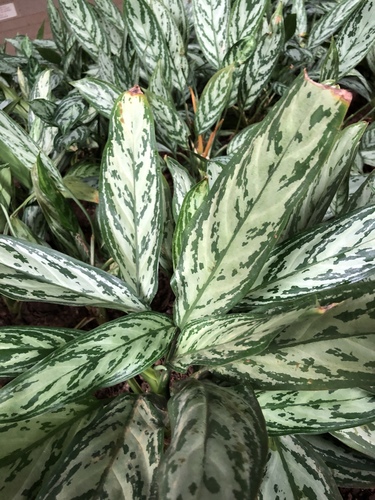
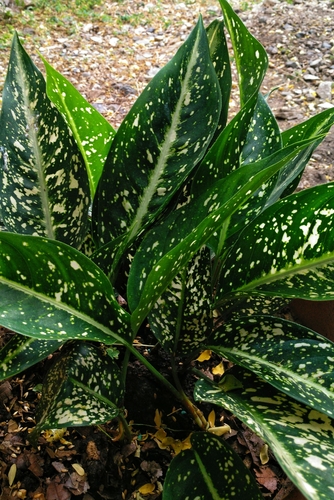
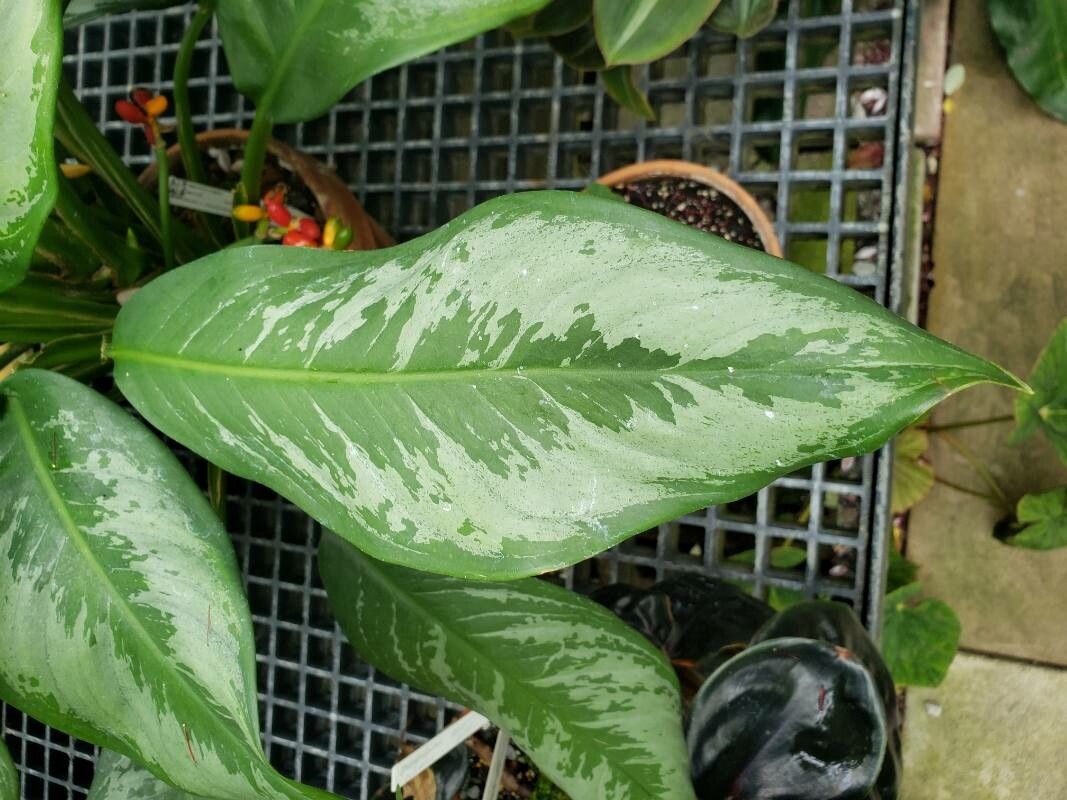
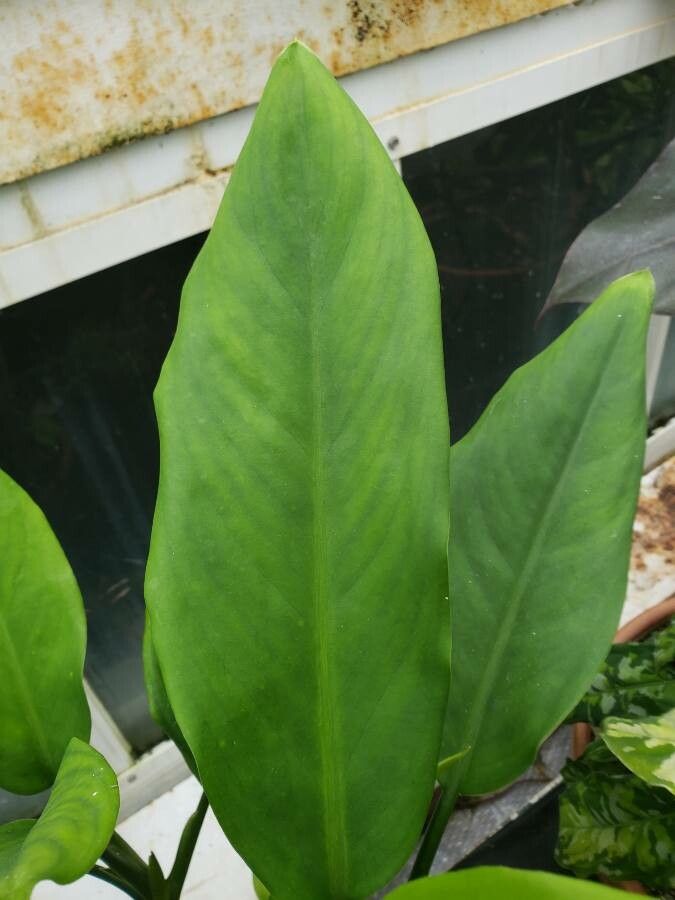
Aglaonema pictum tricolor has strong disease resistance and is generally not prone to illnesses. However, it can develop leaf spots when light and air circulation are inadequate and watering is excessive. The care level for this plant is considered easy, since it only needs regular watering and little other attention. Aglaonema pictum tricolor is suitable for people who don't have some time and energy to devote to regular care.
How to keep Aglaonema Pictum.
Light
Aglaonema pictum tricolor grows best in locations that receive several hours of filtered light daily, though it can tolerate low-light conditions. Seasonal changes in light may require adjustments, and indoor plants need closer attention. Too little light can limit growth and reduce leaf variegation.
Water
The Aglaonema pictum tricolor thrives in humid environments and prefers consistent moisture without becoming waterlogged. It should be watered weekly, and it has a moderate tolerance for drought. While typically grown indoors, this plant benefits from higher humidity levels, which help promote lush growth and vibrant leaf patterns, reflecting its tropical origins.
Temperature
Aglaonema pictum tricolor comes from tropical areas, where the climate is usually warm and humid. Therefore it is well suited to high heat and humidity. It does not tolerate sudden temperature shifts and favors a stable temperature, so indoor temperature swings should be avoided. It generally cannot endure cold and needs warmer conditions to grow. If the surrounding temperature falls too low, the plant may stop growing or even die.
Fertilizer
Aglaonema pictum tricolor needs the most fertilizer during its active growth period, which occurs mainly in spring, summer, and early fall. Fertilization supplies essential nutrients the soil may lack, supporting healthy root and stem development and the attractive foliage that characterizes this plant.
Pruning
For optimal growth, regularly prune your Aglaonema pictum tricolor from early to late spring. This involves removing any yellowing or dead leaves to improve the plant's vitality and appearance. Use clean, sharp tools to avoid introducing diseases, and maintain good air circulation to reduce pest issues and enhance the plant's overall health.
Pot & Repot
Repot Aglaonema pictum tricolor in spring or summer once it is warm enough, choosing a slightly larger pot with good drainage. Water thoroughly after repotting and place the plant in bright, indirect light. Consider adding a moss pole to support the plant as it grows.
Botanical profile.
- Plant Type
- Herb
- Life Cycle
- Perennial
- Genus
- Aglaonema
- Family
- Araceae
- Hardiness Zone
- 10-12
- Mature Height
- 30 cm to 61 cm
- Mature Spread
- 30 cm to 49 cm
- Leaf Color
- Green, Variegated
- Leaf Type
- Evergreen
- Flower Color
- White, Green, Yellow
- Flower Size
- 1.02 cm to 2.03 cm
- Bloom Time
- Summer, Early fall
- Planting Time
- Spring
- Harvest Time
- Late summer, Fall
- Native Area
- Indonesia
Other names.
Reader questions.
How should I water my Aglaonema pictum tricolor?
There are multiple ways to provide water for your Aglaonema pictum tricolor plant. If your plant is in a small pot indoors, you can take it to the kitchen sink and use the faucet to water it. Hold the pot and stop watering when you see water coming out of the drainage holes. Avoid doing this in winter or cold climates as it can harm the plant's roots. If your tap water contains high levels of fluorine, chlorine, or salts, consider using rainwater or lake water instead. Additionally, you can also water the plant overhead or directly into the soil using a watering can, hose, or any other tool you prefer.
Why should I put fertilizer on my Aglaonema pictum tricolor?
The main structure of the Aglaonema pictum tricolor is made up of its leaves. Fertilization is an effective way to ensure that the leaves stay healthy and vibrant. It also helps the plant to develop new roots and maintain existing ones. This not only keeps the plant healthy in the present, but also improves its ability to absorb nutrients from the soil in the future.
What are the sunlight requirements for Aglaonema pictum tricolor?
Aglaonema pictum tricolor thrives in partial sun, requiring about 3-6 hours of sunlight daily. It's essential to observe how sunlight moves through your garden to find spots that offer an ideal balance of light and shade, promoting plant health. Additionally, this plant is versatile enough to tolerate full shade, thanks to its natural habitat in forest understories or rocky areas which are generally shaded.
What is Aglaonema pictum tricolor?
Aglaonema pictum tricolor, also known by its botanical name Aglaonema pictum, is a type of plant. However, there are no specific details provided about the essentials of care, symptoms of distress, or any additional information for this particular plant.
What should I do if I give my Aglaonema pictum tricolor too much water or too little water?
If you realize that you haven't been watering your Aglaonema pictum tricolor enough, the first thing to do is give it some water. Make sure to water it deeply until water starts to come out of the drainage hole in the container, or if it's growing outside, until the soil is completely moist. On the other hand, if you think you've been giving it too much water, start by cutting back on your watering schedule. It's also important to check the soil and the container that your Aglaonema pictum tricolor is in. If either of them prevents efficient drainage, your plant is likely to be overwatered again. You can solve this by using looser soils and a container with larger drainage holes or a more porous material. Also, consider the location of your plant. If it's in a corner, it's recommended to move it near a window or door to improve ventilation. Placing your plants in a well-ventilated area can help reduce the chance of overwatering to some extent.
When should I fertilize my Aglaonema pictum tricolor plant?
If you choose to grow your Aglaonema pictum tricolor outdoors, you can expect new growth to appear in early spring. This is a signal that it's time to start fertilizing for the year. Usually, a single application of fertilizer in spring is sufficient for the plant's needs. However, if you want to promote maximum growth, you can fertilize multiple times during spring and early summer. In this case, you can feed the plant every month to a month and a half.
How does artificial lighting benefit Aglaonema pictum tricolor when natural light is insufficient?
When natural sunlight is not enough, especially during winter or in shaded indoor spaces, artificial lighting becomes crucial for Aglaonema pictum tricolor. Adequate artificial lighting promotes healthier and faster growth. LED lights are recommended due to their ability to simulate specific light wavelengths needed by the plant. For full sun plants, 30-50W/sq ft is needed; partial sun plants require 20-30W/sq ft, and full shade plants 10-20W/sq ft. The light source should be placed 12-36 inches above the plant for 8-12 hours daily to mimic natural light conditions adequately.
How often should I water my Aglaonema pictum tricolor plant?
The Aglaonema pictum tricolor is a plant that does not need constant moisture in its soil. It is actually better to let the soil dry out between waterings. If you have this plant in a container, you can check whether it needs water by feeling how dry the soil is. If the top half of the soil is dry, it's time to water. You can use your fingers or a soil moisture meter to check. If you have this plant outdoors, you can water it approximately once every other week, unless it has rained recently.
When should I not put fertilizer on my Aglaonema pictum tricolor?
During the late fall and winter, your Aglaonema pictum tricolor will go into a dormant phase and stop growing. It's best to avoid fertilizing during this time. In the spring and summer, if you decide to fertilize, start decreasing the amount as summer approaches since the growth rate of your Aglaonema pictum tricolor will slow down as well. It's important to note that it's not recommended to fertilize during extremely hot weather or when the soil is very dry as it can stress and potentially kill your plant.
What are the signs of light deficiency in Aglaonema pictum tricolor?
Light deficiency in Aglaonema pictum tricolor manifests through several symptoms, including smaller new leaves, leggy or sparse growth, accelerated leaf drop, halted growth or no new growth, paler new leaves, chlorosis, sunscald, leaf curling, wilting, and leaf scorching. These signs indicate the plant is not receiving sufficient light, affecting its health and growth negatively.
How much water does my Aglaonema pictum tricolor plant need?
To water your Aglaonema pictum tricolor, wait until the top half of the soil is dry. Then, add enough water to make the soil moist again. The amount of water needed depends on the size of your plant and its container. For a small plant in a small to medium-sized container, one to two cups of water may be enough. If your plant is larger, you will need to increase the amount of water accordingly. To ensure proper watering, you can check the soil by sticking your finger or a trowel into it. If the soil feels moist, it has received enough water. Another method is to water until you see excess water draining from the holes at the bottom of the container.
What kind of fertilizer does my Aglaonema pictum tricolor plant require?
Choosing the best fertilizer for an Aglaonema pictum tricolor is easy. Use a general-purpose garden fertilizer with equal amounts of nitrogen, phosphorus, and potassium, like a 10-10-10 ratio. Avoid fertilizers with too much nitrogen. Granular fertilizers that are slow-release are ideal. You can also feed the plant with organic soil amendments like compost.