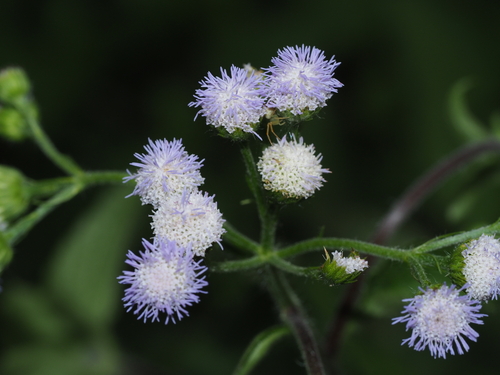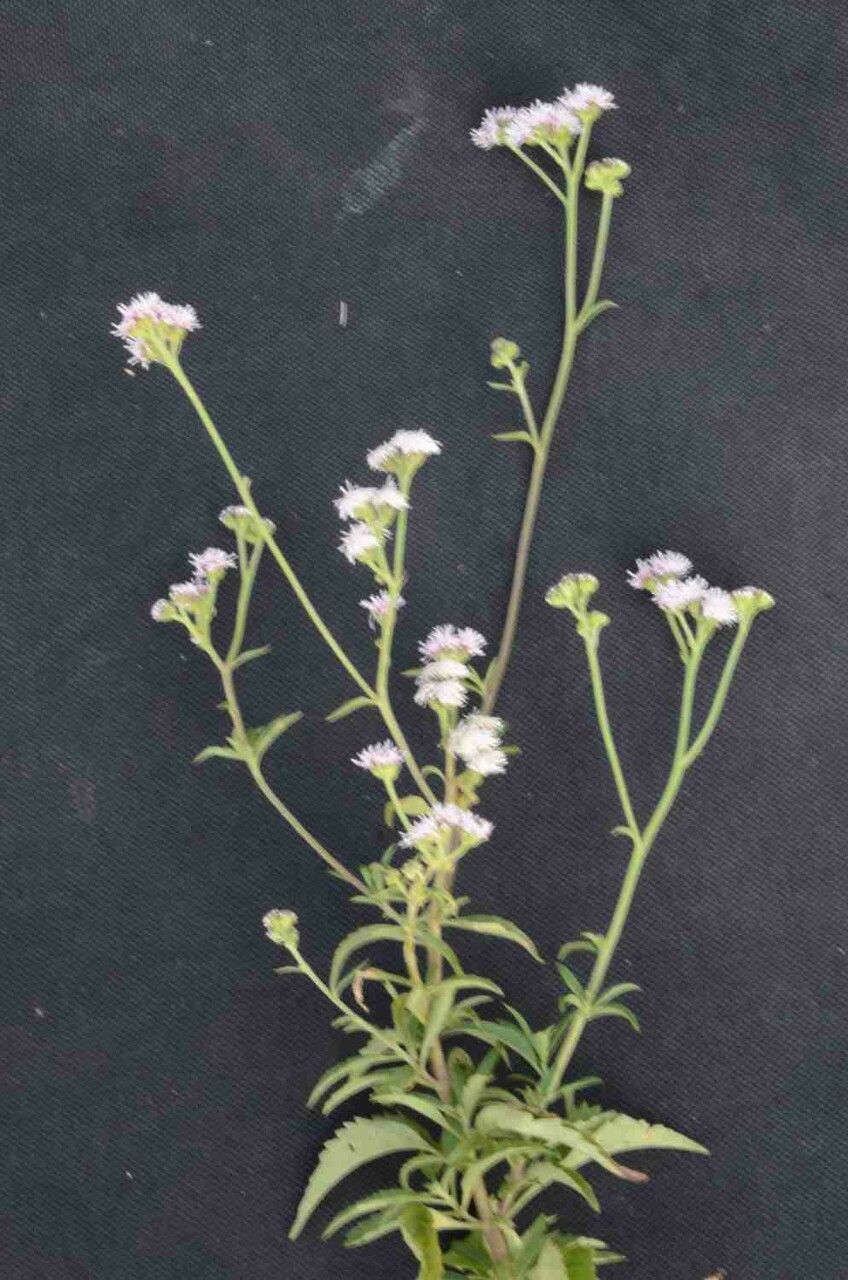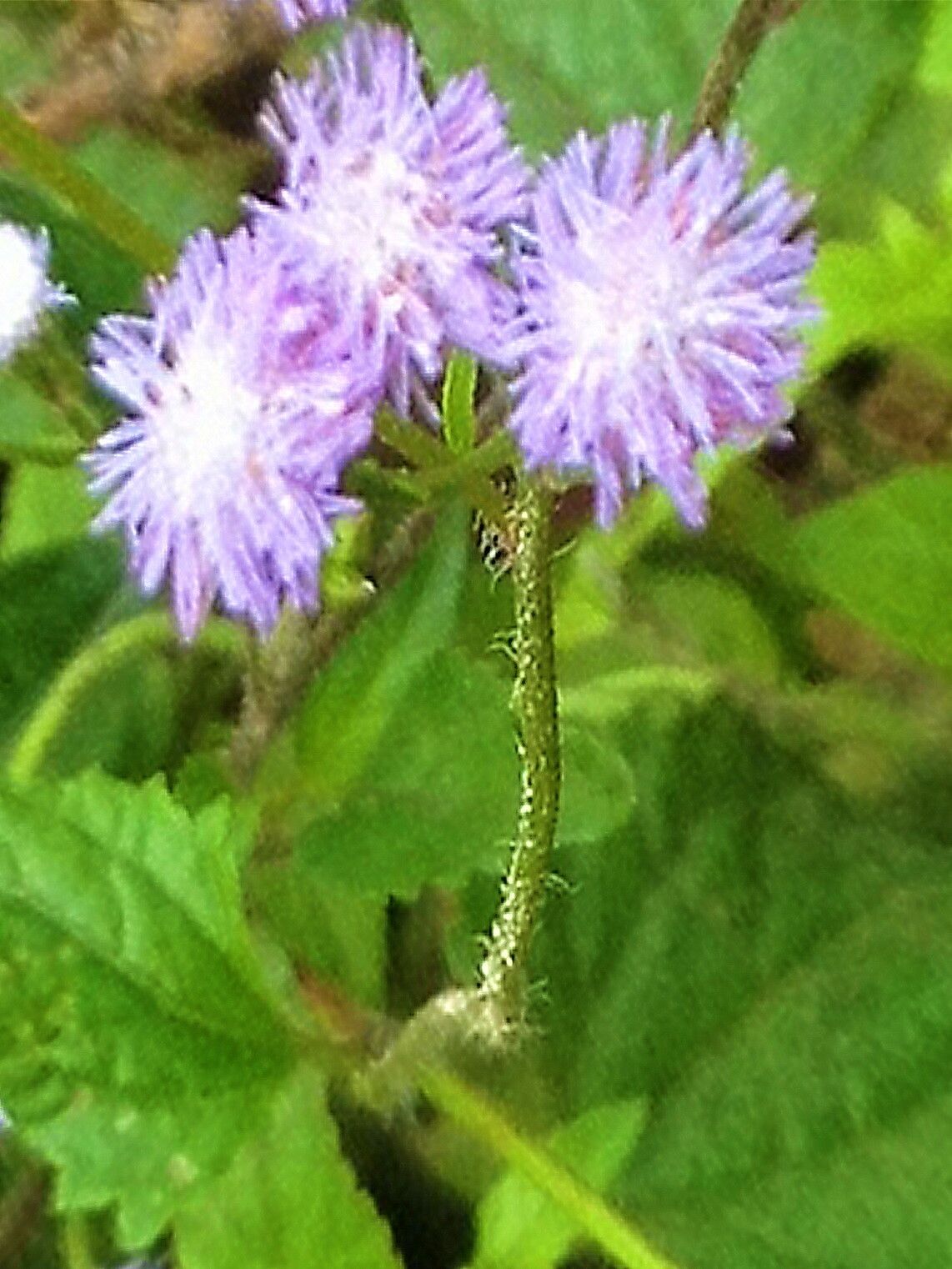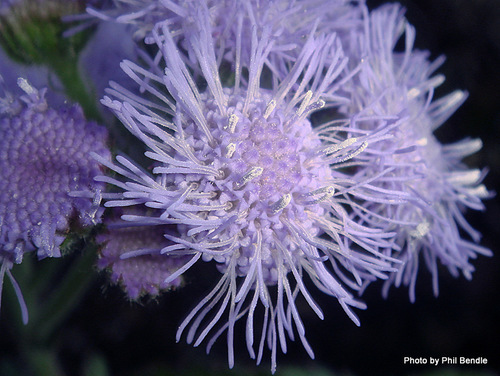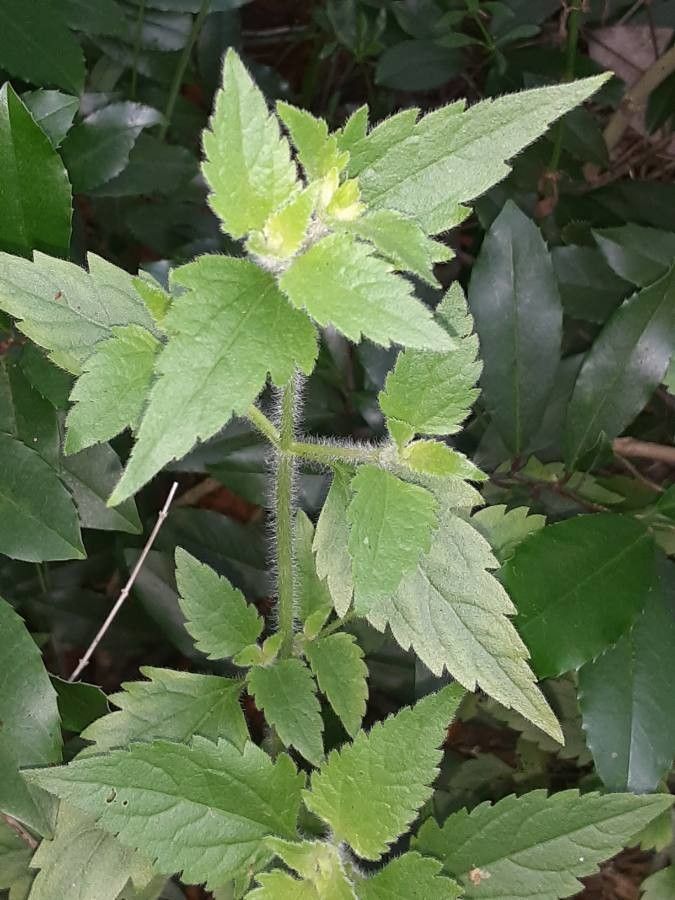
Flat-top whiteweed has good resistance to disease and is generally not liable to illnesses. Nevertheless, it can be affected by pests and diseases present in its environment. Such infections tend to be mild. Regarding care, this plant needs a moderate amount of attention. It should be pruned on a regular basis to preserve an attractive appearance and healthy growth. Applying fertilizer can also encourage more flowering. Flat-top whiteweed is well suited to people who have outdoor areas like a garden or patio and does not demand extensive gardening experience. It may need more intensive care when cultivated indoors.
How to keep Ageratum Corymbosum.
Light
Flat-top whiteweed is a perennial herbaceous plant that prefers sunny environments and originates from open habitats, frequently growing in meadows and grasslands. It favors full sun but can also tolerate partial sun.
Temperature
Flat-top whiteweed comes from tropical areas, where the climate is generally warm and humid. As a result, it is suited to high temperatures and humidity. It does not tolerate sudden temperature shifts and prefers a consistent temperature, so it is important to avoid indoor temperature fluctuations. It usually cannot withstand cold and requires warmer conditions to grow. If the surrounding temperature falls too low, the plant may stop growing or even die.
Fertilizer
Flat-top whiteweed needs the most fertilizer during its active growth period, which falls mainly in spring, summer, and early fall. Fertilizing supplies essential nutrients that may be missing from the soil, supporting healthy root and stem growth as well as attractive foliage, a key characteristic of this plant.
Pruning
Flat-top whiteweed showcases striking white blooms and benefits from pruning in early spring. Removing dead stems and carefully shaping the plant encourages new growth, improves air circulation, and helps prevent disease. This practice supports the plant's natural growth cycle, leading to better blooming and overall health. For optimal techniques, consider consulting horticultural guides.
Botanical profile.
- Plant Type
- Herb
- Life Cycle
- Perennial
- Genus
- Ageratum
- Family
- Asteraceae
- Hardiness Zone
- 9-11
- Mature Height
- 30 cm to 61 cm
- Mature Spread
- 30 cm to 46 cm
- Leaf Color
- Green, Dark Green
- Leaf Type
- Evergreen
- Flower Color
- Lavender
- Flower Size
- 1.02 cm to 1.52 cm
- Bloom Time
- Summer, Fall
- Planting Time
- Spring, Summer, Autumn
- Harvest Time
- Late summer, Fall, Early winter
- Native Area
- Belize, Honduras, Mexico, Guatemala, El Salvador, Nicaragua, Costa Rica
Other names.
Reader questions.
What are the sunlight requirements for Flat-top whiteweed (Ageratum corymbosum)?
Flat-top whiteweed (Ageratum corymbosum) has specific sunlight requirements to thrive. It needs full sun, meaning it should receive above 6 hours of sunlight daily, or partial sun, which is about 3-6 hours of sunlight. It's important to observe how sunlight moves through your garden throughout the day. By understanding the balance of light and shade in your garden, you can find the perfect spot for your Flat-top whiteweed, ensuring it grows happily and healthily.
What is the common name of Ageratum corymbosum?
The common name of Ageratum corymbosum is Flat-top whiteweed.
What botanical name is given to Flat-top whiteweed?
Flat-top whiteweed is botanically named Ageratum corymbosum.
Are there any essential details to know about Flat-top whiteweed?
There are currently no provided essential details on Flat-top whiteweed.
What symptoms does Flat-top whiteweed cause?
There are no specified symptoms caused by Flat-top whiteweed mentioned.