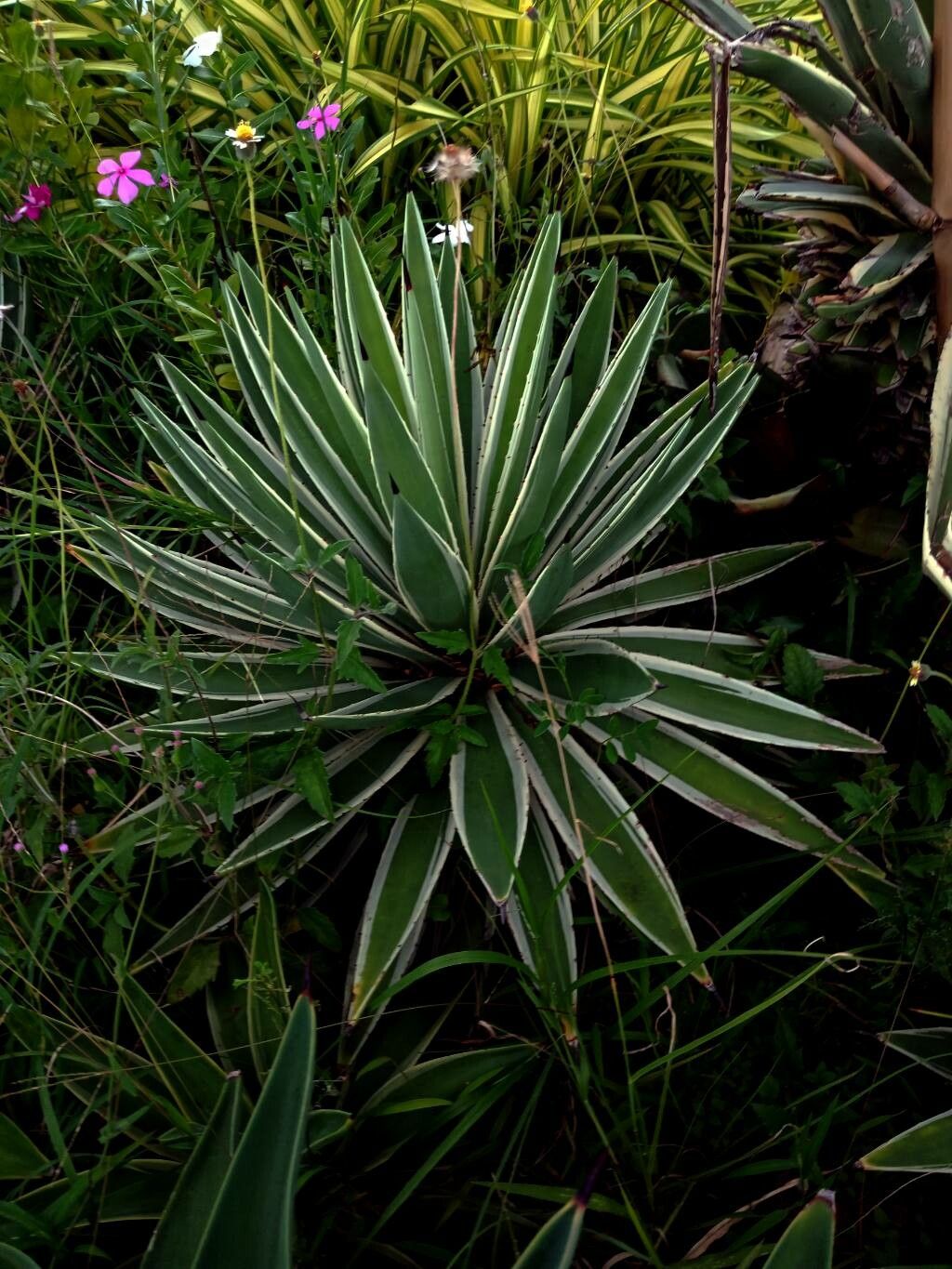
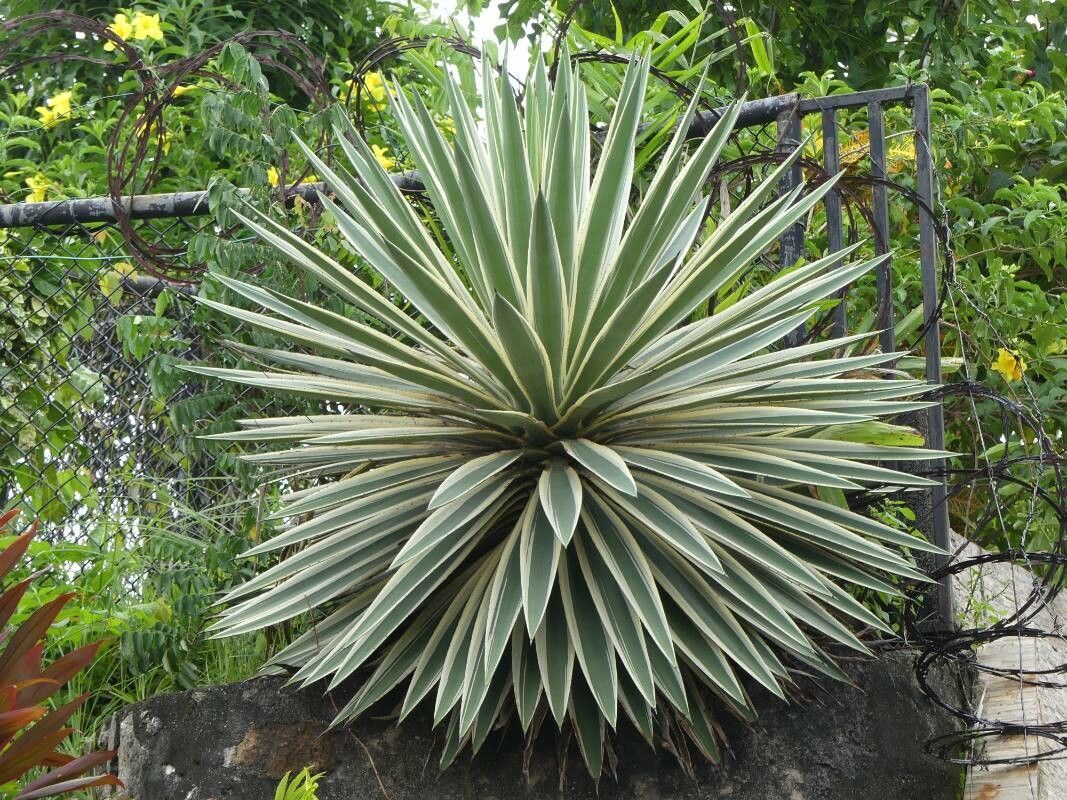
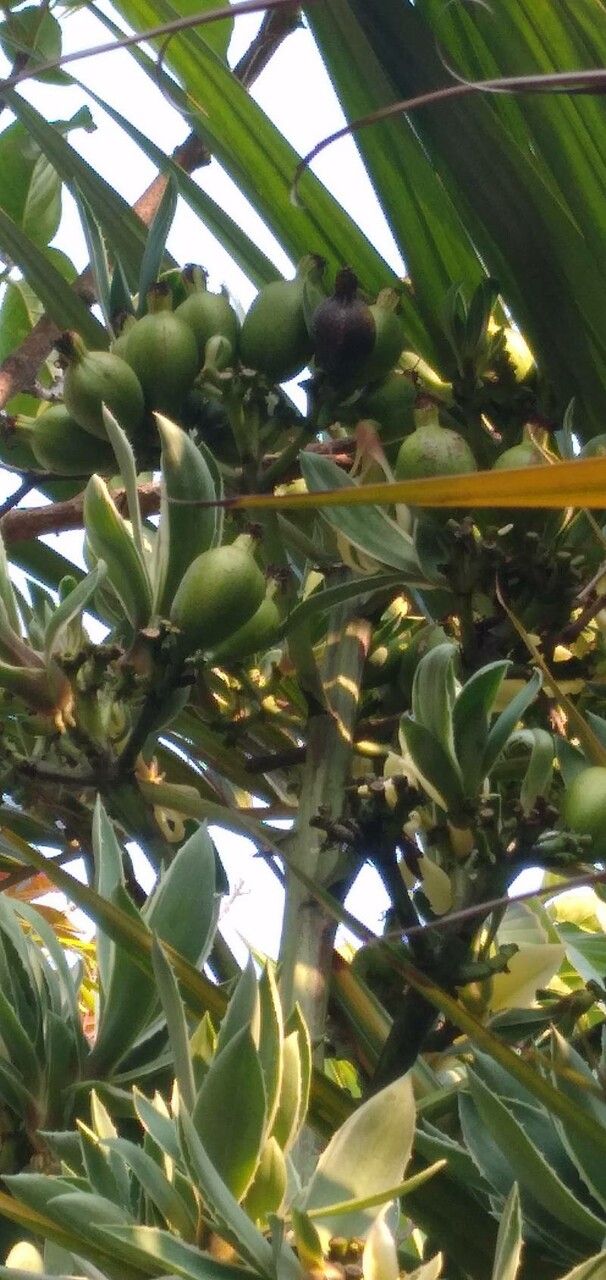
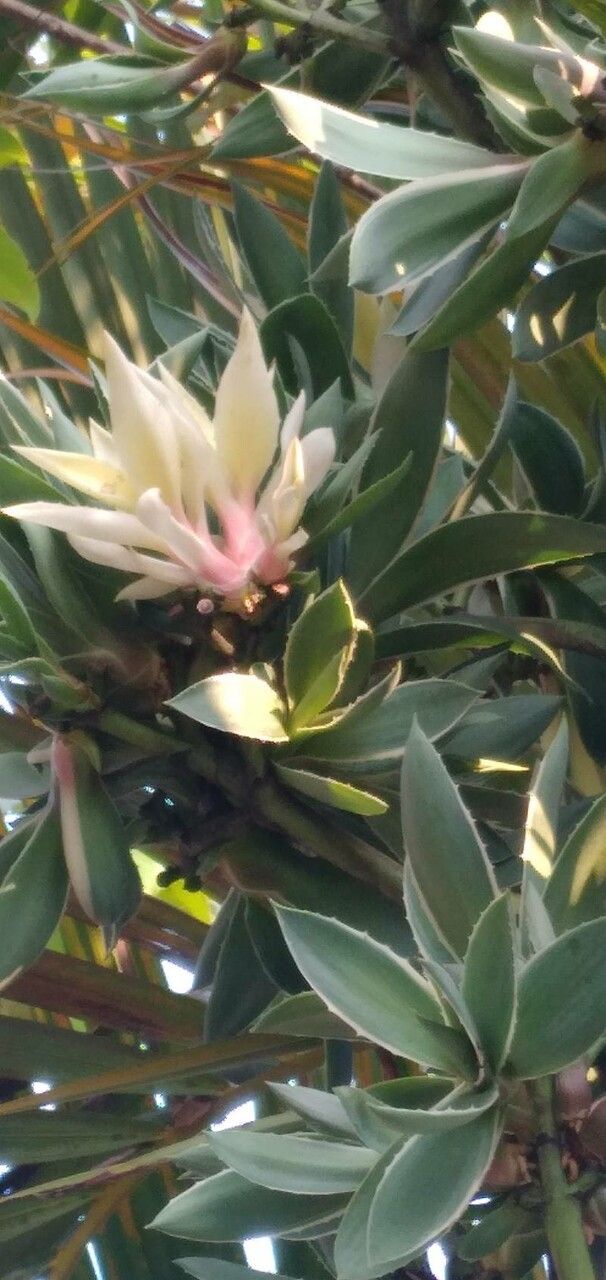
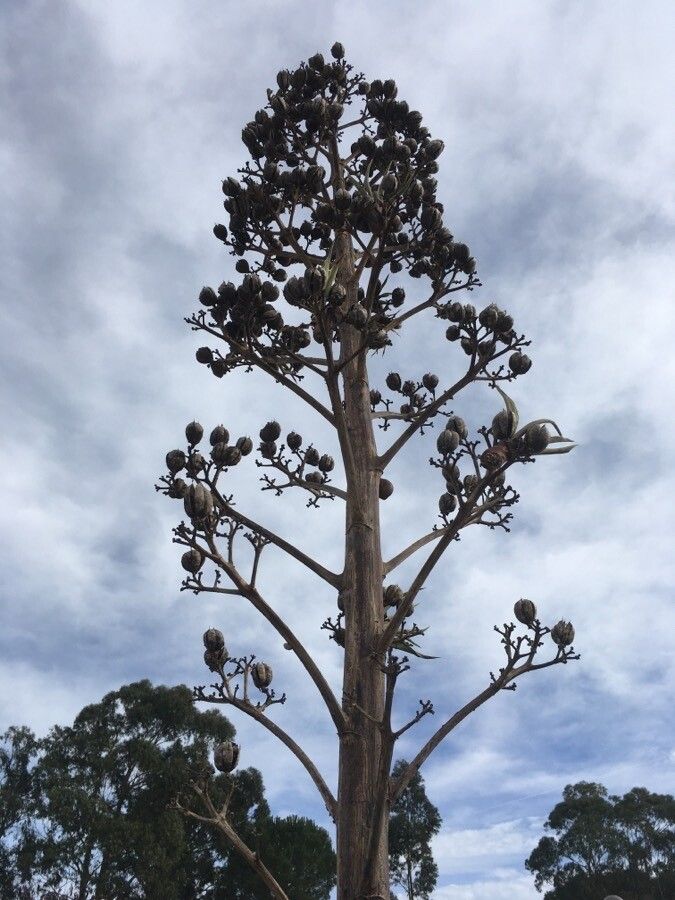
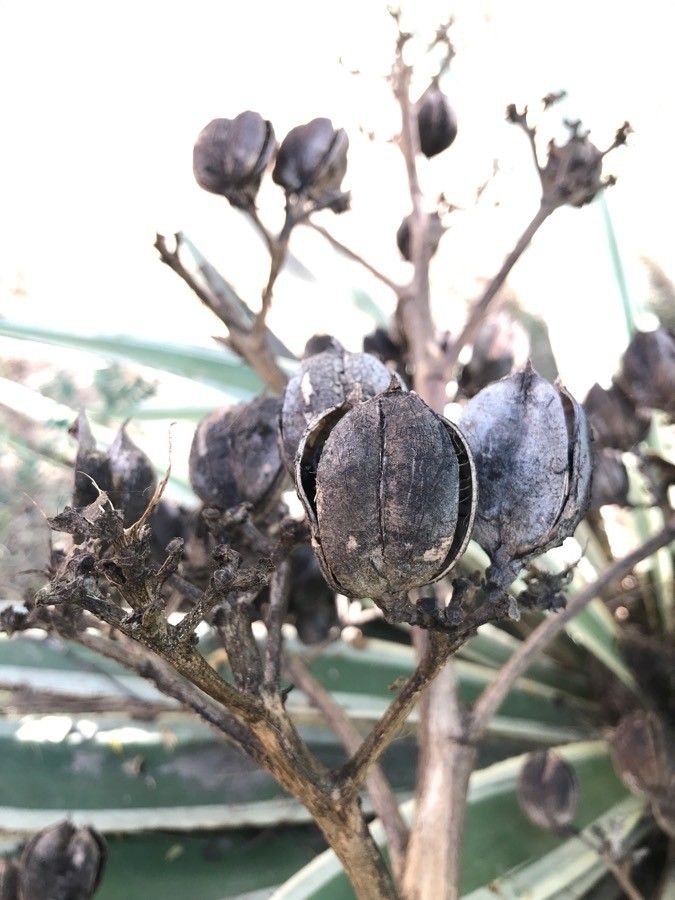
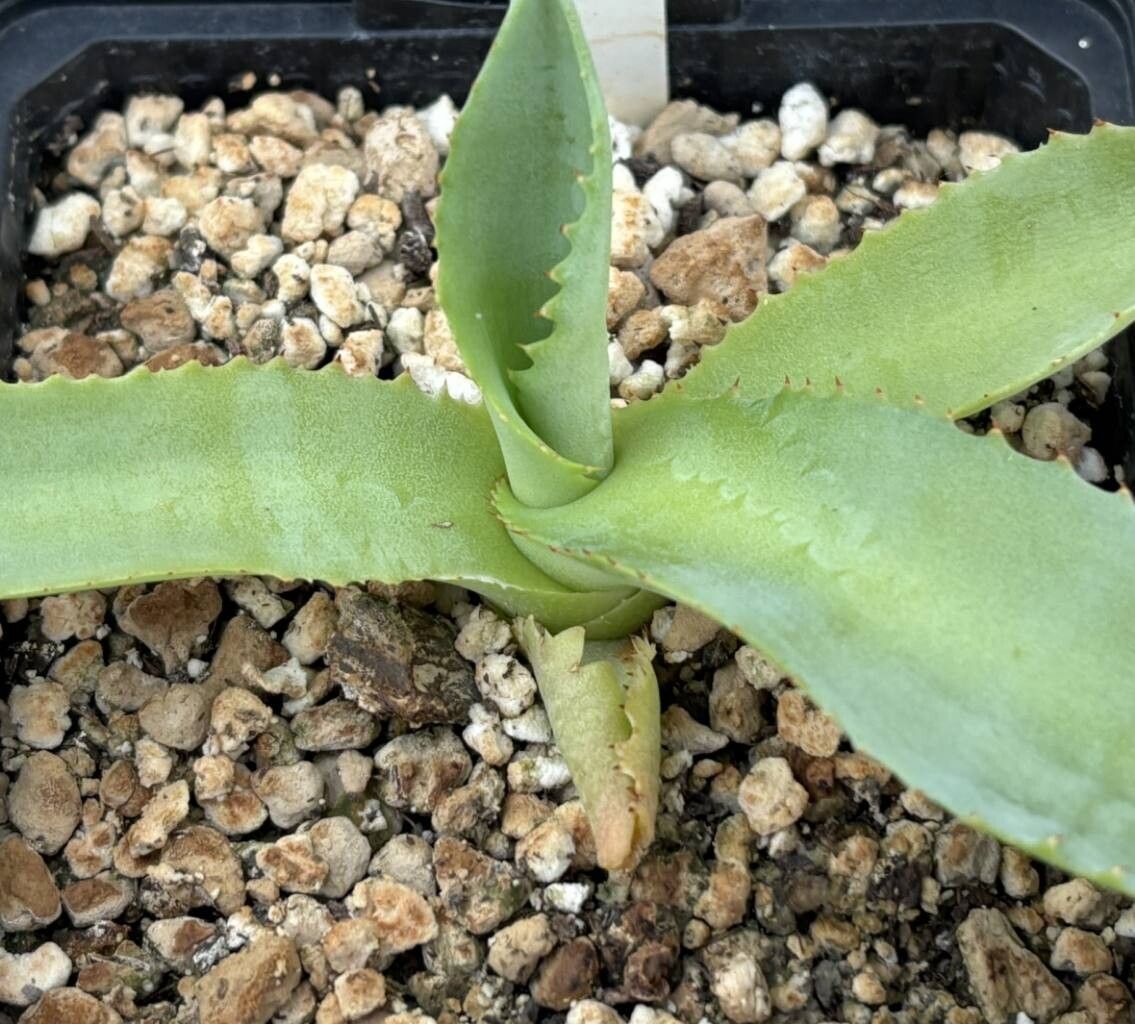
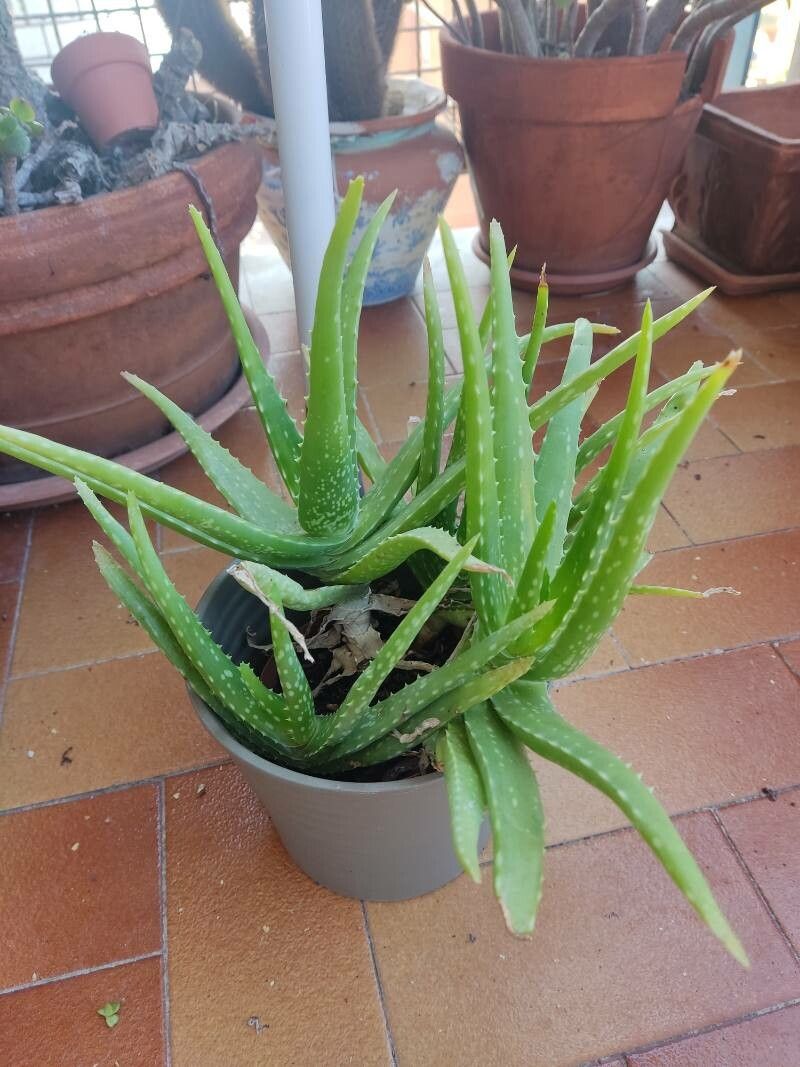
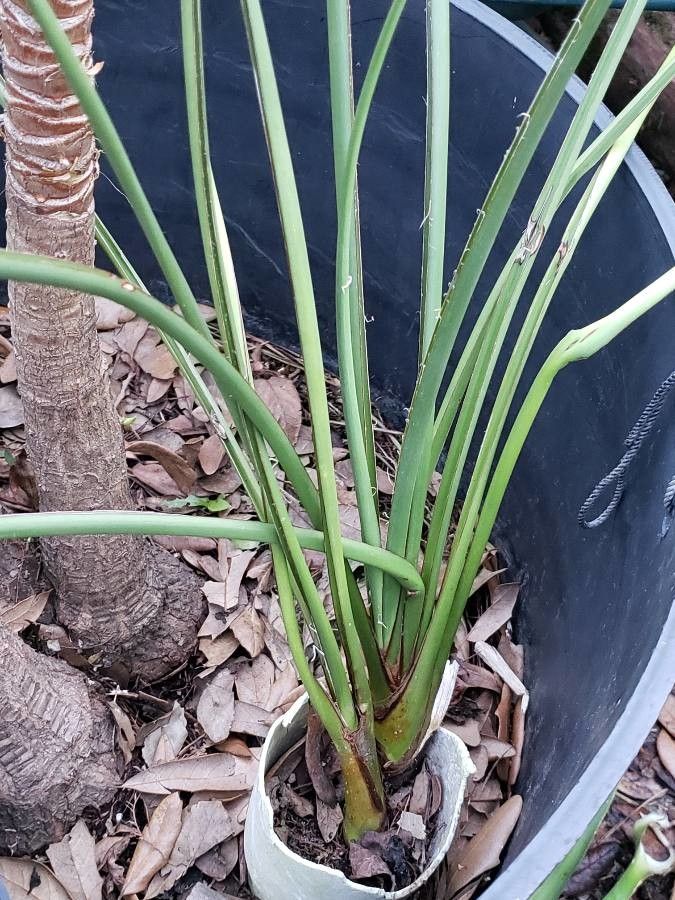
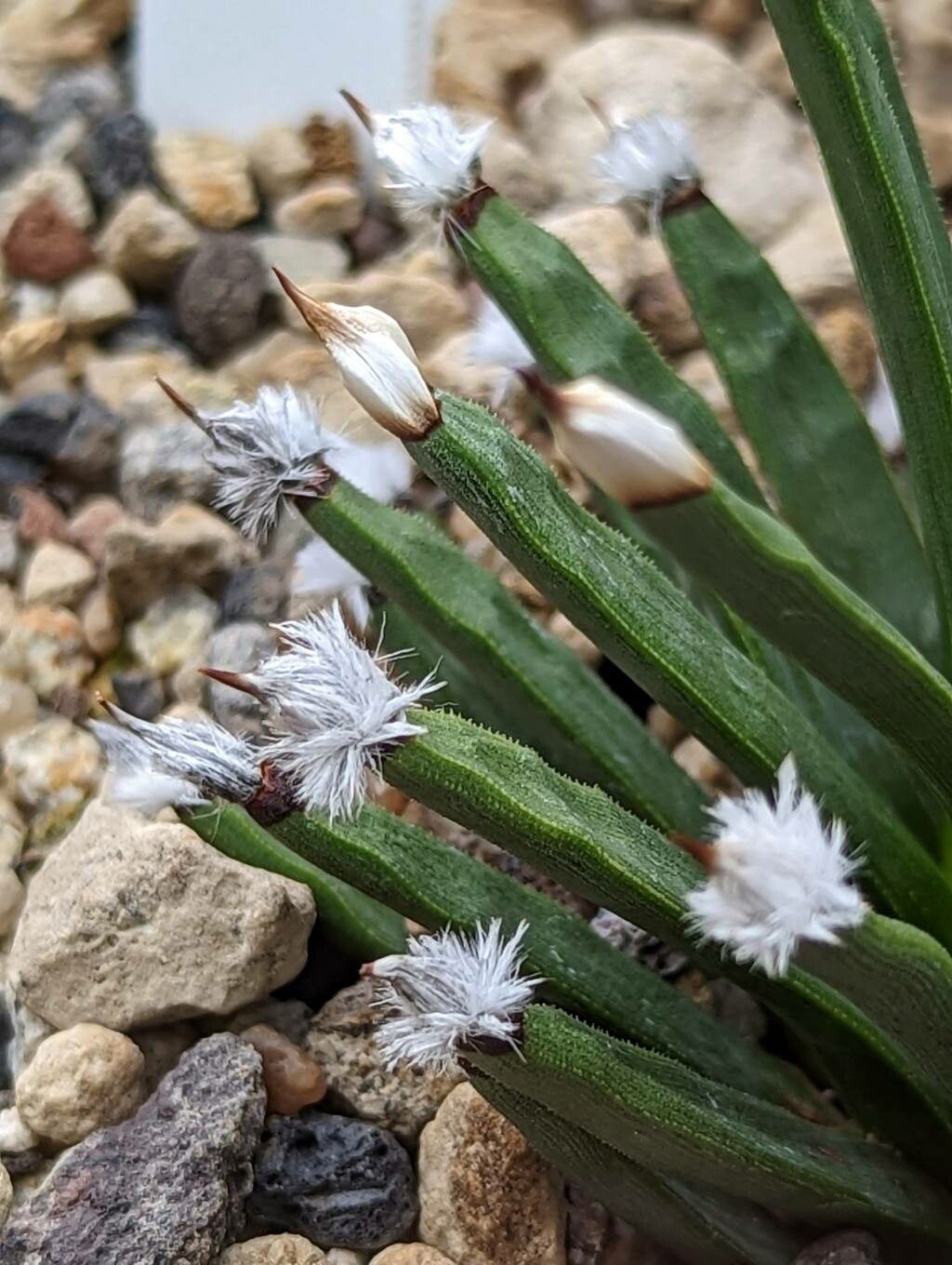
Agave angustifolia (Caribbean agave) is a type of agave plant which is native to Mexico and Central America. It is used to make mezcal and also as an ornamental plant, the cultivar 'Marginata' that white margins on the leaves is a popular variety cultivated in botanical gardens and backyards. It is very closely related to blue agave Agave tequilana, but is used to make the distilled alcoholic beverage mezcal instead of tequila and is the predominant agave species grown in the State of Oaxaca.The World Checklist of Selected Plant Families regards Agave angustifolia as an accepted name. Other sources maintain them as distinct species with non-overlapping native distributions (García-Mendoza and Fernando Chiang 2003). A. angustifolia has narrow, stiffly erect leaves with moderately-spaced spines, producing capsules, not bulbiferous; whereas A. vivipara is described as having shorter, recurved leaves with short-spaced spines and bulbiferous. A. vivipara is likely similar to A. karatto. The A. vivipara of Miller (1768) and Smith et al. (2008) seem different, of a much smaller habit and narrower leaves, from the A. vivipara of Trelease (1913) and García-Mendoza and Fernando Chiang (2003), of a much larger habit.
Century plant has moderate resistance to disease but is more vulnerable to high humidity and excessive watering. It becomes even more prone to illness when it is kept in low light and overwatered. Regarding care, Century plant is drought-tolerant and can endure extended intervals without water. It requires little fertilizer and only needs pruning occasionally. Because of these traits, it is appropriate for caretakers of any skill level, particularly for those who prefer to spend minimal time on plant care or who may be away from home for long stretches. It is a suitable option for people who do not want to invest a lot of time in maintenance yet still want an easy-to-care-for plant.
How to keep Agave Vivipara.
Light
Native to dry areas, the century plant flourishes in full sun, with its native habitat marked by intense sunlight and very little shade. It also tolerates partial sun, giving it some flexibility in how it grows.
Water
The century plant thrives in dry environments and requires careful watering, making sure any excess water can drain away. If the leaves become soft, it may be a sign of dehydration. During the summer, increase the amount of water you provide, and then reduce it in the fall. In the winter, stop watering altogether if the temperature falls to 10℃ (50℉) or below. Resume watering in the spring when temperatures rise above 20℃ (68℉).
Humidity
This plant prefers dry conditions, so don't mist it. However, watering it less often can also thrive in higher humidity.
Temperature
Century plant does well in warm settings and needs elevated temperatures during the growing season to encourage growth and metabolic activity. It prefers plenty of sunlight, proper moisture levels, and good air circulation. It can be harmed by temperatures that are too low and by excessive watering. Balancing conditions is important, and one should also avoid overly high heat and very dry environments.
Fertilizer
For a Century plant, light doses of fertilizer once or twice a year during the growing season are sufficient. Avoid fertilizing in winter or summer when it is dormant. Reduce fertilizer for repotted plants and wait a couple of months after repotting before fertilizing. Fertilizing supports healthy growth and encourages blooms.
Pruning
The century plant has a rosette of thick, fleshy leaves and benefits from pruning in early spring. To promote better air circulation and overall health, trim dead or damaged leaves at their base. Pruning helps manage the plant's size and allows for the removal of offsets, which can be used for propagation. This not only improves the plant's appearance but also keeps it healthy.
Botanical profile.
- Plant Type
- Succulent
- Life Cycle
- Perennial
- Genus
- Agave
- Family
- Asparagaceae
- Hardiness Zone
- 9-11
- Mature Height
- 0.91 m to 1.52 m
- Mature Spread
- 1.22 m to 1.83 m
- Leaf Color
- Light Green, Yellow Green
- Leaf Type
- Evergreen
- Flower Color
- Yellow
- Flower Size
- 5.08 cm to 6.35 cm
- Bloom Time
- Early summer, Mid summer
- Planting Time
- Spring, Summer, Autumn
- Harvest Time
- Late summer, Early fall
- Native Area
- Belize, Honduras, Mexico, Guatemala, Venezuela, El Salvador, Nicaragua, Costa Rica, Panama
Other names.
Reader questions.
What are the sunlight requirements for a Century Plant?
The Century Plant (Agave vivipara) thrives under specific sunlight conditions. It requires full sun exposure, which means it needs to be in direct sunlight for more than 6 hours a day. Alternatively, it can grow in partial sun, which is defined as about 3 to 6 hours of sunlight daily. When choosing a location for your Century Plant, it's essential to observe how sunlight moves through your garden throughout the day. This observation will help you select spots that offer the perfect balance of light and shade, ensuring your plant's growth and wellbeing. It's crucial to heed this advice for the happiness and health of your Century Plant.
What is the Century plant's botanical name?
The botanical name of the Century plant is Agave vivipara.