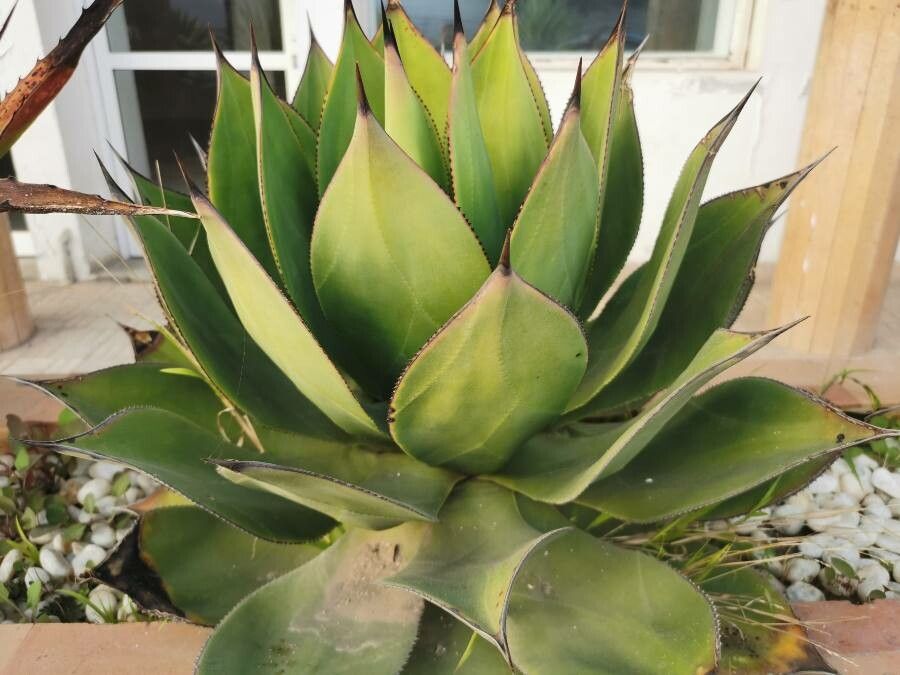
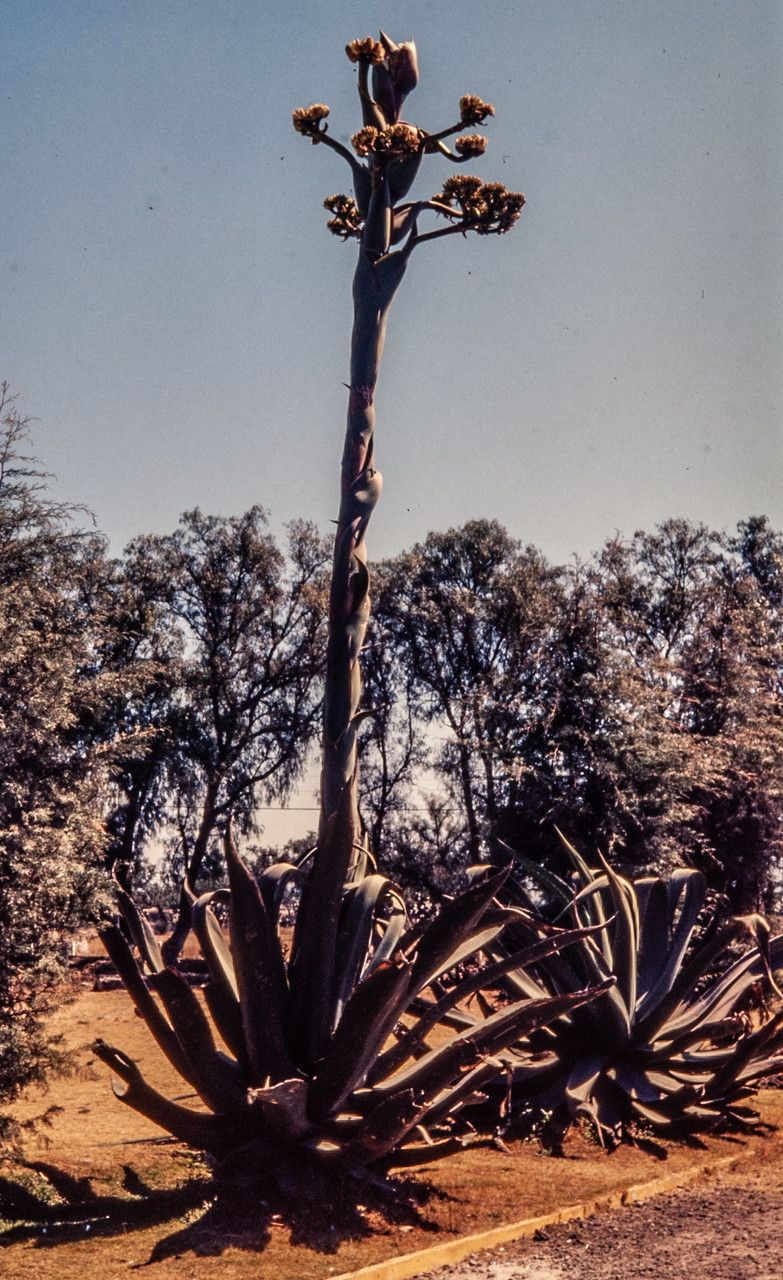
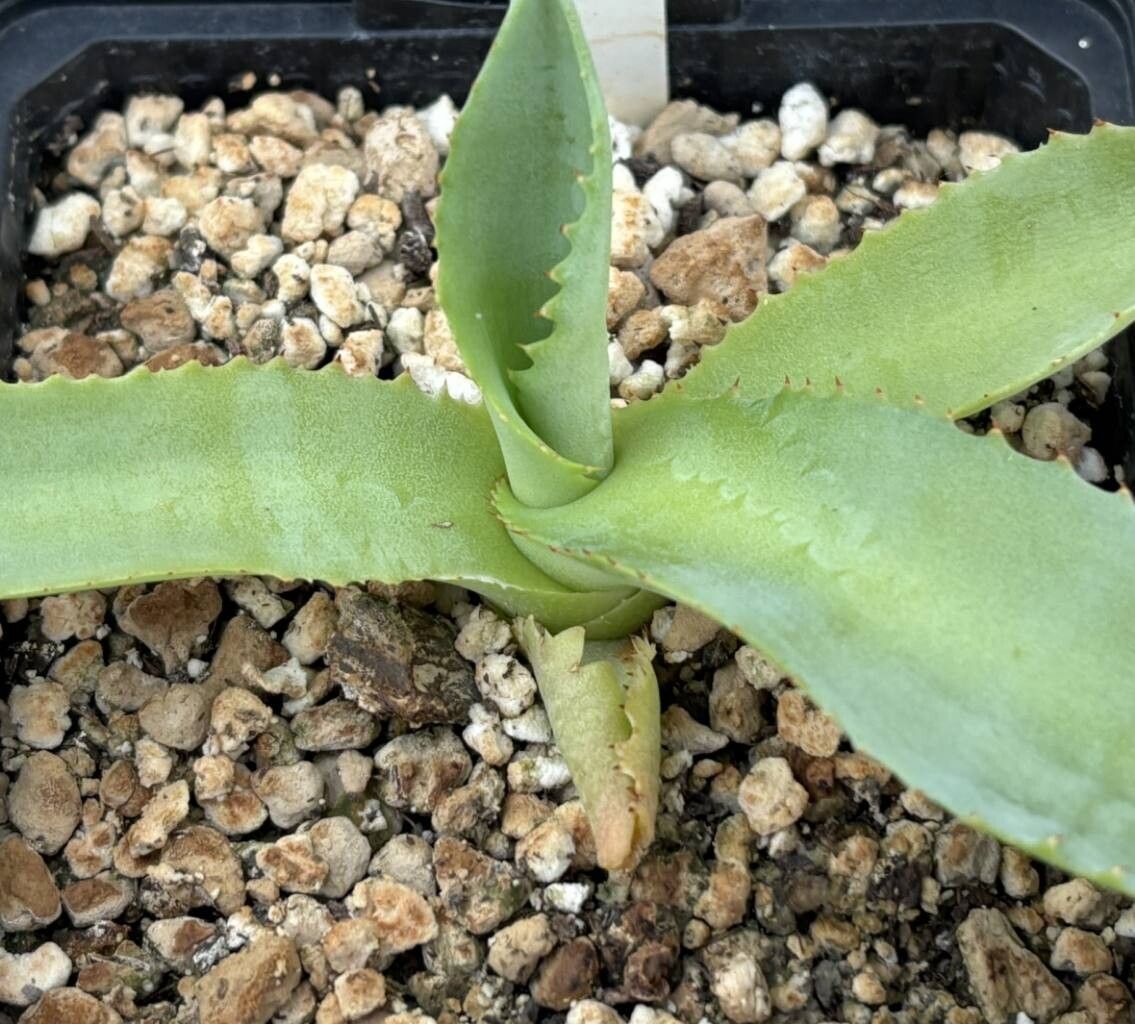
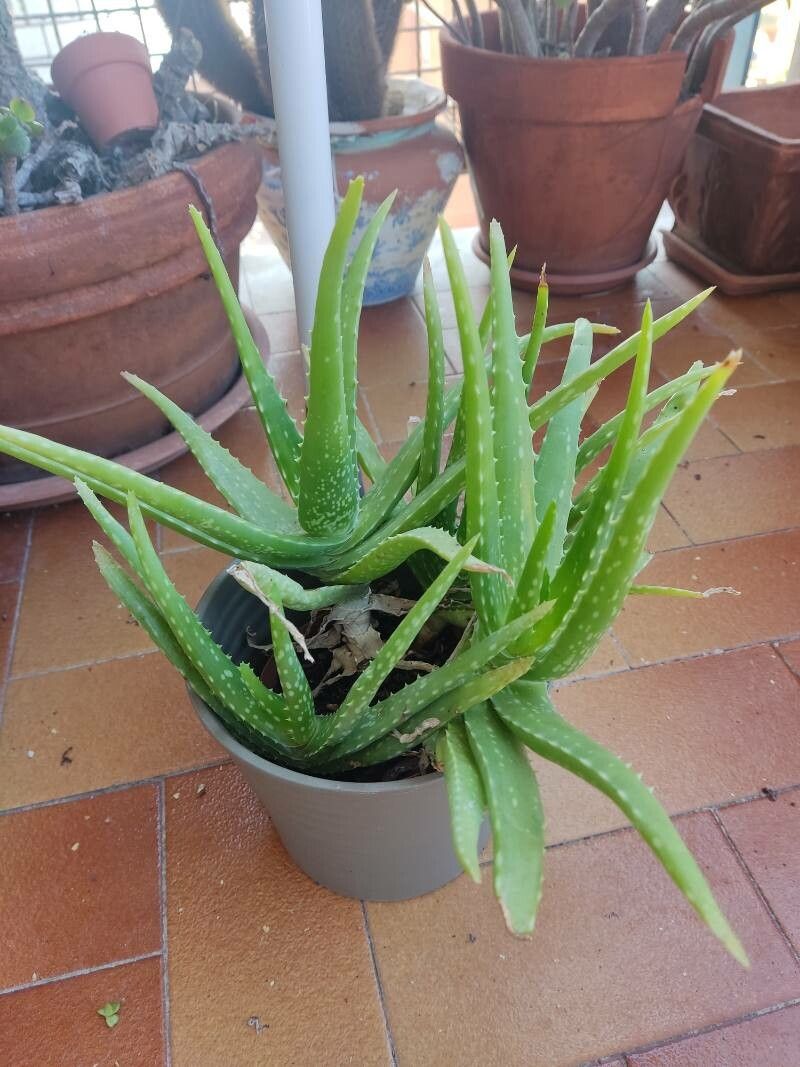
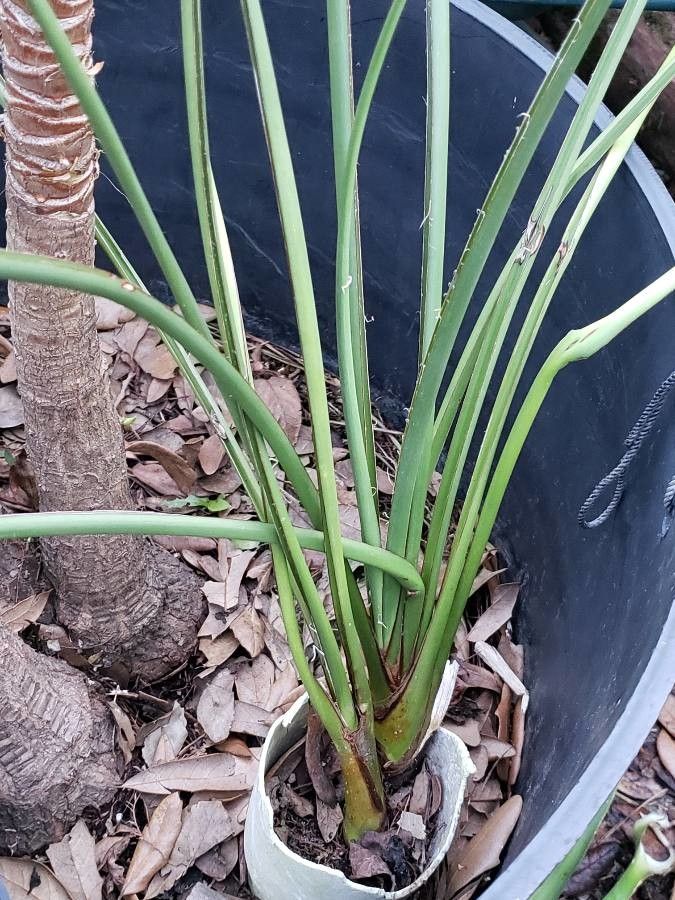
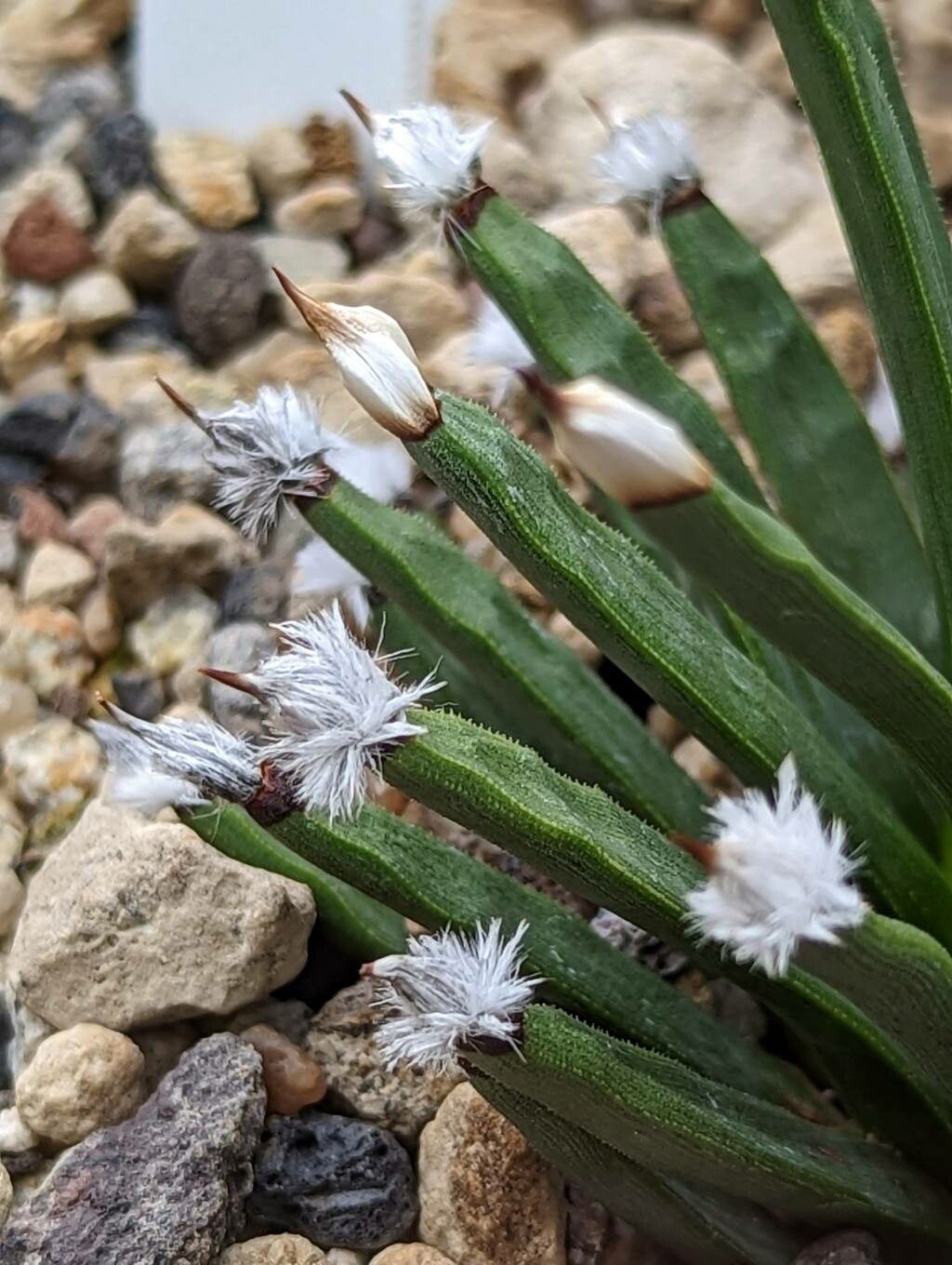
Agave shawii, commonly known as Shaw's agave, is a succulent plant species in the family Asparagaceae. Native to the coastal regions of California and Baja California in Mexico, this plant features a rosette shape with thick, fleshy leaves that are blue-green in color and lined with sharp spines. The leaves can grow up to 3 feet long and 6 inches wide.
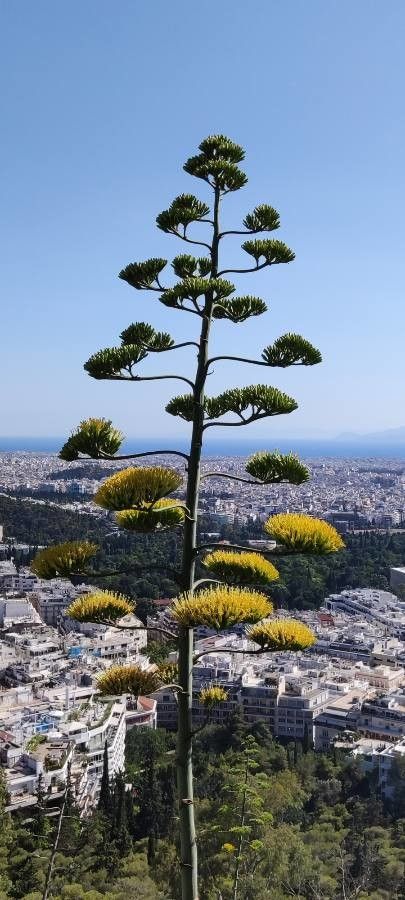
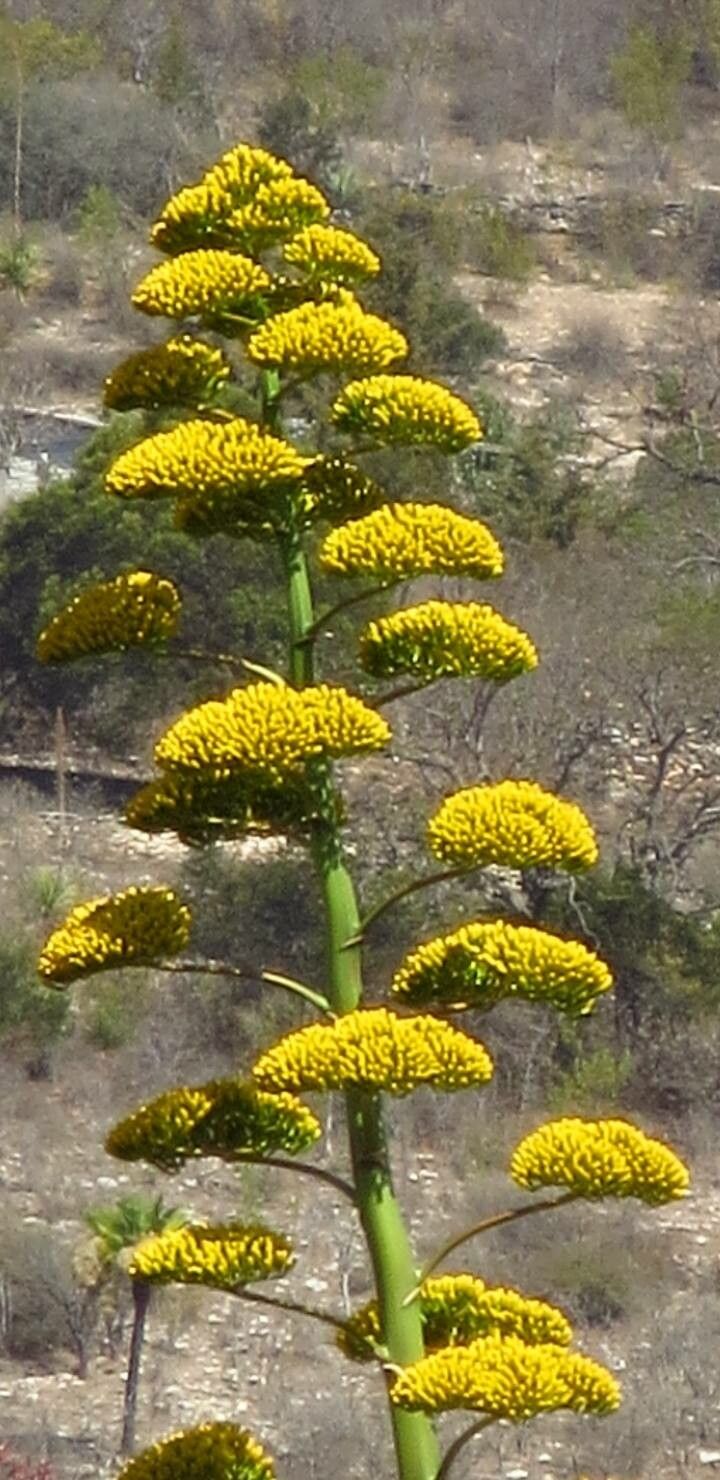
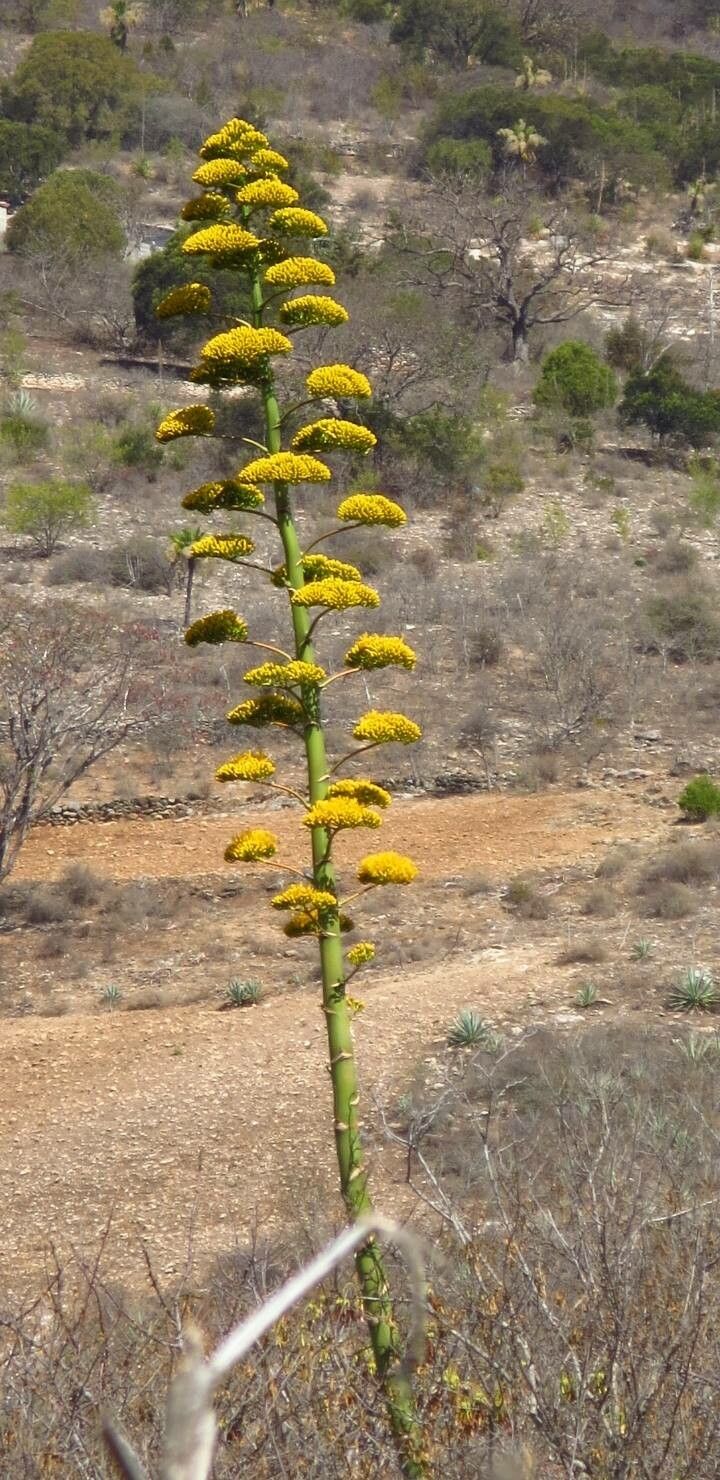
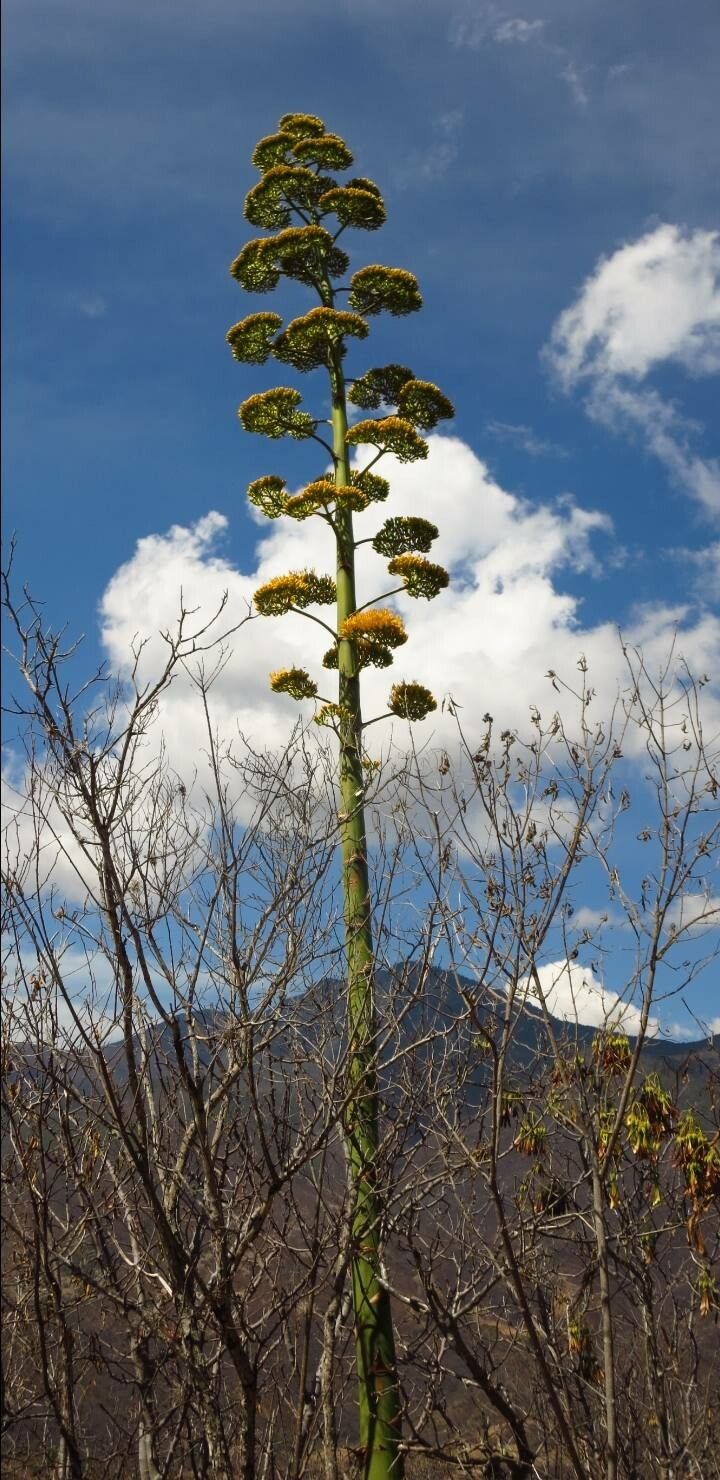
Shaw's agave is a slow-growing plant that takes up to 10 years or more to produce its tall flowering stalks, which can reach heights of up to 20 feet. The yellow-green flowers bloom on these stalks during late spring or early summer.
This agave species thrives in well-draining soil with low moisture content and full sun exposure but can also tolerate partial shade. While it is drought-tolerant, it does require occasional watering during hot summer months.
Historically, indigenous peoples have used Agave shawii for various purposes, including as a food source, fiber for weaving baskets and clothing, and as a medicinal treatment for wounds and infections.
Overall, Agave shawii is an attractive ornamental plant that enhances gardens with its beauty and numerous benefits. Its drought tolerance makes it an ideal choice for xeriscaping or landscapes with low water availability.
Shaw's agave has moderate disease resistance but is more sensitive to humidity and overwatering. It is also more prone to illness when kept in low light and watered excessively. In terms of care, Shaw's agave is drought tolerant and can withstand long stretches without water. It does not require much fertilizer and only needs occasional pruning. These characteristics make it appropriate for growers of all experience levels, especially those who prefer to spend less time on plant care or who may be away from home for extended periods. It is a solid choice for people who do not want to devote a lot of time to maintenance but still want a plant that is easy to care for.
How to keep Agave Shawii.
Light
Shaw's agave needs consistent full exposure to the open sky to encourage vigorous growth. Native to areas with abundant sunshine, it does best in settings that mimic its natural environment. However, too little light or too much exposure can undermine its strong growth and bright coloration.
Water
Shaw's agave is highly drought-tolerant and only needs to be watered every three weeks because it is adapted to arid environments. Its succulent leaves are capable of storing water for extended periods. The plant's flowering is influenced by rainfall, which triggers growth cycles in outdoor desert landscapes.
Temperature
Shaw's agave originates from temperate regions and prefers temperatures between 68 and 95 °F (20 and 35 ℃). Seasonal adjustments may be required to maintain optimal growth.
Fertilizer
Shaw's agave only needs light applications of fertilizer 1–2 times a year during the growing season. Avoid fertilizing in winter and in summer when it is dormant. Use less fertilizer for plants that have been repotted, and wait a couple of months after repotting before you start feeding. Fertilizing helps maintain healthy growth and encourages flowering.
Pruning
As Shaw's agave produces new leaves, the lower ones tend to yellow and dry out. Removing these dried leaves promptly improves the plant's appearance. Additionally, trim any infected leaves to prevent pests and diseases from spreading to healthy parts of the plant.
Pot & Repot
Repot Shaw's agave every two years in the spring to encourage healthy growth. Choose a container that is just slightly larger than the root ball. Use well-draining soil, and be careful to limit watering after repotting. This will help prevent root rot and promote the overall health and longevity of the plant.
Botanical profile.
- Plant Type
- Herb
- Life Cycle
- Perennial
- Genus
- Agave
- Family
- Asparagaceae
- Hardiness Zone
- 9-10
- Mature Height
- 61 cm to 91 cm
- Mature Spread
- 1.83 m to 2.44 m
- Leaf Color
- Green
- Leaf Type
- Evergreen
- Flower Color
- Yellow, Green
- Flower Size
- 2.54 cm to 5.08 cm
- Bloom Time
- Late spring, Early summer, Mid summer
- Planting Time
- Summer
- Harvest Time
- Late summer, Early fall, Mid fall
Other names.
Reader questions.
What should I do if I give my Shaw's agave too much or too little water?
Shaw's agave and other succulents are resilient and can withstand long periods without water. However, if you forget to water your Shaw's agave for a month or more, you may notice signs of dehydration such as a lackluster and wrinkled appearance. The plant may also become brown, crispy, or drop off completely, and the soil will be completely dry. To remedy this, thoroughly water the agave by submerging the pot in water for 5-10 minutes until the soil is moist. On the other hand, overwatering is harmful to Shaw's agave and can lead to root rot. This occurs when the excess moisture allows fungi and bacteria to thrive, preventing the roots from absorbing water and nutrients. Symptoms of overwatering include yellow, swollen, and translucent organs, which may burst open. It's important to check the soil for overwatering as other issues can cause similar symptoms. To fix an overwatered plant, improve air ventilation, adjust watering frequency, and take the plant out of its pot to examine the roots and soil. If the roots are affected by rot, it may be difficult to save the plant. In such cases, it's best to propagate from healthy stems. If only some roots are affected, remove the unhealthy ones, dip the remaining healthy roots in fungicide, and replant the agave in fresh, well-draining soil. With proper care, the agave has a good chance of recovering and producing new growth in the following season.
Why do I have to add fertilizer to my Shaw's agave?
Applying fertilizer to Shaw's agave provides additional nutrients to the growing medium. Despite the plant's ability to store water and nutrients, using plant food during the growing season promotes healthy growth. Fertilizing can also stimulate mature specimens to produce blooms in the same season.
What are the sunlight requirements for Shaw's agave?
Shaw's agave thrives best when exposed to full sunlight for more than 6 hours daily, mimicking its native habitat's ample sunshine. Partial sun, about 3-6 hours of sunlight, is also beneficial but may not promote as vigorous growth. It's essential to observe how sunlight moves through your garden to find the perfect spot that offers a balance of light and shade, ensuring your Shaw's agave's happiness and healthy development.
What are the ideal temperature conditions for Shaw's agave?
Shaw's agave thrives best in temperate climates, preferring a temperature range between 68 to 95 °F (20 to 35 °C). It's a heat-loving plant that enters a dormant state when the temperature falls outside this range, especially during winter when it stops growing. To maintain optimal growth, Shaw's agave should be kept above 0°C during winter and moved indoors if temperatures drop below freezing. A south-facing window is ideal for indoor cultivation to ensure it receives plenty of sunlight. Supplemental lighting can be used if natural light is insufficient. During colder conditions, below 20°C, the plant's growth slows, and watering should be reduced or stopped to avoid root rot. For outdoor plants, halt watering in low temperatures and consider using insulation methods like a temporary greenhouse or wrapping the plant with fabric or plastic film to protect it from the cold.
How frequently should I water my Shaw's agave plant?
To determine how often to water Shaw's agave, you can check the soil and only water when it's completely dry. You can use your finger or a moisture meter to check below the surface. If the soil feels slightly moist, wait a few days and check again. Generally, watering every two weeks in the summer and once a month in winter works for most people, but there are factors to consider that can affect the frequency of watering. Below are some considerations to help you determine how often to water.
When should I fertilize my Shaw's agave for the best results?
Shaw's agave plants only require a small amount of fertilizer during the growing season. It is recommended to fertilize them 1-2 times a year in the spring and autumn. However, it is important to avoid fertilizing during the dormant periods in winter and summer. When repotting, be cautious and use less fertilizer. It is also advisable to wait a few months after repotting before applying any fertilizer.
How does inadequate or excessive sunlight affect Shaw's agave?
Inadequate sunlight can lead to symptoms such as smaller new leaves, leggy or sparse growth, faster leaf drop, slower or no growth, and lighter-colored or yellow leaves, indicating a deficiency in chlorophyll. Excessive sunlight, on the other hand, can cause chlorosis, sunscald, leaf curling, wilting, and leaf scorching, damaging the plant's leaves or stems and impairing its ability to photosynthesize efficiently. Both conditions adversely affect the sturdy growth and vibrant coloration of Shaw's agave.
How should I care for Shaw's agave in low temperatures?
Shaw's agave is not tolerant of low temperatures and thrives when it's above 20°C. Keep it above 0°C during winter to avoid damage. Exposure to temperatures below -5°C may cause the plant to weaken, wilt, and become prone to root rot. If mild frost damage occurs, initially, there might not be any symptoms, but the plant could gradually wither after a week. To care for frostbitten Shaw's agave, trim off the affected areas. Check for root rot and, if present, cut off the rotted parts. The plant can then be propagated through cuttings. Move the plant indoors to a warm environment and ensure it gets ample sunlight by placing it near a south-facing window. Use supplemental lighting if natural light is insufficient.
What do I need to think about when watering my Shaw's agave?
To ensure proper watering for your Shaw's agave, consider these environmental factors: container size, soil type, temperature, and humidity. When choosing a container, opt for one with drainage holes to prevent excess water accumulation. Smaller containers hold less moisture and require more frequent watering, while larger ones retain moisture longer and need less frequent watering. Avoid using oversized pots to avoid overwatering. For repotting, choose a container just one size larger than the current one, preferably shallow to accommodate the agave's shallow root system. In terms of watering frequency, your Shaw's agave will need less water during winter when growth slows down, and more water during the active growing seasons of spring and autumn. The cooler winter air slows down evaporation, thus causing the soil to stay wet for a longer period. Similarly, the climate of your area influences watering needs. Humid locations with abundant rainfall require less frequent watering compared to dry, arid areas. Keep in mind that climate conditions can change throughout the year and might be affected by indoor heating and air conditioning. If your Shaw's agave is planted in the ground, it usually doesn't require additional watering beyond natural precipitation and dew. However, during prolonged dry periods, occasional watering may be necessary. In areas where the agave can only be grown in a container, you can move it outside during the proper temperature conditions of spring and summer, and then bring it indoors as temperatures drop. Note that potted Shaw's agave kept outside typically needs more water due to increased sun exposure, even on shaded porches.
When is the best time to not fertilize my Shaw's agave?
Shaw's agave, like many plants, goes through a dormancy period. During this time, it is best to stop applying fertilizer. The plant stops growing in both the summer and winter, so fertilizing should be avoided during these seasons as well. Additionally, it is recommended to refrain from fertilizing for a few months after repotting in the spring.
What solutions can help Shaw's agave receive adequate light indoors?
To ensure optimal growth indoors, gradually move Shaw's agave to a sunnier location each week until it receives at least 6 hours of direct sunlight daily. Utilizing a south-facing window and keeping curtains open during the day can maximize sunlight exposure. If the plant is large or not easily movable, consider using artificial light. Keeping a desk or ceiling lamp on for at least 8 hours daily or investing in professional plant grow lights can provide ample light. Note that parts of the plant affected by insufficient sunlight may not recover, but new growth will be healthy after adjusting light exposure.
What steps should be taken if Shaw's agave is exposed to high temperatures?
During the summer, it's important to keep Shaw's agave's temperature below 95°F (35°C). If the temperature rises above 105°F (41°C), the plant's growth will halt, and it will suffer from water loss, wilting, and an increased risk of sunburn. To care for a Shaw's agave exposed to high temperatures, first remove any sunburned or rotten parts. Then, protect the plant from direct afternoon sunlight until it shows signs of recovery and begins growing again. If the plant has suffered from root rot, refrain from watering it until new roots start to grow. This approach helps in managing heat stress and aids in the plant's recovery.