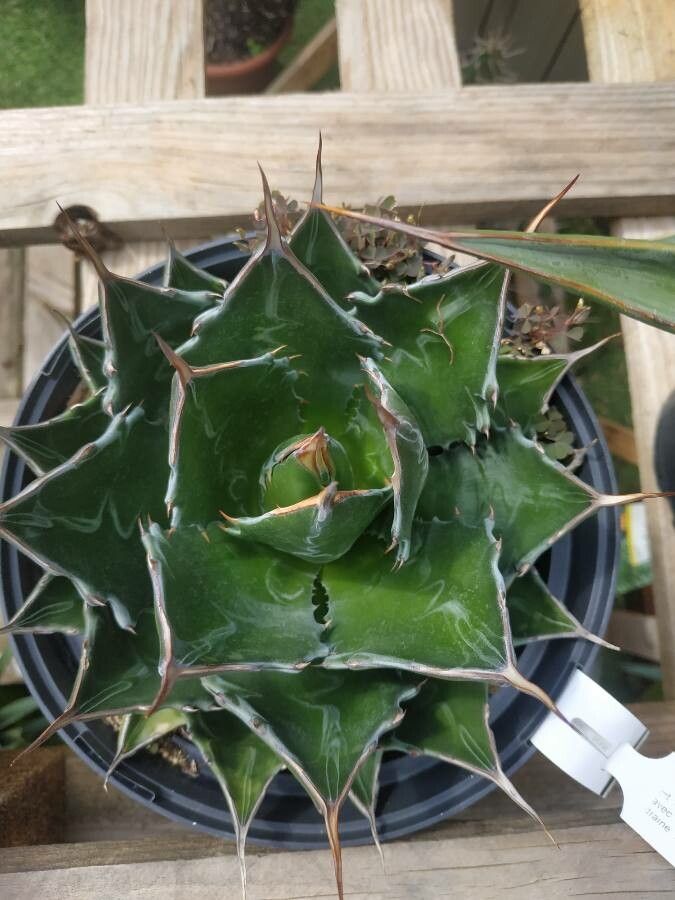
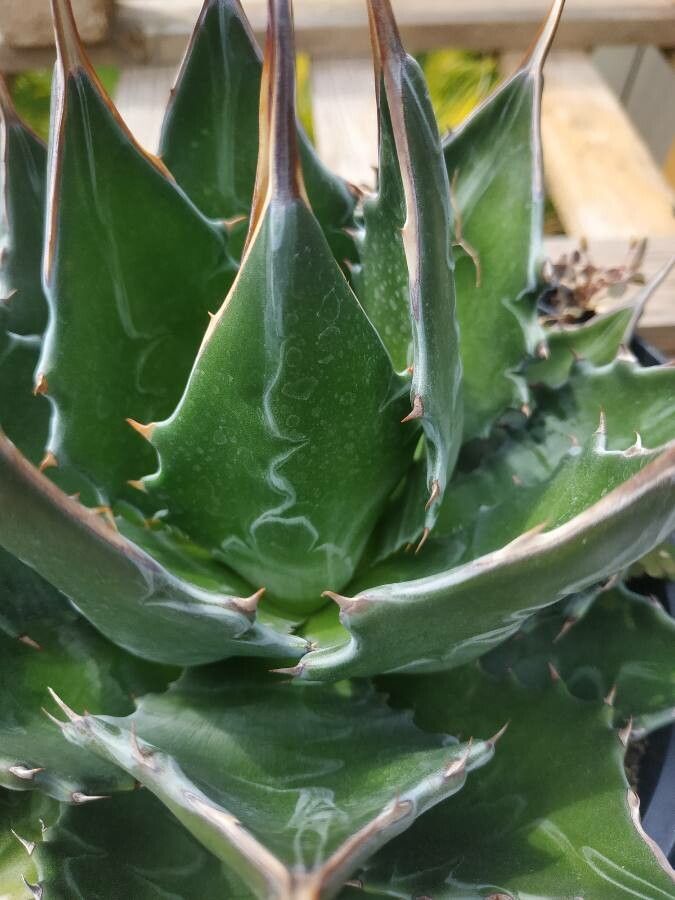
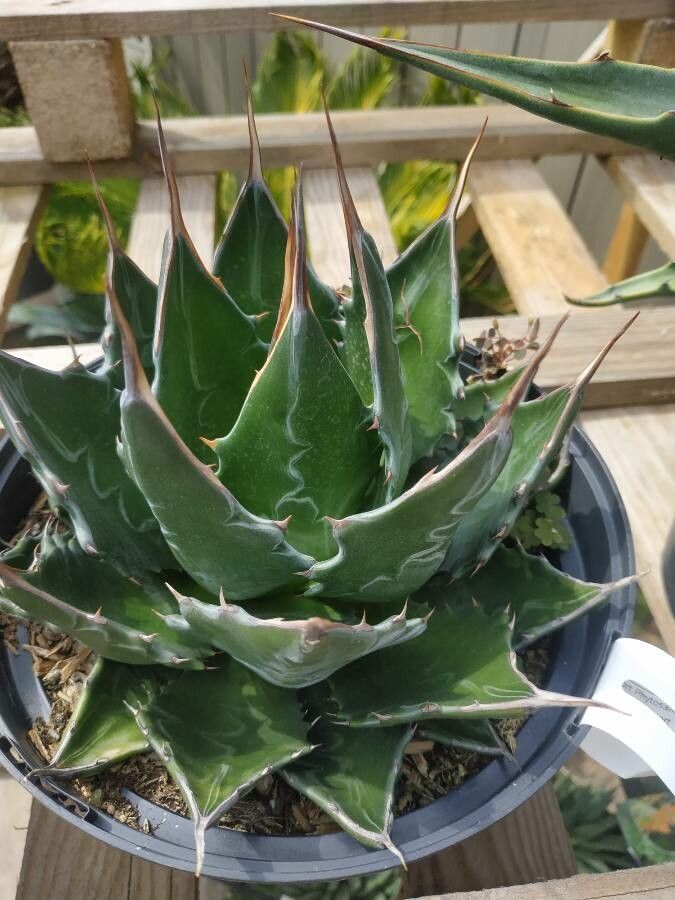
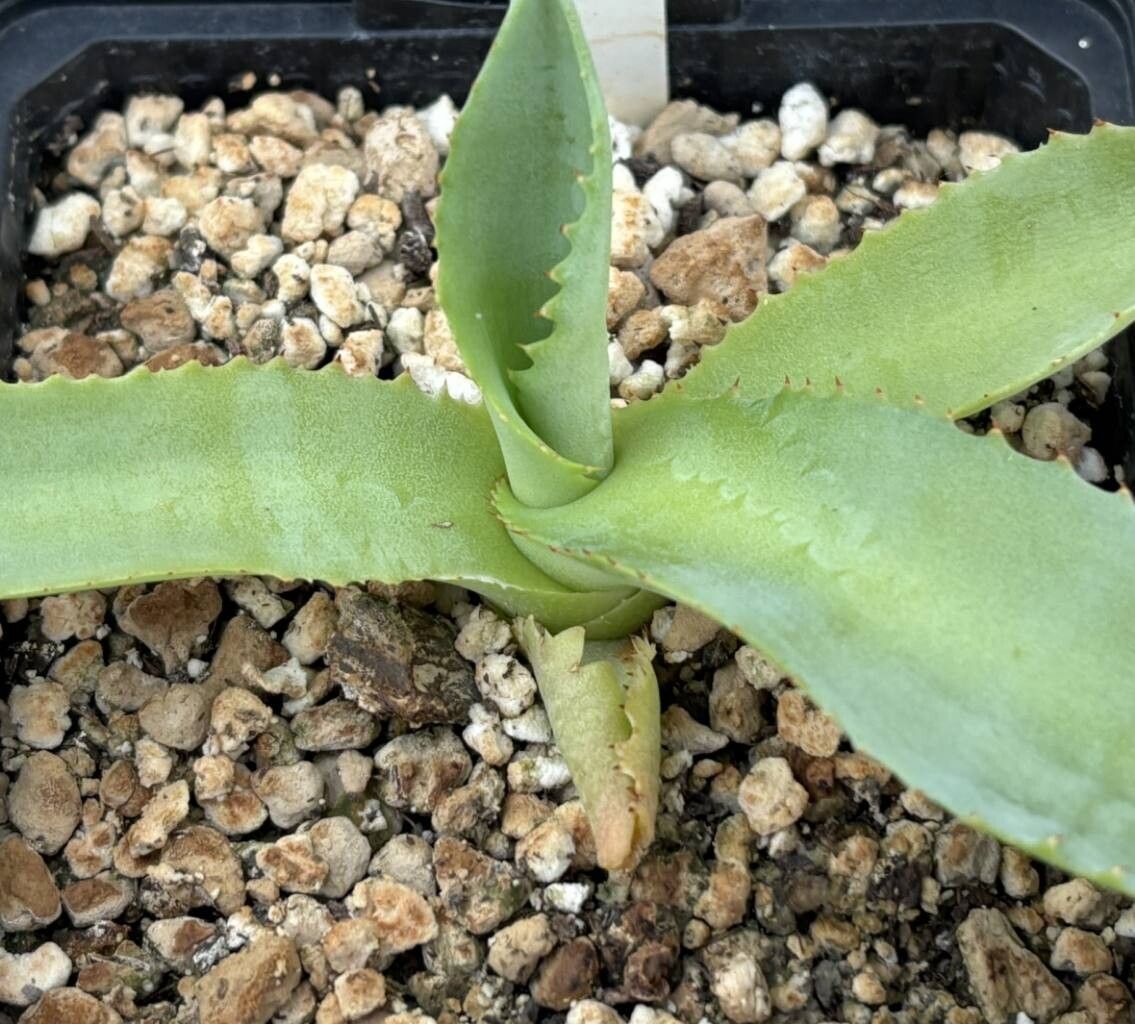
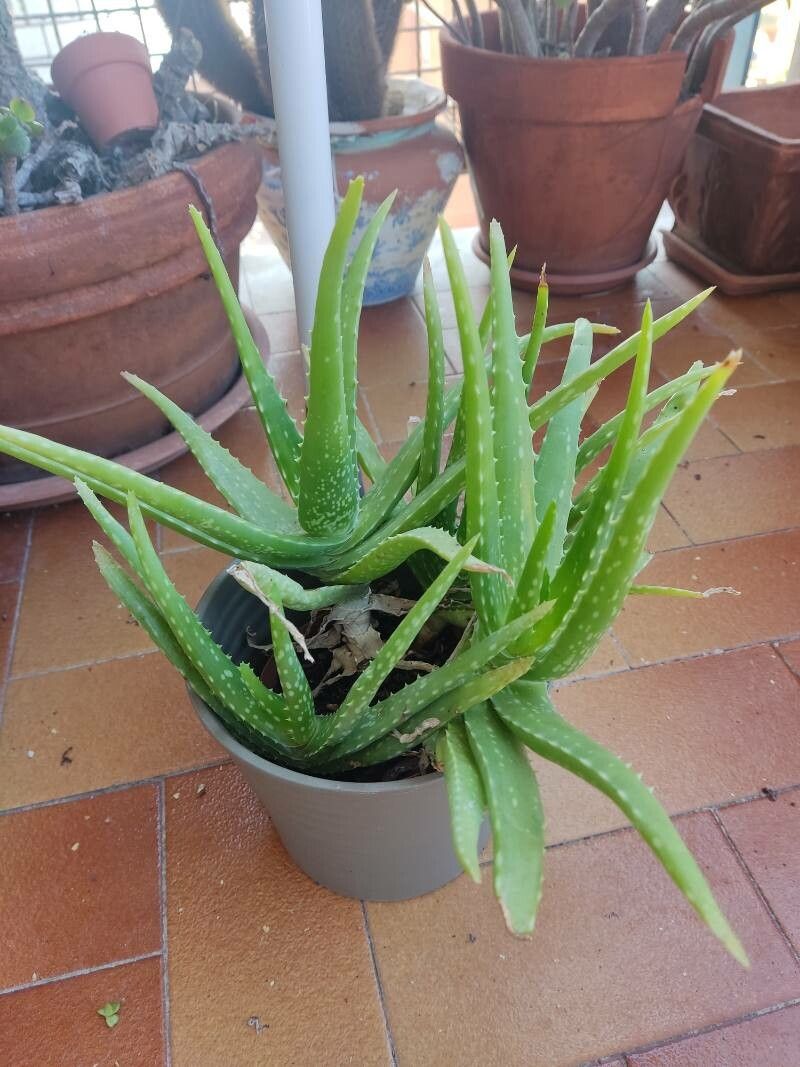
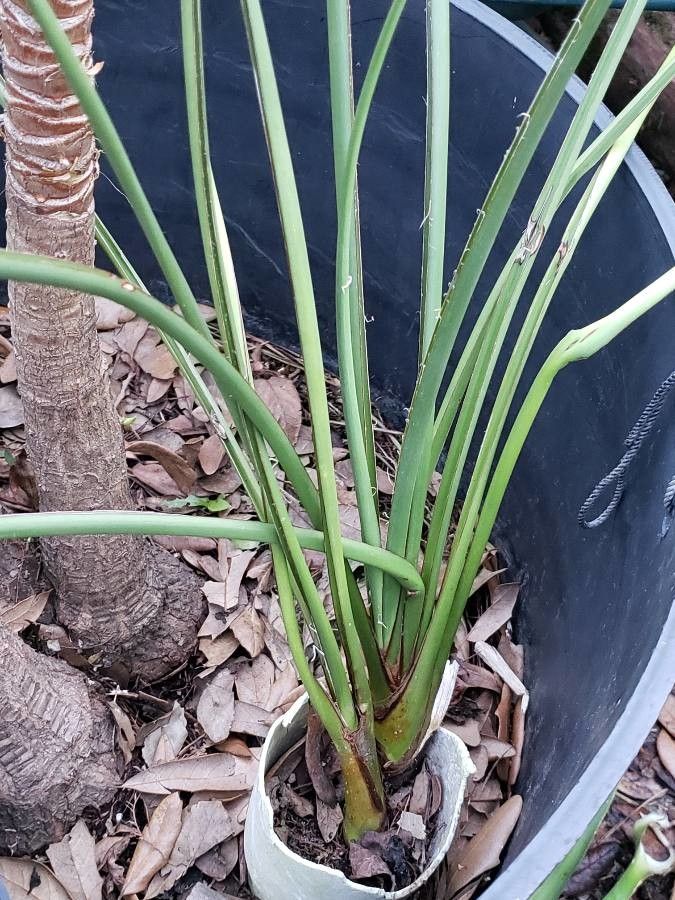
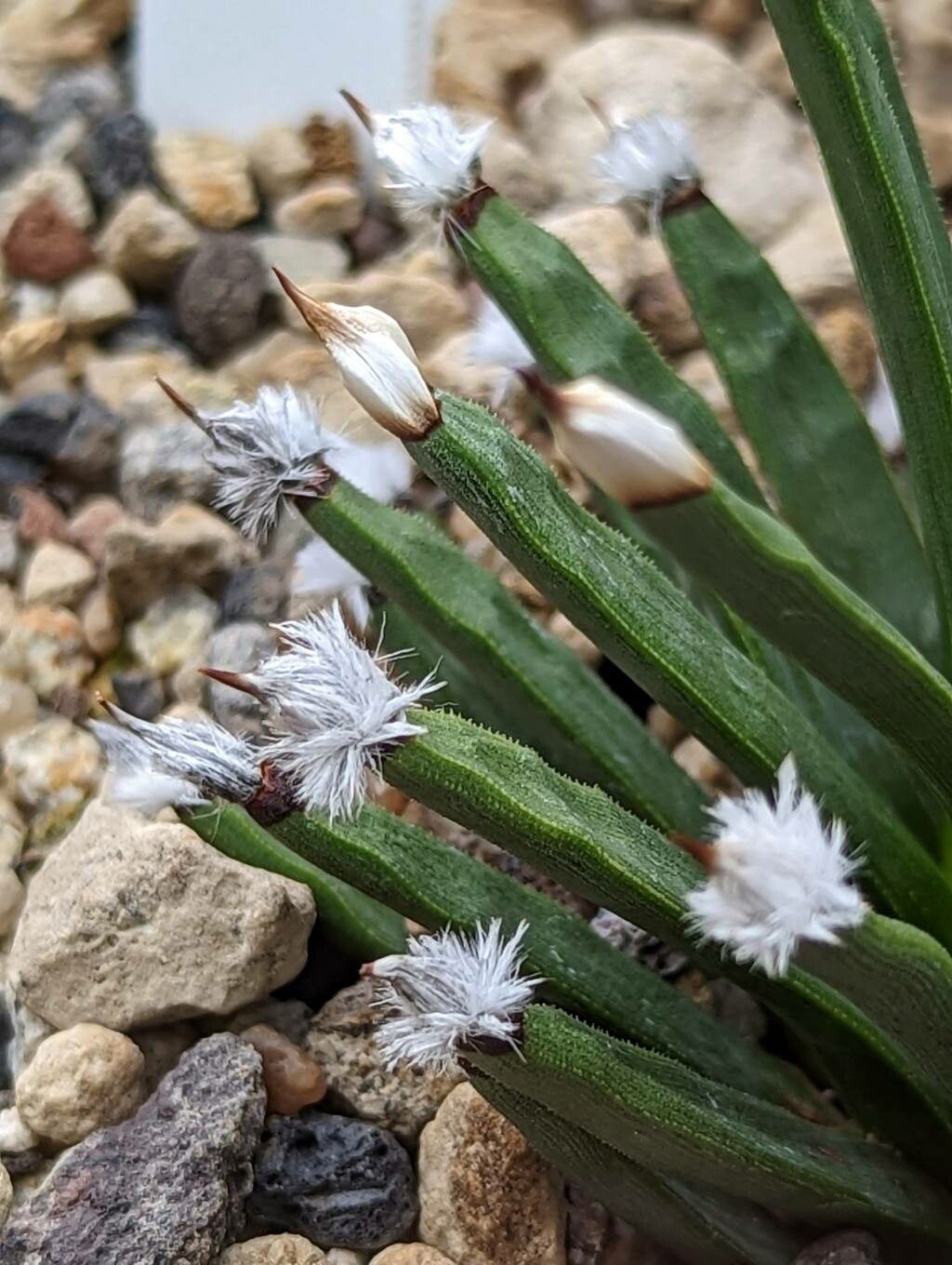
Agave montana has moderate resistance to disease but is more easily affected by high humidity and excess watering. It becomes more prone to disease if it receives insufficient light and is overwatered. Regarding care, Agave montana is drought-tolerant and can withstand extended intervals without watering. It requires little fertilizer and only occasional pruning. For these reasons it is suitable for growers of any experience level, particularly those who prefer to spend less time on plant care or who may be away from home for extended periods. It is a good option for people who do not want to devote much time to maintenance but still want a plant that is simple to care for.
How to keep Agave Montana.
Light
Agave montana, native to dry regions, performs best in full sun; its natural habitat has strong sunlight and very little shade. It can also tolerate partial sun, providing some flexibility in its growth.
Water
Agave montana is well-suited for arid environments, demonstrating exceptional drought tolerance thanks to its ability to store water in its thick leaves. It needs watering around once every three weeks and thrives in outdoor conditions where temperature variations enhance its natural ability to retain water. This evergreen succulent is perfect for low-water gardens.
Temperature
Agave montana does best in warm conditions and needs relatively high temperatures during the growing season to encourage growth and metabolic activity. It prefers plenty of sunlight, moderate moisture, and good airflow. It can be harmed by very low temperatures and by overwatering. Likewise, one should avoid both excessively high heat and conditions that are too dry.
Fertilizer
For Agave montana, apply light doses of fertilizer one to two times a year during the growing season. Do not fertilize in winter or in summer, when the plant is dormant. Cut back on fertilizer for recently repotted plants and wait a couple of months after repotting before applying fertilizer. Fertilizing helps maintain healthy growth and promotes blooming.
Pruning
Agave montana is a resilient, drought-resistant plant recognized for its striking rosettes of fleshy leaves. To promote new growth and remove any damaged foliage, prune the plant in early spring. After it blooms, trim the flower stalks to keep the plant looking tidy. Be sure to wear protective gear to avoid injury from the sharp edges of the leaves, and adhere to local horticultural guidelines when handling and caring for the plant.
Pot & Repot
Repot Agave montana every 2 to 3 years in the spring. Use a spacious container to accommodate its large roots and ensure proper drainage. After repotting, allow the soil to dry before watering. This minimizes stress on the plant and promotes stability. Agave montana thrives with plenty of growing space.
Botanical profile.
- Plant Type
- Succulent
- Life Cycle
- Perennial
- Genus
- Agave
- Family
- Asparagaceae
- Hardiness Zone
- 7-10
- Mature Height
- 1.52 m
- Mature Spread
- 1.52 m
- Leaf Color
- Green, Gray, Silver
- Leaf Type
- Evergreen
- Flower Color
- Yellow, Green
- Flower Size
- 5.08 cm to 6.35 cm
- Bloom Time
- Early summer, Mid summer
- Planting Time
- Spring
- Harvest Time
- Late summer, Early fall, Mid fall
- Native Area
- Mexico
Other names.
Reader questions.
What are the sunlight requirements for Agave montana?
Agave montana requires specific conditions regarding sunlight to thrive. For full sun exposure, the plant should receive above 6 hours of sunlight daily. In cases of partial sun, about 3 to 6 hours of sunlight is adequate. It's important to observe how sunlight moves through your garden to find spots offering the right balance of light and shade, ensuring your Agave montana remains healthy and happy.