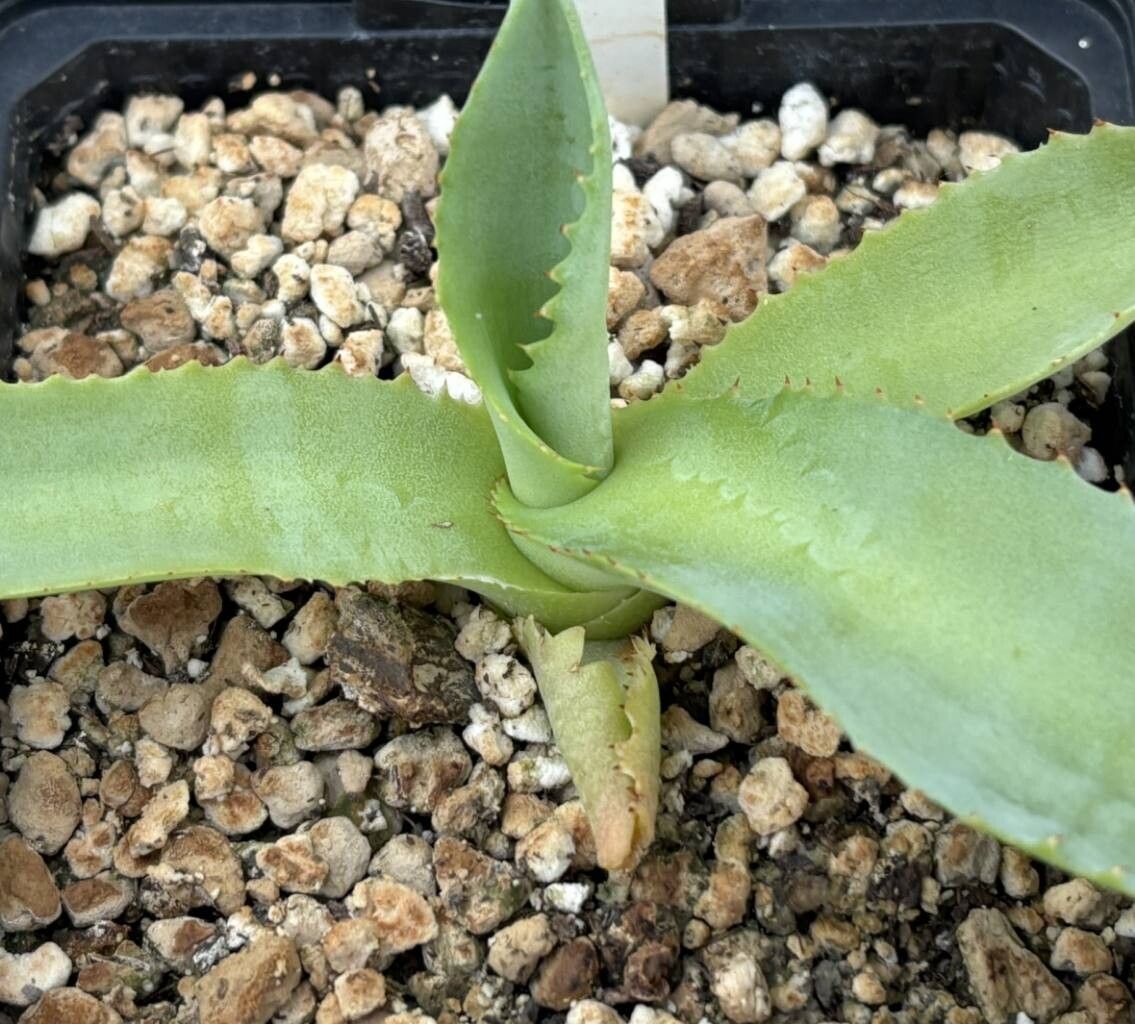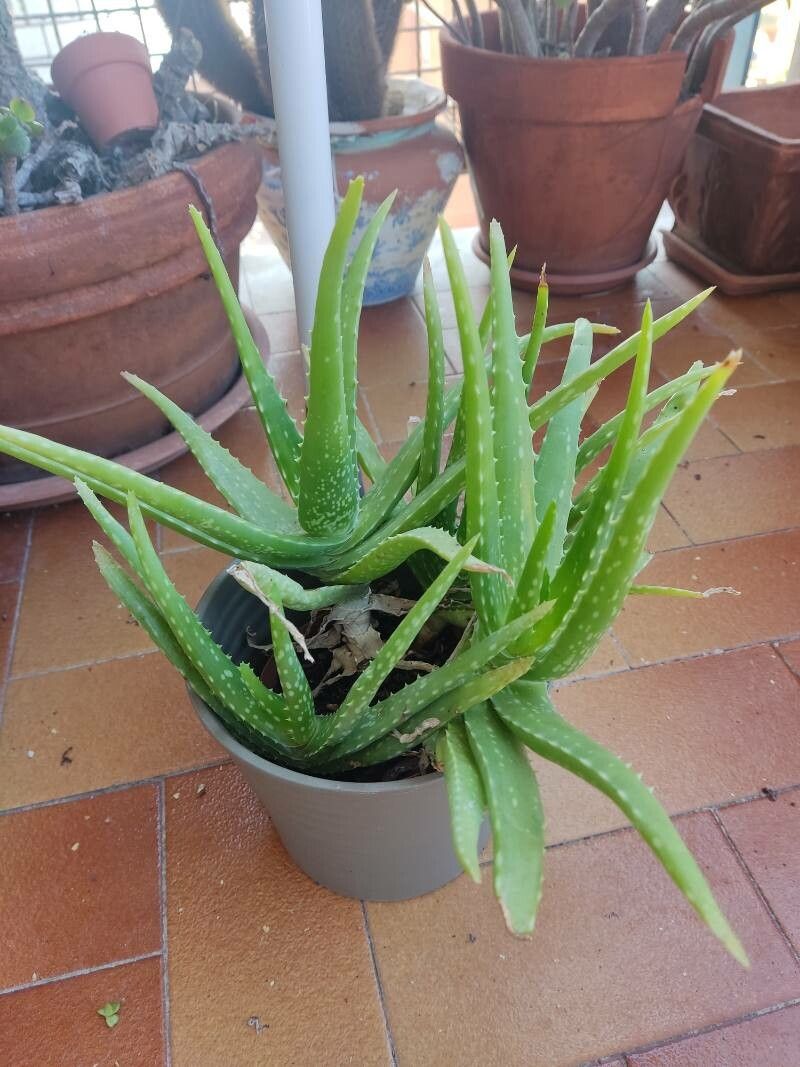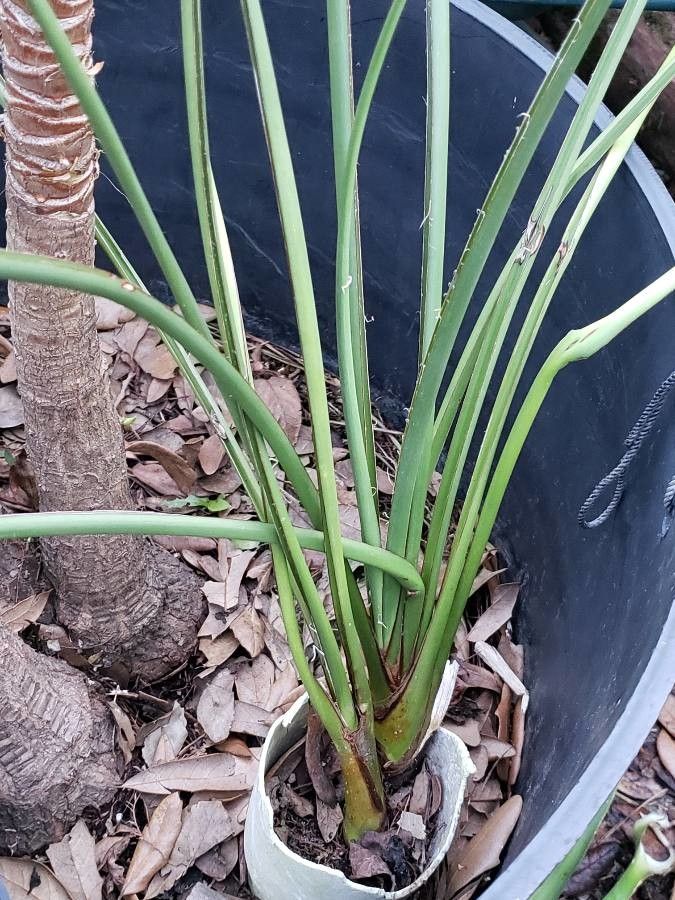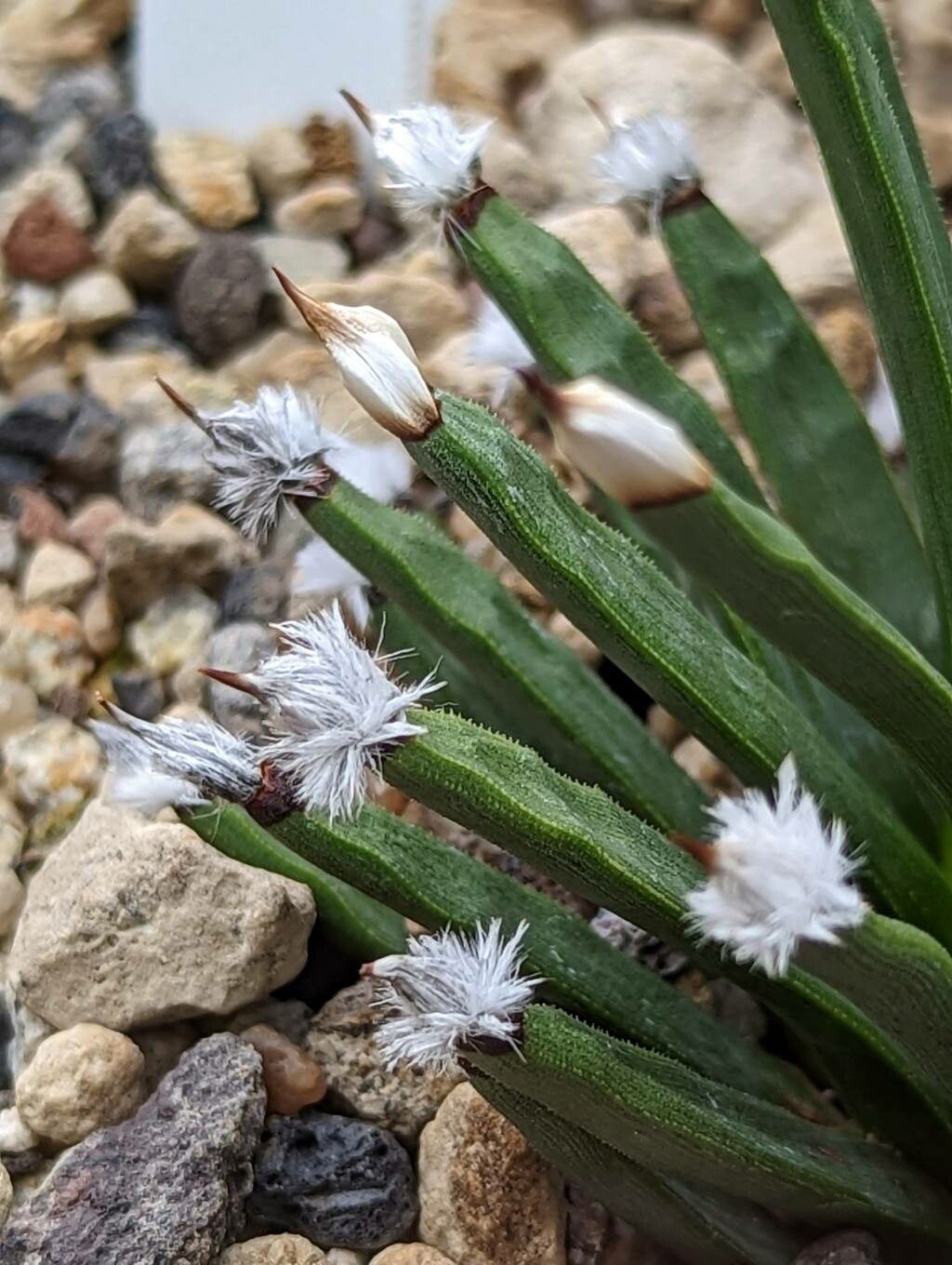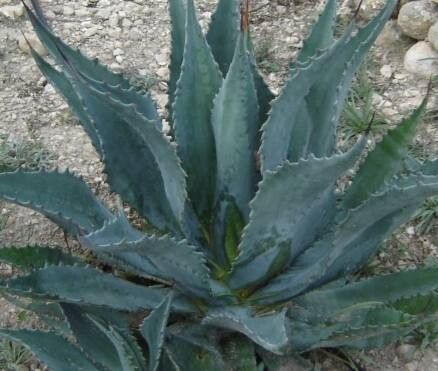
Giant agave has moderate resistance to disease but is more sensitive to humidity and excessive watering. It becomes more prone to illness if it receives insufficient light and is overwatered. Regarding care, Giant agave is drought-tolerant and can withstand long periods without water. It requires little fertilizer and only occasional pruning. Because of this, it is appropriate for gardeners of any skill level, particularly those who prefer to spend less time on plant care or who may be away from home for extended periods. It is a suitable option for people who do not want to devote much time to maintenance yet still want a plant that is easy to care for.
How to keep Agave Mapisaga.
Light
Native to dry areas, Giant agave performs best in full sun, as its native habitat has intense sunlight and very little shade. It can also tolerate partial sun, providing some flexibility in its growing conditions.
Water
The giant agave is well-suited to dry climates. It is important to water the plant only when the soil is sufficiently dry, particularly during the summer. In the fall, as growth slows, you should reduce watering. During the winter dormancy period, when temperatures fall below 10℃ (50℉), stop watering altogether. Begin watering again in the spring when temperatures exceed 20℃ (68℉).
Temperature
Giant agave does best in warm settings and needs warmer temperatures during the growing season to support its growth and metabolism. It prefers plenty of sunlight, suitable moisture levels, and good air circulation. However, it can be harmed by very low temperatures and by too much watering. It is also important to maintain a balance and avoid extremes of excessive heat or overly dry conditions.
Fertilizer
Giant agave plants require minimal fertilizer, usually just 1-2 applications per year during their growth phase, is enough. Do not fertilize during the winter and summer as these are their dormant periods. For plants that have recently been repotted, the use of fertilizers should be decreased and it's advisable to wait a few months after repotting to fertilize them. Fertilizing plays a crucial role in promoting robust growth and bloom stimulation.
Pruning
Giant agave plants need minimal pruning. Remove any dead or damaged leaves in early spring. Avoid cutting healthy leaves, as they help retain water and nutrients. After the plant blooms, prune the flower stalks to limit seeding. Regular pest inspections and proper pruning enhance the plant's growth and visual appeal.
Botanical profile.
- Plant Type
- Succulent
- Life Cycle
- Perennial
- Genus
- Agave
- Family
- Asparagaceae
- Hardiness Zone
- 9-11
- Mature Height
- 1.52 m to 2.13 m
- Mature Spread
- 2.13 m to 3.05 m
- Leaf Color
- Green Yellow, Light Green
- Leaf Type
- Evergreen
- Flower Color
- Yellow
- Flower Size
- 3.05 cm to 4.06 cm
- Bloom Time
- Summer
- Planting Time
- Summer
- Harvest Time
- Fall
- Native Area
- Mexico