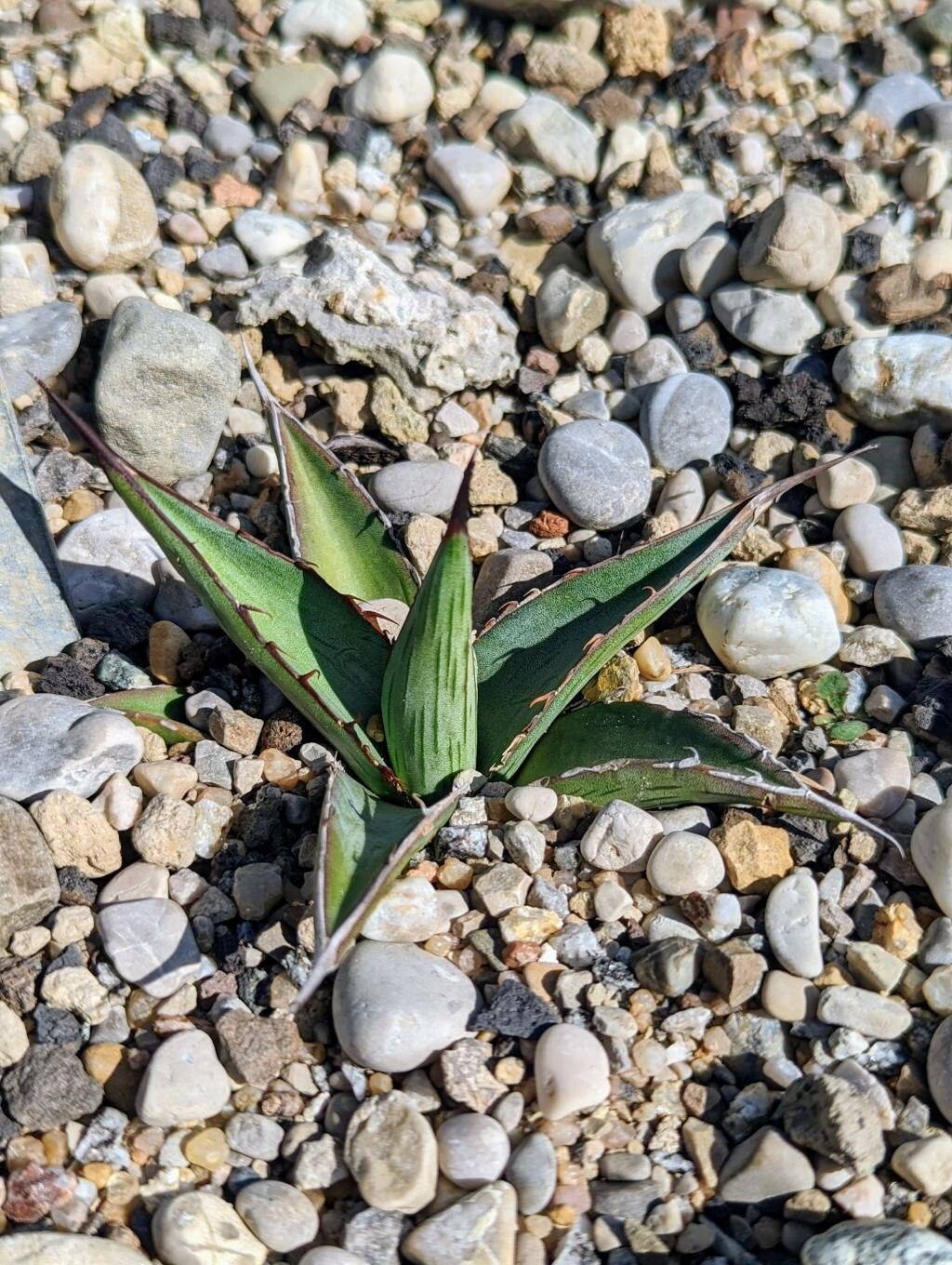
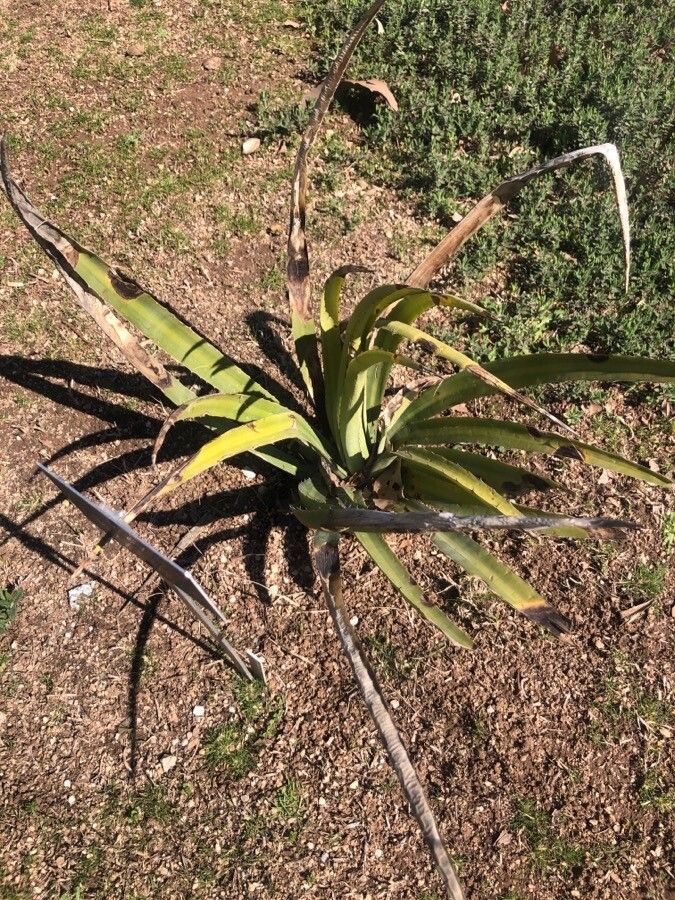
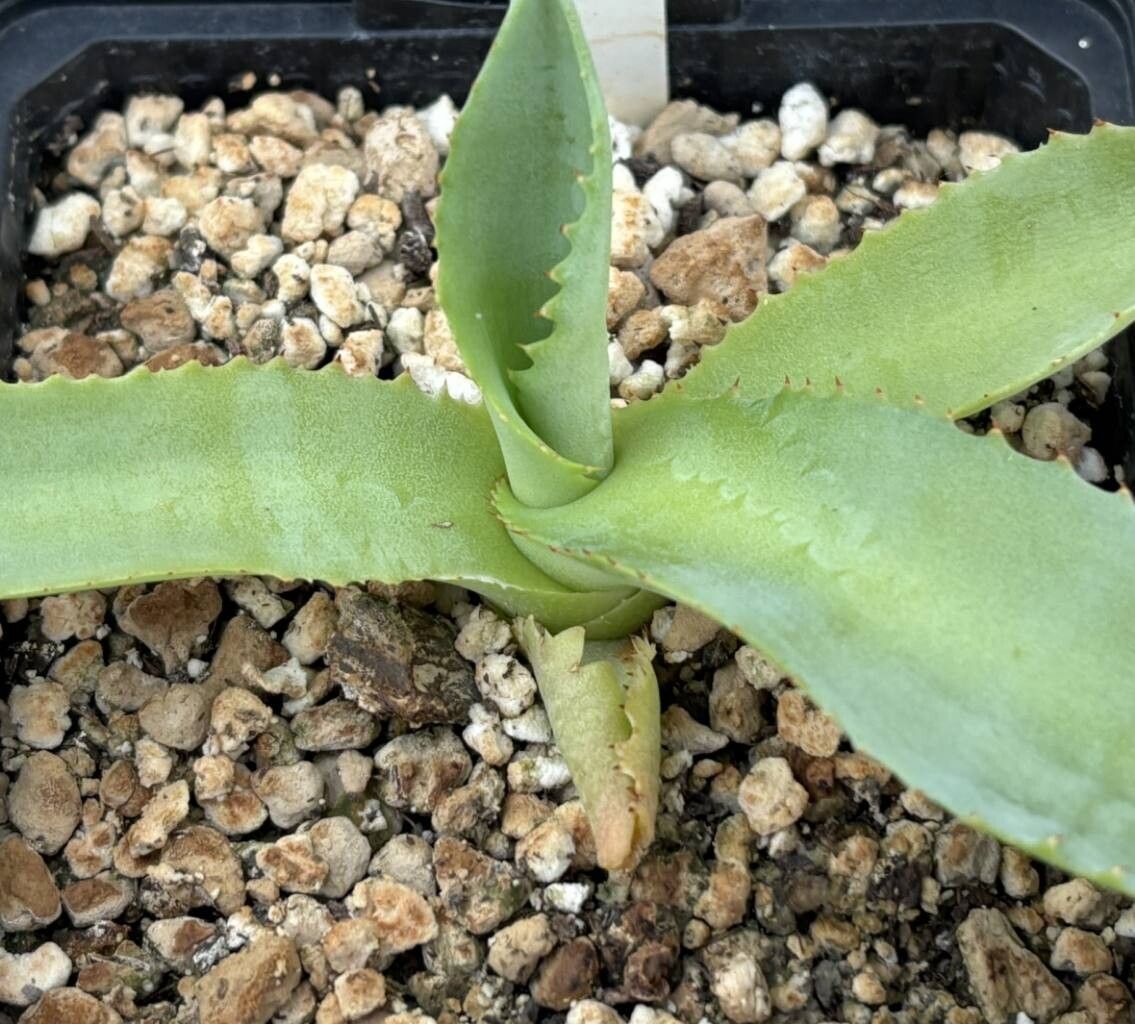
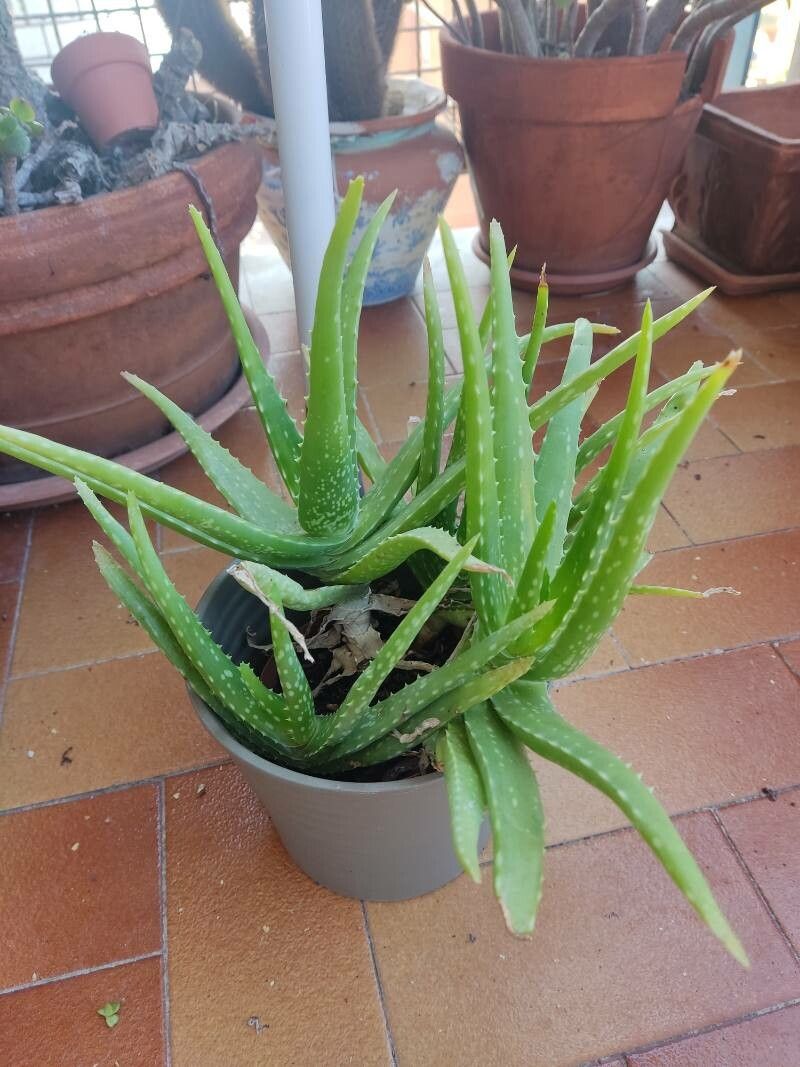
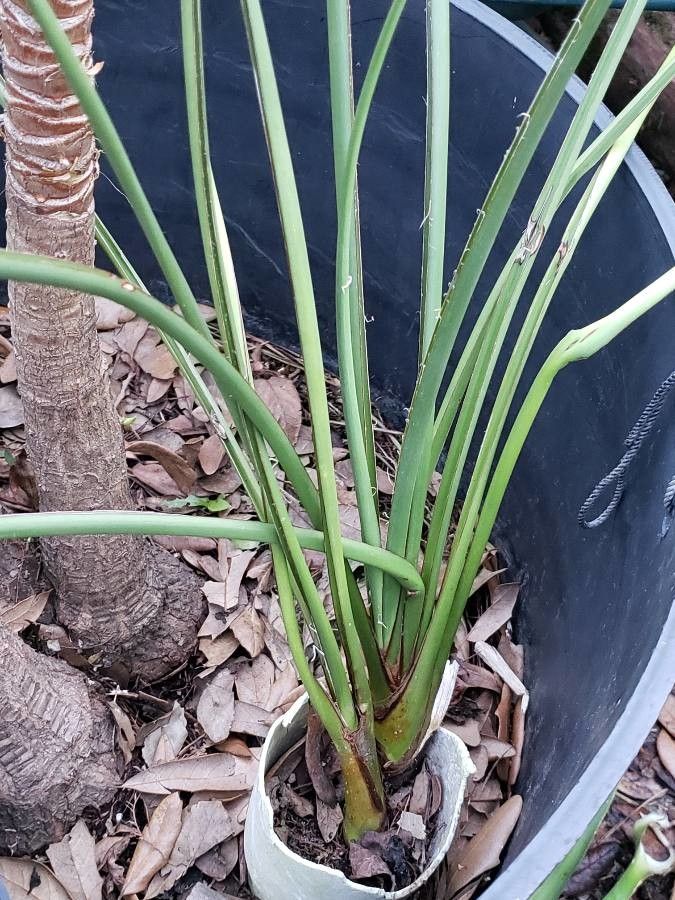
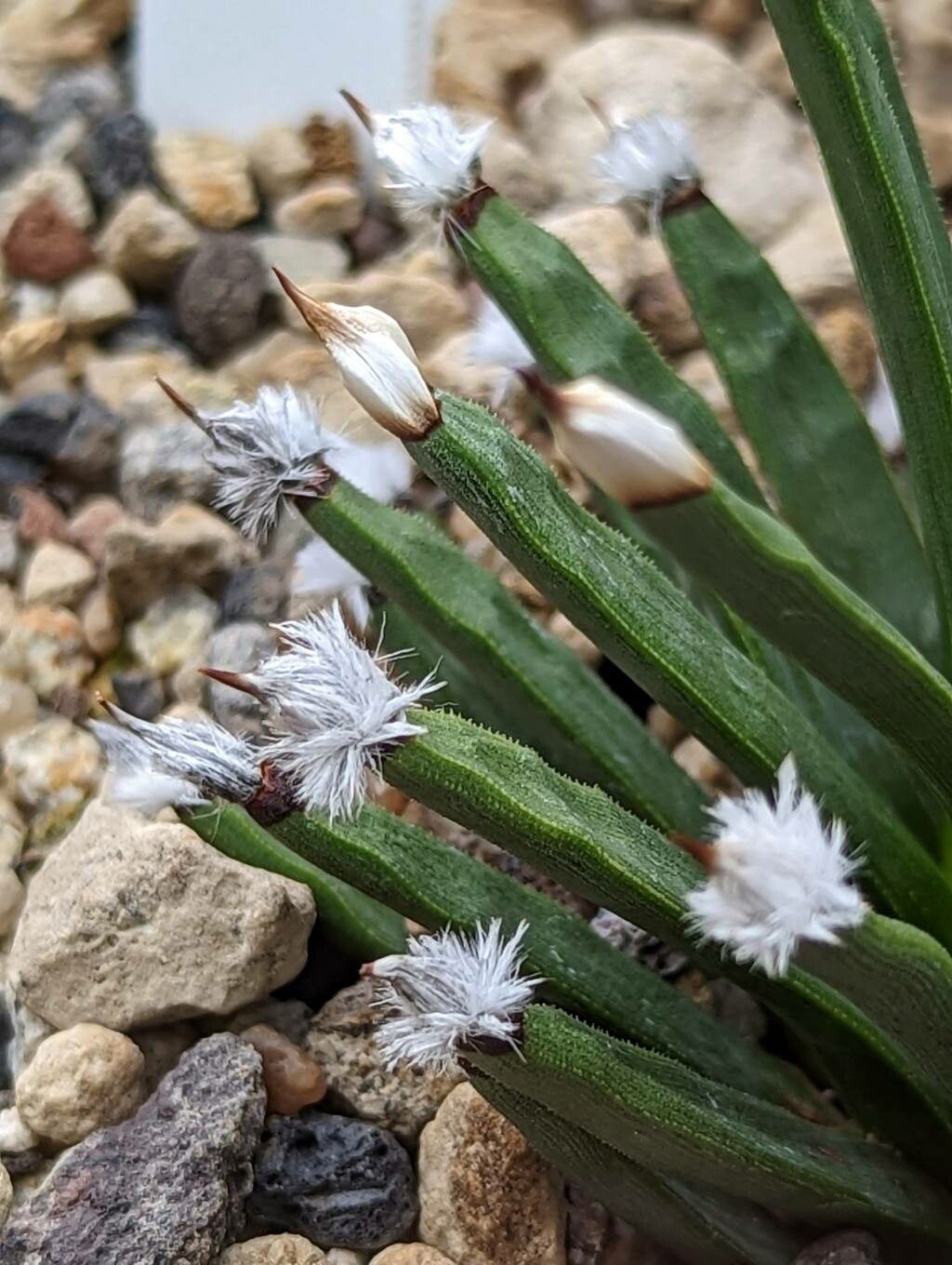
Agave lechuguilla is a succulent plant belonging to the Agavaceae family. Native to the Chihuahuan Desert in North America, it thrives in regions of Texas, New Mexico, and Mexico. This plant forms a rosette of long, narrow, greenish-gray leaves that can grow up to 2 feet in length. The edges of the leaves are lined with sharp spines, which deter animals from eating them.
Agave lechuguilla is renowned for its resilience in harsh desert conditions with minimal water and nutrients. Its deep root system allows it to tap into underground water sources, and it can store water in its thick leaves to survive dry periods.
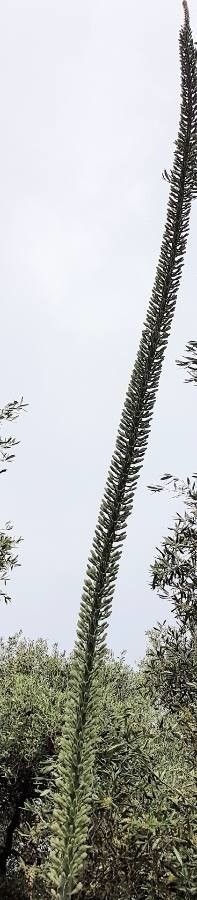
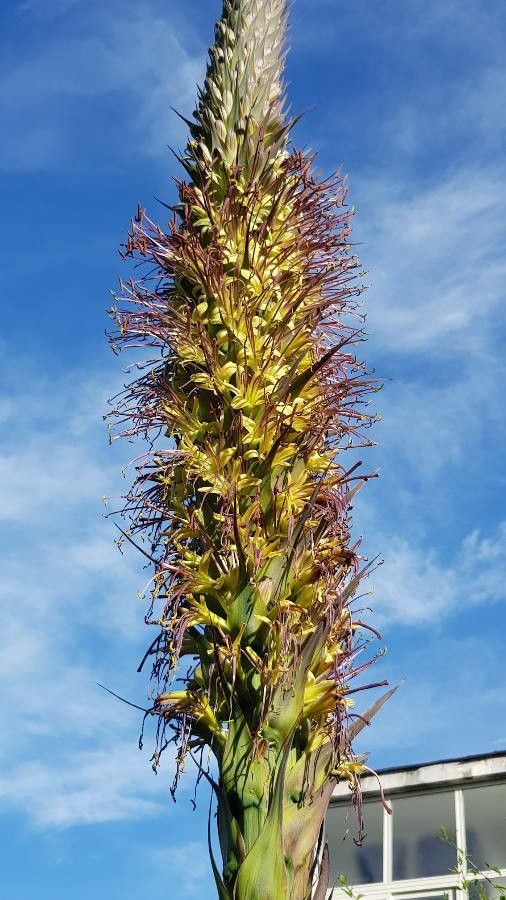
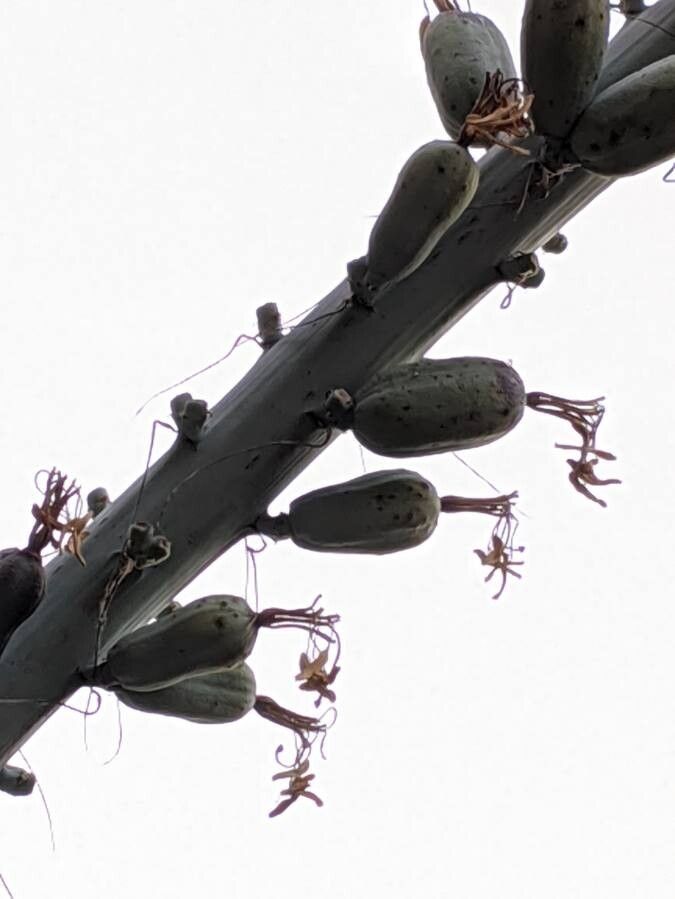
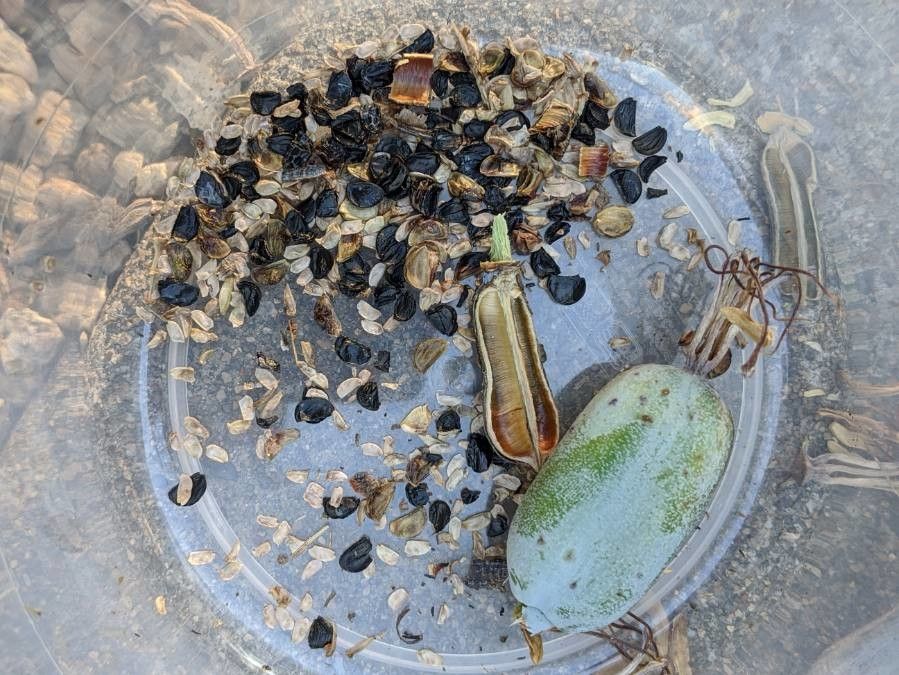
The plant blooms once every 10 to 15 years, producing tall spikes of yellow flowers that can reach heights of up to 15 feet. After flowering, the original plant dies, but it produces new plants from its root system.
For centuries, Native Americans used Agave lechuguilla as a source of fiber to make baskets and other woven items. It also possesses medicinal properties and was used by indigenous people as an antiseptic and pain reliever.
Today, Agave lechuguilla is primarily cultivated as an ornamental plant, valued for its unique appearance and ability to thrive in dry conditions with minimal maintenance. However, it is important to note that this species should not be planted in areas where children or pets play, due to its sharp spines, which can cause injury if not handled properly.
lechuguilla has moderate disease resistance but is relatively sensitive to humidity and excessive watering. When it does not receive enough light and is overwatered, it becomes more prone to disease. Regarding care, lechuguilla tolerates drought and can endure long periods without being watered. It needs little fertilizer and only occasional pruning. These characteristics make it appropriate for people at any experience level, especially those who prefer to spend less time on plant care and who may be away from home for extended periods. It is a good choice for anyone who does not want to invest much time in caring for plants yet still wants one that is easy to maintain.
How to keep Agave Lechuguilla.
Light
Native to dry areas, lechuguilla does best in full sun; its natural habitat has intense sunlight and very little shade. It will also tolerate partial sun, giving it some flexibility in growth.
Temperature
Lechuguilla performs best in warm conditions and needs elevated temperatures during the growing season to support growth and metabolism. It favors abundant sunlight, suitable moisture levels, and good airflow. It can be damaged by very low temperatures and by overwatering. Thus, maintaining a balance is essential, and excessively high temperatures or overly dry conditions should also be avoided.
Fertilizer
Lechuguilla only needs light fertilizer applied once or twice a year during its growing season. Do not fertilize in winter or in summer when it is dormant. Cut back on fertilizer for plants that have been repotted, and wait a couple of months after repotting before you fertilize. Fertilizing promotes healthy growth and encourages blooming.
Botanical profile.
- Plant Type
- Succulent
- Life Cycle
- Perennial
- Genus
- Agave
- Family
- Asparagaceae
- Hardiness Zone
- 8-11
- Mature Height
- 30 cm to 61 cm
- Mature Spread
- 30 cm to 61 cm
- Leaf Color
- Green, Yellow Green
- Leaf Type
- Evergreen
- Flower Color
- Yellow
- Flower Size
- 2.03 cm to 3.05 cm
- Bloom Time
- Late spring, Early summer, Mid summer
- Planting Time
- Summer, Autumn
- Harvest Time
- Late summer, Early fall, Mid fall
Other names.