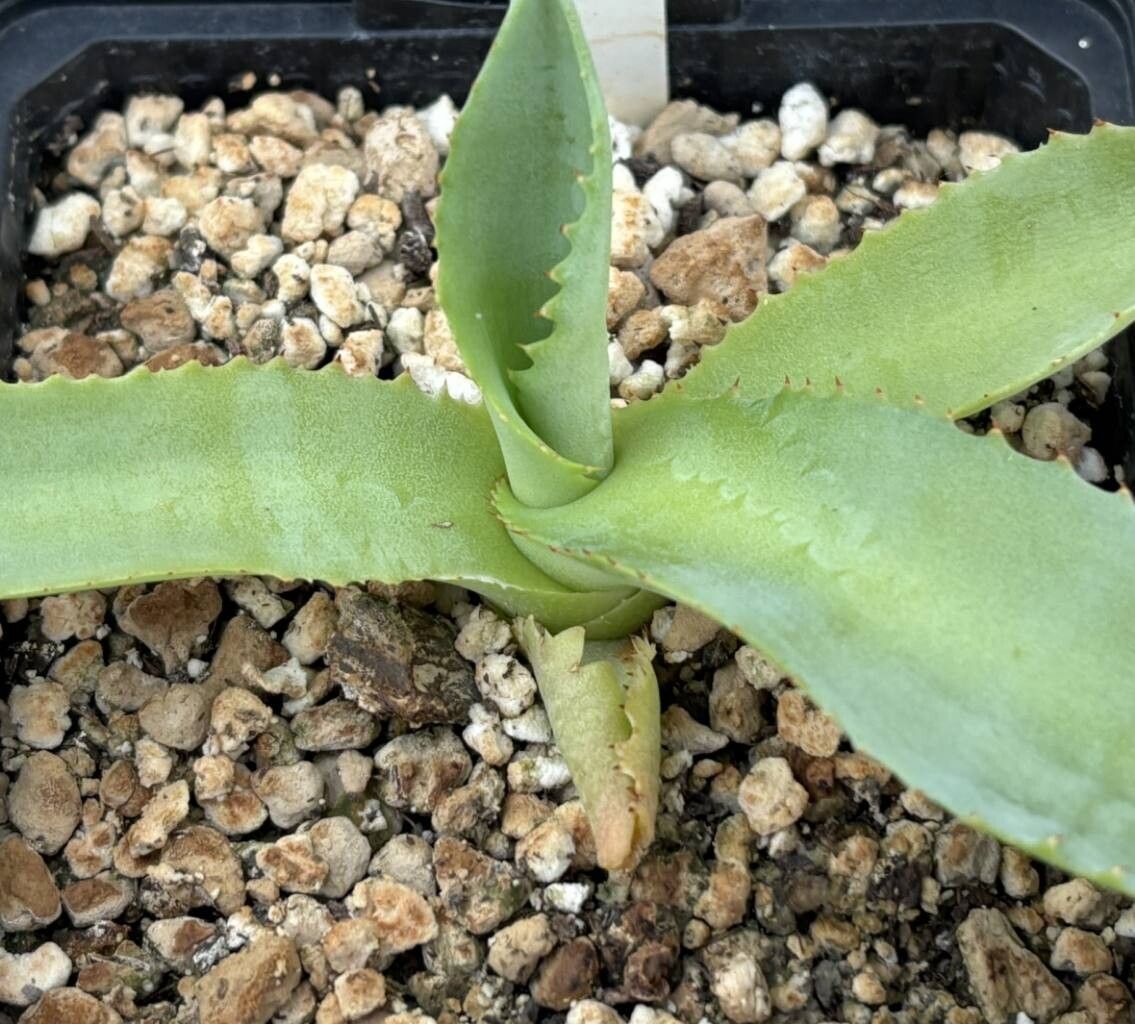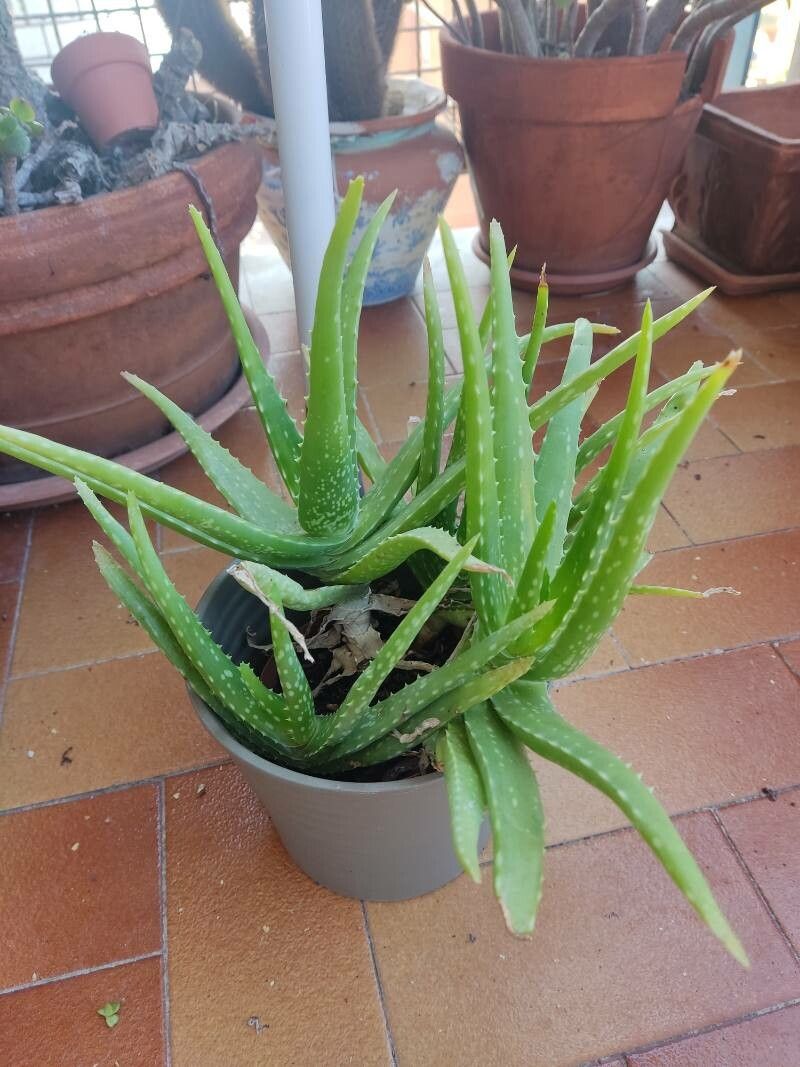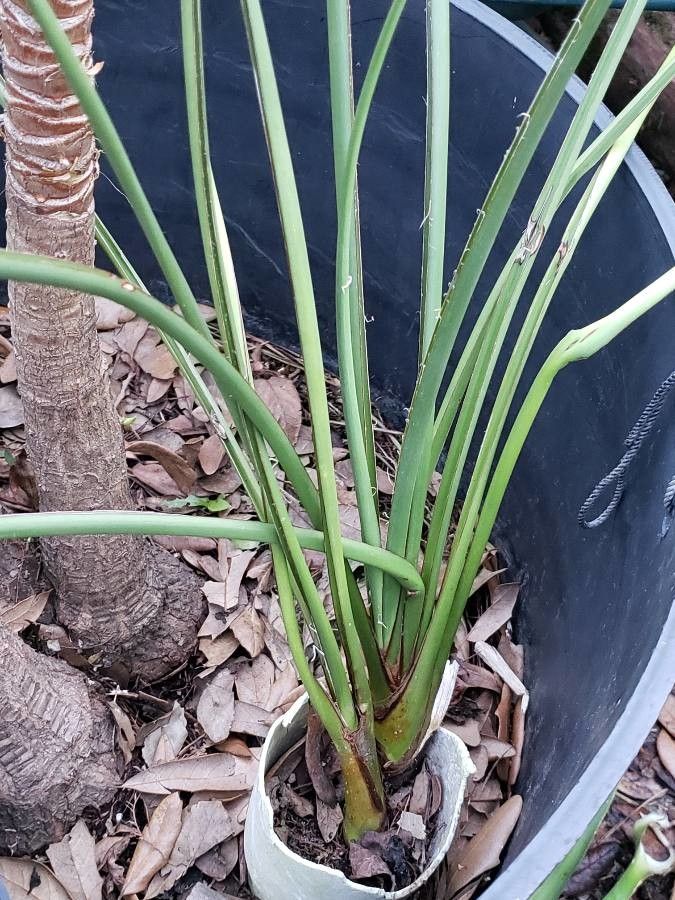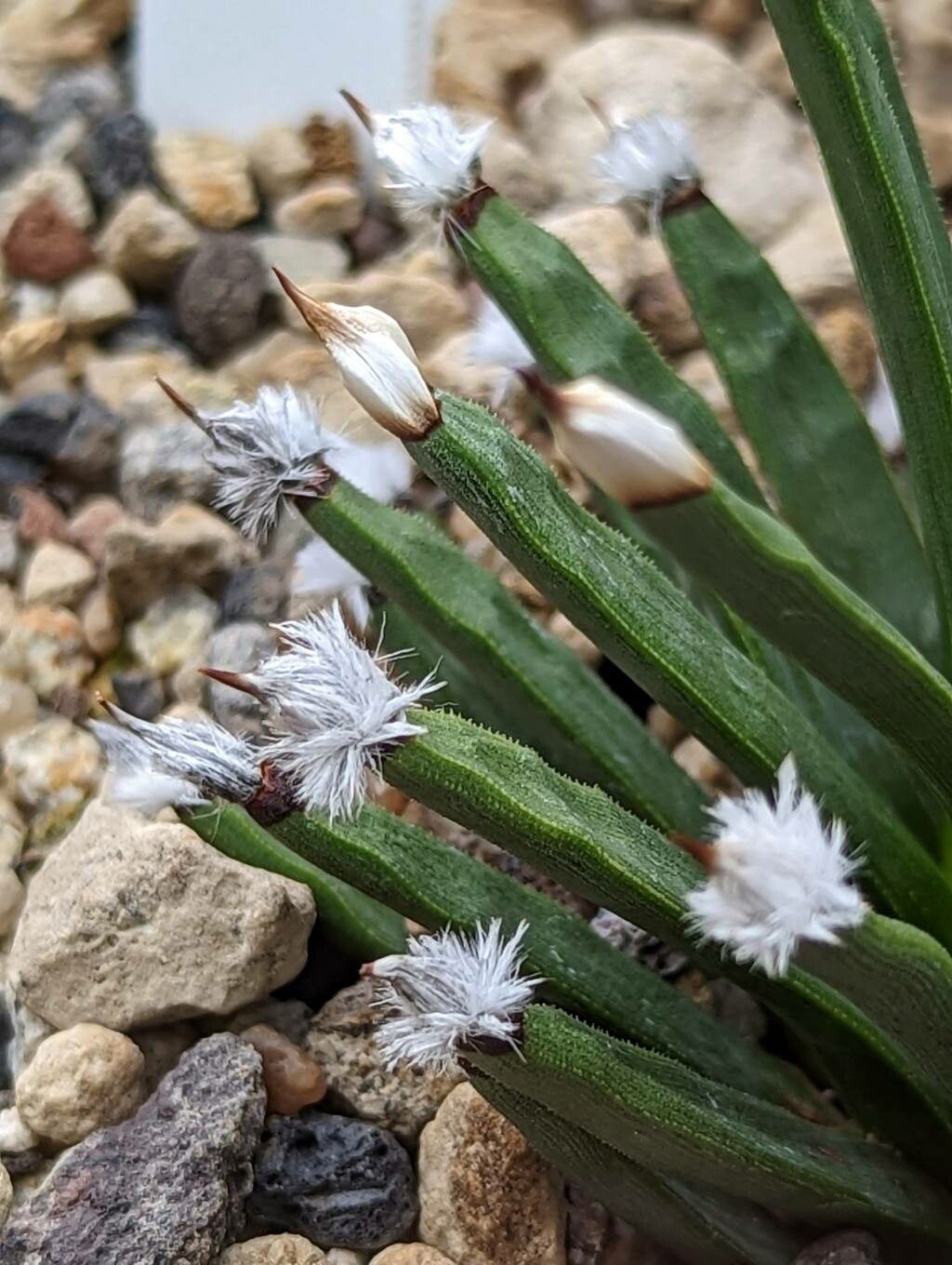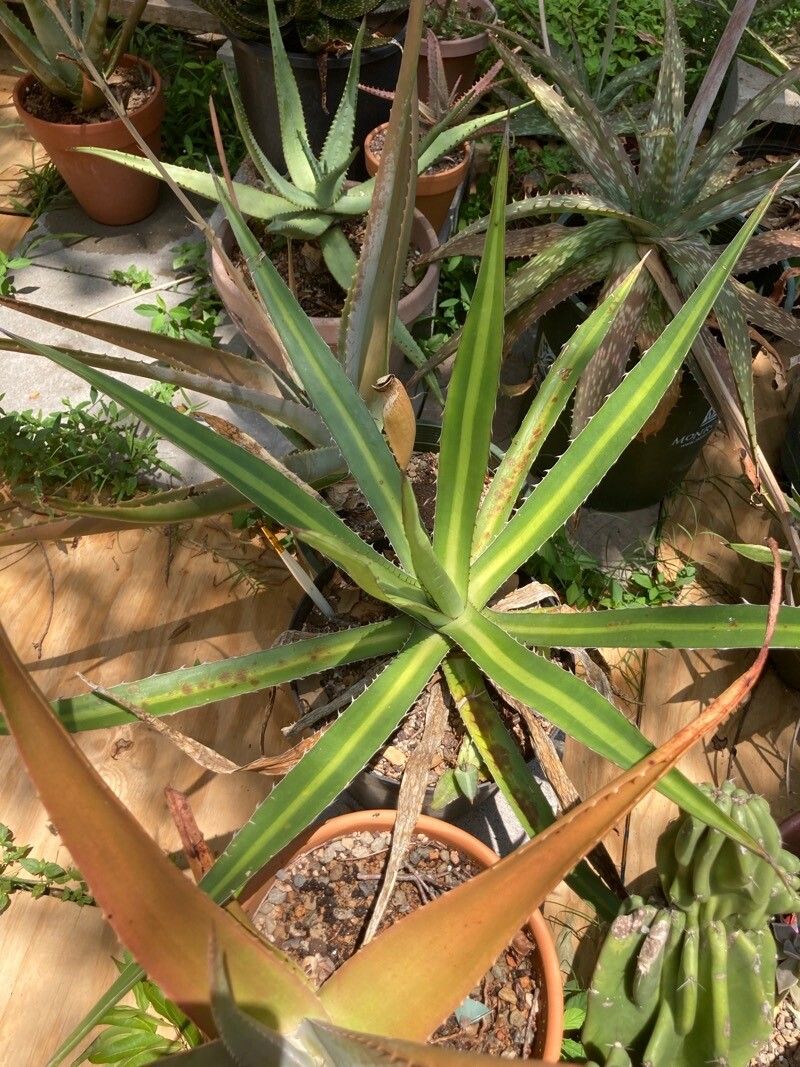
Agave fatal attraction has moderate disease resistance but is more sensitive to humidity and overwatering. It becomes more prone to disease when it does not receive enough light and is overwatered. In terms of care, Agave fatal attraction is drought tolerant and can withstand long stretches without watering. It needs little fertilizer and only occasional pruning. These traits make it appropriate for people at any experience level, especially those who prefer to spend less time on plant care or who may be away from home for extended periods. It is a suitable choice for anyone who does not want to invest a lot of time in plant care yet still wants an easy-to-maintain plant.
How to keep Agave Funkiana.
Light
Native to dry areas, Agave fatal attraction performs best in full sun, its original habitat marked by intense sunlight and very little shade. It will also tolerate partial sun, offering some flexibility in its growth.
Water
The Agave 'Fatal Attraction' plant thrives in dry conditions and needs careful watering. Make sure to check the soil moisture regularly, and reduce watering during the fall. While the plant is dormant at temperatures around 10°C (50°F), stop watering altogether. Begin watering again in the spring when temperatures rise above 20°C (68°F), and adjust the watering frequency as necessary throughout the summer.
Temperature
Agave fatal attraction does best in warm settings and needs elevated temperatures during the growing season to support its growth and metabolic activity. It prefers plenty of sunlight, suitable moisture levels, and good air circulation. At the same time, it can be harmed by very low temperatures and by excessive watering. Maintaining a balance is crucial, and extreme heat or overly dry conditions should also be avoided.
Fertilizer
For Agave fatal attraction, light doses of fertilizer once or twice a year during the growing season are sufficient. Avoid fertilizing during winter and in summer when the plant is dormant. Reduce fertilizer for plants that have been repotted and wait a couple of months after repotting before applying fertilizer. Fertilizing supports healthy growth and encourages blooms.
Pruning
The Agave 'Fatal Attraction' is known for its distinctive fleshy leaves arranged in a rosette. To keep the plant healthy and encourage new growth, it's best to prune it in early spring. This involves removing any dead leaves and spent flowers. By using the right timing and technique, you can maintain the plant's attractive shape and vigor, enhancing its appeal in the garden.
Botanical profile.
- Plant Type
- Succulent
- Life Cycle
- Perennial
- Genus
- Agave
- Family
- Asparagaceae
- Hardiness Zone
- 9-11
- Mature Height
- 91 cm
- Mature Spread
- 1.52 m
- Leaf Color
- Yellow, Green
- Leaf Type
- Evergreen
- Flower Size
- 3.05 cm to 5.08 cm
- Bloom Time
- Early summer, Mid summer
- Planting Time
- Spring, Summer, Autumn
- Harvest Time
- Late summer, Early fall, Mid fall
- Native Area
- Mexico
Reader questions.
What are the sunlight requirements for Agave Fatal Attraction?
Agave Fatal Attraction, also known as Agave funkiana, thrives best when it receives the right amount of sunlight. It requires 'Full sun' which means it should be exposed to above 6 hours of sunlight daily. It can also tolerate 'Partial sun' conditions, where it should receive about 3-6 hours of sunlight. It's important to observe how sunlight moves through your garden, picking spots that ensure a perfect balance of light and shade for the plants, to guarantee their best growth and health.
What is Agave fatal attraction also known as?
Agave fatal attraction is also known by its botanical name, Agave funkiana.