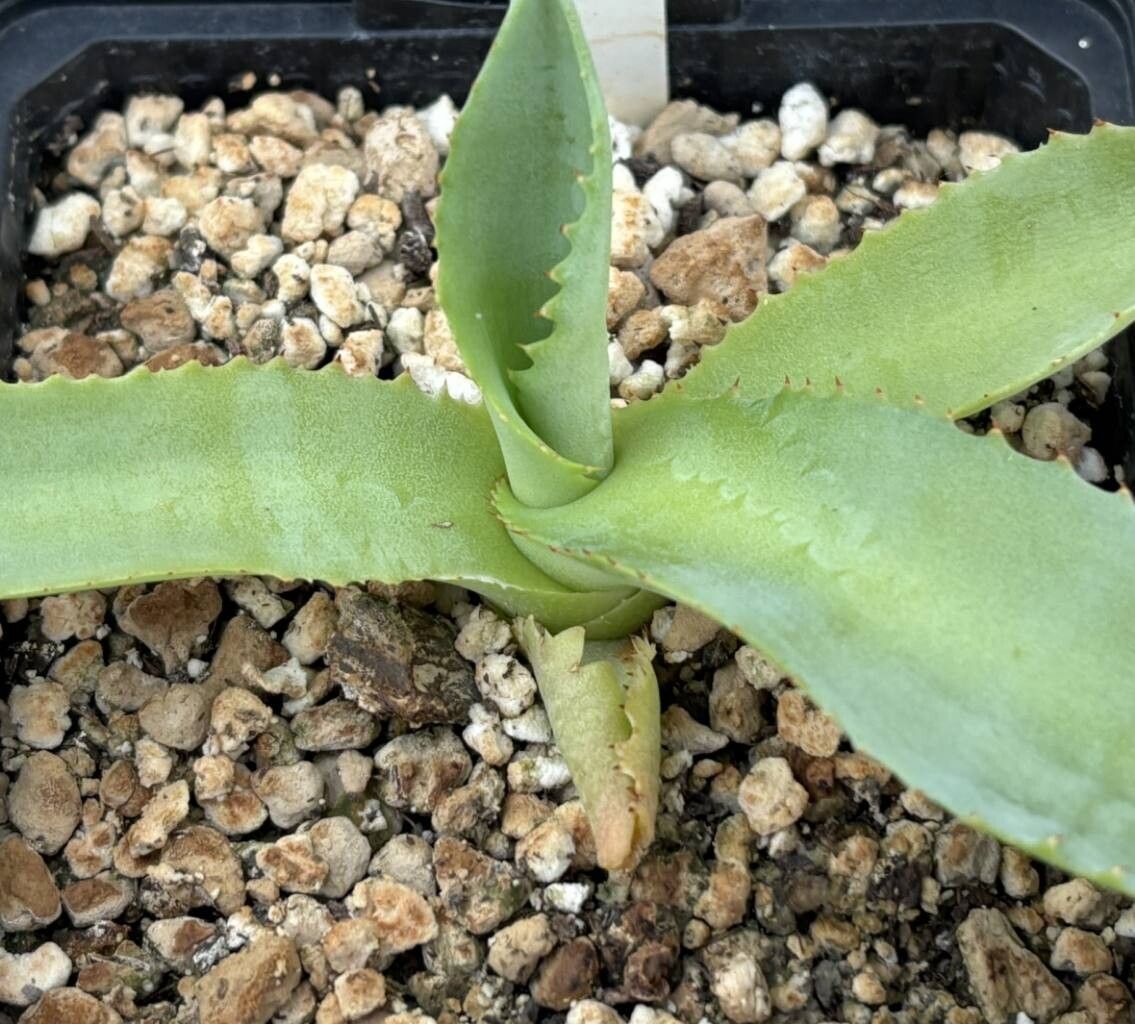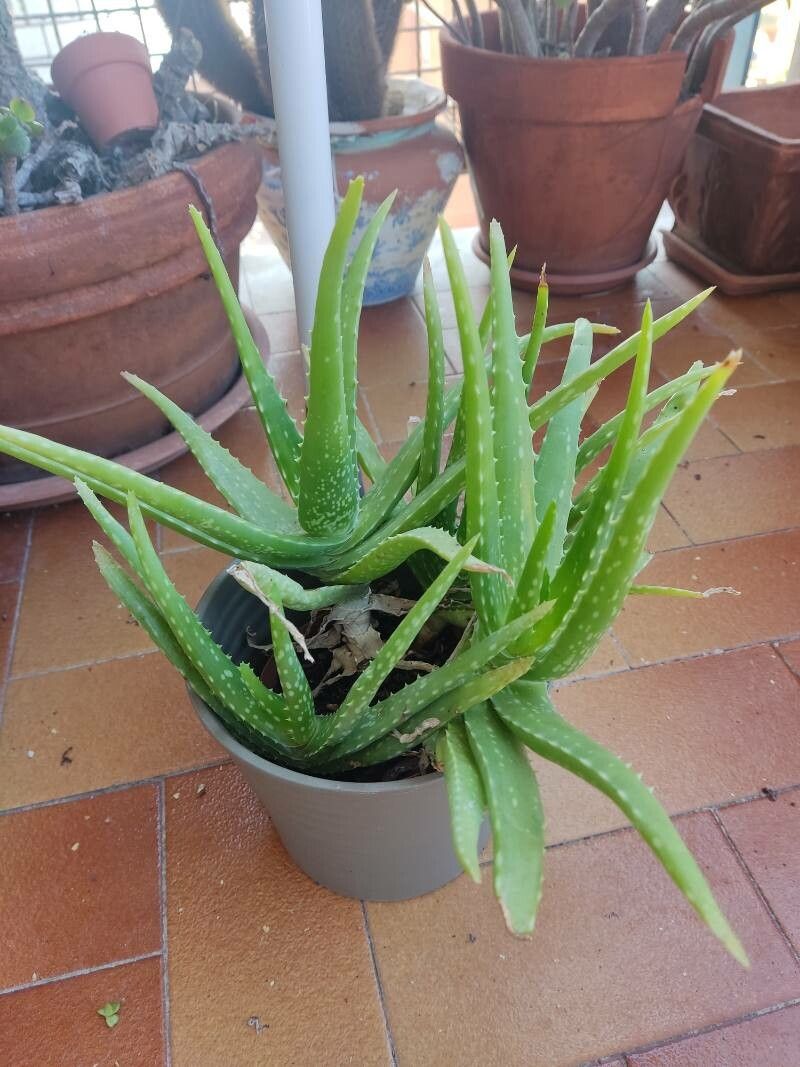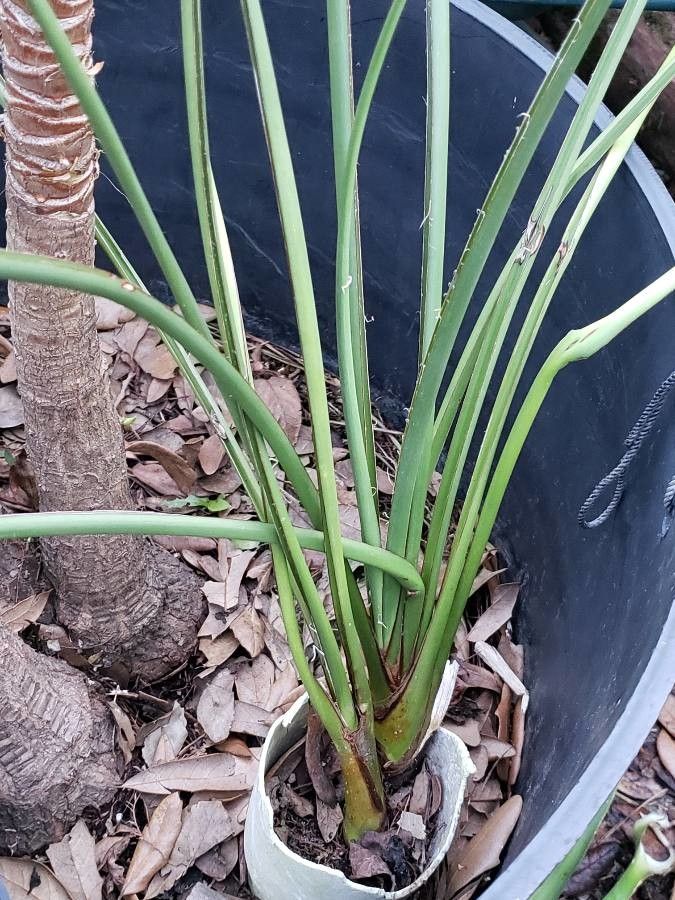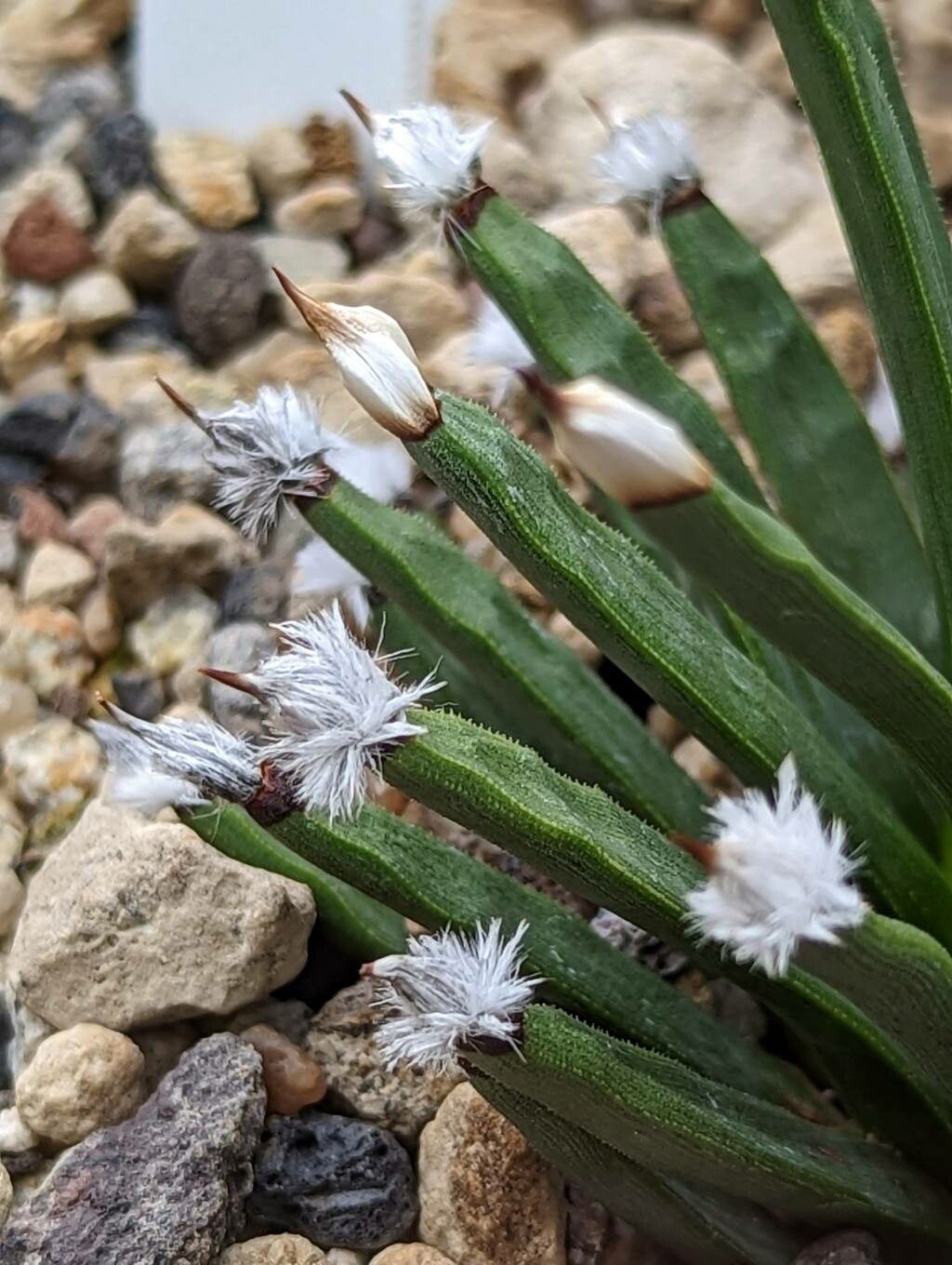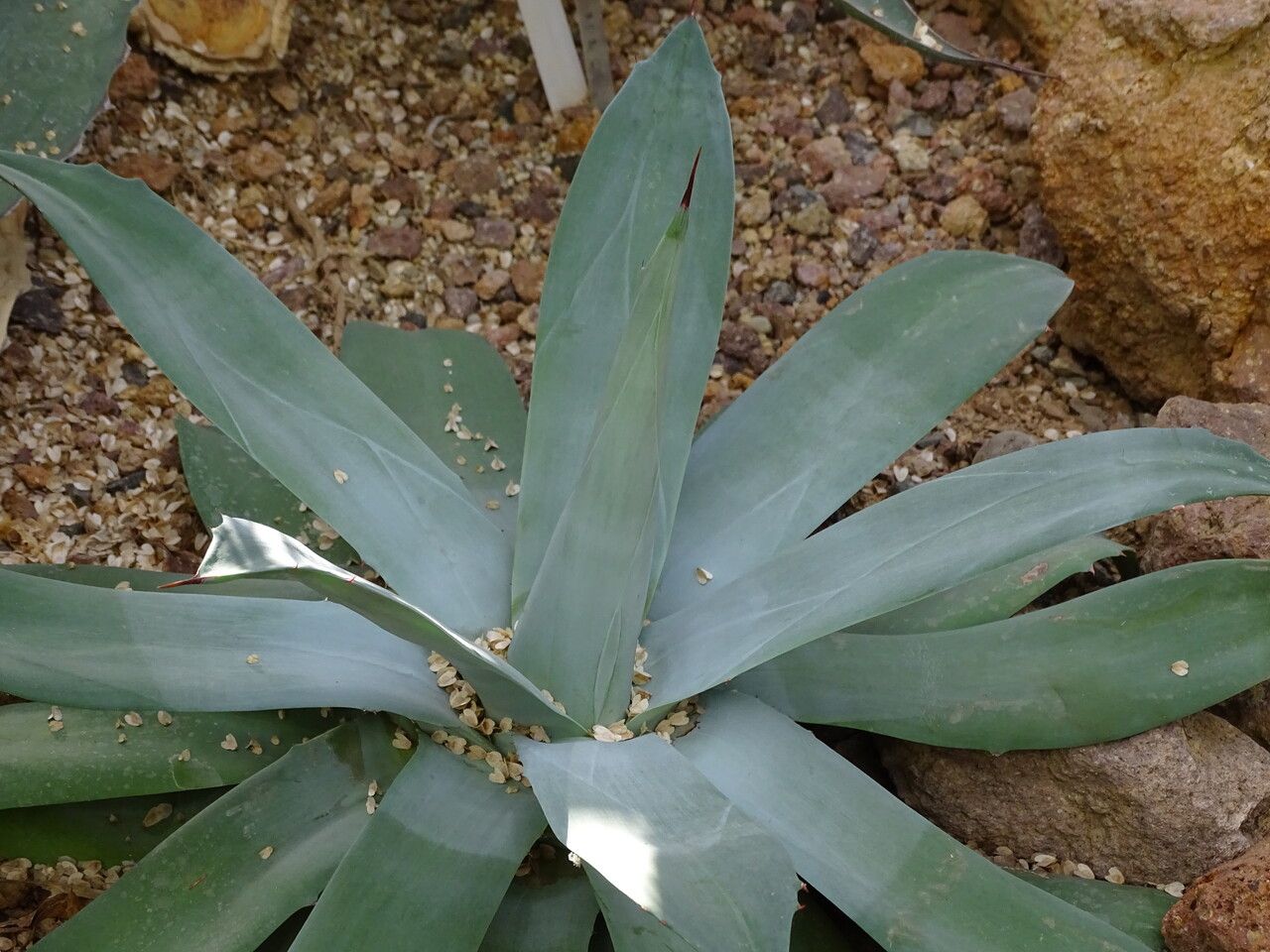
Cream spike has moderate disease resistance but is more sensitive to humidity and overwatering. It is also more prone to disease when it receives insufficient light and is overwatered. In terms of care, Cream spike is drought-tolerant and can withstand long periods without watering. It requires little fertilizer and only occasional pruning. This makes it suitable for people of all experience levels, especially those who prefer to spend less time on plant care and who may occasionally be away from home for extended periods. It is a good option for those who do not want to devote much time to upkeep yet still want an easy-to-maintain plant.
How to keep Agave Applanata.
Light
Native to dry areas, the Cream spike flourishes in abundant sunlight, originating from areas with intense sun exposure and limited shade. It is also capable of adapting to partial sunlight, providing some flexibility in its development.
Water
The cream spike plant thrives in dry conditions and requires minimal watering, particularly during its dormant period in winter when temperatures are around 10℃ (50℉). During the summer growing season, you should water the plant more frequently, but be sure to reduce the watering as its growth slows in the fall. Keep an eye out for signs of dehydration and ensure that the potting soil is well-drained and allowed to dry out between waterings.
Temperature
The Cream spike plant flourishes in hot climates and necessitates elevated temperatures during its growth period to stimulate expansion and metabolic processes. It thrives with abundant sunlight, sufficient humidity, and proper air circulation. Nevertheless, it is vulnerable to harm from extremely cold temperatures and too much watering. It's crucial to maintain equilibrium and steer clear of extremely high temperatures and overly arid conditions too.
Fertilizer
For the Cream spike, modest amounts of fertilizer once or twice a year during the growth period are ample. Refrain from fertilizing during the winter and summer seasons when the plant is dormant. Decrease the amount of fertilizer for plants that have been repotted and let a few months pass post-repotting before you begin fertilizing again. The process of fertilizing promotes robust growth and stimulates flowering.
Pruning
The Cream Spike is a plant characterized by its thick, blue-green leaves with creamy edges. It requires minimal pruning. In early spring, remove any dead leaves with sterilized tools to improve air circulation and reduce the risk of pests. Be careful not to over-prune, as the leaves store essential nutrients. Always consult reliable horticultural resources to verify your plant care practices.
Botanical profile.
- Plant Type
- Succulent
- Life Cycle
- Perennial
- Genus
- Agave
- Family
- Asparagaceae
- Hardiness Zone
- 8-11
- Mature Height
- 49 cm to 91 cm
- Mature Spread
- 0.91 m to 1.52 m
- Leaf Color
- Light Green
- Leaf Type
- Evergreen
- Flower Color
- Yellow
- Flower Size
- 5.08 cm to 6.35 cm
- Bloom Time
- Early summer, Mid summer
- Planting Time
- Summer
- Harvest Time
- Late summer, Early fall, Mid fall
- Native Area
- Mexico
Reader questions.
What are the sunlight requirements for Cream Spike (Agave applanata)?
Cream Spike (Agave applanata) thrives in various sunlight conditions. For full sun exposure, it requires above 6 hours of sunlight daily, making it perfect for those brightly lit spots in your garden. For those areas with slightly less light, partial sun with about 3-6 hours of sunlight will also suffice. It's important to observe the way sunlight moves through your garden, ensuring that you choose locations that offer a harmonious balance of light and shade to meet the needs of your plants, ensuring their happiness and healthy growth.
What is the botanical name of Cream Spike?
The botanical name of Cream Spike is Agave applanata.