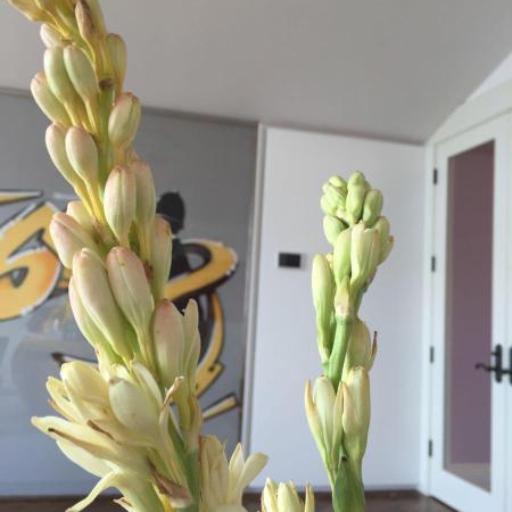
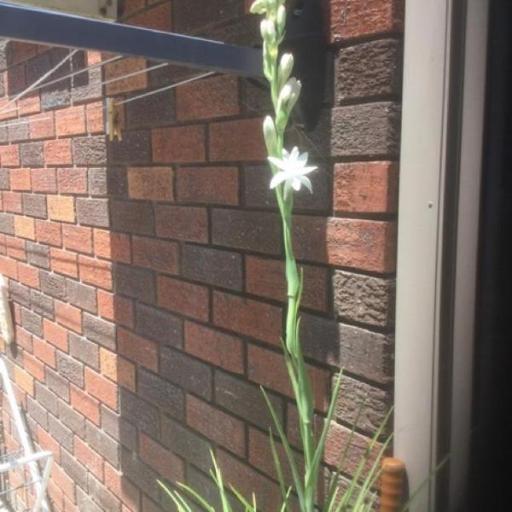
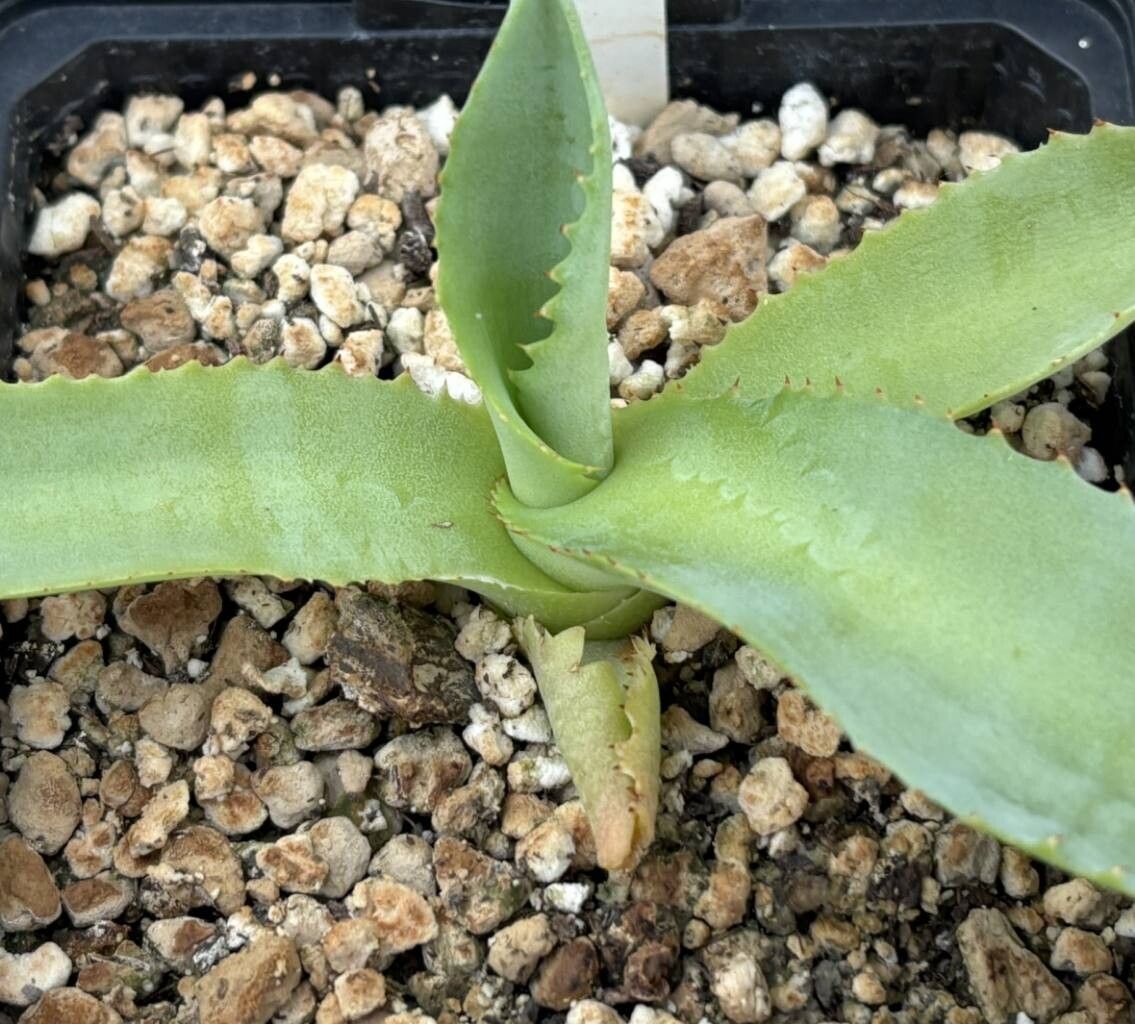
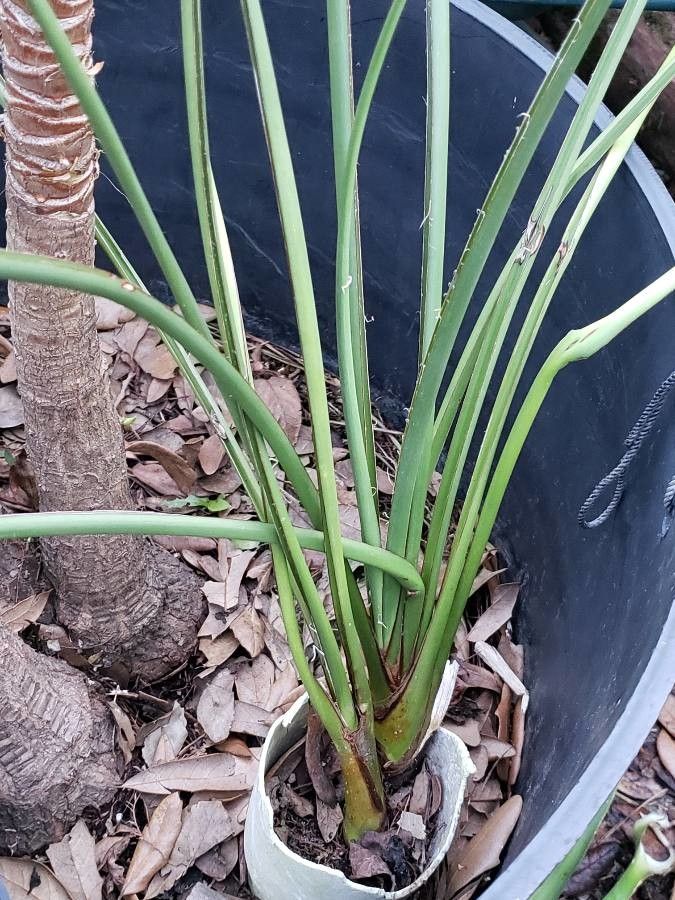
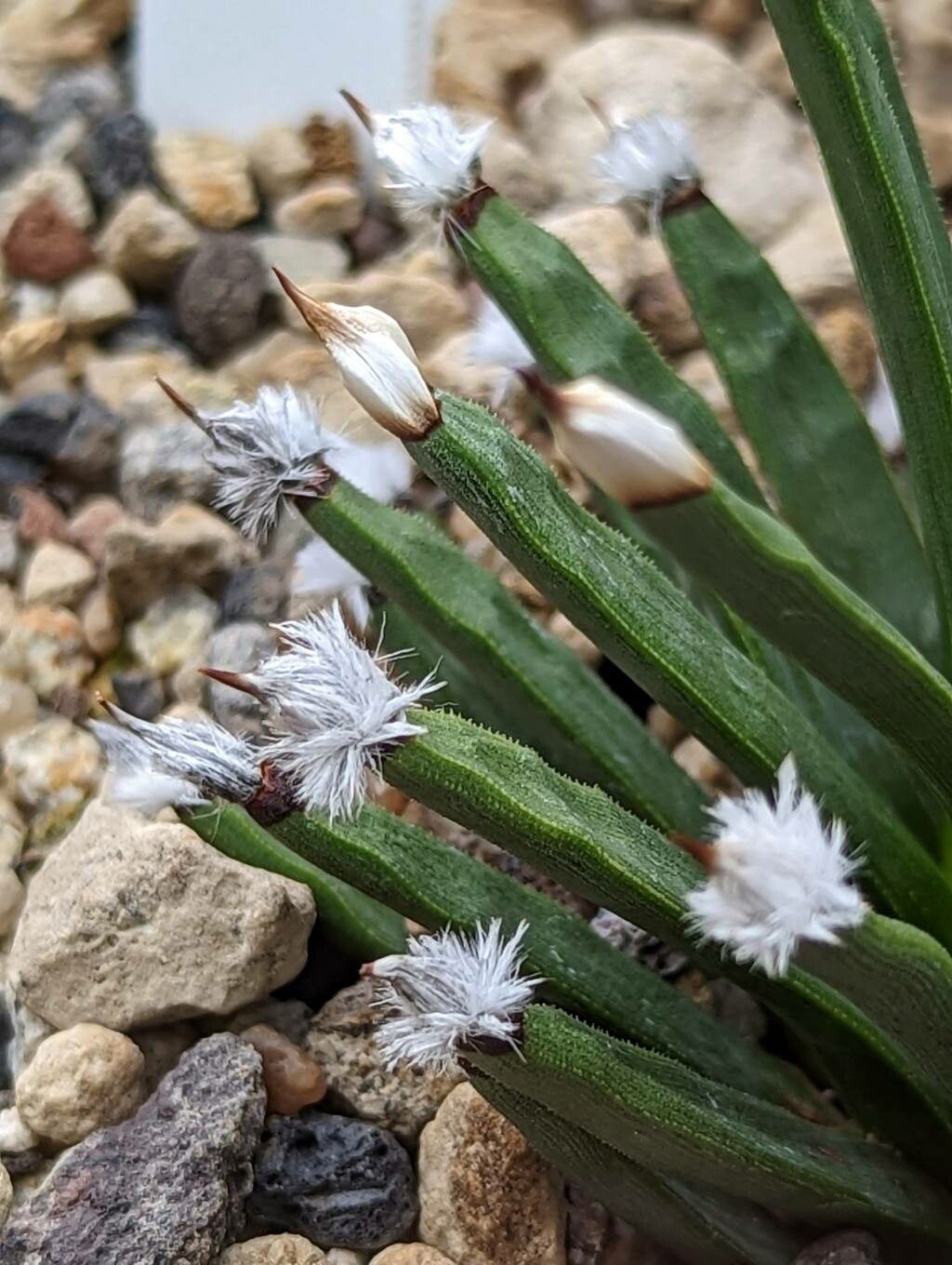
Agave amica, formerly Polianthes tuberosa, the tuberose, is a perennial plant in the family Asparagaceae, subfamily Agavoideae, extracts of which are used as a note in perfumery. Now widely grown as an ornamental plant, the species was originally native to Mexico.
Tuberose is fairly disease-resistant and usually not prone to illness. However, it can be affected by pests and diseases present in its environment. These problems are typically not severe. As for care, the plant requires moderate maintenance. It should be pruned regularly to maintain a neat appearance and encourage healthy growth. Fertilizing can also help improve flowering. Tuberose is well suited for anyone with outdoor space, such as a garden or patio, and does not demand extensive care experience. When grown indoors, it may need more attention.
How to keep Agave Amica.
Light
Tuberose does best in locations that get full sun for most of the day, though it can adjust to sites with somewhat less light. Native to brightly lit habitats, too much sun can cause leaf burn, while too little sunlight may produce weak or leggy stems.
Water
Tuberose thrives in moderate humidity and requires balanced watering, typically needing to be watered weekly. Although native to tropical regions and showing good drought tolerance, it demands more water during its growing season, especially when grown outdoors.
Temperature
The tuberose is native to warm regions and does best at temperatures of 15 to 38 ℃ (59 to 100.4 ℉). In summer, it should be kept out of direct sunlight and given plenty of water to help it handle the heat. In winter it can tolerate cooler temperatures but must not be exposed to frost. Watering should be adjusted with the seasons to maintain proper temperature regulation.
Fertilizer
One fertilizer application in spring is generally adequate for Tuberose, but several feedings can boost growth. Fertilize every month to six weeks. Feeding improves the leaves’ appearance and function, helping maintain even color and a healthy texture. It also promotes root development and nutrient uptake, supporting the plant’s long-term health.
Pruning
Pruning tuberose in early spring encourages new growth and improves plant health by removing old flower stalks and damaged leaves. Maintaining healthy leaves supports photosynthesis. Timely pruning promotes optimal blooming and enhances the plant's aesthetic appeal. For specific pruning techniques and tool recommendations, consult horticultural guides.
Pot & Repot
When repotting Tuberose, select a pot 1-2 inches (2.5–5.1 cm) larger with plenty of drainage. Use a well-draining potting mix. Repot in spring or fall, making sure the root ball sits slightly below the rim of the flower pot. Water thoroughly after repotting and place in a warm spot with indirect sunlight.
Botanical profile.
- Plant Type
- Herb
- Life Cycle
- Perennial
- Genus
- Agave
- Family
- Asparagaceae
- Hardiness Zone
- 8-11
- Mature Height
- 0.91 m to 1.22 m
- Mature Spread
- 20 cm
- Leaf Color
- Green, Blue
- Leaf Type
- Evergreen
- Flower Color
- White
- Flower Size
- 2.54 cm to 5.08 cm
- Bloom Time
- Summer
- Planting Time
- Spring
- Harvest Time
- Late summer, Early fall, Mid fall
- Native Area
- Mexico
Other names.