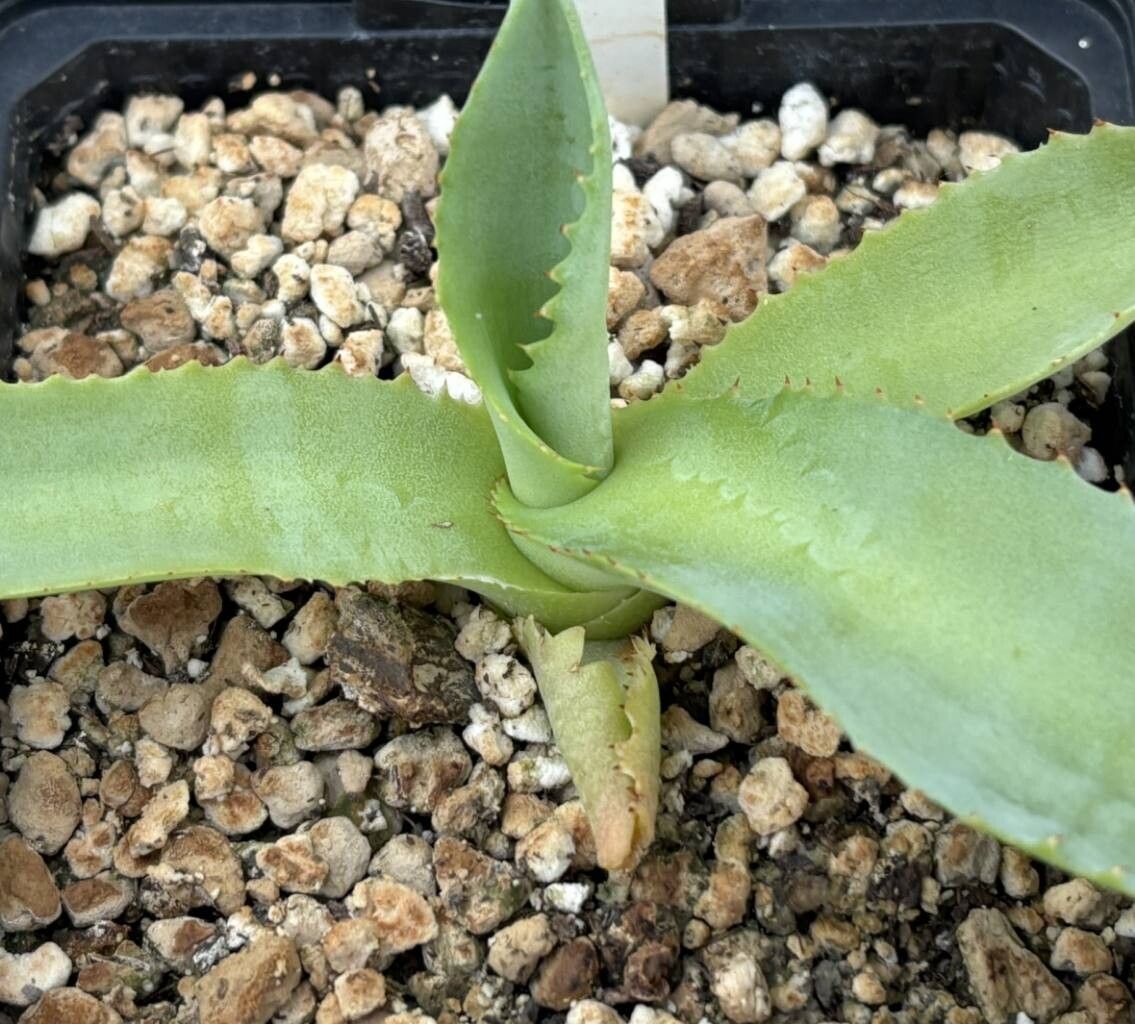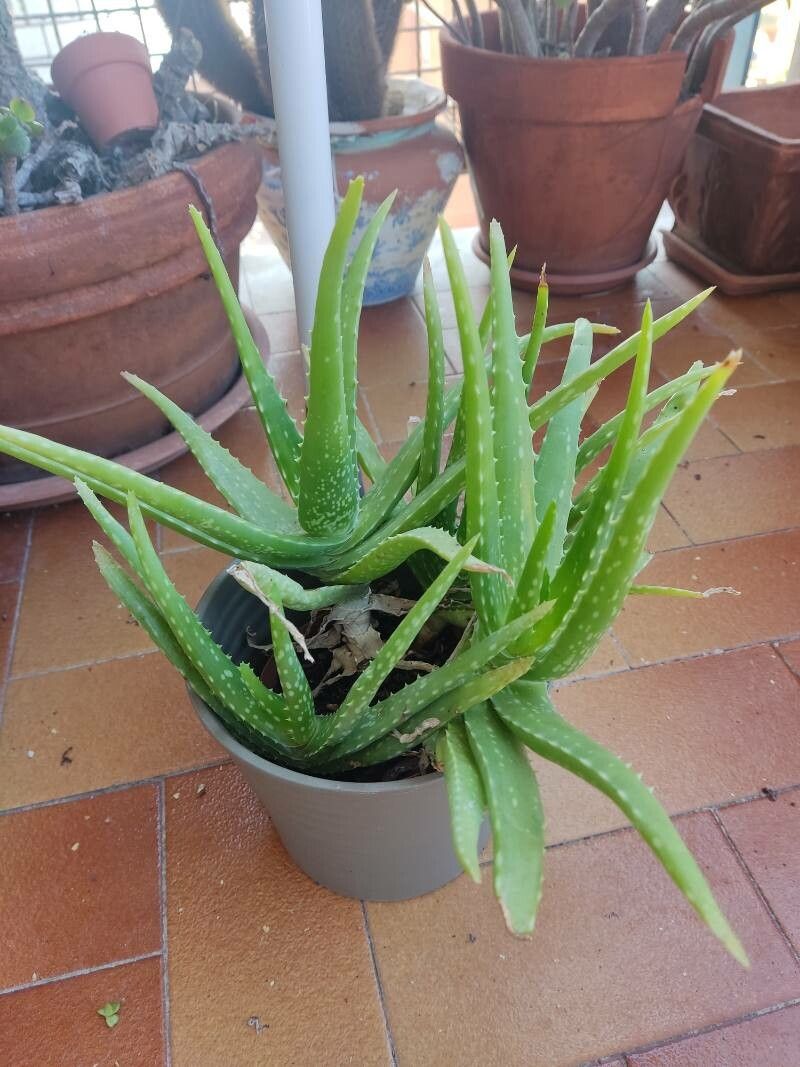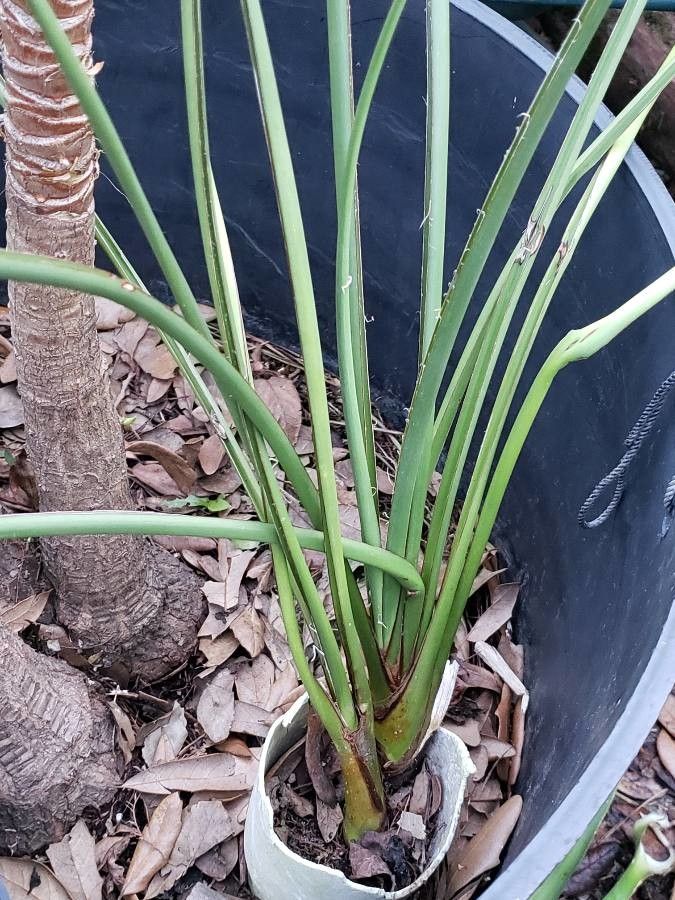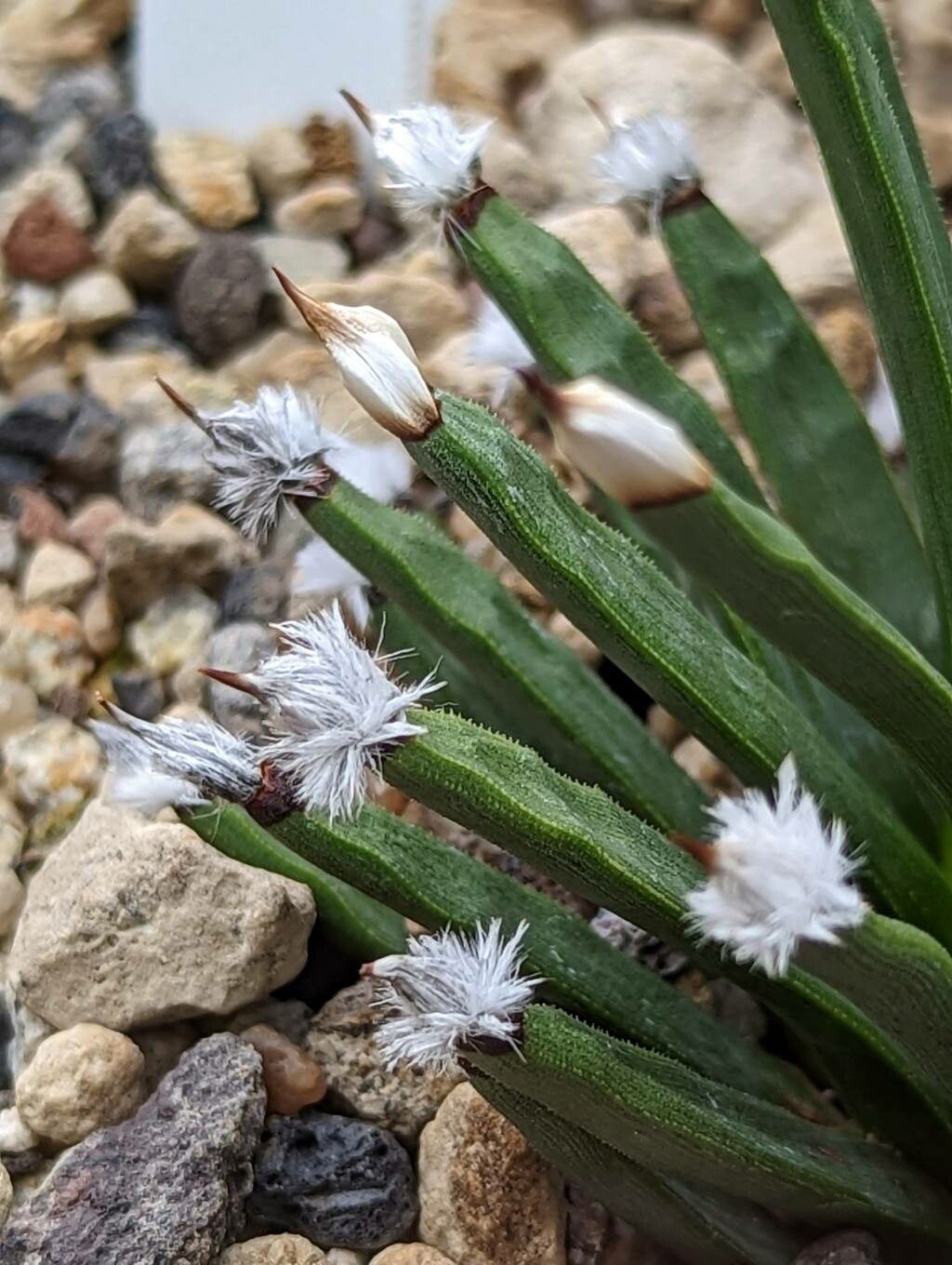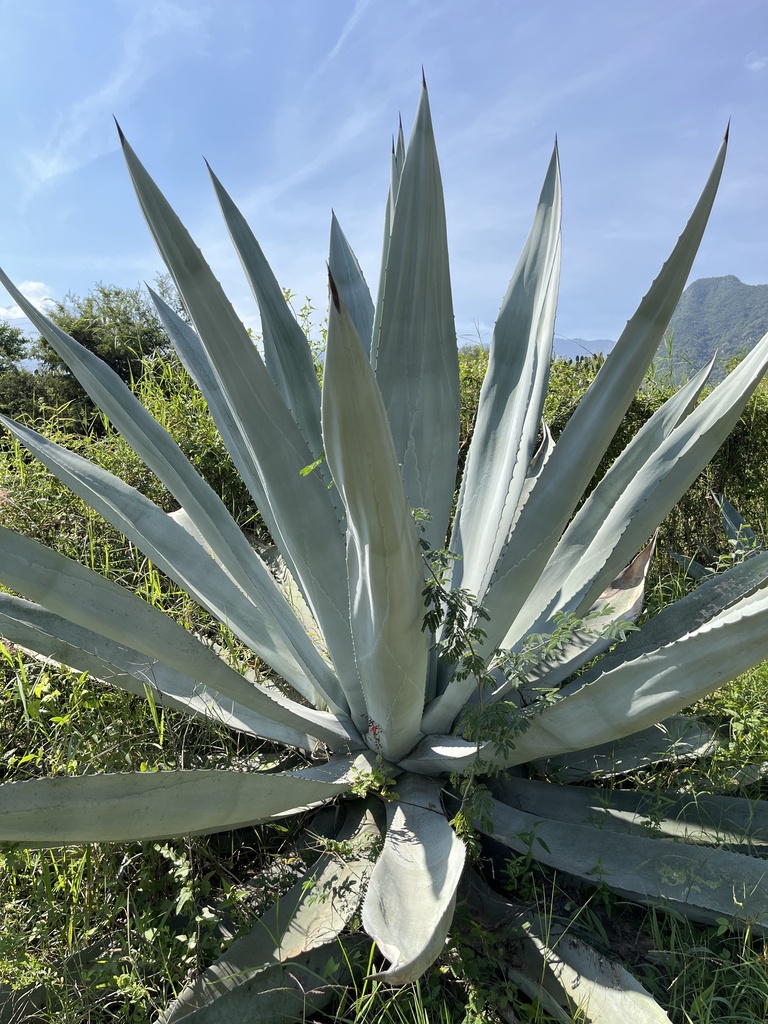
Agave americana, common names century plant, maguey, or American aloe, is a species of flowering plant in the family Asparagaceae, native to Mexico and the United States in Texas. It is cultivated worldwide as an ornamental plant, and has been naturalized in many regions, including parts of the West Indies, South America, Mediterranean Basin, Africa, Canary Islands, India, China, Thailand, and Australia.Despite the common name "American aloe", it is not in the same family as aloe, though it is in the same order, Asparagales.
Century plant has moderate resistance to disease but is more vulnerable to high humidity and excessive watering. It becomes even more prone to illness when it is kept in low light and overwatered. Regarding care, Century plant is drought-tolerant and can endure extended intervals without water. It requires little fertilizer and only needs pruning occasionally. Because of these traits, it is appropriate for caretakers of any skill level, particularly for those who prefer to spend minimal time on plant care or who may be away from home for long stretches. It is a suitable option for people who do not want to invest a lot of time in maintenance yet still want an easy-to-care-for plant.
How to keep Agave Americana.
Light
The century plant prospers in locations with abundant sunlight and can tolerate areas that receive moderate sun. Coming from environments with strong sunlight, light is necessary for its best health and development. Too much or too little light can damage the plant, disturbing its normal growth rate and overall well-being.
Water
The century plant comes from dry regions and is exceptionally drought-tolerant, needing water only once every three weeks. As an evergreen, it can thrive outdoors, keeping its leaves year-round by using stored water. This adaptability showcases its resilience to extended periods of dryness in its natural environment.
Humidity
This plant will thrive in moderate humidity, which is probably the level in your home. However, misting it a few times a week can be very beneficial. Make sure the room has good ventilation.
Temperature
The century plant's native habitat is in warmer regions, with average temperatures ranging from 20 to 38 ℃ (68 to 100.4℉). It prefers warm conditions and can survive temperatures as low as 10 ℃ (50℉) but cannot tolerate frost. In winter, the plant must be protected from cold snaps.
Fertilizer
For a Century plant, light doses of fertilizer once or twice a year during the growing season are sufficient. Avoid fertilizing in winter or summer when it is dormant. Reduce fertilizer for repotted plants and wait a couple of months after repotting before fertilizing. Fertilizing supports healthy growth and encourages blooms.
Pruning
As new leaves grow on a century plant, the older, lower leaves will start to yellow and dry out. Promptly removing these old leaves improves the plant's appearance. Additionally, trimming leaves that are diseased or infested with pests helps prevent the spread of issues to healthy leaves. Regular maintenance is essential for keeping a century plant in optimal condition.
Pot & Repot
When repotting a Century plant, pick a pot slightly larger than the current one that has good drainage. Use a gritty, well-draining succulent or cactus mix. Gently remove the plant from its old pot, brush off excess soil, and place it at the same depth in the new pot. Wait a few days before watering to allow any root damage to heal. Repot in spring or fall and keep it in a brightly lit spot.
Botanical profile.
- Plant Type
- Succulent, Herb
- Life Cycle
- Perennial
- Genus
- Agave
- Family
- Asparagaceae
- Hardiness Zone
- 9-12
- Mature Height
- 0.91 m to 3.05 m
- Mature Spread
- 2.13 m to 3.66 m
- Leaf Color
- Green, Blue, Silver, Yellow, White, Gray
- Leaf Type
- Evergreen
- Flower Color
- Yellow, Green, White, Gold
- Flower Size
- 10.16 cm
- Bloom Time
- Early summer, Mid summer
- Planting Time
- Spring, Autumn
- Harvest Time
- Mid summer, Late summer
- Native Area
- Mexico
Other names.
Reader questions.
When Should I Water My Century Plant?
Proper and timely watering is crucial for the health and growth of the century plant, ensuring sufficient nutrient absorption and preventing root rot or dehydration. It's important to water when the top 1-2 inches of soil are dry, as the plant is native to arid regions and prefers dryer soil conditions. Leaf color and texture changes, such as turning pale green or becoming thin and wilted, indicate the need for water. The plant's watering needs also vary with climate conditions, requiring more frequent watering in warmer, drier climates. Overwatering and underwatering can both cause permanent damage, highlighting the importance of recognizing the signs and watering accordingly.
Why should I add fertilizer to my Century plant?
Applying fertilizer to Century plant during the growing season helps provide the necessary nutrients for healthy growth, despite its ability to store water and nutrients. Fertilizing also boosts the chances of mature specimens producing blooms in the same season.
What are the sunlight requirements for Century Plant (Agave Americana)?
The Century Plant requires adequate sunlight to thrive, ideally positioned in full sun, which is characterized by areas receiving above 6 hours of sunlight daily. It can also adapt to partial sun conditions, which means about 3-6 hours of sunlight per day. Ensuring the plant gets the right balance of light and shade is crucial for its overall health and happiness.
What is the native growth environment of the Century Plant?
The Century Plant, or Agave americana, thrives in warmer regions where the average temperatures range between 20 to 38°C (68 to 100.4°F). It is a heat-loving plant that prefers warm temperatures and can survive temperatures as low as 10°C (50°F), but cannot tolerate frost. During colder months, special care is needed to protect it from cold snaps by moving it indoors or providing insulation.
How Should I Water My Century Plant?
Watering a century plant requires careful attention due to its unique needs and desert origins. Well-drained, sandy soils are ideal, and the plant's roots are sensitive to excess moisture. Utilize a combination of bottom-watering and a watering can with a long spout to target the soil directly and avoid the leaves and heart of the plant, reducing the risk of rot. A moisture meter can provide accurate soil wetness levels, minimizing the chance of overwatering. When watering, focus solely on the soil surrounding the plant and avoid wetting the central foliage or the base to prevent rot and disease.
When should I fertilize my Century plant?
Century plant benefits from additional nutrients, but it only requires a small amount of fertilizer during its growing season. The recommended frequency for fertilization is 1-2 times a year. It is best to fertilize the plant in spring and autumn, avoiding the dormant periods in winter and summer. When repotting the plant, be cautious with the amount of fertilizer used and consider reducing it. Waiting a few months after repotting before applying fertilizer is also advisable.
Why is sunlight important for the Century Plant, and how can artificial lighting be used?
Sunlight is vital for the Century Plant's optimal health and growth, as it originates from habitats with considerable sunlight exposure. Insufficient or excessive light can disrupt its growth rate and wellness. When natural sunlight is lacking, especially during winter or in less sunny spaces, artificial lighting becomes essential. Indoor plants benefit from artificial lights like LED, which can be customized to their needs, promoting faster, healthier growth. Full sun plants require 30-50W/sq ft, partial sun plants need 20-30W/sq ft, and full shade plants need 10-20W/sq ft of artificial light.
How should the Century Plant be cared for during winter?
In winter, the Century Plant enters a dormant state and should be protected from temperatures below 0°C. It's best to move the plant indoors, near a south-facing window, to ensure it receives ample sunlight. If natural light is insufficient, supplemental lighting can be utilized. Watering should be reduced or stopped to prevent root rot when temperatures fall below 20°C. For outdoor plants, watering should halt during cold weather, and if possible, a temporary greenhouse or wrapping with plastic or fabric can help insulate the plant.
How Much Water Does Century Plant Really Need?
The century plant, native to arid regions, has thick leaves that store water, allowing it to withstand drought. It's crucial to avoid overwatering; the amount of water needed varies with pot size, root depth, and environmental conditions. Soil should partially dry out between waterings. Signs of adequate hydration include upright, firm leaves with a vibrant green color. Overwatering can lead to root rot and fungal diseases, while underwatering can cause leaves to shrivel and brown. Use a well-draining potting mix and avoid wetting the leaves to reduce disease risk.
When is the best time to not fertilize my Century plant?
The Century plant goes into a dormant phase, similar to other plants. During this time, it stops growing, and it's best to refrain from fertilizing. This dormancy occurs in both summer and winter. Additionally, after repotting in the spring, it's recommended to avoid fertilizing for the first couple of months.
What are the symptoms of suboptimal lighting conditions for the Century Plant?
Century Plants in suboptimal lighting conditions may exhibit leggy or sparse growth, lighter-colored new leaves indicating a lack of chlorophyll and nutrients, slower or no new growth, and chlorosis -- where leaves lose their green color and turn yellow. Other symptoms include sunscald, showing as pale or necrotic areas on the plant tissue; leaf curling as a defense against excessive sunlight; wilting from increased water loss due to overexposure to sunlight; and leaf scorching, characterized by brown, dry edges on leaves.
What are the symptoms and solutions for a Century Plant exposed to low temperatures?
If a Century Plant is exposed to temperatures below its tolerance, it may become weak, wilt, and be at risk of root rot, particularly when temperatures drop below -5°C. Frost damage may not show immediately, but the plant will gradually wither about a week later. The solution involves trimming off frostbitten areas and checking the roots for rot. Rotted roots should be cut off, and the plant can be propagated through cuttings. Moving the plant to a warm, well-lit indoor setting can also aid recovery.