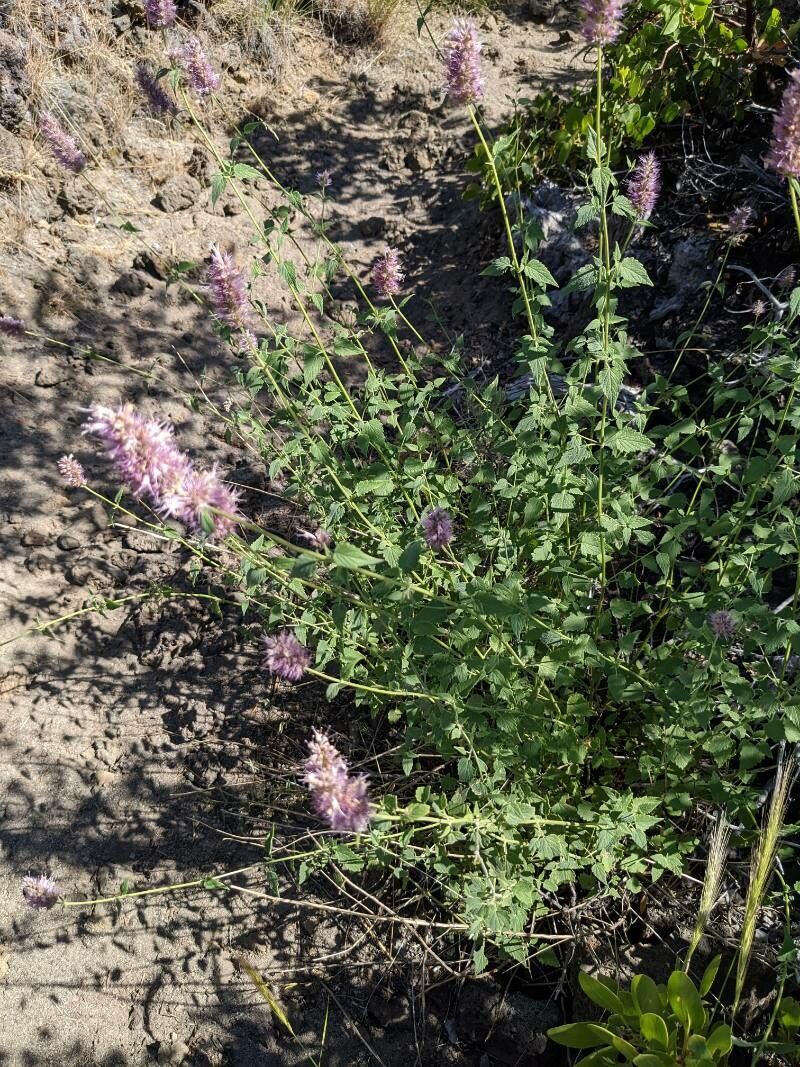
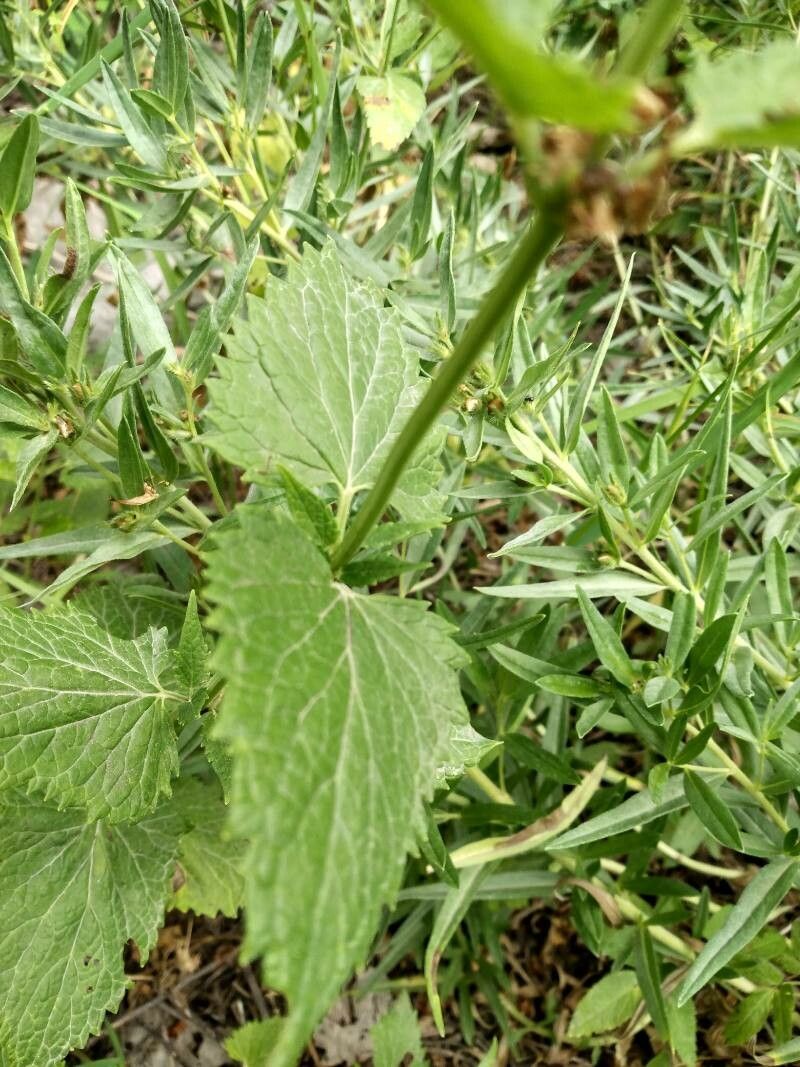
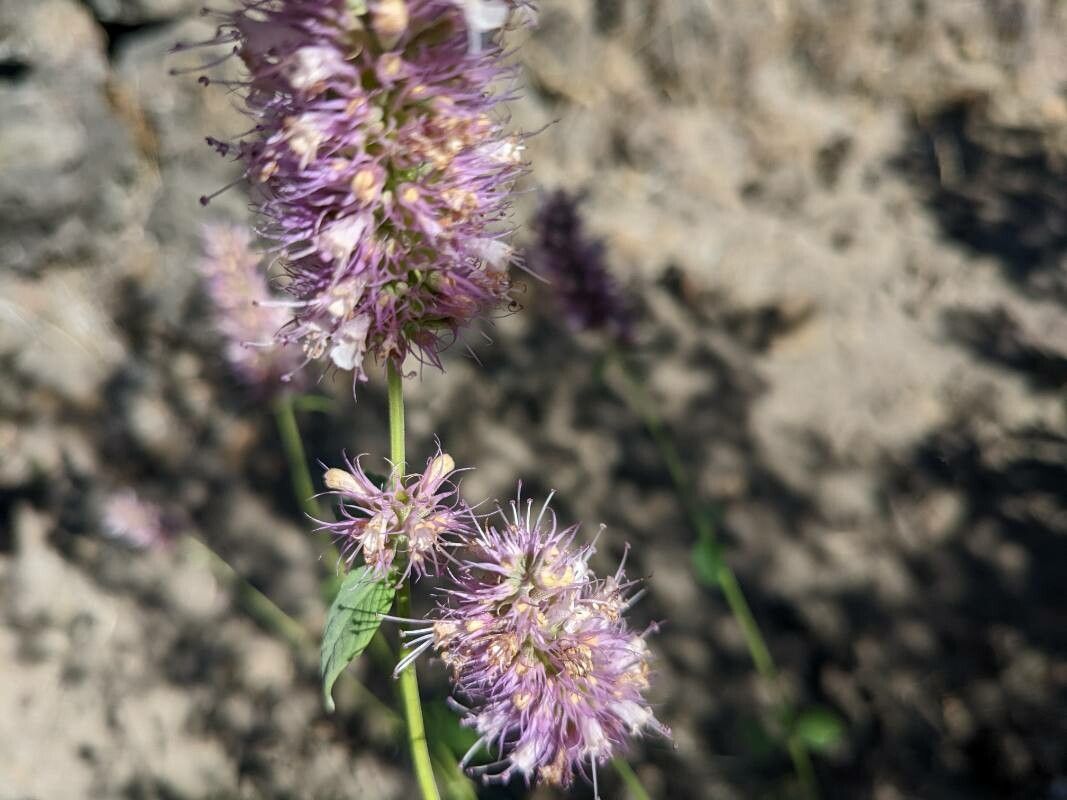
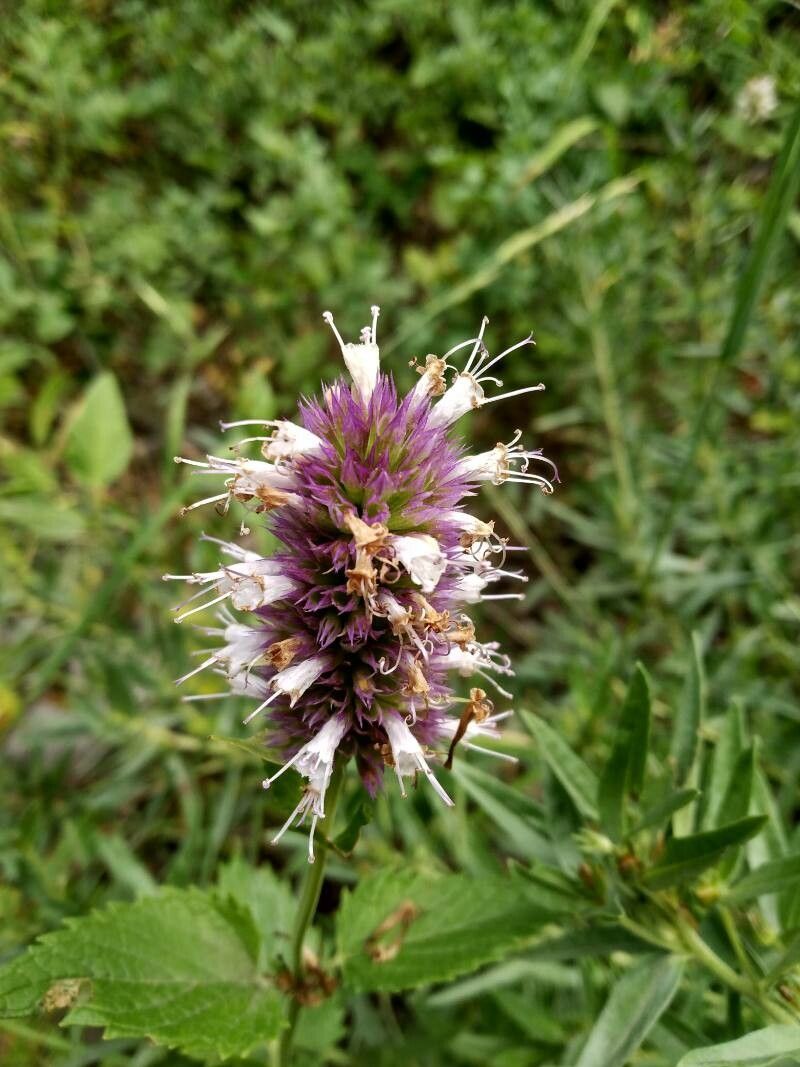
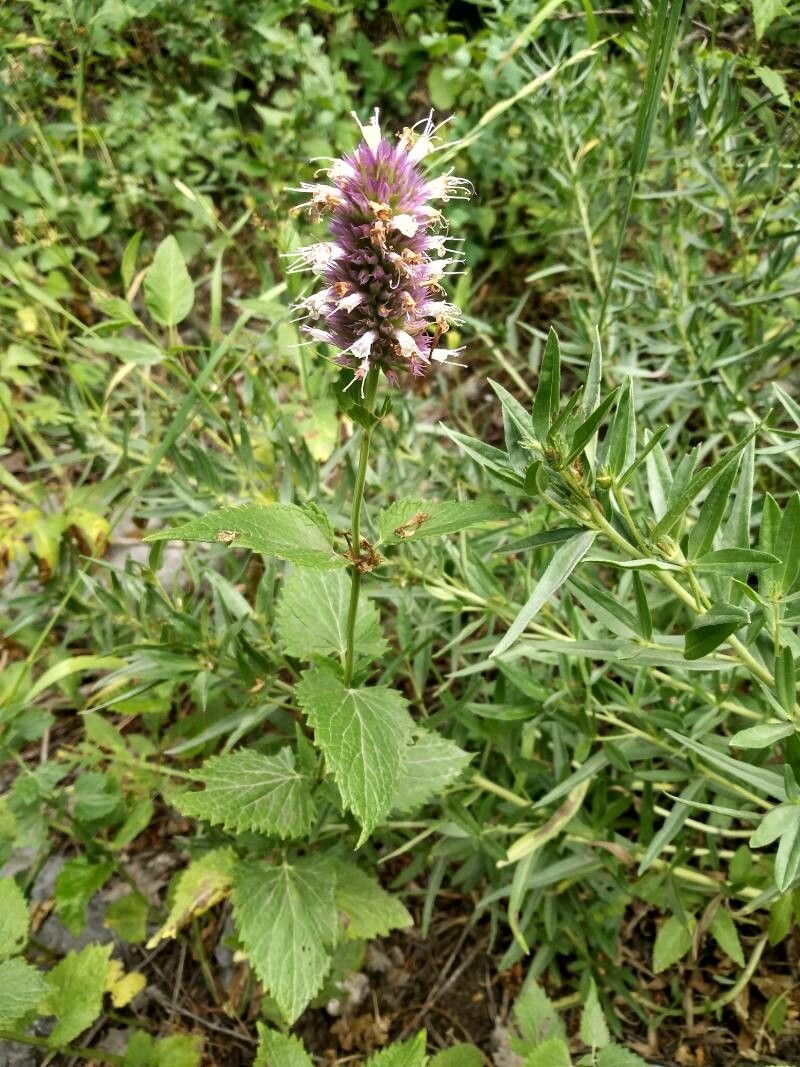
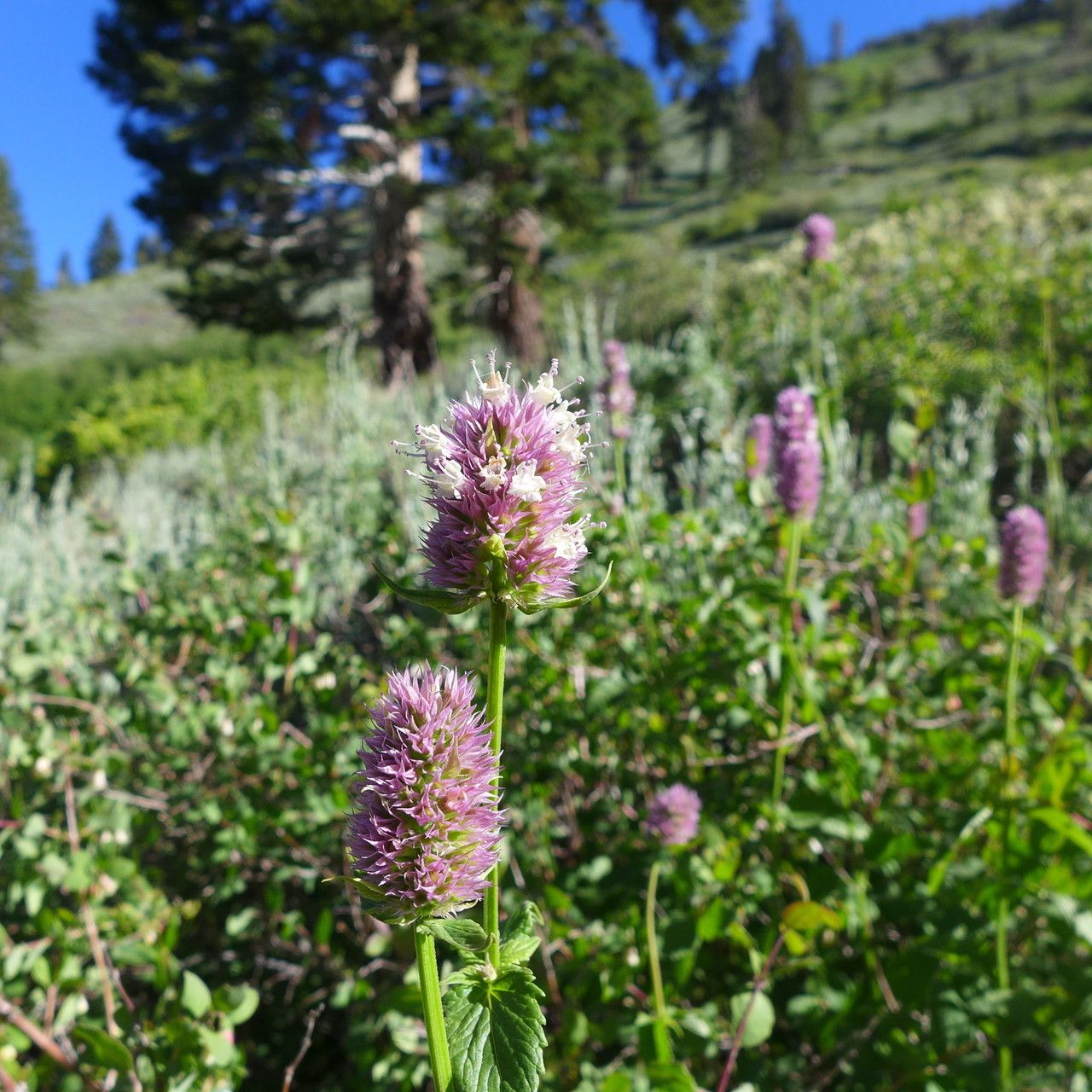
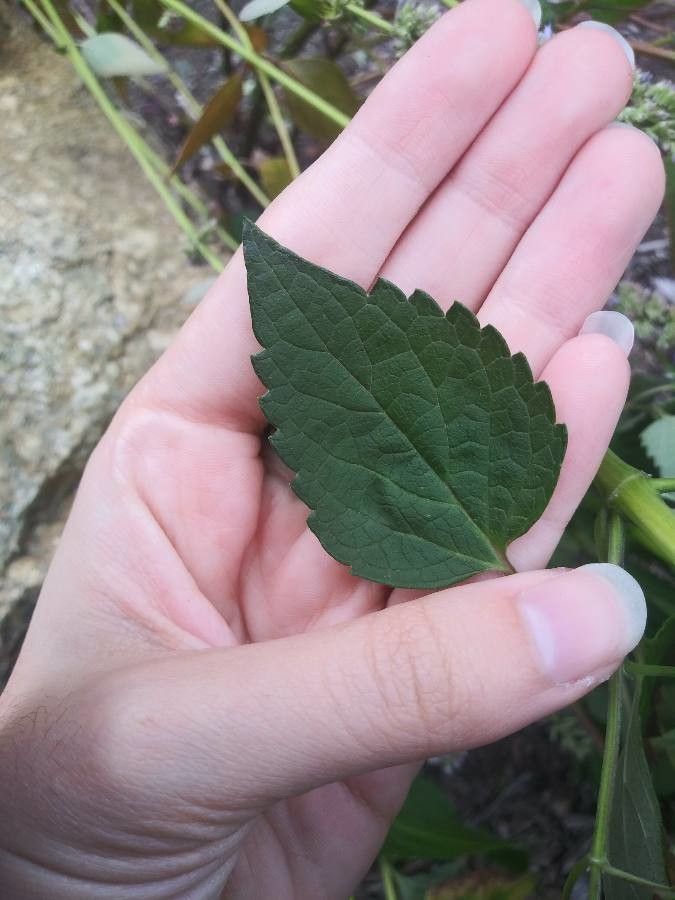
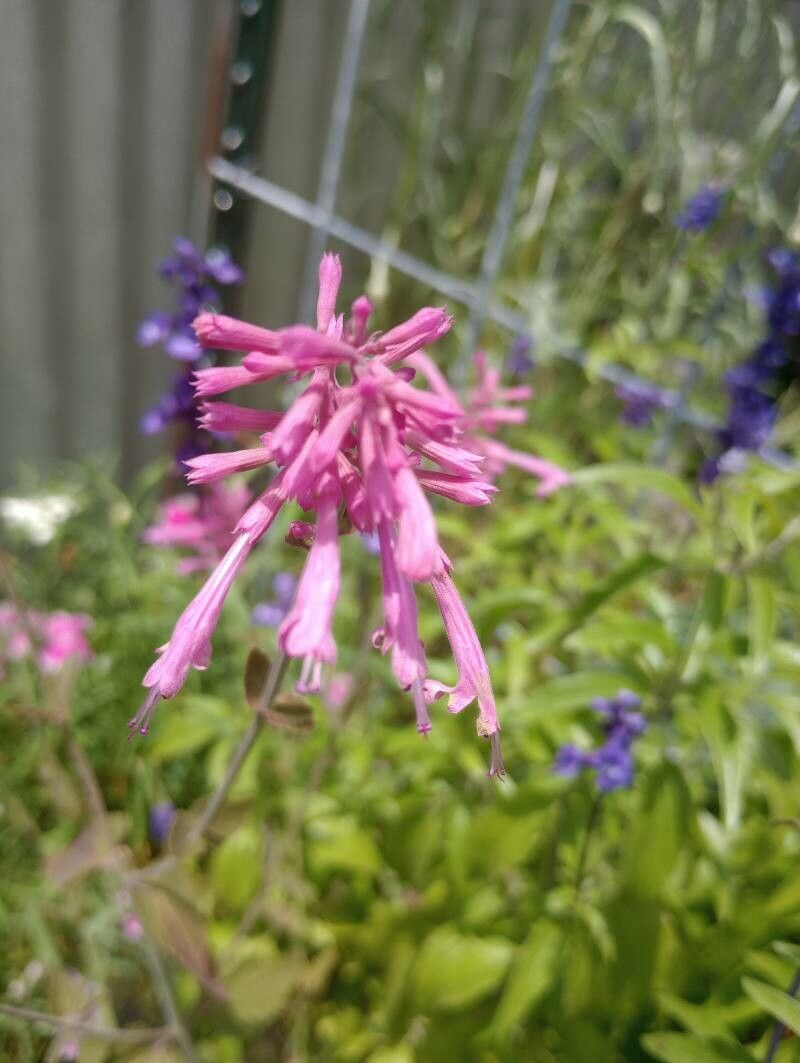
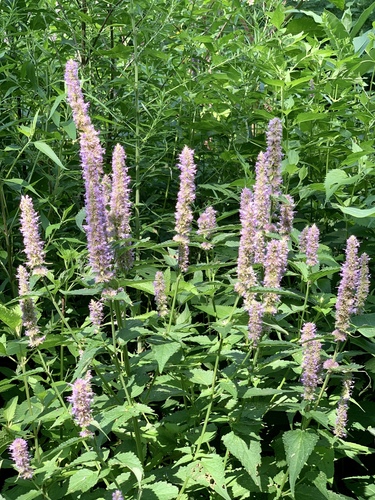
Agastache urticifolia is a species of flowering plant in the mint family known by the common name nettleleaf giant hyssop or horse mint.
Nettleleaf giant hyssop is fairly disease-resistant and usually does not suffer from many ailments. However, it can be affected by pests and diseases present in its surroundings. These problems are typically minor. In terms of care, the plant requires moderate maintenance. Regular pruning is needed to keep it looking good and to encourage healthy growth. Fertilizing can also help boost flowering. Nettleleaf giant hyssop is suitable for anyone with outdoor space, such as a garden or patio, and does not require extensive gardening experience. It may need more attention when grown indoors.
How to keep Agastache Urticifolia.
Light
Nettleleaf giant hyssop prefers long periods of daily sunlight. Although it can tolerate partially shaded spots, it grows best when it consistently receives plenty of sun. In its native habitat it is mainly found in sun-drenched locations. Both too much and too little sunlight can negatively affect its health.
Water
Nettleleaf giant hyssop thrives in moist, well-drained soils and requires consistent weekly watering to support its growth. As a versatile herbaceous perennial, it effectively uses water during the growing season, producing lush foliage and vibrant blooms while tolerating short periods of dryness.
Temperature
Nettleleaf giant hyssop is naturally adapted to temperate climates with temperatures ranging from 32 to 95 °F (0 to 35 ℃). It performs best within this temperature range. In regions that are excessively hot or cold, seasonal temperature adjustments may be necessary.
Fertilizer
The best time to feed a Nettleleaf giant hyssop is in early spring, as it comes out of dormancy and begins active growth. Fertilizing supplies essential nutrients for healthy development. While Nettleleaf giant hyssop does not require heavy feeding, applying fertilizer once a year can improve its chances of survival and encourage stronger, longer-lasting blooms.
Pruning
The nettleleaf giant hyssop features tall stems and aromatic leaves. To maintain its health and encourage bushier growth, prune in early to late spring. This involves removing any dead stems and trimming up to one-third of the plant. Additionally, deadheading spent flowers stimulates further blooming and promotes healthier growth. Be sure to use the proper tools to prevent any damage to the plant.
Botanical profile.
- Plant Type
- Herb
- Life Cycle
- Perennial
- Genus
- Agastache
- Family
- Lamiaceae
- Hardiness Zone
- 3-9
- Mature Height
- 0.91 m to 1.83 m
- Mature Spread
- 40 cm
- Leaf Color
- Green, Gray
- Leaf Type
- Deciduous
- Flower Color
- Lavender
- Flower Size
- 2.54 cm
- Bloom Time
- Summer
- Planting Time
- Spring, Summer, Autumn
- Harvest Time
- Late summer, Early fall, Mid fall
Other names.
Reader questions.
How should I water my Nettleleaf giant hyssop plant?
To properly water the Nettleleaf giant hyssop, it's best to use filtered water at room temperature. Tap water may contain harmful particles, so filtering is important. Additionally, since the plant is accustomed to warm environments, it's advisable to avoid using cold water that may shock its system. Instead of overhead watering, it's better to thoroughly soak the soil with filtered room temperature water. This helps moisturize the roots and facilitates the spread of nutrients throughout the soil, promoting healthy growth.
Why should I put fertilizer on my Nettleleaf giant hyssop?
Fertilization is important for the Nettleleaf giant hyssop because it provides essential nutrients for the plant's growth both above and below ground. Although the Nettleleaf giant hyssop has relatively low fertilization needs and can sometimes survive without it, annual fertilization can greatly benefit the plant. It helps keep the Nettleleaf giant hyssop alive and may also result in better and longer-lasting flowers. Therefore, those who want their Nettleleaf giant hyssop to thrive should regularly fertilize it.
What are the sunlight requirements for Nettleleaf giant hyssop?
Nettleleaf giant hyssop thrives best in full sun, requiring more than 6 hours of sunlight per day, though it can survive in partial sun, which is about 3-6 hours of sunlight. It's essential to watch how sunlight moves through your garden and choose locations that provide an ideal balance of light and shade, ensuring optimal growth and health of your plants.
What is the ideal temperature range for Nettleleaf giant hyssop?
Nettleleaf giant hyssop, botanically known as Agastache urticifolia, is well-suited to temperate climates and thrives in temperatures ranging from 32 to 95 °F (0 to 35 °C). This plant performs best within these thermal boundaries, and adjustments may be needed to accommodate for seasonal temperature variations in particularly warm or cold areas. Given its strong resistance to cold, special frost protection measures are typically unnecessary. However, in exceptionally cold winters where temperatures may drop below -35°C, protective steps should be taken, such as covering the plant with soil or straw and watering it abundantly before the first freeze to maintain soil moisture.
What should I do if I give too much or too little water to my Nettleleaf giant hyssop plant?
Overwatering is a more common issue for Nettleleaf giant hyssop and can cause wilting, yellowing, and diseases like root rot, mold, and mildew. Underwatering is less common but can make the leaves brittle and brown. It's important to notice signs of overwatering early and reduce watering immediately. Check the soil's drainage and replace it with a well-draining mix if necessary. If underwatering is suspected, water more regularly until the signs improve.
When should I fertilize my Nettleleaf giant hyssop for the best results?
The best time to fertilize a Nettleleaf giant hyssop is late winter to early spring. This is when the plant is coming out of dormancy and starting to grow. Fertilizing at this time helps promote healthy growth for the season. While early spring is generally the most beneficial time to fertilize, fall is also an acceptable time. However, it's not recommended to fertilize during summer or winter.
How does insufficient or excessive sunlight affect Nettleleaf giant hyssop?
Insufficient sunlight can lead to symptoms such as smaller leaves, leggy or sparse growth, faster leaf drop, slower or no new growth, lighter-colored new leaves, and conditions like chlorosis, sunscald, leaf curling, wilting, and leaf scorching. These symptoms indicate either a lack of sunlight or damage from overexposure, both of which can negatively impact the plant's health. Conversely, in its natural environment, Nettleleaf giant hyssop is accustomed to abundant sunlight, and its healthiest growth is stimulated under such conditions.
How does low temperature affect Nettleleaf giant hyssop and what are the solutions?
Nettleleaf giant hyssop is notably cold-tolerant and fares well in temperatures above 0°C. When winter temperatures stay above -30°C, the plant generally maintains its health. However, temperatures falling below -35°C don't show immediate apparent effects during winter but may lead to decreased sprouting or a complete lack of sprouting in spring. To manage this, it's beneficial to remove any plant parts that have failed to sprout as spring arrives, allowing for rejuvenation and new growth.
How frequently should I water my Nettleleaf giant hyssop plant?
If your Nettleleaf giant hyssop is in a pot, the best way to determine if it needs water is to check the soil. Stick your finger into the soil about two to three inches deep. If the soil at this depth is dry, then it's time to water the plant. If you have your Nettleleaf giant hyssop planted outdoors in the ground, you can use the same method. Once again, check the first few inches of soil and if it's dry, it needs to be watered. Typically, during the spring and early fall, you'll need to water this plant about once a week using this method. However, when the weather gets extremely hot, you may need to water it twice or more per week. Keep in mind though, mature and well-established Nettleleaf giant hyssops can tolerate drought well.
When is it not a good idea to put fertilizer on my Nettleleaf giant hyssop plant?
To ensure optimal growth and avoid complications, the Nettleleaf giant hyssop should only be fertilized during late winter and early spring. This plant has low fertilization needs, so a single feeding annually is sufficient. Overfertilization can occur if fertilizing continues throughout spring, summer, and fall. However, if the plant was not fertilized in spring, it is acceptable to feed it in fall. Additionally, it is unnecessary to fertilize during winter when the plant is dormant and does not produce new growth.
What are some solutions for light-related issues in Nettleleaf giant hyssop plants?
To address light-related issues, gradual relocation to sunnier spots is advisable for both indoor and outdoor plants, ensuring they receive at least 6 hours of direct sunlight daily. For indoor plants, particularly those that are large or immovable, supplementing natural light with artificial sources like desk lamps or professional grow lights for a minimum of 8 hours daily can be beneficial. Outdoor and ground plants might also benefit from reducing obstructions like overhanging branches or by transplanting to sunnier locations during the plant's dormant period, usually in late winter or early spring.
How does high temperature affect Nettleleaf giant hyssop and what are the solutions?
During the summer, keeping Nettleleaf giant hyssop's temperature below 35°C is crucial. Exposure to temperatures above 38°C can result in the plant's leaves turning lighter, curling, becoming prone to sunburn, and in extreme cases, leading to the wilting and drying out of the plant. Countermeasures include trimming away sunburned and dried parts of the plant, relocating it to a shaded area during the intense midday and afternoon sun, or employing a shade cloth. Additionally, watering the plant in the morning and evening helps maintain the necessary soil moisture.