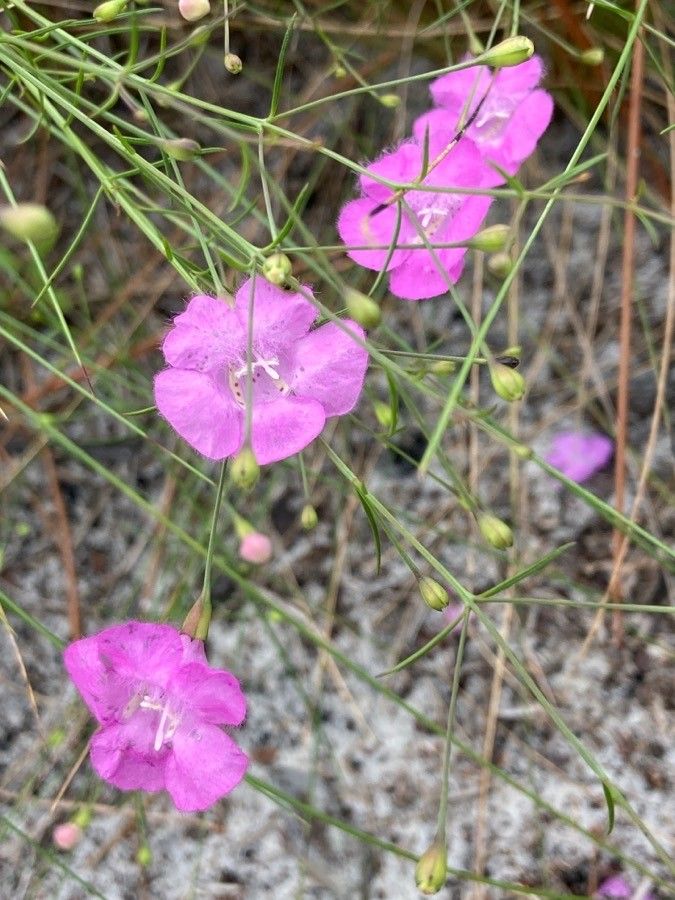
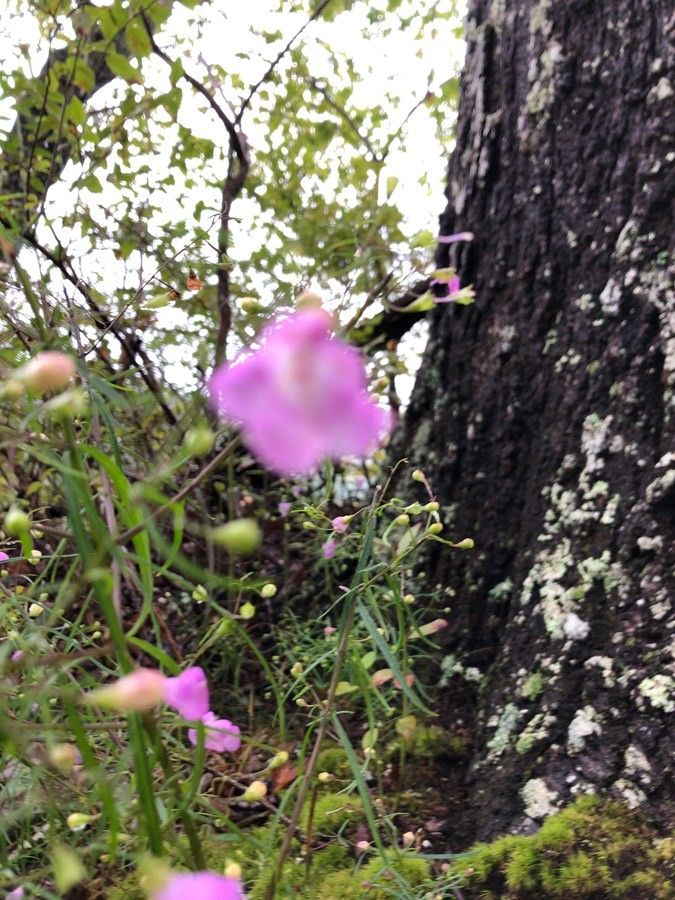
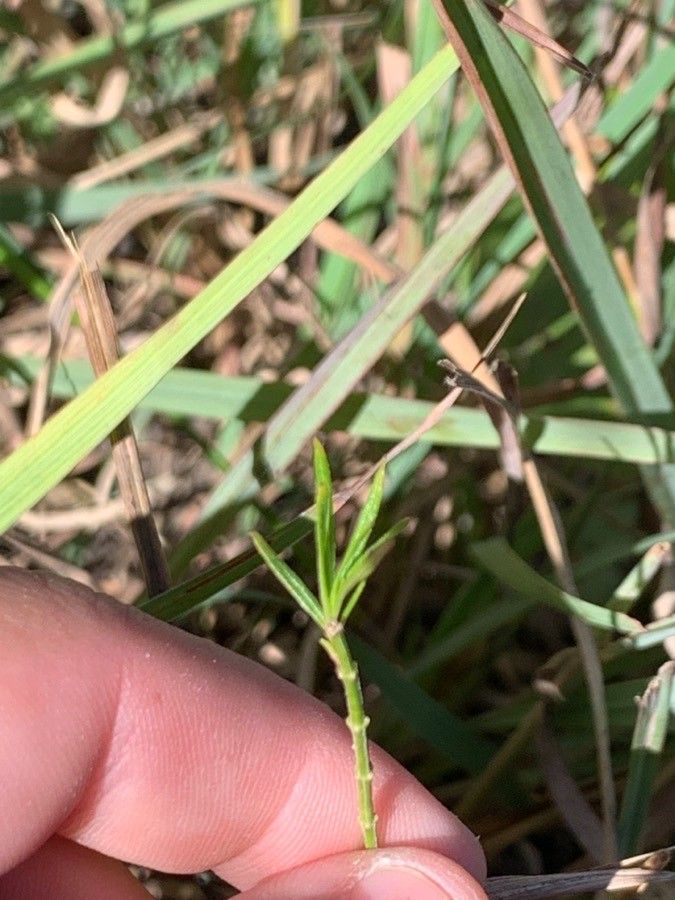
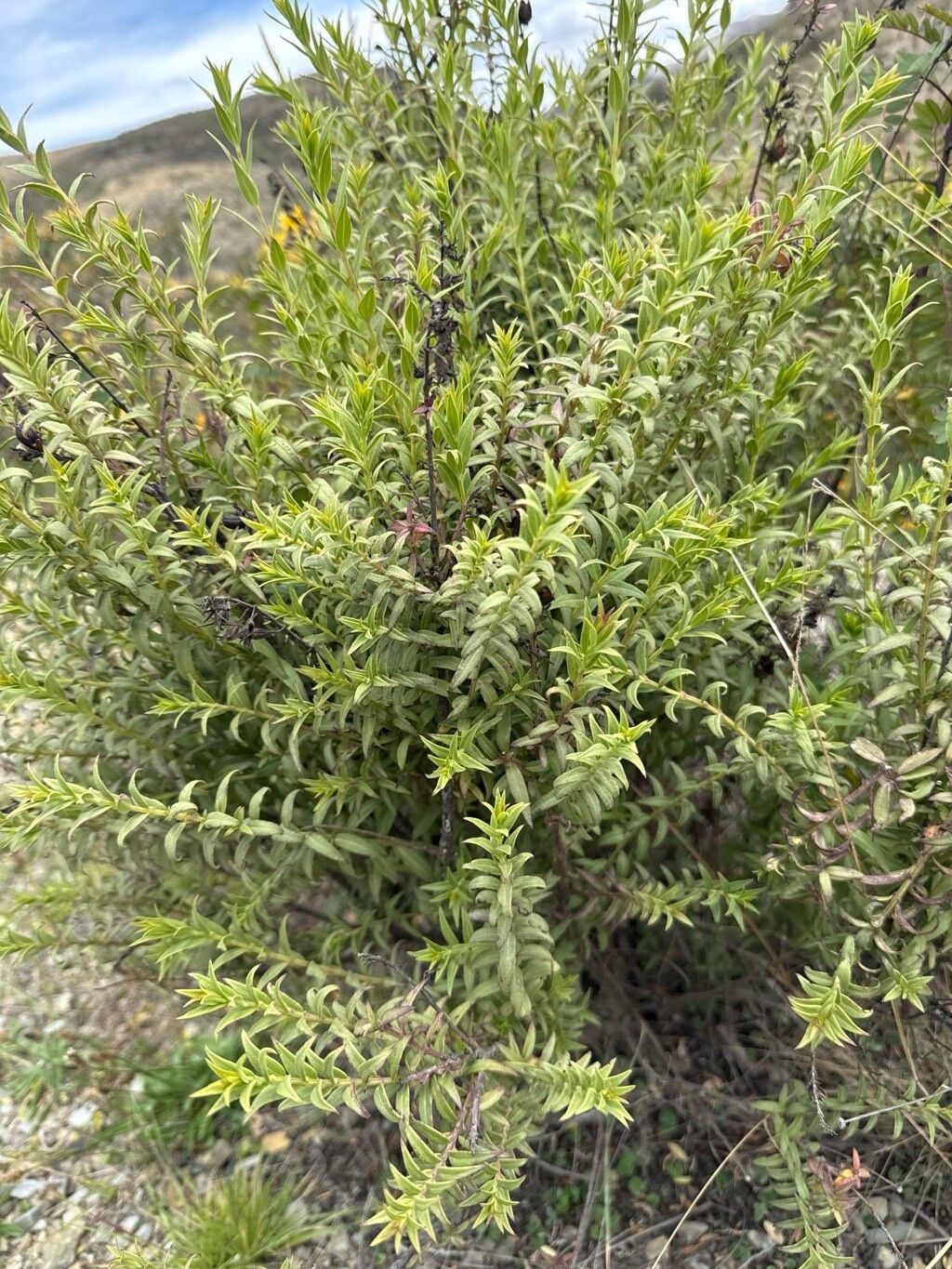
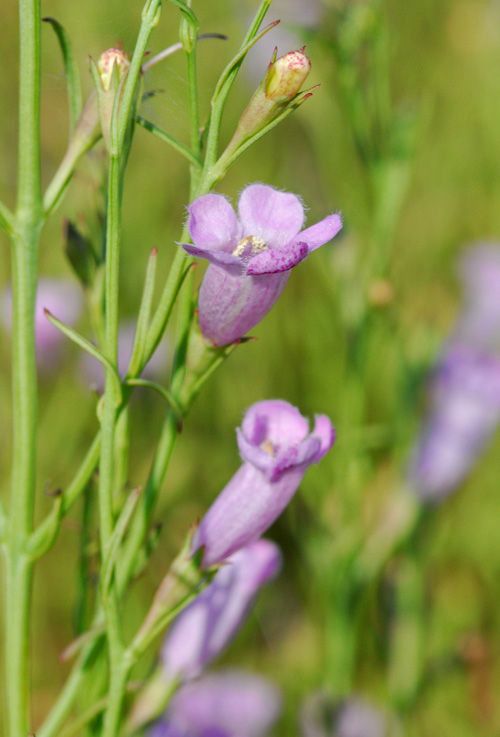
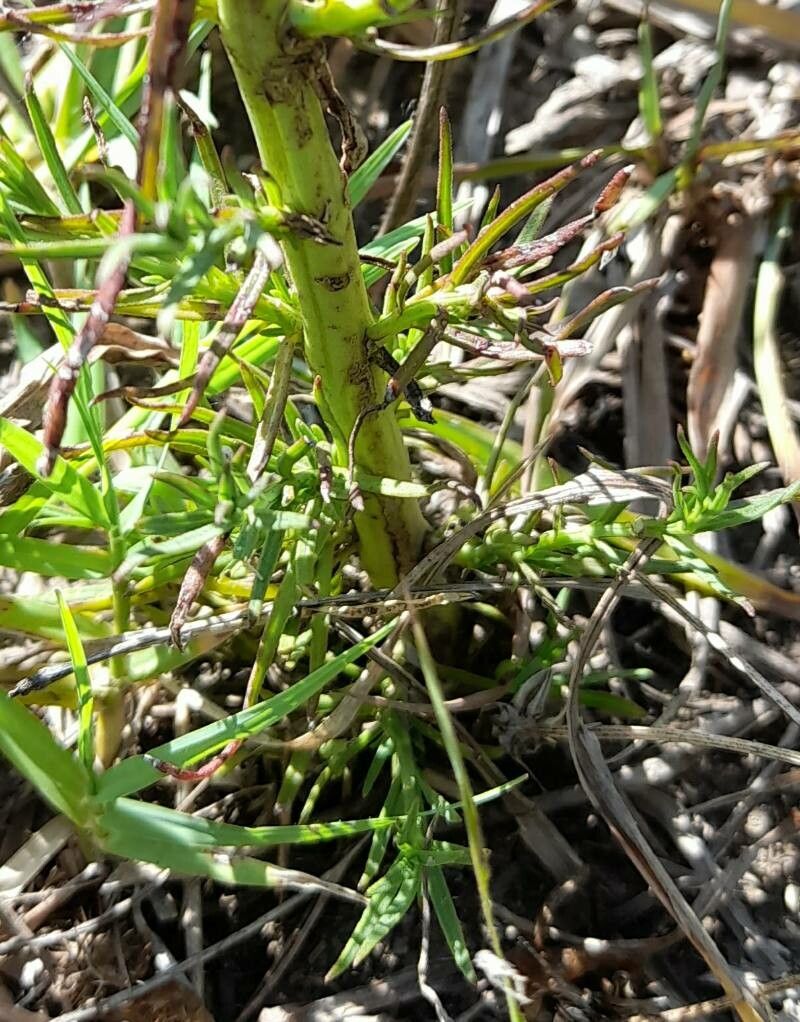
Agalinis edwardsiana is a flowering plant species in the family Orobanchaceae family with the common name plateau agalinis.
Plateau false foxglove shows strong disease resistance and is generally not prone to illness. Still, it can be affected by pests and diseases present in its surroundings, though these problems are typically not serious. Care-wise, the plant needs moderate maintenance. It should be pruned regularly to preserve a tidy appearance and encourage healthy growth. Applying fertilizer can also help stimulate flowering. This plant is appropriate for anyone with outdoor space, such as a garden or patio, and does not demand extensive gardening experience. It may need additional care when kept indoors.
How to keep Agalinis Edwardsiana.
Light
Plateau false foxglove comes from bright, open habitats where it flourishes in full sun. It can tolerate partial sun but prefers direct sunlight for optimal growth. This plant, which may be annual or biennial, is known for its sun-loving nature.
Temperature
Plateau false foxglove can tolerate a wide range of temperatures, but its geographic range may nonetheless be restricted by various combinations of moisture and heat. It grows best in warm summer conditions with sufficient rainfall or supplemental watering. Extended stretches of overcast, rainy weather or sustained high temperatures can make the plant more likely to die. During winter, protecting it from cold improves its chances of survival.
Fertilizer
Plateau false foxglove responds well to regular, dilute applications of fertilizer to encourage healthy leaf growth. You should feed Plateau false foxglove about once a month during the summer. Nitrogen is important for foliage, and adding nitrogen-rich sources helps Plateau false foxglove thrive.
Pruning
The Plateau false foxglove is known for its tubular flowers and delicate foliage. To encourage blooming, it’s best to prune the plant from early to late spring, focusing on removing any weak stems to improve air circulation. Deadheading, or removing spent flowers, will help extend the flowering period. Regular pruning not only reduces the risk of disease but also enhances the plant's appearance. For more detailed care tips, consult reputable gardening guides.
Botanical profile.
- Plant Type
- Herb
- Life Cycle
- Annual
- Genus
- Agalinis
- Family
- Orobanchaceae
- Hardiness Zone
- 7-10
- Mature Height
- 30 cm to 91 cm
- Mature Spread
- 20 cm to 40 cm
- Leaf Color
- Green
- Leaf Type
- Deciduous
- Flower Color
- Pink
- Flower Size
- 2.03 cm to 3.05 cm
- Bloom Time
- Late summer, Early fall
- Planting Time
- Spring, Summer
- Harvest Time
- Early fall, Mid fall
Other names.