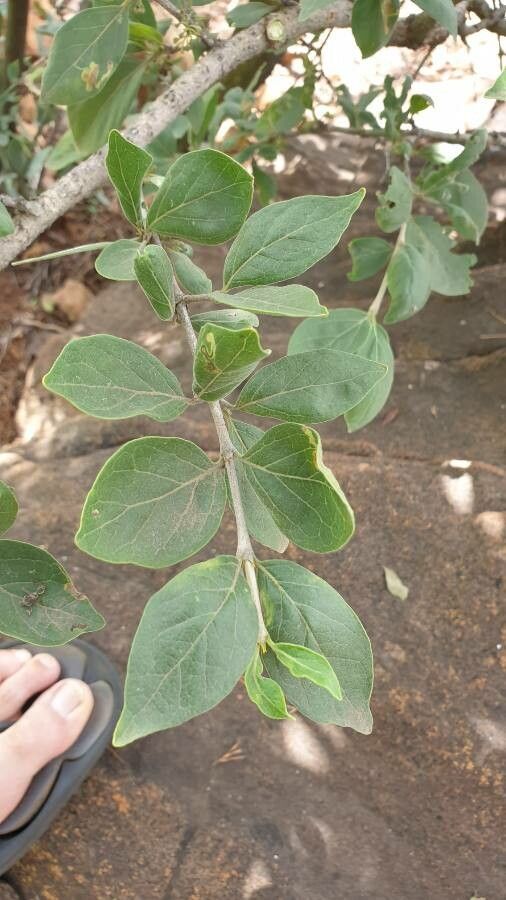
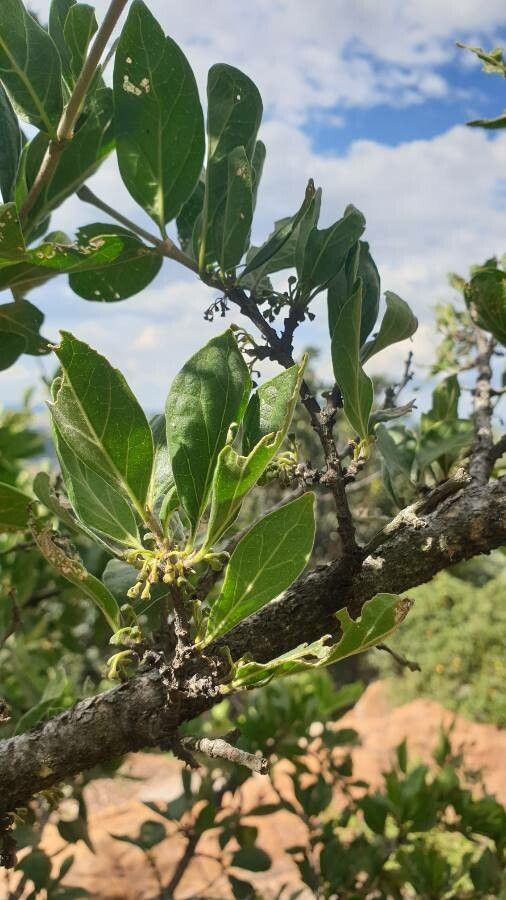
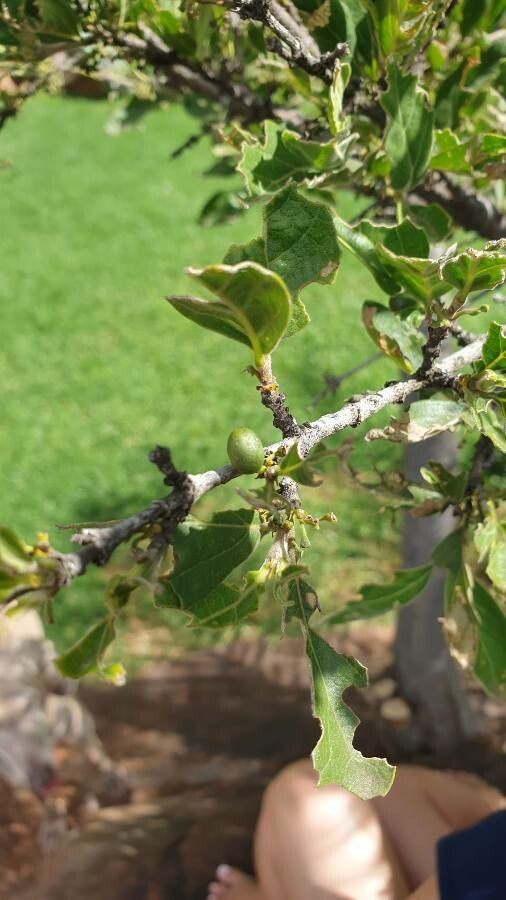
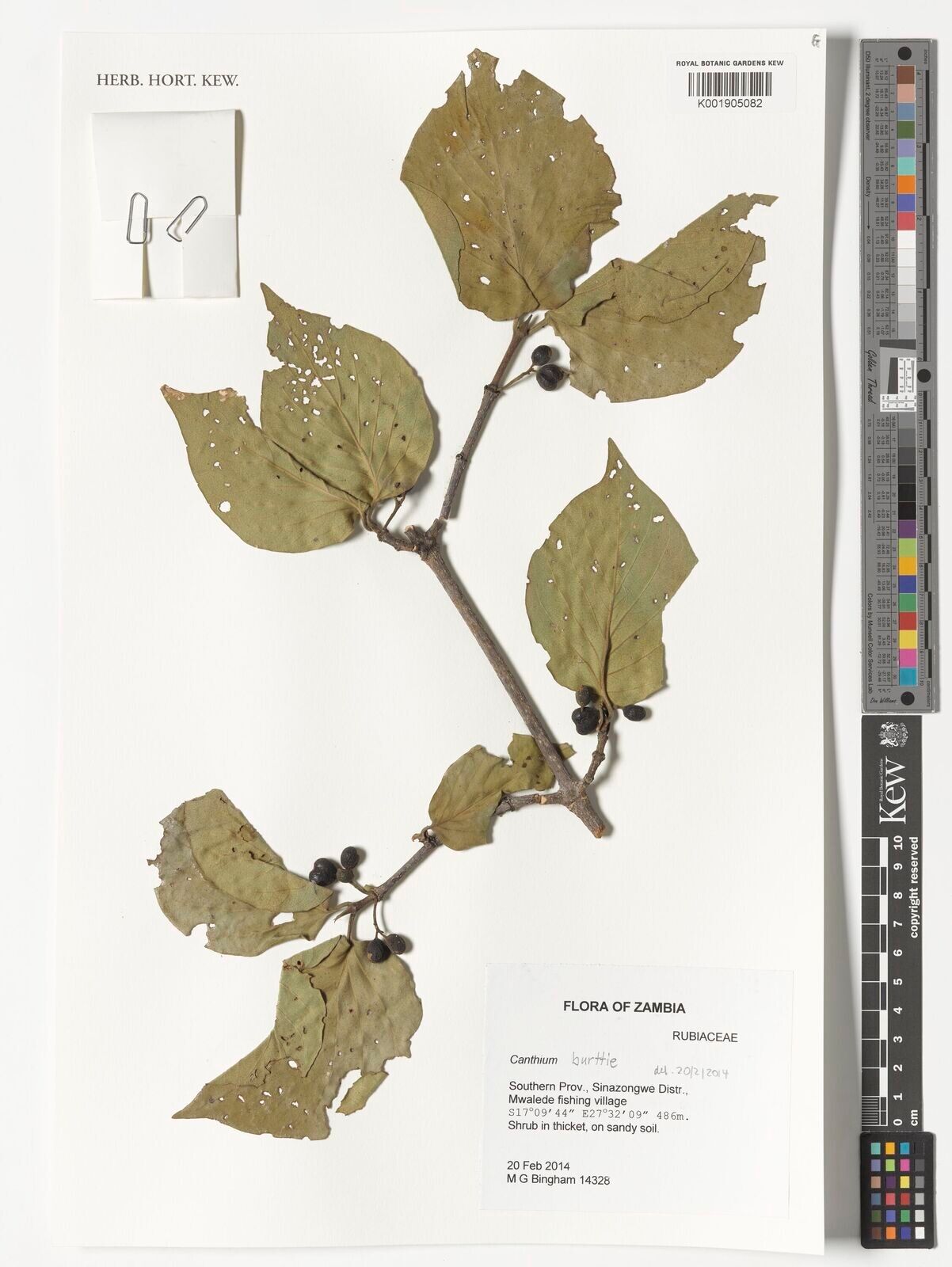
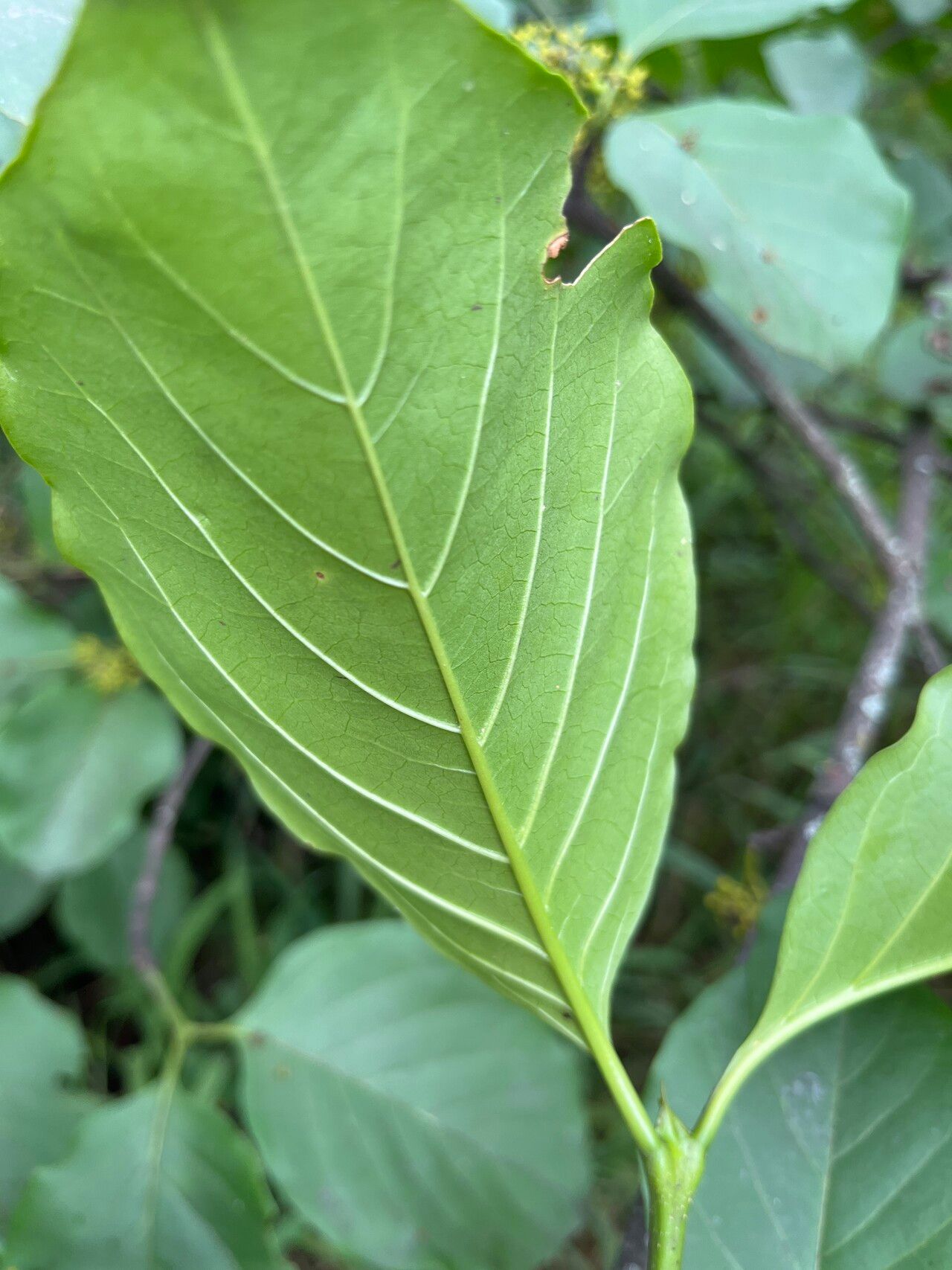
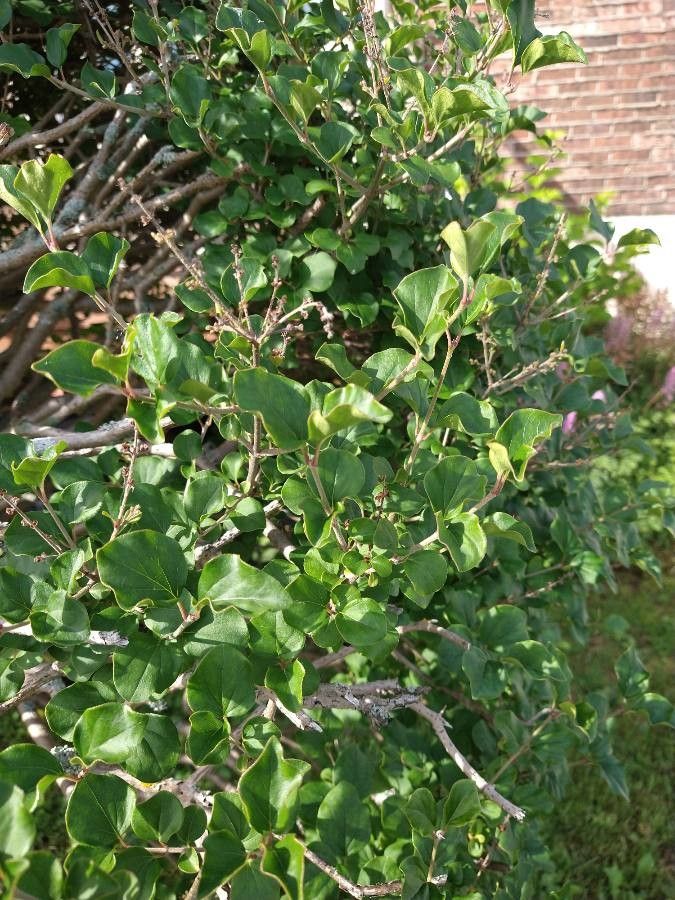
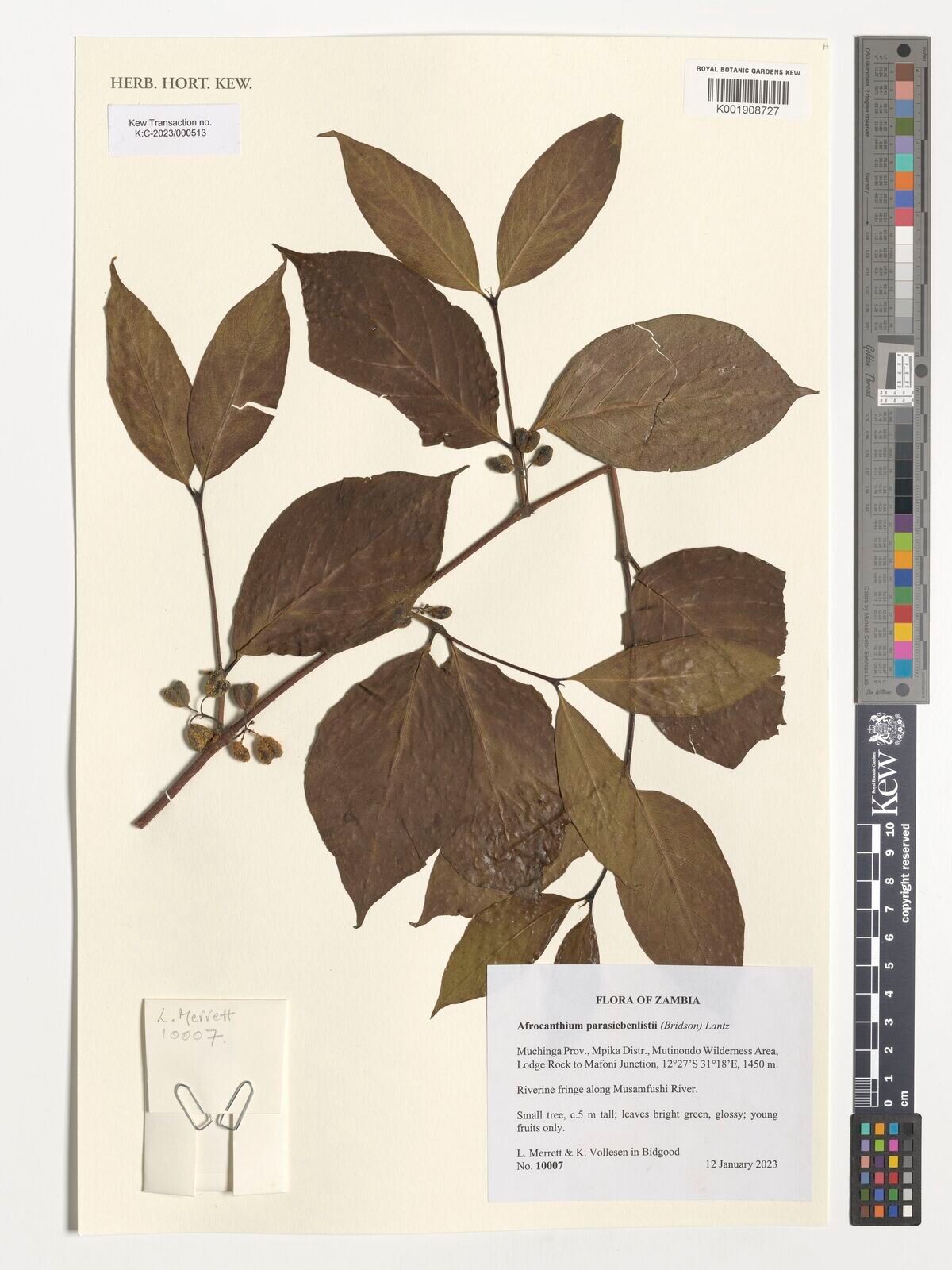
Afrocanthium gilfillanii is a small tree or shrub belonging to the family Rubiaceae. Native to South Africa, it is commonly found in the Eastern Cape and KwaZulu-Natal provinces. This plant can grow up to 5 meters tall and features a dense, rounded crown with glossy, dark green leaves arranged in opposite pairs.
The flowers of Afrocanthium gilfillanii are small, white or cream-colored, and form clusters at the ends of branches from late winter to early spring. The fruit is a fleshy berry that transitions from green to black when ripe.
The plant thrives in well-drained soils with moderate moisture levels and can tolerate both full sun and partial shade. It is often used as an ornamental plant due to its attractive foliage and flowers.
Traditionally, Afrocanthium gilfillanii has been utilized by indigenous communities for medicinal purposes, addressing ailments such as fever, stomach problems, headaches, and wounds. However, further research is needed to fully understand and validate its medicinal properties before it can be recommended for widespread medicinal use.
Overall, Afrocanthium gilfillanii is not only an attractive ornamental plant but also a species with potential medicinal benefits, making it an intriguing subject for further botanical and medicinal exploration.
Velvet rock-elder is fairly disease-resistant and generally not susceptible to illnesses. Regarding care, this plant is fairly low-maintenance. When grown outdoors it needs only minimal watering, and larger specimens usually do not require pruning. Smaller plants, however, should be pruned after they finish blooming. Velvet rock-elder is appropriate for anyone with an outdoor area, such as a garden or deck, and does not demand much prior care experience.
How to keep Afrocanthium Gilfillanii.
Temperature
Velvet rock-elder comes from tropical areas, where the conditions are generally warm and humid. Consequently, it is adapted to high temperatures and moisture. It is sensitive to sudden temperature shifts and prefers a steady thermal environment, so indoor temperature fluctuations should be avoided. It typically cannot tolerate cold and needs higher temperatures to grow. If the surrounding temperature falls too low, growth may stop or the plant may even die.
Fertilizer
Fertilization is essential for caring for Velvet rock-elder. Regular feeding throughout the growing season maintains the energy needed for its showy foliage and supports overall growth. If you skip fertilizing, leaves can become unhealthy, the plant’s ornamental appeal may decline, and growth may be stunted or weak and more likely to break.
Botanical profile.
- Plant Type
- Tree
- Life Cycle
- Perennial
- Genus
- Afrocanthium
- Family
- Rubiaceae
- Native Area
- South Africa, Eswatini, Botswana
Other names.