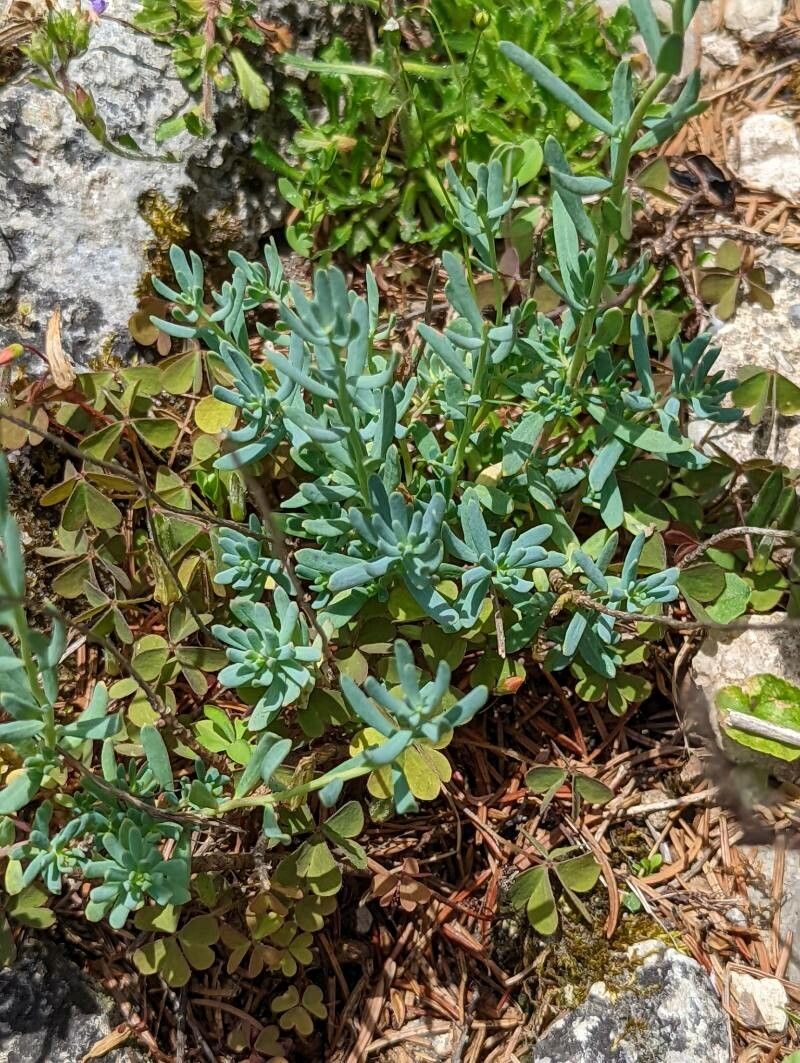
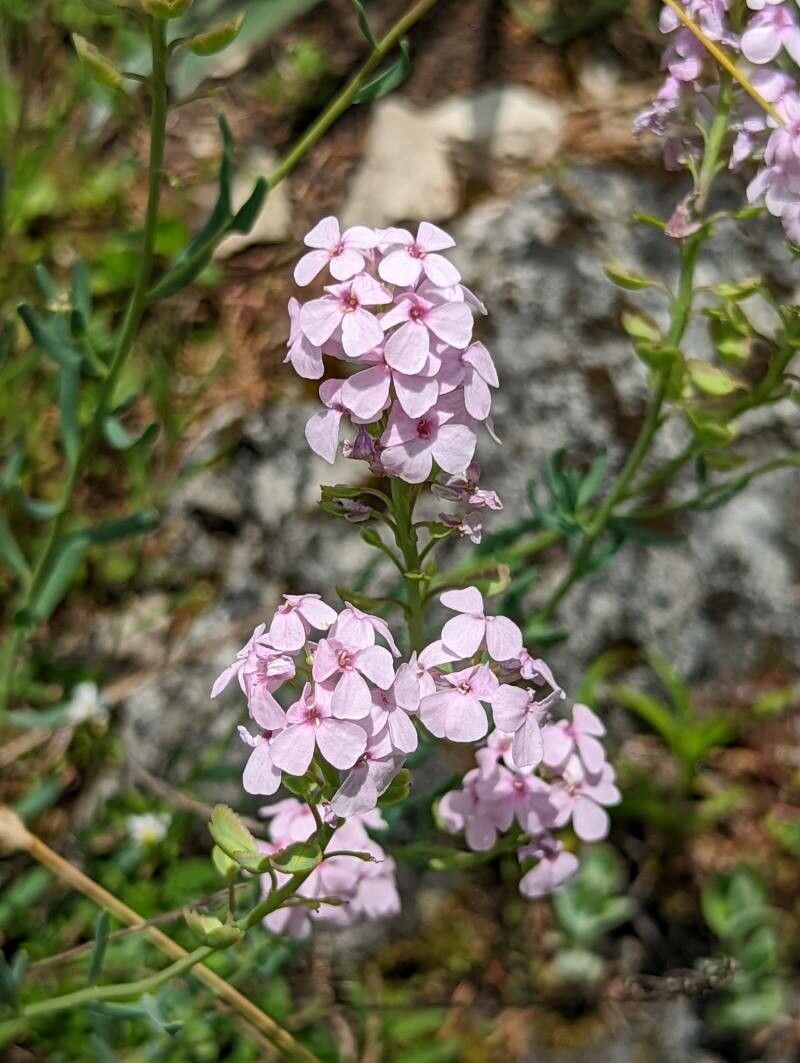
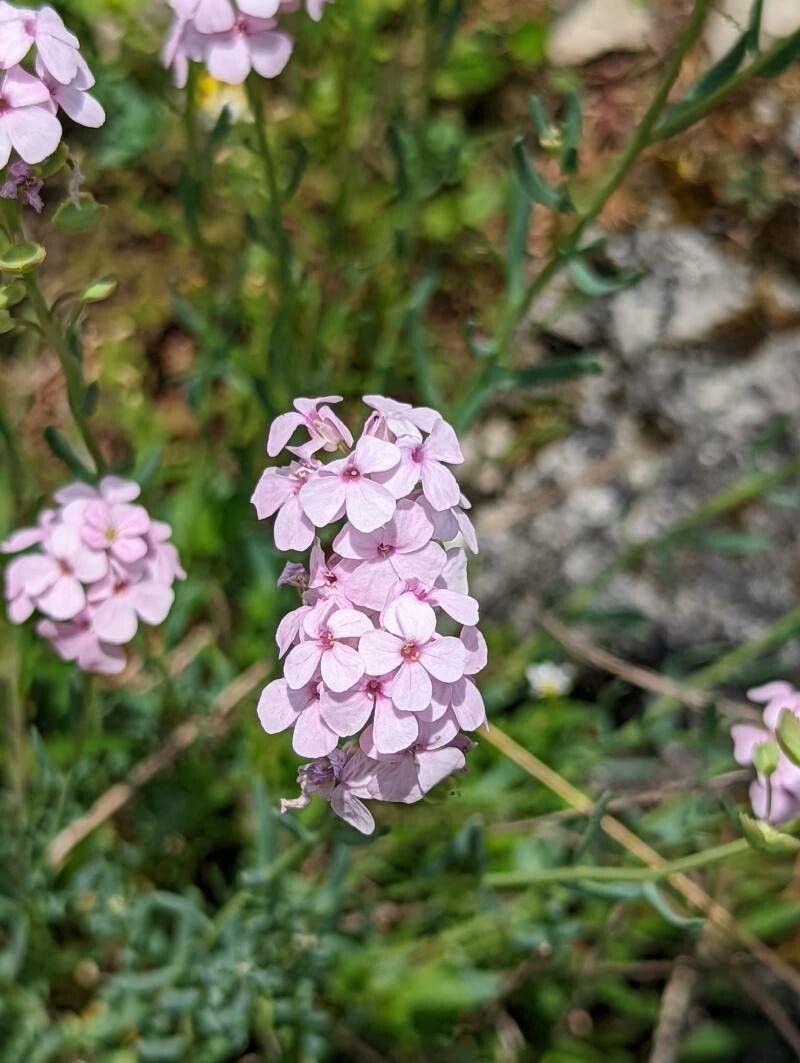
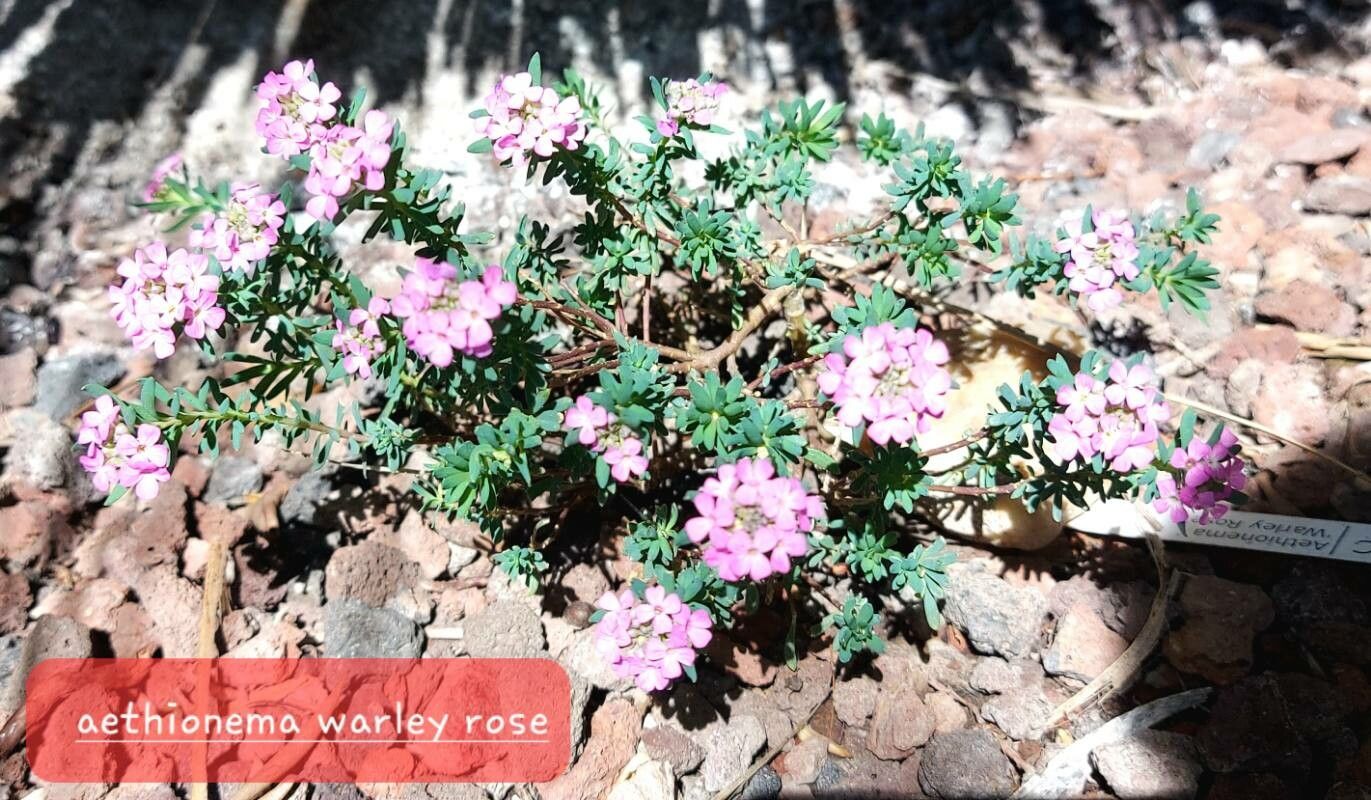
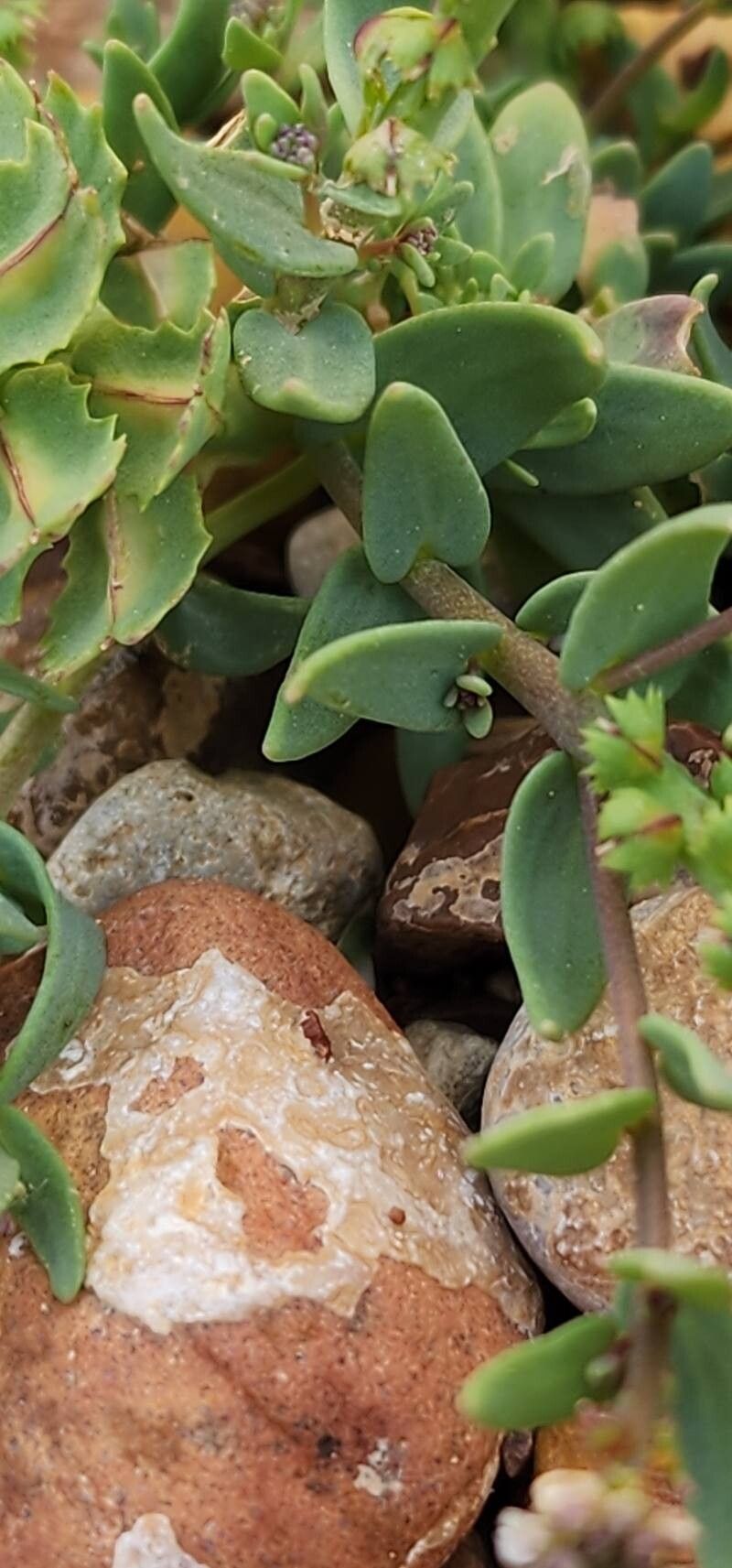
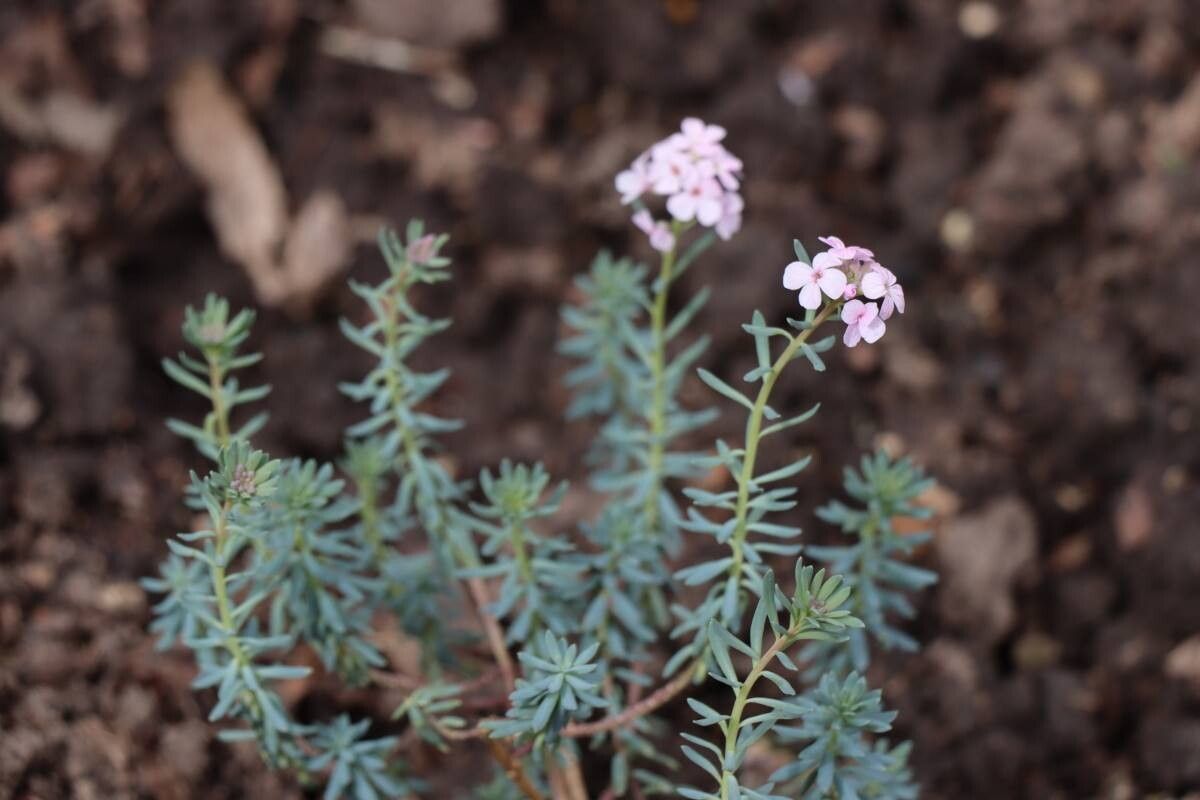
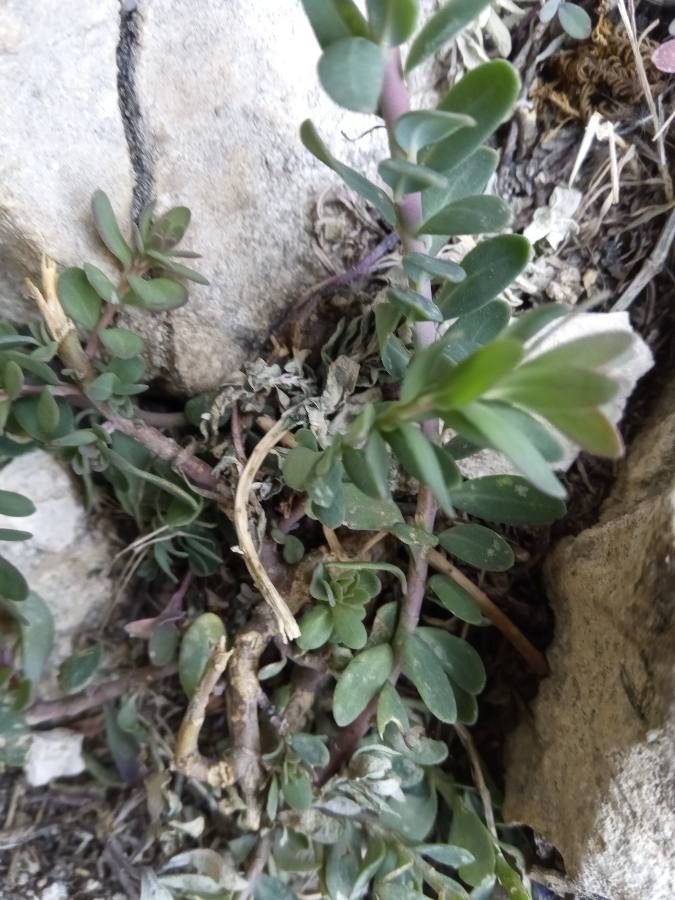
Aethionema grandiflorum, commonly known as Persian stonecress or Persian candytuft, is a flowering plant in the family Brassicaceae, preferring to grow at 750 to 2600 m on limestone slopes. It is sometimes kept as a garden plant, and occasionally naturalizes outside its original range of eastern Turkey, the southern Caucasus and northern Iran. It is a recipient of the RHS's Award of Garden Merit.
Persian candytuft is fairly resistant to disease and is usually not prone to illnesses. Nevertheless, it can be vulnerable to pests and diseases found in its environment. These infections tend to be mild. Regarding care, this plant needs a moderate level of maintenance. It should be pruned regularly to preserve a neat appearance and encourage healthy growth. Fertilizing can also aid in enhancing flowering. Persian candytuft is well suited for anyone with outdoor space, such as a garden or patio, and does not demand much care experience. It may need additional attention when grown indoors.
How to keep Aethionema Grandiflorum.
Light
Persian candytuft is a sun-loving perennial herbaceous plant native to open habitats, frequently found growing in meadows and grasslands. It prefers full sun but can also tolerate partial sun.
Water
Originating from rocky slopes, Persian candytuft is drought-tolerant and prefers well-drained soils. It requires weekly watering, but care should be taken to avoid oversaturation. As an outdoor plant suitable for xeriscapes, Persian candytuft thrives with deep and infrequent watering, which encourages strong root growth during its active season.
Temperature
Persian candytuft can tolerate a wide range of temperatures, but its distribution may still be limited by particular combinations of moisture and heat. It does best in warm summer conditions with adequate rainfall or irrigation. Extended periods of cloudy, rainy weather or prolonged high temperatures can increase the chance of the plant dying. In winter, protecting it from cold can boost its survival.
Fertilizer
Usually one fertilizer application in spring is enough for Persian candytuft, though repeated feedings can maximize growth. Apply fertilizer about every month to six weeks. Fertilizing improves leaf appearance and function, helping maintain even color and a healthy texture. It also encourages root development and nutrient uptake, supporting long-term plant health.
Pruning
To help Persian candytuft thrive, it's important to prune it correctly. The best time to do this is in early to late spring, right after it finishes flowering. Start by removing any spent flowers and weak stems. This will encourage new growth, improve air circulation, and reduce the risk of disease. As a result, you'll get denser blooms, a neater appearance, and an extended blooming period.
Pot & Repot
When repotting Persian candytuft, choose a pot 1-2 inches (2.5–5.1 cm) larger with ample drainage. Use a well-draining potting mix. Repot in spring or fall, making sure the root ball sits slightly lower than the rim of the flower pot. Water thoroughly after repotting and place in a warm spot with indirect sunlight.
Botanical profile.
- Plant Type
- Herb
- Life Cycle
- Perennial
- Genus
- Aethionema
- Family
- Brassicaceae
- Hardiness Zone
- 5-9
- Mature Height
- 10 cm to 15 cm
- Mature Spread
- 20 cm to 30 cm
- Leaf Color
- Medium Sea Green, Dark Olive Green
- Leaf Type
- Deciduous
- Flower Color
- Pink
- Flower Size
- 0.51 cm to 0.76 cm
- Bloom Time
- Mid spring, Late spring, Early summer
- Planting Time
- Spring, Summer
- Harvest Time
- Summer
- Native Area
- Iraq, Turkey, Iran, Armenia, Azerbaijan
Other names.