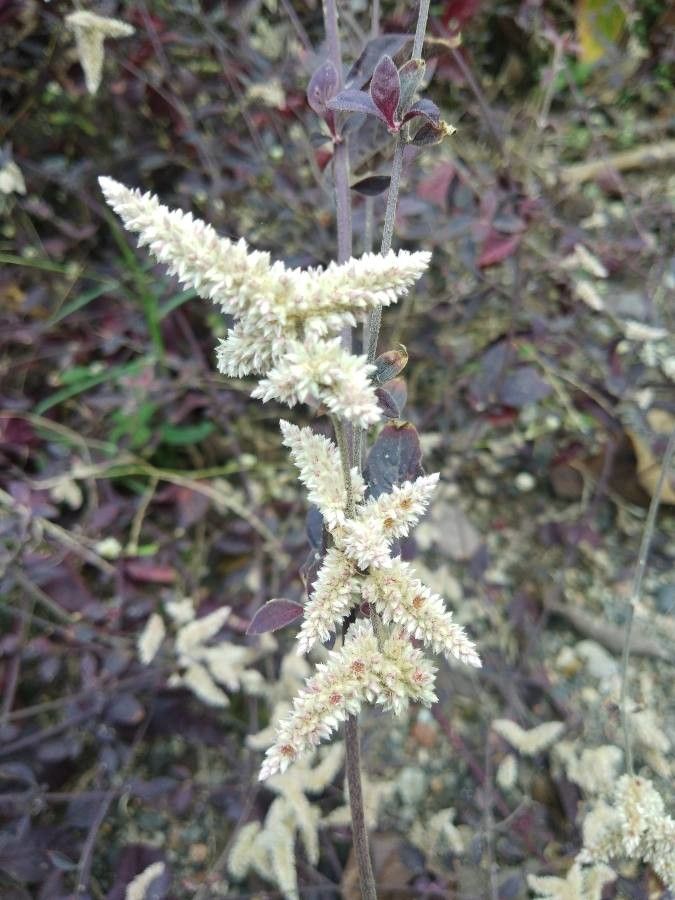
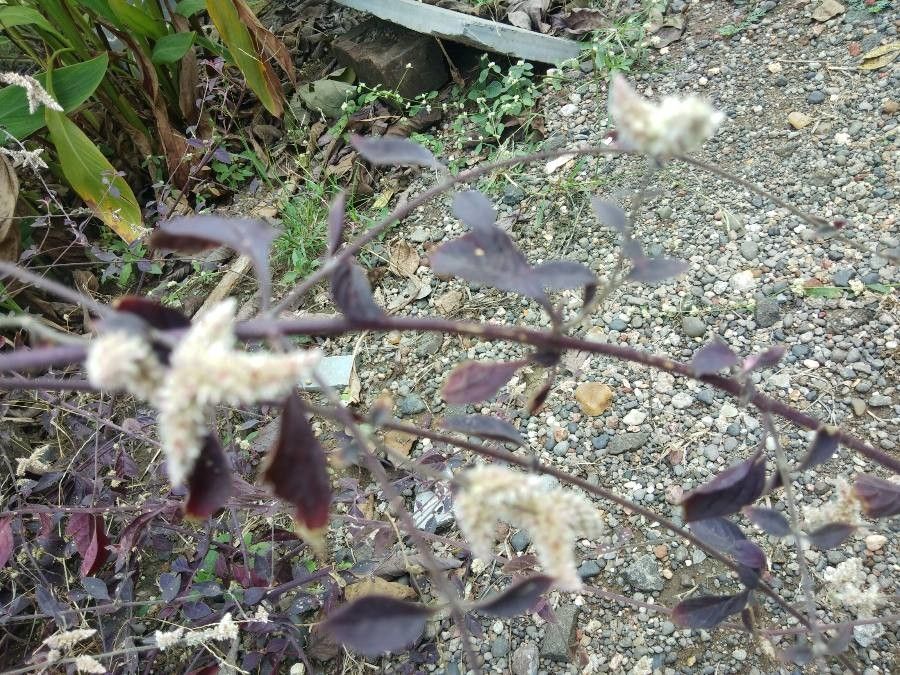
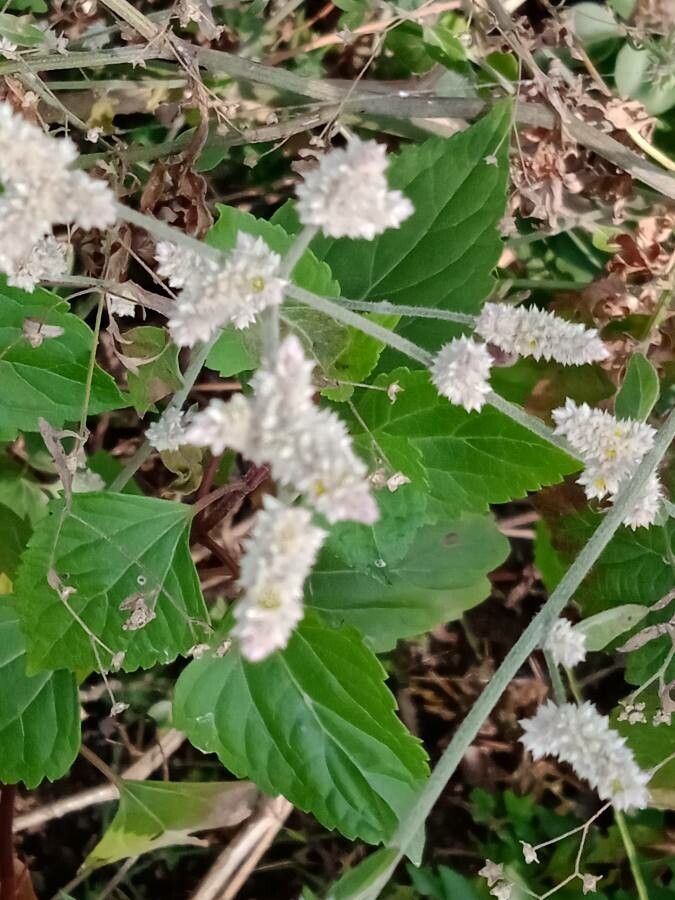
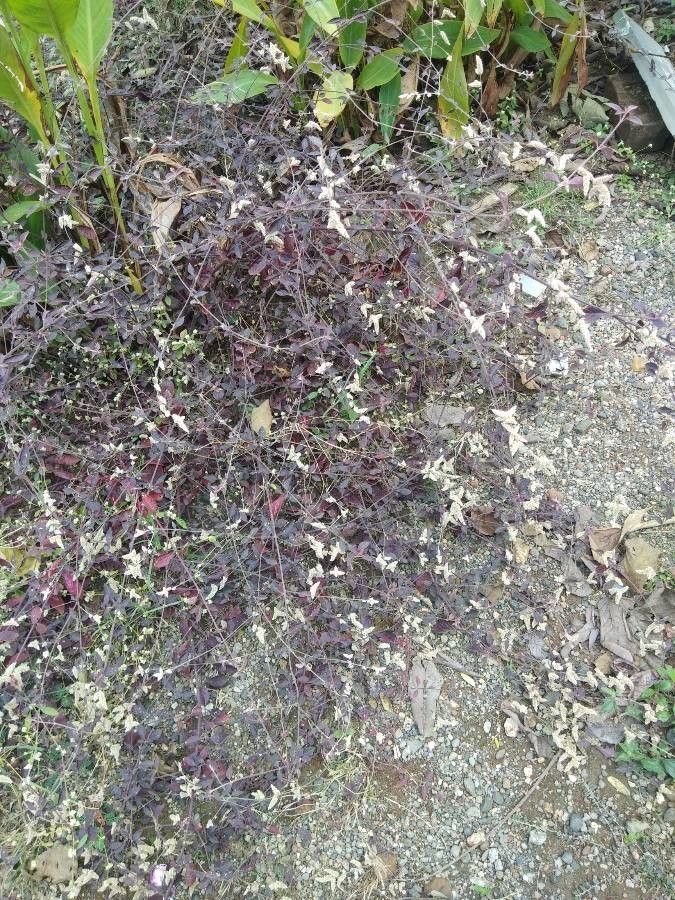
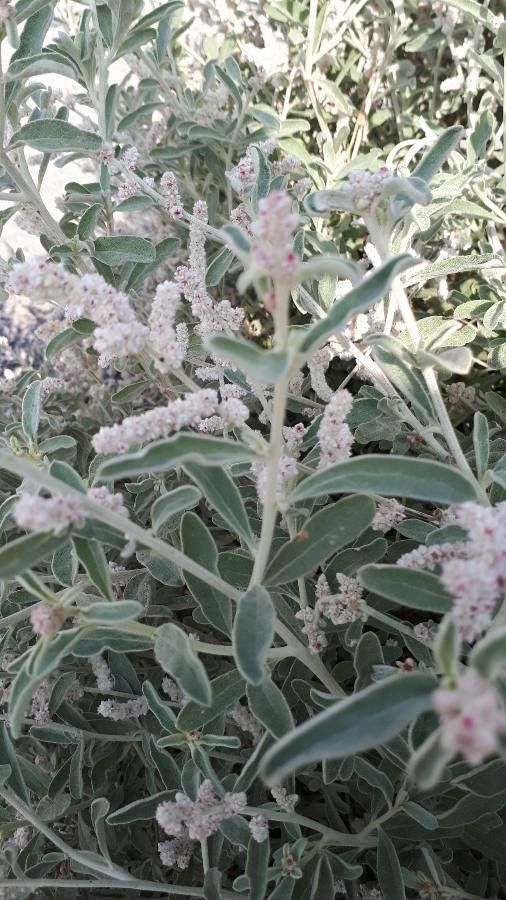
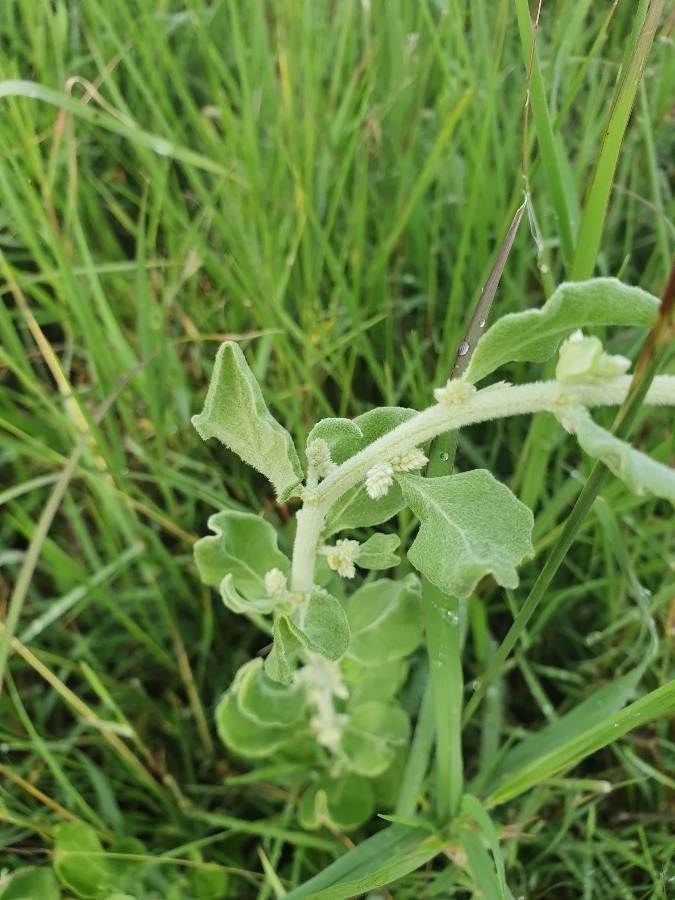
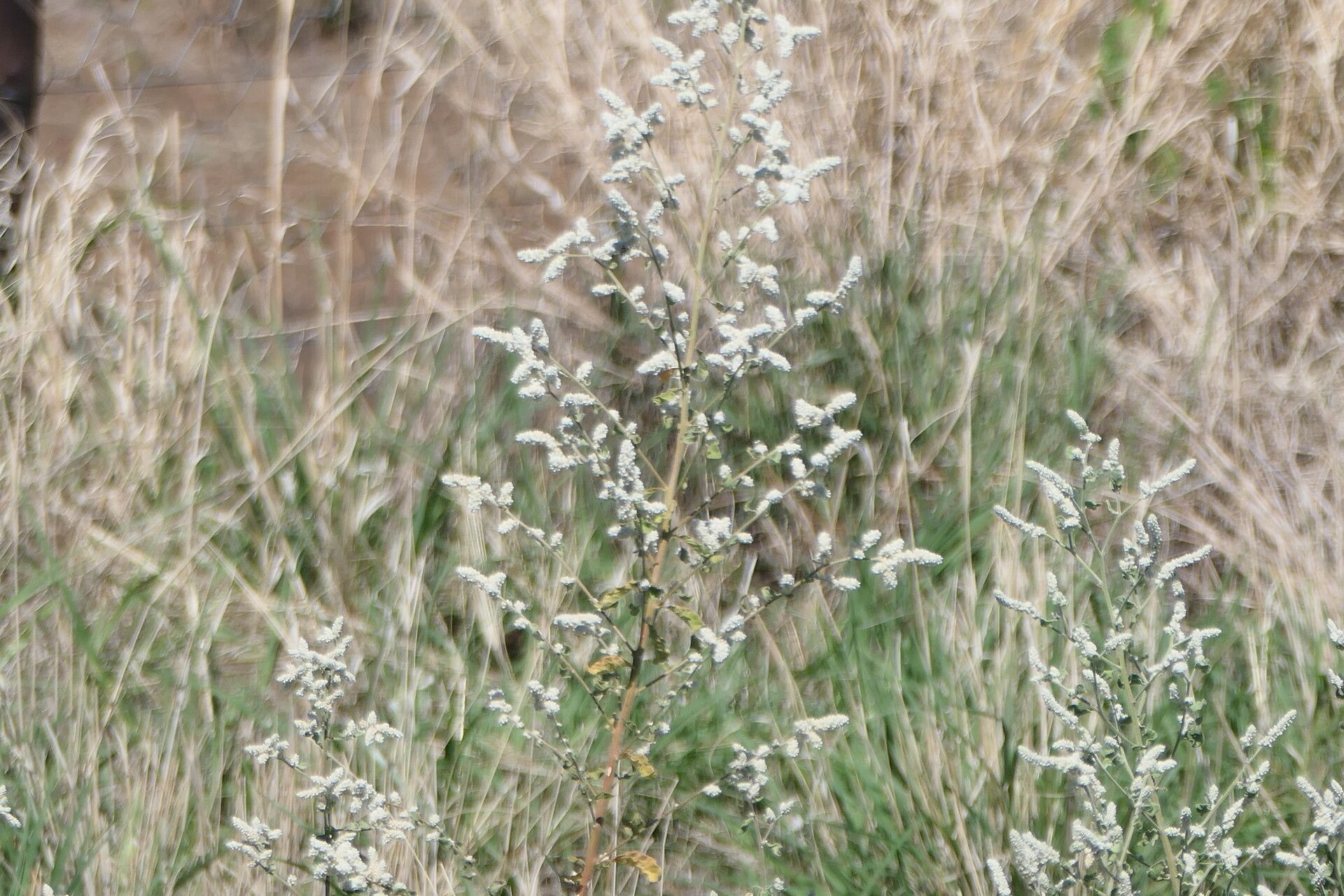
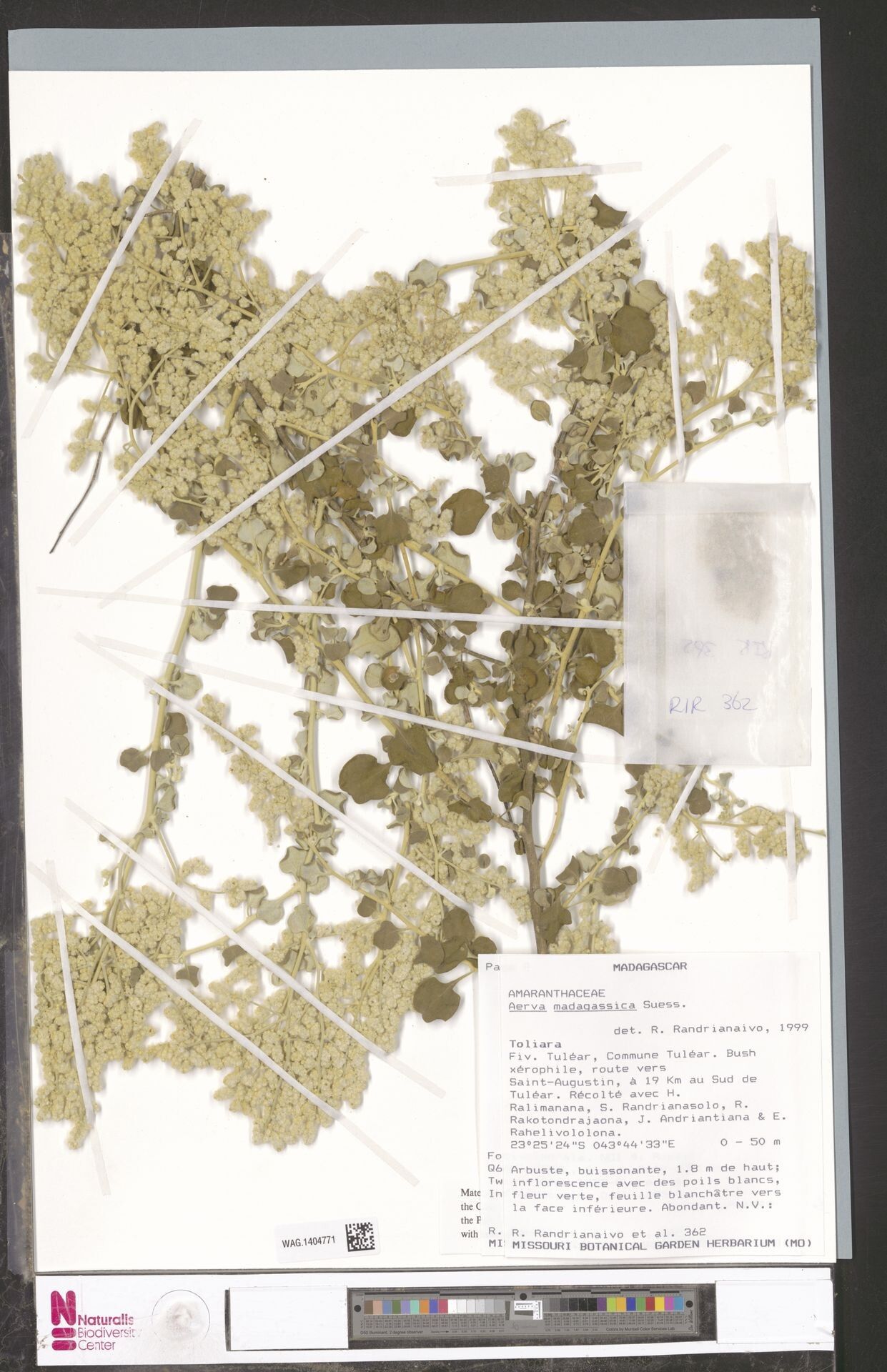
Climbing wool-plant has strong disease resistance and is generally not prone to illnesses. However, it can be vulnerable to pests and diseases present in its environment. Such infections are usually mild. Regarding care, this plant requires a moderate level of maintenance. It needs regular pruning to maintain a good appearance and healthy growth. Fertilizing can also help encourage flowering. Climbing wool-plant is suitable for anyone with outdoor space, such as a garden or patio, and does not demand extensive care experience. It may need more attention when grown indoors.
How to keep Aerva Sanguinolenta.
Light
Climbing wool-plant comes from habitats with dappled light, such as the understory of tropical forests or rocky locations that provide natural shade. It prefers partial sun but can also tolerate full shade.
Water
The climbing wool-plant is well-suited for semi-arid environments and is highly resistant to drought, needing only minimal watering. To maintain its optimal health, it should be watered once a week. This plant is typically grown outdoors and has the ability to store water in its tissues, allowing it to adjust its growth with the wetter seasons.
Temperature
Climbing wool-plant is native to regions where average temperatures range from 68 to 100.4 °F (20 to 38 ℃). This temperature range is their ideal growing condition, indicating an affinity for warm climates. In winter, if needed, ensure the temperature does not drop below 68 °F (20 ℃).
Fertilizer
The climbing wool-plant needs the most fertilizer during its active growth period, which takes place mainly in spring, summer, and early fall. Fertilization is required to supply essential nutrients that the soil may be missing, fostering healthy root and stem growth as well as the attractive foliage that is a key characteristic of this plant.
Pruning
The climbing wool-plant is a vigorous climber known for its woolly foliage. To manage its growth and remove dead stems, it is best to prune the plant from early to late spring. Thinning out crowded areas can improve air circulation and promote better flowering. Regular pruning helps prevent the plant from becoming invasive. It is important to use clean tools when pruning to avoid spreading diseases, as recommended by horticultural guides.
Botanical profile.
- Plant Type
- Herb
- Life Cycle
- Perennial
- Genus
- Aerva
- Family
- Amaranthaceae
- Hardiness Zone
- 10-11
- Mature Height
- 91 cm
- Mature Spread
- 30 cm to 49 cm
- Leaf Color
- Green, Red
- Leaf Type
- Semi-evergreen
- Flower Color
- White, Pink, Purple
- Flower Size
- 0.51 cm to 3.05 cm
- Bloom Time
- Summer, Early fall, Mid fall
- Planting Time
- Spring, Summer, Autumn
- Harvest Time
- Late summer, Fall, Early winter
- Native Area
- Nepal, India, Malaysia, Indonesia, Cambodia, Vietnam, Myanmar, Philippines, Bhutan, Bangladesh, Pakistan, Laos, Thailand, China
Reader questions.
How should I water my Climbing wool-plant?
To ensure the health of your Climbing wool-plant, it's best to use filtered water at room temperature. Tap water may contain harmful particles, so filtering it is a safer choice. The Climbing wool-plant is accustomed to warm environments, so using cold water can be a shock to its system. Avoid overhead watering, as it may lead to issues with the foliage. Instead, soak the soil with your filtered room temperature water until it's completely saturated. This helps the roots stay moist and facilitates nutrient absorption.
What temperature is best for growing Climbing wool-plant?
To help your tropical plants thrive, it's best to maintain a temperature range of 75℉ to 90℉ (25-32℃). While different species can tolerate temperatures outside this range, sticking within a few degrees of these limits will ensure optimal growth. However, there are extreme temperature limits to be aware of. Anything below 50℉ (10℃) or above 95℉ (35℃) can hinder growth and cause issues with the leaves and stems. Low temperatures are particularly damaging, as even a light frost can lead to the death of your tropical plants. In fact, cellular death can occur rapidly, with some species dying within 12 to 24 hours.
What should I do if I give too much or too little water to my Climbing wool-plant?
Both overwatering and underwatering can harm the health of your Climbing wool-plant, but overwatering is more common. When this species is overwatered, its stems and leaves may sag and turn yellow. Overwatering can also cause diseases like root rot, mold, and mildew, which can be fatal. Underwatering is less likely as the Climbing wool-plant is fairly drought tolerant. However, if it happens, the leaves may become brittle and brown. It's important to recognize signs of overwatering early to prevent irreparable damage. If you notice these signs, reduce watering immediately and check the soil quality. If the soil doesn't drain well, replace it with a loose, well-draining potting mix. If your Climbing wool-plant appears to be receiving too little water, simply water more regularly until the signs improve.
Does Climbing wool-plant need different temperatures at different times to grow?
When growing Climbing wool-plant, it is important to maintain a consistent temperature. Fluctuations in temperature can slow down its growth regardless of the current phase it is in. Therefore, it is best to keep the plant in a controlled environment. The optimal temperature range for this plant is between 75℉ and 90℉ (25-32℃), and it is important to stay above the lower limit. While temperatures above 90℉ (32℃) are not ideal, the plant can tolerate them to some extent as it is a tropical species. However, temperatures below 50℉ (10℃), especially below 40℉/5℃, will directly harm this heat-loving plant.
How frequently should I give water to my Climbing wool-plant?
If your Climbing wool-plant is in a pot, check the soil by sticking your finger into it. If the top two to three inches are dry, water the plant. If you have the Climbing wool-plant planted in your yard, use the same method. Water it when the top few inches of soil are dry. In spring and early fall, watering once a week is usually enough. During hot weather, water it twice or more per week. However, mature and well-established Climbing wool-plants can withstand periods of drought.
Does the Climbing wool-plant require different temperatures during different seasons?
Climbing wool-plant does not require different temperatures for different seasons. The most important aspect of seasonal care is maintaining the optimal temperature range. Keeping this plant indoors allows for better temperature control, regardless of the external climate. Lighting is also crucial, particularly for tropical species. These plants prefer partial side-level sun exposure, meaning they need dappled or filtered light. Bright yet indirect light is the best choice for indoor growth. Excessive direct sunlight can harm the plant's leaves and hinder its growth.
How much water does my Climbing wool-plant require?
When it's time to water your Climbing wool-plant, don't hold back on the amount of water you give. It's best to water thoroughly when the top two to three inches of soil are dry. Make sure you water enough to fully saturate the soil, causing excess water to flow out of the pot's drainage holes. If you don't see excess water draining, it means you haven't watered enough. However, be careful not to let water accumulate in the soil, as this can harm the plant. If you notice that water isn't draining well, it could be due to poorly draining soils, which is not good for the plant's health. If the plant is outside, one inch of rain per week should be adequate.
What temperatures does a Climbing wool-plant need to stay healthy?
Here are three tips to help you take care of your plants: 1. Keep your plants away from windows during colder months: Cold air can leak into your home through cracks in the windows, and any plants placed near them will be affected. Move tropical plants to an area with bright but indirect light, while avoiding potential drafts. 2. Watch out for dry patches, which may indicate too much sunlight or heat: If you notice white or scorched leaves, your plant may be getting too much heat or sunlight. This can lead to dehydration and hinder growth. Dry spots can spread and eventually cause your plants to die if left unaddressed. 3. Be cautious of frost: Colder temperatures and frost can damage plants by disrupting their water circulation. This can lead to a lack of moisture in the stems and leaves. Look out for signs of hydrosis (a water-soaked appearance) and if the issue persists, the plant may shrivel and turn dark brown or black, eventually leading to death.
How do I water my Climbing wool-plant at different stages of growth?
The water needs of the Climbing wool-plant can vary depending on different growth stages. In the initial years or after transplanting, more water is required as the plant focuses on developing new roots. These roots require extra moisture for optimal growth. As the plant matures, its water requirements decrease. Additionally, during the bloom period, when the plant is producing flowers, it may need additional water to support flower development.
How can I keep the Climbing wool-plant at the correct temperature?
To maintain the proper temperature for Climbing wool-plant, pay attention to both the climate and humidity. Ideally, keep each species in a room where you can control the temperature, mimicking its natural habitat. Be mindful of humidity levels too, as they directly affect temperature. You can increase humidity by using a humidifier or misting the leaves. If you plan to grow this plant outside, it may be challenging to balance temperature and humidity. In case temperatures drop or the air becomes too dry, it's best to bring the plant indoors. An indoor space allows for better climate control, helping the plant thrive.
How often should I water my Climbing wool-plant during each season?
The Climbing wool-plant has different water needs depending on the season. In the hottest months of the year, it requires the most water. During summer, you may need to water it more than once a week, depending on how quickly the soil dries out. On the other hand, in the winter, the plant goes into a dormant phase and needs much less water. In fact, you might not need to water it at all during winter. However, if you do decide to water it, do so no more than once a month. Overwatering during this time could increase the likelihood of disease.
What's the difference between watering my Climbing wool-plant inside and outside?
Climbing wool-plants are commonly grown indoors by gardeners who live in non-temperate and non-tropical regions. If you are growing them indoors, it is important to consider that soil in a container can dry out faster than soil in the ground. Additionally, if you have drying elements like air conditioning units, your Climbing wool-plant may need more frequent watering compared to if it was planted outside. In such cases, you might not need to water your Climbing wool-plant very often if you receive regular rainfall. However, if you are growing this plant indoors, you will need to water it more often as you cannot rely on rainwater to soak the soil.