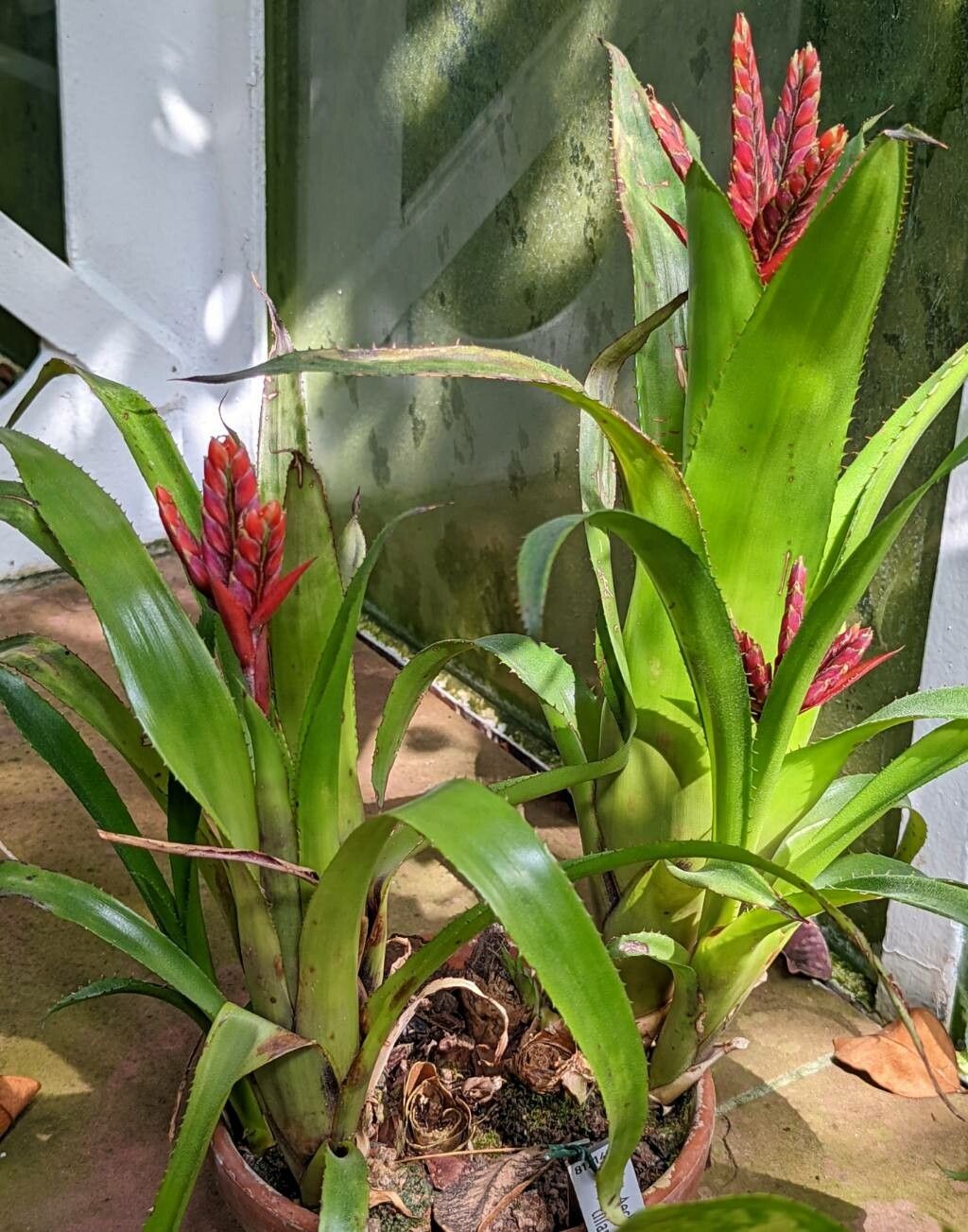
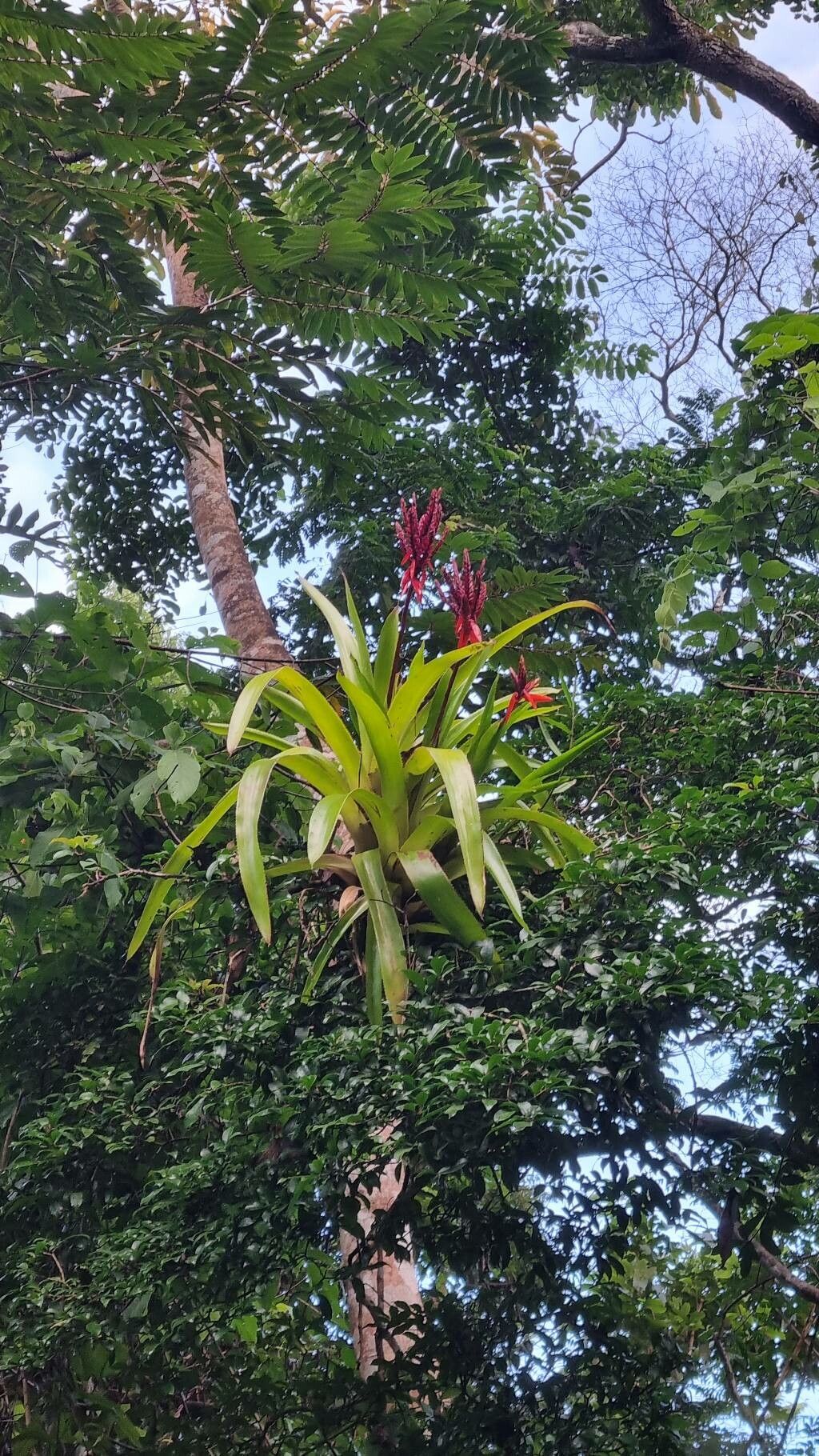
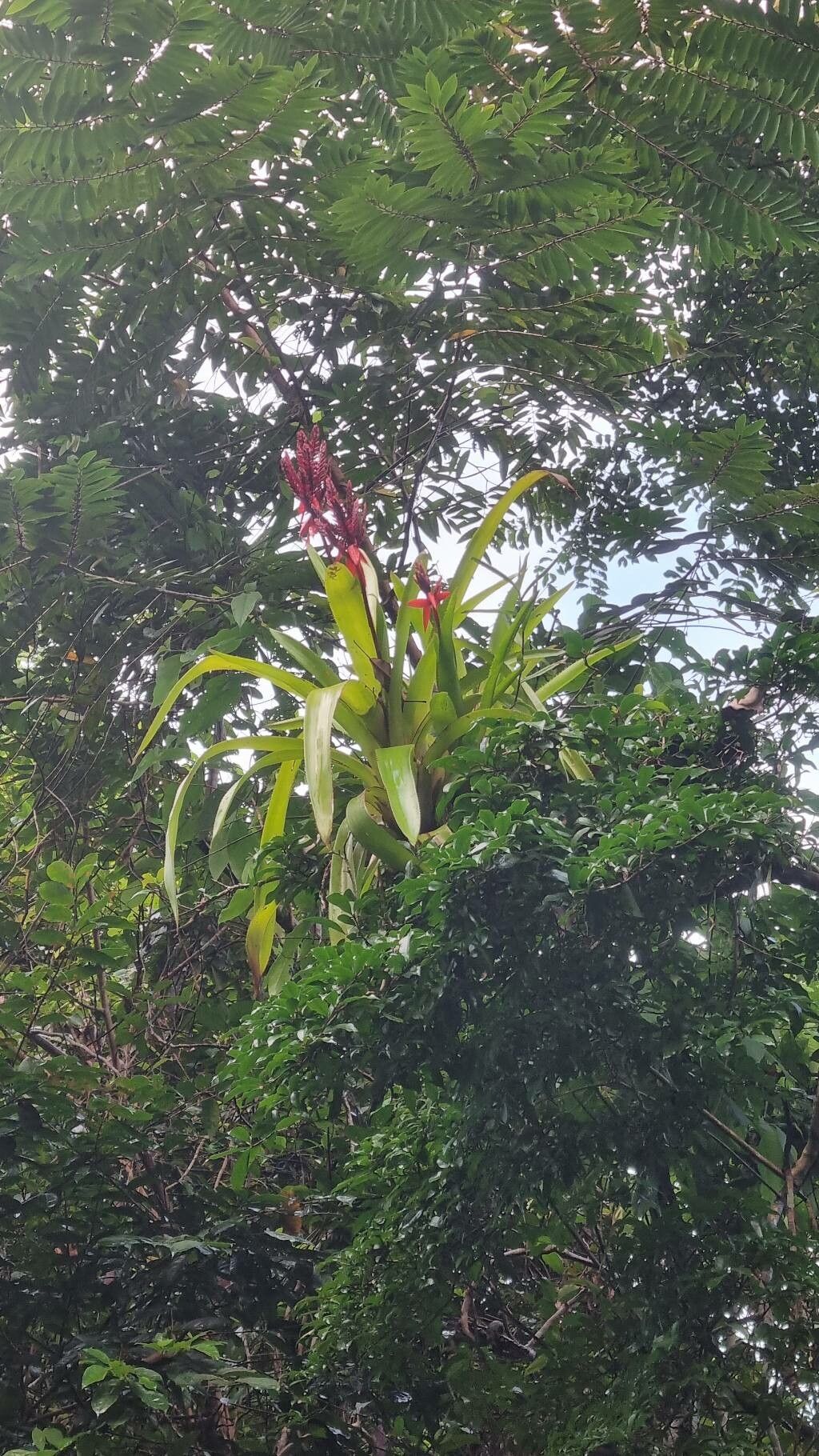
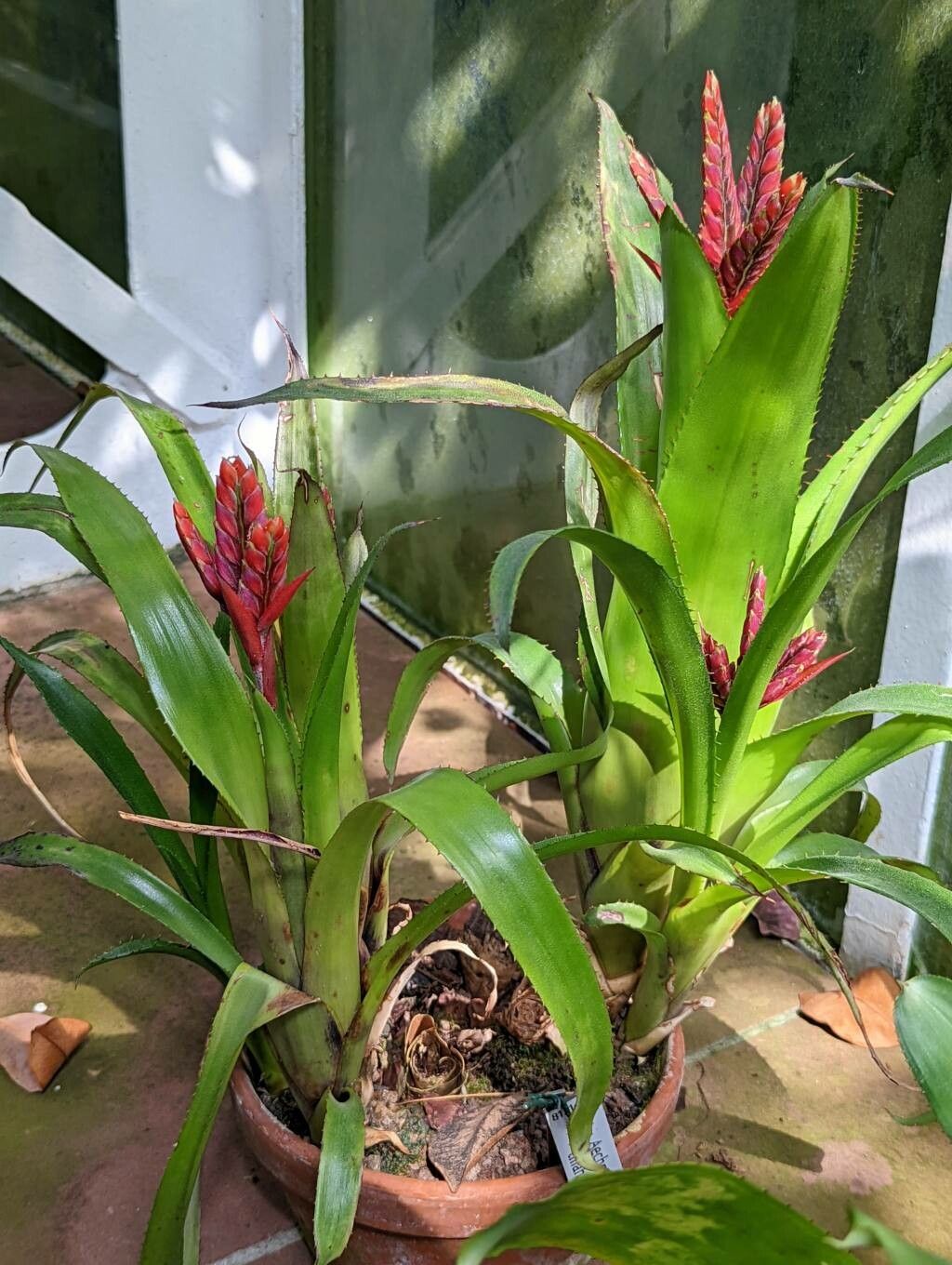
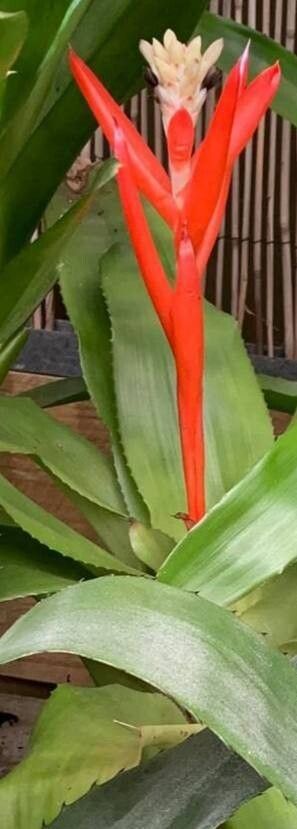
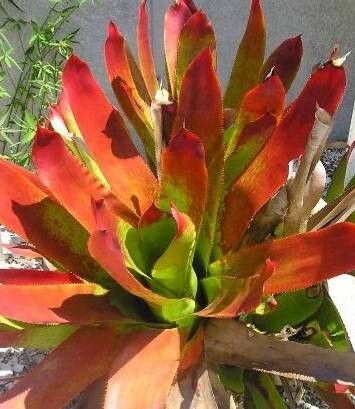
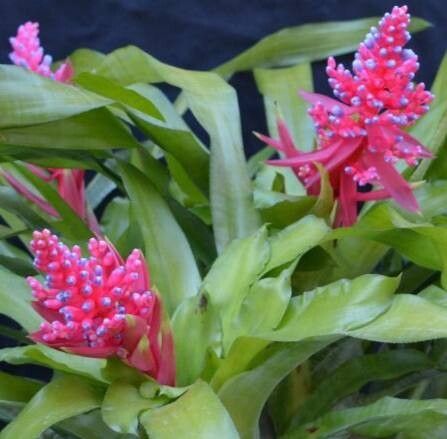
Aechmea tillandsioides is a bromeliad widespread across southern Mexico, Central America, and northern South America (Colombia, Venezuela, the Guianas, Ecuador, northern Brazil). It is widely cultivated in other regions as an ornamental plant. This plant is cited in Flora Brasiliensis by Carl Friedrich Philipp von Martius.
Aechmea tillandsioides is highly resistant to disease and is generally not prone to disease. However, it can be vulnerable to leaf spots if light and ventilation are poor and watering is excessive. The plant is regarded as easy to care for, since it only needs regular watering and does not require much care otherwise. Aechmea tillandsioides is suitable for people who don't have the time or energy to devote to regular care.
How to keep Aechmea Tillandsioides.
Light
Aechmea tillandsioides comes from habitats such as shaded forest understories. It favors partial sunlight but can withstand full sun when necessary.
Temperature
Aechmea tillandsioides prefers warm conditions. If temperatures fall too low, it may stop growing or incur frost damage. It tolerates high heat and humidity well and needs a consistent level of moisture in its environment. However, very high temperatures and humidity can make it prone to fungal infections. In dry situations, regular watering and misting are needed to keep air humidity adequate. The plant is sensitive to abrupt temperature changes, so keeping the temperature relatively steady is important.
Fertilizer
Correct fertilization is essential for Aechmea tillandsioides's health and appearance. Fertilize Aechmea tillandsioides during the summer, applying fertilizer monthly throughout the season. Nutrients provide energy for growth and support the upkeep of the plant's parts. Fertilization improves Aechmea tillandsioides's floral display, ensuring the best possible blooms.
Pruning
Aechmea tillandsioides, a tropical bromeliad, features striking rosettes and vibrant flowers. For optimal growth and airflow, prune the plant in early spring. Remove any spent blooms to encourage new growth. Regular pruning enhances the plant's vigor and appearance while also helping to prevent disease. Additionally, check for pests during the pruning process.
Pot & Repot
When repotting Aechmea tillandsioides, select a container 1–2 inches (2.5–5.1 cm) larger with good drainage. Use a well-draining potting mix. Repot in spring or fall, making sure the root ball is slightly lower than the rim of the pot. Water thoroughly after repotting and place in a warm spot with indirect sunlight.
Botanical profile.
- Plant Type
- Herb
- Life Cycle
- Perennial
- Genus
- Aechmea
- Family
- Bromeliaceae
- Hardiness Zone
- 8-11
- Mature Height
- 1 cm to 24 cm
- Mature Spread
- 40 cm to 76 cm
- Leaf Color
- Green
- Leaf Type
- Evergreen
- Flower Color
- Pink, Purple
- Flower Size
- 2.03 cm to 3.05 cm
- Bloom Time
- Summer, Early fall
- Planting Time
- Spring
- Harvest Time
- Late summer, Fall
- Native Area
- Colombia, Belize, Honduras, Mexico, Guatemala, Bolivia, Venezuela, Peru, Guyana, Brazil, Nicaragua, Ecuador, Costa Rica, Panama
Reader questions.
What is Aechmea tillandsioides?
Aechmea tillandsioides is a plant species known by its botanical name as Aechmea tillandsioides. Information about its essentials, such as care tips, and symptoms of any issues it may have, wasn't provided.