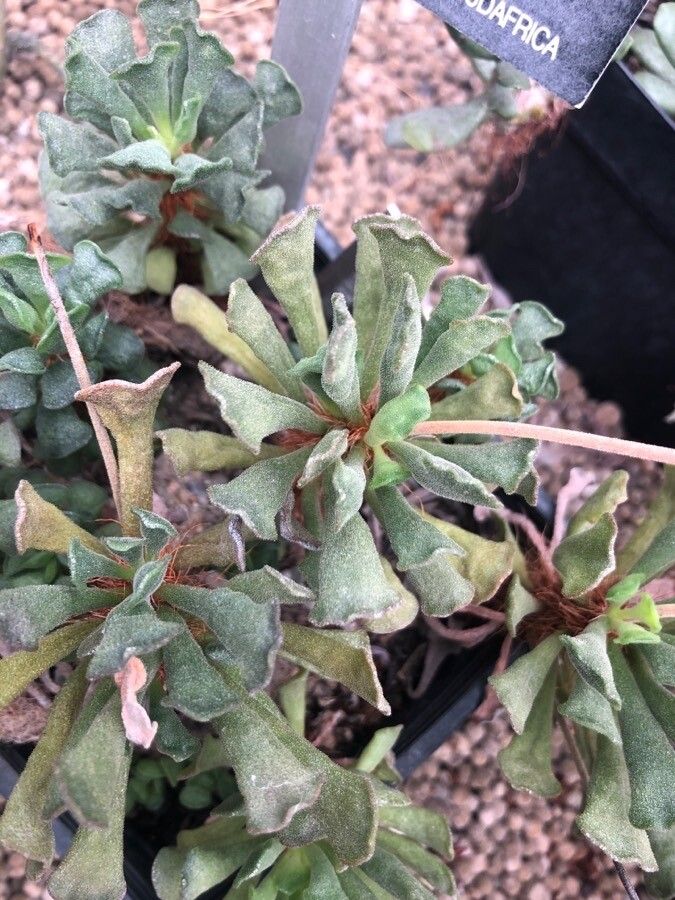
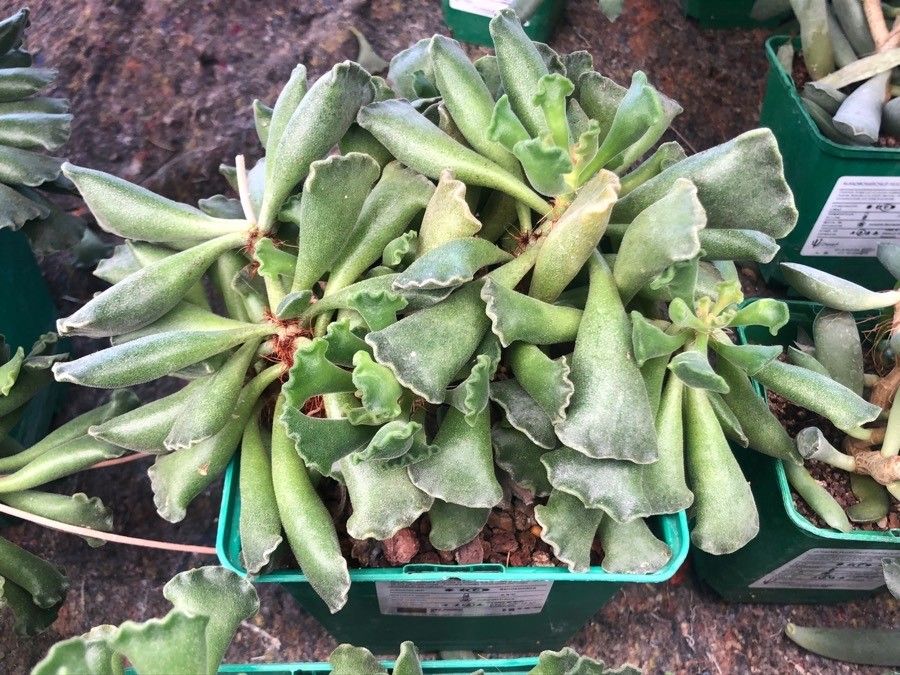
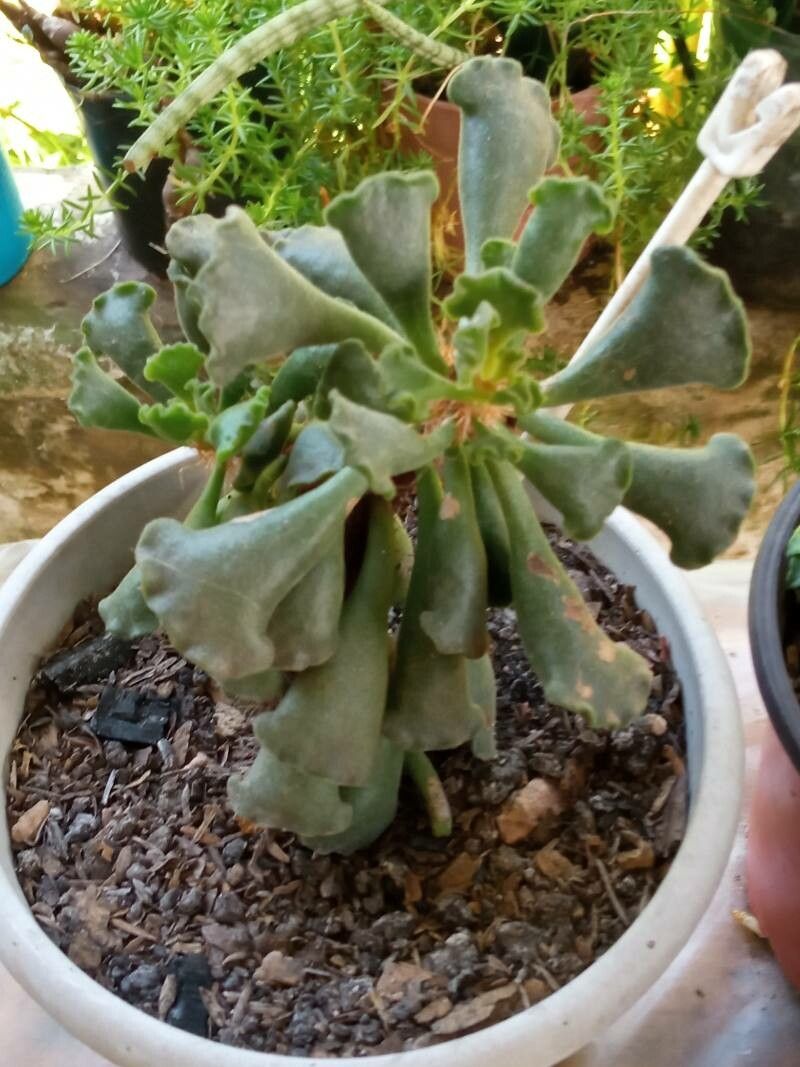
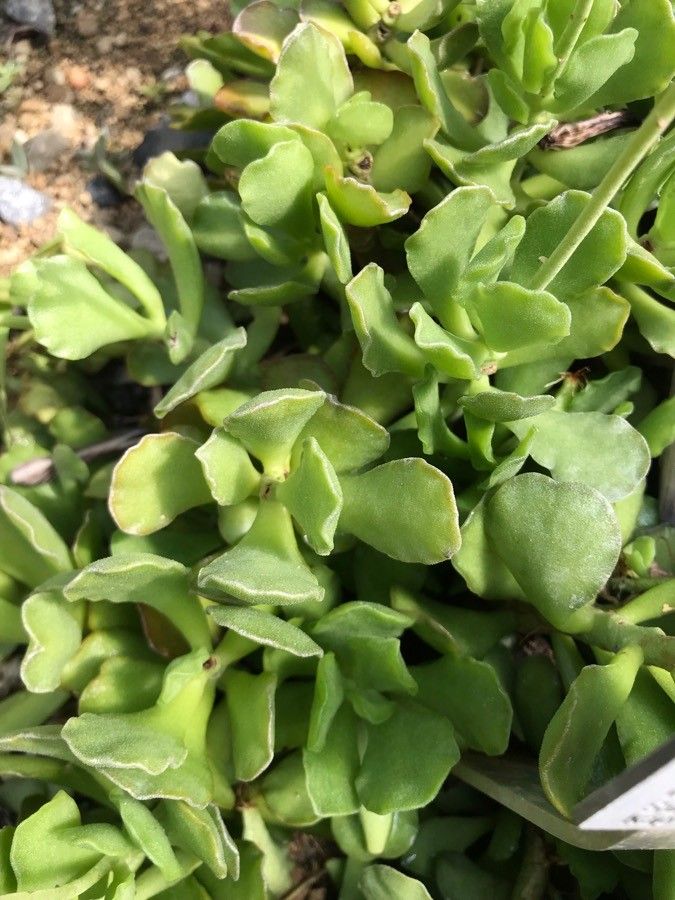
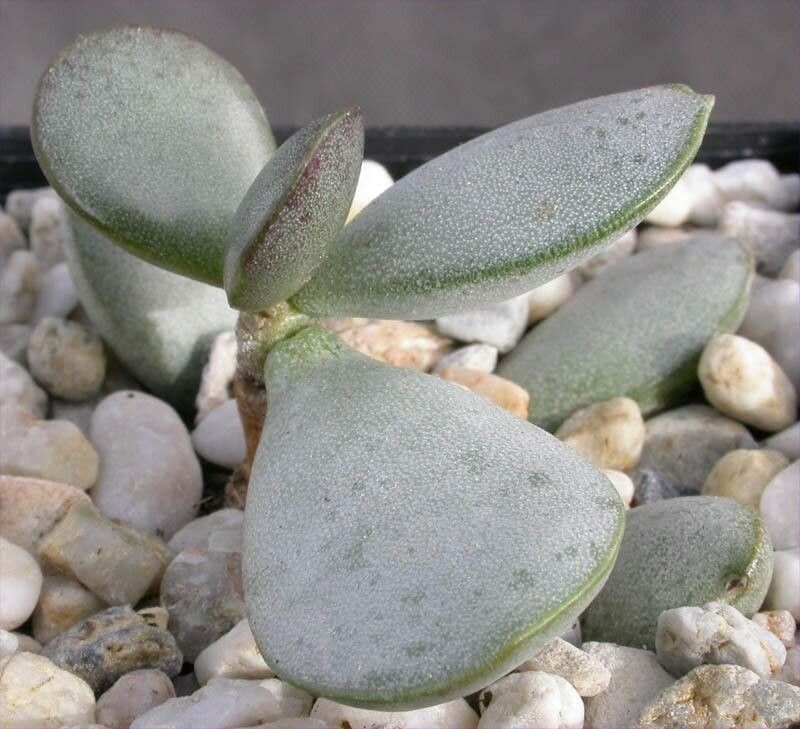
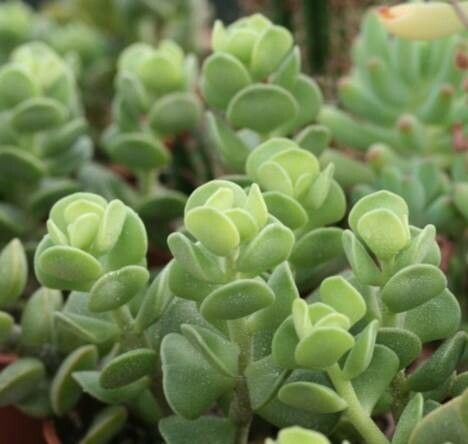
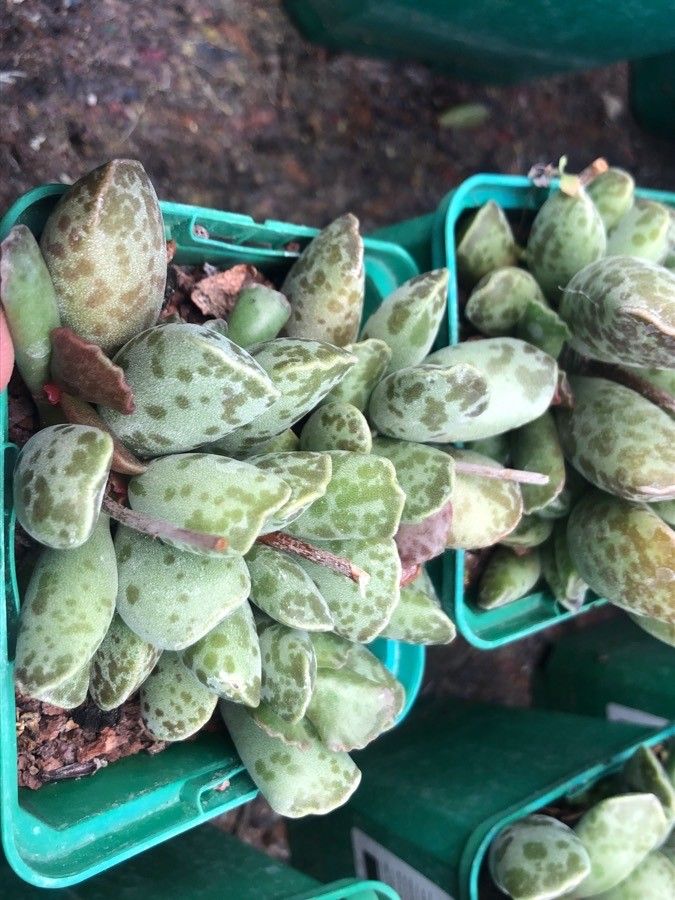
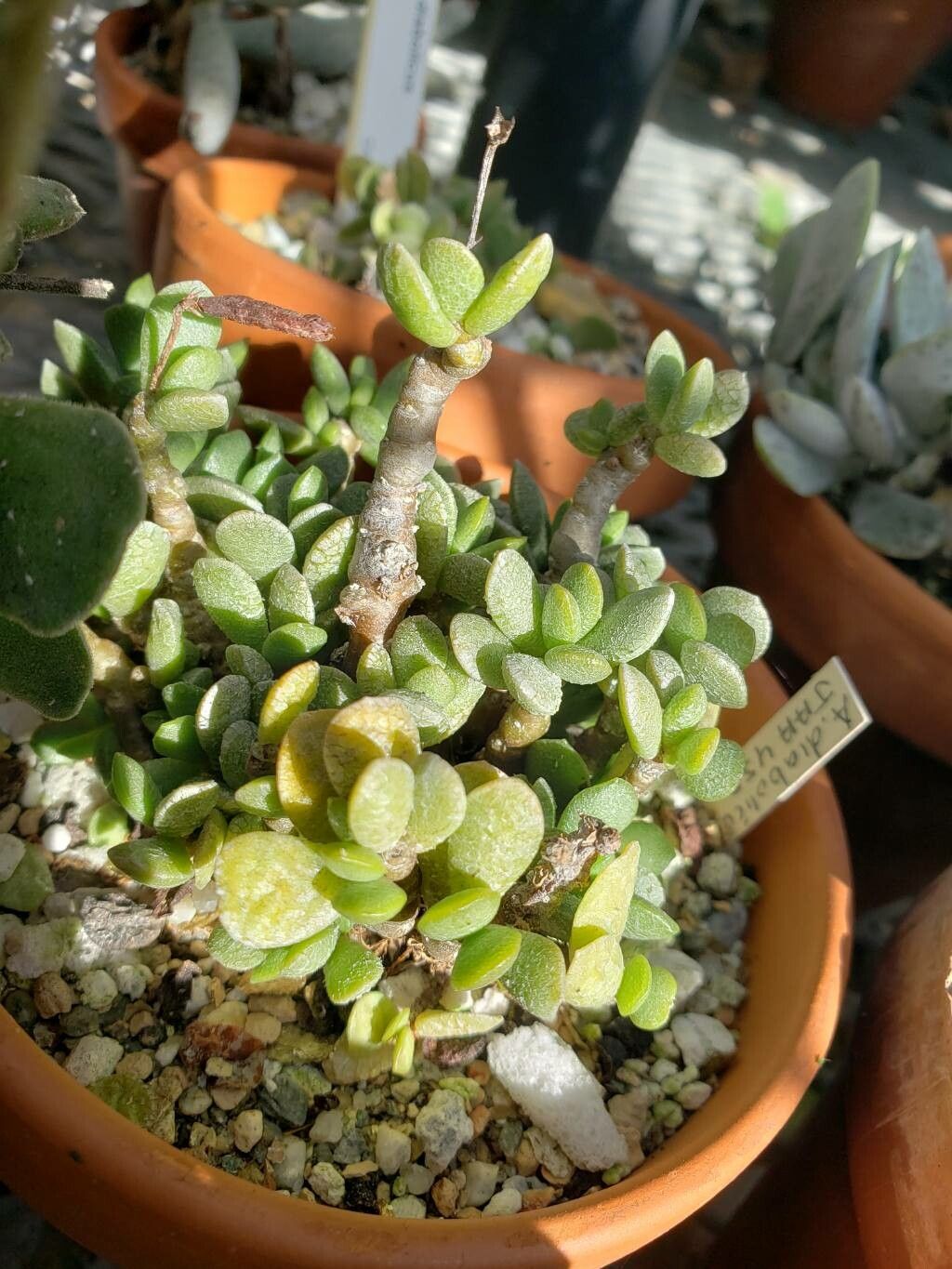
Adromischus cristatus, commonly known as the "crinkle-leaf plant," is a succulent belonging to the Crassulaceae family and native to South Africa. Its distinctively wavy, thick, and fleshy leaves exhibit a bluish-green hue, which can vary depending on sunlight exposure.
This compact plant typically grows up to 6 inches tall and 4 inches wide, making it an excellent choice for small indoor spaces or succulent gardens. It thrives in well-draining soil and requires moderate watering, with the soil needing to dry out between waterings.
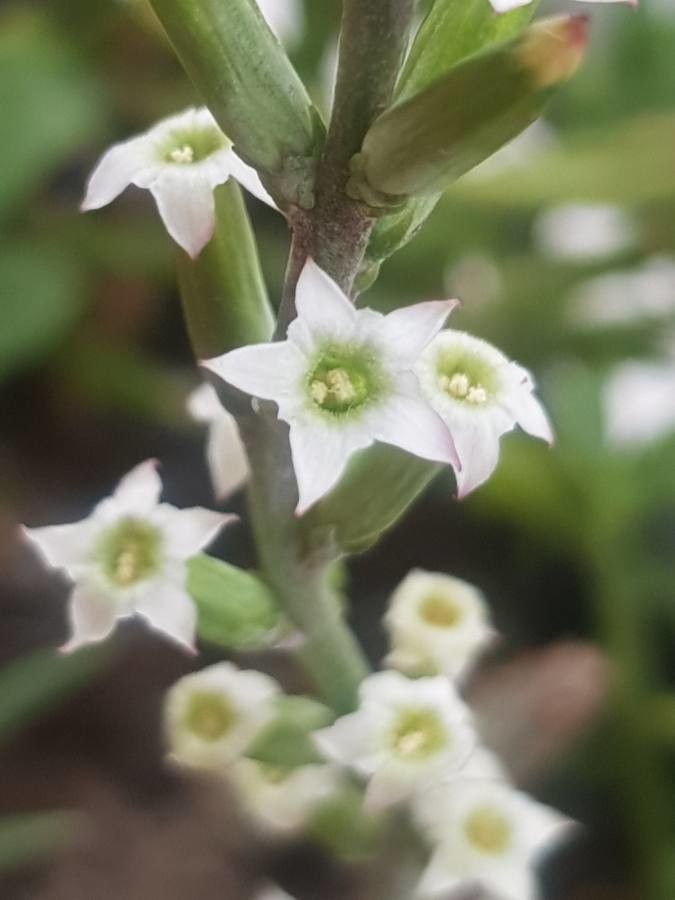
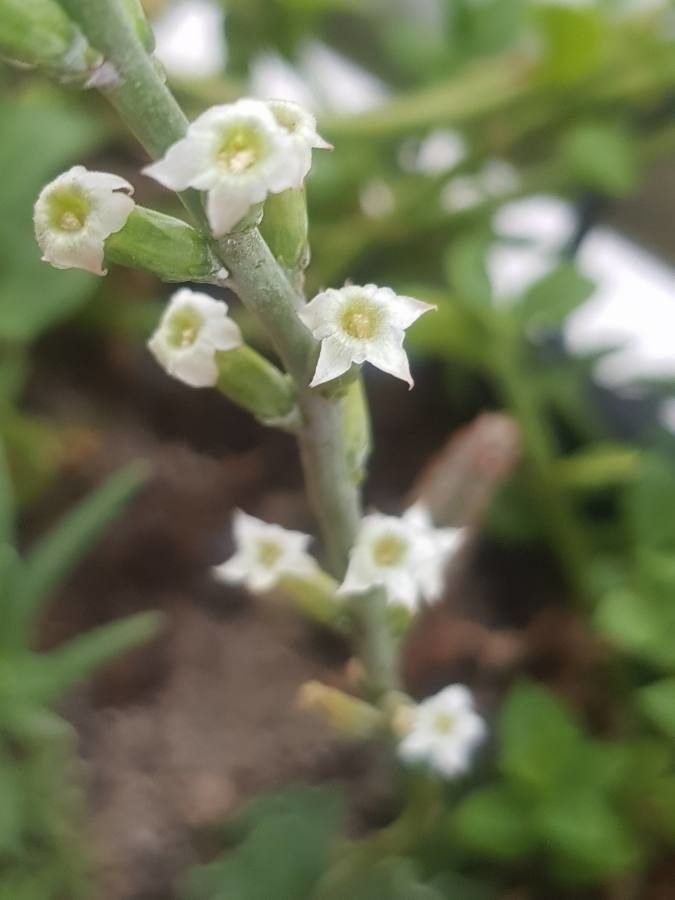
In late winter or early spring, Adromischus cristatus blooms with small white or pink flowers on tall stems that can reach up to 12 inches in height. Although these flowers are attractive, they are short-lived.
Overall, Adromischus cristatus offers unique foliage and is an easy-to-care-for succulent, adding visual interest and texture to any indoor or outdoor space.
The crinkle leaf plant has moderate disease resistance and is especially sensitive to humidity and excessive watering. It becomes more vulnerable to disease when it receives insufficient light and is overwatered. In terms of care, the crinkle leaf plant is drought tolerant and can endure long periods without water. It needs little fertilizer and only occasional pruning. These characteristics make it suitable for people with any level of experience, particularly those who prefer to spend less time on plant care or who may be away from home for extended periods. It is a good option for anyone who does not want to devote a lot of time to caring for plants but still wants an easy-to-maintain specimen.
How to keep Adromischus Cristatus.
Light
The crinkle leaf plant grows best with plentiful, unobstructed sunlight, though it can still persist in situations with reduced light. However, excessive direct, unfiltered sun can scorch its leaves, while too little light will hinder its normal growth, which would otherwise reflect its naturally sun-drenched habitat.
Water
The Crinkle Leaf Plant, native to the arid regions of South Africa, thrives with minimal water. It only needs to be watered once every three weeks. This plant prefers well-draining soil and benefits from dry periods between waterings, making it an ideal indoor ornamental plant.
Humidity
This plant will thrive in moderate humidity, which is probably the level in your home. However, misting it a few times a week can be very beneficial. Make sure the room has good ventilation.
Temperature
Because it naturally grows in a warm climate, the ideal temperature for the crinkle leaf plant plant is 68 to 100 ℉ (20 to 38 ℃). During the winter months it prefers cooler conditions of 50 to 68 ℉ (10 to 20 ℃). Avoid exposing the plant to temperatures under 41 ℉ (5 ℃).
Fertilizer
For the Crinkle leaf plant, light applications of fertilizer once or twice a year during the growing season are adequate. Do not fertilize in winter or in summer when the plant is dormant. Cut back on fertilizer for repotted plants and wait a couple of months after repotting before applying fertilizer. Fertilizing helps maintain healthy growth and encourages blooming.
Pruning
To keep large succulent plants, such as the crinkle leaf plant, in a beautiful shape, it's important to prune them in the spring and fall. This helps remove any dense or unnecessary branches. If you'd like to propagate the plant, follow these steps: cut a stem with 5-6 leaves, apply sulfur powder to the cut end, and allow it to heal before planting it in slightly moist soil.
Pot & Repot
When repotting a Crinkle leaf plant, choose a pot slightly larger than the current one that provides good drainage. Use a gritty, well-draining succulent or cactus mix. Gently remove the plant from its old pot, brush off excess soil, and set it in the new pot at the same depth. Wait several days before watering so any root damage can heal. Repot in spring or fall and place the plant in a brightly lit spot.
Toxicity
The crinkle leaf plant is potentially toxic to humans and animals. Keep this succulent out of the reach of persistent children and pets to minimize the risk of harm.
Further reading →
The toxicity and danger assessments provided are for reference only. We do not assure their accuracy, so it's crucial not to depend on them. Seek professional advice when necessary for accurate guidance.
Botanical profile.
- Plant Type
- Succulent, Herb
- Life Cycle
- Perennial
- Genus
- Adromischus
- Family
- Crassulaceae
- Hardiness Zone
- 9-11
- Mature Height
- 10 cm
- Mature Spread
- 5 cm
- Leaf Color
- Green, Gray
- Leaf Type
- Evergreen
- Flower Color
- White, Pink
- Flower Size
- 0.51 cm to 1.02 cm
- Bloom Time
- Late spring, Early summer, Mid summer
- Planting Time
- Spring, Summer, Autumn
- Harvest Time
- Early summer, Mid summer
- Native Area
- South Africa
Other names.
Reader questions.
What should I do if I give my Crinkle leaf plant too much or too little water?
The Crinkle leaf plant is a type of succulent that can withstand long periods without water. However, if you forget to water it for a month or more, you may notice signs of underwatering such as shriveled, dry, and flat leaves, as well as brown and crispy leaves that may fall off. To remedy this, you should give the plant plenty of water, submerging the pot in water for 5-10 minutes until the soil feels moist. You can also remove any dried out leaves to make room for new growth. On the other hand, overwatering can be dangerous and even fatal for the Crinkle leaf plant. Over time, excessive moisture can lead to root rot, which prevents the roots from absorbing nutrients and water. Symptoms of overwatering include yellow, swollen, and translucent leaves that may burst open. If left untreated, the leaves may turn brown or black and fall off. To address overwatering, you should adjust the growing conditions, provide more air ventilation, and reduce water frequency. Saving an overwatered plant can be challenging but catching the issue early is critical. To assess the plant's health, you should remove it from the pot and check the roots and soil. If root rot is present, the roots will be dark brown or black, soft, mushy, or slimy. If most of the roots are affected, it may be impossible to save the plant. However, if only a portion of the roots are affected, you can remove the unhealthy roots, dip the remaining healthy roots in fungicide, and repot the plant in fresh, well-draining soil. This will give the plant a chance to recover and produce new growth in the next growing season.
Why is it necessary for me to add fertilizer to my Crinkle leaf plant?
The growth of the Crinkle leaf plant is improved by fertilizing it. While it does store water and nutrients on its own, applying plant food during the growing season is beneficial for promoting healthy growth. Fertilizing also aids in encouraging mature specimens of the plant to bloom during the growing season.
What are the sunlight requirements for a Crinkle Leaf Plant (Adromischus cristatus)?
The Crinkle Leaf Plant thrives in conditions where it can bask in the sun's rays generously, as its natural environment is one that typically enjoys ample sunlight. For optimal growth, it needs more than 6 hours of direct sunlight daily, categorized as full sun, while managing to grow in partial sun, which is about 3-6 hours of sunlight. However, it's crucial to provide the right balance, as excessive unfiltered exposure can scorch the leaves, and too little sunlight can hinder its growth, making it essential to watch how sunlight moves through your garden to find the perfect spot.
What is the ideal temperature range for crinkle leaf plant?
The crinkle leaf plant, also known as Adromischus cristatus, thrives in a warm climate with an ideal temperature range between 68 to 100°F (20 to 38°C). In the winter months, it prefers a cooler temperature range of 50 to 68°F (10 to 20°C), and it's crucial to avoid exposing the plant to temperatures below 41°F (5°C). This heat-loving plant enters a dormant state in colder temperatures and requires careful management to ensure its health.
How frequently should I give water to my Crinkle leaf plant?
Determining the frequency of watering for a Crinkle leaf plant is not a strict rule. To ascertain when to water, it is best to check the soil and only proceed if it is completely dry. One can assess the soil's moisture by either using a finger or a moisture meter to check beneath the surface. In the case of planting in a deep pot, a stick or chopstick can be used for this purpose. If any moisture is detected, even if it is slight, it is advisable to wait a few days and check again. Although most people typically need to water a Crinkle leaf plant every two weeks in the summer and once a month in the winter, various factors can influence this frequency. The following section provides some considerations that can assist in determining the appropriate watering schedule.
When should I fertilize my Crinkle leaf plant for the best results?
The Crinkle leaf plant only requires a small amount of fertilizer throughout the growing season, about 1-2 times a year. To ensure proper growth, it is recommended to fertilize in the spring and autumn, avoiding winter and summer when the plant is dormant. When repotting, be cautious of the amount of fertilizer used and wait a few months before applying any fertilizer.
How can artificial lighting be used for a Crinkle Leaf Plant indoors?
When natural sunlight is insufficient, especially during winter or in less sunny spaces, artificial lighting becomes necessary for the crinkle leaf plant's growth. Indoor plants benefit greatly from artificial lights, which can mimic natural sunlight and promote healthier, faster growth. Using LED lights is recommended because they can be customized to provide specific wavelengths needed by the plant. Full sun plants require 30-50W/sq ft, partial sun plants need 20-30W/sq ft, and full shade plants 10-20W/sq ft of light. The light source should be placed 12-36 inches above the plant for 8-12 hours a day to mimic the natural daylight hours effectively.
How should I care for crinkle leaf plant during winter?
During winter, when outdoor temperatures drop below 0°C, crinkle leaf plants should be moved indoors to continue cultivation. Placing them near a south-facing window ensures they receive ample sunlight. If natural light is insufficient, consider using supplemental lighting. Once temperatures fall below 20°C, reduce or halt watering to prevent root rot. For plants grown outdoors, stop watering during low temperatures entirely. If possible, setting up a temporary greenhouse or wrapping the plant with plastic film or fabric may provide essential insulation against the cold.
What should I think about when watering my Crinkle leaf plant?
When caring for your Crinkle leaf plant, there are several factors to consider in terms of watering. Container size, soil type, temperature, and humidity all play a role in determining the plant's watering needs. First, the container and soil you choose will affect how often and how much water you should use. Make sure to use a container with good drainage to allow excess water to escape. Smaller containers hold less soil and will require more frequent watering, while larger pots retain moisture longer and need less frequent watering. Avoid using an oversized pot, as this can lead to overwatering. When repotting, move to a container that is just one size larger than the current one, preferably with a shallow depth to accommodate the plant's shallow root system. The watering frequency also varies with the seasons. In winter, when the plant's growth slows down and less water is lost to evaporation, the plant will require less frequent watering. During the active growing seasons of spring and autumn, you'll need to water more often. Additionally, consider the climate of your location. If you live in a humid area with ample rainfall, you'll need to water less frequently compared to a dry, arid climate. Keep in mind that the conditions can change even within the same geographic location due to seasonal variations and indoor heating or air conditioning. If you have planted your Crinkle leaf plant in the ground, it generally won't need additional watering beyond what it receives from precipitation and dew. However, during extended dry periods, occasional watering may be necessary. For areas where the plant can only be grown in containers, it can be moved outside during suitable spring and summer temperatures and brought back indoors when temperatures drop. Keep in mind that a potted Crinkle leaf plant kept outside will generally require more water due to increased sun exposure, even on a shaded porch.
When is it not a good idea to fertilize my Crinkle leaf plant?
The Crinkle leaf plant, like many other plants, has a dormancy period. During this time, it is best to avoid applying fertilizer. This occurs in both summer and winter, when the plant stops growing. Additionally, it is recommended to refrain from fertilizing for the first few months after repotting in the spring.
What are the symptoms of inadequate lighting for a Crinkle Leaf Plant?
Insufficient lighting can lead to several problems for a Crinkle Leaf Plant, including lighter-colored new leaves indicating a lack of chlorophyll and essential nutrients, leggy or sparse growth where stems become longer and the plant appears thin and stretched, and faster leaf drop as a way to conserve resources. Other symptoms include chlorosis (leaves turning yellow due to chlorophyll breakdown), sunscald (damage from intense sun exposure), leaf curling (to reduce surface area and minimize water loss), wilting (loss of turgor pressure causing droopiness), and leaf scorching (brown, dry edges from too much sun). These symptoms indicate the plant is not receiving its ideal light conditions.
What symptoms indicate the crinkle leaf plant is affected by low temperature?
Symptoms that the crinkle leaf plant is struggling with low temperatures include weakness, wilting, and susceptibility to root rot, particularly if temperatures fall below -5°C. While mild frost damage may not show immediate symptoms, the plant will gradually wither over time. Trimming frostbitten areas and checking for root rot are crucial steps in recovery. If roots have rotted, they should be cut off for propagation. Moving the plant to a warmer indoor location near a south-facing window can aid in recovery, using supplemental lighting if necessary.